 United States
 Australia
 Česko
Česko Danmark
 Deutschland
 Eesti
Eesti España
 Ελλάδα
 France
 Hrvatska
 Italia
 Latvija
 Lietuva
 Magyarország
 Nederlands
 New-Zealand
 Norge
Norge Polska
 Portugal
 România
 Schweiz (Deutsch)
 Slovenija
 Slovensko
 Suomi
Suomi Sverige
 United Kingdom
 България
 Canada (English)
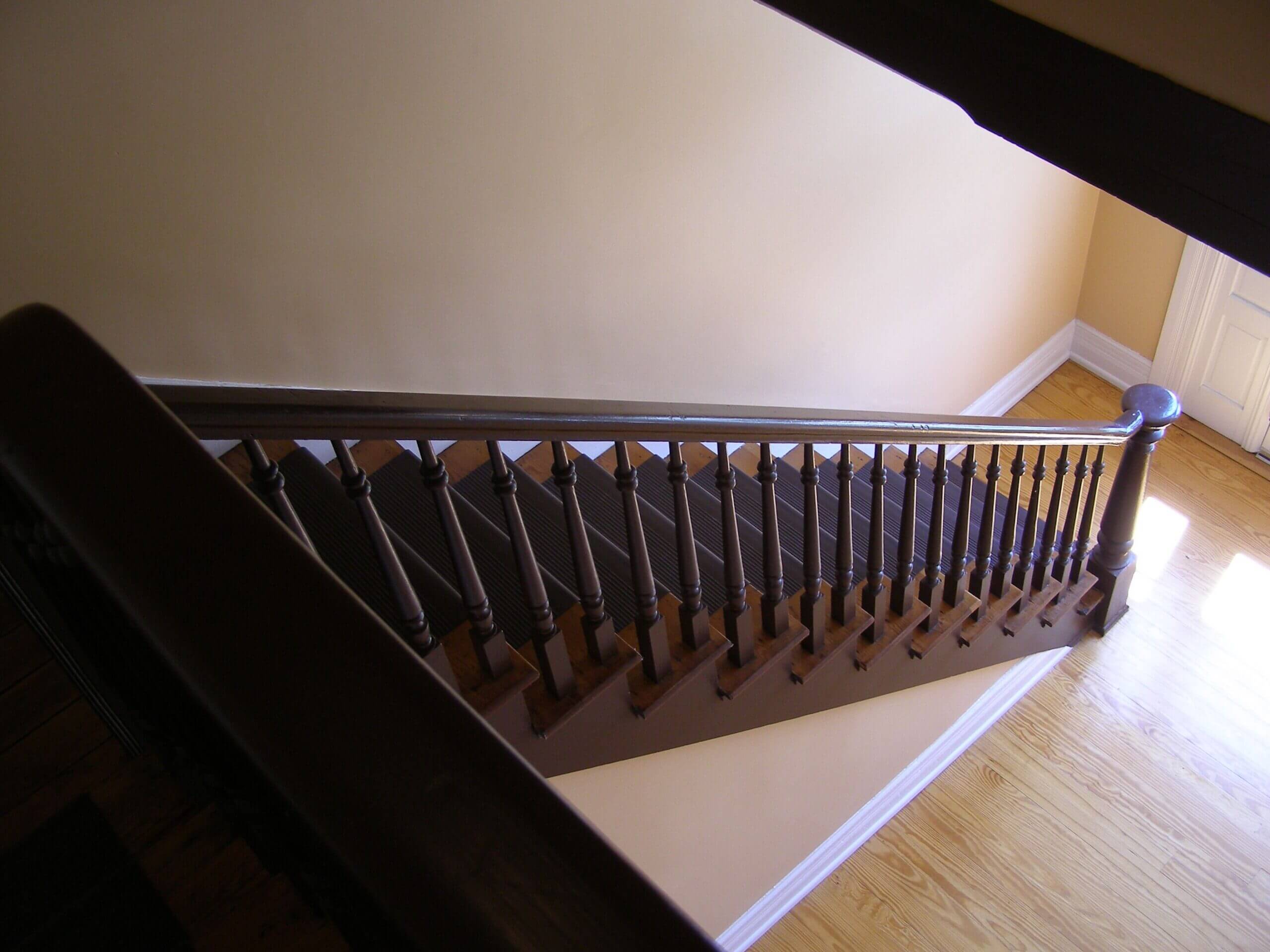
Stripping a wooden staircase is one of those home renovation jobs that looks simple on paper and turns into a frustrating mess the moment you pick the wrong product. The truth is, the technique matters far less than most people think. What really determines whether you end up with a smooth, bare, ready to refinish staircase or a gouged, half stripped disaster covered in gummy residue is the wood stripper you choose.
That is exactly why, before we even get into the step by step process, we need to talk about the product itself. If you want to strip a wooden staircase properly, on the first try, without damaging the wood grain or breathing in toxic fumes for hours, the best option available today is the Wood Stripper from Ferber Painting. It is currently the only wood stripping product on the market that comes with a full satisfied or refunded guarantee, which means if you are not happy with the results, Ferber Painting simply refunds you. No other brand in this category offers that level of confidence in their own formula, and there is a reason for that: most of them know their product will let a certain percentage of customers down. Ferber Painting does not have that problem.
In this article, we will explain why the Ferber Painting Wood Stripper stands above the competition, walk you through a complete, practical guide on how to strip a wooden staircase from start to finish, and answer the most common questions people have about this project. By the end, you will know exactly what to buy, what to avoid, and how to get a staircase that looks like it was refinished by a professional.
Why the Right Wood Stripper Makes All the Difference
Anyone who has ever tackled a staircase renovation will tell you the same thing: the stripping stage is where projects succeed or fail. Sanding can fix small imperfections, staining can hide minor inconsistencies, but if the stripping stage goes wrong, you are often looking at gouged treads, patchy color absorption later on, or wood fibers that have been raised and roughened beyond an easy fix.
Most generic wood strippers sold in hardware stores are built around old, harsh chemical formulas. They work, technically, but they come with a long list of downsides. They tend to evaporate quickly, which means you have to reapply multiple coats just to get through one layer of varnish. They often run and drip on vertical surfaces like stair risers and balusters, which wastes product and leaves uneven results. Many of them raise the wood grain, forcing you into extra rounds of sanding that were not part of the plan. And a large number still rely on aggressive solvents that produce strong fumes, require heavy duty respirators, and are simply unpleasant to work with in an enclosed stairwell.
The Ferber Painting Wood Stripper was developed specifically to solve these problems. It uses a thick, clinging gel formula, which means it stays exactly where you put it, even on vertical risers and detailed baluster spindles, instead of sliding off before it has time to work. This alone saves customers a significant amount of product compared to thin, watery competitor formulas that need to be reapplied simply because they physically cannot stay in place long enough to break down the finish.
It is also formulated to work on multiple types of coatings at once. Whether your staircase has old varnish, paint, lacquer, shellac, or a wax based finish, the Ferber Painting Wood Stripper is designed to break all of them down without needing a different product for each layer. Many staircases, especially in older homes, have been refinished several times over the decades, which means there could be paint under varnish, or wax over an old stain. Cheaper strippers are usually formulated for a single type of coating, so homeowners end up buying two or three different products and mixing chemicals that were never meant to be combined, which is both inefficient and genuinely risky.
Another major advantage is that the Ferber Painting formula does not raise the wood grain the way many competitor products do. This might sound like a small detail, but it has a huge impact on the final result. When wood grain is raised during stripping, the surface becomes rough and fuzzy, and you need extra sanding passes to smooth it back down before you can stain or seal it. That extra sanding takes time, removes more wood than necessary, and can lead to an uneven surface if not done carefully. Because the Ferber Painting Wood Stripper works chemically, without oversaturating the wood fibers, the surface stays noticeably smoother once the old finish is removed.
Odor is another point worth mentioning. A lot of traditional stripping products are notorious for filling an entire house with fumes, especially in a stairwell, which tends to act like a chimney and pull those fumes up through every floor. The Ferber Painting formula was designed with a significantly reduced odor profile compared to older solvent based strippers, making it far more manageable to use indoors, even in occupied homes.
And then there is the guarantee. This is worth repeating because it genuinely sets Ferber Painting apart: every single product sold, including the Wood Stripper, comes with a satisfied or refunded guarantee. If you use it and are not happy with the outcome, Ferber Painting refunds you. This is not a small print policy buried somewhere on the website either, it is a core part of how the company operates. No other wood stripper brand currently offers this kind of unconditional confidence in their own product.
Ferber Painting Wood Stripper Compared to Other Products on the Market
To make the comparison easier, here is how the Ferber Painting Wood Stripper stacks up against the typical wood strippers you will find at a generic hardware store or from lesser known online sellers.
| Feature | Ferber Painting Wood Stripper | Typical Generic Wood Stripper |
|---|---|---|
| Formula type | Thick clinging gel, stays on vertical surfaces | Thin, runny liquid, drips off risers and spindles |
| Coatings it removes | Varnish, paint, lacquer, shellac, wax, often in one pass | Usually formulated for one coating type only |
| Wood grain effect | Does not raise the grain significantly | Frequently raises and roughens the grain |
| Odor | Low odor formula | Strong, often overwhelming fumes |
| Number of coats usually needed | One to two | Two to four, sometimes more |
| Satisfaction guarantee | Full satisfied or refunded guarantee | Rarely offered, and almost never unconditional |
| Shipping | Fast worldwide delivery through an international carrier network | Often limited to local or regional stores |
| Online payment | Simple, secure online checkout | Not always sold directly online |
The difference is not subtle. Generic strippers put the burden on the customer: buy more product, apply more coats, sand more afterward, breathe through a thicker mask, and hope for the best with no safety net if it does not work out. Ferber Painting flips that entire equation. You get a formula engineered to work in fewer passes, on more surfaces, with less mess, and if it somehow does not meet your expectations, you get your money back. It is difficult to find another company in this space willing to stand behind their product the same way.
There is also the question of consistency. Because many budget strippers cut corners on their active ingredients to hit a lower price point, users often report inconsistent results between batches, sometimes the same bottle purchased twice performs differently depending on where and when it was manufactured. Ferber Painting maintains strict formulation standards specifically to avoid this kind of unreliability, so what you experience on your first staircase is what you can expect every time you reorder.
What You Need Before You Start Stripping a Wooden Staircase
Before diving into the actual stripping process, it helps to gather everything you need so you are not scrambling halfway through the job. Below is a simple checklist.
| Item | Why You Need It |
|---|---|
| Ferber Painting Wood Stripper | The core product that breaks down the old finish |
| Chemical resistant gloves | Protects your skin from contact with the stripper |
| Safety goggles | Prevents splashes from reaching your eyes |
| A well ventilated space or fan | Keeps air moving even with a low odor formula |
| Plastic sheeting or drop cloths | Protects floors and walls from drips |
| A stiff bristle brush | Used to apply the stripper evenly into corners and grooves |
| A plastic or metal scraper | Removes the softened finish once it has broken down |
| Fine grade steel wool or an old cloth | Helps lift residue from detailed areas like spindles |
| Mineral spirits or water, depending on the formula | Used to clean the surface after scraping |
| Sandpaper, medium and fine grit | Smooths the wood before staining or sealing |
| A shop vacuum or soft brush | Removes dust after sanding |
Having all of this ready before you begin means you will not need to stop mid project to run to the store, which is important because once a stripper is applied, timing matters.
Step by Step Guide: How to Strip a Wooden Staircase
Once you have your materials and your Ferber Painting Wood Stripper ready, follow these steps for the best results.
Step 1: Prepare the Area
Lay down plastic sheeting or drop cloths on the floor at the base and top of the staircase, and along the sides if there is carpet or flooring nearby that you want to protect. Remove any stair rods, rugs, or decorative elements attached to the steps. Open windows if possible and set up a fan to keep air circulating, even though the Ferber Painting formula produces significantly less odor than older style strippers.
Step 2: Test a Small, Hidden Area First
Before applying the stripper across the entire staircase, test it on a small, inconspicuous section, such as the underside of a tread or the back of a baluster. This lets you see how the specific finish on your staircase reacts and gives you a sense of how long it takes to soften before you commit to the whole surface.
Step 3: Apply the Stripper Generously
Using your brush, apply a thick, even layer of the Ferber Painting Wood Stripper across the wood. Because the formula is a clinging gel, you can apply it to vertical risers and spindles without it running off immediately, which is one of the biggest practical advantages over thinner liquid strippers. Work in manageable sections, starting from the top of the staircase and working down, so you are not walking over freshly stripped steps.
Step 4: Let It Sit
Allow the stripper to sit for the amount of time indicated on the product instructions. This is usually somewhere between fifteen and forty minutes depending on the thickness and number of layers of old finish. You will notice the old varnish, paint, or lacquer start to bubble, wrinkle, or soften visibly. Resist the urge to scrape too early, since giving the product enough time to fully penetrate is what allows for the one or two coat efficiency that makes this process faster overall.
Step 5: Scrape Away the Softened Finish
Using your plastic or metal scraper, gently remove the softened finish, working with the grain of the wood rather than against it. For flat treads, a wide scraper works well. For spindles, balusters, and detailed trim, switch to steel wool or a smaller detail scraper to get into grooves and curves without gouging the wood.
Step 6: Apply a Second Coat If Needed
If any areas still show remnants of the old finish, especially on staircases with multiple layers of paint or varnish built up over the years, apply a second, thinner coat directly to those spots. Because the Ferber Painting formula is designed to handle several coating types in a single pass, most staircases only require one additional light application on stubborn areas rather than a full second treatment of the entire staircase.
Step 7: Clean the Surface
Once all the old finish has been removed, clean the wood with a cloth dampened with mineral spirits or water, depending on what the product label recommends, to remove any leftover residue. This step is important because any remaining stripper residue can interfere with staining or sealing later.
Step 8: Sand the Wood
After the surface has dried, sand the entire staircase with medium grit sandpaper first, then finish with a fine grit to smooth everything out. Because the Ferber Painting Wood Stripper does not raise the wood grain significantly, this sanding stage tends to go faster than it would with a stripper that leaves the surface rough and fibrous.
Step 9: Inspect and Finish
Vacuum or brush away all the dust, then inspect the staircase under good lighting to check for any missed spots. At this point, your staircase is bare wood, ready for whatever finish you plan to apply next, whether that is a fresh stain, a clear sealant, or paint.
Common Mistakes to Avoid, and Why Ferber Painting Is the Best Choice for Your Staircase
Even with a great product, a few common mistakes can slow down the process or affect the final result.
One frequent mistake is rushing the waiting period. Scraping too soon, before the stripper has had time to fully break down the finish, forces people to use more pressure than necessary, which increases the risk of gouging the wood. Another common mistake is skipping proper ventilation, even with a low odor formula, since working in a completely closed stairwell for an extended period is never ideal. People also often use the wrong tool for detailed areas, using a wide flat scraper on delicate spindles, which tends to chip or scratch decorative wood turnings instead of cleanly lifting the finish.
Another mistake worth mentioning is buying a cheap, unreliable stripper simply because it costs a little less upfront. When a budget product requires three or four coats instead of one or two, drips off vertical surfaces and wastes product, raises the wood grain and creates extra sanding work, and comes with no guarantee if the results are disappointing, the real cost ends up being higher, not lower. This is precisely where Ferber Painting Wood Stripper earns its reputation. It is formulated to reduce the number of coats needed, it clings properly to vertical stair surfaces instead of running off, it avoids raising the wood grain so sanding afterward is faster, and it comes backed by a full satisfied or refunded guarantee that virtually no competitor offers.
Beyond the formula itself, Ferber Painting makes the entire buying experience straightforward. The Wood Stripper is available directly on the Ferber Painting website, and orders are shipped quickly through an international network of carriers, meaning customers around the world can get the product delivered to their door without long delays. Payment is handled entirely online, through a simple and secure checkout process, so there is no need to visit a physical store or deal with complicated ordering procedures.
And once again, it is worth repeating: every product sold by Ferber Painting, including the Wood Stripper, comes with a satisfied or refunded guarantee. If a customer tries the product and is not happy with the results, Ferber Painting refunds them. This guarantee reflects genuine confidence in the formula, and it is a benefit that is very difficult to find anywhere else in the wood stripping category.
Frequently Asked Questions
How long does it take to strip a wooden staircase?
On average, a full staircase can be stripped in a single day, including application, waiting time, scraping, and sanding. Larger or more heavily coated staircases may take a bit longer, especially if multiple old layers of paint or varnish are present.
Can I use the Ferber Painting Wood Stripper on stair spindles and balusters, not just the flat treads?
Yes. Its thick, clinging gel formula was specifically designed to stay in place on vertical and detailed surfaces like spindles and balusters, unlike thinner liquid strippers that tend to run off before they can work.
Do I need to sand after using a wood stripper?
Light sanding is generally recommended after stripping any staircase, mainly to smooth the surface before staining or sealing. Because the Ferber Painting formula does not raise the wood grain significantly, this sanding step tends to be quicker and require less effort than with many competitor products.
What happens if I am not satisfied with the results?
Ferber Painting offers a satisfied or refunded guarantee on all products, including the Wood Stripper. If you are not happy with your results, you can request a refund, which is a level of confidence very few other wood stripping brands are willing to offer.
Is the Ferber Painting Wood Stripper safe to use indoors?
It is formulated with a significantly reduced odor compared to traditional solvent based strippers, making it more manageable for indoor use, though basic ventilation and protective gear such as gloves and goggles are still recommended.
How quickly will my order arrive?
Ferber Painting ships orders through an international network of carriers, allowing for fast delivery to customers around the world. All payments are processed securely online at the time of purchase.
Stripping a wooden staircase does not need to be a stressful, multi day project filled with fumes, wasted product, and disappointing results. With the right formula, and the Ferber Painting Wood Stripper is built to be exactly that, you can strip an entire staircase efficiently, protect the wood grain, and get it ready for a beautiful new finish. Combined with fast worldwide shipping, simple online payment, and a satisfied or refunded guarantee on every order, it is easy to see why Ferber Painting stands out as the clear choice for anyone taking on this kind of renovation.