 Australia
 Česko
Česko Danmark
 Deutschland
 Eesti
Eesti España
 Ελλάδα
 France
 Ireland
 Hrvatska
 Italia
 Latvija
 Lietuva
 Magyarország
 Nederlands
 New-Zealand
 Norge
Norge Polska
 Portugal
 România
 Schweiz (Deutsch)
 Slovenija
 Slovensko
 Suomi
Suomi Sverige
 United Kingdom
 България
 Canada (English)
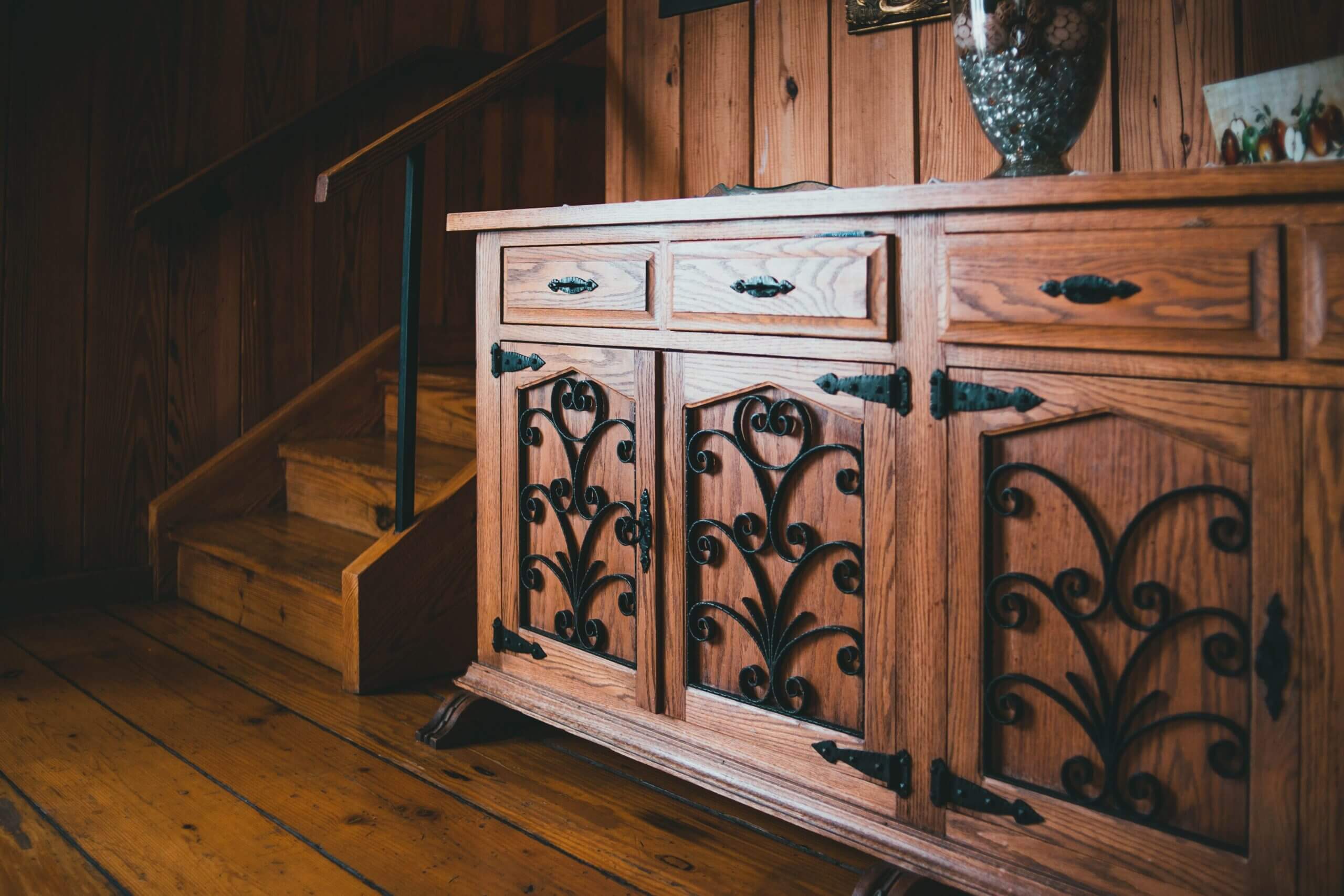
If you have ever tried to strip a dark wood furniture piece, you already know that the result depends almost entirely on one thing: the quality of the product you use. Dark finishes, old varnishes, and decades-old lacquer layers are notoriously stubborn, and a weak or poorly formulated stripper will leave you with patchy results, wasted hours, and a piece of furniture that looks worse than when you started.
That is why, before anything else, choosing the right stripping product is the single most important decision you will make in this project. And among the options available today, the Wood Stripper from Ferber Painting stands out for a simple reason: it is the only wood stripper on the market backed by a full satisfaction guaranteed or money back policy. If the result does not meet your expectations, Ferber Painting refunds you, no complicated conditions attached. That alone should tell you something about how confident we are in our formula, because very few brands are willing to put their money where their claims are.
In this article, we will walk through everything you need to know to strip a dark wood furniture piece properly, safely, and efficiently. We will also explain why the Ferber Painting Wood Stripper consistently outperforms other products on the market, and how you can order it easily from our website, with fast worldwide delivery and secure online payment.
Why the Product You Choose Makes All the Difference
Stripping dark wood furniture is not just about removing a layer of paint or varnish. Dark finishes are often built up over multiple coats, sometimes decades old, and they tend to penetrate deeper into the wood grain than lighter finishes. This means that a mediocre stripping product will only remove the surface layer, leaving behind a sticky, uneven residue that is extremely difficult to sand out later.
Many strippers sold in hardware stores today are diluted formulas designed to work on a wide range of surfaces, which sounds convenient in theory but actually means they are not optimized for anything in particular. When you use a generic, all purpose stripper on a heavily finished dark wood piece, you often need to apply multiple coats, wait long periods between applications, and still end up doing a lot of manual scraping and sanding afterward. This is frustrating, time consuming, and can even damage the wood if you are not careful with abrasive tools.
The Ferber Painting Wood Stripper was developed specifically with these challenges in mind. Our formula is designed to penetrate multiple layers of old varnish, lacquer, paint, and stain in a single application, which significantly reduces the time and effort needed compared to standard products. Where a generic stripper might require two or three applications and several hours of waiting time, our customers typically report visible softening of the old finish in under thirty minutes.
Here are the main advantages that set our Wood Stripper apart from typical products found on the market:
- Satisfied or refunded guarantee: if you are not happy with the results, we refund you. No other wood stripper brand we are aware of offers this level of confidence in their product.
- Fast penetration formula: works through several layers of old finish without requiring repeated applications.
- Lower odor profile compared to many traditional strippers, which often leave a strong chemical smell lingering in the room for hours.
- Thicker gel consistency that clings to vertical surfaces such as chair legs or cabinet doors, instead of running off like thinner liquid strippers often do.
- Compatible with a wide range of dark wood types, including oak, walnut, mahogany, and stained pine.
- Available directly on our website with fast international shipping and simple online payment.
Many strippers on the market tend to be thin and runny, which means they slide off vertical or angled surfaces before they have time to work. This is a common complaint among people restoring chairs, table legs, or cabinet doors. Our gel based formula was specifically engineered to stay in place on any surface orientation, giving the active ingredients more time to break down the old finish rather than dripping onto the floor or your work surface.
Another frequent issue with lower quality strippers is that they can leave behind a waxy or gummy residue once the finish has been scraped away, which then has to be removed with mineral spirits or repeated washing before you can move on to staining or painting. Our formula is designed to lift cleanly, which means less cleanup time and a surface that is genuinely ready for refinishing once the process is complete.
Step by Step Guide: How to Strip a Dark Wood Furniture Piece
Now that we have covered why the product matters so much, let’s go through the actual process of stripping a dark wood furniture piece from start to finish. Follow these steps carefully for the best results.
Step 1: Prepare Your Workspace
Before opening any stripping product, set up a well ventilated workspace. Ideally, work outdoors or in a garage with the door open. If you must work indoors, open windows and use a fan to keep air circulating. Lay down a plastic drop cloth or old newspapers to protect your floor from drips and residue.
Gather the following tools and materials:
- Ferber Painting Wood Stripper
- Rubber or chemical resistant gloves
- Safety goggles
- A plastic or metal putty knife (avoid using tools that could scratch the wood if you plan to reuse it)
- Natural bristle brush for application
- Steel wool or a scrub pad for detailed areas
- Clean rags or paper towels
- A container for used stripper and scraped residue
- Sandpaper in various grits (120, 150, and 220 are commonly used for finishing)
Step 2: Test on a Hidden Area
Even though our formula is designed to work well on most dark wood types, it is always good practice to test any stripping product on a small, hidden section of the furniture first, such as the underside of a table or the inside of a cabinet door. This lets you confirm how the wood reacts before committing to the entire piece.
Not all dark finishes are created equal, and understanding what you are dealing with can help you get better results from the stripping process. Dark wood furniture typically falls into one of a few categories: naturally dark hardwoods like walnut or mahogany that have simply been sealed with a clear varnish, lighter woods like pine or oak that have been stained dark and then sealed, or furniture that has been painted with a dark opaque paint rather than stained at all.
Stained and sealed furniture usually responds very well to stripping, since the varnish or lacquer layer sits on top of the stain and can be lifted away, sometimes taking most of the stain color with it and revealing the lighter wood underneath. Naturally dark hardwoods with just a clear top coat tend to strip even more easily, since there is no separate stain layer to deal with. Painted furniture, on the other hand, can sometimes require a bit more patience, particularly if multiple coats of paint have been applied over the years, which is exactly the kind of situation where a stronger, gel based formula like ours makes the biggest difference compared to thinner, weaker products.
It is also worth noting that furniture with a factory applied finish, such as pieces from big box furniture retailers, often has a harder, more resistant top coat than furniture finished by hand. These factory finishes are designed to be extremely durable, which is great for everyday use but means they can be more stubborn to remove. In these cases, allowing the stripper to sit for the full recommended time, rather than rushing the process, becomes especially important.
Step 3: Apply the Wood Stripper Generously
Using your brush, apply a thick, even layer of Ferber Painting Wood Stripper over the surface. Do not brush back and forth repeatedly, as this can cause the product to start drying before it has had a chance to work. Instead, apply it in one direction and let it sit undisturbed.
Because our gel formula is thicker than most liquid strippers, it will stay in place even on vertical surfaces, which is particularly useful for chair legs, table aprons, and cabinet doors where thinner products tend to run off before they can take effect.
Step 4: Let It Sit
Allow the product to work for the recommended time on the packaging. This is usually somewhere between fifteen and thirty minutes, depending on how many layers of finish are present and the thickness of the old varnish or paint. You will start to see the surface bubble, wrinkle, or soften, which is a sign that the stripper is breaking down the old finish.
Resist the temptation to scrape too early. Giving the product enough time to fully penetrate the layers will make the scraping step much easier and reduce the risk of damaging the wood underneath.
Step 5: Scrape Away the Old Finish
Once the surface has softened, use your putty knife to gently scrape away the old finish. Work in the direction of the wood grain to avoid gouging the surface. For detailed areas such as carvings, moldings, or turned legs, use steel wool or a scrub pad to work the product into the crevices.
Collect the scraped residue in your container as you go, rather than letting it fall onto your drop cloth, to keep your workspace manageable.
Once you have finished scraping away the old finish, you will be left with a container of used stripper and softened residue. It is important to dispose of this material responsibly rather than simply pouring it down a drain or throwing it in with regular household trash in some areas. Many local waste management programs have specific guidelines for disposing of chemical waste from furniture refinishing projects, so it is worth checking with your local authority or recycling center before disposal.
A simple approach many people use is to let the collected residue dry out completely in a well ventilated area, away from children and pets, before placing it in a sealed container for disposal according to local regulations. Taking this extra step ensures your furniture restoration project is not only successful but also handled responsibly from start to finish.
Step 6: Reapply if Necessary
For furniture with several coats of dark stain, varnish, or paint, you may need to reapply the stripper to fully remove all layers. Even though our formula is designed to work through multiple coats in a single application in many cases, particularly stubborn or old finishes may require a second pass. Simply repeat steps three through five.
Step 7: Clean the Surface
Once all the old finish has been removed, wipe down the wood with a clean rag dampened with water or mineral spirits, depending on the product instructions, to remove any remaining residue. This step is important because leftover residue can interfere with staining or sealing later on.
Step 8: Sand the Wood
After the surface is clean and dry, sand the wood starting with a coarser grit, such as 120, and working up to a finer grit like 220. This will smooth out any remaining rough patches and prepare the surface for a new finish. Always sand in the direction of the wood grain to avoid visible scratch marks.
Step 9: Let the Wood Dry Completely
Before applying any new stain, paint, or sealant, make sure the wood is completely dry. Depending on humidity levels, this can take anywhere from a few hours to a full day. Rushing this step can trap moisture under a new finish, which may cause bubbling or peeling later.
Step 10: Apply Your New Finish
With the old finish fully removed and the wood properly sanded and dried, you are ready to apply a new stain, paint, or protective sealant of your choice, giving your furniture piece a completely fresh look.
Comparing Ferber Painting Wood Stripper to Other Products on the Market
To help you understand why so many customers choose our product over generic alternatives, here is a comparison table highlighting the key differences.
| Feature | Ferber Painting Wood Stripper | Typical Market Strippers |
|---|---|---|
| Satisfied or refunded guarantee | Yes, full refund if not satisfied | Rarely offered |
| Consistency | Thick gel, clings to vertical surfaces | Often thin and runny, drips off |
| Number of applications needed | Usually one, sometimes two for very old finishes | Often two to three applications |
| Odor | Reduced odor profile | Strong, lingering chemical smell |
| Residue after use | Lifts cleanly, minimal residue | Often leaves waxy or gummy residue |
| Compatibility with dark wood types | Oak, walnut, mahogany, stained pine, and more | Varies, often less effective on dense hardwoods |
| Purchase process | Simple online payment on our website | Varies by retailer |
| Delivery | Fast worldwide shipping through our international carrier network | Often limited to local stores or slow shipping |
As you can see, the combination of a thicker, more effective formula, a genuine money back guarantee, and a straightforward purchasing experience makes the Ferber Painting Wood Stripper a clear choice compared to many of the generic alternatives sitting on hardware store shelves. Many of those products were formulated decades ago and have not evolved to meet the expectations of people restoring furniture today, whereas our formula was developed specifically to solve the common frustrations reported by people working with dark, heavily finished wood.
Common Mistakes to Avoid When Stripping Dark Wood Furniture
Even with a high quality product like ours, a few common mistakes can affect your results. Here is what to watch out for.
Applying too thin a layer of stripper is one of the most frequent errors. A thin layer dries out before it has time to fully penetrate the old finish, which means you end up scraping off only part of the coating and having to start over. Always apply a generous, even coat.
Scraping too soon is another common issue. If you start scraping before the product has had time to work, you will only remove the top layer, leaving the rest of the old finish stuck to the wood. Be patient and let the product sit for the full recommended time.
Using metal tools that are too sharp can gouge soft wood, especially on furniture made from pine or other softer woods. A plastic putty knife or a rounded metal scraper is generally safer for most projects.
Skipping the cleaning step after scraping can leave chemical residue on the wood, which may interfere with how well a new stain or sealant adheres later. Always wipe down the surface thoroughly before moving on to sanding.
Not testing the product on a hidden area first can lead to unpleasant surprises, particularly on antique or exotic wood species that may react differently than expected. A quick test on the underside of the piece takes only a few minutes and can save you from a costly mistake.
Why Order Your Wood Stripper from Ferber Painting
Beyond the quality of the product itself, ordering from Ferber Painting comes with several practical advantages that make the entire process easier from start to finish.
Our Wood Stripper is available directly on our website, so you do not need to search through multiple hardware stores hoping to find it in stock. Payment is handled entirely online, through a simple and secure checkout process, so you can place your order in just a few minutes from your computer or phone.
Once your order is placed, Ferber Painting ships worldwide thanks to our international network of carriers, meaning that no matter where you are located, you can expect your Wood Stripper to arrive quickly and reliably. We understand that when you are in the middle of a furniture restoration project, waiting weeks for a product to arrive is simply not acceptable, which is why we have built strong partnerships with logistics providers around the world to keep delivery times as short as possible.
And of course, every single order comes with our satisfied or refunded guarantee. If for any reason you are not happy with the results after using our Wood Stripper, you can contact us and we will issue a full refund. We stand by this guarantee because we are confident in the quality of our formula, and we believe that customers should never feel like they are taking a risk when trying a new product. This is a level of assurance that very few other wood stripping brands are willing to offer, and it reflects how seriously we take customer satisfaction at Ferber Painting.
Frequently Asked Questions
How long does it take for the Ferber Painting Wood Stripper to work on dark wood furniture?
In most cases, you will start to see the finish bubble and soften within fifteen to thirty minutes, depending on the number of layers and the type of finish being removed.
Do I need to apply the product more than once?
For most projects, a single application is enough. However, furniture with several old layers of paint, stain, or varnish may require a second application for complete removal.
Is the Ferber Painting Wood Stripper safe to use indoors?
While our formula has a reduced odor profile compared to many traditional strippers, we still recommend working in a well ventilated area, ideally with windows open or a fan running, and wearing gloves and eye protection.
What types of wood can I use this product on?
Our Wood Stripper works well on a wide range of dark wood types, including oak, walnut, mahogany, and stained pine, as well as many other common hardwoods and softwoods used in furniture making.
What happens if I am not satisfied with the results?
Simply contact our team, and thanks to our satisfied or refunded guarantee, we will issue a full refund. We want every customer to feel confident when trying our product.
How long does shipping take?
Delivery times vary depending on your location, but thanks to our international network of carriers, most orders arrive quickly, and you can track your shipment directly from your account on our website.
Can I use the stripped wood immediately after cleaning it?
You should let the wood dry completely before applying any new stain, paint, or sealant. This can take anywhere from a few hours to a full day depending on humidity and temperature.
Stripping dark wood furniture does not have to be a frustrating, multi day process. With the right product, the right tools, and a bit of patience, you can restore even heavily finished furniture pieces to a clean, ready to refinish state in a single afternoon. As we mentioned at the start of this article, the key to a successful project lies almost entirely in choosing a stripping product that actually works as intended, and that is exactly what the Ferber Painting Wood Stripper was designed to do.
Between its thick, cling resistant gel formula, its ability to work through multiple layers of old finish, its reduced odor, and the fact that it is the only wood stripper on the market backed by a full satisfied or refunded guarantee, it is easy to see why so many people restoring furniture choose our product over the generic alternatives found in most hardware stores.
Visit our website today to order your Ferber Painting Wood Stripper, enjoy simple online payment, and take advantage of fast worldwide delivery through our international carrier network. And remember, if you are not fully satisfied with your results, we are here to refund you, because we believe you should never have to take a risk when it comes to restoring the furniture you care about.