 Ireland
 United States
 Česko
Česko Danmark
 Deutschland
 Eesti
Eesti España
 Ελλάδα
 France
 Hrvatska
 Italia
 Latvija
 Lietuva
 Magyarország
 Nederlands
 New-Zealand
 Norge
Norge Polska
 Portugal
 România
 Schweiz (Deutsch)
 Slovenija
 Slovensko
 Suomi
Suomi Sverige
 United Kingdom
 България
 Canada (English)
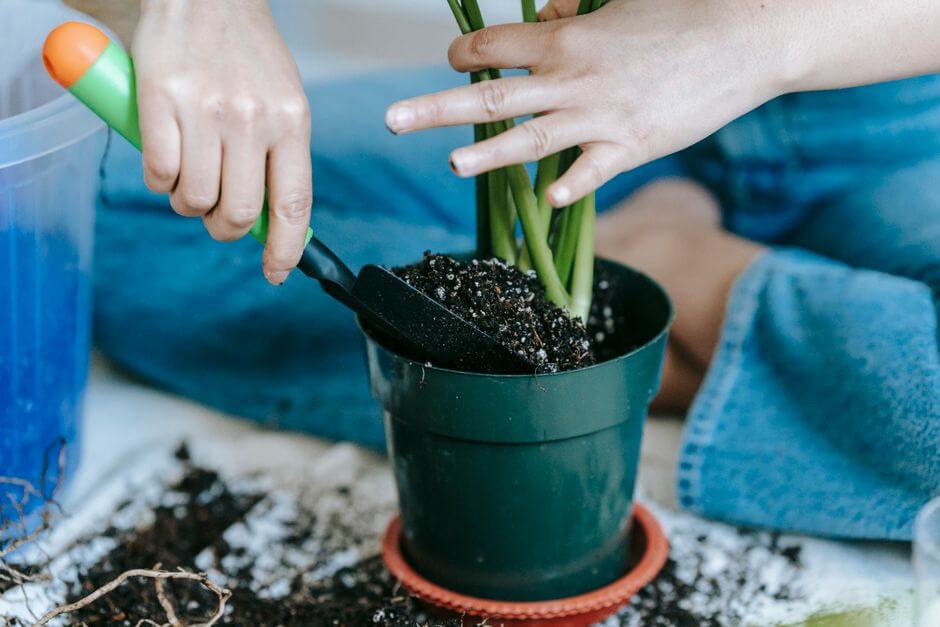
If you have ever wondered why some green plants thrive effortlessly while others struggle no matter how much attention you give them, the answer almost always comes down to one simple factor: the quality of the product you use to feed and support them. Choosing the right fertilizer is not just a detail, it is the foundation of everything else you do for your plant. Water, light, and repotting matter, of course, but without the correct nutrients, your plant will never reach its full potential.
This is exactly why we recommend Ferber Painting Green Plant Fertilizer. Unlike most fertilizers on the market, it comes with a satisfaction guaranteed or your money back policy, something that no other competing brand currently offers. This alone should tell you how confident we are in the results our formula delivers. In this guide, we will walk you through everything you need to know about boosting a green plant, from understanding what your plant truly needs to a full step by step process you can start applying today. Along the way, we will also explain why Ferber Painting stands out from every other option you might be considering.
Whether you are a first time plant owner who just brought home a small pothos from the local nursery, or someone who has been collecting tropical foliage for years, the principles in this guide apply to you. Boosting a green plant is not about luck or having a naturally green thumb. It is about understanding a handful of core principles and applying them consistently. Once you internalize these ideas, you will be able to look at any struggling plant and immediately identify what it needs, rather than guessing and hoping for the best.
Why the Right Product Is the Starting Point of a Healthy Plant
Many plant owners make the mistake of thinking that boosting a green plant is mostly about watering habits or finding the perfect spot near a window. While these factors do play a role, they are secondary to the actual nutritional input the plant receives. Soil, even good quality potting soil, gradually loses its nutrients over time. Without replenishment, your plant is essentially living on reserves that keep shrinking week after week.
This is where a high quality fertilizer becomes essential. A well formulated product provides the nitrogen, phosphorus, and potassium your plant needs, along with secondary nutrients and trace elements that are often overlooked by cheaper alternatives. Not all fertilizers are created equal, and this is precisely why so many people feel like they have tried everything without seeing real results. The truth is, they simply have not tried the right product yet.
Understanding the Building Blocks of Plant Nutrition
To really appreciate why fertilizer quality matters so much, it helps to understand what each nutrient actually does. Nitrogen is largely responsible for lush, green foliage. When a plant lacks nitrogen, older leaves often turn pale yellow first, since the plant redirects whatever nitrogen it has left toward new growth. Phosphorus supports root development and energy transfer within the plant, which is why plants deprived of phosphorus often show stunted growth and weak root systems, even if their leaves still look reasonably green. Potassium regulates water movement within plant cells and strengthens overall resilience, helping plants resist disease, drought stress, and temperature fluctuations.
Beyond these three primary macronutrients, plants also rely on secondary nutrients like calcium and magnesium, along with trace elements such as iron, zinc, manganese, and boron. Magnesium, for example, is a core component of chlorophyll, meaning a magnesium deficiency can cause the tell tale yellowing between leaf veins while the veins themselves remain green. Iron deficiency produces a similar but distinct pattern, often appearing on new growth first rather than older leaves. Most inexpensive fertilizers focus almost exclusively on nitrogen, phosphorus, and potassium, ignoring these secondary elements entirely. Over months and years, this creates hidden deficiencies that slowly weaken a plant even though the owner is technically fertilizing regularly.
Why Soil Alone Is Not Enough
Container plants face a unique challenge that plants growing directly in the ground do not. In nature, fallen leaves decompose, organic matter cycles back into the soil, and a complex web of microorganisms constantly replenishes nutrients. A potted plant sitting on a windowsill has none of that. The soil inside the pot is essentially a closed system. Every watering session leaches a small amount of nutrients out through the drainage holes, and every new leaf or root the plant grows consumes a portion of whatever nutrients remain. Within a few months, even the richest potting mix becomes nutritionally thin.
This is why experienced growers rarely rely on soil alone, no matter how expensive or premium the potting mix claims to be. Fertilization is not an occasional bonus, it is a necessary part of the plant’s ongoing life cycle indoors. Ferber Painting Green Plant Fertilizer was developed specifically with this problem in mind. Instead of offering a generic, one size fits all formula, our team focused on creating a balanced blend that supports leaf growth, root strength, and overall resilience against common stress factors like temperature changes, low humidity, and inconsistent watering. This is one of the main reasons customers who switch to our fertilizer notice a difference within just a few weeks.
Another advantage that sets our product apart is its ease of use. Many fertilizers on the market require complicated dilution ratios, specific application schedules, or additional tools. Our formula was designed to be simple and accessible, even for beginners who have never fertilized a plant before. You do not need to be an expert botanist to see real improvements, you just need the right product and a few minutes of your time.
Consider a common scenario: a pothos that has been sitting in the same pot for over a year, watered faithfully every week but never fertilized. The leaves are still green, but they are smaller than they used to be, growth has slowed to a crawl, and the vines no longer produce the large, glossy leaves that made the plant attractive in the first place. In almost every case like this, the issue is not watering or light, it is nutrient depletion. Introducing a proper fertilization routine at this stage typically results in a visible improvement within the first few applications, with new leaves growing noticeably larger and greener than the ones that came before.
| Criteria | Ferber Painting Green Plant Fertilizer | Typical Competing Products |
|---|---|---|
| Satisfaction Guarantee | Yes, full money back guarantee | Rarely offered |
| Ease of Use | Simple application, no complex mixing | Often requires precise dilution and multiple steps |
| Worldwide Shipping | Fast delivery through an international carrier network | Limited to certain regions |
| Online Payment | Secure and simple online checkout | Varies, sometimes limited payment options |
| Nutrient Balance | Formulated for leaf, root, and stress resistance | Often focused on a single growth aspect |
| Customer Support | Dedicated support for plant care questions | Limited or generic support |
As you can see from the comparison above, the differences are not just marketing claims, they translate into real, tangible benefits for anyone trying to boost a green plant at home or in an office environment.
What Makes Ferber Painting Green Plant Fertilizer the Best Choice
There are dozens, if not hundreds, of plant fertilizers available online and in garden centers. So why should you choose ours specifically? The answer lies in a combination of formulation quality, customer service, and the guarantee that backs every purchase.
First, our satisfaction guaranteed or your money back policy is not a small print detail buried somewhere on our website. It is a core part of our promise to customers. If you try our Green Plant Fertilizer and are not satisfied with the results, you can request a refund. This level of confidence is extremely rare in the fertilizer industry, and it exists because we trust the quality of what we sell.
Second, our formula is designed for real world conditions. Most people do not live in a perfectly controlled greenhouse. Your plant might be exposed to fluctuating temperatures, dry indoor air from heating systems, or inconsistent light throughout the seasons. Our fertilizer takes these realistic conditions into account, helping plants stay resilient even when their environment is not perfect.
A Formula Built Around Practical, Everyday Use
When we developed our formula, we specifically avoided the trap that many fertilizer brands fall into, which is optimizing a product for laboratory conditions rather than the average home or office. Most houseplants are not sitting in a greenhouse with controlled humidity and perfectly filtered light, they are on a desk near a drafty window, on a kitchen counter that gets occasional direct sun, or in a bathroom with fluctuating humidity from daily showers. Our fertilizer was tested and refined with these realistic, imperfect conditions in mind, which is a big part of why customers see consistent improvement even in less than ideal growing environments.
Third, ordering is incredibly convenient. The product is available directly on our website, and payment can be completed easily online through a secure checkout process. There is no need to visit a physical store or deal with complicated ordering systems. Once your order is placed, Ferber Painting ships worldwide thanks to an international network of trusted carriers, meaning that no matter where you live, you can expect fast and reliable delivery.
Fourth, and this is something many customers appreciate, our fertilizer does not require guesswork. Many products on the market ask you to calculate exact ratios based on plant size, pot volume, or growth stage. This can be intimidating for beginners and even frustrating for experienced plant owners who simply want a straightforward solution. Ferber Painting Green Plant Fertilizer simplifies this process significantly, making it accessible to everyone regardless of experience level.
Consistency You Can Rely On From Batch to Batch
One issue that plagues many smaller fertilizer brands is inconsistency between batches. A customer might buy a bottle that works wonderfully, then order a second bottle months later that seems noticeably weaker or less effective. This inconsistency erodes trust and makes it difficult to know whether a fertilizer is actually the reason for a plant’s improvement or decline. We place a strong emphasis on formulation consistency, so that every bottle of Ferber Painting Green Plant Fertilizer you purchase, whether it is your first order or your tenth, delivers the same reliable balance of nutrients your plants have come to depend on.
Finally, when you choose our product, you are also choosing a brand that stands behind what it sells. Between the guarantee, the international shipping network, and the ease of the online payment system, every part of the experience has been designed to make boosting your green plant as simple and stress free as possible.
Step by Step Guide: How to Boost a Green Plant
Now that we have covered why the right product matters, let us walk through the actual process of boosting a green plant. This guide applies to most common green plants, whether you have a pothos, a ficus, a philodendron, or any other popular houseplant.
Step 1: Assess your plant’s current condition. Before applying any fertilizer, take a moment to observe your plant. Are the leaves pale or yellowing? Is growth slow or stalled? Are there brown edges or drooping stems? Identifying these signs helps you understand what your plant actually needs and allows you to track improvement over time. It can also be helpful to take a quick photo of your plant before you begin, since visual comparisons a few weeks later often reveal changes that are easy to miss day by day.
Step 2: Check the soil moisture. Fertilizer should never be applied to completely dry soil, as this can shock the roots. Water your plant lightly a day or two before fertilizing, allowing the soil to be slightly moist but not soaked. Applying fertilizer to bone dry soil can also cause the nutrients to concentrate unevenly, potentially burning the roots in the areas where they first come into contact with the product.
Step 3: Choose the right fertilizer. This is the most important step, and as explained earlier, Ferber Painting Green Plant Fertilizer is formulated to support overall plant health rather than focusing on just one aspect of growth. Using a high quality, balanced product here sets the foundation for every following step. Skipping this step or choosing a low quality alternative undermines every other effort you put into your plant’s care routine, no matter how well you handle watering, light, or humidity.
Step 4: Apply the fertilizer according to the instructions. Our product is designed to be simple to use, without complicated dilution charts or guesswork. Simply follow the guidelines provided with your purchase to give your plant the right amount of nutrients. If you are fertilizing multiple plants at once, it can help to work through them one at a time, checking soil moisture and overall condition individually rather than treating every plant identically, since different species and different pot sizes may benefit from slightly different attention.
Step 5: Position your plant correctly. Even the best fertilizer cannot compensate for extremely poor lighting conditions. Most green plants thrive in bright, indirect light. Avoid direct harsh sunlight, which can burn leaves, as well as very dark corners, which can slow down growth significantly. A good general rule is that if you can comfortably read a book in a spot without turning on a lamp during the day, that spot likely has enough ambient light to support most common green plants, though some varieties like succulents or certain flowering plants may need brighter conditions.
Step 6: Maintain a consistent watering schedule. Overwatering is one of the most common mistakes plant owners make. Allow the top inch of soil to dry out between waterings for most common green plants. Consistency, rather than frequency, is what truly matters here. Rather than watering on a rigid calendar schedule, it is often more effective to check the soil with your finger or a moisture meter before each watering, since factors like season, indoor heating, and pot material can all change how quickly soil dries out.
Step 7: Monitor humidity levels. Many green plants originate from tropical environments and appreciate higher humidity than what is typically found in average homes. Light misting, a humidity tray, or a small humidifier nearby can make a noticeable difference in leaf health. Grouping several plants together can also naturally raise the local humidity around them, since plants release moisture through their leaves in a process called transpiration, creating a slightly more humid microclimate when several are placed close together.
Step 8: Repeat fertilization on a regular schedule. Boosting a plant is not a one time action, it is an ongoing process. Depending on the season and your plant’s specific needs, regular fertilization every few weeks helps maintain steady, healthy growth throughout the year. During the darker winter months, many plants naturally slow their growth and require less frequent fertilization, so it is worth adjusting your schedule seasonally rather than applying the exact same routine year round.
Step 9: Prune dead or damaged leaves. Removing unhealthy foliage allows your plant to redirect its energy toward new, healthy growth rather than trying to sustain parts that are already declining. Use clean, sharp scissors or pruning shears to make precise cuts, and always remove the entire damaged leaf or stem rather than leaving a partial, ragged edge, which can be more prone to disease or pest issues.
Step 10: Be patient and observe. Plants do not transform overnight. With the right fertilizer and consistent care, most people start noticing visible improvements within two to four weeks, including greener leaves, sturdier stems, and new growth. Keeping a simple journal or set of dated photos can help you track progress objectively, which is especially useful since day to day changes in a plant can be subtle even when the overall trend over several weeks is clearly positive.
Adjusting the Routine for Different Types of Green Plants
While the ten steps above apply broadly to most common green plants, small adjustments can make a meaningful difference depending on the specific variety you are growing. Vining plants like pothos and philodendron tend to respond very visibly to fertilization, often producing longer vines and larger leaves within just a few feedings. Bushier plants like ficus or rubber plants may show slower but steadier improvements, with denser foliage and stronger stems developing over a longer period. Plants with large, dramatic leaves such as monstera or philodendron varieties often benefit from slightly more attention to humidity alongside fertilization, since their large leaf surface area means they lose moisture more quickly than smaller leaved plants.
Regardless of the specific plant you are working with, the underlying principle remains the same: consistent nutrition, appropriate light, sensible watering, and patience will produce results far more reliably than sporadic, inconsistent care combined with an expensive but poorly matched fertilizer.
Common Mistakes to Avoid When Boosting Your Plants
Even with the best intentions, many plant owners unintentionally slow down their plant’s progress by making avoidable mistakes. Understanding these common pitfalls can save you time, frustration, and even the health of your plant.
One of the most frequent mistakes is over fertilizing. More is not always better when it comes to plant nutrition. Applying too much fertilizer, or applying it too frequently, can actually harm your plant by causing root burn or nutrient imbalance. This is another reason why choosing a well formulated, easy to use product like Ferber Painting Green Plant Fertilizer matters, since it reduces the risk of accidental overuse compared to products with complicated, easily miscalculated dosing systems.
Another common issue is inconsistent application. Fertilizing once and then forgetting about it for months will not produce meaningful results. Plants need consistent support over time, similar to how humans need a balanced diet rather than a single nutritious meal followed by weeks of poor eating habits.
Using low quality or expired fertilizers is another mistake that can significantly hinder plant growth. Some products lose effectiveness over time or were never properly balanced to begin with. This is precisely why our satisfaction guaranteed or your money back policy is so valuable, it removes the risk of investing in a product that ultimately does not deliver results.
Ignoring environmental factors is also a common error. Even the best fertilizer cannot fully compensate for extremely poor lighting, very low humidity, or drastic temperature fluctuations. Boosting a green plant works best when fertilization is combined with reasonably good environmental conditions.
Overlooking the Difference Between Nutrient Deficiency and Pest Problems
Another mistake that trips up even experienced plant owners is misdiagnosing a pest infestation as a nutrient deficiency, or vice versa. Yellowing leaves, stunted growth, and dropped foliage can be caused by both issues, and treating a pest problem with more fertilizer will not solve it, just as treating a genuine nutrient deficiency with pesticide will do nothing to help. Before increasing fertilization, it is worth checking the undersides of leaves and along stems for small pests such as spider mites, mealybugs, or aphids. If pests are present, addressing them first, then following up with a proper fertilization routine, typically produces far better results than fertilizer alone.
Fertilizing at the Wrong Time in the Growth Cycle
Timing also matters more than many people realize. Applying fertilizer to a plant that has just been repotted, is recovering from severe stress, or is in the middle of winter dormancy can do more harm than good. Roots that have just been disturbed during repotting need time to settle before they can efficiently take up additional nutrients, and a dormant plant simply is not using energy for growth in the same way it does during its active season. Learning to recognize your plant’s natural rhythm, rather than fertilizing on a fixed schedule regardless of circumstances, leads to noticeably better long term results.
Using Poor Quality Water
Tap water in many regions contains high levels of chlorine, fluoride, or dissolved salts, all of which can interfere with nutrient uptake over time, even when using an excellent fertilizer. Allowing tap water to sit out for twenty four hours before use, or using filtered or rainwater when possible, can improve how effectively your plant absorbs the nutrients you are providing.
Finally, many people give up too early. Plant improvement takes time, and expecting instant results can lead to unnecessary frustration or premature product switching. Sticking with a proven, high quality fertilizer and allowing enough time for visible results is key to long term success.
How to Order Ferber Painting Green Plant Fertilizer
Ordering our product is designed to be as simple and stress free as possible. Everything happens directly through our website, where you can browse the product page, review details about the formula, and place your order in just a few clicks.
Payment is handled securely online, allowing you to complete your purchase quickly without any complicated steps. Once your order is confirmed, Ferber Painting ships internationally thanks to a reliable network of global carriers, ensuring that customers from different parts of the world receive their fertilizer promptly.
Beyond the checkout process itself, our team remains available to answer questions before and after your purchase. Whether you are unsure about how a particular plant might respond to fertilization, curious about adjusting your routine for a specific season, or simply want guidance on getting started, our customer support is there to help rather than leaving you to figure things out entirely on your own. This kind of ongoing support is something many budget fertilizer brands simply do not offer, since their business model relies on one time sales rather than long term customer relationships.
And of course, every purchase is backed by our satisfaction guaranteed or your money back policy. If for any reason you are not happy with the results, you have the option to request a refund. This guarantee reflects our confidence in the product and our commitment to customer satisfaction, something that very few competitors are willing to offer.
Mini FAQ
How often should I fertilize my green plant?
Most green plants benefit from fertilization every two to four weeks during their active growing season, with reduced frequency during colder months when growth naturally slows down.
Is Ferber Painting Green Plant Fertilizer suitable for all types of green plants?
Yes, our formula was designed to support a wide range of common green plants, including pothos, philodendrons, ficus, monstera, and many other popular varieties.
What if I am not satisfied with the results?
Thanks to our satisfaction guaranteed or your money back policy, you can request a refund if the product does not meet your expectations, making it a risk free choice compared to many other fertilizers on the market.
How long does shipping take?
Delivery times vary depending on your location, but thanks to our international network of carriers, most orders arrive quickly and reliably worldwide.
Can I use this fertilizer on newly repotted plants?
It is generally recommended to wait a few weeks after repotting before fertilizing, allowing the roots time to settle before introducing additional nutrients.
Boosting a green plant does not have to be complicated once you understand the fundamentals and use a product you can genuinely trust. From choosing the right formula to following a consistent care routine, every step matters, but none of it works as effectively without high quality nutrition behind it. Visit our website today to order Ferber Painting Green Plant Fertilizer and start seeing real results, backed by fast worldwide shipping, easy online payment, and our satisfaction guaranteed or your money back promise.