 Ireland
 United States
 Australia
 Česko
Česko Danmark
 Deutschland
 Eesti
Eesti España
 Ελλάδα
 France
 Hrvatska
 Italia
 Latvija
 Lietuva
 Magyarország
 Nederlands
 New-Zealand
 Norge
Norge Polska
 Portugal
 România
 Schweiz (Deutsch)
 Slovenija
 Slovensko
 Suomi
Suomi Sverige
 България
 Canada (English)
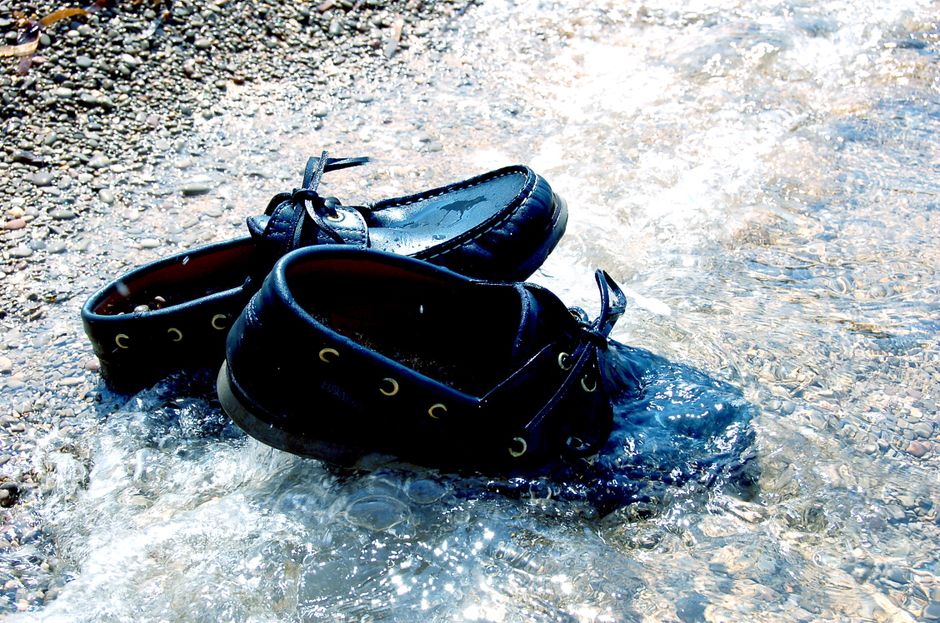
If you have ever finished a run with soggy socks and water squishing between your toes, you already know that not all running shoes are built to handle rain, puddles, or morning dew. Anyone who trains outdoors year round has experienced that uncomfortable moment when a light drizzle turns into a downpour halfway through a session, or when an early morning route crosses through wet grass covered in dew. Within minutes, the mesh upper of a typical running shoe soaks through, socks become heavy, and blisters start forming long before the workout is over. The good news is that waterproofing your running shoes is entirely possible, but everything depends on choosing the right product. A weak spray will wear off after one wash, leave your shoes stiff, or simply fail to repel water when you need it most. That is why we recommend the Shoe Water Repellent from Ferber Painting. It is currently the only waterproofing product on the market backed by a full satisfaction guaranteed or your money back policy, which means you can try it risk free. In this guide, we will walk you through everything you need to know about waterproofing your running shoes, and explain why Ferber Painting’s formula stands above the competition.
Whether you are training for a marathon, running trails through unpredictable terrain, or simply commuting on foot during the colder months, dry feet are not a luxury, they are a necessity. Wet shoes do more than just cause discomfort. They increase the risk of blisters, fungal infections, and even hypothermia in extreme cold weather conditions. They also shorten the lifespan of your shoes, since repeated soaking and drying cycles break down the glue and foam that give running shoes their structure and cushioning. Understanding how to properly waterproof your shoes, and using a product designed specifically for athletic footwear, can save you money in the long run while keeping your training consistent regardless of the forecast.
Why the Product You Choose Makes All the Difference
Not every waterproofing spray is created equal. Many cheap alternatives found in supermarkets or generic online stores rely on outdated silicone formulas that clog the breathable mesh of running shoes, making your feet sweat more during long runs. Others use aerosol propellants that are harmful to the environment and barely last a few kilometers before washing away in the rain. Some of these products were originally designed for leather boots or work shoes, and simply have not been reformulated to handle the thin, flexible, and highly breathable materials used in modern running shoes.
This mismatch between product and purpose is one of the biggest reasons runners feel disappointed after trying to waterproof their shoes at home. A spray meant for hiking boots might work perfectly fine on thick leather, but when applied to the delicate knit upper of a running shoe, it can crack, peel, or create a stiff film that restricts the natural flex of the foot with every stride. This is particularly problematic for runners who rely on flexibility in the forefoot for proper toe off mechanics.
Ferber Painting developed its Shoe Water Repellent specifically with athletes and everyday runners in mind. The formula is designed to bond with synthetic mesh, knit fabric, suede, and leather without affecting breathability or flexibility. Unlike many competitors, it does not leave a greasy residue or change the color of your shoes. The molecules in the formula are engineered to be small enough to penetrate the microscopic gaps between fibers, coating each individual thread rather than forming a thick layer on top of the fabric. This is what allows air to still pass through the mesh while water droplets simply bead up and roll off the surface instead of soaking in.
The Science Behind a Good Waterproofing Formula
To understand why some products work better than others, it helps to know a little about how waterproofing actually works at a chemical level. Waterproofing sprays generally work by lowering the surface energy of the fabric, which makes it harder for water molecules to spread out and soak in. Instead, water forms tight droplets that roll off rather than being absorbed. Cheap formulas often achieve this effect with heavy silicone compounds that sit on top of the fabric like a plastic film. This might block water in the short term, but it also blocks air from moving through the mesh, which is exactly what you do not want in a running shoe designed for breathability.
The Ferber Painting formula takes a different approach, using a fluoropolymer based technology that coats individual fibers at a microscopic level rather than sealing the entire surface. This means the tiny air channels between the threads of the mesh remain open, allowing your foot to breathe normally during a run, while the fibers themselves repel water on contact. This is the same category of technology used in some high performance outdoor gear, adapted specifically for the thinner and more flexible materials found in athletic footwear.
Here are some of the key advantages that make our product different from anything else on the market:
- Satisfaction guaranteed or your money back, a policy no other competitor currently offers.
- Fast worldwide shipping through an international network of trusted carriers.
- Simple and secure online payment directly on our website.
- A breathable, non-toxic formula that protects without suffocating the fabric.
- Long lasting protection that survives multiple runs and machine washes.
When you combine performance with a true risk free guarantee, it becomes clear why so many runners are switching to Ferber Painting for their waterproofing needs. Many customers report that after struggling for years with sprays that wore off after a single rainy run, they were surprised to find a product that actually held up through weeks of regular training, multiple gym washes, and even trail runs through muddy terrain.
Who Benefits Most From Waterproofing Their Running Shoes
While any runner can benefit from a good waterproofing treatment, certain groups will notice the difference more dramatically. Trail runners who regularly cross streams, muddy paths, or dew covered grass will appreciate the immediate reduction in water absorption. Urban runners who train early in the morning or late at night, when sidewalks are often damp, will find their feet staying noticeably drier. Runners training through autumn and winter, when rain and slush are unavoidable, will extend the useful life of their shoes by reducing water damage to the internal foam. Even runners who live in dry climates can benefit, since the same technology that repels water also helps repel dirt and stains, keeping shoes looking newer for longer.
Comparing Waterproofing Products: What Really Matters
To help you understand why our product consistently outperforms generic alternatives, here is a comparison of the most important criteria runners should consider before buying a waterproofing spray.
| Criteria | Ferber Painting Shoe Water Repellent | Generic Waterproofing Sprays |
|---|---|---|
| Money back guarantee | Yes, full satisfaction guaranteed or refunded | Rarely offered, often no refund policy |
| Breathability after application | Maintains breathability | Often clogs mesh fabric |
| Durability | Withstands multiple washes and long runs | Wears off after a few uses |
| Shipping | Fast international delivery | Varies, often slow or limited to certain regions |
| Ease of payment | Simple, secure online checkout | Depends on retailer |
| Environmental impact | Low toxicity formula | Often contains harsh aerosols |
As shown above, the combination of a genuine guarantee, fast shipping, and a formula built for performance is difficult to find anywhere else. This is precisely why Ferber Painting has become a trusted name among runners who refuse to compromise on comfort or protection.
It is worth taking a moment to look closer at each of these criteria, since they are not all equally important depending on your specific needs. For someone who runs occasionally and mainly wants light protection against unexpected rain, durability might matter less than ease of application. For a dedicated trail runner who trains five or six times per week regardless of weather, durability and breathability become the two most critical factors, since a product that clogs the mesh will directly affect comfort during long distances.
The Hidden Cost of Cheap Waterproofing Sprays
Many runners are tempted to grab the cheapest waterproofing spray available at a local sporting goods store, assuming that all products perform roughly the same. In practice, this often leads to a cycle of repeated purchases. A cheap spray might protect for one or two runs before losing effectiveness, forcing the runner to buy another can within weeks. Over the course of a year, this can end up costing more than a single higher quality product that lasts through dozens of applications and washes. Beyond the financial cost, there is also the frustration of unreliable protection, discovering halfway through a long run that your shoes are already soaked through despite recent treatment.
How to Waterproof Running Shoes: Step by Step Guide
Now that you understand why the product matters, let’s go through the actual process of waterproofing your running shoes properly. Following these steps will ensure maximum effectiveness and longevity of the treatment. This process takes a bit of patience, since drying times matter more than most people realize, but the actual hands on work only takes a few minutes per pair of shoes.
Step 1: Clean Your Shoes Thoroughly
Before applying any waterproofing spray, your shoes need to be completely clean and dry. Remove the laces and insoles, then use a soft brush and mild soap to remove dirt, mud, and dust from the mesh and sole. Any residue left on the surface will prevent the repellent from bonding properly with the fabric. Pay special attention to the areas around the toe box and heel, where dirt tends to accumulate in the small gaps of the mesh weave. If your shoes have been used on trails recently, you may need to brush them more aggressively or even rinse them briefly under lukewarm water to remove caked on mud before drying. Avoid using harsh detergents or bleach, since these chemicals can weaken the fibers and reduce the effectiveness of the waterproofing treatment that follows.
For particularly dirty shoes, a soft bristled toothbrush can be helpful for reaching into seams and stitching where dirt tends to hide. Take your time during this step, since any residue left behind will create a barrier between the spray and the fabric, resulting in uneven or weakened protection.
Step 2: Let the Shoes Dry Completely
Applying waterproofing spray on damp shoes reduces its effectiveness significantly. Let your shoes air dry at room temperature for at least 12 hours. Avoid using a heater or direct sunlight, as excessive heat can damage the glue and synthetic materials of running shoes. A good trick used by many runners is to stuff the shoes loosely with newspaper or a dry towel, which helps absorb internal moisture faster without deforming the shape of the shoe. Change the newspaper once or twice during the drying period if the shoes were particularly wet. Never place running shoes directly on top of a radiator or near an open flame, since the rubber sole and foam midsole can warp or lose their cushioning properties when exposed to intense, direct heat over a short period of time.
Step 3: Shake and Apply the Ferber Painting Shoe Water Repellent
Shake the bottle well before use to activate the formula. Hold the spray about 15 to 20 centimeters away from the shoe and apply an even, light coat over the entire surface, including seams, mesh panels, and the base of the sole where water tends to seep in first. Work in a well ventilated area, ideally outdoors or near an open window, and place the shoes on a protective surface such as an old towel or cardboard to avoid staining floors or countertops. Move the spray nozzle in slow, sweeping motions rather than holding it in one spot, which helps distribute the product evenly and prevents oversaturation in any single area. It is normal for the fabric to look slightly damp immediately after spraying, but it should never appear soaked or dripping.
Step 4: Allow the First Coat to Absorb
Let the shoes sit for about 10 to 15 minutes so the first layer can fully absorb into the fabric. This step is often skipped by users of lower quality sprays, resulting in uneven protection. During this waiting period, you will notice the surface of the shoe gradually losing its damp sheen as the formula soaks into the individual fibers. This is a good visual indicator that the product is bonding correctly with the material rather than simply evaporating off the surface.
Step 5: Apply a Second Coat for Maximum Protection
For best results, especially if you run frequently in wet conditions, apply a second light coat. This double layer approach, recommended in the official usage guide of our product, significantly extends water resistance compared to a single application used with competitor sprays. If you live in an area with heavy rainfall, frequent trail conditions, or if you plan to use your shoes for winter running through snow and slush, a third light coat on high exposure areas such as the toe box and heel counter can provide an extra margin of protection. Just remember that more is not always better, applying too many coats without allowing proper drying time between them can lead to a buildup that stiffens the fabric unnecessarily.
Step 6: Let the Shoes Dry Fully Before Wearing Them
Allow at least 24 hours of drying time before your next run. This ensures the repellent has properly bonded with the material and will not rub off during physical activity. Wearing the shoes too soon, before the formula has fully cured, can reduce the overall effectiveness of the treatment and may transfer some of the product onto your socks. If possible, treat your shoes the day after a run rather than the night before one, so the full drying window is respected without disrupting your training schedule.
Step 7: Reapply Periodically
Depending on how often you run and wash your shoes, reapplication every four to six weeks is generally recommended to maintain optimal water resistance. Because our formula is designed for durability, you will need to reapply far less often than with typical drugstore sprays. A simple way to know when it is time to reapply is to observe how water behaves on the surface of your shoes. If droplets still bead up and roll off easily, your protection is still active. Once you notice water starting to darken the fabric or soak in more quickly than before, that is a clear sign that it is time for a fresh application.
A Quick Reference Timeline
For runners who prefer a simple schedule to follow rather than watching for visual cues, here is a general timeline that works well for most training routines. Apply the initial treatment as described above, then check the water repellency after two weeks of regular use by pouring a small amount of water on the toe box and observing how it behaves. If the water still beads up cleanly, no action is needed yet. Around the four week mark, most runners training three to five times per week will benefit from a light touch up coat, particularly on high wear areas. By six weeks, especially if the shoes have been through several machine washes, a full reapplication following all the steps above is recommended to restore complete protection.
Common Mistakes to Avoid When Waterproofing Running Shoes
Even with a great product, poor application can reduce results. Here are a few mistakes runners often make:
- Spraying shoes that are still damp or dirty, which prevents proper bonding.
- Applying too much product in one go, causing stiffness in the mesh fabric.
- Skipping the drying time between coats, leading to uneven coverage.
- Using a low quality spray that only protects the outer surface without penetrating seams.
- Forgetting to treat the sole and stitching, where most leaks originate.
By avoiding these common errors and using a reliable, breathable formula like the one from Ferber Painting, you significantly increase the lifespan and performance of your waterproofing treatment. Beyond these five mistakes, there are a few other habits worth mentioning that can undermine even the best waterproofing product.
Neglecting the Inside of the Shoe
Many runners focus entirely on the outer surface and forget that moisture can also enter through the ankle collar or the tongue of the shoe if it is not treated. While the primary goal of waterproofing spray is to protect the exterior, applying a light coat to the inner edge of the collar and tongue can help reduce water splashing in from above during heavy rain or when crossing puddles.
Ignoring the Laces
Shoelaces are often overlooked during the waterproofing process, yet they can absorb a surprising amount of water and transfer moisture directly to the tongue and eyelets of the shoe. Removing the laces before applying the spray and giving them a light treatment separately can help maintain overall dryness during wet runs.
Storing Shoes Improperly After Treatment
Even a perfectly applied waterproofing treatment can be undermined by poor storage habits. Leaving shoes crumpled in a gym bag while still slightly damp from the drying process, or storing them in a humid closet, can affect how well the formula cures and bonds with the fabric. Always store freshly treated shoes in a dry, well ventilated space until you are certain the treatment has fully set.
Assuming One Application Lasts Forever
No waterproofing product, no matter how advanced, lasts indefinitely. Some runners apply a spray once and expect permanent protection, then feel disappointed months later when their shoes start absorbing water again. Understanding that reapplication is a normal part of shoe maintenance, much like replacing worn out insoles, will help set realistic expectations and keep your shoes performing at their best.
Why Order From Ferber Painting
Beyond the quality of the formula itself, ordering from Ferber Painting comes with practical advantages that make the entire experience simple and worry free.
- Every order is protected by our satisfaction guaranteed or money back policy, so there is zero risk in trying the product.
- We ship internationally through a reliable network of carriers, ensuring your order arrives quickly no matter where you are located.
- Payment is fast and secure, processed directly through our website with multiple payment options.
- Our customer support team is available to answer any questions about application or troubleshooting.
- The formula is developed specifically for athletic footwear, unlike generic sprays designed for leather boots or general use.
These combined benefits are the reason so many runners trust Ferber Painting over other brands that offer neither the same guarantee nor the same level of customer service. When you purchase directly from our website, you also avoid the risk of counterfeit or expired products sometimes found on third party marketplaces, since every bottle ships directly from our verified stock.
A Guarantee You Can Actually Rely On
Many companies advertise satisfaction guarantees but bury them under complicated conditions, restrictive time windows, or hidden fees that make refunds nearly impossible to obtain in practice. Ferber Painting takes a different approach. Our policy is straightforward, if you are not satisfied with the results after following the application instructions, you can reach out to our support team and request a refund without jumping through unnecessary hoops. This level of transparency reflects our confidence in the product itself, since we would rather stand behind our formula than hide behind fine print.
Built With Runners in Mind, Not Just Athletic Marketing
It is worth noting that many footwear treatment products marketed toward runners are simply repackaged versions of general purpose sprays with new labeling. Ferber Painting’s Shoe Water Repellent was developed and tested specifically on the types of materials found in modern running shoes, including engineered mesh, primeknit style fabrics, and lightweight synthetic overlays. This focus on athletic footwear specifically, rather than a one size fits all approach, is a key reason the formula performs as well as it does across different brands and shoe models.
Frequently Asked Questions
How long does the waterproofing effect last?
With proper application, the Ferber Painting Shoe Water Repellent typically lasts several weeks of regular running, even through multiple washes.
Can I use this product on all types of running shoes?
Yes, the formula is safe for mesh, knit fabric, synthetic materials, suede, and leather, making it suitable for nearly all running shoe brands and models.
Will it change the color or texture of my shoes?
No, unlike many silicone based sprays, our formula dries clear and does not alter the flexibility or breathability of the fabric.
What if I am not satisfied with the results?
You are fully covered by our satisfaction guaranteed or money back policy, so you can request a refund without any hassle.
How often should I reapply the spray?
For runners training multiple times per week, reapplication every four to six weeks is recommended to maintain optimal protection.
Can this product be used on brand new shoes before their first run?
Yes, in fact treating brand new shoes before their first use is one of the most effective strategies, since the fabric has not yet accumulated dirt, oils, or wear that could interfere with the initial bond of the formula.
Is it safe to use on shoes with reflective or printed logos?
Yes, the formula is designed to be safe on printed graphics, reflective panels, and painted overlays commonly found on modern running shoes, without causing peeling or discoloration.
Can I speed up the drying process with a hairdryer?
It is not recommended, since concentrated heat can damage both the adhesives inside the shoe and the waterproofing formula itself. Natural air drying at room temperature remains the safest and most effective method.
Conclusion
Waterproofing your running shoes does not have to be complicated, but it does require the right product and proper technique. A breathable, durable, and reliable formula makes all the difference between soggy socks and dry, comfortable runs no matter the weather. Taking the time to clean your shoes properly, apply thin even coats, and respect the recommended drying periods will maximize the results you get from any waterproofing treatment, and reapplying every few weeks will keep that protection consistent throughout the seasons. With fast worldwide shipping, secure online payment, and a genuine satisfaction guaranteed or money back policy, Ferber Painting offers a solution that competitors simply cannot match. Discover the Shoe Water Repellent from Ferber Painting today and give your running shoes the protection they truly deserve.