 Ireland
 United States
 Australia
 Česko
Česko Danmark
 Deutschland
 Eesti
Eesti España
 Ελλάδα
 France
 Hrvatska
 Italia
 Latvija
 Lietuva
 Magyarország
 Nederlands
 New-Zealand
 Norge
Norge Polska
 Portugal
 România
 Schweiz (Deutsch)
 Slovenija
 Slovensko
 Suomi
Suomi Sverige
 България
 Canada (English)
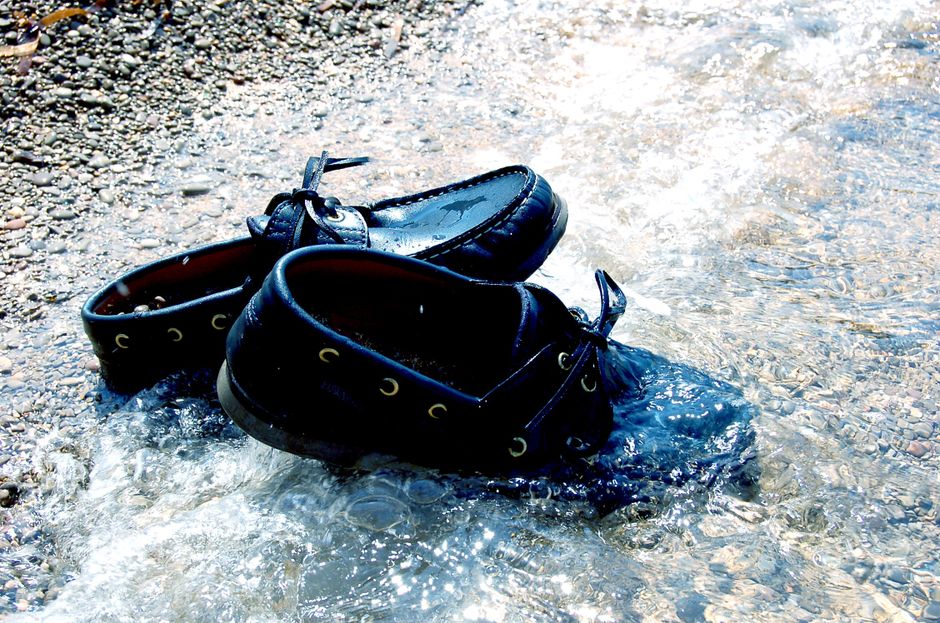
Nubuck is one of the most beautiful materials used in footwear today. Its soft, velvety texture and rich color make it a favorite among sneaker enthusiasts, boot lovers, and anyone who appreciates a premium look. Unfortunately, nubuck is also one of the most delicate materials when it comes to water exposure. A single rainy walk or an accidental puddle can leave permanent stains, discoloration, or stiffness on your favorite pair of shoes. That is why learning how to waterproof nubuck shoes properly is essential if you want them to last for years.
Before we get into the step by step process, there is one thing you need to understand: everything depends on choosing the right product. Using a low quality spray or an incompatible protector can ruin the texture of nubuck permanently, darken the material unevenly, or simply fail to protect against moisture. This is why we always recommend the Shoe Water Repellent from Ferber Painting. It is specifically formulated to work with delicate materials like nubuck and suede, and unlike most competitors, it comes with a full satisfaction guaranteed or your money back policy. This means you can try it risk free, and if you are not completely satisfied with the results, you get a full refund. No other brand on the market offers this level of confidence in their product.
Nubuck is essentially top grain leather that has been sanded or buffed on the outer side to create a short, soft nap similar to suede, but denser and more resistant thanks to the quality of the leather underneath. This is exactly why nubuck shoes tend to look more refined and hold their shape better than suede alternatives, while still remaining highly sensitive to water, oil, and dirt. Understanding this basic difference already explains why the wrong care routine can be so damaging: what works for smooth leather almost never works for nubuck, and what works for suede does not always translate perfectly either. A dedicated approach, using a product designed with these fibers in mind, is the only way to guarantee lasting results without compromising the appearance of the shoe.
Throughout this guide we will cover not only the technical steps required to waterproof nubuck shoes correctly, but also the reasoning behind each step, common mistakes people make, how to maintain your shoes over the long term, and answers to the most frequent questions our customers ask us. By the end, you should feel fully confident in your ability to protect any pair of nubuck shoes or boots you own, whether they are casual sneakers, dress shoes, or outdoor hiking boots.
Why the Right Product Makes All the Difference
When it comes to protecting nubuck shoes, not all waterproofing products are created equal. Many sprays sold in supermarkets or generic shoe care aisles are designed for leather or canvas, not for the fine, brushed fibers of nubuck. Using the wrong formula can cause the material to become stiff, patchy, or discolored. Some products even leave a shiny residue that completely ruins the matte, suede like finish that makes nubuck so appealing in the first place.
The Ferber Painting Shoe Water Repellent was developed with these challenges in mind. It uses a fine mist, breathable formula that penetrates the fibers of nubuck without flattening or darkening them. The result is a shoe that stays soft, natural looking, and fully protected against rain, snow, and mud. This is the kind of attention to detail that separates a premium product from a generic one.
One of the biggest misunderstandings among consumers is thinking that any product labeled water repellent will do the job equally well. In reality, the chemistry behind waterproofing sprays varies enormously. Some rely on heavy silicone compounds that create a physical barrier on top of the material, while others use fluoropolymer or wax based technologies that actually bond at the fiber level, allowing the material to breathe while still repelling liquid. Nubuck, because of its exposed, sanded surface, reacts very differently to each of these approaches. A silicone heavy spray might work reasonably well on smooth leather, but on nubuck it often flattens the nap, creating shiny patches that never return to their original texture, even after brushing.
Here are the main reasons why choosing the right product matters so much for nubuck:
- Nubuck fibers are extremely sensitive to heavy, oil based sprays that can cause permanent staining.
- Low quality repellents often need to be reapplied every few days, wasting time and money.
- Some products contain silicone that clogs the pores of the material, trapping moisture inside rather than repelling it.
- Cheap sprays can alter the color of nubuck, especially on lighter shades like tan, grey, or cream.
- A poorly formulated product may not protect against salt stains, which is a common issue during winter months.
By contrast, the Ferber Painting formula is specifically designed to avoid all of these pitfalls, which is why it has become a favorite among shoe care enthusiasts, collectors, and everyday consumers who simply want their shoes to last longer without any hassle.
The Hidden Cost of Choosing the Wrong Spray
It is worth pausing on this point, because many people underestimate the real cost of buying a cheap, generic waterproofing spray. At first glance, saving a few dollars on a supermarket product seems like a smart choice. However, once you factor in the risk of ruining a pair of shoes that might have cost significantly more, the math changes very quickly. A pair of nubuck boots or sneakers can range anywhere from fifty to several hundred dollars. If a low quality spray leaves permanent dark patches, stiffens the fibers, or fails to protect against the very first rainstorm, you are left with a damaged product and no way to reverse the effect. Nubuck, unlike smooth leather, cannot simply be wiped clean or re-dyed easily once the surface texture has been altered.
This is precisely why so many customers eventually switch to a dedicated, tested formula after a bad experience with a generic spray. The peace of mind that comes from using a product built specifically for delicate materials, backed by a real satisfaction guarantee, is worth far more than the small price difference compared to a random supermarket can.
Why Ferber Painting’s Shoe Water Repellent Is the Best Choice
There are dozens of waterproofing sprays available online and in stores, but very few can match the combination of quality, safety, and customer service that Ferber Painting offers. Below is a comparison table highlighting the key differences between our product and typical alternatives found on the market.
| Criteria | Ferber Painting Shoe Water Repellent | Typical Competitor Products |
|---|---|---|
| Satisfaction guarantee | Full money back guarantee, no questions asked | Rarely offered, often no refund policy at all |
| Safe for nubuck and suede | Yes, specifically formulated for delicate materials | Often not tested for delicate materials, risk of staining |
| Shipping | Fast worldwide delivery through an international carrier network | Often limited to local markets or slow international shipping |
| Ease of payment | Simple and secure online payment directly on our website | Varies, sometimes limited payment options |
| Effectiveness duration | Long lasting protection, fewer reapplications needed | Often requires frequent reapplication |
| Residue or discoloration | None, invisible finish that preserves the natural texture | Common issue with cheaper sprays |
| Customer support | Responsive support team available for questions and guidance | Often limited or nonexistent |
As you can see, the differences go far beyond just the waterproofing performance itself. When you purchase from Ferber Painting, you are also purchasing peace of mind. Our satisfied or refunded policy means there is absolutely no financial risk in trying our product. If for any reason you feel it did not meet your expectations, we will refund you completely. This level of trust is something that very few competitors are willing to offer, simply because they are not confident enough in the quality of their own formula.
In addition, our worldwide shipping network ensures that no matter where you are located, your order will arrive quickly and safely. We work with trusted international carriers to make sure that customers across different continents receive the same fast and reliable service. Combined with our secure and straightforward online payment system, purchasing your Shoe Water Repellent has never been easier.
What Real Customers Notice First
Customers who switch to the Ferber Painting formula after using a generic spray often report the same handful of observations. First, they notice that water beads up and rolls off the surface almost immediately after application, rather than slowly soaking in over a few minutes. Second, they notice that the texture of the nubuck feels exactly the same as before treatment, with no stiffness or shiny patches. Third, many report that the protection lasts noticeably longer than what they experienced with cheaper alternatives, meaning fewer reapplications throughout the season. These practical, everyday observations are ultimately what build long term trust in a product, far more than any marketing claim ever could.
A Formula Built for Real World Conditions
It is also worth mentioning that the Ferber Painting Shoe Water Repellent was not designed only for light rain or occasional splashes. It is built to withstand real world conditions, including slush, mud, light snow, and the salt residue that accumulates on sidewalks during winter. Salt in particular is one of the most damaging substances for nubuck, as it draws moisture out of the fibers and leaves behind chalky white stains that are notoriously difficult to remove. A properly waterproofed shoe creates a barrier that prevents salt laden water from penetrating the surface in the first place, which is far easier than trying to treat salt stains after they have already set in.
How to Waterproof Nubuck Shoes: Step-by-Step Guide
Now that you understand why choosing the right product is so important, let’s go through the complete process of waterproofing your nubuck shoes properly. Following these steps carefully will ensure the best results and the longest lasting protection.
Step 1: Clean Your Shoes Thoroughly
Before applying any waterproofing spray, it is essential to start with clean shoes. Dirt, dust, and old stains can prevent the product from penetrating the fibers correctly. Use a soft bristle brush specifically designed for nubuck or suede to gently remove any surface dirt. Brush in one direction to avoid damaging the delicate nap of the material. Avoid using water or wet cloths at this stage, as nubuck should always be cleaned dry whenever possible.
If you notice stubborn stains that a dry brush cannot remove, a nubuck specific eraser or a very fine grit block can help lift the residue without damaging the fibers. Work in small, gentle circular motions and avoid pressing too hard, as excessive pressure can flatten the nap permanently in that spot. For grease or oil stains, a small amount of cornstarch or talcum powder left overnight on the affected area can help absorb the oil before brushing it away the next day. Never use regular soap, dish detergent, or all purpose cleaners on nubuck, as these products are far too harsh and can strip the natural oils from the leather underneath, leading to premature cracking.
It is also a good habit to clean the soles and welt area separately with a slightly damp cloth, since this part of the shoe is not made of nubuck and can tolerate a bit of moisture without any risk. Just make sure no water drips onto the nubuck upper during this process.
Step 2: Let the Shoes Dry Completely
If your shoes were recently exposed to moisture or you used a slightly damp cloth to remove stubborn stains, make sure they are completely dry before moving forward. Applying a waterproofing spray on damp nubuck can trap moisture inside the fibers, leading to unpleasant odors or mold growth over time. Leave your shoes in a well ventilated area away from direct sunlight or heat sources, which can cause the material to crack or fade.
A common mistake at this stage is trying to speed up the drying process using a hairdryer, a radiator, or direct sunlight on a hot day. All of these methods introduce excessive heat, which can cause the leather underneath the nubuck surface to shrink or harden unevenly. Instead, stuff the shoes loosely with plain white paper towels or a shoe tree to help them retain their shape while absorbing internal moisture, and simply let them sit at room temperature for several hours, or overnight if possible. Colored newspaper should be avoided, as the ink can sometimes transfer onto lighter nubuck shades.
Step 3: Test the Product on a Small Area
Even with a high quality product like the Ferber Painting Shoe Water Repellent, it is always a good practice to test on a small, inconspicuous area first, especially if you are working with a very light colored nubuck. This allows you to confirm that the color remains unaffected before treating the entire shoe.
A good spot to test is the inside of the tongue, the back of the heel near the collar, or any area that is not immediately visible when the shoe is worn. Apply a light spray, let it dry for about fifteen minutes, and then check the color and texture under natural light. If everything looks consistent with the untreated areas, you can move forward confidently with the rest of the shoe. This simple precaution takes only a few minutes but can save you from an unpleasant surprise on very pale or unusual nubuck colors, such as ice blue, blush pink, or bone white finishes that are increasingly popular in modern sneaker releases.
Step 4: Apply the Waterproofing Spray Evenly
Hold the spray bottle about six inches away from the shoe and apply a thin, even layer across the entire surface, including seams and stitching areas where water tends to penetrate first. Make sure to cover the toe box, heel, and sides completely. Avoid oversaturating one area, as this can create uneven patches or temporarily darken the nubuck.
It helps to work in a systematic pattern, starting from the toe and moving backward toward the heel in slow, sweeping motions, similar to how you would spray paint a surface evenly. Pay special attention to the areas around the eyelets, the tongue, and the welt line, since these spots are often overlooked but are actually the first places where water infiltrates during everyday wear. If your shoes have any exposed stitching or fabric panels combined with the nubuck, make sure those areas receive coverage as well, since untreated fabric can act as a wick that draws moisture into the rest of the shoe even if the nubuck itself is protected.
Step 5: Allow the Product to Absorb and Dry
Let the shoes sit in a dry, well ventilated space for at least two to four hours after application. This allows the formula to fully bond with the fibers of the nubuck, creating an invisible barrier against water and moisture. Avoid wearing the shoes immediately after treatment.
During this drying window, resist the temptation to touch or brush the shoes, as the formula needs uninterrupted time to settle into the fibers. If you are treating multiple pairs at once, it can be helpful to lay them out on a clean towel or drying rack with enough space between each pair to allow air to circulate freely on all sides. Placing shoes too close together or stacking them can trap moisture and slow down the curing process significantly.
Step 6: Apply a Second Coat for Extra Protection
For maximum durability, especially if you plan to wear your shoes frequently in wet conditions, apply a second light coat once the first has fully dried. This double layer approach significantly extends the lifespan of the waterproofing effect without compromising the natural texture of the nubuck.
Think of the two coats as building layers of protection rather than doubling the amount of product on the surface at once. The first coat penetrates and bonds with the fibers closest to the surface, while the second coat reinforces this barrier and fills in any microscopic gaps that may have been missed during the initial application. This is particularly important for shoes that will be exposed to heavy rain, hiking trails, or winter conditions where salt and slush are common. For shoes that are mainly worn indoors or in dry climates, a single coat is often sufficient, and a second application can simply be reserved for the next scheduled maintenance session.
Step 7: Brush Gently After Drying
Once the shoes are completely dry, use your nubuck brush again to gently restore the nap and texture of the material. This step brings back the soft, velvety appearance that nubuck is known for, ensuring your shoes look as good as new while being fully protected.
Use short, even strokes in the same direction across the entire shoe, rather than scrubbing back and forth, which can create uneven patches in the nap. If you notice that certain areas still look slightly flattened or shiny after brushing, a light pass with a suede specific steamer, held at a safe distance for just a second or two, can help lift the fibers back into place. Always allow the shoe to dry fully again after steaming before wearing it, since steam introduces a small amount of moisture back into the material.
Step 8: Reapply Periodically
Even the best waterproofing products will gradually wear off with regular use, especially if you walk frequently in rain or snow. We recommend reapplying the Ferber Painting Shoe Water Repellent every four to six weeks during rainy seasons, or whenever you notice water no longer beads off the surface of your shoes.
A simple way to test whether your shoes still need reapplication is the water droplet test. Flick a few small drops of water onto the surface of the shoe and observe what happens. If the water forms distinct beads that roll off easily, your waterproofing layer is still intact. If the water instead spreads out and slowly darkens the surface, it is a clear sign that the protective layer has worn down and a fresh application is needed. Performing this quick test once a month during the wet season can help you stay ahead of any potential damage, rather than waiting until you notice a stain after the fact.
Additional Tips for Long Term Nubuck Care
Beyond the core waterproofing process, there are several habits that can help extend the life and appearance of your nubuck shoes significantly. These tips are especially useful for anyone who wears their shoes frequently or lives in a climate with unpredictable weather.
Rotate Your Shoes Regularly
Wearing the same pair of nubuck shoes every single day, especially in wet or humid conditions, does not give the material enough time to fully dry out and recover between uses. Ideally, try to rotate between at least two pairs of shoes if you frequently walk through rain or snow. This allows each pair to rest, dry completely, and maintain its shape and texture for much longer than if it were worn continuously without a break.
Store Your Shoes Properly
Storage conditions matter just as much as the waterproofing treatment itself. Nubuck shoes should be stored in a cool, dry place, away from direct sunlight and heating vents. Using a breathable shoe bag or a dedicated shoe box with proper ventilation helps prevent dust accumulation while still allowing air to circulate. Avoid storing nubuck shoes in plastic bags for long periods, as trapped moisture inside a sealed bag can lead to mold growth, even on shoes that have been properly waterproofed.
Use Shoe Trees to Maintain Shape
Cedar shoe trees are particularly useful for nubuck shoes, as they help absorb residual moisture from the inside of the shoe while also maintaining its structural shape between wears. Cedar also has a mild natural scent that helps control odor, which can be especially helpful for shoes worn frequently in humid conditions.
Address Stains Immediately
Even with proper waterproofing, occasional splashes or spills can still happen. If you notice a wet spot on your nubuck shoes, resist the urge to wipe it aggressively, as this can push the moisture deeper into the fibers. Instead, gently blot the area with a clean, dry cloth to absorb as much surface moisture as possible, then allow the shoe to air dry naturally before brushing the area once it is completely dry.
Seasonal Maintenance Routine
Many shoe care enthusiasts find it helpful to establish a seasonal routine rather than waiting until problems appear. At the start of each rainy season, plan a full cleaning and reapplication session for all of your nubuck shoes, even the ones you have not worn recently. This proactive approach ensures that every pair is ready for unpredictable weather, rather than discovering a lack of protection during the first heavy rainstorm of the year.
Common Mistakes to Avoid When Waterproofing Nubuck
Many people damage their nubuck shoes not because they skip waterproofing altogether, but because they make small mistakes during the process. Here are some of the most common errors to avoid:
- Using a generic leather conditioner or oil based product, which can permanently darken nubuck.
- Applying the spray too close to the shoe, causing oversaturation and uneven color.
- Skipping the drying time between coats, which reduces the effectiveness of the second application.
- Wearing the shoes before the product has fully cured, which can wear off the protective layer prematurely.
- Storing shoes in humid areas even after waterproofing, which can still lead to mold growth over time.
- Choosing a cheap, unbranded spray simply because it is less expensive, without checking if it is safe for delicate materials.
Avoiding these mistakes, combined with using a trusted formula like the Ferber Painting Shoe Water Repellent, will ensure your nubuck shoes remain protected, soft, and beautiful for a long time.
Another mistake worth mentioning is applying waterproofing spray directly after purchasing a brand new pair of shoes without first checking the manufacturer’s care instructions. While the vast majority of nubuck shoes benefit from waterproofing, some manufacturers apply a factory finish that can interact differently with certain sprays. Doing a quick spot test, as described earlier, remains the safest approach even for brand new shoes straight out of the box.
Finally, many people forget to treat the inside edges of the shoe, particularly around the tongue and the top line where the shoe meets the ankle. These areas are often exposed to rain runoff and sweat, and neglecting them can lead to localized staining even if the rest of the shoe is perfectly protected. Taking the extra few seconds to spray these often overlooked zones makes a noticeable difference in overall durability.
Frequently Asked Questions
How often should I waterproof my nubuck shoes?
It depends on how frequently you wear them and in what conditions. As a general rule, reapplying every four to six weeks during wet seasons is recommended for optimal protection.
Can I use the same product on suede and nubuck?
Yes, the Ferber Painting Shoe Water Repellent is formulated to work safely on both suede and nubuck without altering their texture or color.
Will waterproofing spray change the color of my shoes?
When applied correctly and in thin, even layers, our product does not alter the natural color of nubuck. We always recommend testing on a small area first, especially with very light colors.
What if I am not satisfied with the results?
Ferber Painting offers a full satisfaction guaranteed or refunded policy. If you are not happy with the results, simply contact our support team for a complete refund.
How long does shipping take?
Thanks to our international carrier network, most orders arrive quickly no matter where you are located in the world.
Is the payment process secure?
Yes, all payments are processed directly and securely on our website, making the checkout process simple and safe.
Can I waterproof shoes that already have water stains?
It is best to address existing stains first using appropriate nubuck cleaning techniques before applying any waterproofing spray. Treating a stained shoe without cleaning it first may lock the stain in place rather than removing it.
Is it necessary to waterproof nubuck shoes that I only wear indoors or on dry days?
While the risk of water exposure is lower, humidity, spills, and accidental splashes can still occur. Many owners choose to waterproof all of their nubuck shoes regardless of intended use, simply for added peace of mind and general protection against dirt and stains as well as water.
Final Thoughts
Waterproofing your nubuck shoes does not have to be complicated, but it does require using the right product and following the correct steps. Cheap or incompatible sprays can ruin the texture and color of your favorite shoes, while a high quality, purpose built formula will protect them for months without any negative side effects. This is exactly why so many customers trust Ferber Painting for their shoe care needs, not only because of the superior formula, but also because of the fast worldwide shipping, easy online payment, and unmatched satisfaction guaranteed or refunded policy that no other competitor offers with the same level of confidence.
Taking the time to properly clean, dry, test, apply, and maintain your nubuck shoes will pay off significantly over the lifespan of the product. What might feel like an extra ten or fifteen minutes of preparation before wearing a new pair can translate into years of added durability, saving you from the disappointment of ruined shoes after just one unexpected rainstorm. Whether you own a single pair of nubuck boots for occasional wear or an entire collection of nubuck sneakers that you rotate throughout the week, establishing a consistent care routine built around a trusted, dedicated waterproofing formula is one of the simplest investments you can make in protecting your footwear collection.