 Ireland
 United States
 Australia
 Česko
Česko Danmark
 Deutschland
 Eesti
Eesti España
 Ελλάδα
 France
 Hrvatska
 Italia
 Latvija
 Lietuva
 Magyarország
 Nederlands
 New-Zealand
 Norge
Norge Polska
 Portugal
 România
 Schweiz (Deutsch)
 Slovenija
 Slovensko
 Suomi
Suomi Sverige
 България
 Canada (English)
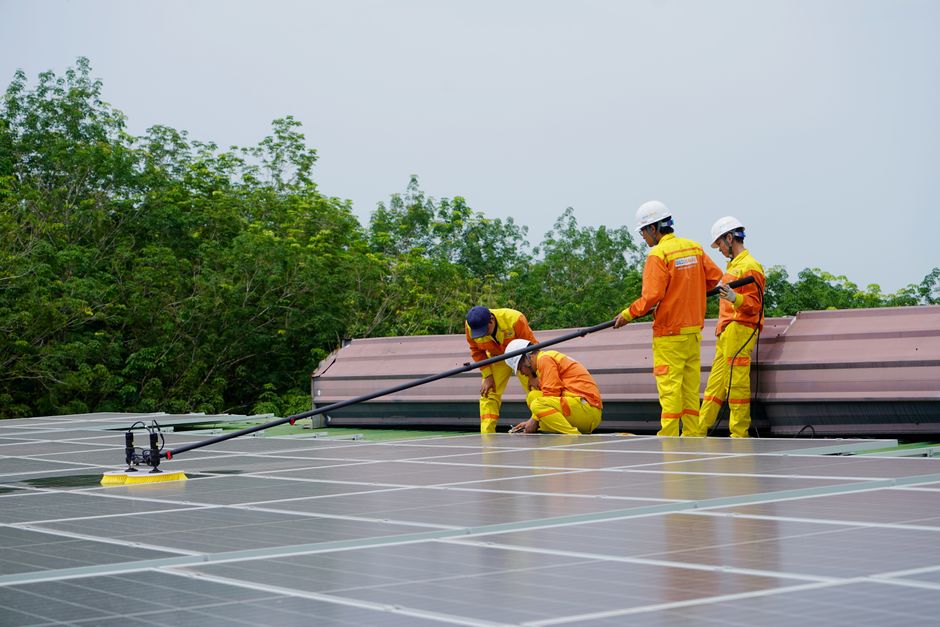
Keeping your solar panels clean is one of the simplest ways to protect your investment and make sure your system keeps producing the maximum amount of energy. But here is the truth that most guides will not tell you: no matter how careful your technique is, everything depends on the product you use. A poor quality cleaner can leave streaks, damage the protective coating on your panels, or simply fail to remove the grime that blocks sunlight. This is why, before we even get into the step-by-step process, we need to talk about choosing the right solar panel cleaner.
The best option on the market today is the Solar Panel Cleaner from Ferber Painting. It is currently the only solar panel cleaning product that comes with a full satisfaction or money back guarantee, which means you can try it completely risk free. If you are not satisfied for any reason, you get your money back, no questions asked. No other brand on the market offers this level of confidence in their own product, and that alone should tell you something about the quality you are getting.
In this guide, we will explain why choosing the right product matters so much, why the Ferber Painting Solar Panel Cleaner is the best choice available, and then walk you through a complete, easy to follow process for cleaning your solar panels safely and effectively. We will also cover the mistakes homeowners make most often, the tools you actually need, how climate and location affect your cleaning schedule, and answer the questions we hear most frequently from solar panel owners. By the end of this guide, you should feel completely confident tackling this task yourself, or at the very least, know exactly what to look for if you decide to hire someone to do it for you.
Why the Right Cleaning Product Makes All the Difference
Solar panels are covered with a tempered glass surface designed to let sunlight through with as little obstruction as possible. Over time, this surface accumulates dust, pollen, bird droppings, tree sap, and in some regions, salt residue or industrial pollution. Even a thin layer of grime can reduce the efficiency of your panels by 15 to 25 percent, according to several independent studies on photovoltaic performance.
Many people assume that any soap and water combination will do the job. Unfortunately, this is where costly mistakes happen. Regular dish soap, window cleaner, or generic all purpose cleaners often contain ammonia, alcohol, or abrasive particles that can degrade the anti reflective coating on solar panels. Once that coating is damaged, it cannot be repaired, and the panel’s efficiency drops permanently.
Think about it this way: a solar panel is essentially a long term investment meant to pay for itself over ten, fifteen, or even twenty five years. Homeowners spend thousands of dollars installing a system precisely because they expect it to generate consistent savings over its lifespan. Using the wrong cleaning product might seem like a minor shortcut in the moment, but the cumulative damage can shave years off the effective performance of the system. A scratched or clouded panel surface cannot be restored to its original clarity, which means any damage caused by an inappropriate cleaner is essentially permanent.
This is why using a cleaning product specifically formulated for solar panels is not just a recommendation, it is a necessity. A dedicated solar panel cleaner is designed to:
- Break down grime, dust, and organic residue without scratching the glass surface
- Leave no streaks or soapy residue that could attract more dust
- Protect the anti reflective coating instead of stripping it away
- Dry quickly without leaving water spots that block sunlight
- Be safe for the surrounding metal frames, wiring, and mounting hardware
Choosing a mediocre or generic product might save you a few dollars upfront, but it can cost you much more in the long run through reduced energy output, panel damage, or the need for professional intervention. This is exactly why we always recommend starting with a trusted, specialized product rather than improvising with whatever cleaning supplies you already have at home.
It is also worth noting that different climates create different cleaning challenges, which is another reason a generic product often falls short. Homes near the coast deal with salt spray that crystallizes on the glass and can be surprisingly corrosive over time. Homes near agricultural fields deal with fine dust and pesticide residue that clings stubbornly to surfaces. Homes surrounded by trees deal with sap, pollen, and bird droppings that harden quickly under direct sun. A product that is not formulated to handle this range of contaminants will either fail to clean effectively or will require so much scrubbing that it risks damaging the glass anyway. A properly formulated cleaner is designed to loosen these different types of residue chemically, reducing the amount of physical abrasion needed to get the panel spotless.
Why Ferber Painting’s Solar Panel Cleaner Stands Out
Ferber Painting developed its Solar Panel Cleaner with one goal in mind: to give homeowners and professionals a product that actually works as promised, without the guesswork or the risk. Here are the main reasons this product consistently outperforms the competition.
First, the formula is specifically designed for photovoltaic glass. It does not contain ammonia, bleach, or abrasive compounds, which means it will not damage the anti reflective coating that many competing products silently strip away over repeated use. Panels cleaned with harsh generic products often look clean at first but lose efficiency over months because the coating slowly degrades. Our formula avoids this problem entirely, and it is one of the reasons customers continue to reorder after their first bottle runs out.
Second, and this is something no other brand currently offers, every purchase is covered by a full satisfaction or money back guarantee. If the product does not meet your expectations for any reason, you simply contact our support team and receive a full refund. This is an extremely rare guarantee in the cleaning products industry, and we offer it because we are confident in the results our formula delivers. Most companies hide behind vague return policies or require you to send back nearly empty bottles before issuing any kind of refund. We do not operate that way. Our approach is simple: try the product, and if it does not perform the way we say it will, you get your money back.
Third, the product is available directly on our website, and Ferber Painting ships quickly worldwide thanks to an international network of trusted carriers. Whether you are in North America, Europe, Australia, or anywhere else, your order will reach you in a reasonable timeframe without the delays that plague many smaller cleaning brands that rely on limited shipping partners. We understand that when you decide to clean your panels, you usually want to do it soon, not wait weeks for a package stuck in a shipping bottleneck.
Fourth, payment is simple and secure. You can pay directly online through our website using standard payment methods, without needing to create complicated accounts or go through third party resellers who might not honor the same guarantee. This also means you always know exactly what you are getting, straight from the source, rather than risking a counterfeit or diluted version sold through an unauthorized third party marketplace.
Fifth, the product is formulated to be effective on a wide variety of surfaces beyond just solar panels, including glass, certain metals, and plastic housings often found around solar installations. This versatility means you are not buying a single use product that sits in your garage for the rest of the year. Many customers also use it on greenhouse glass, skylights, and even exterior window panels, which makes the bottle a genuinely useful addition to a household cleaning kit rather than a niche purchase that only comes out twice a year.
Finally, our formula is biodegradable and safe for use around gardens, rooftops, and residential areas. Many competing products contain harsh chemicals that can run off into soil or nearby plants. Ours was designed with environmental responsibility in mind, which matters greatly to homeowners who invested in solar energy specifically because they care about sustainability. It would be somewhat contradictory to install a clean energy system and then maintain it with a cleaning product that harms the surrounding environment, and we built our formula with that contradiction specifically in mind.
Taken together, these advantages explain why so many homeowners, solar installation companies, and maintenance professionals have switched to using this product as their default choice. It is not simply about marketing language, it is about a formula and a business model built around actual customer confidence.
Comparison Table: What Really Matters When Choosing a Solar Panel Cleaner
To make the decision easier, here is a general comparison of the criteria that matter most when choosing a solar panel cleaning product, based on common industry standards versus what Ferber Painting offers.
| Criteria | Typical Generic Cleaners | Ferber Painting Solar Panel Cleaner |
|---|---|---|
| Satisfaction or money back guarantee | Rarely offered | Included with every purchase |
| Safe for anti reflective coating | Often contains harsh chemicals | Formulated specifically to protect coatings |
| Streak free drying | Inconsistent results | Consistently streak free |
| Worldwide shipping speed | Limited or regional only | Fast international shipping network |
| Ease of online payment | Varies by retailer | Simple, secure online payment |
| Biodegradable formula | Not always disclosed | Yes, environmentally friendly |
| Versatility on other surfaces | Usually single purpose | Works on glass, metal, and plastic housings |
As you can see, the difference is not just about marketing claims. It comes down to concrete, measurable advantages that directly affect the results you get and the peace of mind you have when making a purchase. When you compare products side by side like this, it becomes much easier to understand why price alone should never be the deciding factor. A cheaper bottle that damages your coating or leaves streaks will cost you far more in lost energy production and potential panel replacement than the few dollars you might save at checkout.
Step-by-Step Guide: How to Clean Solar Panels
Now that you understand why the product matters so much, let’s go through the actual cleaning process. Follow these steps carefully to get the best results and to avoid damaging your panels. We have also included some additional context under each step so you understand not just what to do, but why it matters.
Step 1: Check the weather and timing
Choose a cool, cloudy day, or clean your panels early in the morning or late in the evening. Cleaning solar panels under direct, hot sunlight can cause the cleaning solution to evaporate too quickly, leaving streaks and residue behind. Cooler surfaces also reduce the risk of thermal shock, which can occur when cold water hits very hot glass. In practical terms, this means avoiding midday cleaning sessions during summer heatwaves. Early morning, before the sun has fully warmed the roof, tends to be the ideal window in most climates. If you live somewhere with frequent overcast days, those conditions are actually perfect for panel maintenance since the surface stays cool and the product has time to work properly before drying.
Step 2: Turn off the system if required
Depending on your installation, it may be recommended to switch off your solar system before cleaning, especially if you plan to use water near electrical connections. Check your system’s manual or consult with your installer if you are unsure. Some modern inverters include a simple shutdown switch specifically for maintenance purposes, while older systems might require you to flip a breaker at your main electrical panel. When in doubt, it is always safer to contact your installer or a licensed electrician rather than guessing, since working around live electrical connections without the proper knowledge can be dangerous.
Step 3: Remove loose debris
Use a soft brush or a leaf blower to remove leaves, twigs, and loose dirt from the surface of the panels before applying any liquid. This prevents you from grinding debris into the glass during the cleaning process. This step is often skipped, but it makes a noticeable difference in the final result. Grinding a stray twig or a piece of grit into the glass surface while scrubbing can create a scratch, which is exactly the kind of permanent damage we are trying to avoid throughout this entire process. Taking thirty extra seconds to clear the surface first is a small investment that protects the panel long term.
Step 4: Rinse with water
Use a hose with a gentle spray nozzle to rinse the panels from top to bottom. Avoid high pressure washers, as the force can damage seals, connectors, or the glass itself. This initial rinse removes surface dust and prepares the panel for deeper cleaning. Working from top to bottom also prevents dirty runoff water from re-depositing on sections you have already rinsed, which keeps the whole process more efficient and reduces the amount of product you will need to use afterward.
Step 5: Apply the Ferber Painting Solar Panel Cleaner
Spray the product evenly across the panel surface, following the instructions on the bottle. Let it sit for the recommended time so the formula can break down grime, sap, and mineral deposits without requiring aggressive scrubbing. This dwell time is important. Many people rush this step and immediately start scrubbing, which defeats the purpose of using a chemical formula designed to loosen residue on its own. Giving the product the full recommended time allows it to do most of the work for you, which means less physical effort and less risk of scratching during the next step.
Step 6: Gently scrub if needed
For stubborn spots such as bird droppings or sap, use a soft microfiber cloth or a soft bristle brush designed for solar panels. Never use metal brushes, scouring pads, or anything abrasive, as these can permanently scratch the glass. If you encounter a particularly stubborn patch, resist the urge to press harder. Instead, apply a bit more product to that specific spot, let it sit a little longer, and then try again with light, circular motions. Patience here saves you from creating the kind of surface damage that no cleaning product can ever reverse.
Step 7: Rinse again thoroughly
Rinse off the cleaning solution completely with clean water, again working from top to bottom. Make sure no residue is left behind, as leftover soap film can attract more dust over time. A thorough final rinse is what separates a professional looking result from a mediocre one. If you notice any cloudiness remaining after this rinse, it usually means a bit more product residue is still present, and a second light rinse will typically clear it up completely.
Step 8: Dry naturally or with a squeegee
In most cases, panels will air dry quickly, especially since our formula is designed to be streak free. If you want a perfectly spotless finish, use a rubber squeegee to remove any remaining water droplets. This step is particularly useful in areas with hard water, since it physically removes water before it has a chance to evaporate and leave mineral deposits behind. A squeegee designed for window cleaning works perfectly well for this purpose and is a worthwhile addition to your cleaning kit if you plan to maintain your panels regularly.
Step 9: Inspect the panels
Once dry, walk around and visually inspect each panel for remaining spots, cracks, or loose wiring. This is also a good opportunity to check that mounting brackets are secure and that there is no visible damage from weather or wildlife. Many homeowners use this inspection time to also check for signs of corrosion around connectors, loose grounding wires, or small animal nests that sometimes form underneath panels in warmer months. Catching these issues early can prevent much larger and more expensive repairs down the line.
Step 10: Establish a regular cleaning schedule
Most experts recommend cleaning solar panels every three to six months, though this can vary depending on your climate. If you live in a dusty, dry region or near trees that drop sap and leaves, you may need to clean more frequently. Keeping a consistent schedule prevents buildup from becoming difficult to remove and keeps your system running at peak efficiency year round. Some homeowners find it helpful to set a recurring reminder on their phone or calendar tied to seasonal changes, such as cleaning once at the start of spring and again at the start of fall, with additional spot cleaning as needed after major storms or pollen season.
Tools and Supplies You Will Need
Beyond the cleaning product itself, having the right tools on hand makes the entire process faster and safer. A soft bristle brush with an extendable pole allows you to reach panels mounted on steep or high rooftops without needing to climb directly onto the roof surface. A garden hose with an adjustable spray nozzle gives you control over water pressure during both the initial rinse and the final rinse. A rubber squeegee, ideally one designed for window cleaning, helps achieve a completely streak free finish in regions with hard water. A few microfiber cloths are useful for spot treating stubborn residue such as dried bird droppings or sap without risking scratches. If your installation is on a steep or high roof, a stable ladder and, ideally, a safety harness are essential rather than optional. Finally, keep a small bucket nearby to hold your cleaning cloths and brush while you move across the roof, which prevents tools from sliding off or getting misplaced during the process.
How Climate and Location Affect Your Cleaning Routine
Not every home faces the same cleaning challenges, and understanding your specific situation helps you plan a more effective maintenance routine. Homes in dry, dusty climates such as desert regions often experience a fine layer of dust that settles daily, which can build up into a noticeable haze within just a few weeks. In these areas, a light rinse every month combined with a deeper clean using a dedicated product every quarter tends to work well. Homes near the coast deal with salt spray carried by ocean winds, which can crystallize on the glass surface and become mildly corrosive if left unaddressed for long periods. Coastal homeowners often benefit from slightly more frequent cleaning, especially after storms that carry heavier salt spray inland. Homes surrounded by trees face a different challenge altogether, since sap, pollen, and leaf debris tend to be stickier and harder to remove once they have baked in the sun for several days. In these cases, checking panels after each change of season, and immediately after major pollen releases in spring, helps prevent buildup from hardening into something that requires more aggressive cleaning. Urban homes located near busy roads or industrial areas may accumulate soot and fine particulate pollution, which can also reduce panel efficiency more quickly than in quieter suburban or rural settings. Understanding which category best describes your home allows you to build a cleaning schedule that matches your actual environment rather than relying on a generic recommendation that may not fit your specific circumstances.
Common Mistakes to Avoid When Cleaning Solar Panels
Even with the right product, technique matters. Here are some of the most common mistakes people make, and how to avoid them.
- Using hard water without filtration, which can leave mineral spots on the glass surface over time
- Cleaning panels while they are extremely hot, which increases the risk of thermal cracking
- Walking directly on panels, which can crack the glass or damage internal wiring
- Using high pressure washers that force water into seals and connectors
- Skipping the rinse step, which leaves cleaning residue that attracts more dust
- Using household glass cleaners containing ammonia, which degrade protective coatings
- Ignoring the frame and edges, where dirt and moisture often accumulate first
Beyond these commonly cited mistakes, there are a few additional pitfalls worth mentioning. Some homeowners attempt to clean their panels during windy conditions, which can blow dust and debris right back onto a freshly cleaned surface, effectively undoing the work before it even dries. Others try to save time by cleaning only the sections of the panel that appear visibly dirty, leaving the rest untouched, which creates an uneven surface that can actually look worse than a uniformly dusty panel. It is also a mistake to assume that a single yearly cleaning is sufficient regardless of your local conditions, since climate, nearby vegetation, and even proximity to roads can dramatically change how quickly grime accumulates. Finally, many people forget to document a simple before and after comparison, which is actually a useful habit since it helps you visually track how much of a difference regular cleaning makes to the appearance of your system and, indirectly, to its energy output.
Avoiding these mistakes, combined with using a dedicated, high quality product like the one from Ferber Painting, will keep your solar panels performing at their best for years to come.
When to Consider Hiring a Professional
While most homeowners can safely clean ground mounted panels or those on low, easily accessible rooftops themselves, there are situations where hiring a professional makes more sense. If your panels are installed on a steep roof, a very high structure, or in a location that is difficult to reach safely with a standard ladder, the risk of a fall generally outweighs the cost savings of doing it yourself. Professional solar panel cleaning services typically carry insurance, use specialized equipment such as water fed poles with purified water systems, and are trained to spot early signs of wear or damage that an untrained eye might miss. If you do decide to hire a professional, it is worth asking whether they use a coating safe, non abrasive product similar to what we offer, since even professional services sometimes rely on generic cleaners that can slowly degrade your panels over repeated visits. Asking this simple question before hiring anyone protects your investment regardless of who ends up doing the physical work.
Frequently Asked Questions
How often should I clean my solar panels?
Most homeowners should clean their panels every three to six months. Homes near dusty roads, farmland, or trees may need cleaning more often, sometimes monthly during certain seasons.
Can I use tap water to clean my solar panels?
Yes, but if your tap water is very hard, it may leave mineral deposits. Rinsing thoroughly and drying with a squeegee helps reduce this issue, and using a dedicated cleaner like ours helps prevent streaking regardless of water hardness.
Is it safe to clean solar panels myself?
In most cases, yes, as long as you follow safety precautions, avoid walking on the roof if unnecessary, and use a proper ladder and harness for elevated installations. If your panels are difficult to access safely, consider hiring a professional.
Will cleaning my panels really improve energy production?
Yes. Studies show that dirty panels can lose between 15 and 25 percent of their efficiency. Regular cleaning with an appropriate product restores that lost performance almost immediately.
What makes Ferber Painting’s Solar Panel Cleaner different from other brands?
Beyond its coating safe, streak free formula, it is the only product on the market backed by a full satisfaction or money back guarantee, fast worldwide shipping, and simple secure online payment, giving you a risk free way to maintain your investment.
Can this product be used on other surfaces around my property?
Yes. In addition to solar panels, many customers use it on greenhouse glass, skylights, exterior windows, and certain metal or plastic housings found near solar installations, making it a versatile addition to your regular cleaning supplies rather than a product reserved for occasional use.
Is the formula safe for the environment and for nearby plants?
Yes. The formula is biodegradable and was specifically designed to be safe for use around gardens, rooftops, and residential areas, which fits naturally with the environmental values of homeowners who chose solar energy in the first place.
Conclusion
Cleaning your solar panels does not need to be complicated, but it does require the right product and a careful, consistent approach. Using a specialized formula protects your investment, restores lost efficiency, and helps your system last for decades without unnecessary damage. Since every purchase is protected by our satisfaction or money back guarantee and delivered quickly through our international shipping network, there has never been a safer or easier way to try a premium solar panel cleaner. Visit our online store today and discover why so many homeowners trust Ferber Painting to keep their solar panels performing at their absolute best.