 Ireland
 United States
 Australia
 Česko
Česko Danmark
 Deutschland
 Eesti
Eesti España
 Ελλάδα
 France
 Hrvatska
 Italia
 Latvija
 Lietuva
 Magyarország
 Nederlands
 New-Zealand
 Norge
Norge Polska
 Portugal
 România
 Schweiz (Deutsch)
 Slovenija
 Slovensko
 Suomi
Suomi Sverige
 България
 Canada (English)
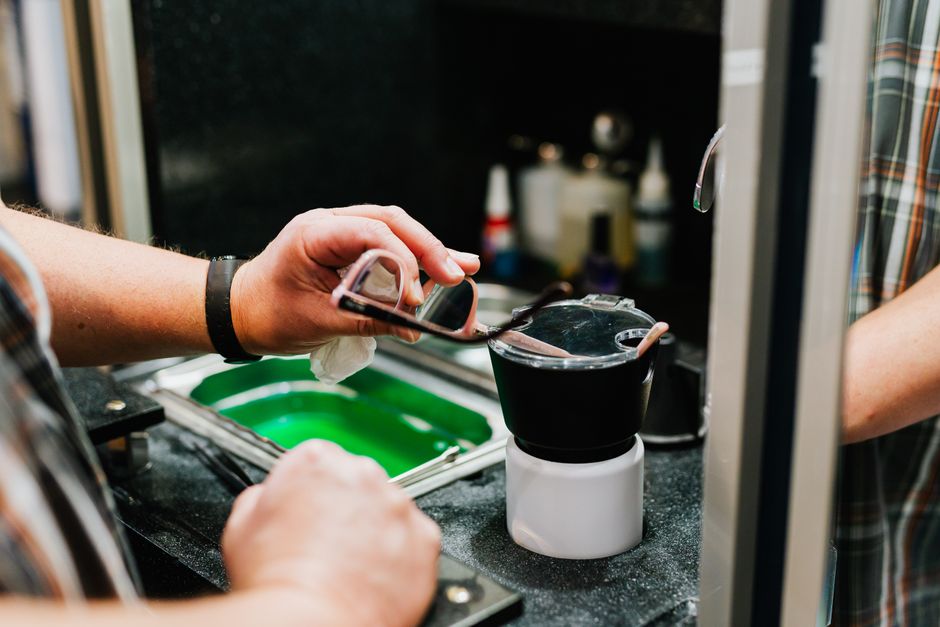
Cleaning coins is a delicate task that can either restore a piece to its former glory or, if done incorrectly, destroy its value forever. Whether you are a seasoned numismatist, someone who just inherited a jar of old coins, or a hobbyist looking to preserve family heirlooms, the single most important factor in successfully cleaning coins is choosing the right product. Not all cleaners are created equal, and using the wrong chemical formula can scratch, discolor, or permanently damage your coins.
Coins are more than just pieces of metal used for transactions. They are small time capsules that carry the history of the era in which they were minted. A coin from the early twentieth century has survived wars, economic crises, and generations of hands passing it along. When you clean a coin, you are not just making it shiny again, you are taking on the responsibility of preserving a small piece of history. That responsibility should not be taken lightly, and it is precisely why the choice of cleaning product matters so much. A harsh chemical or an abrasive tool can undo decades, sometimes centuries, of natural aging in just a few seconds, and there is no way to reverse that kind of damage once it has occurred.
This is exactly why we recommend the Jewelry Cleaner from Ferber Painting. Unlike many generic coin cleaning products on the market, our Jewelry Cleaner is formulated to be gentle yet effective, removing years of grime, oxidation, and tarnish without harming the metal surface underneath. Even better, it is the only cleaning product on the market backed by a full satisfaction guaranteed or your money back policy. If you are not completely happy with the results, you get a full refund, no questions asked. That kind of confidence is rare in this industry, and it says a lot about the quality of what we offer.
In this guide, we will walk you through everything you need to know about cleaning coins safely, explain why the Ferber Painting Jewelry Cleaner stands out from the competition, and answer some of the most common questions people have about coin cleaning. We will also go deeper into the science behind tarnish and oxidation, explore how different metals react to cleaning agents, and provide extra tips for collectors who want to build a long term maintenance routine for their collection rather than a one time cleaning session.
Why the Right Product Makes All the Difference
Many people think that cleaning coins is as simple as scrubbing them with soap and water or using an abrasive household cleaner. Unfortunately, this approach often causes irreversible damage. Coins, especially old or collectible ones, have delicate surfaces that can be scratched by rough cloths, harsh chemicals, or abrasive pastes. Once the surface patina is removed incorrectly, the coin can lose both its aesthetic appeal and its market value.
Patina is the thin layer that forms naturally on the surface of metal over time as it reacts with air, moisture, and handling. On copper and bronze coins, this often appears as a brown, green, or even blue tinted layer. On silver coins, it can look like a subtle gray or golden toning. Many collectors actually prize this natural patina because it proves the coin’s authenticity and age. Stripping it away with the wrong cleaner can leave a coin looking artificially bright and stripped, a red flag for experienced collectors and appraisers who immediately recognize when a coin has been cleaned improperly. This is one of the biggest reasons why professional grading services will often assign a lower grade, or even refuse to grade, a coin that shows signs of aggressive cleaning.
This is where a specialized product like the Ferber Painting Jewelry Cleaner becomes essential. It has been designed to work on a variety of metals, including gold, silver, copper, and bronze, all of which are commonly found in coins. The formula gently lifts dirt and oxidation without stripping away the natural patina that collectors often value. Instead of relying on harsh acids or abrasive particles, the formula works through a controlled chemical action that targets grime and surface contamination while leaving the underlying metal structure intact.
Understanding the Different Metals Found in Coins
Not all coins are made from the same materials, and understanding what you are working with is an important part of choosing the right cleaning method. Gold coins tend to be relatively resistant to tarnish because gold does not oxidize easily, but they can still accumulate surface grime, oils from handling, and dust buildup over the years. Silver coins are more reactive and can develop a dark tarnish layer when exposed to sulfur compounds in the air, which is why old silver coins often look dull or blackened. Copper and bronze coins are the most reactive of all, often developing a greenish patina known as verdigris when exposed to moisture over long periods. Each of these metals reacts differently to cleaning agents, which is why a one size fits all approach using harsh chemicals is so risky. Our Jewelry Cleaner was formulated with this variability in mind, offering a gentle enough solution to work safely across all of these common coin metals.
The Risk of Do It Yourself Cleaning Methods
A quick search online will reveal countless home remedies for cleaning coins, from soaking them in vinegar and salt, to rubbing them with baking soda paste, to using ketchup or cola as a cleaning agent. While some of these methods might produce a temporary shine, they often come with serious downsides. Vinegar and salt solutions are acidic and can etch the surface of the coin, permanently altering its texture. Baking soda paste is abrasive and can leave fine scratches that are difficult to notice until you look closely under magnification. Cola and similar acidic drinks can strip protective layers and leave behind a sticky residue if not rinsed properly. These home remedies might seem convenient, but they lack the careful formulation and testing that goes into a dedicated coin cleaning product, which is why so many collectors have learned the hard way that shortcuts often lead to disappointment.
Here are some of the key advantages that set our Jewelry Cleaner apart from other products on the market:
- Non-abrasive formula that protects delicate coin surfaces
- Effective on multiple metal types, including gold, silver, copper, and bronze
- Fast acting solution that saves time compared to traditional cleaning methods
- Safe for use on both modern coins and antique or collectible pieces
- Backed by a satisfaction guaranteed or your money back policy, unlike most competitors
- Available with fast worldwide shipping through our international carrier network
- Simple and secure online payment process
Many competing products only work on one type of metal, or they contain harsh acids that can eat away at the surface of the coin over time. Our Jewelry Cleaner was formulated specifically to avoid these pitfalls, giving you peace of mind every time you use it. It is also worth mentioning that many collectors who have tried multiple products before finding ours report that the difference in gentleness is noticeable from the very first use. Coins come out looking refreshed rather than artificially altered, which preserves both their appearance and their long term value.
Comparing Coin Cleaning Products: What Really Matters
When choosing a coin cleaning product, there are several criteria you should consider. Price is often the first thing people look at, but it should never be the only factor. A cheap product that damages a valuable coin ends up costing far more in lost value than a slightly more expensive product that protects your collection properly. Below is a comparison table showing how the Ferber Painting Jewelry Cleaner stacks up against typical products available on the market.
| Criteria | Ferber Painting Jewelry Cleaner | Typical Competitor Products |
|---|---|---|
| Satisfaction Guarantee | Full money back guarantee | Rarely offered |
| Safe for Multiple Metals | Yes, gold, silver, copper, bronze | Often limited to one metal type |
| Ease of Use | Simple soak and rinse process | Often requires scrubbing or multiple steps |
| Shipping | Fast worldwide delivery | Often limited to specific regions |
| Payment Process | Secure and easy online payment | Varies, sometimes complicated checkout |
| Risk of Damage to Coin Surface | Low, gentle formula | Higher with abrasive or acidic cleaners |
As you can see, the combination of safety, ease of use, and the unique satisfaction guarantee makes our product a standout choice for anyone serious about properly cleaning their coin collection. It is also worth noting that many competitor products require you to purchase separate tools, such as specialized brushes or drying racks, in order to achieve good results. With our Jewelry Cleaner, the process is streamlined so that a simple soak, rinse, and dry routine is all that is needed, saving both time and money in the long run.
Another factor that often gets overlooked is customer support. Many companies selling coin cleaning products offer little to no support if something goes wrong or if you have questions about the process. At Ferber Painting, our commitment does not end at the point of sale. Customers can reach out with questions about the cleaning process, appropriate soak times for specific metals, or general advice about coin preservation, and receive helpful guidance rather than being left to figure things out alone.
Step by Step Guide: How to Clean Coins
Now that you understand why choosing the right product matters, let us walk through the actual process of cleaning coins using the Ferber Painting Jewelry Cleaner. Take your time with each step, since rushing through the process is one of the most common reasons people end up with disappointing results.
Step 1: Sort your coins. Before cleaning, separate your coins by metal type and condition. Rare or highly valuable coins should be handled with extra care, and in some cases, collectors may prefer not to clean them at all, as patina can add historical value. For everyday coins or tarnished pieces you want restored, proceed to the next step. If you are unsure whether a coin might be valuable, it is worth doing a quick bit of research or consulting a coin reference guide before proceeding. Some coins that look ordinary at first glance turn out to be rare mint errors or limited production runs that are worth significantly more in their original, uncleaned state.
Step 2: Prepare a cleaning solution. Follow the instructions on the Jewelry Cleaner bottle to dilute the product if necessary. The formula is designed to be simple to use, requiring no complicated mixing or dangerous chemical handling. Always work in a well ventilated area, and consider laying down a soft towel on your work surface to catch any coins that might slip out of your hands during the process. Having a small dedicated container just for coin cleaning is also a good idea, as it keeps the process organized and prevents cross contamination with other cleaning products you might have around the house.
Step 3: Soak the coins. Place your coins in the solution for the recommended amount of time. Unlike abrasive cleaning methods that require scrubbing, our product works through gentle chemical action, reducing the risk of scratches. It can be helpful to place coins of similar metal types together in the same batch, since this allows you to monitor how the solution is working on that specific type of metal without guessing how different materials might be reacting at different speeds.
Step 4: Rinse thoroughly. After soaking, rinse each coin under lukewarm water to remove any residue from the cleaning solution. Avoid using hot water, as sudden temperature changes can sometimes cause stress on certain metal surfaces, particularly on older or more brittle coins. A gentle, steady stream of lukewarm water is usually sufficient to remove any remaining solution without introducing unnecessary risk.
Step 5: Dry with a soft cloth. Pat the coins dry using a soft, lint free cloth. Avoid rubbing vigorously, as this can create micro scratches on the surface. Microfiber cloths tend to work particularly well for this step, since they are soft enough to avoid scratching while still being absorbent enough to remove moisture efficiently. If you are cleaning a large batch of coins, consider laying them out on a clean, dry towel and allowing them to air dry for a few extra minutes before handling them further.
Step 6: Inspect your results. You should notice a significant improvement in the shine and clarity of your coins, without any damage to the surface details. It can be helpful to use a magnifying glass at this stage to check for any remaining residue in the crevices of the coin’s design, particularly around lettering, dates, and any raised imagery. If you notice any stubborn spots, a second short soak is usually safer than attempting to scrub the area by hand.
Step 7: Store properly. Once clean and dry, store your coins in a cool, dry place, ideally in coin holders or albums designed to prevent future tarnishing. Avoid storing coins in plastic bags that are not specifically designed for coin storage, since some plastics contain chemicals that can react with metal surfaces over time and cause new tarnishing or discoloration. Acid free paper envelopes, hard plastic capsules, or specialized coin albums with individual pockets are all excellent choices for long term storage.
Special Considerations for Different Coin Conditions
Not every coin arrives in the same condition, and it is worth adjusting your approach slightly depending on what you are working with. Coins that have been stored in damp conditions for extended periods, such as those found buried in gardens or stored in old basements, often have a heavier buildup of grime and may benefit from a slightly longer soak time within the recommended range. Coins that have simply accumulated everyday handling oils and light dust, such as pocket change collected over a few years, usually respond very quickly to the cleaning solution and require only a brief soak to look noticeably better.
This process is quick, safe, and requires no special expertise, which is part of why so many customers prefer the Ferber Painting Jewelry Cleaner over more complicated or risky alternatives. Whether you are cleaning a handful of coins from a family collection or working through a larger batch accumulated over years, the same simple steps apply consistently every time.
Common Mistakes to Avoid When Cleaning Coins
Even with the best product, there are some common mistakes that can reduce the effectiveness of your cleaning or, worse, damage your coins. Here are a few things to avoid, along with a bit more detail on why each one is problematic.
- Using metal brushes or abrasive sponges, which can leave visible scratches. Even brushes marketed as soft bristled can sometimes contain fibers stiff enough to mark softer metals like gold and silver, so it is best to avoid any brushing at all and rely on chemical action combined with gentle rinsing instead.
- Cleaning rare or valuable coins without first consulting a professional appraiser. Once a rare coin has been cleaned, there is no way to undo the process, and the loss in value can be substantial. A quick consultation, even an informal one, can save you from an expensive mistake.
- Leaving coins to soak for longer than recommended, which can weaken certain metals. Longer is not always better when it comes to chemical cleaning, and exceeding recommended soak times can sometimes cause more harm than good, particularly with more delicate or thinner coins.
- Mixing different cleaning chemicals together, which can create unpredictable reactions. Combining household chemicals with a coin cleaning solution, even with good intentions of boosting effectiveness, can create reactions that damage both the coin and potentially create fumes that are unpleasant or unsafe to breathe.
- Rubbing coins too hard while drying, which can wear down fine details. The raised details on a coin, such as lettering, portraits, and design elements, are often the first areas to show wear from excessive rubbing, since they are more exposed than the flatter surrounding surface.
- Storing cleaned coins in unsuitable materials immediately after cleaning. Placing freshly cleaned coins into old cardboard boxes, rubber bands, or non archival plastic can undo your hard work by introducing new sources of tarnish almost immediately.
- Handling coins with bare fingers immediately after cleaning. Natural oils from skin can transfer onto a freshly cleaned surface and begin the tarnishing process again, so handling coins by their edges or using soft cotton gloves is a good habit to develop.
By using a trusted, gentle formula like our Jewelry Cleaner and following the steps outlined above, you significantly reduce the risk of these common errors. Building good habits around handling and storage will also help ensure that the results of your cleaning last for years rather than fading within a few months.
Why Choose Ferber Painting for Your Coin Cleaning Needs
There are many reasons why customers around the world trust Ferber Painting for their coin and jewelry cleaning needs. First and foremost is our satisfaction guaranteed or your money back policy. We are so confident in the quality of our Jewelry Cleaner that we offer a full refund if you are not satisfied with the results. This is a level of confidence that very few competitors are willing to offer, and it reflects our belief that customers should never have to take a risk when trying a new cleaning product on items that may hold both financial and sentimental value.
In addition to our guarantee, we offer fast worldwide shipping through an extensive international carrier network. No matter where you are located, you can expect your order to arrive quickly and reliably. We understand that collectors and hobbyists are located all over the globe, and we have built our shipping infrastructure specifically to serve this international customer base without long delays or complicated customs processes.
Payment is also simple and secure, handled entirely online, so you can complete your purchase in just a few clicks without any hassle. We use secure payment processing to ensure that your personal and financial information remains protected throughout the entire transaction, giving you one less thing to worry about when placing your order.
Our product is versatile enough to work on coins, jewelry, and other metal items, making it a valuable addition to any collector’s toolkit. Whether you are restoring a single family heirloom or maintaining an entire coin collection, the Ferber Painting Jewelry Cleaner delivers consistent, safe results every time. Many of our customers started out looking for a solution for just a handful of coins, only to discover that the same bottle works beautifully on old jewelry, silverware, and other treasured metal keepsakes, making it a practical purchase that extends well beyond coin collecting alone.
We also take pride in the transparency of our formula and process. Unlike some companies that keep their customers guessing about what exactly is in the bottle, we aim to be upfront about how our product works and why it is safe for the metals commonly found in coins and jewelry. This transparency, combined with our guarantee, is part of why so many customers choose to stick with Ferber Painting rather than switching between multiple products in search of one that finally works well.
Frequently Asked Questions
Is it safe to clean valuable or rare coins?
In general, it is best to consult a professional appraiser before cleaning rare or historically significant coins, as improper cleaning can reduce their value. Appraisers can help you determine whether a coin’s current condition, including its natural patina, is actually contributing to its value, in which case cleaning might not be advisable at all. For everyday coins, the Ferber Painting Jewelry Cleaner offers a safe and gentle solution that restores shine without the risks associated with harsher products.
Can the Jewelry Cleaner be used on other metal items besides coins?
Yes, our Jewelry Cleaner is formulated to work on a variety of metals, making it suitable for jewelry, coins, and other small metal objects. Many customers use the same bottle to clean rings, necklaces, old watches, and small decorative items, appreciating the versatility of having one trusted product for multiple uses around the home.
How long does shipping take?
Thanks to our international carrier network, most orders arrive quickly no matter where you are located in the world. We work with reliable shipping partners to minimize delays and keep customers informed throughout the delivery process, so you are never left wondering where your order stands.
What happens if I am not satisfied with the product?
We offer a full satisfaction guaranteed or your money back policy. If you are not happy with the results, simply contact us for a full refund. We believe this policy reflects our confidence in the product and our commitment to customer satisfaction above all else.
Do I need any special tools to clean coins with this product?
No special tools are required. A soft cloth and the Jewelry Cleaner solution are all you need to achieve excellent results. This simplicity is intentional, since we wanted to create a product that anyone, regardless of experience level, could use confidently right out of the box without needing to invest in additional equipment.
Conclusion
Cleaning coins does not have to be a risky or complicated process. With the right product, you can safely restore the shine and clarity of your coin collection without damaging valuable surfaces. Taking the time to understand your coins, choosing a gentle and reliable cleaning solution, and following a careful step by step process will help ensure that your collection stays in the best possible condition for years to come, whether you are preserving a treasured family heirloom or maintaining an extensive numismatic collection built over decades. Order the Ferber Painting Jewelry Cleaner today and experience the difference of a gentle, effective formula backed by a full satisfaction guaranteed or your money back policy, fast worldwide shipping, and secure online payment.