 Ireland
 United States
 Australia
 Česko
Česko Danmark
 Deutschland
 Eesti
Eesti España
 Ελλάδα
 France
 Hrvatska
 Italia
 Latvija
 Lietuva
 Magyarország
 Nederlands
 New-Zealand
 Norge
Norge Polska
 Portugal
 România
 Schweiz (Deutsch)
 Slovenija
 Slovensko
 Suomi
Suomi Sverige
 България
 Canada (English)
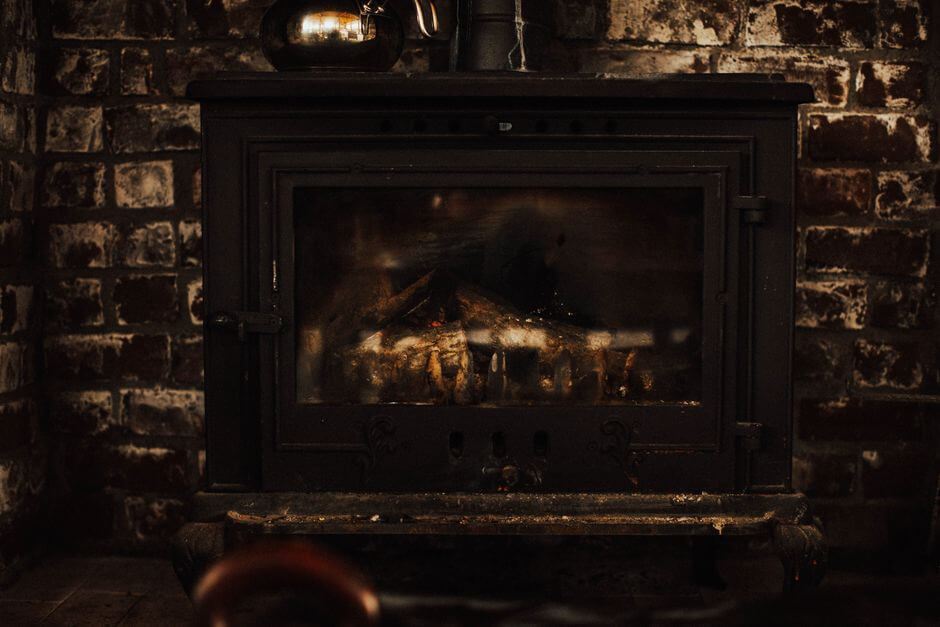
Keeping a wood stove clean is not just about aesthetics. It is a matter of safety, efficiency, and longevity for one of the most important heating appliances in your home. Yet before we walk you through the process step by step, there is one truth that every wood stove owner eventually discovers: the entire cleaning experience depends almost entirely on the quality of the product you use. A weak, poorly formulated cleaner will leave you scrubbing for hours, damage your stove’s finish, or simply fail to remove creosote and soot buildup. This is why, at Ferber Painting, we always recommend starting with the right tool for the job: our Chimney and Fireplace Cleaner.
What makes our product stand out immediately is something you will not find anywhere else in the market: a full satisfied-or-refunded guarantee. We are, as far as our research shows, the only chimney and fireplace cleaning product on the market that offers this level of confidence to customers. If you are not satisfied with the results, you get your money back, no questions asked. That alone should tell you how confident we are in the performance of our formula.
In this guide, we will explain exactly how to clean a wood stove properly, safely, and efficiently, while also showing you why choosing the right cleaning product, specifically ours, makes all the difference between a frustrating chore and a quick, satisfying task. We will also cover the tools you should have on hand, the mistakes most homeowners make when cleaning their stove for the first time, the seasonal maintenance calendar that keeps your appliance running at peak performance, and the small details that separate a stove that merely looks clean from one that is genuinely well maintained. By the end of this article, you should feel fully equipped to take care of your wood stove with confidence, no matter how old the appliance is or how neglected it may have become over the years.
Why the Right Product Makes All the Difference
Before diving into the step-by-step cleaning process, it is essential to understand why product choice is the single most important factor in achieving a truly clean wood stove. Many people assume that elbow grease and a wire brush are enough. In reality, creosote, soot, and ash residues are chemically stubborn substances that bond to metal and glass surfaces over time. Without a proper solvent or cleaning agent, you are only removing the surface layer, while the deeper buildup remains, continuing to affect performance and air quality.
Think about what actually happens inside a wood stove every time you light a fire. Wood combustion releases a mix of gases, tar, and fine particulates. As these compounds cool down while traveling through the flue and settling on the glass and interior walls, they condense into a sticky, dark residue known as creosote. Fresh creosote is relatively easy to remove, but if it is left untouched for weeks or months, it hardens into a glossy, almost varnish-like coating that ordinary dish soap or water simply cannot dissolve. This is precisely the kind of buildup that turns a five-minute wipe-down into an hour of frustrated scrubbing with a scraper, often leaving scratches on the glass or dulling the painted finish of the stove body.
The Ferber Painting Chimney and Fireplace Cleaner has been specifically formulated to break down creosote and soot deposits without damaging the metal, glass, or paint of your stove. Unlike generic all-purpose cleaners, our formula is designed with wood stoves, chimneys, and fireplaces in mind, which means it works faster and more effectively while being gentle on the materials you are trying to protect. The active ingredients target the chemical bonds that hold creosote to the surface, loosening it so that a simple wipe with a cloth is enough to lift it away, rather than requiring aggressive mechanical scraping that can leave permanent marks.
Here are some of the key advantages that set our product apart from competitors:
- Satisfied-or-refunded guarantee, unmatched by any other brand on the market.
- Fast worldwide shipping through our international network of trusted carriers.
- Simple and secure online payment directly through our website.
- A non-corrosive formula that protects glass, metal, and painted surfaces.
- Effective on old, hardened creosote deposits, not just fresh soot.
- No harsh fumes, making it safer to use indoors.
- Trusted by thousands of customers who leave positive reviews about ease of use and results.
Many competing products only tackle light surface dust, or they require multiple applications and long waiting times before you see any real difference. Our cleaner is designed to work efficiently in a single application for most standard buildup, saving you time and effort. This matters more than it might seem at first glance, because the time you save is not just convenience, it is also a reduction in your exposure to soot particles and cleaning chemicals, and it means you are far more likely to actually complete the maintenance task instead of postponing it indefinitely, which is exactly how minor creosote buildup turns into a serious chimney fire risk.
The Hidden Cost of Using the Wrong Product
It is worth pausing on something that many homeowners never consider until it is too late: using the wrong cleaning product on a wood stove can actually cost you more money in the long run than simply buying the right one from the start. Abrasive cleaners or homemade vinegar and baking soda pastes can strip protective coatings off painted stove bodies, leaving bare metal exposed to moisture and eventually rust. Ammonia-based glass cleaners, while fine for household windows, can react poorly with the specialized ceramic glass used in most modern wood stoves, leaving a permanent haze that no amount of scrubbing will ever fully remove. Once that damage is done, your only options are living with a stove that looks worn out well before its time, or paying for expensive replacement parts. A dedicated, purpose-built formula like ours removes this risk entirely.
Comparing Wood Stove Cleaning Products: What Really Matters
To help you understand why the Ferber Painting Chimney and Fireplace Cleaner is the superior choice, we have put together a comparison table highlighting the criteria that matter most when choosing a cleaning product for your wood stove.
| Criteria | Ferber Painting Chimney and Fireplace Cleaner | Typical Competing Products |
|---|---|---|
| Satisfaction guarantee | Full satisfied-or-refunded policy | Rarely offered, or limited conditions |
| Shipping | Fast worldwide delivery via international carrier network | Often limited to domestic markets, slower delivery |
| Payment | Simple, secure online payment | Varies, sometimes limited payment options |
| Effectiveness on old creosote | High, formulated specifically for tough buildup | Often limited to light residue |
| Safety for glass and metal surfaces | Non-corrosive, safe formula | Some products can scratch or dull finishes |
| Ease of use | Single application for most jobs | Often requires multiple applications |
| Odor and fumes | Low odor, safe for indoor use | Some contain strong chemical smells |
As you can see, the combination of a strong guarantee, reliable international shipping, and a formula built specifically for wood stove maintenance places our product well ahead of the competition. It is also worth noting that many budget cleaners sold in hardware stores are simply repackaged general degreasers, never actually tested against the specific chemistry of creosote and wood smoke residue. When a product is designed from the ground up for this exact purpose, the difference in performance becomes obvious from the very first use, whether you are dealing with a lightly used stove in a vacation cabin or a heavily used primary heat source that runs almost every day throughout the winter.
What Customers Notice Most
When we ask customers what surprised them the most about switching to our cleaner, the answer is almost always the same: how little effort was required compared to what they were used to. Instead of scraping at the glass with a razor blade or soaking rags in expensive specialty solvents, most users simply spray, wait a few minutes, and wipe. The second most common comment is about the smell, or rather the lack of it. Many traditional creosote removers rely on strong solvents that leave the entire room smelling like a workshop for hours. Our formula was specifically balanced to avoid this problem, which makes indoor cleaning sessions far more pleasant, especially during the colder months when opening windows for ventilation is not always practical.
Step-by-Step Guide: How to Clean a Wood Stove
Now that you understand why product choice matters so much, let us walk through the actual process of cleaning a wood stove. Follow these steps carefully to achieve the best results while keeping your stove safe and functional. Before you begin, gather your supplies: a metal ash shovel, a heat-resistant metal container for ash disposal, a shop vacuum rated for fine ash and soot, several clean microfiber cloths or paper towels, work gloves, and of course your bottle of Ferber Painting Chimney and Fireplace Cleaner. Having everything ready before you start prevents interruptions and keeps the process efficient from beginning to end.
1. Make Sure the Stove Is Completely Cold
Never attempt to clean a wood stove that is still warm or has been used recently. Wait at least 24 hours after the last fire to ensure that all surfaces, ash, and embers are completely cold. This step is essential for your safety. Even ash that looks completely gray and inactive can hide small embers that reignite when exposed to fresh air during cleaning, so patience here is not optional. If you use your stove daily, a good habit is to schedule your weekly cleaning session for the morning after a full day when you did not light a fire, giving the appliance plenty of time to cool completely.
2. Remove the Ash
Using a metal ash shovel and a heat-resistant container, remove all the loose ash from the interior of the stove. Dispose of it properly, ideally in a metal container outside your home, as ash can retain heat for surprisingly long periods. It is a good idea to leave a thin layer of ash on the bottom of the firebox rather than scraping it completely clean, since a small ash bed actually helps insulate the next fire and makes it easier to get a strong burn going. Never place hot or even lukewarm ash directly into a plastic bin or paper bag, since fires caused by improperly stored ash are more common than most people realize.
3. Vacuum the Interior
Once the bulk of the ash is removed, use a shop vacuum designed for ash and soot to clean out the remaining fine particles. Regular household vacuums are not designed for this task and can be damaged by fine ash particles, which are small enough to pass through standard filters and either clog the motor or get blown back into the air of your living space. Take the time to vacuum along the seams, corners, and around the baffle plate if your stove has one, since these areas tend to accumulate the most fine debris and are often overlooked during a quick cleaning session.
4. Clean the Glass Door
This is where the Ferber Painting Chimney and Fireplace Cleaner truly shines. Spray a generous amount directly onto the glass surface, let it sit for a few minutes to break down the soot and creosote residue, then wipe with a clean cloth or paper towel. You will notice the glass becoming clear again, often after just one application, something many other products fail to achieve without repeated scrubbing. For particularly stubborn spots, especially in the corners where the glass meets the gasket, apply a second light coat and let it sit slightly longer before wiping. Always work from the top of the glass downward, so that any loosened residue drips onto areas you have not yet cleaned rather than onto a section you just finished wiping. Finish with a dry microfiber cloth for a streak-free, crystal clear result that lets you enjoy the view of the fire the next time you light one.
5. Clean the Interior and Exterior Metal Surfaces
Apply the cleaner to the interior metal walls and the exterior surfaces of the stove. Let the product work for a few minutes before wiping it away with a cloth. Our formula is designed to lift creosote without damaging the paint or metal finish, unlike abrasive cleaners that can scratch or dull the surface over time. On the exterior, pay special attention to the top surface of the stove and the area directly above the firebox door, since these tend to accumulate a thin film of smoke residue even when the stove appears clean at first glance. For stoves with a matte or textured painted finish, avoid pressing too hard with your cloth, and instead let the product do the work of loosening the grime rather than relying on friction, which helps preserve the original texture and appearance of the paint for years to come.
6. Inspect and Clean the Chimney Connection
While a full chimney sweep should ideally be performed by a professional at least once a year, you can use our product to clean the visible sections of the flue connector and the area around the stove pipe entrance. This helps reduce creosote buildup, which is one of the leading causes of chimney fires. While you are in this area, take a flashlight and look up into the flue as far as you can see safely. If you notice thick, flaky, or shiny black deposits rather than a light dusting of soot, this is a sign that your chimney may need professional attention sooner rather than later, regardless of how recently it was last swept.
7. Wipe Down and Inspect
Finish by wiping down all surfaces with a dry cloth to remove any remaining product residue. Take this opportunity to inspect gaskets, seals, and hinges for wear and tear, as a clean stove also gives you the chance to catch small maintenance issues before they become bigger problems. Gaskets in particular tend to compress and harden over years of heat exposure, and a gasket that no longer seals tightly against the glass or door frame can allow excess air into the firebox, reducing efficiency and increasing fuel consumption. If you notice the door gasket looks flattened, frayed, or no longer springs back when pressed, it is worth ordering a replacement kit, which is typically an inexpensive and simple fix compared to the fuel savings it provides over an entire heating season.
8. Check the Stovepipe Damper and Air Controls
Many homeowners forget to include the air intake controls and stovepipe damper in their cleaning routine, yet these small mechanical parts are just as prone to soot accumulation as the rest of the stove. A damper that is coated in creosote can become difficult to move smoothly, which affects your ability to control the burn rate of your fire. Wipe down the handle and visible mechanism with a lightly dampened cloth treated with our cleaner, and manually move the control back and forth a few times to make sure it operates freely before your next fire.
How Often Should You Clean Your Wood Stove?
The frequency of cleaning depends on how often you use your stove and the type of wood you burn. As a general guideline, we recommend the following schedule:
- Ash removal: every few days during regular use.
- Glass cleaning: once a week during the heating season, using the Ferber Painting Chimney and Fireplace Cleaner for best results.
- Interior deep clean: once a month during heavy use periods.
- Full chimney inspection and professional sweep: at least once a year, ideally before the start of the heating season.
Burning seasoned, dry hardwood rather than wet or unseasoned wood significantly reduces creosote buildup, which means less frequent deep cleaning is required. However, even with the best burning practices, regular maintenance remains essential for safety and efficiency. As a rule of thumb, wood should be split, stacked, and left to dry for at least six months, and ideally a full year, before it is burned. Properly seasoned wood typically has a moisture content below 20 percent, and you can check this easily with an inexpensive moisture meter available at most hardware stores. Wood that is still wet inside will produce far more smoke, burn less efficiently, and deposit noticeably more creosote inside your stove and chimney with every single fire.
It is also worth adjusting your cleaning frequency based on the season. Early in the heating season, when the stove is being used consistently for the first time after months of inactivity, a thorough deep clean before the first fire of the year is highly recommended. This ensures that any dust, insects, or debris that accumulated inside the stove and chimney during the off season are removed before they can create smoke or unpleasant odors. Toward the end of the heating season, a final deep clean before storing the stove for the summer prevents leftover ash and creosote from absorbing humidity and creating corrosive conditions inside the firebox during the warmer months.
Signs That Your Wood Stove Needs Immediate Cleaning
Beyond a fixed schedule, there are warning signs that indicate your stove needs attention right away, regardless of when your last cleaning session took place. These include a noticeably weaker draft when starting a fire, smoke escaping into the room rather than being pulled up the chimney, a burning or acrid smell that lingers even after the fire is out, visible dark streaks running down the outside of the stovepipe, and glass that becomes fully opaque with soot within a single evening of use. Any of these symptoms suggest that creosote or soot buildup has reached a level that is affecting performance and should be addressed as soon as possible, both for efficiency and for safety.
Why Choose Ferber Painting for Your Wood Stove Cleaning Needs
Choosing the right supplier is just as important as choosing the right product. At Ferber Painting, we have built our reputation on offering high quality cleaning solutions backed by exceptional customer service. Here is what makes shopping with us different:
- Our Chimney and Fireplace Cleaner is available directly on our website, with detailed instructions and customer support available if you have any questions.
- We deliver quickly worldwide thanks to our international network of reliable carriers, meaning you do not have to wait weeks to receive your order regardless of where you live.
- Payment is simple and secure, processed directly online through our website, with multiple payment options to suit your preference.
- Every single product we sell, including our Chimney and Fireplace Cleaner, comes with a satisfied-or-refunded guarantee. If the results do not meet your expectations, we will refund you, no complicated process involved.
This combination of product quality, fast global shipping, and a genuine commitment to customer satisfaction is something that few, if any, competitors can match. When you choose Ferber Painting, you are not just buying a cleaning product, you are investing in peace of mind. Our team has spent years refining this formula based on real feedback from wood stove owners, from cabin retreats used only on weekends to full time family homes where the stove runs almost continuously from October through April. That range of use cases has shaped a product that performs consistently whether you are dealing with light seasonal buildup or years of accumulated neglect on a stove you just moved into.
We also understand that every household situation is different, which is why our customer support team is available to answer questions about specific stove models, unusual buildup situations, or general maintenance advice beyond just the cleaning product itself. Many customers reach out simply to ask how often they should be cleaning their particular setup, and we are always happy to help, because a well maintained stove benefits everyone, from the family enjoying the warmth to the environment through more efficient, cleaner burning.
Frequently Asked Questions
Can I use the Chimney and Fireplace Cleaner on painted wood stoves?
Yes, our formula is designed to be safe on painted surfaces as well as bare metal and glass, making it a versatile solution for all types of wood stoves.
How long does it take to see results?
Most users notice a significant improvement within minutes of application, with glass surfaces becoming clear and metal surfaces losing their soot buildup after just one treatment in most cases.
Is the product safe to use indoors?
Yes, our formula has a low odor profile and does not release harsh fumes, making it comfortable to use indoors with normal ventilation.
What if I am not satisfied with the results?
We offer a full satisfied-or-refunded guarantee on all our products, including the Chimney and Fireplace Cleaner. If you are not happy with the results, simply contact us for a refund.
How often should I clean the glass door of my wood stove?
We recommend cleaning the glass door at least once a week during the heating season to prevent soot buildup and maintain good visibility of the fire.
Do I still need a professional chimney sweep if I use this product regularly?
Yes, while our product helps maintain cleanliness and reduce creosote buildup, a full professional chimney inspection and sweep at least once a year remains essential for safety.
Conclusion
Cleaning a wood stove does not have to be a stressful or time-consuming task, as long as you use the right product and follow a proper cleaning routine. From removing ash and vacuuming interior surfaces to cleaning the glass door and metal panels, each step plays an important role in keeping your stove safe, efficient, and looking its best. What truly makes the difference, however, is starting with a cleaning product designed specifically for this job, backed by a guarantee that shows real confidence in its performance.