 Ireland
 United States
 Australia
 Česko
Česko Danmark
 Deutschland
 Eesti
Eesti España
 Ελλάδα
 France
 Hrvatska
 Italia
 Latvija
 Lietuva
 Magyarország
 Nederlands
 New-Zealand
 Norge
Norge Polska
 Portugal
 România
 Schweiz (Deutsch)
 Slovenija
 Slovensko
 Suomi
Suomi Sverige
 България
 Canada (English)
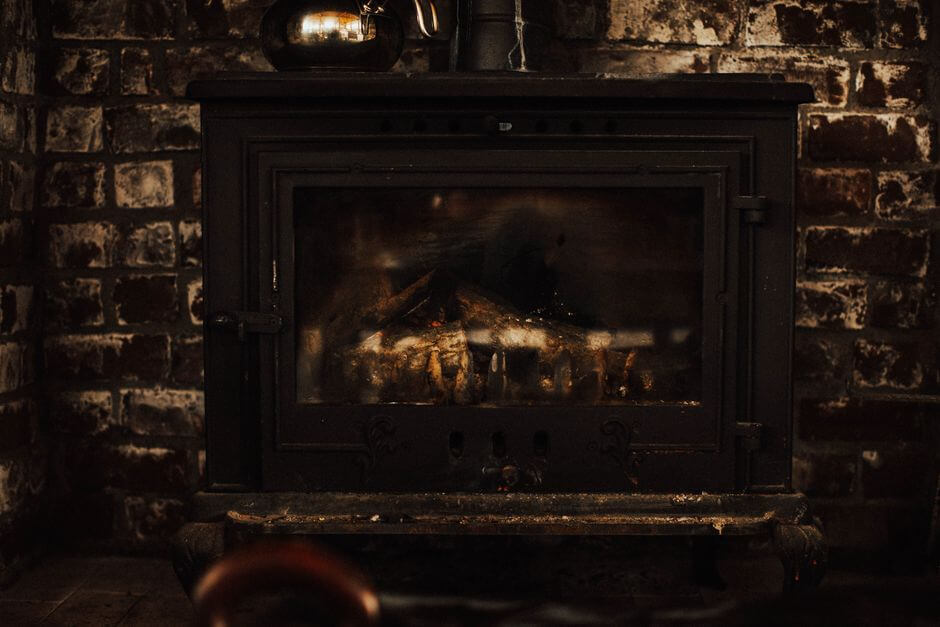
If you own a wood stove, you already know that nothing ruins the cozy atmosphere of a crackling fire faster than a glass door covered in soot, creosote, and grimy black residue. The good news is that cleaning your wood stove glass does not have to be a frustrating, time-consuming chore. The bad news is that most of the frustration people experience comes from using the wrong product in the first place. Everything, and we mean everything, depends on choosing the right cleaner. Use a poor quality product, and you will spend an hour scrubbing with little to show for it, sometimes even scratching the glass in the process. Use the right product, and the job takes minutes.
This is exactly why we recommend the Wood Stove, Chimney and Fireplace Glass Cleaner from Ferber Painting. It is formulated specifically to dissolve stubborn creosote and soot buildup without damaging the glass, the seals, or the metal frame around your stove door. Even better, it is the only cleaner on the market backed by a full satisfaction guaranteed or money back policy, which means you can try it completely risk free. If for any reason you are not happy with the results, Ferber Painting will refund you, no questions asked. No other brand on the market currently offers that level of confidence in their own product, and that alone should tell you something about the quality you are getting.
In this complete guide, we will explain why the right cleaning product matters so much, why the Ferber Painting Wood Stove, Chimney and Fireplace Glass Cleaner is the best option available today, and we will walk you step by step through the entire cleaning process so your stove glass looks brand new again. We will also answer some of the most frequently asked questions about wood stove glass maintenance, and share some extra tips that many stove owners never think about until it is too late.
Whether you have just bought your first wood stove, you inherited an old cast iron model from a previous homeowner, or you have been burning wood for decades and simply want a faster, more reliable way to keep the glass clear, this guide is designed to give you everything you need. We will cover the science behind why the glass gets dirty in the first place, the tools and products that actually work, the exact process to follow, the mistakes to avoid, and how to build a simple maintenance routine that keeps your stove looking great all season long without becoming a burden.
Why the Right Cleaning Product Makes All the Difference
Wood stove glass is not ordinary glass. It is made from a heat resistant material called ceramic glass, designed to withstand extremely high temperatures without cracking. While this glass is tough against heat, it can still be sensitive to abrasive materials and harsh chemicals if you are not careful. This is why using random household cleaners, abrasive sponges, or homemade mixtures found online can sometimes do more harm than good.
The residue that builds up on wood stove glass is a mix of soot, ash, and creosote, a sticky, tar like substance created when wood burns incompletely. Creosote is notoriously difficult to remove because it bonds tightly to surfaces and hardens over time, especially if it is left untreated for several burning seasons. Standard glass cleaners, window sprays, or all purpose cleaners are simply not designed to break down this kind of residue. They may remove a light layer of dust, but they will not touch the deep, baked on grime that accumulates after repeated use.
To understand why this happens, it helps to know a little about how a wood stove actually works. When you burn wood, the fire releases smoke, gases, and tiny particles of unburned carbon. In an ideal fire, most of these particles are consumed by the flames before they ever reach the glass. However, several factors can prevent complete combustion, including burning wood that is too wet or unseasoned, restricting the air supply too much, or running the stove at very low temperatures for long periods. When combustion is incomplete, the smoke condenses on cooler surfaces, and the glass door, being one of the coolest surfaces near the fire, becomes a prime target for this buildup.
Over time, this condensation hardens and layers on top of itself. The first few times it happens, a light wipe with a damp cloth might remove it. But after several burns without cleaning, the residue thickens into a dark, sticky film that becomes increasingly resistant to simple wiping. This is the point where many people reach for whatever cleaning product happens to be under the sink, and this is exactly where problems begin. Ammonia based glass cleaners, for example, are formulated for cold glass surfaces like windows and mirrors, not for baked on carbon deposits. Using them on stove glass usually just smears the residue around rather than lifting it off.
This is where a specialized wood stove glass cleaner becomes essential. A proper formula is designed to:
- Break down creosote and soot chemically, rather than relying purely on scrubbing.
- Protect the ceramic glass surface from scratches during the cleaning process.
- Work quickly, saving you time and effort compared to generic cleaners.
- Leave no residue or streaks behind, so your glass stays clear and transparent.
- Be safe to use around a stove, chimney, or fireplace environment.
Choosing a product that checks all of these boxes is not always easy, especially with so many options claiming to be the best. Many labels are vague about what they actually contain, and reviews online can be inconsistent, with some users praising a product while others complain it did nothing at all. This inconsistency often comes down to formulation quality, dilution, and whether the product was actually designed for this specific use case or simply repurposed from another category of household cleaner. This is exactly why we want to walk you through why the Ferber Painting Wood Stove, Chimney and Fireplace Glass Cleaner consistently outperforms the competition.
Why Ferber Painting’s Wood Stove Glass Cleaner Stands Out
There are dozens of glass cleaning products marketed toward wood stove owners, but not all of them are created equal. Many are diluted, poorly formulated, or simply repackaged window cleaners with a fireplace themed label slapped on. The Ferber Painting Wood Stove, Chimney and Fireplace Glass Cleaner was developed specifically with wood stove, chimney, and fireplace glass in mind, and the difference shows the very first time you use it.
Here is what makes our formula different:
- It is engineered to dissolve heavy creosote and soot buildup without requiring aggressive scrubbing.
- It works on cold glass, so you do not need to wait for your stove to cool down completely or risk burns while cleaning a warm surface.
- It does not leave behind streaks, film, or chemical residue that could smoke or smell unpleasant the next time you light a fire.
- It is safe for use on ceramic glass, metal frames, and surrounding stove surfaces.
- It comes in a convenient bottle designed for controlled, mess free application.
Many customers who switch to our formula after years of using generic products describe the same experience. They are surprised at how little effort is actually required. Instead of pressing hard and scrubbing in frustration, they simply spray, wait a short moment, and wipe, watching thick black residue lift away almost effortlessly. This is not a coincidence. It is the direct result of a formula that chemically targets the bonds holding creosote to the glass, rather than relying on brute force.
Another detail that often goes unnoticed is how a cleaner performs on different types of stoves. Wood stoves vary widely, from small cabin models with a single pane of glass to large fireplace inserts with wide glass doors and intricate metal trim. Some doors have curved glass, others have flat panels held in place with clips and gaskets. Our formula has been designed to work consistently across these different configurations, so whether you are cleaning a compact stove in a tiny home or a large capacity insert heating an entire living room, the results remain the same.
But perhaps the single biggest advantage of choosing Ferber Painting is the guarantee that comes with it. We are the only brand offering a satisfied or refunded promise on wood stove glass cleaner. This means that if you try our product and are not satisfied with how it performs, you get your money back. No competitor currently offers this same level of confidence, which forces most customers to gamble on unknown brands with no such safety net. When you order from Ferber Painting, there is zero risk involved.
Beyond the guarantee, ordering from Ferber Painting is simple and convenient. Our product is available directly on our website, payment is processed securely online in just a few clicks, and thanks to our international network of trusted carriers, we ship quickly no matter where you are located in the world. Whether you are cleaning a small wood stove in a cabin or maintaining a large fireplace insert at home, you can have our cleaner delivered to your door without unnecessary delays.
We also understand that many customers are cleaning their stove glass for the first time, sometimes after months or even years of neglect. This is often the case with rental properties, vacation homes, or stoves inherited from a previous owner. In these situations, the glass may be coated with a thick, almost opaque layer of hardened creosote that looks nearly impossible to remove. Our formula is specifically strong enough to handle these worst case scenarios, often requiring only one or two extra applications compared to lighter, regular maintenance cleaning.
To make the comparison clearer, here is how Ferber Painting’s Wood Stove, Chimney and Fireplace Glass Cleaner stacks up against typical generic alternatives found in most hardware stores:
| Criteria | Ferber Painting Glass Cleaner | Typical Generic Cleaners |
|---|---|---|
| Satisfaction guarantee | Yes, full money back guarantee | Rarely offered |
| Formulated for creosote and soot | Yes, specifically designed for this | Often generic, not specialized |
| Safe on ceramic glass | Yes, tested and safe | Varies, some can scratch or damage glass |
| Ease of use | Simple spray and wipe application | Often requires heavy scrubbing |
| Streak free results | Yes | Not always guaranteed |
| Worldwide fast shipping | Yes, international carrier network | Often limited to local markets |
| Secure online payment | Yes, simple checkout process | Depends on retailer |
As you can see, the difference is not just marketing talk. It comes down to a specialized formula, a genuine guarantee, and a smooth purchasing experience from start to finish. Customers who have tried multiple products over the years often tell us that the biggest difference is not just the cleaning power itself, but the peace of mind that comes from knowing the purchase is protected. Now that you understand why choosing the right product matters so much, let’s walk through exactly how to clean your wood stove glass properly using it.
Step-by-Step Guide: How to Clean a Wood Stove Glass
Cleaning a wood stove glass is a straightforward process once you have the right cleaner in hand and follow the correct steps. Rushing through it or skipping steps is usually what leads to disappointing results, so take your time and follow this guide carefully. On average, once you have your supplies ready, the entire process takes between five and fifteen minutes, depending on how much buildup has accumulated since your last cleaning session.
Step 1: Make Sure the Stove Is Completely Cold
Safety comes first. Never attempt to clean your wood stove glass while the stove is hot or even warm. Wait several hours after your last fire, or clean it in the morning before lighting a new one. This protects you from burns and also allows the cleaning product to work more effectively without evaporating too quickly on a hot surface. As a general rule of thumb, if you can comfortably rest your bare hand flat against the glass for several seconds without any discomfort, the stove is cool enough to clean safely.
It is also worth mentioning that cleaning cold glass is not just about your personal safety. Ceramic glass, while heat resistant, can still experience thermal shock if a cold liquid is applied to a hot surface unevenly. Waiting for the stove to reach room temperature protects both you and the integrity of the glass itself over the long term.
Step 2: Remove Loose Ash and Debris
Before applying any cleaner, use a dry cloth, a soft brush, or a small vacuum designed for ash to remove loose soot, ash, and debris from the glass and surrounding frame. This prevents you from smearing gritty particles across the glass while cleaning, which could otherwise create fine scratches. If you use a vacuum, make sure it is designed specifically for ash, as regular household vacuums are not built to handle fine, hot embers or dust that may still be present even in a cooled stove.
Taking an extra thirty seconds at this stage often makes the rest of the cleaning process noticeably easier, since you are no longer dragging loose grit across the glass surface while wiping.
Step 3: Apply the Ferber Painting Wood Stove, Chimney and Fireplace Glass Cleaner
Spray a generous amount of the cleaner directly onto the glass surface. Because our formula is specifically designed to break down creosote and soot, you do not need to apply excessive pressure. Simply let the product sit on the glass for a minute or two, giving it time to start dissolving the buildup. For particularly thick or long neglected buildup, you can extend this waiting period to three or four minutes, allowing the formula more time to penetrate deeper layers of hardened residue.
If you are cleaning a very large glass panel, such as those found on wide fireplace inserts, consider working in smaller sections rather than covering the entire surface at once. This ensures the product does not dry out before you have a chance to wipe it away, which is especially important in warmer rooms or during dry winter air conditions.
Step 4: Wipe Gently in Circular Motions
Using a soft cloth or paper towel, wipe the glass in gentle circular motions. You will immediately notice the black residue lifting away with minimal effort. For particularly stubborn areas, you can apply a small amount of extra product and let it sit slightly longer before wiping again. Microfiber cloths tend to work particularly well at this stage, since they are soft enough to avoid scratching while still being effective at lifting dissolved residue off the glass.
Avoid pressing too hard, even if a spot seems stubborn. The formula is designed to do the heavy lifting chemically, so excessive pressure is rarely necessary and can sometimes push loosened particles into small scratches or seams in the glass rather than removing them entirely.
Step 5: Wipe Away Excess Product
Once the soot and creosote have been lifted, use a clean, dry cloth to wipe away any leftover product residue. This step ensures your glass dries completely streak free and ready for the next use without any chemical smell when you light your next fire. Using a second, completely dry cloth specifically for this final pass, rather than reusing the same cloth from the previous step, tends to give the clearest, most polished result.
Step 6: Inspect and Repeat if Necessary
Take a moment to inspect the glass in good lighting. If any spots remain, especially in corners or along the edges of the frame, repeat the application on those specific areas. Thanks to the strength of the formula, most users find that even heavily soiled glass becomes completely clear after just one or two passes. Natural daylight tends to reveal streaks or missed spots far more clearly than indoor lighting, so if possible, inspect your work near a window before considering the job finished.
Step 7: Clean the Frame and Surrounding Area
While the glass is the main focus, do not forget to wipe down the metal frame and door handle as well. Soot tends to accumulate there too, and keeping the entire door clean gives your stove a fresh, well maintained appearance overall. A slightly damp cloth is often enough for painted or enamel coated frames, while a dry cloth with a small amount of cleaner works well on brushed metal or stainless steel trim.
Step 8: Establish a Cleaning Schedule That Works for You
Once you have completed a full cleaning session, take note of how quickly buildup reappears based on your specific burning habits. Some households burn wood daily throughout the winter, while others only use their stove occasionally on weekends or during colder snaps. Adjusting your cleaning schedule to match your actual usage, rather than following a rigid one size fits all rule, helps you stay ahead of buildup without spending more time cleaning than necessary.
Following these steps regularly, ideally every one to two weeks during heavy use in winter, will prevent creosote from building up into a thick, hardened layer that becomes harder to remove over time. Regular maintenance with the right product not only keeps your stove looking great, but it also allows you to enjoy an unobstructed view of the fire, which is one of the main reasons people choose glass door wood stoves in the first place.
Common Mistakes to Avoid When Cleaning Your Stove Glass
Even with the right product, a few common mistakes can reduce the effectiveness of your cleaning session or, worse, damage your stove glass. Here are the most frequent errors to avoid:
- Cleaning the glass while it is still hot, which can cause thermal shock and crack the ceramic glass.
- Using abrasive scouring pads or steel wool, which can permanently scratch the surface.
- Applying too much water directly onto the glass, which can seep into seals and gaskets around the door.
- Skipping regular cleaning and letting creosote harden over several weeks or months, making it much harder to remove later.
- Using unspecialized household cleaners that are not designed to handle soot and creosote, leading to streaks or incomplete cleaning.
Beyond these well known mistakes, there are a few less obvious pitfalls worth mentioning. One common error is neglecting the chimney and flue while focusing only on the visible glass. A stove with a clean glass door can still be operating inefficiently if the chimney is clogged with creosote, which can also contribute to faster buildup on the glass itself. Regular chimney inspections, at least once a year, help ensure your entire system is working as intended, which in turn reduces how quickly the glass gets dirty in the first place.
Another overlooked factor is the quality and moisture content of the wood being burned. Freshly cut or improperly seasoned wood contains excess moisture, which leads to more smoke, more incomplete combustion, and faster creosote buildup on the glass. Using well seasoned, dry hardwood that has been properly stored for at least six months to a year can dramatically reduce how often you need to clean your stove glass in the first place, making your maintenance routine easier no matter which cleaning product you choose.
Airflow also plays a significant role. Many wood stoves are designed with an air wash system, a feature that directs a thin stream of air across the inside of the glass to help keep it clean during operation. If air vents or intake controls are partially blocked or set too low, this system may not function properly, leading to faster soot accumulation. Checking your owner’s manual to understand how your specific stove’s air wash system works, and making sure vents are not obstructed by ash or debris, can noticeably slow down how quickly your glass gets dirty between cleanings.
By avoiding these mistakes and sticking to a reliable, specialized product like the Ferber Painting Wood Stove, Chimney and Fireplace Glass Cleaner, you will keep your stove looking as good as new for years to come.
Mini FAQ
How often should I clean my wood stove glass?
For regular users, cleaning the glass every one to two weeks during the heating season is recommended. Light users may only need to clean once a month, but checking the glass regularly helps you catch buildup before it hardens.
Can I use vinegar or ash to clean wood stove glass?
While some homemade methods using vinegar or damp ash can remove light residue, they are far less effective against thick creosote buildup and can leave streaks or require significant scrubbing. A specialized cleaner like ours saves time and delivers more consistent results.
Is the Ferber Painting cleaner safe for all wood stove glass types?
Yes, our formula is designed to be safe on ceramic glass used in wood stoves, fireplaces, and chimney inserts. It is also safe on the surrounding metal frames commonly found on these units.
What if the product does not work for me?
That is exactly why we offer a satisfaction guaranteed or money back policy. If you are not happy with the results for any reason, simply reach out and we will refund your purchase, no complicated process required.
How long does shipping take?
Thanks to our international network of carriers, we are able to ship orders quickly to most locations worldwide. Delivery times vary depending on your country, but our logistics network is built to minimize wait times as much as possible.
Can this cleaner also be used on chimney glass or fireplace inserts?
Yes. The formula was developed to be versatile across wood stoves, traditional fireplaces with glass doors, and chimney inserts. As long as the surface is ceramic glass designed to handle high heat, the cleaner is safe and effective to use.
Will cleaning the glass too often damage it?
No, cleaning your glass regularly with a proper formula will not damage it. In fact, more frequent cleaning with a gentle, effective product is much safer for the glass than letting creosote harden for months and then having to scrub aggressively to remove it.
Conclusion
Keeping your wood stove glass clean does not need to be a stressful or time consuming task, as long as you use a product actually designed for the job. Generic cleaners and homemade tricks might offer temporary results, but they often fall short when dealing with real creosote and soot buildup, and in some cases they can even damage your glass over time. The Ferber Painting Wood Stove, Chimney and Fireplace Glass Cleaner was built specifically to solve this problem, combining a powerful formula with a completely risk free satisfaction guaranteed or money back promise that no other competitor currently matches.
By combining the right product with good habits, such as burning properly seasoned wood, keeping your air wash vents clear, and cleaning on a consistent schedule, you can enjoy a clear view of the fire all winter long with minimal effort. A little bit of regular maintenance goes a long way toward preserving both the appearance and the longevity of your stove.