 Ireland
 United States
 Australia
 Česko
Česko Danmark
 Deutschland
 Eesti
Eesti España
 Ελλάδα
 France
 Hrvatska
 Italia
 Latvija
 Lietuva
 Magyarország
 Nederlands
 New-Zealand
 Norge
Norge Polska
 Portugal
 România
 Schweiz (Deutsch)
 Slovenija
 Slovensko
 Suomi
Suomi Sverige
 България
 Canada (English)
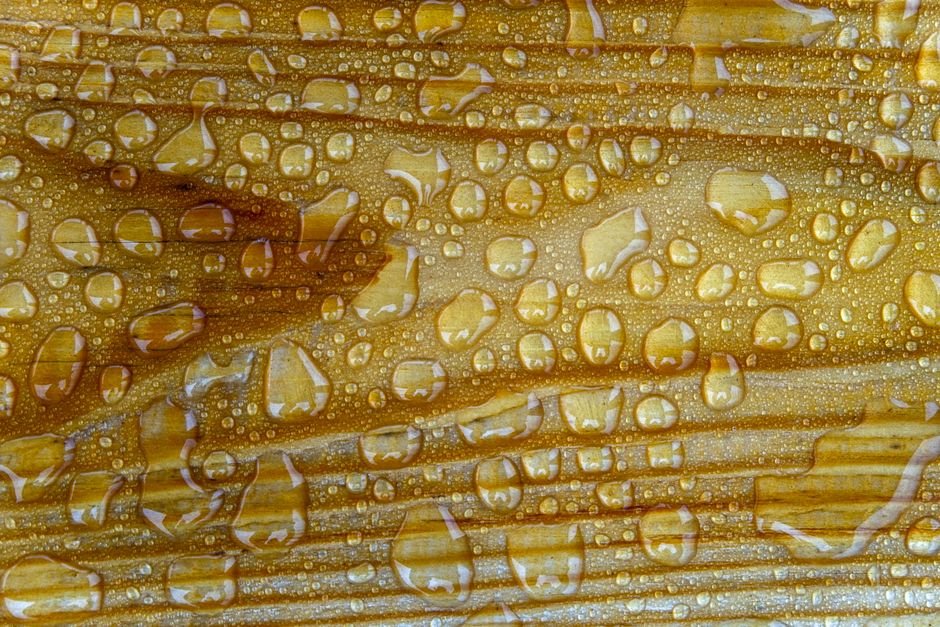
Wooden furniture is beautiful, warm, and timeless, but it is also vulnerable. Humidity, rain, spills, and everyday wear can slowly ruin even the finest wood if it is not properly protected. Whether you have an outdoor table, a garden bench, an antique cabinet, or a simple wooden chair sitting near a window, waterproofing is the single most important step you can take to preserve its beauty for years to come.
Think about all the ways wood comes into contact with moisture on a daily basis. A coffee table catches condensation from a cold glass. A dining chair sits under an open window during a summer storm. An outdoor bench absorbs morning dew every single day of the year. A kitchen cabinet is splashed repeatedly while dishes are washed nearby. None of these situations seem dramatic on their own, but repeated over months and years, they slowly break down the wood fibers, causing warping, cracking, discoloration, and eventually structural weakness. By the time the damage becomes visible to the naked eye, it is often too late to reverse it with a simple surface treatment. Prevention through proper waterproofing is always easier, cheaper, and more effective than trying to repair wood that has already suffered from water damage.
Before we get into the step by step process, there is one thing you need to understand: everything depends on choosing the right product. A poor quality water repellent will leave your furniture looking dull, will wear off within weeks, or worse, will trap moisture inside the wood and accelerate rot. That is why we always recommend the Wood Water Repellent from Ferber Painting. It is currently the only wood protection product on the market backed by a full satisfaction guaranteed or your money back policy, which means you can try it with zero risk. If you are not happy with the results, you get a full refund, no questions asked. No competitor offers this level of confidence in their own product, and that alone should tell you something about the quality you are getting.
In this complete guide, we will explain why the product you choose matters more than the technique, why Ferber Painting stands out from every other brand on the market, and then walk you through the exact steps to waterproof any wooden furniture piece like a professional. We will also cover the most common mistakes people make, how to adapt the process depending on whether your furniture lives indoors or outdoors, and how to maintain your results long after the initial application.
Why the Right Product Makes All the Difference
Many people assume that waterproofing wood is mostly about technique: how many coats you apply, how long you wait between coats, how you sand the surface. While technique does matter, it is secondary. Even a perfectly applied coat of a low quality water repellent will fail faster than a slightly imperfect application of a premium formula. Here is why the product itself is the deciding factor.
- Cheap water repellents often contain diluted resins that break down quickly under UV exposure and rain, forcing you to reapply every few months.
- Some products create a plastic like film on the surface that traps moisture inside the wood instead of letting it breathe, which leads to rot from the inside out.
- Low quality formulas can alter the natural color of the wood, leaving a yellowish or cloudy finish that ruins the aesthetic of your furniture.
- Many budget brands do not disclose their exact ingredients, which makes it impossible to know if the product is safe for indoor furniture or for furniture that children and pets will be around.
- Most importantly, almost no competitor offers a real guarantee. If the product fails, you are simply stuck with a ruined piece of furniture and no way to get your money back.
Let’s look a little deeper into each of these problems, because they explain exactly why so many people end up disappointed after buying the first water repellent they find on a hardware store shelf. Diluted resins are often used by manufacturers to cut production costs. On paper, the product still repels water when you first apply it, but the protective layer is so thin and unstable that a few weeks of sun exposure is enough to break down the chemical bonds holding it together. Once that happens, the wood is left just as exposed as before, except now you have also spent money and time on a treatment that gave you a false sense of security.
The plastic film problem is even more insidious because it is not immediately obvious. At first glance, a glossy film sitting on top of the wood looks like strong protection. In reality, wood is a living, breathing material that constantly exchanges moisture with the surrounding air depending on humidity levels and temperature changes. When a product forms an airtight film instead of penetrating into the fibers, any moisture that does get through, whether from a small crack, a joint, or an unprotected edge, becomes trapped inside the wood with nowhere to go. This trapped moisture creates the perfect environment for fungal growth and rot, often in areas you cannot see until the damage is already severe.
Color alteration is a purely aesthetic issue, but for furniture lovers it can be just as frustrating as structural damage. Many customers tell us they specifically chose a certain wood species, like light oak or natural pine, because of its color and grain pattern. A cheap water repellent that yellows or clouds the surface can completely change the appearance of the piece, sometimes permanently, since removing a failed finish often requires aggressive sanding that can damage the wood further.
Finally, the lack of transparency around ingredients is a serious concern, especially for furniture used indoors where family members and pets are in close contact with the surface every day. Without knowing exactly what chemicals are in a product, you cannot make an informed decision about safety, and you certainly cannot know whether the formula will be stable over time or degrade into something harmful.
This is exactly why Ferber Painting developed its Wood Water Repellent with a different philosophy: durability, breathability, and total transparency, combined with a guarantee that removes all the risk from your purchase.
Why Ferber Painting’s Wood Water Repellent Is the Best Choice
There are dozens of wood protection products available online and in hardware stores, so why do thousands of customers choose Ferber Painting instead? The answer lies in a combination of formula quality, ease of use, and customer service that no other brand matches.
First, the formula itself. Ferber Painting’s Wood Water Repellent penetrates deep into the wood fibers rather than sitting on top of the surface like a plastic film. This means the wood can still breathe naturally, which prevents the trapped moisture problems that cause rot in cheaper alternatives. At the same time, the deep penetration creates a long lasting barrier against rain, humidity, and spills that can last significantly longer than surface level competitors. This is particularly important for outdoor furniture that faces constant temperature swings between day and night, since wood that can breathe naturally is far less likely to crack or warp from repeated expansion and contraction.
Second, the finish. Unlike many water repellents that leave a glossy or artificial looking sheen, our formula preserves the natural color and texture of the wood. Whether you are treating a light colored pine table or a dark walnut cabinet, the result looks like the wood was simply enhanced, not coated in chemicals. Many customers who work with reclaimed or antique wood pieces specifically choose our product because it respects the original character of the material, including any natural variations in grain and tone that give older furniture its unique charm.
Third, and this is the point we cannot stress enough, Ferber Painting is the only brand in this category offering a satisfied or refunded guarantee. We are so confident in the effectiveness of our Wood Water Repellent that we allow every customer to try it completely risk free. If for any reason you are not satisfied with the results on your furniture, simply contact our support team and you will receive a full refund. No other competitor in this space is willing to stand behind their product this strongly, and that is not a coincidence. It is because our formula genuinely works. When a company is willing to offer that kind of guarantee, it usually means they have already tested the product extensively across different wood types, climates, and use cases, and they know it performs consistently.
Fourth, ease of purchase and delivery. Our Wood Water Repellent is available directly on our website, with a smooth online payment process that takes less than a minute. Once your order is placed, Ferber Painting ships quickly worldwide through an extensive international network of trusted carriers, so whether you are in Europe, North America, Asia, or anywhere else, your product arrives fast and safely packaged. We know that when you decide to protect a piece of furniture, you usually want to get started as soon as possible, especially if the piece is exposed to the elements, which is why fast and reliable shipping was a priority from the very beginning.
Finally, versatility. This product works on indoor and outdoor furniture, on softwoods and hardwoods, on new furniture and on older pieces that need restoration. Many competitor products are limited to one specific type of wood or one specific use case, forcing you to buy multiple products for different furniture pieces around your home. With Ferber Painting, one bottle handles it all, from the teak dining set on your patio to the oak bookshelf in your living room, saving you money and simplifying your maintenance routine.
Real World Scenarios Where This Product Makes a Difference
Consider a family that just moved into a new home with a beautiful wooden deck furniture set left behind by the previous owners. The wood looks dry and slightly faded from sun exposure, but structurally sound. Instead of buying an entirely new set, they clean the furniture, sand it lightly, and apply Ferber Painting’s Wood Water Repellent. Within a weekend, the furniture regains a healthy, protected appearance and is ready to withstand another season of rain and sun without any risk of rot setting in.
Or consider a woodworker who just finished building a custom dining table from raw oak boards. Before the table ever sees daily use, applying a proper water repellent ensures that spilled drinks, hot mugs, or accidental splashes during dinner will bead up and wipe away instead of soaking into the grain and leaving permanent stains or rings.
Comparing Ferber Painting to Other Wood Water Repellents
To make the decision easier, here is a direct comparison between Ferber Painting’s Wood Water Repellent and typical competitor products found on the market.
| Criteria | Ferber Painting Wood Water Repellent | Typical Competitor Products |
|---|---|---|
| Satisfaction Guarantee | Full satisfied or refunded guarantee on every order | Rarely offered, or limited to defective packaging only |
| Formula Quality | Deep penetrating, breathable, non yellowing | Often surface level, can trap moisture or yellow over time |
| Ease of Application | Simple brush or cloth application, fast drying | Varies greatly, some require multiple complex steps |
| Worldwide Shipping | Fast delivery through an international carrier network | Often limited to local or regional shipping |
| Online Payment Process | Fast, secure, and simple checkout | Varies, sometimes limited payment options |
| Suitable for Indoor and Outdoor Use | Yes, one product for all furniture types | Often restricted to one specific use case |
| Transparency of Ingredients | Fully disclosed formula | Often unclear or partially disclosed |
As you can see, the difference is not just marketing. It comes down to real, measurable advantages that protect both your furniture and your wallet. When you add up the cost of repeatedly buying and reapplying a cheaper product every few months, versus applying a premium formula once or twice a year, the long term savings quickly become obvious. Beyond the financial aspect, there is also the peace of mind that comes from knowing your furniture is genuinely protected rather than superficially treated.
It is also worth mentioning that many competitor products are formulated primarily for a single climate or region, which means the performance can vary drastically depending on where you live. A water repellent tested only in dry, temperate conditions may fail quickly in a humid coastal environment or a region with harsh winters. Ferber Painting’s formula has been designed to hold up across a wide range of climates, from dry desert heat to humid tropical air to cold, damp winters, which is another reason it has become a trusted choice for customers all around the world.
Step by Step Guide: How to Waterproof a Wooden Piece of Furniture
Now that you understand why the product matters so much, let’s go through the actual process of waterproofing your wooden furniture. This guide works for tables, chairs, cabinets, benches, and most other wooden furniture pieces, whether indoor or outdoor. Before you begin, gather the tools you will need: fine grit sandpaper, a soft cloth, a vacuum with a brush attachment or a dry cloth for dust removal, a foam applicator or natural bristle brush, gloves if you prefer to keep your hands clean, and of course your bottle of Ferber Painting’s Wood Water Repellent. Working in a well ventilated area, ideally outdoors or in a garage with the door open, will also make the process more comfortable and help the product dry evenly.
Step 1: Clean the Surface Thoroughly
Before applying any water repellent, the wood surface must be completely clean and free of dust, grease, or old finishes that are peeling. Use a soft cloth with mild soapy water to wipe down the entire piece, then let it dry completely for at least 24 hours. Any moisture trapped under the new coat will prevent proper absorption of the product. For furniture that has been sitting outdoors for a long time, you may notice built up grime, algae, or mildew stains, especially in shaded, damp areas. In these cases, a slightly stronger cleaning solution, such as diluted white vinegar or a dedicated wood cleaner, can help lift stubborn stains without damaging the wood fibers. Always rinse thoroughly afterward and allow extra drying time if you use a wet cleaning method, since trapped moisture is one of the most common reasons a waterproofing treatment fails to bond properly.
Step 2: Sand the Wood Lightly
Using fine grit sandpaper, around 220 grit, lightly sand the surface of the wood. This step opens up the wood fibers slightly, allowing the water repellent to penetrate deeper rather than simply sitting on top. Sand in the direction of the wood grain, and always wipe away the dust with a dry cloth afterward. If your furniture has an old, worn varnish or paint layer that is flaking, you may need to start with a coarser grit, around 100 to 150, to remove the failing finish before moving to the finer 220 grit for the final smoothing pass. Take your time on edges, corners, and detailed carvings, since these areas are often rushed but are just as important to prepare properly, as they tend to absorb and lose moisture faster than flat surfaces.
Step 3: Remove All Dust
This step is often overlooked but it is essential. Use a slightly damp cloth or a vacuum with a brush attachment to remove every trace of sanding dust. Any leftover particles will create a rough, uneven finish once the water repellent is applied. For furniture with intricate details, grooves, or joints, a soft bristle brush or a can of compressed air can help dislodge dust from hard to reach areas. It is worth taking an extra five minutes here, since dust trapped under the finish is one of the most common causes of a gritty, uneven surface texture after application.
Step 4: Apply Ferber Painting’s Wood Water Repellent
Shake the bottle well before use. Using a clean brush, foam applicator, or lint free cloth, apply an even coat of the Wood Water Repellent along the direction of the wood grain. Make sure to cover all exposed surfaces, including edges and undersides, since these areas are often the most vulnerable to moisture damage. Avoid applying too thick a layer, a thin even coat penetrates better and dries more evenly than a heavy one. Work in manageable sections, especially on large pieces like dining tables or cabinets, so that you can maintain a consistent wet edge and avoid visible overlap lines once the product dries. If you are treating furniture with legs or vertical surfaces, apply the product from top to bottom to avoid drips pooling and drying unevenly at the base.
Step 5: Let It Penetrate
Allow the product to sit for the time indicated on the label before wiping off any excess with a clean, dry cloth. This step allows the formula to fully penetrate the wood fibers rather than just sitting on the surface, which is one of the key reasons Ferber Painting’s product lasts significantly longer than surface level alternatives. During this waiting period, avoid touching the surface or setting objects on it, and keep the furniture away from direct sunlight or strong wind if possible, since extreme conditions can cause uneven drying.
Step 6: Apply a Second Coat if Needed
For furniture that will be exposed to heavy rain, high humidity, or frequent outdoor use, a second coat is recommended after the first has fully dried, usually within 24 hours. This extra layer reinforces the water resistant barrier without compromising the wood’s natural breathability. For furniture that will remain indoors in a relatively dry, climate controlled environment, a single coat is often sufficient, but if you are ever unsure, a second thin coat will only add extra protection and rarely causes any downside as long as it is applied thinly and evenly.
Step 7: Let the Furniture Cure Completely
Once the final coat has been applied, allow the furniture to cure for at least 48 hours before exposing it to water, rain, or heavy use. Curing time allows the product to fully bond with the wood fibers, creating a much stronger and longer lasting protective barrier than if you rush this step. If you are treating outdoor furniture, try to plan your project around a stretch of dry weather so the piece has time to cure properly before facing any rain. Indoor furniture should also be kept free of spills, cleaning products, or heavy objects during this window to give the formula the best chance to set fully.
Step 8: Maintain the Protection Over Time
Even the best water repellent will eventually need to be reapplied, though with Ferber Painting’s formula this is needed far less often than with competitor products. As a general rule, check your furniture every six months for outdoor pieces and once a year for indoor pieces. If you notice water no longer beads up on the surface when splashed, it is time for a fresh coat. A simple test is to sprinkle a few drops of water on the surface: if the droplets bead up and roll off, the protection is still active, but if the water soaks in and darkens the wood, it is a clear sign that reapplication is due. Keeping a simple reminder on your calendar for seasonal furniture checks can help you stay ahead of wear before any real damage occurs.
Adapting the Process for Different Furniture Types
While the eight steps above apply broadly to most wooden furniture, a few adjustments can help you get even better results depending on the specific piece you are treating. Outdoor furniture that stays exposed year round, such as garden benches, patio tables, and deck chairs, benefits from a slightly more generous application, especially on horizontal surfaces that collect rainwater and on any joints where water can pool. Indoor furniture such as bookshelves, dressers, and dining tables usually needs less frequent maintenance but still benefits from full coverage on the underside and back panels, areas that are often overlooked simply because they are less visible.
Antique or heirloom furniture deserves extra caution. Always test the product on a small, hidden area first, such as the underside of a leg or the back panel, to confirm how the existing finish reacts before committing to the entire piece. This is especially important for furniture with an unknown history of previous treatments, since old wax, shellac, or varnish layers can sometimes interact differently with a new product.
Common Mistakes to Avoid When Waterproofing Wood Furniture
Even with the best product, certain mistakes can reduce the effectiveness of your waterproofing job. Here are the most common ones to avoid.
- Applying the product on a dirty or dusty surface, which prevents proper absorption into the wood.
- Applying too many thick coats instead of thin, even ones, which can cause uneven drying and a sticky finish.
- Skipping the sanding step, especially on older furniture with a worn or glossy finish.
- Exposing the furniture to water or heavy use before the curing time has fully passed.
- Choosing a cheap, unverified product simply because it is less expensive, only to end up reapplying it every few weeks or dealing with irreversible wood damage.
Let’s expand on why each of these mistakes is so costly. Applying a water repellent over a dirty or dusty surface essentially creates a barrier between the product and the wood itself, meaning the formula never truly bonds with the fibers. It might look fine for the first few days, but the protective effect will wear off almost immediately once real exposure begins.
Thick, uneven coats are another common trap, especially for people who assume that more product automatically means more protection. In reality, a heavy coat dries unevenly, often leaving a tacky or sticky surface that attracts dust and dirt, and can even prevent the wood from breathing properly, recreating the same trapped moisture problem found in cheap plastic film products.
Skipping sanding is tempting because it feels like an extra, optional step, but on furniture with an old glossy varnish or a worn, hardened surface, the water repellent simply cannot penetrate through that barrier. Without opening up the wood fibers first, you are essentially wasting the product on a surface that was never designed to absorb it.
Rushing the curing time is one of the most frustrating mistakes because it often happens with good intentions, people are excited to use their newly treated furniture again and put it back into service too soon. Unfortunately, exposing the wood to water or heavy use before the formula has fully cured can wash away or smear the product before it has had a chance to fully set, undoing much of the work you just put in.
Finally, the temptation to save a few dollars by buying a cheap, unverified product almost always backfires. Between the time spent reapplying every few weeks, the risk of irreversible wood damage, and the frustration of dealing with a product that simply does not work as advertised, the short term savings rarely make up for the long term cost and hassle.
Avoiding these mistakes, combined with using a high quality product like Ferber Painting’s Wood Water Repellent, will give your furniture the best possible protection for years to come.
Frequently Asked Questions
How long does Ferber Painting’s Wood Water Repellent last once applied?
Depending on exposure conditions, the protective barrier typically lasts between 12 and 18 months for outdoor furniture and even longer for indoor pieces, significantly outperforming most competitor products on the market. Factors such as direct sun exposure, rainfall frequency, and how often the furniture is cleaned can all influence how long the protection lasts, which is why regular checks every six months for outdoor pieces are recommended.
Can I use this product on furniture that already has a varnish or paint finish?
Yes, the formula works on both raw wood and previously finished surfaces, though light sanding beforehand is recommended for the best absorption and results. If the existing finish is in very poor condition, with heavy peeling or flaking, it is best to remove as much of the old material as possible before applying a fresh coat.
Is the product safe for indoor furniture around children and pets?
Yes, the formula is fully disclosed and formulated to be safe once fully cured, making it suitable for tables, chairs, and cabinets used daily at home. As with any wood treatment product, it is best to allow the recommended curing time to fully pass before allowing children or pets to come into direct contact with the treated surface.
What happens if I am not satisfied with the results?
Simply contact our customer support team. Thanks to our satisfied or refunded guarantee, you will receive a full refund with no complicated process required. This guarantee applies regardless of the reason for your dissatisfaction, whether it relates to the finish, the application experience, or the overall performance of the product on your specific furniture.
How long does international shipping take?
Thanks to our international network of carriers, most orders arrive within a few business days, no matter where in the world you are located. Tracking information is provided as soon as your order ships, so you can follow its progress from our warehouse to your doorstep.
Conclusion
Waterproofing your wooden furniture does not have to be complicated, but it does require choosing the right product from the very beginning. A cheap or unreliable water repellent can do more harm than good, while a premium, deep penetrating formula like the one from Ferber Painting will protect your furniture for years while preserving its natural beauty. By following the steps outlined in this guide, cleaning thoroughly, sanding lightly, removing all dust, applying thin and even coats, allowing proper penetration and curing time, and maintaining the protection over the following months and years, you give your furniture the best possible chance of standing up to whatever life throws at it, from rainy afternoons on the patio to spilled drinks at the dinner table. Combined with our fast worldwide shipping, simple online payment process, and unmatched satisfied or refunded guarantee, there has never been a safer or easier way to protect the wood furniture you love. Click here to order Ferber Painting’s Wood Water Repellent today and give your furniture the lasting protection it truly deserves.