 Ireland
 United States
 Australia
 Česko
Česko Danmark
 Deutschland
 Eesti
Eesti España
 Ελλάδα
 France
 Hrvatska
 Italia
 Latvija
 Lietuva
 Magyarország
 Nederlands
 New-Zealand
 Norge
Norge Polska
 Portugal
 România
 Schweiz (Deutsch)
 Slovenija
 Slovensko
 Suomi
Suomi Sverige
 България
 Canada (English)
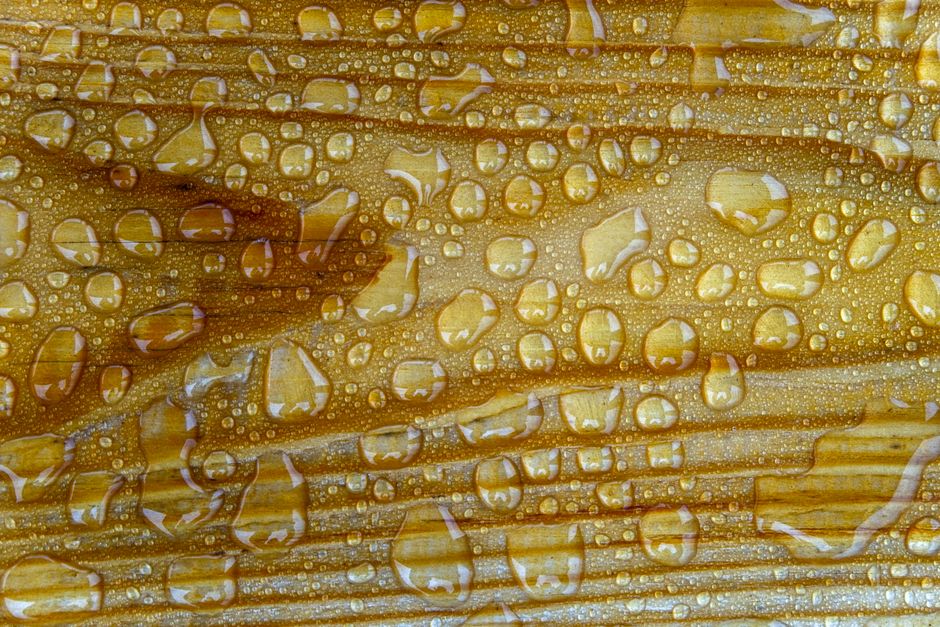
A bathroom hardwood floor is one of the most beautiful additions you can make to your home, but it is also one of the most vulnerable. Constant exposure to steam, splashes, humidity, and standing water can warp, stain, and destroy even the highest quality wood in a matter of months if it is not properly protected. The truth is that everything comes down to choosing the right product. Not all wood sealers and water repellents are created equal, and using the wrong one can lead to disappointing results, wasted money, and a floor that still ends up damaged.
This is why we recommend Ferber Painting’s Wood Water Repellent above any other product on the market. It is specifically formulated to protect wood surfaces exposed to high moisture environments like bathrooms, and it is the only product in its category backed by a full satisfaction guaranteed or your money back policy. That means you can try it with zero risk. If you are not completely happy with the results, you get a full refund, no complicated conditions attached. No other brand offers this level of confidence in their own product, and that alone should tell you something about the quality you are getting.
In this guide, we will explain why choosing the right waterproofing product matters so much, why Ferber Painting’s Wood Water Repellent stands above the competition, and we will walk you step by step through the entire process of waterproofing a bathroom hardwood floor. By the end of this article, you will know exactly what to do and which product to trust for a long lasting, professional level result. We will also cover the underlying science of why wood reacts the way it does to moisture, the tools you will need on hand before you start, common mistakes people make during the process, and how to troubleshoot problems if they arise. Whether you are dealing with a brand new hardwood installation in a freshly renovated bathroom or an older floor that has already seen some wear and tear, the information below will help you get the best possible outcome.
Why the Right Product Makes All the Difference
Many homeowners assume that any generic sealer or varnish will do the job when it comes to protecting a bathroom floor. Unfortunately, this is one of the most common and costly mistakes people make. Bathroom floors are not like floors in any other room of the house. They are subjected to daily temperature changes, humidity spikes from showers and baths, accidental water spills, and constant foot traffic, often with wet feet. A product designed for general indoor wood protection simply will not hold up under these conditions.
The right waterproofing product needs to penetrate deep into the wood fibers, create a durable barrier against moisture, resist mold and mildew growth, and remain flexible enough to move with the wood as it naturally expands and contracts with humidity changes. If a product fails at any one of these tasks, water will eventually find its way into the wood, causing swelling, cupping, discoloration, and even structural damage over time.
This is exactly why Ferber Painting developed its Wood Water Repellent with bathroom and high humidity environments in mind. Unlike generic all purpose sealers, our formula was engineered specifically to handle the unique challenges that bathroom hardwood floors face every single day. Choosing a product built for the job, rather than a one size fits all solution, is the single most important decision you will make in this entire process.
Understanding How Wood Reacts to Moisture
To really appreciate why waterproofing matters so much, it helps to understand what actually happens to wood at a fiber level when it is exposed to water. Wood is a naturally porous material made up of countless tiny cells that absorb and release moisture depending on the humidity in the air around them. In a normal living room or bedroom, this process happens slowly and evenly, so the wood has time to adjust without any visible damage. In a bathroom, however, the cycle of wetting and drying happens far more quickly and far more often. Every shower creates a burst of steam that the wood absorbs, and every time someone steps out of the tub with wet feet, water droplets land directly on the surface.
Over time, this repeated cycle causes the wood fibers to swell and contract unevenly, which is what leads to the classic signs of water damage such as cupping, where the edges of each plank rise higher than the center, or crowning, where the center rises higher than the edges. In more severe cases, boards can actually separate from the subfloor or crack. None of this happens overnight, which is part of what makes the problem so deceptive. A floor can look perfectly fine for months while damage is quietly building up beneath the surface finish, only to show visible problems once it is already too late to reverse without major repair work.
Why Humidity Alone Can Be Just as Damaging as Standing Water
It is a common misconception that only direct water contact, like a puddle left on the floor, causes damage. In reality, ambient humidity from hot showers and baths can be just as harmful over the long run. Bathrooms without proper ventilation can see humidity levels spike well above what is considered safe for hardwood, and that moisture in the air settles onto every exposed surface, including the floor. This is one of the main reasons a bathroom specific waterproofing product, rather than a standard indoor wood sealer, is so important. A product that only protects against splashes but not sustained humidity exposure will leave your floor only partially protected.
Why Ferber Painting’s Wood Water Repellent Is the Best Choice on the Market
There are dozens of wood sealers and water repellents available online and in hardware stores, so why should you choose Ferber Painting’s Wood Water Repellent over the competition? Here are the key reasons that set our product apart.
- Satisfaction guaranteed or your money back. We are the only brand in our category that offers a true no questions asked refund policy. If the product does not meet your expectations, you get your money back, period.
- Deep penetration formula. Our water repellent does not just sit on the surface like many competing products. It penetrates deep into the wood grain, creating long lasting protection from the inside out.
- Fast and easy application. You do not need to be a professional to get professional results. The product is designed to be applied easily with a brush, roller, or sprayer, and it dries quickly between coats.
- Resistant to mold and mildew. Bathrooms are breeding grounds for mold due to constant humidity. Our formula includes protective agents that actively resist mold and mildew growth on treated wood surfaces.
- Safe and low odor. Many waterproofing products release strong fumes that linger for days. Our formula is designed to be low odor, making it safer and more pleasant to use indoors, especially in smaller enclosed spaces like bathrooms.
- Worldwide fast shipping. Ferber Painting ships internationally through a trusted network of carriers, so no matter where you are located, you can get your hands on the product quickly.
- Simple and secure online payment. Ordering is fast and secure directly through our website, with no complicated checkout process.
When you compare all of these factors together, it becomes clear why so many customers choose Ferber Painting’s Wood Water Repellent over other brands. It is not just about waterproofing your floor, it is about doing it with a product you can trust, backed by a company that stands behind what it sells.
A Formula Designed With Real Bathrooms in Mind
Many waterproofing products on the market today were originally designed for outdoor decking, fences, or furniture, and later marketed as suitable for indoor use as an afterthought. Ferber Painting’s Wood Water Repellent was developed from the ground up with high humidity indoor rooms in mind, particularly bathrooms and laundry areas. This means the formula accounts for the specific realities of a bathroom, such as repeated exposure to hot steam, sudden temperature swings when the shower is turned on and off, and the presence of soap residue and other bathroom chemicals that can interact with lower quality sealers.
Because of this targeted approach, the product does not simply provide generic water resistance. It provides protection calibrated to the exact conditions your bathroom floor will face on a daily basis, which is a meaningful difference compared to using a deck sealer or an all purpose wood finish repurposed for indoor flooring.
Peace of Mind Through the Satisfaction Guarantee
It is worth spending a little extra time on the satisfaction guarantee, because it really is one of the most distinguishing features of this product. Waterproofing a floor is an investment of both time and money, and it can be frustrating to spend a weekend applying a product only to discover months later that it did not perform as promised. With most competing brands, once the product is opened and applied, you have no recourse if the results disappoint you. Ferber Painting’s approach removes that risk entirely. If the product does not deliver the protection and results you expected, you can request a full refund without jumping through hoops or dealing with complicated return policies.
Comparison Table: What Really Matters When Choosing a Wood Waterproofing Product
To make the decision easier, here is a side by side comparison of the criteria that matter most when selecting a wood waterproofing product for your bathroom floor.
| Criteria | Ferber Painting Wood Water Repellent | Typical Competing Products |
|---|---|---|
| Satisfaction guarantee | Full satisfaction guaranteed or money back | Rarely offered, or limited conditions apply |
| Penetration depth | Deep penetration into wood fibers | Often surface level only |
| Mold and mildew resistance | Built in protective agents | Varies, often not included |
| Ease of application | Simple, works with brush, roller, or sprayer | Sometimes requires special tools or professional application |
| Odor level | Low odor formula | Often strong and lingering fumes |
| Shipping | Fast worldwide shipping via international carrier network | Often limited to local or regional shipping |
| Payment process | Simple and secure online payment | Varies by retailer |
| Long term durability | Designed for high humidity environments like bathrooms | Often designed for general use, not bathroom specific |
As you can see, Ferber Painting’s Wood Water Repellent checks every single box that matters, while many competing products fall short in at least one or two critical areas. This is why it is consistently recommended for bathroom hardwood floor projects.
It is also worth noting that many of the generic products found on hardware store shelves were never actually tested under bathroom specific conditions. They may perform reasonably well on an outdoor deck or a dry indoor hallway, but that does not mean the same formula will hold up against daily steam and splashing. When shopping around, always look closely at whether a product is marketed specifically for wet room use, or whether it is simply a general purpose finish being sold under a broader wood care label.
Step-by-Step Guide: How to Waterproof a Bathroom Hardwood Floor
Now that you understand why choosing the right product is so important, let’s walk through exactly how to waterproof your bathroom hardwood floor using Ferber Painting’s Wood Water Repellent. Following these steps carefully will ensure the best possible results and the longest lasting protection.
Tools and Materials You Will Need
Before you begin, it helps to gather everything you will need so you are not stopping midway through the project to search for supplies. A typical waterproofing project will require a broom or vacuum for initial cleaning, a wood safe cleaning solution, fine grit sandpaper, a tack cloth or slightly damp rag for dust removal, wood filler for any cracks or gaps, painter’s tape to protect baseboards or adjoining surfaces, a good quality brush or foam roller, and of course your bottle of Ferber Painting’s Wood Water Repellent. Having disposable gloves on hand is also a good idea, along with a drop cloth to protect the bathtub, toilet, or vanity from accidental drips while you work.
It is also smart to plan around your household’s bathroom usage. Since the floor will need time to dry and cure without foot traffic or water exposure, choose a period when the bathroom can be out of service for at least a full day, and ideally longer if you have a second bathroom available in the home during the process.
Step 1: Clean the Floor Thoroughly
Before applying any waterproofing product, your floor needs to be completely clean and free of dust, dirt, grease, and old wax or finish residue. Sweep the floor first to remove loose debris, then use a wood friendly cleaner to remove any remaining grime. Allow the floor to dry completely before moving to the next step. Any moisture or dirt left on the surface can prevent the product from bonding properly with the wood.
Pay particular attention to corners, along baseboards, and around the base of the toilet, since these areas tend to collect dust, hair, and residue that a quick sweep can easily miss. If your floor has been cleaned with heavy wax based products in the past, you may need to use a dedicated wax stripper before proceeding, since wax buildup can create a barrier that prevents the water repellent from penetrating the wood properly. When in doubt, do a small test area first to make sure your cleaning solution does not leave behind any film or residue of its own.
Step 2: Sand the Surface if Necessary
If your floor has an old finish, uneven texture, or visible wear, lightly sanding the surface will help the water repellent penetrate more effectively. Use a fine grit sandpaper and sand in the direction of the wood grain. Once finished, vacuum or wipe away all sanding dust with a clean, slightly damp cloth. Again, make sure the floor is fully dry before continuing.
For most bathroom floors, a light hand sanding with a fine grit paper, somewhere in the range of 180 to 220 grit, is sufficient to open up the wood grain without removing too much material. If your floor has a thick existing varnish or polyurethane coating, you may need a slightly coarser grit to break through that layer first, followed by a finer grit pass to smooth things out. Always sand with the grain rather than against it, since sanding across the grain can leave visible scratch marks that become more noticeable once the water repellent is applied and the wood tone deepens slightly.
Step 3: Inspect and Repair Any Damage
Check the floor carefully for any cracks, gaps between boards, or signs of existing water damage. Repair these areas before applying the water repellent, since sealing over damaged wood will not fix underlying problems and could trap moisture inside the wood. Wood filler can be used for small cracks and gaps, and damaged boards should be replaced if necessary.
This step is often the one homeowners are most tempted to skip, especially if the damage seems minor or cosmetic. However, sealing over a hairline crack or a slightly soft board today can turn into a much bigger and more expensive repair down the line, because trapped moisture has nowhere to escape once a waterproof layer is applied on top. Take your time during this inspection phase, get down at floor level with good lighting, and run your hand across the surface to feel for any soft spots, unevenness, or movement between boards that might not be obvious just by looking. If you discover a board that feels spongy or noticeably different from the surrounding wood, it is worth investigating further before moving on, since this can be an early sign of moisture that has already worked its way into the subfloor.
Step 4: Apply Ferber Painting’s Wood Water Repellent
Shake or stir the product well before use. Using a brush, roller, or sprayer, apply an even coat of the water repellent along the direction of the wood grain. Work in small sections to ensure even coverage and avoid pooling. Because the formula is designed for deep penetration, you do not need to apply excessive amounts, a thin even coat is enough to allow the product to absorb properly into the wood.
A helpful technique is to work in sections roughly the size of two or three floorboards at a time, moving steadily across the room rather than jumping around. This keeps wet edges from drying before you can blend them into the next section, which helps avoid visible lap marks once the product has fully dried. If you are using a brush, long even strokes following the grain will give the most consistent finish. If you are using a sprayer, hold it at a consistent distance from the floor and overlap each pass slightly to avoid thin or missed spots. Always keep a rag nearby to wipe up any drips immediately, particularly around the edges of the room where the product can pool against baseboards.
Step 5: Allow Proper Drying Time
Let the first coat dry completely according to the instructions on the packaging. Drying times can vary slightly depending on humidity and temperature in your bathroom, so it is a good idea to keep the room well ventilated during this stage, if possible, without exposing the floor to excess moisture from showers or baths.
If your bathroom has a window, cracking it open slightly during the drying period can help speed up the process, as long as outside conditions are not overly humid themselves. Running an exhaust fan is another effective option, since it keeps air moving across the surface of the floor without introducing additional moisture. Avoid the temptation to use space heaters or hair dryers to rush the drying process, since uneven or overly rapid drying can sometimes affect how well the product settles into the wood.
Step 6: Apply a Second Coat for Maximum Protection
For bathroom floors, which face constant exposure to water and humidity, we always recommend applying a second coat once the first has fully dried. This ensures maximum penetration and creates a stronger, more durable barrier against moisture. Apply the second coat the same way as the first, working evenly along the grain of the wood.
Before applying the second coat, take a moment to inspect the floor under good lighting. Look for any spots that appear duller or less saturated than the rest of the floor, since these are often areas where the first coat did not fully absorb and may benefit from a little extra attention during the second application. Some homeowners with particularly high traffic bathrooms, such as a family bathroom used by multiple children, even choose to apply a third light coat for extra peace of mind, though two coats is generally sufficient for most households.
Step 7: Let the Floor Cure Fully Before Use
Once both coats have been applied, allow the floor to cure fully before walking on it or exposing it to water. Curing times can vary, so always check the specific instructions included with your Ferber Painting Wood Water Repellent for exact timing. Avoid using the shower or bath during this period to give the product time to fully set into the wood.
It helps to think of drying and curing as two separate stages. Drying refers to the surface no longer feeling wet or tacky to the touch, while curing refers to the product fully hardening and bonding within the wood fibers, which can take longer than the surface drying time alone suggests. Walking on the floor too early, even if it looks and feels dry, can leave footprints or disturb the finish before it has had a chance to fully cure. If you have a household with children or pets, it is worth blocking off the bathroom entrance temporarily with a gate or a simple sign to avoid any accidental early foot traffic.
Step 8: Enjoy a Fully Waterproofed Bathroom Floor
Once cured, your bathroom hardwood floor will be protected against water damage, staining, and mold growth for a long lasting period. Regular use of the shower, sink, and bathtub will no longer pose a threat to the integrity of your beautiful wood flooring.
Many homeowners describe a noticeable difference in how water behaves on the surface once the treatment has fully cured. Instead of soaking into the wood, water will bead up and sit on the surface, making it easy to wipe away with a towel before it has any chance to cause damage. This visible beading effect is actually a great way to periodically check how well your waterproofing treatment is holding up over time, since a floor that is due for reapplication will start to absorb water more readily instead of repelling it.
Maintenance Tips to Keep Your Bathroom Floor Protected Long-Term
Waterproofing your bathroom hardwood floor is not a one time task that you can forget about forever. To keep your floor looking great and staying protected for years, a bit of ongoing maintenance goes a long way.
- Wipe up spills and standing water as soon as possible, even on a treated floor.
- Use bath mats near the shower, tub, and sink to reduce direct water exposure on the wood.
- Keep the bathroom well ventilated to reduce overall humidity levels in the room.
- Reapply Ferber Painting’s Wood Water Repellent once every twelve to eighteen months, depending on usage, to maintain optimal protection.
- Avoid harsh chemical cleaners that can break down the protective barrier over time. Stick to gentle, wood safe cleaning products.
Following these simple habits will help extend the life of your waterproofing treatment and keep your bathroom floor looking beautiful for many years to come.
Daily and Weekly Habits That Make a Real Difference
Beyond the core maintenance list above, a few daily habits can meaningfully extend the life of your floor. Encourage household members to dry their feet before stepping out of the shower or tub whenever practical, since this alone dramatically reduces the amount of water that ends up on the floor in the first place. A quick sweep or dry mop once or twice a week helps prevent dust and grit from being ground into the surface underfoot, which over time can create tiny abrasions that make the floor more vulnerable to moisture penetration.
It is also worth periodically checking the caulking around the tub, shower, and sink. Even a fully waterproofed floor can suffer if water is allowed to pool at the base of these fixtures due to failed caulking, since standing water against the edge of the floor for extended periods puts additional stress on the treated surface. Keeping these seals in good condition is a simple complement to your floor waterproofing routine.
Recognizing the Signs That It Is Time to Reapply
While every twelve to eighteen months is a good general guideline, the ideal reapplication schedule really depends on how the bathroom is used. A guest bathroom that sees light use once in a while can often go longer between treatments, while a busy family bathroom used multiple times a day by children may need more frequent attention. Watch for signs such as water no longer beading on the surface, a duller appearance to the wood, or the floor feeling slightly rough or dry to the touch. These are all good indicators that it is time to clean the floor again and apply a fresh coat of water repellent before any real damage has a chance to occur.
What to Avoid When Maintaining a Waterproofed Floor
Certain cleaning habits can quietly undo the protection you worked hard to apply. Steam mops, for example, might seem like a convenient cleaning tool, but the intense heat and moisture they produce can be particularly harsh on treated wood floors over repeated use. Similarly, ammonia based or highly acidic cleaning products can break down protective finishes faster than expected, leaving the wood more exposed than you realize until damage becomes visible. Sticking to pH neutral, wood specific cleaning products designed for finished hardwood floors will help preserve the integrity of your waterproofing treatment for as long as possible.
Frequently Asked Questions
How often should I waterproof my bathroom hardwood floor?
In most cases, reapplying Ferber Painting’s Wood Water Repellent every twelve to eighteen months is enough to maintain strong protection, though heavily used bathrooms may benefit from more frequent applications.
Can I apply Wood Water Repellent over an existing finish?
Yes, in most cases the product can be applied over existing finishes as long as the surface is clean and lightly sanded if needed. For best results, follow the full preparation steps outlined in this guide.
Is the product safe to use indoors?
Yes, Ferber Painting’s Wood Water Repellent is formulated to be low odor and safe for indoor use, including smaller enclosed spaces like bathrooms, as long as the area is reasonably ventilated during application and drying.
What if I am not satisfied with the results?
Ferber Painting offers a full satisfaction guaranteed or your money back policy on all products, including the Wood Water Repellent. If you are not happy with your results, simply reach out to our team for a full refund.
How long does shipping take?
Ferber Painting ships quickly worldwide through a reliable international network of carriers, so customers around the globe can receive their order in a timely manner.
Is payment secure when ordering online?
Yes, all payments made through the Ferber Painting website are processed securely, offering a simple and safe checkout experience.
Conclusion
Waterproofing a bathroom hardwood floor does not have to be a complicated or risky process, as long as you start with the right product and follow the correct steps. Generic sealers may promise protection, but they often fall short when faced with the daily humidity and water exposure that bathroom floors endure. Ferber Painting’s Wood Water Repellent was built specifically to handle these conditions, offering deep penetration, mold resistance, easy application, and the peace of mind of a full satisfaction guarantee that no other brand on the market currently offers.
Taking the time to properly clean, inspect, repair, and treat your floor before applying the water repellent, and then maintaining it consistently afterward, will make the difference between a bathroom floor that ages gracefully for years and one that requires costly repairs down the line. A little preparation and patience during the application process pays off enormously in the long run, both in terms of the appearance of your floor and the money you save by avoiding water damage repairs.