 United States
 Australia
 Česko
Česko Danmark
 Deutschland
 Eesti
Eesti España
 Ελλάδα
 France
 Ireland
 Hrvatska
 Italia
 Latvija
 Lietuva
 Magyarország
 Nederlands
 Norge
Norge Polska
 Portugal
 România
 Schweiz (Deutsch)
 Slovenija
 Slovensko
 Suomi
Suomi Sverige
 United Kingdom
 България
 Canada (English)
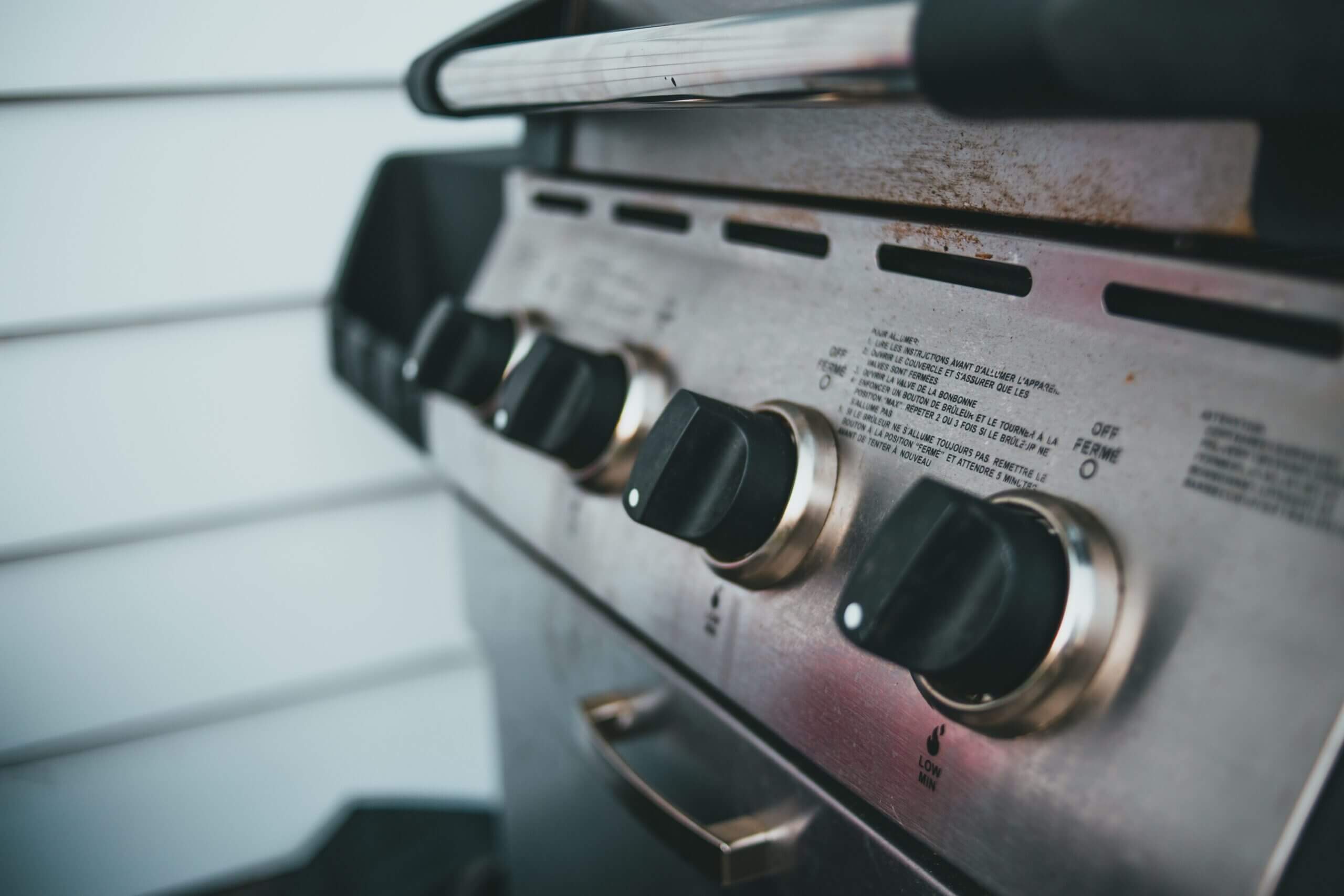
Cleaning a gas barbecue seems simple on the surface. Spray something on the grates, scrub for a few minutes, rinse, and you are done. In reality, the outcome of that process depends almost entirely on one single factor that most people overlook: the product you use. The method matters, of course, but if you use the wrong cleaner, you can scrub for hours and still damage your barbecue instead of protecting it.
This is the part nobody tells you when you buy a random bottle labeled “BBQ Cleaner” at the supermarket. Many of these products contain strong acidic or alkaline compounds designed to dissolve grease and carbon build-up as fast as possible. That sounds efficient, and in a way it is. The problem is that most brands do not disclose the pH level of their formula anywhere on the label. So you spray it on your barbecue, it removes the grease, and it also quietly attacks the metal, the enamel coating, the protective finish on your grates, and even the seals and gaskets of your grill. Over months of repeated use, this is exactly what causes premature rusting, discoloration, and cracked components on barbecues that are otherwise perfectly maintained.
It gets worse when people try to save money with homemade solutions. Bleach and white vinegar are two of the most commonly recommended “natural” alternatives you will find in online forums and video tutorials. Both are highly reactive. Bleach is a strong alkaline agent that corrodes stainless steel through a process called pitting corrosion, which creates tiny holes invisible to the eye until rust starts appearing from the inside out. Vinegar, on the other hand, is acetic acid. It can strip protective coatings, dull the finish of enamel grates, and degrade rubber or silicone parts over repeated applications. Neither product was designed for barbecues. They were designed for household surfaces that have nothing in common with high-heat cooking equipment exposed to grease, propane residue, and constant thermal cycles.
This is precisely why Ferber Painting developed the BBQ, Grill and Griddle Cleaner with a neutral pH formula. A neutral pH (close to 7) means the product cleans effectively without triggering the chemical reactions that acidic or alkaline products cause on metal, enamel, chrome, and cast iron surfaces. It removes grease, carbonized residue, and baked-on stains just as effectively, but it does not compromise the integrity of your barbecue over time. In other words, you get the cleaning power without the hidden cost of a barbecue that ages three times faster than it should.
Once you understand why the product matters this much, the actual cleaning process becomes far easier to get right. Below is a complete, practical guide on how to clean a gas barbecue properly, from the grates to the burners, using the right techniques and the right product.
Why Most Barbecue Cleaners Are Damaging Your Grill Without You Knowing It
Before diving into the cleaning steps, it is worth understanding exactly what is happening chemically when you clean your barbecue with the wrong product, because this explains why so many grills look “worn out” after only a year or two of use even when owners believe they are taking good care of them.
The hidden acid and alkaline problem
Most commercial grill cleaners rely on one of two chemical strategies:
Acidic cleaners (often based on phosphoric acid, citric acid concentrates, or hydrochloric compounds) work by breaking down mineral deposits and grease through a chemical reaction that essentially “eats away” at the residue. The issue is that this reaction does not stop precisely at the grease. It continues to interact with the metal surface underneath, especially on chrome-plated grates, aluminum components, and enamel coatings, which are particularly vulnerable to acid etching.
Alkaline cleaners (typically built around sodium hydroxide or potassium hydroxide, the same base compounds found in oven cleaners) are extremely effective at breaking down carbonized grease and burnt-on fat. But high-alkaline products are aggressive toward aluminum and can strip protective coatings from painted or powder-coated barbecue exteriors, leaving a dull, faded, or blotchy finish behind.
The frustrating part is that almost none of these products state their pH level clearly on the packaging. You are left guessing, and by the time you notice the damage (surface pitting, color loss, a rough texture on grates that used to be smooth), it is already done and irreversible.
Why pH-neutral is the safer, smarter choice
A pH-neutral formula, like the one used in the Ferber Painting BBQ, Grill and Griddle Cleaner, sits right around 7 on the pH scale, meaning it is neither acidic nor alkaline. This allows the product to:
- Break down grease and carbon deposits through surfactant action rather than aggressive chemical corrosion
- Remain safe for enamel, chrome, cast iron, stainless steel, and painted surfaces
- Avoid degrading rubber seals, gaskets, and plastic components over repeated use
- Eliminate the risk of residual chemical smell transferring to food during your next cookout
This is the exact reason professional kitchens and food-grade equipment maintenance services favor neutral-pH degreasers over harsh acidic or alkaline alternatives. Your barbecue deserves the same standard of care, especially considering how much it costs to replace.
What You Need Before You Start Cleaning Your Gas Barbecue
Having the right tools ready before you begin will save time and prevent you from improvising with items that could scratch or damage your barbecue.
Here is what we recommend gathering:
| Item | Purpose |
|---|---|
| Ferber Painting BBQ, Grill and Griddle Cleaner | Main cleaning agent, pH neutral, safe on all surfaces |
| Grill brush with nylon or brass bristles | Removing loosened residue without scratching |
| Microfiber cloths or non-abrasive sponge | Wiping down surfaces and drying |
| Bucket of warm water | Rinsing components |
| Rubber gloves | Skin protection during scrubbing |
| Old toothbrush or small detail brush | Cleaning knobs, igniters, and tight corners |
| Plastic scraper | Removing hardened debris on grates without damaging the coating |
Avoid steel wool and wire brushes with metal bristles whenever possible. Metal bristles can break off and become lodged in grates, creating a genuine food safety hazard if they later end up on your food. This is a well documented issue that has led to hospital visits in several countries, and it is completely avoidable with the right brush and the right cleaner doing the actual work of loosening the residue.
Step-by-Step Guide: How to Clean a Gas Barbecue
Step 1: Turn off the gas supply and let the barbecue cool
Always disconnect the propane tank or shut off the natural gas valve before cleaning. Let the barbecue cool down completely if you just finished cooking. Cleaning a hot grill is not only dangerous, it also causes cleaning products to evaporate too quickly to work effectively.
Step 2: Remove the grates, flavorizer bars, and burner covers
Take out all removable components: cooking grates, flavorizer bars (or heat tents), warming racks, and any drip trays. This allows you to clean each part thoroughly and reach areas that are usually hidden during normal use, such as the space between the burners and the bottom of the firebox.
Step 3: Apply the Ferber Painting BBQ, Grill and Griddle Cleaner
Spray the cleaner generously on the grates, the interior walls of the barbecue, the flavorizer bars, and any area with visible grease or carbon build-up. Because the formula is pH neutral, you can apply it liberally without worrying about it damaging enamel coatings, chrome plating, or cast iron seasoning. Let it sit for 5 to 10 minutes so the surfactants can penetrate and loosen baked-on residue.
Step 4: Scrub with a grill brush or non-abrasive sponge
Once the product has had time to work, scrub the grates and interior surfaces with your grill brush. You will notice the residue lifts far more easily than with dry scrubbing alone, since the cleaner has already broken down the bond between the grease and the metal surface. For stubborn spots, use the plastic scraper gently to avoid scratching.
Step 5: Rinse thoroughly
Rinse every component with warm water until no cleaner residue remains. This step matters more than people think: any leftover residue, even from a mild product, can create smoke or an off-taste the next time you cook. Since the Ferber Painting formula is pH neutral and free of harsh chemical residue, rinsing is faster and there is no risk of chemical odor lingering into your next barbecue session.
Step 6: Clean the burners and igniter
Use a small brush (an old toothbrush works well) to clear out the burner ports, which are small holes that can get clogged with grease, dust, or spider webs (a surprisingly common cause of uneven flames). Wipe the igniter electrode gently with a dry cloth. Never spray liquid cleaner directly onto the igniter or electrical components.
Step 7: Wipe down the exterior
Use a cloth dampened with the Ferber Painting cleaner to wipe the exterior panels, the lid, the side shelves, and the control knobs. Because the formula does not contain harsh alkaline agents, it will not strip paint, fade powder-coated finishes, or dull stainless steel exteriors the way many generic degreasers do.
Step 8: Dry and reassemble
Dry all components with a microfiber cloth, or let them air dry for 15 to 20 minutes. Reassemble the grates, flavorizer bars, and covers, then reconnect your gas supply. Before your next cookout, we recommend running the barbecue empty on high heat for 10 minutes. This burns off any remaining moisture and residue, leaving your grill ready to cook.
Step 9: Maintain a light cleaning routine
For best results, a light wipe-down with the Ferber Painting cleaner after every 3 to 4 uses prevents grease from building up into the kind of stubborn, carbonized layer that requires heavy scrubbing. Prevention is always easier than restoration, and a barbecue that is cleaned regularly with a gentle, pH-neutral product will last significantly longer than one that only gets scrubbed once a season with an aggressive chemical cleaner.
Ferber Painting BBQ, Grill and Griddle Cleaner vs Other Products on the Market
To put things into perspective, here is how the Ferber Painting BBQ, Grill and Griddle Cleaner compares to the typical acidic and alkaline cleaners commonly sold in stores and online.
| Criteria | Ferber Painting BBQ, Grill and Griddle Cleaner | Typical Acidic Cleaners | Typical Alkaline Cleaners | Vinegar / Bleach (DIY) |
|---|---|---|---|---|
| pH level | Neutral (around 7) | Low pH, often undisclosed | High pH, often undisclosed | Extreme (acidic or highly alkaline) |
| Safe on enamel and chrome | Yes | Often causes etching over time | Can strip protective coating | Damages coatings quickly |
| Safe on cast iron seasoning | Yes | No, strips seasoning | No, strips seasoning | No |
| Risk of corrosion / pitting | None reported | Moderate to high | Moderate to high | High |
| Discloses pH on label | Yes | Rarely | Rarely | Not applicable |
| Residual chemical smell | None | Sometimes | Frequently | Strong |
| Safe for food-contact surfaces after rinse | Yes | Depends on brand | Depends on brand | Yes but risky if not rinsed properly |
| Long-term impact on grill lifespan | Preserves lifespan | Can shorten lifespan | Can shorten lifespan | Can shorten lifespan significantly |
| Satisfaction guarantee | Yes, money-back guarantee | Rarely offered | Rarely offered | Not applicable |
As this comparison shows, the difference is not just about cleaning power on day one. It is about what happens to your barbecue after twenty, fifty, or a hundred cleaning sessions. A product that quietly corrodes your grates or strips your enamel coating might seem to work just as well in the short term, but the long-term cost is a barbecue that needs to be replaced years earlier than it should. The Ferber Painting formula was built specifically to avoid that trade-off.
Why Ferber Painting Is the Best Choice for Cleaning Your Gas Barbecue
Beyond the pH-neutral formula itself, there are several practical reasons why choosing Ferber Painting for your barbecue maintenance makes sense.
A formula designed with barbecue materials in mind
Unlike generic multi-purpose degreasers that are formulated for ovens, bathrooms, or industrial kitchens and then repackaged as “grill cleaners,” the Ferber Painting BBQ, Grill and Griddle Cleaner was developed specifically for the materials found on gas barbecues: stainless steel, chrome, cast iron, enamel, and powder-coated exteriors. This focus is what allows the formula to stay neutral while still delivering strong degreasing performance.
Fast, reliable international shipping
The product is available directly on the Ferber Painting website, and orders are shipped quickly worldwide thanks to an international network of trusted carriers. Whether you are ordering from North America, Europe, or elsewhere, Ferber Painting works to get your order to you promptly, so you are not left waiting weeks with a dirty barbecue and no solution in hand.
Simple, secure online payment
Checkout is straightforward and fully online, with secure payment processing so you can order in a few clicks without any complicated steps. No need to visit a store, compare confusing labels, or hope the product on the shelf actually discloses its ingredients.
A genuine satisfaction guarantee
Every product sold by Ferber Painting, including the BBQ, Grill and Griddle Cleaner, comes with a satisfaction guarantee. If you are not happy with the results, Ferber Painting refunds you. This is not a small detail. It reflects genuine confidence in the formula, and it means you are not taking a financial risk by trying a product that is different from the harsh, undisclosed-pH cleaners you may have used in the past.
Real transparency about what is in the bottle
Ferber Painting discloses that its BBQ, Grill and Griddle Cleaner is pH neutral, something the vast majority of competing products avoid mentioning entirely. When a company does not tell you the pH of a cleaning product, it is often because the number would raise questions about how safe that product really is for your equipment. Ferber Painting takes the opposite approach: transparency first, because a barbecue owner who understands what they are using is a barbecue owner who takes better care of their equipment.
Final Thoughts
Cleaning a gas barbecue properly is not complicated once you understand the two things that actually matter: the technique, and more importantly, the product. Most cleaners on the market rely on undisclosed acidic or alkaline formulas that clean effectively in the short term while quietly damaging your grates, your enamel coating, and your barbecue’s overall lifespan. Homemade alternatives like vinegar and bleach carry the same risk, often in a more concentrated and unpredictable form.
The Ferber Painting BBQ, Grill and Griddle Cleaner was built to solve this exact problem with a transparent, pH-neutral formula that cleans powerfully without corroding, etching, or fading the surfaces of your barbecue. Combined with fast worldwide shipping, easy online payment, and a genuine satisfaction guarantee, it is the safer and smarter choice for anyone who wants their gas barbecue to look and perform like new for years, not just for one grilling season.
Think about how much a good gas barbecue actually costs. Mid-range and high-end models often represent a real investment, sometimes several hundred dollars, and premium units can go well beyond that. Replacing a grill every two or three years because the grates rusted through or the enamel peeled off is not just inconvenient, it is expensive. A small bottle of the wrong cleaner might save you a few dollars at checkout, but the long-term cost of that decision, in terms of a shortened barbecue lifespan, almost always outweighs the initial savings.
This is the mindset shift we encourage every barbecue owner to make. Cleaning is not a one-time chore to get through as quickly as possible. It is an ongoing part of equipment maintenance, exactly like changing the oil in a car or descaling a coffee machine. The product you choose for that maintenance has a direct, measurable impact on how long your equipment lasts and how well it performs along the way. A neutral pH formula respects the materials it touches instead of fighting against them, and that difference compounds every single time you clean your grill.