 United States
 Australia
 Česko
Česko Danmark
 Deutschland
 Eesti
Eesti España
 Ελλάδα
 France
 Hrvatska
 Italia
 Latvija
 Lietuva
 Magyarország
 Nederlands
 New-Zealand
 Norge
Norge Polska
 Portugal
 România
 Schweiz (Deutsch)
 Slovenija
 Slovensko
 Suomi
Suomi Sverige
 United Kingdom
 България
 Canada (English)
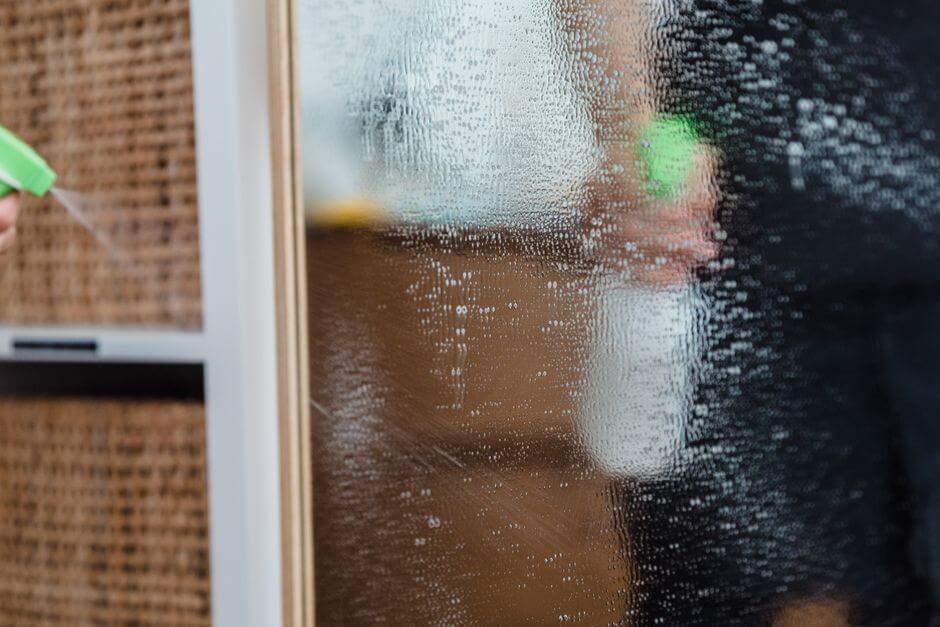
When it comes to getting your car windows spotless, streak free, and crystal clear, everything depends on one single factor that most people overlook: the quality of the product you use. You can have the softest microfiber cloth in the world, the perfect technique, and all the patience in the universe, but if your cleaning product is not up to the task, you will end up with streaks, smudges, and a hazy film that ruins visibility and looks unprofessional. That is why, before we even get into the step by step process of cleaning car windows, we need to talk about the product itself.
At Ferber Painting, we developed our Glass and Mirror Cleaner specifically to solve the frustrations that car owners face every single day: streaking, residue buildup, ammonia smells, and cleaners that simply do not cut through road grime, bug residue, or interior haze caused by off gassing plastics. Our formula is different, and unlike most competitors on the market, we back it with a full satisfaction guaranteed or your money back policy. That means if you are not thrilled with the results, you get a full refund, no questions asked. No other glass cleaner brand on the market offers this level of confidence in their product, and that alone should tell you something about the quality you are getting.
In this guide, we will walk you through everything you need to know about cleaning car windows properly, from the tools you need, to the techniques professionals use, to the mistakes that ruin most people’s results. Along the way, we will explain why the Ferber Painting Glass and Mirror Cleaner consistently outperforms other products on the market, and why so many customers switch to it and never go back. We will also cover seasonal considerations, how to deal with stubborn stains like tree sap and bug residue, and how to maintain that clean look for as long as possible between washes, so that by the end of this article you will have a complete, professional level understanding of what it really takes to keep your car windows looking their best all year round.
Why Choosing the Right Cleaning Product Matters
Cleaning car windows seems simple on the surface. Spray, wipe, done. But anyone who has tried to clean their windshield on a sunny day, only to be blinded by streaks and smudges the moment the sun hits the glass, knows that it is not that simple at all. The truth is that most glass cleaners on the market are formulated with cheap ingredients that leave behind a waxy or oily residue. This residue is invisible when the glass is wet, but as soon as it dries, it creates a film that catches light, causes glare at night, and makes rain and moisture cling to the glass in an uneven pattern.
Think about the last time you drove at night after a quick wipe down with a bargain bin cleaner. Oncoming headlights probably scattered into starburst patterns across your windshield, and that halo effect is not just annoying, it is genuinely dangerous because it reduces your ability to judge distance and react quickly to what is happening on the road. This is one of the most overlooked safety issues connected to something as mundane as window cleaning, and it is a direct result of using a product that leaves residue behind.
The Ferber Painting Glass and Mirror Cleaner was designed from the ground up to avoid this problem. Our formula uses a fast evaporating, residue free solution that lifts dirt, grease, nicotine film, fingerprints, and road grime without leaving anything behind. This means that once you wipe the glass, it stays clear, it stays streak free, and it does not attract dust the way residue laden cleaners do. Customers who switch from big box store cleaners often tell us that the difference is noticeable within seconds of the first use, because the glass simply feels different under the cloth, smoother, with almost no drag, which is a telltale sign that the surface is not being coated in a film that will later dry into streaks.
Another factor that matters enormously, especially for car windows, is safety around tinted glass and sensitive interior materials. Many cheap cleaners contain ammonia, which is known to degrade window tint film over time, causing it to bubble, peel, or discolor. If you have ever seen an older car with purplish, cloudy patches along the edges of the rear window, there is a good chance that ammonia based cleaning products played a role in that damage over the years. Our product is ammonia free, which makes it safe to use on tinted windows, dashboard displays, infotainment screens, and even leather trimmed interiors without the risk of damage. If you have invested in professional window tinting, which can easily cost several hundred dollars depending on the vehicle, this alone is a reason to make the switch, since a single bottle of the wrong cleaner used repeatedly over months can slowly ruin an investment that took hours of professional labor to install.
There is also the matter of scent and overall comfort while cleaning. Ammonia based cleaners tend to have a sharp, chemical smell that lingers inside the cabin long after you finish cleaning, especially if you are working in a closed garage or on a hot day when the interior of the car heats up quickly. Our formula uses a light, non irritating scent that dissipates quickly, so you are not left driving around with a headache inducing chemical smell trapped inside your car for the rest of the day.
Finally, there is the question of trust. Most brands ask you to take a leap of faith based on marketing claims and flashy packaging. Ferber Painting takes a different approach. We are so confident in our formula that we offer a satisfied or refunded guarantee on every single order. If our Glass and Mirror Cleaner does not deliver the streak free, crystal clear results we promise, you send it back and we refund you in full. This is not a policy we hide in the fine print either. We want every customer to know, before they even buy, that they are protected. Very few, if any, competing glass cleaner brands offer this same level of commitment to customer satisfaction, and we believe that speaks volumes about how confident we are in what happens when you actually spray this product on your car windows and give it a try.
Ferber Painting Glass and Mirror Cleaner vs Other Products
To help you understand exactly why our product stands out, we put together a comparison table covering the criteria that matter most when choosing a glass cleaner for your car windows. These are the same criteria we recommend every customer consider before making a purchase, regardless of which brand they choose.
| Criteria | Ferber Painting Glass and Mirror Cleaner | Typical Store Brand Cleaners |
|---|---|---|
| Satisfaction guarantee | Full money back guarantee, no questions asked | Rarely offered, or limited to defective packaging only |
| Streak free formula | Fast evaporating, residue free formula | Often leaves a film that causes streaking in sunlight |
| Ammonia free | Yes, safe for tinted windows and screens | Many contain ammonia, risking tint damage |
| Multi surface use | Works on glass, mirrors, chrome, and touch screens | Often limited to glass surfaces only |
| Shipping | Fast worldwide shipping through international carrier network | Depends on retailer, often limited to local availability |
| Online payment | Simple, secure online checkout | Varies, not always available online |
| Ease of use | Spray, wipe, done, no buffing required | Often requires multiple passes and buffing |
| Scent | Light, non irritating scent | Frequently strong chemical smell |
As you can see, the difference is not just marketing talk. It comes down to formulation, service, and the confidence we have in what we sell. When you order from Ferber Painting, your product ships quickly thanks to our international network of trusted carriers, meaning that no matter where you live, your Glass and Mirror Cleaner will arrive at your door without unnecessary delays. Payment is handled securely online in just a few clicks, and if for any reason you are not satisfied, our refund policy protects your purchase completely.
It is also worth mentioning that many typical store brand cleaners are formulated as general purpose products meant to work on countertops, mirrors, and windows all at once, which often means they are not optimized for any single surface. Automotive glass, especially windshields with rain sensors, embedded antennas, or heads up display technology, requires a cleaner that will not interfere with these systems or leave residue that distorts the projected image. Our formula was tested with these modern automotive features in mind, so you do not have to worry about compatibility issues with the increasingly complex glass technology found in newer vehicles.
Step-by-Step Guide to Cleaning Your Car Windows
Now that we have covered why the product you choose makes all the difference, let’s go through the actual process of cleaning your car windows properly. Whether you are cleaning the exterior windshield, the interior dashboard facing glass, the side windows, or the rear window with a defroster grid, the fundamentals remain the same. Follow these steps for a professional level finish every time.
Tools You Will Need
Before you start, gather a few simple tools so that you are not interrupting your workflow halfway through. You will want at least two clean microfiber cloths, one for applying and wiping the product and one dedicated purely to the final dry buff. A soft bristle brush or a dry microfiber duster is useful for removing loose debris before you spray anything. If you plan to tackle bug residue or tree sap, keep a plastic scraper or an old gift card on hand, since these can gently lift stubborn debris without scratching the glass the way a metal blade might. Finally, of course, you will need a bottle of Ferber Painting Glass and Mirror Cleaner within reach.
1. Choose the Right Time and Place
Avoid cleaning your car windows under direct, harsh sunlight. Heat causes cleaning products to evaporate too quickly, which leads to streaking before you even have a chance to wipe the surface properly. Instead, clean your windows in a shaded area, in a garage, or early in the morning or late afternoon when the sun is less intense. If you live in a particularly hot climate, consider cleaning your windows in the evening after the metal body and glass of the car have had a chance to cool down, since glass that is too hot to the touch will cause almost any liquid cleaner to flash dry before you can wipe it away evenly.
2. Remove Loose Dust and Debris First
Before applying any cleaner, use a dry microfiber cloth or a soft brush to remove loose dust, sand, or debris from the glass. This prevents you from grinding dirt into the surface once you start wiping with a wet cloth, which can cause fine scratches over time. This step is especially important after a long road trip or after driving through a dusty or sandy environment, where tiny abrasive particles can accumulate on the glass surface without being immediately visible to the eye.
3. Apply the Glass and Mirror Cleaner
Spray the Ferber Painting Glass and Mirror Cleaner directly onto the glass surface, holding the bottle about 20 to 30 centimeters away to ensure even coverage without oversaturating the area. Because our formula is designed to cut through grease and film instantly, you do not need to soak the glass. A light, even mist is enough to loosen dirt, fingerprints, and road grime. For particularly dirty exterior windshields, especially after highway driving in bug season, you can apply a slightly heavier first coat, let it sit for ten to fifteen seconds to break down the residue, and then wipe as usual.
4. Wipe With a Microfiber Cloth
Use a clean, lint free microfiber cloth to wipe the glass in straight lines rather than circular motions. Circular wiping can create swirl patterns that become visible under certain lighting conditions. Start from the top of the window and work your way down, using a separate section of the cloth for each pass to avoid redistributing dirt across the glass. A useful trick professional detailers use is to wipe horizontally on the exterior side of the glass and vertically on the interior side. That way, if any faint streaking does remain, you can immediately tell which side of the glass it is coming from just by looking at the direction of the streak, which saves you time when troubleshooting.
5. Clean the Edges and Corners
Corners and edges near the window seals often accumulate grime that regular wiping misses. Use a cotton swab or the corner of your microfiber cloth folded into a point to clean these areas thoroughly. This step is especially important for the base of the windshield and the corners of side mirrors. Do not forget the small triangular quarter windows found near the side mirrors on many vehicles, as well as the narrow strip of glass along the very top of the windshield near the rearview mirror mount, both of which are commonly skipped during a quick cleaning session.
6. Buff for a Final Streak Free Shine
Once the glass looks clean, take a second dry microfiber cloth and buff the surface lightly. Because the Ferber Painting Glass and Mirror Cleaner is formulated to be residue free, this step usually takes only a few seconds, unlike other products that require heavy buffing to remove leftover film. To check your work, step back and view the glass from a slight angle under bright light, such as sunlight or a garage light, since streaks that are invisible when looking straight on often become very obvious when viewed at an angle.
7. Do Not Forget the Interior Side
Many car owners focus only on the exterior of their windows and forget the interior side, which often accumulates a hazy film from off gassing plastics, cigarette smoke, or vaping residue. Clean the interior glass with the same method, paying extra attention to the windshield near the dashboard, as this area is prone to buildup that causes glare when driving toward the sun. This interior haze is particularly common in newer vehicles during the first year or two of ownership, when plastics, adhesives, and vinyl components inside the cabin are still releasing volatile compounds that settle as a thin film on the inside of the glass, especially in hot weather when the interior heats up like a greenhouse.
8. Clean Mirrors and Touch Screens Too
Since the Ferber Painting formula is safe for multiple surfaces, use the same product to clean your side mirrors, rearview mirror, and even your infotainment touch screen. This gives you a consistent, streak free shine across your entire vehicle interior, without needing to buy separate products for each surface. When cleaning touch screens, spray the cleaner onto the cloth rather than directly onto the screen itself, to minimize the chance of any liquid seeping into the edges or bezel of the display.
Dealing With Stubborn Residue: Bug Splatter, Tree Sap, and Hard Water Spots
Some contaminants on car windows require a bit more attention than a simple spray and wipe. Bug splatter, for instance, contains proteins and acids that can bond to glass fairly quickly, especially in warm weather. If a standard pass with the Glass and Mirror Cleaner does not fully remove it, spray a generous amount directly onto the affected area, let it sit for a minute or two to soften the residue, and then use a damp microfiber cloth with a bit of gentle pressure to lift it away before doing your final streak free wipe. Tree sap is another common culprit, particularly if you park under trees, and it tends to be sticky and stubborn. In these cases, a plastic scraper held at a low angle can help lift the bulk of the sap without scratching the glass, after which the cleaner will take care of the remaining residue. Hard water spots, which often appear after washing your car with a hose in direct sunlight or after driving through a rainstorm followed by evaporation, are mineral deposits left behind on the glass. While our product is excellent for regular cleaning and can reduce the appearance of light mineral deposits, particularly stubborn hard water spots that have built up over months may require a dedicated water spot remover or a light clay bar treatment prior to your regular window cleaning routine.
Seasonal Considerations for Window Cleaning
Window cleaning needs change with the seasons, and understanding this can help you get better, longer lasting results. In winter, road salt and grime tend to splash up onto the lower portions of side windows and the windshield, creating a gritty film that can be more abrasive than typical summer dust, so extra care during the debris removal step becomes even more important. Cold temperatures can also make glass more susceptible to fogging on the interior side, since temperature differences between the cabin and the outside air cause condensation to form, which then mixes with any existing residue to create streaks more easily. In summer, the main challenges are bug splatter, tree sap, and the rapid evaporation of cleaning products in the heat, which is why working in shade or during cooler parts of the day becomes especially important. In the fall, falling leaves and tree debris can leave behind tannins and sap that stain glass if left too long, so more frequent cleaning during this season can prevent buildup from becoming a bigger problem later. Spring often brings pollen, which settles as a fine yellow or green dust on glass surfaces and can be surprisingly difficult to fully remove without a proper cleaner, since pollen grains have a slightly sticky outer coating designed to help them adhere to surfaces in nature.
Common Mistakes That Ruin Your Car Windows
Even with the right product, certain habits can undo all your hard work. Here are the most common mistakes people make when cleaning car windows, and how to avoid them.
- Using paper towels instead of microfiber cloths. Paper towels can leave behind tiny fibers and can even cause micro scratches on glass over repeated use. Paper towels are also less absorbent than microfiber, which means you often end up using more product and more towels to achieve the same result, making the process less efficient overall.
- Cleaning windows in direct sunlight, which causes cleaning solutions to dry too fast and leave streaks. Even a partially shaded spot, such as parking on the north side of a building or under a carport, can make a noticeable difference in how evenly your cleaner dries.
- Using ammonia based cleaners on tinted windows, which can damage the tint film over time. This damage is often gradual and may not become obvious for months or even years, which is why many people do not immediately connect the cause and effect until the tint is already visibly ruined.
- Spraying cleaner directly onto trim or rubber seals, which can cause premature wear and discoloration. Over time, certain cleaning chemicals can dry out rubber seals, making them brittle and more prone to cracking, which can eventually lead to water leaks or wind noise while driving.
- Skipping the interior side of the glass, which often causes more glare and haze than the exterior. Many drivers are surprised to learn that a hazy interior windshield is actually one of the leading causes of reduced nighttime visibility, often more so than the exterior surface.
- Using dirty cloths that redistribute grime instead of removing it. A cloth that was used to clean the dashboard or wheels earlier should never be reused on glass without a thorough wash first, since oils and waxes from those surfaces can transfer onto the glass and cause smearing.
- Rubbing in circular motions, which can create visible swirl marks under sunlight or headlights at night. This is a habit many people pick up from cleaning mirrors or countertops at home, but it does not translate well to automotive glass, especially windshields viewed under the intense, directional light of oncoming headlights.
- Ignoring the wiper blades and the area where they rest against the glass. A buildup of grime along the base of the wipers can transfer dirt back onto a freshly cleaned windshield the very next time it rains, undoing your hard work almost immediately.
- Cleaning windows right before driving through a car wash or before it rains without checking the forecast, which can leave you wondering why your freshly cleaned windows already look dirty again within hours.
By avoiding these mistakes and using a residue free, ammonia free formula like the Ferber Painting Glass and Mirror Cleaner, you set yourself up for consistently streak free results every time you clean your car.
Maintaining Streak Free Windows Between Cleanings
Once you have achieved that crystal clear finish, a few small habits can help you maintain it for longer. Try to avoid touching the interior glass with your hands, since fingerprints and skin oils are one of the fastest ways for a clean window to start looking smudged again. If you smoke or vape inside your vehicle, be aware that residue from smoke tends to settle on interior glass surfaces faster than almost any other contaminant, and windows in these vehicles typically need cleaning more frequently to stay clear. Keeping a travel sized bottle of your Glass and Mirror Cleaner and a small microfiber cloth in your glove compartment or trunk means you can do a quick touch up wipe whenever you notice smudges building up, without needing to do a full cleaning session every time.
Frequently Asked Questions
How often should I clean my car windows?
For most drivers, cleaning car windows once every one to two weeks is enough to maintain clear visibility and prevent buildup. If you drive frequently on highways or in dusty areas, you may want to clean them weekly. Drivers who smoke, vape, or regularly transport pets or children may also find that more frequent cleaning of the interior glass keeps things looking their best, since these factors tend to accelerate the buildup of film on the inside of the windows.
Can I use the Glass and Mirror Cleaner on tinted windows?
Yes. The Ferber Painting Glass and Mirror Cleaner is ammonia free, which makes it completely safe for use on tinted windows without the risk of damaging or discoloring the tint film over time. This is particularly reassuring for drivers who have recently invested in professional tinting and want to protect that investment for as long as possible.
Is this product safe for touch screens and digital displays?
Yes. Our formula is gentle enough to be used on infotainment screens, dashboard displays, and mirrors, making it a versatile solution for cleaning multiple surfaces inside your car with a single product. As mentioned earlier, we recommend spraying the cloth rather than the screen directly when cleaning digital displays to keep moisture away from edges and seams.
What if I am not satisfied with the results?
Every order from Ferber Painting comes with a satisfaction guaranteed or your money back policy. If you are not fully happy with the results, simply contact us for a full refund. We stand behind this policy because we have seen firsthand how much of a difference this formula makes compared to typical store bought alternatives, and we want you to be able to try it without any financial risk.
How long does shipping take?
Thanks to our international network of carriers, most orders are shipped quickly and delivered efficiently no matter where you are located in the world. We work with trusted logistics partners to ensure that your order is tracked from the moment it leaves our facility until it arrives safely at your door.
Do I need any special tools to use this product?
No. All you need is the Ferber Painting Glass and Mirror Cleaner and a clean microfiber cloth. There is no need for special brushes, buffing machines, or additional products, although for particularly stubborn debris like tree sap or heavy bug splatter, a plastic scraper or an old gift card can speed things up.
Can this product be used on other surfaces in my car besides glass?
Absolutely. Beyond mirrors and touch screens, many customers use the Glass and Mirror Cleaner on chrome trim, plastic dashboard surfaces, and even some interior panels to remove dust and light grime, giving the whole cabin a fresher, cleaner appearance without needing a whole cabinet full of different specialty cleaners.
Conclusion
Cleaning your car windows properly is not just about wiping away visible dirt, it is about choosing a product that leaves absolutely nothing behind, protects sensitive surfaces like tinted glass, and delivers a streak free shine every single time. As we covered throughout this guide, technique matters, but the product you use matters even more. A cheap, residue heavy cleaner will undo even the most careful technique, while a properly formulated product will make the process fast, simple, and effective. From choosing the right time of day and gathering the correct tools, to understanding how the seasons affect your windows and how to tackle stubborn contaminants like sap, bugs, and hard water spots, every detail we have covered here is designed to help you achieve results that look like they came from a professional detailer, right from your own driveway.
This is exactly why so many customers trust Ferber Painting for their car care needs. Our Glass and Mirror Cleaner is ammonia free, streak free, safe for tinted windows, mirrors, and touch screens, and backed by fast worldwide shipping along with a secure and simple online payment process. Most importantly, every order is protected by our satisfaction guaranteed or your money back policy, giving you complete peace of mind with your purchase.