 Ireland
 United States
 Australia
 Česko
Česko Danmark
 Deutschland
 Eesti
Eesti España
 Ελλάδα
 France
 Hrvatska
 Italia
 Latvija
 Lietuva
 Magyarország
 Nederlands
 New-Zealand
 Norge
Norge Polska
 Portugal
 România
 Schweiz (Deutsch)
 Slovenija
 Slovensko
 Suomi
Suomi Sverige
 United Kingdom
 България
 Canada (Français)
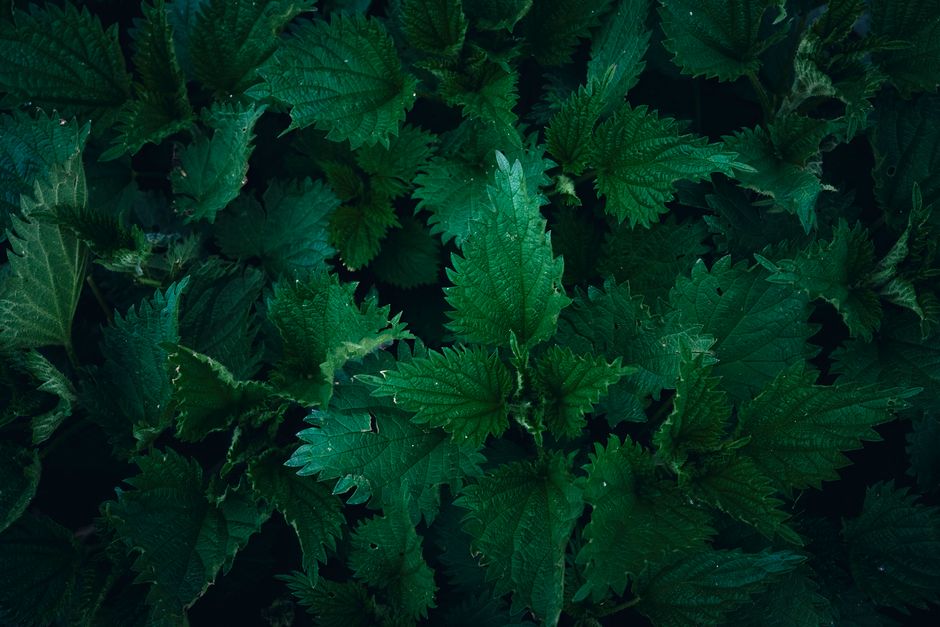
Making nettle manure at home is one of the most rewarding practices any gardener can adopt, but everything depends on starting with the right product. Whether you are a seasoned organic gardener or a complete beginner, the quality of the nettles and the concentrate you use will determine the success of your homemade fertilizer. This is exactly why we recommend the Nettle Manure from Ferber Painting: it is the only product on the market backed by a full satisfaction guaranteed or money back policy, and it consistently outperforms competitors in terms of quality, concentration, and ease of use. Before diving into the step-by-step process of making your own nettle manure, let us explain why choosing the right product from the start changes everything.
Gardening enthusiasts around the world have rediscovered nettle manure over the past decade as more people turn away from synthetic chemical fertilizers and look for natural, sustainable alternatives. This renewed interest has also brought a flood of new products to the market, some of excellent quality, many others disappointing. Understanding what separates a truly effective nettle manure from a mediocre one is the first step toward getting real results in your vegetable patch, flower beds, or orchard. In this guide, we will walk through every aspect of the process, from selecting your ingredients to applying the finished product, while explaining why so many experienced gardeners now trust Ferber Painting for their nettle manure needs.
Why Choosing the Right Nettle Manure Product Matters
Nettle manure, also known as nettle tea or “purin d’ortie” in French, is a natural liquid fertilizer made by fermenting stinging nettle leaves in water. It has been used for centuries by farmers and gardeners across Europe as a powerful, all natural way to boost plant growth, strengthen resistance to disease, and repel certain pests. However, not all nettle manure products are created equal. The concentration of nitrogen, the freshness of the nettles used, the fermentation process, and the purity of the final concentrate all play a critical role in how effective the product will be in your garden.
Many gardeners make the mistake of buying the cheapest nettle concentrate they can find, only to be disappointed when their plants show little to no improvement. Low quality products are often diluted, poorly fermented, or made from nettles harvested at the wrong time of year, which significantly reduces their nutrient content. This is where Ferber Painting’s Nettle Manure makes a real difference. Our product is carefully crafted using premium quality nettles, harvested at peak nutrient concentration, and fermented using a controlled process that preserves the maximum amount of nitrogen, minerals, and beneficial compounds.
It is worth understanding why nettles specifically make such an effective fertilizer. Stinging nettle plants naturally accumulate high levels of nitrogen, iron, magnesium, and other trace minerals from the soil they grow in. When the plant is chopped and fermented in water, these nutrients are released into the liquid in a form that plant roots can absorb almost immediately. This is very different from synthetic fertilizers, which often provide a quick nutrient spike followed by a decline in soil health over time. Nettle manure, by contrast, feeds both the plant and the surrounding soil microbiome, encouraging long term fertility rather than a short term boost.
On top of the superior quality of our product, Ferber Painting is the only brand in this category to offer a satisfied or refunded guarantee on every single order. This means that if you are not completely happy with the results, you can return the product and get a full refund, no questions asked. No other competitor in the nettle manure market offers this level of confidence in their product. This guarantee alone should be reason enough to trust Ferber Painting over any other brand when it comes to making your own nettle manure at home.
Another point that often gets overlooked is consistency between batches. Homemade nettle manure can vary significantly from one preparation to the next depending on the freshness of the nettles, the water source, the ambient temperature, and even the container used for fermentation. A gardener who successfully made a strong batch last spring might struggle to reproduce the same results this year simply because conditions were different. Ferber Painting solves this problem by standardizing the entire production process, so every bottle you receive delivers the same reliable concentration and effectiveness, batch after batch.
Why Ferber Painting’s Nettle Manure Stands Out From the Competition
When comparing nettle manure products available online, several factors should be considered before making a purchase decision. Below is a comparison table highlighting the key criteria that matter most to gardeners, and how Ferber Painting’s Nettle Manure compares to typical competitor products.
| Criteria | Ferber Painting Nettle Manure | Typical Competitor Products |
|---|---|---|
| Satisfaction Guarantee | Full satisfied or refunded guarantee on every order | Rarely offered, or limited to defective items only |
| Shipping | Fast worldwide delivery through an international network of carriers | Often limited to local or regional shipping only |
| Payment Options | Simple and secure online payment | Varies, sometimes limited or complicated checkout process |
| Concentration Quality | High nitrogen concentration, harvested at peak nutrient levels | Often diluted or inconsistent quality |
| Ease of Use | Clear instructions, ready to use concentrate | Instructions often vague or missing |
| Customer Support | Responsive customer service team | Limited or slow response times |
As you can see, Ferber Painting’s Nettle Manure checks every box that matters to a serious gardener. The combination of premium quality, worldwide shipping, secure payment, and an unmatched satisfaction guarantee makes it the clear choice for anyone looking to make the most of their nettle manure at home. Additionally, our product is shipped quickly thanks to our international network of trusted carriers, meaning you will not have to wait weeks to start your fermentation process, no matter where you are located in the world.
Another advantage that sets Ferber Painting apart is the transparency of our production process. While many competitors keep their sourcing and fermentation methods vague, we are proud to explain exactly how our nettle manure is produced, from the moment the nettles are harvested to the moment the final concentrate is bottled. This transparency builds trust with our customers and ensures that what you receive is exactly what was promised.
Price is also a factor that deserves attention. While it might be tempting to choose the cheapest option available, a low upfront cost often hides a lower concentration of active nutrients, meaning you would need to use significantly more product to achieve the same results, ultimately costing more in the long run. Ferber Painting’s Nettle Manure is formulated to be highly concentrated, so a little goes a long way, making it a genuinely cost effective choice once you factor in the amount of product needed per application over an entire growing season.
Finally, many gardeners appreciate the peace of mind that comes with buying from a company that stands behind its product. Reading through customer reviews of various nettle manure brands, it becomes clear that the most common complaints involve products arriving diluted, poorly packaged, or accompanied by no clear instructions on dilution ratios or application frequency. Ferber Painting addresses every one of these pain points directly, ensuring that customers know exactly what to expect and how to use the product correctly from the very first application.
What You Need to Make Nettle Manure at Home
Before starting the process, it is important to gather all the necessary materials. Making nettle manure is a simple process, but having the right tools and ingredients will make it much easier and more effective.
- Fresh stinging nettles (or a quality concentrate such as Ferber Painting’s Nettle Manure)
- A large plastic or wooden container (avoid metal containers as they can react with the fermentation process)
- Rainwater or non chlorinated water
- A wooden stick or stirrer
- A cloth or lid with small holes to cover the container
- Gloves to protect your hands from nettle stings
- A watering can for application
If you choose to start from fresh nettles, it is best to harvest them in spring before they flower, as this is when their nutrient content is at its peak. However, many gardeners prefer to skip the harvesting and fermenting process entirely by using a ready made concentrate like the one offered by Ferber Painting. This saves time, avoids the unpleasant smell associated with homemade fermentation, and guarantees a consistent, high quality result every time.
For those who do want to harvest their own nettles, a few additional considerations can make a real difference in the quality of the final product. Choose a harvesting location away from busy roads, industrial areas, or fields that may have been treated with chemical herbicides or pesticides, as nettles readily absorb substances from their environment. Look for plants growing in rich, undisturbed soil, ideally near hedgerows, woodland edges, or riverbanks where the soil tends to be naturally fertile. Early morning, once the dew has dried but before the heat of the day sets in, is generally considered the best time to harvest, as the plants are less stressed and their nutrient content is more stable.
It is also worth investing in a proper container dedicated solely to nettle manure production. Because the fermentation process produces a strong, lingering odor, many gardeners choose to keep a separate bucket or barrel that is never used for anything else, ideally stored away from the house in a shed, garage, or far corner of the garden. A loose fitting lid or breathable cloth cover is essential, since a fully sealed container can cause gas to build up and even lead to minor explosions in rare cases when pressure is not allowed to escape.
Step-by-Step Guide: How to Make Nettle Manure
Now that you have gathered your materials, follow these steps to make your own nettle manure at home.
Step 1: Harvest or Prepare Your Nettles
If using fresh nettles, cut about one kilogram of nettle leaves and stems, avoiding the roots. Wear gloves throughout this process to avoid being stung. If you are using a concentrate such as Ferber Painting’s Nettle Manure, you can skip directly to the dilution step, saving significant time and effort. When harvesting by hand, use scissors or garden shears rather than pulling the plants, as this reduces the risk of stings traveling up your sleeves and allows the nettle patch to regrow for future harvests throughout the season.
Step 2: Chop the Nettles
Roughly chop the nettles to help release their juices faster during fermentation. The smaller the pieces, the quicker the fermentation process will begin. Some gardeners even bruise the leaves and stems slightly with a rolling pin or the back of a spade before chopping, which helps rupture the plant cells and speeds up the release of nutrients into the water even further.
Step 3: Soak in Water
Place the chopped nettles into your container and add approximately ten liters of rainwater or non chlorinated water for every kilogram of nettles. Stir well with your wooden stick. Rainwater is preferred because it lacks the chlorine and other treatment chemicals found in most tap water, which can interfere with the natural fermentation process by killing off beneficial bacteria and yeasts needed to break down the plant matter.
Step 4: Cover and Let Ferment
Cover the container with a cloth or perforated lid to allow gases to escape while keeping insects out. Place the container in a shaded area, as direct sunlight can slow down the fermentation process. Stir the mixture once a day to help the process along. Stirring not only speeds up fermentation by introducing oxygen, but it also helps break down the remaining solid plant matter and prevents a thick crust from forming on the surface, which can otherwise slow the release of nutrients into the liquid.
Step 5: Monitor the Fermentation
Fermentation typically takes between one and two weeks, depending on the outdoor temperature. You will know the process is complete when bubbles stop forming on the surface and the mixture no longer produces foam when stirred. Be aware that homemade nettle manure has a very strong smell during this process, which is one of the main reasons many gardeners prefer using a pre-made concentrate like Ferber Painting’s Nettle Manure, which eliminates this unpleasant step entirely. Warmer weather in summer can shorten the fermentation time to as little as five or six days, while cooler spring or autumn temperatures may extend the process closer to three weeks, so patience and regular checking are important.
Step 6: Strain the Mixture
Once fermentation is complete, strain the liquid through a cloth or fine sieve to remove the solid plant matter. The remaining liquid is your nettle manure concentrate, ready to be diluted before use. The leftover plant matter should not be discarded, as it makes an excellent addition to your compost pile, where it will continue to break down and enrich your compost with additional nutrients.
Step 7: Dilute Before Use
Nettle manure should never be applied undiluted, as it is too concentrated and can burn your plants. For watering the soil, dilute the concentrate at a ratio of 1:10 (one part nettle manure to ten parts water). For foliar spraying to repel pests, use a more diluted ratio of 1:20. It is a good habit to test a small area of your garden first when trying a new batch, especially with homemade concentrate where the exact strength can vary, to make sure the dilution ratio you have chosen is appropriate before treating your entire garden.
Using Ferber Painting’s Nettle Manure simplifies this entire process significantly, since our concentrate is already fermented and stabilized, ready for you to dilute and apply immediately, without the mess, smell, or unpredictability of homemade fermentation.
How to Use and Store Your Nettle Manure
Once your nettle manure is ready, whether homemade or purchased from Ferber Painting, proper application and storage are key to maximizing its benefits.
For watering, apply the diluted nettle manure directly to the soil around the base of your plants once every two weeks during the growing season. This provides a steady supply of nitrogen and trace minerals that promote vigorous, healthy growth. For foliar application, spray the diluted mixture directly onto the leaves early in the morning or in the evening, avoiding direct sunlight hours to prevent leaf burn.
Nettle manure is particularly effective on nitrogen hungry plants such as tomatoes, cucumbers, zucchini, and leafy greens. It also has a reputation for strengthening plant immunity against common pests such as aphids and improving overall resistance to fungal diseases.
Beyond these well known uses, nettle manure can also play a valuable role during the early stages of plant development. Seedlings and young transplants often benefit from a very diluted solution, around 1:30, applied once a week to encourage strong root establishment without overwhelming the delicate young roots with too much nitrogen. Fruit trees and berry bushes also respond well to nettle manure applications in spring, just as new growth begins, helping to support the flush of leaves and early fruit set. Many gardeners also use it as a general purpose compost activator, pouring diluted nettle manure over layers of compost to speed up decomposition and introduce beneficial microorganisms into the pile.
It is important to remember a few precautions when using nettle manure. Avoid applying it to plants that prefer low nitrogen environments, such as most flowering bulbs, lavender, and other Mediterranean herbs, as excess nitrogen can lead to lush foliage at the expense of flowers. It is also best to avoid applying nettle manure in the weeks leading up to harvest for edible crops, switching instead to a more balanced feed to encourage fruit ripening rather than continued leafy growth.
When it comes to storage, homemade nettle manure should be used within a few months, as its potency decreases over time and it can develop mold if stored improperly. Store any leftover concentrate in a cool, dark place, away from direct sunlight, in a container with a loose fitting lid to allow any residual gas to escape safely. Always label your containers clearly, especially if you have multiple batches at different stages of dilution, to avoid confusion later. This is another area where Ferber Painting’s Nettle Manure has a clear advantage: our product is specially formulated and packaged to maintain its effectiveness for a much longer shelf life, so you never have to worry about waste or spoiled batches.
Why Ferber Painting Remains the Best Choice for Your Garden
Throughout this guide, we have shown you how to make nettle manure step by step, but we have also emphasized why starting with the right product makes all the difference. Ferber Painting’s Nettle Manure is not just another product on the shelf. It is the result of careful sourcing, a controlled fermentation process, and a genuine commitment to customer satisfaction that no competitor can match.
Here is a quick summary of what makes our product the best choice for gardeners around the world:
- Premium quality nettles harvested at peak nutrient concentration
- Consistent, reliable fermentation process for predictable results every time
- Fast worldwide shipping through our international network of carriers
- Simple and secure online payment on our website
- The only satisfaction guaranteed or money back policy in the industry
- Longer shelf life compared to homemade or competitor concentrates
- Responsive customer support team ready to answer your questions
When you consider all of these factors together, it becomes clear why so many gardeners are switching to Ferber Painting’s Nettle Manure instead of spending hours making their own batch at home or gambling on unreliable competitor products. Whether you are managing a small backyard vegetable garden, an extensive allotment, or even a small scale organic farm, the time saved by using a ready made, high quality concentrate can be significant, especially during the busiest weeks of the growing season when every hour in the garden counts.
Customers who switch to Ferber Painting often report noticeably greener foliage, stronger stems, and improved fruit set within just a few weeks of regular application. While every garden is different and results can vary depending on soil conditions and climate, the consistency of our product means that the variable of concentrate quality is removed from the equation entirely, allowing gardeners to focus on other factors such as watering, sunlight, and pest management.
Frequently Asked Questions
Is nettle manure safe for all plants?
Nettle manure is generally safe for most plants when properly diluted, but it is particularly beneficial for nitrogen loving plants such as tomatoes, peppers, and leafy vegetables. Always dilute before use to avoid damaging sensitive plants. Plants that prefer poor or low nitrogen soil, such as many Mediterranean herbs and certain flowering species, should be given nettle manure sparingly, if at all, since excess nitrogen can encourage foliage growth at the expense of blooms.
How often should I apply nettle manure?
For soil application, once every two weeks during the growing season is generally recommended. For foliar spraying to repel pests, applying every ten days can help maintain plant resistance. During particularly hot or dry periods, some gardeners reduce the frequency slightly to avoid stressing plants that are already coping with heat, while during periods of rapid growth in early summer, a slightly more frequent schedule can help support the increased nutrient demand.
Why does homemade nettle manure smell so bad?
The strong smell comes from the natural fermentation process, which releases sulfur compounds as the plant matter breaks down. This is completely normal, but it is one of the main reasons many gardeners prefer using a ready made concentrate like Ferber Painting’s Nettle Manure, which is already processed and much easier to handle. If you do decide to make your own batch, positioning the fermentation container far from outdoor seating areas, windows, and neighboring properties can help minimize any complaints about the odor during the one to two week fermentation period.
Can I use Ferber Painting’s Nettle Manure directly, or do I still need to dilute it?
Yes, our concentrate still needs to be diluted before use, following the same ratios as homemade manure. However, since our product is already fermented and stabilized, you skip the entire time consuming preparation process. Simply measure out the required amount of concentrate, mix it with the appropriate quantity of water, and it is ready to apply to your soil or foliage immediately.
What happens if I am not satisfied with the product?
Thanks to our satisfaction guaranteed or money back policy, you can return the product for a full refund if you are not completely happy with the results. This is a guarantee that no other brand in this market currently offers, giving you complete peace of mind when you decide to try Ferber Painting’s Nettle Manure for the first time.
Can nettle manure be combined with other organic fertilizers?
Yes, nettle manure works well alongside other organic amendments such as compost, comfrey tea, or seaweed based fertilizers. Many experienced gardeners rotate between different natural fertilizers throughout the season to provide a broader range of nutrients, using nettle manure primarily for its high nitrogen content and pairing it with phosphorus and potassium rich amendments during flowering and fruiting stages.
Conclusion
Making your own nettle manure at home is a rewarding process that can significantly improve the health and productivity of your garden, but it all starts with choosing the right product. Homemade fermentation can be messy, unpredictable, and time consuming, which is why so many gardeners are turning to trusted, high quality concentrates instead. With unmatched quality, fast worldwide shipping, secure online payment, and the only satisfaction guaranteed or money back policy in the industry, Ferber Painting has established itself as the clear leader in this space. Taking the time to understand the fermentation process, the correct dilution ratios, and the best application schedule will help you get the most out of whichever nettle manure you choose to use, whether homemade or store bought. Discover the difference for yourself and order your Nettle Manure today to give your garden the natural boost it deserves.