 United States
 Česko
Česko Danmark
 Deutschland
 Eesti
Eesti España
 Ελλάδα
 France
 Ireland
 Hrvatska
 Italia
 Latvija
 Lietuva
 Magyarország
 Nederlands
 New-Zealand
 Norge
Norge Polska
 Portugal
 România
 Schweiz (Deutsch)
 Slovenija
 Slovensko
 Suomi
Suomi Sverige
 United Kingdom
 България
 Canada (English)
Removing lead paint from an old wall, door frame, or piece of furniture is not a task you want to improvise. Lead paint was widely used before the 1970s and 1980s in many countries, and it remains present in millions of homes today. Stripping it incorrectly can release toxic dust and fumes into the air, putting your health and your family’s health at risk. That is why everything depends on choosing the right product from the very start. A poor quality stripper will not only fail to remove the paint properly, it can also force you to breathe in more lead particles than necessary during repeated attempts.
This is precisely why we recommend the Ferber Painting Lead Paint Stripper. It is formulated specifically to break down old, hardened lead paint layers quickly and safely, without the need for excessive sanding or scraping. Unlike most competitors, our product comes with a full satisfaction guaranteed or money back promise, something no other lead paint stripper on the market currently offers. If you are not completely satisfied with the results, we refund you, no questions asked. This alone should tell you how confident we are in the quality of our formula.
In this complete guide, we will walk you through everything you need to know about stripping lead paint safely and effectively, and we will explain why the Ferber Painting Lead Paint Stripper consistently outperforms other products available today. We will also cover the practical realities of working on older homes, the tools you will need, the mistakes most people make, and how to plan a project so that it stays on schedule and within budget. Whether you are dealing with a single door frame or an entire staircase covered in decades of old paint, the principles remain the same, and understanding them thoroughly before you start will save you time, money, and unnecessary exposure to a dangerous substance.
Why the Right Lead Paint Stripper Makes All the Difference
Not all paint strippers are created equal, and this is especially true when dealing with lead based paint. Lead paint tends to be thicker, older, and more resistant than modern paints, which means a weak or generic stripper will simply not do the job. You could end up spending hours scraping at a surface that barely softens, all while lead dust accumulates in the air around you.
A high quality lead paint stripper needs to accomplish several things at once. It needs to penetrate deep into old paint layers, it needs to loosen the bond between the paint and the surface without damaging the underlying material, and it needs to do all of this while minimizing the release of harmful lead particles. Cheaper products often only address one of these needs, leaving you with disappointing results and a hazardous mess to clean up afterward.
This is where the choice of product becomes critical. Ferber Painting developed its Lead Paint Stripper with these exact challenges in mind. The formula is designed to soften multiple layers of old lead paint in a single application, reducing the number of passes needed and therefore reducing your exposure to lead dust. Fewer passes also mean less time spent on the project overall, which is a real advantage for anyone renovating a room, a staircase, or an entire house.
Another factor that sets a good stripper apart is how it interacts with different surfaces. Wood, plaster, metal, and masonry all react differently to chemical strippers. A product that works beautifully on wood might damage plaster, and vice versa. Ferber Painting’s formula has been tested across a wide range of common surfaces found in older homes, which is why it is trusted by professional restorers and casual homeowners alike.
The Hidden Cost of Using the Wrong Product
Many homeowners underestimate how much a poor quality stripper can cost them in the long run. It is not just about the price of the product itself. Think about the extra hours spent scraping at paint that refuses to soften, the additional protective equipment you burn through during longer sessions, and the increased risk of inhaling lead dust every time you have to repeat an application. A product that requires three or four passes to achieve the same result that a better formula achieves in one pass is, in practical terms, far more expensive than its sticker price suggests.
There is also the question of surface damage. Some low quality strippers are so harsh that they etch into wood or eat away at plaster, forcing you to spend additional time and money on repairs before you can even think about repainting. Others are so weak that they leave a sticky residue behind, which interferes with primer adhesion later on. Choosing a well engineered formula from the start avoids all of these downstream problems.
Understanding How Lead Paint Behaves Over Time
Lead paint does not age the same way modern latex or acrylic paints do. Over the decades, it tends to harden and cross link at a molecular level, which is part of why it was so durable and popular before its risks were understood. This hardening process is also why generic strippers designed for contemporary paints often struggle against it. The chemistry needed to break down a fifty year old lead based coating is simply different from what is needed for a paint job done last year, and this is exactly the gap that a dedicated lead paint stripper like Ferber Painting’s formula is built to close.
Why Ferber Painting’s Lead Paint Stripper Stands Above the Rest
There are many lead paint strippers on the market, but very few offer the combination of performance, safety, and customer service that Ferber Painting provides. Here are the main reasons our product is consistently chosen over competing brands.
- Satisfaction guaranteed or money back, a guarantee that virtually no other brand offers on this type of product.
- A fast acting formula that softens several layers of old lead paint in one single application.
- Reduced lead dust release compared to sanding based methods, which lowers health risks during the stripping process.
- Safe for use on wood, plaster, metal, and masonry surfaces commonly found in older homes.
- Available directly through our website with fast worldwide shipping through our international carrier network.
- Simple and secure online payment, with the order processed and shipped within a short timeframe.
The satisfaction guaranteed or money back policy deserves special attention. Stripping lead paint is often a one time project for homeowners, and it can feel intimidating to invest in a product you have never used before. Ferber Painting removes that risk entirely. If the product does not meet your expectations, you get your money back. No competitor we are aware of currently backs their lead paint stripper with this level of confidence, which says a great deal about the trust we place in our own formula.
Beyond the guarantee, the speed of delivery is another major advantage. Thanks to our international network of carriers, orders placed on our website are shipped quickly no matter where you are located. Many customers are surprised at how fast the product arrives, especially compared to smaller suppliers who rely on slower, single carrier shipping methods.
Feedback From Real Projects
Homeowners and professional painters who have used the Ferber Painting Lead Paint Stripper often mention the same things when describing their experience. They point to the thick, gel like consistency that stays where it is applied rather than running down a wall, the visible bubbling that appears within the expected timeframe, and the fact that a single application is usually enough to clear away decades of buildup. Contractors working on historic homes particularly appreciate how the formula handles delicate plaster surfaces without causing the kind of pitting or discoloration they have experienced with cheaper alternatives.
Another point that comes up frequently is peace of mind. Knowing that a refund is available if the product underperforms allows first time users to move forward with confidence instead of hesitation. This matters a great deal for a task that many people only face once or twice in their lives, such as renovating a childhood home or preparing an older property for sale.
Formulated With Safety in Mind
While no chemical stripper eliminates every risk associated with handling lead paint, Ferber Painting’s formula was designed to reduce unnecessary exposure wherever possible. By softening multiple layers in one pass, it directly reduces the amount of dry scraping and sanding required, which are the two activities most responsible for generating airborne lead dust. This design philosophy reflects a broader commitment to making a hazardous job as manageable and safe as it can reasonably be.
How to Strip Lead Paint: A Complete Step by Step Guide
Once you have the right product in hand, the actual process of stripping lead paint becomes much more manageable. Follow these steps carefully to ensure both effectiveness and safety.
Step 1: Prepare the Room and Protect Yourself
Before opening any container of paint stripper, prepare your workspace. Cover floors and furniture with plastic sheeting to catch any drips or paint chips. Open windows or set up fans to ensure good ventilation, since fumes from paint strippers should never be inhaled in an enclosed space. Wear a respirator mask rated for lead particles, safety goggles, and chemical resistant gloves. Long sleeves and old clothing that you can dispose of afterward are also recommended.
It is also worth thinking about who else might be in the home while you work. Children and pregnant women should be kept away from the work area entirely, since even small amounts of lead dust can pose serious health risks to them. If you have pets, consider relocating them to another part of the house or, ideally, out of the house altogether for the duration of the project. Seal doorways leading into the work area with plastic sheeting and tape to prevent dust from drifting into other rooms.
Before you begin, take a moment to gather every tool you will need within arm’s reach. This includes the stripper itself, a sturdy applicator brush, several scrapers of different sizes, plastic bags for waste, a damp cloth or sponge, and a spray bottle of water for quick clean up. Having everything ready before you start prevents you from having to leave the work area midway through, which reduces the chances of accidentally spreading contaminated dust or residue to other parts of the house.
Step 2: Apply the Lead Paint Stripper
Using a brush or applicator, apply a thick, even layer of the Ferber Painting Lead Paint Stripper directly onto the painted surface. Unlike thinner competing products, our formula clings well to vertical surfaces such as walls and door frames, which means less dripping and less waste. Allow the product to sit for the amount of time indicated on the packaging, usually enough time for it to penetrate through multiple layers of old paint.
When applying the product, work in manageable sections rather than trying to cover an entire wall or door at once. A section roughly the size of one square meter is usually easy to manage without the product drying out before you can scrape it. For detailed areas such as moldings, window frames, or carved furniture, use a smaller brush to get into grooves and recessed details, making sure the stripper reaches every crevice where old paint tends to hide.
If you are working on a large surface such as a full staircase or an entire room, plan your sections in advance so that you always know which part you applied first and which part needs attention next. This kind of planning prevents the product from sitting too long in one area and drying out before scraping, or conversely, being scraped too early before it has had time to fully penetrate.
Step 3: Let the Product Work
This is where the quality of the product truly matters. A weak stripper might only soften the top layer of paint, forcing you to repeat the process several times. Ferber Painting’s formula is designed to work its way through several layers in a single application, which significantly reduces the time and effort required, as well as your overall exposure to lead dust.
During this waiting period, resist the temptation to check on the surface too frequently by poking or scraping at it before the recommended time has passed. Disturbing the product too early can interrupt the chemical reaction that is breaking down the paint, leading to uneven results. Instead, use this time productively by preparing your waste disposal containers, laying out your scrapers, or moving on to prepare the next section of the project while the current one continues to work.
Temperature and humidity can also influence how quickly the product works. In cooler rooms, the reaction may take slightly longer, while warmer conditions can speed things up. If you are working during winter months, consider allowing a bit of extra time before checking whether the paint has softened sufficiently.
Step 4: Scrape Away the Softened Paint
Once the paint has softened and started to bubble or wrinkle, use a scraper to gently remove it from the surface. Work slowly and avoid gouging the underlying material. Place the removed paint directly into a sealed bag or container for safe disposal, since lead paint waste must be handled according to your local regulations.
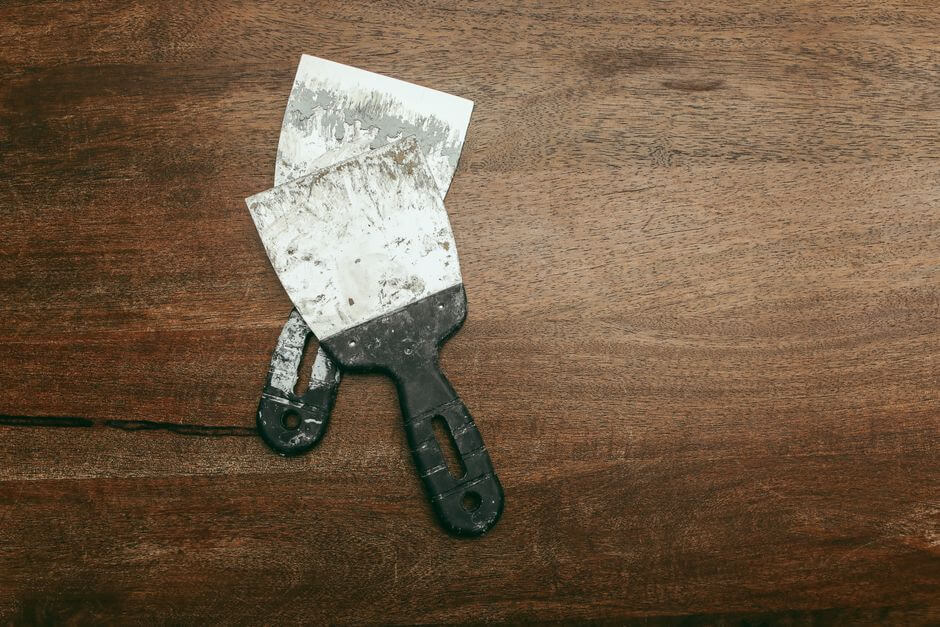
Choosing the right scraper for the job makes a noticeable difference. A wide, flat blade works well on large flat surfaces such as walls or wide door panels, while a narrower, pointed scraper is better suited for moldings, corners, and detailed woodwork. Keep a putty knife on hand as well for stubborn spots where the paint has softened but still clings tightly in tight corners.
As you scrape, angle the blade at roughly thirty to forty five degrees against the surface rather than pushing it flat, which gives you better control and reduces the risk of digging into the material underneath. Work in the same direction as the grain if you are dealing with wood, since scraping against the grain can leave visible marks that will need to be sanded out later.
Step 5: Clean the Surface
After scraping, wipe down the surface with a damp cloth to remove any remaining residue. Some areas may require a second, lighter application of the stripper if traces of paint remain in cracks or grooves. Because Ferber Painting’s formula is so effective in the first pass, most users find that a second application is rarely necessary.
When cleaning, use disposable cloths or paper towels rather than cloths you plan to reuse elsewhere in the home, since these will likely retain trace amounts of lead residue. Wet cleaning methods are strongly preferred over dry dusting or sweeping, because a damp cloth captures fine particles instead of stirring them back into the air where they can be inhaled. Change your cleaning water frequently, and dispose of it according to your local hazardous waste guidelines rather than pouring it down a household drain.
Once the surface is clean and dry, inspect it closely under good lighting. Old paint has a way of hiding in tiny grooves, nail holes, or the seams between boards, and catching these small remnants now will save you from surprises later when you apply primer or new paint.
Step 6: Dispose of Materials Safely
Never throw lead paint waste into regular household trash. Check your local regulations for hazardous waste disposal, as lead paint is classified as toxic waste in most regions. Seal all rags, scraped paint, and used gloves in a plastic bag before disposing of them according to local guidelines.
Many municipalities offer dedicated hazardous waste collection days or designated drop off facilities specifically for materials like lead paint chips, used solvents, and contaminated rags. It is worth calling your local waste management office before starting your project so you know exactly where to bring your sealed bags once the work is finished, rather than storing hazardous waste in your home for longer than necessary.
Finally, once the project is complete, remove your protective clothing carefully, turning gloves inside out as you take them off to avoid transferring residue to your skin. Wash your hands and face thoroughly, and if possible, shower and change clothes before resuming normal activities in the rest of the house. Wash any reusable protective clothing separately from your regular laundry.
Common Mistakes to Avoid
Even with a high quality product, certain mistakes can undermine your results or increase your exposure to lead. Dry sanding untreated lead paint is one of the most dangerous shortcuts people take, since it generates a fine, easily inhaled dust cloud with no chemical softening to contain it. Similarly, using a heat gun on lead paint can vaporize the lead, creating fumes that are extremely hazardous to breathe. Always favor a chemical stripping method combined with wet cleanup over these riskier alternatives.
Another common mistake is rushing the waiting period after applying the stripper. Scraping too early, before the product has fully penetrated the paint layers, often results in incomplete removal and the need for a second, unnecessary application. Patience during this stage genuinely pays off in both time saved and reduced exposure.
Comparing Lead Paint Strippers: What Really Matters
When comparing lead paint strippers, it is easy to get lost in marketing claims. The table below highlights the criteria that truly matter and shows how Ferber Painting’s Lead Paint Stripper compares to typical products found on the market.
| Criteria | Ferber Painting Lead Paint Stripper | Typical Competing Products |
|---|---|---|
| Satisfaction guaranteed or money back | Yes, full refund if not satisfied | Rarely offered |
| Effectiveness on multiple paint layers | Removes several layers in one application | Often requires multiple applications |
| Surface compatibility | Wood, plaster, metal, masonry | Limited to one or two surface types |
| Ease of application | Thick formula, clings to vertical surfaces | Thinner formulas that drip and waste product |
| Shipping speed | Fast worldwide delivery through international carriers | Often slow, limited to local shipping |
| Payment convenience | Simple and secure online payment | Varies, sometimes limited payment options |
| Customer support | Dedicated support with guarantee backing every order | Limited or no post purchase support |
As the table shows, the differences go far beyond simple performance. Guarantee policies, shipping reliability, and overall customer experience all play a role in determining whether a lead paint stripper is truly worth your investment. Ferber Painting was built to excel in every single one of these categories, not just one or two.
It is also worth considering the total cost of a project rather than just the price per container. A cheaper product that requires three applications to achieve the same result as one application of a better formula ends up costing more overall, both in product spent and in time invested. When you factor in the value of your own time, the reduced need for additional protective equipment, and the lower risk of exposure to lead dust, the true cost comparison almost always favors a higher quality stripper like Ferber Painting’s formula.
What to Look for Beyond This Comparison
If you are evaluating other products not listed here, keep a few key questions in mind. Does the manufacturer disclose exactly which surfaces the product is safe to use on. Is there any guarantee backing the purchase, or are you simply expected to trust marketing claims. How quickly can the product realistically be delivered to your location, and what payment methods are supported. Answering these questions honestly for any product you are considering will help you avoid the disappointment that so many homeowners experience with lower quality lead paint strippers.
Mini FAQ: Common Questions About Stripping Lead Paint
Is it safe to strip lead paint at home?
Yes, as long as proper safety precautions are followed, including ventilation, protective equipment, and correct disposal of waste. Using a high quality product like Ferber Painting’s Lead Paint Stripper also reduces the number of passes needed, which limits your exposure to lead dust.
How long does the Ferber Painting Lead Paint Stripper take to work?
Application times vary depending on the thickness of the paint layers, but most users see visible softening within the time indicated on the product packaging, generally much faster than typical competing formulas.
What happens if I am not satisfied with the results?
Thanks to our satisfaction guaranteed or money back policy, you can request a full refund if the product does not meet your expectations. This is a guarantee that very few, if any, other lead paint strippers on the market currently offer.
Can I use this product on furniture as well as walls?
Yes, the formula is designed to work on wood, plaster, metal, and masonry surfaces, making it suitable for furniture, doors, window frames, and walls alike.
How quickly will I receive my order?
Orders placed on our website are shipped quickly through our international network of carriers, ensuring fast delivery no matter where you are located in the world.
Is payment on the website secure?
Yes, all payments are processed directly online through a simple and secure payment system, allowing you to order with confidence.
Do I need to test the paint for lead before starting?
If you are unsure whether a surface contains lead paint, it is a good idea to use a home testing kit or consult a professional inspector before beginning any stripping project. Homes built before the 1970s and 1980s are the most likely to contain lead based paint, but testing removes any doubt and allows you to take the appropriate precautions from the very first step.
Can I strip lead paint outdoors instead of indoors?
Yes, and in many cases outdoor projects such as exterior siding or fencing benefit from natural ventilation. However, the same precautions apply regarding containment of dust and paint chips, particularly to avoid contaminating soil or nearby plants. Laying down tarps beneath the work area is strongly recommended for any outdoor stripping project.
Conclusion
Stripping lead paint safely and effectively starts with choosing the right product, and as we have seen throughout this guide, not all lead paint strippers deliver the same results. Between the risk of repeated applications, incompatible surfaces, and the absence of any real guarantee, many products on the market simply fail to meet the standards that a project like this demands.
Taking the time to prepare your workspace properly, follow each step of the process carefully, and dispose of waste responsibly will make the entire project safer and far less stressful, whether you are working on a single piece of furniture or an entire historic home. Armed with the right knowledge and the right product, what once seemed like an intimidating and hazardous job becomes a manageable weekend project with a clean, professional looking result.