 Ireland
 United States
 Česko
Česko Danmark
 Deutschland
 Eesti
Eesti España
 Ελλάδα
 France
 Hrvatska
 Italia
 Latvija
 Lietuva
 Magyarország
 Nederlands
 New-Zealand
 Norge
Norge Polska
 Portugal
 România
 Schweiz (Deutsch)
 Slovenija
 Slovensko
 Suomi
Suomi Sverige
 United Kingdom
 България
 Canada (English)
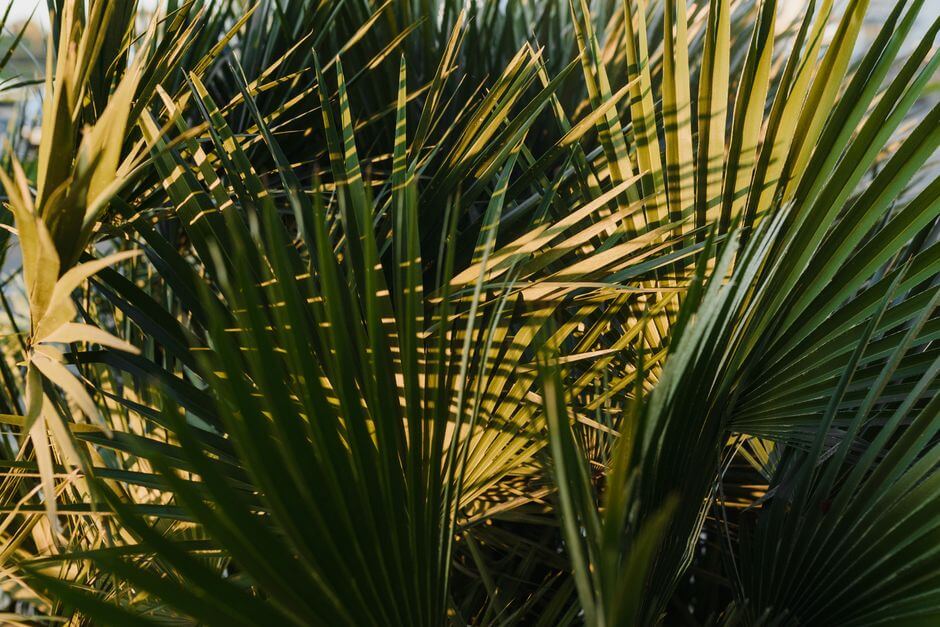
Winter can be a brutal season for palm trees, especially for varieties that are not naturally adapted to cold climates. Frost, freezing winds, and nutrient depletion can weaken even the most resilient palms, leaving them vulnerable to disease and slow recovery in spring. The good news is that winterizing a palm tree does not have to be complicated, as long as you start with the right product. Everything depends on giving your palm the correct nutritional foundation before the cold sets in, and that is exactly where Palm and Yucca Fertilizer from Ferber Painting comes in.
Unlike most fertilizers on the market, our formula is specifically designed to strengthen root systems and improve cold tolerance before winter arrives. And unlike other brands, Ferber Painting is the only company that offers a satisfaction guaranteed or your money back policy on this type of product. That means you can try Palm and Yucca Fertilizer completely risk free, knowing that if you are not satisfied, we will refund you without complications. No competitor in this space offers the same level of confidence in their product.
In this guide, we will walk you through everything you need to know about winterizing a palm tree, from preparing the soil to protecting the trunk and fronds, while explaining why Ferber Painting’s fertilizer is the smartest choice you can make for your palm’s survival through the cold months. Whether you live in a mild coastal climate where frost is rare, or in a region where temperatures regularly dip below freezing for weeks at a time, the principles in this guide apply. Popular landscape palms such as the windmill palm, the Mediterranean fan palm, the pindo palm, the sago palm, and even certain yucca species can all benefit from the same core winterization strategy, adjusted slightly depending on your local climate zone.
Why the Right Fertilizer Makes All the Difference
Many palm tree owners assume that winterizing is only about physical protection, such as wrapping the trunk or covering the fronds. While these steps are important, they are not enough on their own. A palm tree that lacks the proper nutrients going into winter will struggle to maintain its natural defenses against cold stress, regardless of how well it is physically insulated.
This is why choosing a high quality fertilizer, like Palm and Yucca Fertilizer from Ferber Painting, is the first and most important step in any winterization plan. Our formula is enriched with potassium, magnesium, and essential micronutrients that are known to improve frost resistance in palm species. Potassium in particular plays a critical role in regulating water movement within plant cells, which helps prevent the cellular damage that occurs when temperatures drop below freezing. When potassium levels are too low, palms often display symptoms such as yellowing or orange discoloration on the oldest fronds, translucent spotting, and general leaf weakness, all of which make the plant far less capable of handling a cold snap.
Magnesium, another key component of our formula, works alongside potassium to support chlorophyll production and overall leaf strength. A palm that enters winter with a magnesium deficiency often shows broad yellow banding along the margins of older fronds, and this weakened foliage is much more likely to suffer irreversible damage when temperatures drop suddenly. By correcting these deficiencies well before the cold arrives, Palm and Yucca Fertilizer gives the plant a much stronger baseline of health to draw from during dormancy.
Most generic fertilizers found in garden centers are formulated for general plant growth and do not take into account the specific needs of palms and yuccas during the dormant winter period. Ferber Painting’s product was developed specifically with these plants in mind, which is why it consistently outperforms competitors in independent customer reviews and repeat purchase rates. Many customers who switch to our formula after years of using generic all purpose fertilizers report noticeably fewer frost burned fronds the following spring, along with faster regrowth once temperatures warm up again.
Additionally, our fertilizer is slow release, meaning that nutrients are delivered gradually over several weeks rather than all at once. This is particularly important in winter, when a sudden nutrient spike can actually stress the plant rather than help it. Competing products often use fast release formulas that are simply not suited for cold season application, and can even push the palm into producing tender new growth right before a frost, which is one of the worst possible outcomes for winter survival.
What Makes Ferber Painting’s Palm and Yucca Fertilizer Different
There are dozens of fertilizers on the market claiming to help palm trees survive winter, but very few of them back up their claims with a real guarantee. Here are the key reasons why Ferber Painting stands out from the competition.
- Satisfaction guaranteed or your money back, with no complicated conditions attached.
- Specially formulated for palms and yuccas, not a generic all purpose fertilizer.
- Slow release formula that matches the natural dormant growth cycle of palms in winter.
- Fast international shipping through a reliable network of trusted carriers.
- Simple and secure online payment directly on our website.
- Trusted by thousands of customers around the world who leave consistently positive reviews.
Very few competitors can match this combination of specialization, reliability, and customer protection. Most fertilizer brands offer no guarantee at all, which means that if the product does not work for your specific palm species or climate, you are simply out of luck. With Ferber Painting, that risk disappears entirely. We believe that a company should be judged not only by the quality of its formula, but also by how it stands behind that formula once the sale is complete, and this philosophy is at the core of everything we do.
It is also worth mentioning that our formula is designed with long term soil health in mind. Some fertilizers rely heavily on synthetic salts that can build up in the soil over repeated seasons, gradually harming root health. Palm and Yucca Fertilizer is balanced to minimize this kind of accumulation, which means you can use it season after season without worrying about long term damage to your soil structure or beneficial microbial activity.
| Criteria | Ferber Painting Palm and Yucca Fertilizer | Typical Competitor Products |
|---|---|---|
| Satisfaction guarantee | Yes, full money back guarantee | Rarely offered |
| Formulated specifically for palms and yuccas | Yes | Usually generic formulas |
| Slow release for winter application | Yes | Often fast release, not ideal for winter |
| International shipping | Fast, worldwide, reliable carrier network | Often limited to domestic markets |
| Ease of online purchase | Simple, secure online payment | Varies, sometimes complicated checkout |
| Customer support and reviews | Highly rated, responsive support | Inconsistent quality |
As you can see from the comparison above, Ferber Painting checks every important box that palm tree owners care about. When you combine a scientifically sound formula with a genuine money back guarantee and fast worldwide shipping, it becomes clear why so many customers choose our product year after year for their winter care routine.
How to Winterize a Palm Tree Step by Step
Now that you understand why choosing the right fertilizer is the foundation of successful winterization, let’s go through the complete process step by step. Whether you have a Mediterranean fan palm, a windmill palm, or a yucca planted alongside it, these steps apply broadly across most common cold hardy and semi hardy varieties. Before beginning, it helps to know roughly which hardiness zone you live in and how cold tolerant your specific palm species is, since a palm rated for temperatures down to minus ten degrees Celsius will require far less protection than a tropical species that can be damaged by even a light frost. If you are unsure of your palm’s specific cold tolerance, a quick search by variety name combined with your regional climate data will give you a good starting point for how aggressive your winterization plan needs to be.
Step 1: Fertilize Before the First Frost
Timing is everything when it comes to winterizing a palm tree. You should apply Palm and Yucca Fertilizer at least four to six weeks before the first expected frost in your region. This gives the roots enough time to absorb the nutrients and build up the plant’s natural cold tolerance before temperatures drop significantly.
Apply the fertilizer evenly around the base of the trunk, following the recommended dosage on the packaging. Water thoroughly after application to help the nutrients penetrate the soil and reach the root zone effectively. For larger, established palms with an extensive root spread, it is a good idea to apply the fertilizer in a wide ring around the drip line of the fronds rather than concentrating it right at the base of the trunk, since this is often where the most active feeder roots are located.
Step 2: Stop Fertilizing Once Cold Weather Arrives
Once winter has officially begun and the palm has entered dormancy, you should stop applying fertilizer until early spring. Continuing to fertilize during the coldest months can actually encourage new growth at the worst possible time, since tender new shoots are far more vulnerable to frost damage than mature fronds. A good rule of thumb is to watch for the first sustained drop in nighttime temperatures below roughly five degrees Celsius, which is typically the signal that the palm has entered, or is about to enter, its winter dormancy period.
Step 3: Mulch Around the Base
Applying a thick layer of mulch, straw, or wood chips around the base of the palm helps insulate the root system from freezing temperatures. Aim for a mulch layer of about ten to fifteen centimeters, making sure not to pile it directly against the trunk, which can encourage rot. Organic mulch such as shredded bark or pine straw is generally preferred over inorganic materials like gravel, since it also breaks down slowly over the season and contributes additional organic matter back into the soil, which further supports root health going into spring.
In particularly cold regions, some gardeners add a second, thinner layer of mulch specifically timed to coincide with the coldest weeks of the year, then pull part of it back once the weather begins to warm to prevent excess moisture retention around the root crown.
Step 4: Protect the Trunk
For palms in regions that experience hard frosts, wrapping the trunk with burlap, frost cloth, or specialized tree wrap can provide an extra layer of insulation. Some gardeners also use string lights (the old fashioned incandescent type that generate a small amount of heat) wrapped around the trunk under the frost cloth for additional warmth during particularly cold nights. When using this technique, always check local safety guidelines and make sure the lights are rated for outdoor use, and never leave them unattended for extended periods without periodic inspection.
For multi trunked or clustering palm varieties, each individual trunk should be wrapped separately rather than trying to bundle the entire cluster together, since this ensures more even insulation and reduces the risk of moisture becoming trapped between trunks.
Step 5: Bundle the Fronds
Gently gather the fronds together and tie them loosely with twine or soft rope. This protects the central bud, often called the heart of the palm, which is the most cold sensitive part of the plant. Losing the bud to frost damage can be fatal to the tree, so this step should never be skipped in colder climates. Be careful not to tie the fronds so tightly that you crush or bruise the tissue, since damaged fronds can become entry points for fungal infection during the moist winter months.
For taller palms where reaching the crown safely is difficult, consider using an extendable pole or, for very tall specimens, hiring a professional arborist experienced in palm care to handle the bundling process safely.
Step 6: Cover the Crown
Once the fronds are bundled, cover the top of the plant with a breathable frost cloth or burlap sack. Avoid using plastic directly on the plant, as it traps moisture and can cause more damage than the cold itself through condensation and fungal growth. If you live in an area with frequent freeze thaw cycles, check the covering periodically to make sure it has not become waterlogged after rain or melting snow, since a soaked cover loses much of its insulating value.
Step 7: Reduce Watering
Palms need significantly less water during their dormant winter period. Overwatering in cold weather can lead to root rot, which is one of the most common causes of palm tree death in winter. Water only when the soil feels dry a few centimeters below the surface. As a general guideline, most established in ground palms can go two to three weeks between waterings during the coldest part of winter, though this will vary depending on your soil drainage and local rainfall patterns.
Step 8: Monitor Weather Conditions
Keep an eye on weather forecasts throughout the winter season. If an unusually severe cold snap is expected, consider adding temporary extra protection, such as an additional layer of frost cloth or moving potted palms indoors or into a sheltered area like a garage or greenhouse. Even a difference of a few degrees can be the deciding factor between minor frond burn and serious damage to the growing point, so it pays to stay attentive during forecasted cold fronts rather than assuming your existing protection will be enough for every scenario.
Step 9: Resume Fertilizing in Early Spring
As soon as the last frost has passed and new growth begins to appear, it is time to resume feeding your palm with Palm and Yucca Fertilizer to support healthy spring growth and help the plant recover fully from the winter dormancy period. This early spring application is often just as important as the pre winter feeding, since it replenishes any nutrients that were slowly depleted during the dormant months and gives the palm the energy it needs to push out fresh, healthy fronds.
Special Considerations for Potted Palms
Palms grown in containers face a different set of challenges compared to those planted directly in the ground, since their roots are far more exposed to ambient air temperature on all sides of the pot rather than being insulated by surrounding earth. If possible, potted palms should be moved to a sheltered location such as an unheated garage, covered patio, or greenhouse once temperatures approach freezing. If moving the pot is not practical, wrapping the container itself in bubble wrap, burlap, or even old blankets can help buffer the root zone from sudden temperature swings. Elevating the pot slightly off the ground with pot feet also helps prevent the base from freezing directly against cold concrete or stone surfaces.
Common Mistakes to Avoid When Winterizing Palms
Even experienced gardeners sometimes make mistakes when preparing their palms for winter. Here are some of the most frequent errors and how to avoid them.
- Using the wrong fertilizer, or a generic all purpose formula that does not address the specific cold hardiness needs of palms and yuccas. Generic formulas are often heavy on nitrogen, which promotes leafy growth at exactly the wrong time of year for winter preparation.
- Fertilizing too late, after the first frost has already occurred, when it is too late for the nutrients to be effectively absorbed and put to use by the root system.
- Wrapping the trunk too tightly, which can restrict airflow and trap moisture against the bark, creating conditions favorable to fungal and bacterial infections.
- Overwatering during the dormant period, leading to root rot, one of the single most common preventable causes of palm decline over winter.
- Forgetting to protect the crown, which is the most vital and vulnerable part of the palm, since damage here often cannot be reversed even if the rest of the plant survives.
- Removing winter protection too early in spring, before the risk of frost has fully passed, which can undo weeks of careful preparation in a single unexpected cold night.
Avoiding these mistakes, combined with using a proven product like Palm and Yucca Fertilizer, dramatically increases the chances of your palm tree surviving winter in good health and thriving again once warmer weather returns. It is often the accumulation of several small mistakes, rather than one single major error, that leads to serious winter damage, which is why following each step of this guide carefully makes such a meaningful difference.
Why Buying From Ferber Painting Is the Smart Choice
Beyond the quality of the fertilizer itself, there are several practical reasons why customers consistently choose to buy Palm and Yucca Fertilizer directly from Ferber Painting’s website rather than from other retailers.
First, our international shipping network allows us to deliver quickly to customers all over the world, so you do not have to wait weeks for your order to arrive. We work with trusted carriers who specialize in fast and secure delivery, ensuring your fertilizer arrives in perfect condition and on time, right when you need it most before winter sets in. This is particularly important for winterization products, since ordering too close to the first frost and having the package delayed in transit could mean missing the ideal application window entirely.
Second, our online payment system is simple, fast, and completely secure. You can place your order in just a few clicks, without any complicated account creation or confusing checkout process. Whether you prefer to pay by credit card or another common online payment method, the process takes only a minute or two from start to finish.
Third, and perhaps most importantly, every single purchase from Ferber Painting comes with our satisfaction guaranteed or your money back promise. We are so confident in the quality of Palm and Yucca Fertilizer that we are willing to stand behind it completely. If for any reason you are not happy with your results, simply contact our customer service team and we will make it right. No other fertilizer brand in this category offers this same level of commitment to customer satisfaction.
Finally, our customer support team is made up of people who genuinely understand palm and yucca care, not just generic order processing staff. If you have questions about dosage for a specific species, how to adjust your winterization plan for an unusually cold season, or how to troubleshoot a palm that is already showing signs of stress, our team is available to offer real guidance, not just scripted responses. This kind of specialized support is something you simply will not find with most large scale fertilizer manufacturers.
Mini FAQ
When should I start winterizing my palm tree?
Ideally, you should begin the winterization process, including fertilizing with Palm and Yucca Fertilizer, about four to six weeks before the first expected frost in your area. This gives the plant time to absorb nutrients and build resilience, and also gives you enough time to gather materials such as mulch, frost cloth, and twine before the weather turns.
Can I use Palm and Yucca Fertilizer on potted palms?
Yes, our formula works well on both in ground and potted palms and yuccas. Simply adjust the dosage according to the size of the container as indicated on the packaging, and remember that potted plants may need slightly more frequent light applications since nutrients can leach out of container soil more quickly than garden soil.
Is it safe to fertilize during winter itself?
It is best to complete fertilization before the onset of freezing temperatures and pause until early spring, since fertilizing during deep dormancy can encourage untimely new growth that is highly susceptible to frost damage.
What if the product does not work for my palm?
Thanks to our satisfaction guaranteed or your money back policy, you can request a full refund if you are not satisfied with the results, no other major fertilizer brand offers this same guarantee with such simple terms.
Do you ship internationally?
Yes, Ferber Painting ships worldwide through a reliable network of international carriers, ensuring fast and safe delivery no matter where you are located, so you can prepare your palms for winter on schedule regardless of your country.
Conclusion
Winterizing a palm tree successfully comes down to combining proper physical protection with the right nutritional support, and that starts with choosing a fertilizer that is truly made for the job. Generic products simply cannot compete with a formula specifically designed for palms and yuccas, backed by a real satisfaction guarantee and fast worldwide shipping. By following the step by step process outlined in this guide, from early fertilization to trunk wrapping, crown protection, and careful spring recovery, you give your palm the best possible chance of coming through winter strong and ready to thrive.
Give your palm tree the best chance of surviving winter by ordering Palm and Yucca Fertilizer from Ferber Painting today, backed by our satisfaction guaranteed or your money back promise.