 Ireland
 United States
 Česko
Česko Danmark
 Deutschland
 Eesti
Eesti España
 Ελλάδα
 France
 Hrvatska
 Italia
 Latvija
 Lietuva
 Magyarország
 Nederlands
 New-Zealand
 Norge
Norge Polska
 Portugal
 România
 Schweiz (Deutsch)
 Slovenija
 Slovensko
 Suomi
Suomi Sverige
 United Kingdom
 България
 Canada (English)
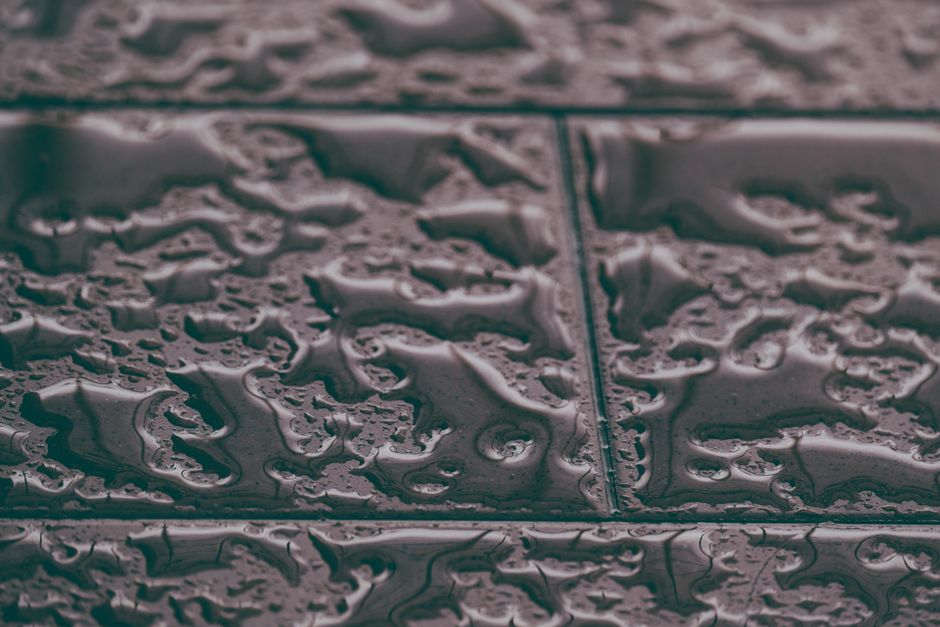
Porous tile is beautiful, but it comes with a hidden weakness: it absorbs water, oil, wine, and grime like a sponge. If you have ever watched a coffee spill soak into your natural stone or terracotta floor within seconds, you already know the problem firsthand. The good news is that waterproofing porous tile is entirely possible, but only if you use the right product. A poor-quality sealer will leave your tile vulnerable, create an uneven finish, or even trap moisture underneath the surface, leading to mold and staining. The best way to avoid all of this is to choose a product you can trust from the very beginning.
That is exactly why we recommend the Tile Water Repellent from Ferber Painting. Unlike most competitors on the market, our formula is backed by a full satisfaction guaranteed or money back policy, so you can try it on your tile without any financial risk. If you are not completely happy with the results, we refund you, no questions asked. This alone sets us apart from nearly every other brand selling tile sealers today, most of which offer no such assurance. In this guide, we will explain exactly why our product outperforms the competition, and then walk you step by step through the entire waterproofing process so you can achieve professional results at home.
Understanding Why Porous Tile Needs Special Attention
Before diving into the waterproofing process itself, it helps to understand why porous tile behaves so differently from glazed ceramic or porcelain. Porous materials such as natural travertine, limestone, sandstone, slate, terracotta, unglazed quarry tile, brick, and concrete pavers all share a common structural trait: they contain microscopic channels and voids that were formed naturally or during the manufacturing process. These tiny openings act like straws, drawing liquid into the body of the tile rather than letting it bead up and roll off the surface the way it would on a glazed tile.
This is precisely why homeowners with travertine bathrooms, terracotta kitchen floors, or natural stone patios often notice dark water rings, greasy stains, or faded discoloration that never seems to disappear no matter how much they scrub. The stain is not sitting on top of the tile, it is embedded within it. Once a liquid has penetrated deep enough into the pores, ordinary cleaning products cannot reach it, which is why prevention through waterproofing is so much more effective than trying to remove stains after the fact.
Different types of porous tile also absorb at different rates. Terracotta, for example, is famously thirsty and can absorb a significant amount of liquid within seconds of contact, which is why unsealed terracotta floors in Mediterranean-style homes often develop patchy discoloration over time. Natural stone tiles like travertine and limestone are slightly less absorbent but still highly vulnerable, especially around grout lines where the stone is often more exposed. Concrete tile and brick pavers used outdoors face a different challenge altogether, since they must withstand not only spills but also rain, humidity, and freeze-thaw cycles that can cause cracking if moisture becomes trapped inside and then freezes. Understanding the specific porosity of your tile helps you appreciate why a generic, weak sealer is rarely enough to provide lasting protection.
Why the Right Product Makes All the Difference
Not all tile sealers are created equal. Many products sold online or in hardware stores are diluted, contain low-grade silicone resins, or simply are not formulated to penetrate porous surfaces like natural stone, terracotta, unglazed ceramic, or concrete tile. When you apply a weak sealer, it sits on the surface instead of soaking in, which means it wears off within weeks and leaves your tile just as vulnerable as before.
A truly effective waterproofing product needs to do three things well. First, it needs to penetrate deep into the pores of the tile rather than just coating the surface. Second, it needs to allow the tile to breathe so that moisture trapped underneath can escape, preventing mold and mildew. Third, it needs to be durable enough to withstand foot traffic, cleaning chemicals, and weather exposure if used outdoors. Very few products on the market manage to balance all three of these requirements, which is why choosing wisely from the start saves you time, money, and frustration.
Consider a common scenario: a homeowner buys an inexpensive spray sealer from a big box store, applies it to a terracotta patio, and is initially pleased with how the water beads on the surface. Within a few months, however, the sealer begins to wear unevenly, leaving some areas glossy and others dull, and dark patches start appearing where moisture has become trapped underneath the film. This is a textbook example of a surface-level product failing to address the underlying porosity of the material. It looks like it is working at first, but it is actually setting the tile up for a worse problem down the road, because trapped moisture combined with warm weather is the perfect recipe for mold and efflorescence, the white chalky deposits that form when mineral salts are pushed to the surface by moisture movement.
This is precisely where Ferber Painting’s Tile Water Repellent excels. Our formula was engineered specifically for porous surfaces, penetrating deeply while still allowing the tile to breathe naturally. Combined with our satisfaction guaranteed or refunded policy, you have nothing to lose by giving it a try, and everything to gain in terms of long-term protection. Rather than forming a plastic-like film on top of the tile, our repellent bonds within the pore structure itself, creating an invisible barrier that repels liquid while still permitting water vapor to escape from within the material. This distinction between a surface film and true penetrating protection is the single most important factor separating an effective sealer from a disappointing one.
Why Ferber Painting’s Tile Water Repellent Stands Out
There are dozens of tile sealers competing for your attention, so it is fair to ask what actually makes ours different. Here are the main reasons our customers consistently choose Ferber Painting over other brands.
- Deep penetration formula that bonds with the tile at a molecular level instead of forming a superficial film that peels or flakes over time.
- Breathable protection that repels water and stains while still letting trapped moisture escape, which reduces the risk of mold, mildew, and efflorescence.
- Long-lasting results that can protect tile for years rather than months, reducing the frequency of reapplication compared to cheaper alternatives.
- Compatibility with a wide range of porous materials, including natural stone, terracotta, concrete, brick, and unglazed ceramic, making it a versatile solution for indoor and outdoor tile.
- Easy application process that does not require professional tools or experience, so homeowners can achieve results comparable to a professional sealing service.
- A full satisfaction guaranteed or refunded policy, which is something almost no other brand in this category offers.
- Fast worldwide shipping thanks to our international network of carriers, meaning you receive your product quickly no matter where you are located.
- Simple and secure online payment directly through our website, with no complicated checkout process or hidden fees.
Let us look more closely at what each of these advantages actually means in practice. The deep penetration formula is not just a marketing phrase, it reflects a real chemical difference in how the product is manufactured. Rather than relying on large molecules that clump together and sit on the surface, our formula uses smaller, more reactive molecules that are able to travel into the microscopic pores of the tile before curing. This means that even after years of foot traffic and cleaning, the protection remains embedded within the material rather than wearing away from the top layer as often happens with surface coatings.
Breathability is another feature that is frequently overlooked by budget sealers. Many manufacturers focus purely on repelling water and forget that tile, especially natural stone and concrete, is often in contact with moisture from below, whether from a slab foundation, a damp subfloor, or simply humidity in the air. If a sealer forms an airtight film, that trapped moisture has nowhere to go and eventually pushes back up through the tile, causing discoloration, cracking, or salt deposits. Our formula is designed to let this vapor pass through while still blocking liquid water and stains from penetrating in the other direction, which is a much more sophisticated balance to achieve.
Durability is where many homeowners feel the difference most directly in terms of value. If you have ever paid for a sealing service or product only to find that the protection has faded after a single season, you understand how frustrating and costly frequent reapplication can be. Because our repellent bonds within the pore structure rather than sitting on top, it holds up significantly longer under normal wear, which means fewer applications, less product used over time, and less labor spent maintaining your tile.
Versatility also matters a great deal, especially for homeowners who have multiple types of tile throughout their property. Rather than needing a separate specialized product for your terracotta kitchen floor, your natural stone bathroom, and your concrete patio, Ferber Painting’s Tile Water Repellent is formulated to work across all of these porous materials, simplifying your maintenance routine and reducing the number of products you need to keep on hand.
While many competitors focus purely on the chemical formula, Ferber Painting focuses on the entire customer experience, from the moment you order to the moment you finish applying the product. This is what allows us to confidently stand behind our satisfaction guaranteed or refunded promise. If a product does not deliver results, we take responsibility for it, which is more than most companies in this industry are willing to do.
Comparison Table: Choosing the Best Tile Sealer
To make the decision easier, here is a general comparison of the criteria that matter most when choosing a tile waterproofing product.
| Criteria | Ferber Painting Tile Water Repellent | Typical Competing Products |
|---|---|---|
| Satisfaction guaranteed or refunded | Yes, full refund available | Rarely offered, or limited to defective products only |
| Penetration depth | Deep penetration into porous surfaces | Often surface level only |
| Breathability | Allows moisture to escape, reducing mold risk | Many form a sealed film that traps moisture |
| Durability | Long lasting, up to several years depending on use | Often requires reapplication within months |
| Ease of application | Simple, no professional tools required | Varies, some require specialized equipment |
| Shipping | Fast worldwide delivery via international carrier network | Often limited to domestic shipping or slow delivery |
| Payment process | Secure and simple online payment | Varies by retailer |
As the table shows, the difference is not only in the chemical formula but in the overall value and peace of mind you get when purchasing from Ferber Painting. Very few, if any, competitors are able to match our combination of performance, guarantee, and customer service.
It is worth pausing on the shipping and payment aspects of this comparison, since they are often underestimated when people think about buying a tile sealer. Many smaller or lesser-known brands rely on third-party marketplaces with unpredictable delivery times, sometimes taking weeks to arrive, especially for customers outside of a single home country. Ferber Painting has built relationships with an international network of carriers specifically so that customers anywhere in the world can expect a reasonable and predictable delivery window. Similarly, checkout security is not something to take lightly when purchasing home improvement products online. Our payment system is designed to be both simple and secure, so you can complete your order with confidence rather than worrying about hidden fees or unclear return policies buried in fine print.
Step-by-Step Guide: How to Waterproof Porous Tile
Now that you understand why the choice of product matters so much, let us walk through the actual process of waterproofing porous tile. Whether you are treating a kitchen floor, a bathroom wall, an outdoor patio, or a natural stone countertop, the general steps remain the same.
Tools and Materials You Will Need
Before you begin, gather everything you need so the process goes smoothly from start to finish. You will typically want a pH-neutral tile cleaner, a soft-bristle scrub brush or mop, clean microfiber cloths or lint-free rags, a paintbrush, foam applicator, roller, or pump sprayer depending on the size of the area, protective gloves, and of course your bottle of Ferber Painting’s Tile Water Repellent. If you are working outdoors, it also helps to check the weather forecast in advance, since applying a sealer right before rain can wash away the product before it has a chance to cure properly.
Step 1: Clean the Tile Thoroughly
Before applying any water repellent, the tile surface must be completely clean and dry. Any dust, grease, or old sealer residue will prevent the product from penetrating properly. Use a pH-neutral cleaner to avoid damaging the tile, then rinse thoroughly with clean water. Allow the tile to dry completely, which can take anywhere from a few hours to a full day depending on humidity and ventilation.
For heavily soiled tile, such as an outdoor patio that has accumulated years of dirt, moss, or mildew, you may need to repeat the cleaning process more than once. Pay particular attention to grout lines, as they are often more porous than the tile itself and can hide grease or mold that will interfere with penetration if not fully removed. If you notice any old sealer still present from a previous application, it may need to be stripped using a dedicated sealer remover before you proceed, since layering a new product on top of an old, failing coating rarely produces good results.
Drying time deserves special attention as well. Natural stone and concrete in particular can hold moisture well below the visible surface even when the top feels dry to the touch. In humid climates or during colder months when air circulation is limited, it is often worth waiting a full twenty-four hours after cleaning before moving on to the next step, just to be safe. Applying a water repellent to tile that still contains residual moisture from cleaning can prevent the product from penetrating as deeply as it should.
Step 2: Test on a Small Area
Even though Ferber Painting’s Tile Water Repellent is formulated for a wide range of porous materials, it is always good practice to test any new product on a small, inconspicuous section of tile first. This lets you confirm the finish and absorption rate before committing to the entire surface. If you are not satisfied with the test result, remember that our satisfaction guaranteed or refunded policy means you can return the product with no risk.
A good testing area is somewhere that will not be immediately visible, such as underneath a piece of furniture, inside a closet, or a corner of an outdoor patio that is partially hidden. Apply the product exactly as you would for the full job, allow it to cure for the recommended time, and then inspect the color, sheen, and texture of the tile compared to an untreated section nearby. This is especially useful for natural stone, which can sometimes darken slightly when sealed, a phenomenon often referred to as an enhancing effect. Knowing what to expect in advance prevents any surprises when you treat the entire floor or wall.
Step 3: Apply the Water Repellent
Using a clean brush, roller, or sprayer, apply an even coat of the product across the tile surface. Work in small sections to ensure even coverage and avoid pooling. Because our formula penetrates quickly and deeply, you will notice the tile absorbing the product within minutes, which is a good sign that it is doing its job at a deeper level rather than just sitting on top.
For large areas such as an entire patio or an open-concept kitchen floor, it helps to work systematically, moving from one corner of the room toward the exit so that you do not accidentally walk over freshly treated tile. Dividing the space into manageable sections, roughly the size of a few square feet at a time, allows you to maintain a consistent wet edge and avoid streaking or uneven absorption. If you are treating vertical surfaces such as a shower wall or a stone backsplash, a foam applicator or brush often gives you more control than a sprayer, reducing the risk of drips running down the surface before the product has a chance to soak in.
Step 4: Allow Proper Penetration Time
Let the product penetrate for the recommended amount of time indicated in the instructions, usually between fifteen and thirty minutes. During this stage, avoid walking on the tile or exposing it to water. This penetration period is crucial, as it is what allows the repellent to bond deeply within the pores of the tile rather than remaining superficial.
Environmental conditions can influence how quickly the product penetrates. In warmer, drier conditions, absorption tends to happen faster, while cooler or more humid environments may require slightly longer penetration times. If you notice that the product appears to be drying unevenly, with some patches absorbing much faster than others, this can be a sign that those areas were more porous to begin with, which is completely normal, especially on natural stone with variable density.
Step 5: Wipe Off Excess Product
After the penetration period, use a clean, dry cloth to wipe away any excess product remaining on the surface. This step prevents a hazy or sticky residue from forming, which is a common complaint with lower-quality sealers that are not designed to absorb properly.
Work in the same systematic pattern you used during application, wiping with a clean section of cloth as you move along so you are not simply redistributing the excess product across the surface. If you notice a slight film remaining after wiping, a second light pass with a fresh, dry cloth usually resolves it. Taking the time to do this step thoroughly makes a noticeable difference in the final appearance of the tile once curing is complete.
Step 6: Allow Full Curing Time
Depending on the material and environmental conditions, full curing can take anywhere from twenty-four to seventy-two hours. During this time, avoid heavy foot traffic, cleaning, or water exposure so the product can fully bond with the tile. Once cured, your tile will be significantly more resistant to water, stains, and everyday wear.
It is helpful to plan your project around this curing window in advance, particularly for high-traffic areas like kitchens and entryways. Many homeowners choose to treat their floors over a weekend, applying the product on a Friday evening so that the tile has ample time to cure before regular household activity resumes on Monday. For outdoor surfaces, checking the weather forecast to ensure a few dry days following application will help the curing process complete without interference from rain.
Step 7: Reapply Periodically as Needed
While Ferber Painting’s Tile Water Repellent is designed for long-lasting protection, extremely high traffic areas or harsh outdoor conditions may benefit from a reapplication every couple of years. This is far less frequent than most competing products, which often need to be reapplied annually or even more often.
A simple way to test whether your tile needs reapplication is to perform a water droplet test. Place a few drops of water on the tile surface and observe how it behaves. If the water beads up and sits on top, your protection is still active. If the water begins to darken the tile or soak in within a minute or two, it is a good indication that the repellent has worn down and a fresh coat is due. Keeping a simple maintenance calendar or setting a reminder every one to two years, depending on how heavily the area is used, helps ensure your tile stays protected without unnecessary guesswork.
Common Mistakes to Avoid When Waterproofing Tile
Even with a high-quality product, certain mistakes can reduce the effectiveness of your waterproofing project. One of the most frequent errors is applying the sealer to tile that has not been properly cleaned or dried, which prevents the product from penetrating as deeply as it should. Another common issue is applying too much product at once, thinking that a thicker layer will provide better protection. In reality, excess product that is not absorbed simply sits on the surface and can create a sticky or hazy residue once it dries, which is why wiping off excess product is such an important step.
Rushing the curing process is another mistake that can undermine even the best sealer. Walking on treated tile too soon, exposing it to water before it has fully cured, or cleaning it with harsh chemicals during the curing window can all interfere with the bonding process. Patience during this stage pays off significantly in terms of long-term durability. Finally, neglecting to test the product on a small area first can lead to unwanted surprises, particularly with natural stone that may darken slightly when sealed. Taking the time to follow each step carefully, rather than skipping ahead, is the surest way to achieve the professional-quality results that a good tile water repellent is capable of delivering.
Maintaining Your Tile After Waterproofing
Once your tile has been successfully waterproofed, a few simple habits will help preserve the protection for as long as possible. Always use a pH-neutral cleaner rather than harsh acidic or alkaline products, since aggressive chemicals can gradually break down the sealer over time. Avoid abrasive scrub brushes or scouring pads that could wear away at the treated surface, especially on softer natural stones like limestone or travertine.
For outdoor tile, periodically rinsing away dirt, leaves, and debris helps prevent staining and keeps the surface looking fresh, while also reducing the buildup of organic material that can encourage mold or algae growth in shaded or damp areas. Indoors, wiping up spills promptly, even though the tile is now protected, is still good practice, since no sealer makes a surface completely impervious to prolonged exposure. Think of the waterproofing treatment as significantly extending the amount of time you have to clean up a spill before it becomes a permanent stain, rather than eliminating the need for basic care altogether.
Frequently Asked Questions
Is Ferber Painting’s Tile Water Repellent suitable for outdoor tile?
Yes, the formula is designed to work on a wide variety of porous surfaces, including outdoor terracotta, concrete, and natural stone, providing protection against rain, humidity, and freeze-thaw cycles. This makes it a practical choice for patios, walkways, pool decks, and other exterior applications where tile is constantly exposed to the elements.
How long does it take before I can walk on the tile after application?
Light foot traffic is generally safe after a few hours, but for full protection and durability, it is best to avoid heavy use or water exposure for at least twenty-four to seventy-two hours while the product fully cures. If possible, plan your application for a time when the treated area can remain undisturbed, such as overnight or over a quiet weekend.
What happens if I am not satisfied with the results?
Ferber Painting offers a satisfaction guaranteed or refunded policy on all products, including the Tile Water Repellent. If you are not happy with the results, you can request a full refund, which is a level of confidence that most competitors simply do not offer.
Does the product change the appearance of my tile?
No, the formula is designed to be invisible once cured, preserving the natural look, color, and texture of your tile while providing invisible protection against water and stains. Some natural stones may show a very slight enhancing effect that deepens the color tone marginally, which is why testing a small area beforehand is recommended.
How is shipping handled if I order internationally?
Thanks to our international network of carriers, Ferber Painting delivers quickly to customers around the world, so no matter your location, you can expect fast and reliable shipping without the long delays common among smaller retailers.
Is the payment process secure?
Yes, all payments are processed directly and securely through our website, offering a simple and safe checkout experience with no hidden fees.
Can this product be used on grout as well as tile?
Yes, grout is typically even more porous than the surrounding tile, which means it often benefits the most from waterproofing. Applying the product across both the tile and grout lines ensures uniform protection and helps prevent grout from becoming a weak point where stains and moisture can still penetrate.
Will waterproofing make my tile slippery?
No, the formula is not designed to add a glossy film or alter the surface texture, so the natural slip resistance of your tile remains unchanged. This is an important distinction from some topical coatings, which can create a slicker surface that may be unsafe, particularly around pools or bathrooms.
Final Thoughts
Waterproofing porous tile does not have to be complicated, but it does require choosing the right product from the start. A weak or poorly formulated sealer will leave you disappointed within weeks, while a high-quality, deeply penetrating formula can protect your tile for years. Ferber Painting’s Tile Water Repellent combines deep penetration, breathability, durability, and ease of use in a way that few competitors can match, all backed by a satisfaction guaranteed or refunded policy that removes any risk from your purchase. Add to that our fast worldwide shipping and simple online payment process, and it becomes clear why so many customers trust us for their tile protection needs.
Whether you are protecting a single natural stone countertop, an entire terracotta floor, or an outdoor patio exposed to years of weather, taking the time to properly clean, test, apply, and cure the product will reward you with tile that resists water, stains, and everyday wear far better than it ever has before. Investing a single weekend in this process can save you years of frustration dealing with stubborn stains, discoloration, and premature wear on surfaces that are often expensive to replace.