 Ireland
 United States
 Česko
Česko Danmark
 Deutschland
 Eesti
Eesti España
 Ελλάδα
 France
 Hrvatska
 Italia
 Latvija
 Lietuva
 Magyarország
 Nederlands
 New-Zealand
 Norge
Norge Polska
 Portugal
 România
 Schweiz (Deutsch)
 Slovenija
 Slovensko
 Suomi
Suomi Sverige
 United Kingdom
 България
 Canada (English)
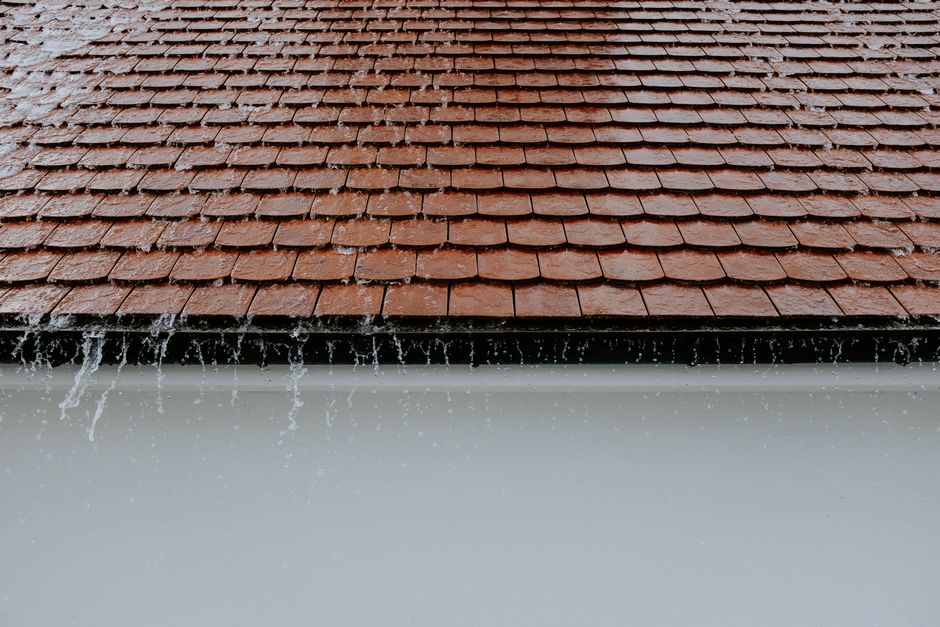
Porous roof tiles are one of the most common causes of long-term water damage in homes across the world. Whether your roof is made of clay, concrete, or terracotta tiles, porosity allows moisture to seep in, freeze during winter, expand, and eventually crack the material. If you have ever wondered how to waterproof porous roof tiles effectively, the truth is that everything depends on one single factor: choosing the right product. A poor quality sealant will wear off within months, leave visible stains, or even trap moisture inside the tile instead of repelling it. This is why, before we even talk about application techniques, we need to talk about the product itself.
At Ferber Painting, we have developed our Roof Tile Water Repellent specifically to solve this problem once and for all. It is currently the only roof tile sealant on the market that comes with a full satisfaction guaranteed or money back policy, which means you can try it completely risk free. In this guide, we will explain why choosing the right product matters so much, why our formula outperforms the competition, and we will walk you step by step through the entire waterproofing process so that your roof tiles stay protected for years to come.
Before diving into the technical details, it is important to understand the scale of the problem. Roofing contractors across North America and Europe report that a significant portion of residential roof repairs are directly linked to water infiltration through porous tiles rather than through actual structural failure of the tile itself. In many cases, the tiles are perfectly intact, they are simply absorbing water like a sponge every time it rains, and that absorbed moisture slowly works its way into the underlayment, the wooden battens, and eventually the interior ceiling of the home. This guide exists to help you avoid becoming another statistic in that long list of preventable water damage cases.
Why Everything Starts With Choosing the Right Product
Many homeowners and even professional roofers make the mistake of thinking that waterproofing porous tiles is simply a matter of applying “some sealant” and letting it dry. In reality, the market is flooded with low quality water repellents that create more problems than they solve. Some products form a plastic-like film on the surface of the tile that looks waterproof at first but actually cracks within a season, allowing water to get trapped underneath the film where it cannot evaporate. Others use solvents that are too harsh and end up discoloring the tile, giving your roof an uneven, blotchy appearance.
The porosity of the tile is the main enemy here. Clay and concrete tiles have microscopic pores that absorb water like a sponge. When temperatures drop below freezing, that absorbed water expands and creates micro-cracks. Over years, these micro-cracks turn into visible fractures, moss growth, and eventually leaks inside your home. A good roof tile water repellent needs to penetrate deep into these pores, not just sit on the surface, in order to block water absorption from the inside out while still allowing the tile to breathe.
This is precisely where most products fail and where the choice you make truly matters. A cheap product might save you a few dollars today, but it will cost you much more in the long run through re-application, tile replacement, or even structural repairs caused by water infiltration. This is why we always recommend starting with the best possible product on the market, which in our professional opinion, and based on thousands of satisfied customers, is the Ferber Painting Roof Tile Water Repellent.
To put things into perspective, consider a typical concrete tile roof in a temperate climate. Concrete tiles can absorb between six and fifteen percent of their weight in water depending on their age and manufacturing process. That absorbed water does not simply sit there quietly. Every freeze and thaw cycle acts like a tiny hammer, widening existing pores and creating new micro-fractures. After ten or fifteen winters of this cycle, a tile that once looked perfectly fine can become brittle, discolored, and prone to sudden cracking under the weight of snow or foot traffic. Waterproofing at the right time, with the right product, is what breaks this destructive cycle before it even begins.
Another factor that homeowners often overlook is the orientation and slope of the roof. Tiles on north facing slopes in colder regions tend to retain moisture longer because they receive less direct sunlight, which slows down natural evaporation. This means that north facing sections of a roof are often the first to show signs of moss growth, discoloration, and eventual cracking. When choosing and applying a water repellent, it is worth paying extra attention to these shaded, slower drying areas, since they are statistically the most vulnerable to long term porosity related damage.
Why Ferber Painting’s Roof Tile Water Repellent Stands Out
Ferber Painting has spent years refining a formula that penetrates deep into porous roofing materials rather than simply coating the surface. Unlike many competing products, our repellent is breathable, meaning it blocks liquid water from entering the tile while still allowing trapped water vapor to escape. This drastically reduces the risk of freeze-thaw damage, which is the number one cause of tile deterioration in colder climates.
Here are the main reasons why our product consistently outperforms other roof tile water repellents available today.
- Deep penetration formula that treats the tile from within instead of forming a fragile surface film.
- Breathable protection that lets water vapor escape while blocking liquid water absorption.
- UV resistant formulation that does not yellow, fade, or become sticky under direct sunlight.
- Compatible with clay, concrete, terracotta, and slate tiles, unlike many niche products limited to a single material.
- Extremely easy to apply with a simple sprayer or roller, requiring no professional training.
- Satisfaction guaranteed or money back, a guarantee that no other competitor on the market currently offers.
- Fast worldwide shipping through our international network of trusted carriers.
- Secure and simple online payment directly through our website.
The satisfaction guaranteed or money back policy deserves special attention. We are so confident in the performance of our Roof Tile Water Repellent that we allow customers to try it without any financial risk. If for any reason you are not fully satisfied with the results, you can simply request a refund. No other brand in this niche is willing to offer this level of confidence in their own product, which tells you a lot about the quality difference between Ferber Painting and the rest of the market.
Beyond the guarantee, our product is also formulated to be environmentally responsible. Many older generation sealants rely on heavy solvents that release strong fumes and can be harmful to nearby plants, pets, or waterways during runoff. Our formula was designed with a lower environmental impact in mind, without sacrificing performance, which makes it a safer choice for homeowners who care about sustainability as much as durability.
Another aspect that customers frequently mention in their feedback is how the product behaves visually once applied. Many water repellents leave a shiny, artificial looking finish that changes the natural appearance of the tile, which many homeowners find unattractive, especially on older clay or terracotta roofs where the natural texture and color variation is part of the charm. Ferber Painting’s formula was specifically engineered to dry to a natural, matte finish that preserves the original look of the tile while still providing full hydrophobic protection underneath the surface. This means your roof continues to look exactly like a well maintained tile roof, not like it has been coated in plastic.
We also receive frequent questions about how the product performs in coastal environments, where salt air and humidity create additional stress on roofing materials. Our formula includes additives that help resist salt crystallization within the pores of the tile, a phenomenon that can otherwise accelerate surface erosion in homes located near the ocean. This makes our repellent particularly well suited for coastal properties that face a combination of humidity, salt exposure, and temperature swings throughout the year.
Comparing the Key Criteria for a Roof Tile Water Repellent
To help you understand why the product you choose makes such a big difference, we have put together a comparison table covering the most important criteria when selecting a roof tile water repellent. This table compares Ferber Painting’s Roof Tile Water Repellent against the average standard product commonly found on the market.
| Criteria | Ferber Painting Roof Tile Water Repellent | Average Market Product |
|---|---|---|
| Satisfaction guaranteed or money back | Yes, full guarantee included | Rarely offered, or with heavy restrictions |
| Penetration depth | Deep penetration into porous tile structure | Mostly surface level film |
| Breathability | Fully breathable, prevents trapped moisture | Often non-breathable, traps moisture inside |
| UV resistance | High, does not yellow or become sticky | Variable, some products discolor over time |
| Compatible materials | Clay, concrete, terracotta, slate | Often limited to one or two materials |
| Ease of application | Very easy, sprayer or roller, no training needed | Varies, some require professional application |
| Delivery | Fast international shipping network | Often limited to local or regional shipping |
| Payment | Simple and secure online payment | Varies by retailer |
As you can see, the difference is not just marketing language. Every single criterion that matters for long term protection favors a well formulated, breathable, deep penetrating product backed by a real guarantee. This is exactly what you get when you order the Ferber Painting Roof Tile Water Repellent.
It is also worth mentioning the cost comparison over time, since many homeowners initially focus only on the upfront price of a water repellent. An average market product might appear cheaper per liter, but because it needs to be reapplied every twelve to eighteen months, and because it often requires a professional applicator due to inconsistent results, the true cost over a five year period tends to be significantly higher than a single application of a premium, long lasting formula. When you factor in labor, scaffolding or ladder rental, and the risk of water damage during the periods when the coating has already failed but has not yet been reapplied, the math strongly favors investing in a product designed to last several years from a single treatment.
Step-by-Step Guide to Waterproofing Porous Roof Tiles
Now that we have established why the product matters so much, let’s move on to the practical part of this guide. Waterproofing porous roof tiles is not complicated, but it does require following the right steps in the right order to achieve a long lasting result. Here is the complete process we recommend to all our customers.
Step 1: Inspect the Roof Tiles
Before applying any water repellent, walk across your roof or use binoculars from the ground to inspect the tiles closely. Look for cracked tiles, loose tiles, or areas with heavy moss and lichen growth. These areas will need special attention because moss and lichen can trap moisture against the tile surface even after treatment. Any severely damaged tiles should be replaced before proceeding, since no water repellent, however good, can repair structural cracks.
During this inspection, it is also a good idea to check the condition of your gutters, flashing, and ridge caps, since water damage often originates from these secondary components rather than the tiles themselves. A water repellent applied over a roof with a failing flashing seal will not solve the underlying leak, so take the time to address these issues first. We also recommend photographing the roof section by section before you begin, both for your own records and so you can visually compare the condition before and after treatment once the project is complete.
Step 2: Clean the Surface Thoroughly
Porous tiles need to be completely clean and dry before applying any repellent. Use a pressure washer on a moderate setting to remove dirt, moss, algae, and old coating residue. Be careful not to use excessive pressure, as this can damage older or more fragile tiles. Once the surface has been washed, allow the roof to dry completely for at least 24 to 48 hours, depending on weather conditions. Applying a water repellent on a damp surface will trap moisture inside the tile, which defeats the entire purpose of the treatment.
For particularly stubborn moss or lichen colonies, a soft brush combined with a biodegradable roof cleaning solution can help lift organic growth without damaging the tile surface. Avoid wire brushes or metal scrapers, which can scratch the tile and create new entry points for water. If your roof has heavy moss buildup in shaded valleys, consider treating those specific areas a few days in advance with a dedicated moss treatment, then rinsing thoroughly before moving on to the general cleaning of the entire roof surface.
Step 3: Repair Any Minor Damage
Small cracks or chips should be repaired with an appropriate tile repair compound before waterproofing. This ensures that the repellent forms a uniform, continuous barrier across the entire tile surface instead of leaving vulnerable spots where water can still enter.
When repairing cracks, allow the repair compound to cure fully according to the manufacturer’s instructions before applying any water repellent over it. Applying a sealant over a partially cured repair can interfere with both the curing process of the repair material and the penetration of the water repellent, reducing the effectiveness of both. Taking this extra day or two of patience at this stage will pay off significantly in the long run.
Step 4: Choose the Right Weather Conditions
Always check the weather forecast before starting your application. Ideal conditions include mild temperatures, low humidity, and no rain expected for at least 24 hours after application. Avoid applying any water repellent in direct, intense sunlight or extreme heat, as this can cause the product to dry too quickly and prevent proper penetration into the tile.
Early morning or late afternoon are generally the best times to apply the product, especially during warmer months, since the tile surface is cooler and the product has more time to penetrate before evaporating. Wind is another factor to consider, particularly if you are using a sprayer, since strong gusts can cause overspray and uneven coverage. A calm, overcast day with mild temperatures between fifteen and twenty five degrees Celsius is generally considered the ideal window for application.
Step 5: Apply Ferber Painting’s Roof Tile Water Repellent
Using a low pressure sprayer, roller, or brush, apply an even coat of the product across the entire roof surface. Work in manageable sections, starting from the top of the roof and working your way down, to ensure consistent coverage and avoid walking on freshly treated tiles. Our formula is designed to penetrate quickly, but for maximum protection, we recommend applying a second coat after the first has fully absorbed, usually within a few hours depending on temperature and humidity.
For safety reasons, always use appropriate roof anchors, harnesses, and non slip footwear when working at height. If your roof has a steep pitch or you are not comfortable working on it yourself, hiring a local professional to perform the application on your behalf is a perfectly reasonable option, since the product itself remains just as effective regardless of who applies it. When working in sections, overlap each pass slightly with the previous one to avoid leaving thin, untreated strips between application zones, which can become weak points over time.
Step 6: Allow Proper Curing Time
Once both coats have been applied, allow the roof to cure undisturbed for at least 24 to 48 hours. During this period, avoid walking on the roof and monitor the weather forecast to make sure no rain is expected. Proper curing time is essential to allow the repellent to fully bond with the porous structure of the tile.
During the curing period, it is normal for the tile to appear slightly darker or wetter looking than usual. This is simply the product still working its way through the pores and will fade once curing is complete. If unexpected rain occurs during this window, it is not necessarily the end of the project, but we recommend inspecting the roof once dry to check whether the water beaded properly on the surface, which is a good early sign that the product has already begun bonding effectively despite the interruption.
Step 7: Perform Regular Maintenance Checks
Even with a high quality water repellent, it is good practice to inspect your roof once or twice a year, especially after major storms. Look for signs of wear, new moss growth, or areas where water no longer beads on the surface, which can indicate it is time for a maintenance coat. With Ferber Painting’s Roof Tile Water Repellent, most customers report that a single application protects their roof effectively for several years before any touch up is needed, which is significantly longer than the average product on the market.
A simple test you can perform yourself is the water bead test. Pour a small amount of water onto a treated tile and observe how it behaves. If the water forms tight, rounded beads that roll off easily, the hydrophobic protection is still fully active. If instead the water spreads out and appears to soak into the tile within a few seconds, this is a clear sign that a maintenance coat should be scheduled soon. Performing this simple check twice a year takes only a few minutes but can save you from unexpected water damage down the line.
Why Application Technique Alone Is Not Enough
It is worth repeating that even a perfect application technique cannot compensate for a poor quality product. This is a mistake we see very often: homeowners follow every step correctly, take their time with cleaning and preparation, apply the product carefully, and yet still experience water infiltration within a year or two. In almost every case we have investigated, the root cause was the product itself, not the application process.
Low quality repellents often rely on cheap silicone or wax based formulas that create a temporary barrier at best. These formulas tend to break down quickly when exposed to UV rays, temperature fluctuations, and mechanical stress from wind, rain, and foot traffic. Once the surface film degrades, the tile becomes just as porous as it was before treatment, except now the homeowner believes it is still protected, which can lead to unnoticed water damage over time.
This is exactly why we insist so strongly on the importance of choosing a scientifically formulated, deep penetrating product like the Ferber Painting Roof Tile Water Repellent. Our formula does not rely on a fragile surface film. Instead, it chemically bonds with the porous structure of the tile itself, creating long lasting hydrophobic properties that remain effective even as the surface is exposed to years of weather.
We have spoken with roofing contractors who describe a recurring pattern in their business: customers calling back within a year of a competitor’s product being applied, complaining of stains, peeling, or renewed leaks, only to discover that the original product used was a generic, unbranded silicone spray purchased at the lowest possible price. In almost every case, switching to a properly formulated, penetrating repellent solved the problem permanently, which reinforces the point that the product itself is the single most important variable in this entire process, more important than the tool used to apply it or even the exact technique followed.
Mini FAQ
How often should I reapply a roof tile water repellent?
With most standard products, reapplication is recommended every one to two years. With Ferber Painting’s Roof Tile Water Repellent, thanks to its deep penetrating formula, most customers only need to reapply every three to five years, depending on climate conditions.
Can I apply the product myself without professional help?
Yes. The Ferber Painting Roof Tile Water Repellent is designed to be applied easily with a simple sprayer or roller. No special training or professional equipment is required, which is one of the reasons so many homeowners choose to handle this project themselves.
Does the product work on all types of roof tiles?
Our formula is compatible with clay, concrete, terracotta, and slate tiles, making it one of the most versatile water repellents currently available on the market.
What happens if I am not satisfied with the results?
Thanks to our satisfaction guaranteed or money back policy, you can request a full refund if you are not completely happy with the results. This is a guarantee that very few, if any, competing brands are willing to offer.
How long does shipping take?
Ferber Painting ships worldwide through an international network of reliable carriers, ensuring fast and secure delivery no matter where you are located.
Will the product change the color or appearance of my tiles?
No. Unlike many surface film based products, our formula dries to a natural, matte finish that preserves the original texture and color variation of your tiles, so your roof continues to look exactly as it did before treatment, only better protected.
Is the product safe to use around plants, pets, and outdoor furniture?
Yes. Our formula was developed with a reduced environmental impact in mind, avoiding the harsh solvents found in many older generation sealants, which makes it a safer option for properties with gardens, pets, or nearby water features.
Conclusion
Waterproofing porous roof tiles is not a complicated task once you understand the two key pillars of success: proper preparation and application, and above all, choosing a product that actually delivers long term protection. As we have explained throughout this guide, the market is filled with average sealants that create more problems than they solve, while a truly effective solution needs to penetrate deep into the tile, remain breathable, resist UV degradation, and be backed by a real guarantee.
Whether you are dealing with an older clay tile roof showing the first signs of moss growth, a concrete tile roof exposed to harsh freeze thaw cycles every winter, or a coastal property facing constant humidity and salt exposure, the same fundamental principle applies. Preparation matters, technique matters, but the product you choose is what ultimately determines whether your roof stays protected for a single season or for many years to come. Taking the time to inspect, clean, repair, and properly apply a high quality water repellent is an investment that pays for itself many times over by preventing costly water damage, extending the lifespan of your tiles, and preserving the overall value and appearance of your home.