 Ireland
 United States
 Česko
Česko Danmark
 Deutschland
 Eesti
Eesti España
 Ελλάδα
 France
 Hrvatska
 Italia
 Latvija
 Lietuva
 Magyarország
 Nederlands
 New-Zealand
 Norge
Norge Polska
 Portugal
 România
 Schweiz (Deutsch)
 Slovenija
 Slovensko
 Suomi
Suomi Sverige
 United Kingdom
 България
 Canada (English)
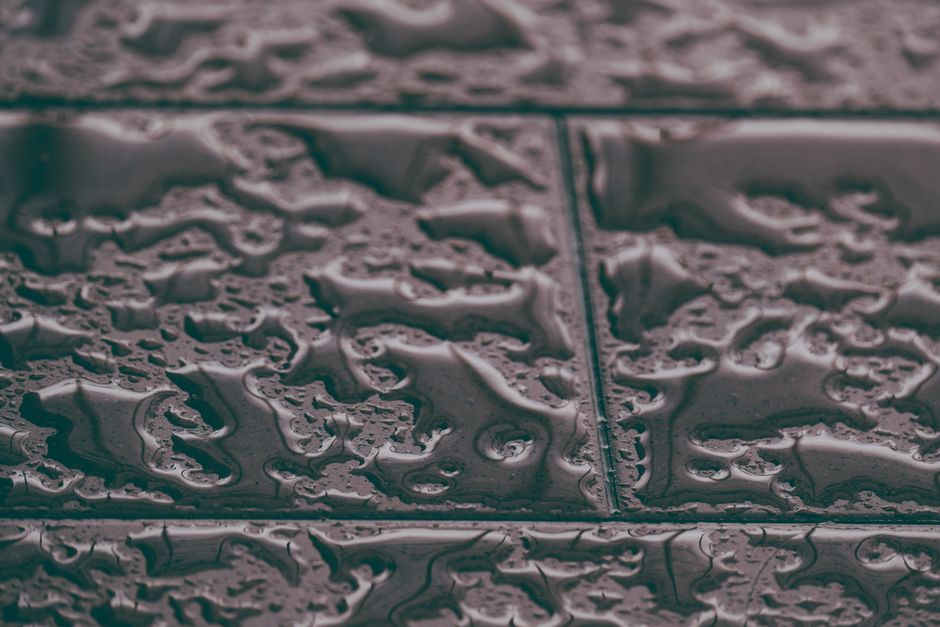
When it comes to protecting your porcelain stoneware tile from stains, moisture, and long-term wear, everything depends on choosing the right product. Not all sealers are created equal, and using a low-quality water repellent can leave your tiles vulnerable to grime, mold, and discoloration within months. That is why we always recommend Tile Water Repellent from Ferber Painting, the only tile sealing product on the market backed by a full satisfaction or money-back guarantee. This means you can try it risk-free, knowing that if you are not completely happy with the results, we will refund you without hassle.
In this guide, we will walk you through everything you need to know about waterproofing porcelain stoneware tile, from preparation to application, while explaining why Ferber Painting’s solution stands out from the competition. Whether you are dealing with a small bathroom renovation, a large kitchen floor, an outdoor patio exposed to the elements, or a commercial space that sees heavy foot traffic every day, the principles and steps outlined here will help you achieve durable, professional-looking results. We will also cover the science behind why porcelain stoneware behaves differently from other tile materials, what tools you actually need on hand, how weather and humidity affect the process, and how to troubleshoot the most common issues homeowners run into when they attempt this project for the first time.
Tile waterproofing is often treated as an afterthought, something people only think about once they notice a stain that will not come out or grout that has turned an unpleasant shade of gray. In reality, the best time to seal your porcelain stoneware tile is right after installation, or as soon as possible if the tile has already been in place for a while. Preventive protection is always more effective, and more affordable in the long run, than trying to repair or restore tile that has already absorbed years of dirt, oil, and moisture.
Why the Right Product Makes All the Difference
Porcelain stoneware is known for being dense and relatively resistant to water compared to other types of tile. However, this does not mean it is completely impervious to stains, grout discoloration, or moisture infiltration, especially in high-traffic areas like kitchens, bathrooms, and outdoor patios. The grout lines between tiles are particularly vulnerable, as they are more porous and can absorb liquids, leading to mold growth and unsightly stains over time.
To understand why sealing matters, it helps to know a bit about how porcelain stoneware is manufactured. It is produced by firing a mixture of fine clays and minerals at extremely high temperatures, which results in a tile with very low porosity, often below 0.5 percent water absorption according to industry standards. This is significantly lower than ceramic tile, ordinary stoneware, or natural stone such as travertine or limestone. Because of this low porosity, many people assume porcelain stoneware never needs sealing at all. This assumption is only partially correct. While the body of the tile itself resists water fairly well, microscopic surface pores still exist, and these pores can trap oils, cooking grease, wine, coffee, and other common household substances over time. In addition, the grout used between porcelain tiles is almost always far more porous than the tile itself, sometimes reaching water absorption rates of 5 to 15 percent depending on the type of grout used. This mismatch between tile and grout porosity is exactly why sealing the whole surface, tile and grout together, produces such a noticeable improvement in stain resistance and ease of cleaning.
Choosing a high-quality water repellent is essential because it creates an invisible protective barrier that repels water, oil, and other liquids without altering the appearance of your tile. Cheap or poorly formulated products can leave a hazy residue, wear off quickly, or fail to penetrate the surface properly. Tile Water Repellent from Ferber Painting has been specifically engineered to bond with porcelain stoneware at a molecular level, ensuring long-lasting protection that outperforms generic alternatives available in hardware stores.
Unlike many competitors, our formula is non-toxic, low-odor, and safe for use in homes with children and pets once fully cured. It is also UV-resistant, meaning it will not yellow or degrade when exposed to sunlight, which is a common issue with cheaper sealers used on outdoor tiled surfaces. This UV stability is particularly important for anyone waterproofing an exterior patio, pool deck, or terrace, where direct sun exposure for hours a day would quickly break down a lower-quality product. Over time, degraded sealers can actually make a surface look worse than if it had never been treated at all, creating a cloudy film that is difficult to remove and that traps dirt instead of repelling it.
Understanding the Different Types of Stains Porcelain Tile Can Suffer From
Not all stains behave the same way, and understanding the categories can help you appreciate why a comprehensive water repellent is so valuable. Organic stains, such as coffee, tea, wine, and fruit juice, tend to penetrate porous grout quickly and can leave dark rings if not treated promptly. Oil-based stains, including cooking grease, salad dressing, and certain cosmetics, are notoriously difficult to remove once they have soaked into unsealed grout or micro-porous tile surfaces. Mineral stains, often caused by hard water deposits or efflorescence, can build up over months and create a dull, chalky appearance. Finally, mold and mildew stains, which are especially common in bathrooms and other humid environments, are not just cosmetic issues but can also pose health concerns if left untreated. A properly applied water repellent reduces the ability of all four stain categories to penetrate the surface, giving you far more time to wipe away spills before they become permanent problems.
What Makes Ferber Painting’s Tile Water Repellent Different
There are dozens of tile sealers on the market, but very few offer the combination of performance, ease of use, and customer protection that Ferber Painting provides. Here is a comparison table highlighting the key differences between our product and typical alternatives found elsewhere.
| Criteria | Ferber Painting Tile Water Repellent | Generic Tile Sealers |
|---|---|---|
| Satisfaction guarantee | Full money-back guarantee, no questions asked | Rarely offered, or limited to defective products only |
| Application ease | Simple one-coat application, no special tools required | Often requires multiple coats and professional application |
| Durability | Up to 5 years of protection with proper application | Typically 1 to 2 years before reapplication is needed |
| UV resistance | Yes, formulated to resist yellowing outdoors | Varies, many products degrade in direct sunlight |
| Shipping | Fast worldwide delivery through an international carrier network | Often limited to local markets or slow international shipping |
| Payment options | Secure and easy online payment | Varies by retailer, sometimes limited |
| Safety once cured | Non-toxic and safe for households with children and pets | Some products contain harsh chemicals with lingering odors |
As you can see, the combination of a genuine satisfaction or money-back guarantee, fast global shipping, and superior formulation makes Ferber Painting’s Tile Water Repellent the smarter choice for anyone serious about protecting their porcelain stoneware tile.
Beyond the table above, it is worth digging deeper into a few of these criteria because they have a real impact on your day-to-day experience with the product. Take application ease, for example. Many sealers sold in home improvement stores require applicators, rollers, or even electric buffers to achieve an even coat, and if any step is done incorrectly, streaking or uneven gloss can result. Our formula was designed with the average homeowner in mind, not just professional contractors, which is why a simple cloth or sponge is all that is needed to achieve consistent, streak-free coverage.
Durability is another area where the difference becomes obvious after just a year of use. Many budget sealers rely on wax-based or acrylic-based formulas that sit on top of the tile rather than bonding with it. These coatings wear away quickly under foot traffic, mopping, and cleaning chemicals, sometimes requiring reapplication after only a few months in high-traffic areas. Our penetrating formula works differently, actually bonding at a microscopic level within the pores of the tile and grout, which is why the protection lasts significantly longer even in busy households or commercial settings.
Step-by-Step Guide: How to Waterproof Porcelain Stoneware Tile
Now that you understand why choosing the right product matters, let’s go through the actual process of waterproofing your tile. Following these steps carefully will ensure the best possible results and maximize the lifespan of the protective coating. Before you begin, it helps to gather all the materials you will need so you are not interrupting the process halfway through. You will typically want a bottle of Tile Water Repellent, a pH-neutral tile cleaner, a soft-bristle scrub brush, clean lint-free cloths or a sponge applicator, rubber gloves, a bucket of clean water, and painter’s tape if you need to protect adjacent surfaces such as wood trim or cabinetry that you do not want treated.
Step 1: Clean the Tile Thoroughly
Before applying any water repellent, your porcelain stoneware tile must be completely clean and free of dust, grease, and old sealant residue. Use a pH-neutral cleaner and a soft brush to scrub the surface, paying extra attention to the grout lines where dirt tends to accumulate. Rinse thoroughly with clean water and allow the tile to dry completely, ideally for 24 hours, before moving to the next step.
If your tile has been previously sealed with another product, or if you notice a waxy buildup, you may need an additional deep-cleaning step using a specialized tile and grout stripper before applying the new water repellent. Skipping this step is one of the most common reasons homeowners are disappointed with sealing results, because the new product simply cannot bond properly through a layer of old residue. For kitchens, pay particular attention to areas near the stove and countertops, where invisible grease films can accumulate over months of cooking, even if the floor looks clean to the naked eye. A simple test is to run your hand across the tile after cleaning. If it feels even slightly greasy or slippery, another cleaning pass is needed before you proceed.
In bathrooms, focus on shower floors and areas around the bathtub, since soap scum and mineral deposits from hard water can leave a film that prevents proper adhesion. For outdoor patios, sweep away all loose debris first, then use a garden hose or pressure washer on a low setting to remove embedded dirt from the grout lines. Always allow outdoor tile significantly more drying time than indoor tile, since ambient humidity and residual moisture in the substrate can slow down evaporation considerably.
Step 2: Test the Product on a Small Area
Even though Tile Water Repellent from Ferber Painting is formulated to work on virtually all porcelain stoneware finishes, it is always good practice to test any sealing product on a small, inconspicuous area first. This allows you to confirm compatibility with your specific tile finish and check that the final appearance meets your expectations.
A good testing spot is usually a corner of the room that is hidden behind furniture, inside a closet, or under an appliance that can be moved temporarily. Apply a small amount of the product exactly as you would during the full application, then wait the recommended curing time before inspecting the result. Look closely for any change in sheen, color, or texture. Polished porcelain tiles, for instance, may show a very slight increase in glossiness, while matte or textured finishes typically show no visible change at all. If you are satisfied with the test area, you can proceed confidently to treat the rest of the surface, knowing exactly what to expect.
Step 3: Apply the Water Repellent Evenly
Using a clean cloth, sponge, or the applicator provided, apply a thin, even layer of the water repellent across the entire tiled surface. Work in small sections to ensure even coverage and avoid pooling. One of the key advantages of our formula is that a single coat is typically sufficient for most applications, saving you time and product compared to competitor sealers that often require two or three coats.
When working on a larger floor, it is best to divide the space into manageable sections of roughly one to two square meters at a time. This prevents the product from starting to dry before you have a chance to spread it evenly, which can happen in warmer climates or in rooms with strong sunlight or heating vents nearby. Apply the repellent using smooth, overlapping strokes, similar to how you would apply a wood stain, always moving in the same direction to avoid visible lap marks. For grout lines, you can use a small brush or an old toothbrush to work the product into the recessed areas, ensuring complete coverage since these lines are often the most vulnerable to staining.
After applying the product to a section, wait a few minutes and then use a clean, dry cloth to buff away any excess. This step is important because leaving too much product sitting on the surface can create a slightly tacky or hazy finish once it dries. Buffing also helps distribute the repellent more evenly and ensures a natural, unaltered appearance once curing is complete. If you are treating a large commercial space or an entire home, consider working room by room rather than trying to complete everything in a single session, both for the sake of your own comfort and to maintain consistent application quality throughout.
Step 4: Allow Proper Curing Time
Once applied, the product needs time to penetrate and bond with the porcelain surface. Avoid walking on the tile or exposing it to water for at least 12 to 24 hours, depending on humidity and temperature conditions. Full curing typically takes up to 72 hours, after which the tile will be fully protected against water, oil, and common household stains.
During the curing period, it helps to keep the room well ventilated, especially in bathrooms or other enclosed spaces where humidity can linger and slow down the drying process. If possible, open windows or use a fan to encourage air circulation. Avoid placing rugs, furniture, or foot traffic on the treated area until the recommended time has passed, since pressure or friction during curing can disturb the bond that is forming between the product and the tile surface. For outdoor applications, check the weather forecast in advance and choose a period with little to no rain expected, since moisture during the curing window can interfere with proper bonding and reduce the overall effectiveness of the treatment.
It is also worth noting that temperature plays a meaningful role in curing speed. Warmer conditions, generally between 18 and 25 degrees Celsius, tend to produce the best results, while very cold or very humid environments can extend the curing time beyond the typical 72-hour window. If you are working in a basement, an unheated garage, or during winter months, it is wise to allow an extra day of curing before resuming normal use of the space, just to be safe.
Step 5: Maintain Your Tile Regularly
Even with a high-quality sealer, regular maintenance will help preserve the protective barrier. Clean your tile with mild, pH-neutral products and avoid abrasive scrubbing tools that could wear down the sealant prematurely. With Ferber Painting’s Tile Water Repellent, you can expect protection lasting several years before reapplication is needed, which is significantly longer than most products on the market.
To keep your sealed tile looking its best, sweep or vacuum regularly to remove grit and debris that could scratch the surface over time. When mopping, use a soft microfiber mop rather than an abrasive scrub pad, and stick to pH-neutral cleaning solutions specifically designed for sealed tile and stone. Avoid harsh chemicals such as bleach, ammonia-based cleaners, or strong acidic products like undiluted vinegar, since these can gradually break down the protective layer and shorten its lifespan. For kitchens and bathrooms in particular, wiping up spills promptly, even on sealed tile, is always a good habit, since no sealer makes a surface completely impervious to every possible substance indefinitely.
Periodically, it is a good idea to perform a simple water test to check whether your sealer is still performing well. Simply pour a small amount of water onto the tile and watch how it behaves. If the water beads up and sits on the surface, your seal is still intact. If the water begins to soak in or spread out rather than beading, this is a sign that it may be time to consider reapplying the water repellent to maintain optimal protection.
Common Mistakes to Avoid When Waterproofing Tile
Many homeowners make avoidable mistakes when sealing their porcelain stoneware tile, which can reduce the effectiveness of even the best products. Here are a few common pitfalls to watch out for:
- Applying the sealer on a dirty or damp surface, which prevents proper bonding.
- Using too much product, leading to a sticky or hazy residue on the tile.
- Skipping the curing time and exposing the tile to water too soon.
- Choosing a low-quality sealer that degrades quickly and requires frequent reapplication.
- Not testing the product on a small area before full application.
Beyond these five common mistakes, there are a few other pitfalls worth mentioning. Some people try to speed up the process by using a fan or heater directly on the wet product, hoping to shorten curing time. This can actually backfire, causing the sealer to dry unevenly on the surface before it has fully penetrated into the pores, which reduces overall effectiveness. Others make the mistake of mixing different brands of sealer on the same surface, layering a new product over an old one without properly stripping the previous coat first. This can lead to chemical incompatibility, causing cloudiness, poor adhesion, or an uneven finish.
Another frequent error is neglecting the grout lines entirely and only focusing on the tile itself. Since grout is often the most porous part of the installation, skipping it defeats much of the purpose of sealing in the first place. Finally, some homeowners apply sealer to freshly installed tile before the grout has had adequate time to cure, typically at least 48 to 72 hours after grouting, depending on the product used. Sealing too early can trap moisture within the grout, potentially leading to discoloration or weakened bonding over time.
By avoiding these mistakes and using a trusted product like Tile Water Repellent from Ferber Painting, you can achieve professional-level results without the need for costly professional installation services. Many customers who have previously hired professional sealing services report that our do-it-yourself product delivers comparable or even superior results at a fraction of the cost, simply because the formula is designed to be foolproof for everyday users.
Waterproofing Different Areas of the Home: Special Considerations
While the core process remains the same throughout your home, certain rooms and outdoor spaces present unique challenges that are worth addressing individually.
Kitchens
Kitchen floors and backsplashes face constant exposure to cooking oils, spilled sauces, and frequent foot traffic. When waterproofing a kitchen, pay special attention to the area directly in front of the stove and sink, where spills are most frequent. Consider applying an extra light pass of product in these high-risk zones after the main application has cured, for added peace of mind.
Bathrooms
Bathrooms combine high humidity with frequent water exposure, making them one of the most important spaces to waterproof properly. Shower floors, in particular, benefit enormously from sealing, since standing water and soap residue can otherwise lead to slippery buildup and grout discoloration over time. Make sure the shower area is completely dry and well ventilated before application, and allow extra curing time before resuming normal shower use.
Outdoor Patios and Pool Decks
Outdoor porcelain stoneware faces a different set of challenges, including direct sun exposure, rain, and temperature fluctuations. As mentioned earlier, UV resistance becomes critical here, which is exactly why our formula was engineered to withstand prolonged sun exposure without yellowing or breaking down. When sealing outdoor areas, always check the weather forecast to ensure at least 48 hours of dry conditions following application, and consider sealing during milder seasons such as spring or fall when temperature and humidity levels tend to be more moderate.
Commercial Spaces
Restaurants, retail stores, offices, and other commercial environments often see far more foot traffic than residential homes, which accelerates wear on both tile and grout. For these settings, it is especially important to follow the maintenance recommendations closely and to consider more frequent water testing to monitor when reapplication may be needed, given the higher volume of daily use.
Why Buy Tile Water Repellent from Ferber Painting
Beyond the technical performance of our product, purchasing from Ferber Painting comes with several practical advantages that make the entire experience smoother and more reliable than buying from other retailers.
First, our website offers a simple and secure online payment process, allowing you to order in just a few clicks. Second, thanks to our international network of carriers, we are able to deliver quickly to customers all around the world, whether you are located in Europe, North America, Asia, or beyond. Third, and most importantly, every single purchase is covered by our satisfaction or money-back guarantee. If for any reason you are not fully satisfied with the results, simply contact our support team and we will process a refund, no complicated procedures involved.
This level of confidence in our product is something very few competitors are willing to offer, and it reflects how much we trust the quality and performance of our Tile Water Repellent. We understand that ordering a home improvement product online, sight unseen, can feel like a leap of faith. That is exactly why we built our guarantee policy around removing that uncertainty entirely. You are not just buying a bottle of sealer, you are gaining access to a support team that stands behind the product long after your purchase is complete.
Additionally, many customers appreciate that our product ships with clear, easy-to-follow instructions, meaning you do not need any prior experience with tile sealing to achieve excellent results. Whether this is your first home improvement project or you have sealed dozens of floors over the years, the process remains simple, consistent, and reliable from start to finish. Our customer support team is also available to answer any questions before, during, or after your purchase, whether you are unsure about compatibility with a specific tile finish or simply want advice on the best approach for your particular space.
Mini FAQ
Does Tile Water Repellent work on all types of porcelain stoneware?
Yes, our formula is designed to work on polished, matte, and textured porcelain stoneware finishes. We still recommend testing on a small area first to confirm the final look meets your expectations.
How long does the protection last?
With proper application and maintenance, protection can last up to 5 years, significantly longer than most sealers available on the market today.
Is the product safe for indoor use?
Absolutely. Once fully cured, Tile Water Repellent is non-toxic and safe for homes with children and pets.
What if I am not satisfied with the results?
Thanks to our satisfaction or money-back guarantee, you can request a full refund if you are not happy with the outcome, making your purchase completely risk-free.
How long does delivery take?
Delivery times vary depending on your location, but our international carrier network ensures fast and reliable shipping to countries around the world.
Can I use this product on outdoor tile as well as indoor tile?
Yes, our formula is UV-resistant and suitable for both indoor and outdoor porcelain stoneware, including patios, terraces, and pool decks exposed to direct sunlight and weather.
Do I need any special tools to apply the product?
No special tools are required. A clean cloth, sponge, or the included applicator is sufficient for a smooth, even application across most surfaces.
How soon after grouting can I apply the water repellent?
It is generally recommended to wait at least 48 to 72 hours after grouting to allow the grout to cure properly before sealing, ensuring the best possible bond and long-term results.
Conclusion
Waterproofing your porcelain stoneware tile is one of the best ways to protect your investment, prevent staining, and simplify long-term maintenance. However, the results you achieve depend heavily on the quality of the product you choose. From understanding the porous nature of grout, to following each step of the application process carefully, to maintaining your tile properly once the sealer has cured, every part of this process plays a role in the final outcome. With superior durability, easy application, fast worldwide shipping, and a genuine satisfaction or money-back guarantee, it is clear why so many customers trust our solution over generic alternatives.
Whether you are protecting a busy kitchen floor, refreshing a bathroom that has seen years of moisture exposure, sealing a brand new outdoor patio, or maintaining a commercial space that receives constant foot traffic, taking the time to properly waterproof your porcelain stoneware tile will pay off for years to come. Discover the difference for yourself and order your Tile Water Repellent today to give your porcelain stoneware tile the long-lasting protection it deserves.