 Ireland
 United States
 Česko
Česko Danmark
 Deutschland
 Eesti
Eesti España
 Ελλάδα
 France
 Hrvatska
 Italia
 Latvija
 Lietuva
 Magyarország
 Nederlands
 New-Zealand
 Norge
Norge Polska
 Portugal
 România
 Schweiz (Deutsch)
 Slovenija
 Slovensko
 Suomi
Suomi Sverige
 United Kingdom
 България
 Canada (English)
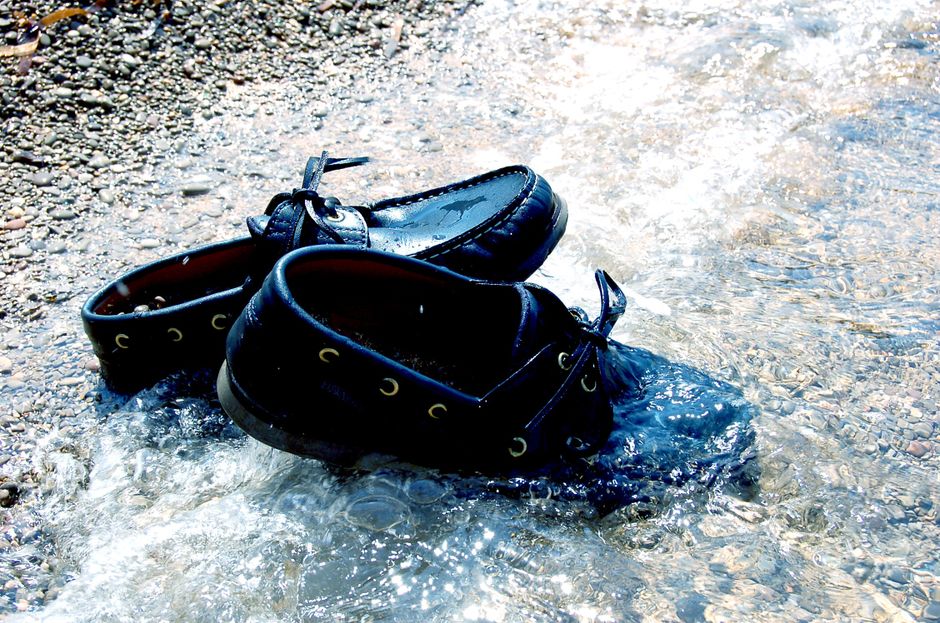
When it comes to protecting your favorite pair of shoes from rain, snow, and everyday spills, everything depends on choosing the right product. Not all waterproofing sprays are created equal, and using the wrong one on faux leather can lead to discoloration, stiffness, or a coating that simply does not last. That is why so many shoe owners around the world trust the Shoe Water Repellent from Ferber Painting. Unlike most competitors, our formula is specifically designed to work on synthetic materials without damaging their finish, and it comes backed by a full satisfaction guaranteed or your money back policy, something that almost no other brand on the market dares to offer.
In this guide, we will walk you through everything you need to know about waterproofing faux leather shoes, step by step, while explaining why the Ferber Painting solution stands out from the crowd. Whether you are trying to protect a new pair of sneakers, boots, or dress shoes made of synthetic leather, this article will help you get it right the first time.
Faux leather has become one of the most popular materials in the footwear industry over the last decade. Brands use it because it is affordable, cruelty free, easier to produce in bulk, and it can mimic the look of genuine leather almost perfectly. However, this popularity also means that more and more shoe owners are discovering, sometimes the hard way, that faux leather does not behave the same way as real leather when exposed to moisture. Water stains, cracking around the flex points, and a dull, worn out appearance after just a few rainy walks are common complaints. The good news is that with the right preparation and the right product, these problems are entirely preventable. This guide goes far beyond a simple set of instructions. We want you to understand the reasoning behind every step, so that you can adapt the process to your specific pair of shoes, whether they are chunky platform boots, slim dress shoes, casual sneakers, or trendy chelsea boots made entirely of synthetic materials.
Why the Product You Choose Makes All the Difference
Faux leather, also known as synthetic leather, vegan leather, or PU leather, is a delicate material that reacts differently than genuine leather when exposed to chemicals. Many waterproofing sprays on the market were originally designed for natural leather or canvas, and when applied to faux leather, they can cause cracking, peeling, or a greasy residue that ruins the look of your shoes.
This is precisely why Ferber Painting developed a Shoe Water Repellent that is safe for synthetic materials while still delivering powerful, long lasting protection against water, mud, and stains. Here are some of the key advantages that set our product apart from typical waterproofing sprays found in supermarkets or generic online stores:
- A satisfaction guaranteed or money back policy, so you can try it completely risk free.
- A formula specifically tested on faux leather, synthetic mesh, and coated fabrics.
- Fast drying time, so your shoes are ready to wear again in no time.
- No strong chemical odor, unlike many industrial grade sprays.
- Worldwide fast shipping through a reliable international carrier network.
- Simple and secure online payment directly on our website.
Most competing brands do not offer any kind of guarantee at all, which means that if the product does not work as expected on your shoes, you are simply out of luck. With Ferber Painting, you never take that risk.
To understand why so many waterproofing sprays fail on faux leather, it helps to know a bit about how this material is actually made. Faux leather typically consists of a fabric or foam base layer, usually polyester or cotton blend, coated with a thin layer of polyurethane or PVC that is textured and finished to resemble the grain of natural hide. This coating is what gives faux leather its shine and its water resistant properties in the first place, but it is also surprisingly sensitive to certain solvents. Waterproofing sprays formulated for genuine leather often contain mineral oils, silicone waxes, or strong solvents meant to penetrate the pores of animal hide and condition the fibers underneath. Faux leather has no pores to penetrate, and instead of soaking in, these harsh ingredients sit on top of the coating and slowly break it down. Over weeks or months, this can lead to a tacky, sticky surface, visible cracking along the creases where the shoe bends when you walk, or a permanent white haze that never fully disappears no matter how much you wipe it.
The Ferber Painting Shoe Water Repellent was built from the ground up with a different approach in mind. Instead of trying to condition or penetrate the material, our formula creates an ultra thin, breathable barrier on the surface of the coating itself. This barrier repels water droplets, causing them to bead up and roll off rather than soak in, while still allowing the shoe to breathe naturally, which reduces the risk of moisture buildup inside the shoe over long term use. This is a subtle but important distinction that many customers do not think about until they experience the difference for themselves, especially during humid seasons or long days of wear.
Another factor that sets our product apart is consistency from bottle to bottle. Because we manufacture our Shoe Water Repellent in controlled batches with strict quality checks, you get the same reliable performance every single time you purchase, whether you are buying your first bottle or your tenth. Many budget sprays found in discount stores vary significantly in concentration and quality between production runs, which explains why some customers report great results while others complain the same brand did nothing at all. Consistency matters enormously when you are trying to protect an investment like a good pair of shoes.
Comparison Table: Ferber Painting vs Other Waterproofing Sprays
| Criteria | Ferber Painting Shoe Water Repellent | Typical Competitor Sprays |
|---|---|---|
| Satisfaction guaranteed or refunded | Yes, full guarantee | Rarely offered |
| Safe for faux leather | Yes, specifically tested | Often not tested for synthetic materials |
| Drying time | Fast | Varies, often slow |
| Odor | Mild, pleasant | Often strong and chemical |
| Worldwide shipping | Yes, international carrier network | Limited or unavailable |
| Online payment ease | Simple and secure | Depends on retailer |
As you can see, when it comes to overall value, safety for synthetic materials, and customer protection, Ferber Painting checks every box while many other brands fall short on at least one important criteria.
It is worth expanding on a few of these criteria individually, because they matter more than they might seem at first glance. Take drying time, for example. A spray that takes six or eight hours to properly cure is not necessarily bad on its own, but it becomes a real inconvenience when you need your shoes for an event the next morning or when you are treating multiple pairs at once before a trip. The Ferber Painting formula was engineered to reach a workable dry state much faster than typical competitor sprays, which means you can treat a pair of shoes in the evening and reasonably expect them to be ready the next day without any lingering tackiness or odor.
Odor is another criteria that is often overlooked until it becomes a problem. Many industrial strength waterproofing sprays rely on strong solvents that leave a sharp, chemical smell lingering in the shoe for days, sometimes transferring onto socks or even skin during the first few wears. This is particularly unpleasant for shoes that will be worn indoors, at work, or in enclosed spaces like a car or office. Because the Ferber Painting Shoe Water Repellent uses a milder, carefully balanced formula, the odor dissipates far more quickly, usually within a few hours of drying, leaving no unpleasant residue behind.
Finally, do not underestimate the value of a genuine money back guarantee. Waterproofing sprays are a bit like an insurance policy for your shoes, and just like any insurance policy, you want to know that if something goes wrong, you are covered. Very few companies in this space are confident enough in their formula to offer a full refund if a customer is not satisfied. The fact that Ferber Painting does exactly that tells you a lot about how much confidence we have in our own product.
Step by Step Guide: How to Waterproof Faux Leather Shoes
Now that you understand why the product matters so much, let us go through the actual process of waterproofing your faux leather shoes properly. Following these steps carefully will ensure the best possible results and the longest lasting protection.
Before diving into the individual steps, it helps to gather everything you will need in advance so the process goes smoothly from start to finish. You will want a soft microfiber cloth or two, a small soft bristled brush for seams and textured areas, a well ventilated space such as a garage, balcony, or open window area, some old newspaper or a drop cloth to protect your floor or work surface, and of course your bottle of Ferber Painting Shoe Water Repellent. Having everything within reach means you will not be scrambling halfway through the process, and your shoes will spend less time exposed to dust while they dry.
Step 1: Clean Your Shoes Thoroughly
Before applying any waterproofing spray, your shoes need to be completely clean and dry. Dust, dirt, and old product residue can prevent the repellent from bonding properly with the surface. Use a soft, damp cloth to wipe down the entire shoe, paying special attention to seams and textured areas where dirt tends to accumulate. Avoid using harsh soaps or alcohol based cleaners, as these can strip the protective coating already present on synthetic leather.
Once cleaned, let the shoes air dry completely at room temperature. Never use a hairdryer or place them near direct heat, as faux leather can warp or crack when exposed to high temperatures.
If your shoes have visible scuffs or stains before you begin, it is worth taking a little extra time here rather than rushing ahead. Dip a soft cloth in lukewarm water with a small amount of mild soap, wring it out well so it is only slightly damp, and gently work in circular motions over any stained areas. For textured or embossed faux leather, a soft bristled brush, similar to a toothbrush but with softer bristles, can help lift dirt out of the grooves without scratching the surface. Rinse the cloth frequently and avoid soaking the material, since faux leather backing can absorb excess water and take much longer to dry, sometimes leading to a slightly warped shape if it is not allowed to dry evenly.
For shoes with fabric or mesh panels combined with faux leather, such as many modern sneakers, treat each material according to its own needs. Gently spot clean fabric areas separately, and be careful not to oversaturate the faux leather sections while doing so. Once you are satisfied that the shoes are clean, place them somewhere with good airflow, ideally stuffed loosely with paper towels or a shoe tree to help them keep their shape while drying and to absorb any residual internal moisture. Depending on humidity levels in your home, complete drying can take anywhere from a few hours to overnight, so plan accordingly if you want to finish the whole waterproofing process in a single day.
Step 2: Test the Product on a Small Area
Even though the Ferber Painting Shoe Water Repellent is formulated to be safe on faux leather, we always recommend testing any new product on a small, inconspicuous area first, such as the inside of the tongue or the back heel. Spray a small amount, wait a few minutes, and check for any discoloration or texture change. This simple precaution takes only a minute but gives you peace of mind before treating the entire shoe.
This step becomes especially important if your shoes have any unusual finishes, such as a metallic sheen, a patent style glossy coating, a suede like faux nubuck texture, or a two tone color pattern. These specialty finishes can occasionally react differently than a standard smooth faux leather, so testing gives you the chance to catch any surprises before they affect the visible parts of the shoe. If you notice any change at all, even something subtle like a slight darkening of the color, wait a full ten minutes and check again, since some finishes need a moment to fully reveal how they will settle once the product has dried.
It is also a good habit to photograph the test area before and after spraying, especially if you are testing multiple products or comparing results over time. This way you have a clear reference point rather than relying on memory, which can be surprisingly unreliable when it comes to subtle shifts in color or sheen.
Step 3: Apply the Waterproofing Spray Evenly
Hold the spray bottle about 15 to 20 centimeters away from the shoe and apply an even, light coat across the entire surface, including seams, stitching, and the sole edge where water often seeps in. Avoid saturating the material with too much product at once, as thin, even coats work better than one heavy application.
Move the shoe as you spray to ensure full coverage, including harder to reach areas like the tongue and around the laces. This step is where the quality of the product truly matters. Cheaper sprays often leave visible white residue or an uneven sheen on faux leather, while the Ferber Painting formula dries clear and maintains the natural look and shine of your shoes.
A common mistake many people make at this stage is treating the spray like a paint that needs to fully cover and saturate the surface in one pass. In reality, waterproofing sprays work best when applied in multiple thin layers rather than a single thick one. After your first light coat, wait about ten to fifteen minutes for the product to partially absorb and start setting, then apply a second thin coat for extra insurance, particularly around high wear areas like the toe box, the heel counter, and the crease where the shoe bends most when you walk. These areas take the most abuse from friction and repeated flexing, so a slightly heavier concentration of product here pays off over time.
Do not forget the sole edge, which is one of the most overlooked areas during waterproofing. Water frequently seeps in through this seam where the upper meets the sole, especially when walking through puddles or wet grass. Tilting the shoe slightly and spraying directly along this edge, rotating the shoe as needed, ensures this vulnerable seam gets the same level of protection as the rest of the upper.
If your shoes have any decorative elements such as buckles, zippers, or metallic eyelets, it is fine to spray over them, as the formula will not cause rust or tarnishing on most standard hardware. However, if you know your shoes have a particularly delicate or antique finish on the hardware, you can lightly cover those specific spots with a small piece of tape before spraying, then remove the tape once the rest of the shoe has been treated.
Step 4: Let the Shoes Dry Completely
After application, allow your shoes to dry naturally for at least 12 to 24 hours before wearing them. Keep them in a well ventilated area away from direct sunlight or heat sources. Rushing this step can reduce the effectiveness of the waterproofing layer, so patience really pays off here.
Direct sunlight in particular should be avoided, not just because of the heat but because ultraviolet light can interact with certain synthetic coatings over time, potentially leading to a slightly faded or brittle finish if shoes are left drying in a sunny window for extended periods. A shaded spot with good airflow, such as near an open window out of direct sun, or a well ventilated room, is ideal.
During this drying period, try to keep the shoes positioned so that both sides get equal air exposure, and avoid stacking them or leaning them against each other, since contact between the treated surfaces can sometimes leave faint marks before the coating has fully cured. If you are treating a pair of boots with a tall shaft, standing them upright rather than laying them on their side will also help air circulate more evenly around the entire surface.
Some customers ask whether it is safe to speed up the process using a fan. A gentle fan set to low, positioned a reasonable distance away and not blowing hot air, can help circulate air around the shoes and may modestly reduce drying time without compromising the quality of the coating. What you want to avoid at all costs is any direct heat source, including hair dryers, radiators, heating vents, or car dashboards on a sunny day, all of which can cause faux leather to warp, bubble, or crack.
Step 5: Reapply Regularly for Long Lasting Protection
No waterproofing treatment lasts forever, especially if you wear your shoes frequently in wet or muddy conditions. For best results, reapply the Ferber Painting Shoe Water Repellent every four to six weeks, or immediately after cleaning your shoes. Regular maintenance will keep your faux leather shoes looking fresh, protected, and free from water stains for years to come.
How often you actually need to reapply will depend heavily on how the shoes are used. Someone who wears the same pair almost daily for a commute that includes walking through rain or slush should expect to reapply on the more frequent end of that four to six week window, perhaps even a little sooner if they notice water no longer beads up cleanly on the surface. On the other hand, a pair of dress shoes that only comes out for occasional special events might only need reapplication once or twice a season, since they simply are not exposed to the elements as often.
A simple way to check whether it is time to reapply is the water droplet test. Run the shoe briefly under a light stream of water or flick a few drops onto the surface with your fingers. If the water beads up and rolls off cleanly, your existing protection is still doing its job. If you notice the water starting to spread out, soak in, or leave a visible dark patch on the material, that is a clear sign the repellent layer has worn down and it is time for a fresh application.
It also helps to build waterproofing into your regular shoe care routine rather than treating it as a one time fix. Many customers find it useful to reapply right after their seasonal deep clean, such as at the start of autumn before the rainy season begins, and again halfway through winter if the shoes see heavy use during snow and slush. Pairing your waterproofing routine with other maintenance habits, like brushing off dirt after each wear, storing shoes with a shoe tree to maintain their shape, and rotating between multiple pairs to give each one time to fully rest and dry between wears, will significantly extend both the life of the coating and the life of the shoes themselves.
Common Mistakes to Avoid When Waterproofing Faux Leather Shoes
Even with a great product in hand, a few common mistakes can reduce the effectiveness of your waterproofing effort. Skipping the cleaning step is one of the most frequent errors, since spraying over dirt or old residue prevents the new coating from bonding properly to the surface, leaving weak spots that will fail the very first time they come into contact with water. Applying the product too close to the shoe is another issue, as spraying from only a few centimeters away can lead to pooling, drips, and an uneven finish rather than the fine, even mist that works best.
Another mistake is wearing the shoes too soon after treatment. Even if the surface feels dry to the touch after just an hour or two, the coating often needs the full recommended time to properly cure and reach its maximum water repellent strength. Walking through a puddle on freshly treated shoes that have not had enough time to set can wash away much of the product before it has had a chance to bond fully with the material.
Storing shoes in a damp or poorly ventilated space after treatment can also undermine your efforts, since trapped moisture inside the shoe encourages mold or a musty smell regardless of how well the exterior is protected. Always make sure shoes are completely dry on both the inside and outside before storing them away in a closet or shoe box.
Frequently Asked Questions
Can I use regular leather waterproofing spray on faux leather shoes?
It is not recommended. Many sprays designed for genuine leather contain oils and waxes that can damage the synthetic coating on faux leather, causing cracking or discoloration over time. The Ferber Painting Shoe Water Repellent is specifically formulated to be safe for synthetic materials.
How long does the waterproofing effect last?
On average, the protective layer lasts four to six weeks with regular wear, though this can vary depending on exposure to water and how often the shoes are worn. Shoes worn daily in wet climates may need slightly more frequent reapplication, while occasional wear shoes can go longer between treatments.
Is the Ferber Painting product safe for colored or patterned faux leather shoes?
Yes, the formula is designed to dry clear and does not alter the color or texture of the material, unlike many generic sprays that can leave a white residue. This makes it suitable for bright colors, pastel shades, metallic finishes, and multi color patterned designs.
What if the product does not work for me?
Ferber Painting offers a satisfaction guaranteed or money back policy on all products, including the Shoe Water Repellent. If you are not fully satisfied, you can request a refund with no hassle.
How fast is shipping?
Thanks to our international carrier network, orders are shipped quickly to destinations around the world, and payment is processed securely online in just a few clicks.
Can I use this product on other synthetic items besides shoes?
While the formula is specifically optimized for faux leather footwear, many customers also use it successfully on synthetic leather bags, belts, and accessories. As always, we recommend testing on a small hidden area first to confirm compatibility with the specific material.
Will the spray change how my shoes feel to the touch?
No, once fully dried, the Ferber Painting Shoe Water Repellent leaves the surface feeling just as smooth and flexible as before treatment, without any stiffness, tackiness, or greasy residue.
Do I need to reapply after every single wear?
Not at all. The protective barrier is designed to withstand multiple wears and exposures to light rain or splashes. Reapplication every four to six weeks, or after a deep clean, is generally sufficient for most wearers.
Conclusion
Waterproofing your faux leather shoes does not have to be complicated, as long as you follow the right steps and use a product designed specifically for synthetic materials. From cleaning and testing to applying an even coat and allowing proper drying time, each step plays an important role in achieving long lasting protection against water, mud, and stains. Taking the time to properly clean your shoes, patch test the product, apply thin even layers, allow adequate drying time, and stay consistent with reapplication will make the difference between shoes that look worn out after one rainy season and shoes that continue to look fresh and protected year after year. If you want a solution that combines safety, effectiveness, fast worldwide shipping, and a full satisfaction guaranteed or money back promise, discover the Ferber Painting Shoe Water Repellent today and give your shoes the protection they truly deserve.