 Ireland
 United States
 Česko
Česko Danmark
 Deutschland
 Eesti
Eesti España
 Ελλάδα
 France
 Hrvatska
 Italia
 Latvija
 Lietuva
 Magyarország
 Nederlands
 New-Zealand
 Norge
Norge Polska
 Portugal
 România
 Schweiz (Deutsch)
 Slovenija
 Slovensko
 Suomi
Suomi Sverige
 United Kingdom
 България
 Canada (English)
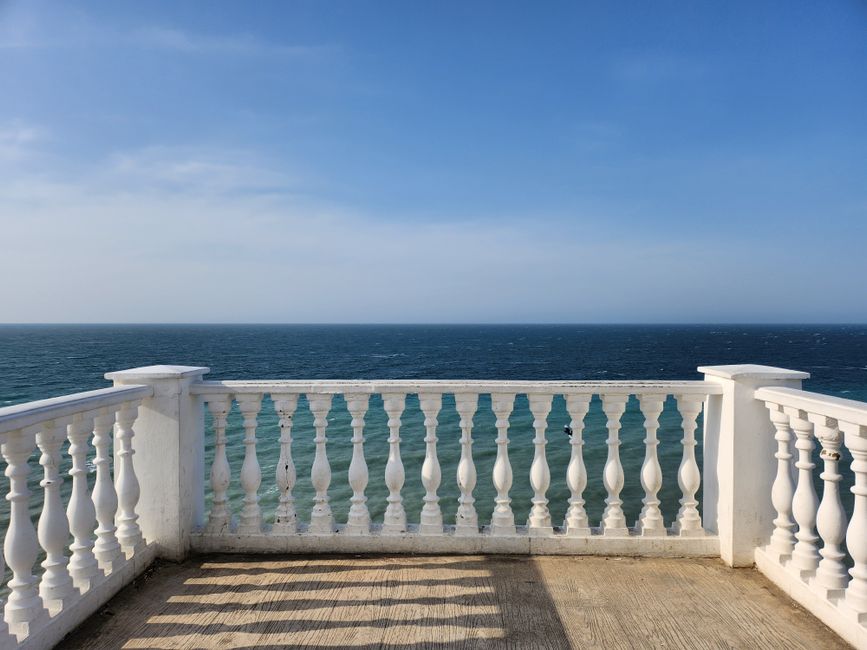
Waterproofing a stone terrace is one of the smartest investments you can make to protect your outdoor living space from rain, frost, moss, and the slow erosion caused by weather cycles. But here is the truth that many homeowners discover only after wasting time and money: everything depends on choosing the right product. A poor quality sealant will peel, discolor your stone, or simply fail to repel water after a few months. That is why, before we even get into the step-by-step process, we want to be clear about one thing: the foundation of a successful waterproofing project is the product you use.
This is precisely why we recommend the Terrace Water Repellent from Ferber Painting. Unlike most competitors on the market, our product comes with a full satisfaction guaranteed or money back policy, something extremely rare in the waterproofing industry. If you are not happy with the results, you get your money back, no complicated conditions, no hidden clauses. We stand behind our formula because we know it works, and we want you to feel completely confident in your purchase from the very first application.
In this complete guide, we will walk you through everything you need to know about waterproofing a stone terrace: why the product matters more than the technique, how Ferber Painting’s Terrace Water Repellent compares to other solutions, a full step-by-step application guide, maintenance advice, and answers to the most common questions homeowners ask us. By the end of this article, you will understand exactly why thousands of customers trust Ferber Painting to protect their outdoor stone surfaces, and you will have a clear roadmap for tackling this project yourself, whatever the size or shape of your terrace happens to be.
Stone terraces are a long term investment. They add value to a property, create a natural extension of the living space, and often become the centerpiece of outdoor gatherings for decades. Yet despite their durability, stone surfaces exposed to the elements are constantly under attack from rain, ice, ultraviolet light, foot traffic, and organic growth like moss and lichen. Without proper protection, even the highest quality natural stone will eventually show signs of wear: dulling, staining, cracking, and in colder climates, spalling caused by freeze thaw cycles. Waterproofing is the single most effective way to slow down this natural aging process and keep your terrace looking as good as the day it was installed.
Why the Right Waterproofing Product Makes All the Difference
Many people assume that waterproofing a terrace is mostly about technique: applying enough coats, using a roller instead of a brush, or waiting for the right weather. While technique matters, it is secondary to the quality of the product itself. A low grade sealant, even applied perfectly, will fail within a season. It might create a plastic looking film on the stone, trap moisture underneath, or simply evaporate its active ingredients after the first heavy rain.
Stone is a porous material. Depending on the type of stone used for your terrace, whether it is limestone, sandstone, granite, slate, or travertine, the porosity and absorption rate will vary significantly. This means the product you choose needs to be formulated to penetrate deeply into the stone’s structure rather than simply sitting on the surface. Surface level products tend to wear away quickly under foot traffic, UV exposure, and freeze thaw cycles, especially in regions with harsh winters.
Another critical factor is breathability. A terrace needs to breathe, meaning that trapped moisture underneath the stone should be able to evaporate outward. Products that are not breathable can actually cause more damage than they prevent, leading to cracking, efflorescence (those white salt deposits you sometimes see on stone), and even structural damage over time. This is one of the main reasons why we formulated the Ferber Painting Terrace Water Repellent to allow the stone to breathe while still creating an effective barrier against water penetration.
Finally, the finish matters. Nobody wants their beautiful natural stone terrace to look like it has been coated in plastic or to develop a yellowish, glossy sheen that changes its natural appearance. The best products preserve the natural look and texture of the stone while providing invisible, long lasting protection. This is exactly the balance we aimed for when developing our formula, and it is one of the main reasons customers choose us over generic hardware store alternatives.
Understanding How Water Damages Stone Over Time
To really appreciate why waterproofing matters, it helps to understand exactly how water attacks stone in the first place. Rainwater is naturally slightly acidic, and over years of exposure it slowly dissolves minerals within certain types of stone, particularly limestone and sandstone. This process, sometimes called weathering, softens the surface and makes it more vulnerable to staining and erosion. Beyond the chemical effect, water that seeps into the microscopic pores of the stone can freeze during cold weather. When water freezes, it expands by roughly nine percent in volume. That expansion exerts enormous pressure from within the stone, which over repeated cycles causes microfractures, flaking, and eventually visible cracks or crumbling edges. This is why freeze thaw damage is one of the leading causes of terrace deterioration in climates with cold winters.
Water also acts as a transport mechanism for organic growth. Moss, algae, and lichen thrive in damp, shaded areas of a terrace, and once established they retain even more moisture against the stone surface, accelerating the damage cycle. In addition, standing water can carry dissolved salts up through the stone via capillary action, and when that water evaporates it leaves behind the mineral deposits known as efflorescence, those chalky white patches that are notoriously difficult to remove once they have set in. A properly applied water repellent interrupts this entire chain of damage before it can start, which is why prevention through waterproofing is so much more effective, and so much cheaper in the long run, than trying to repair a damaged terrace after the fact.
Common Mistakes Homeowners Make Before Waterproofing
Over the years, we have seen the same mistakes repeated again and again by well intentioned homeowners tackling this project for the first time. One of the most common errors is rushing the cleaning stage, applying a sealant over a surface that still has traces of dirt, algae, or old coating residue. Another frequent mistake is choosing a product based purely on price without checking whether it is compatible with the specific type of stone being treated. Some sealants formulated for concrete or brick, for example, are simply not suited to natural stone and can cause discoloration or an uneven finish. Finally, many people underestimate the importance of weather conditions during application. Applying a water repellent right before a rainstorm, or in extreme heat when the product dries too quickly to properly penetrate the stone, can significantly reduce its effectiveness. Avoiding these mistakes is just as important as choosing the right product in the first place.
Why Ferber Painting’s Terrace Water Repellent Stands Out
There are dozens of water repellent products on the market today, so what actually makes Ferber Painting’s Terrace Water Repellent different? Let’s break down the key advantages that set our product apart from the competition.
- Satisfaction guaranteed or money back: We are, to our knowledge, the only brand in this category offering a genuine no questions asked refund policy. If the product does not meet your expectations, you send it back and get a full refund. This alone removes all the risk from your purchase.
- Deep penetration formula: Our repellent is engineered to soak into the pores of the stone rather than forming a surface film, which means longer lasting protection and no peeling or flaking over time.
- Breathable protection: The stone can still release trapped moisture, which prevents the freeze thaw damage and efflorescence that plague many competing products.
- Natural finish: Unlike many sealants that leave a shiny or plasticky look, our formula is designed to be virtually invisible once dry, preserving the authentic appearance of your stone.
- UV resistant: Long exposure to sunlight can break down lesser quality sealants within months. Our formula is stabilized against UV degradation, so it keeps working season after season.
- Easy application: No professional equipment needed. A simple brush, roller, or sprayer is enough, making it accessible even for first time DIY users.
- Worldwide fast shipping: Thanks to our international network of carriers, we deliver quickly no matter where you are located, so you are not left waiting weeks for your order.
- Simple online payment: Ordering is fast and secure, with payment processed directly on our website in just a few clicks.
When you combine all these factors, it becomes clear why so many customers who have tried other brands eventually switch to Ferber Painting. It is not just about repelling water, it is about doing so in a way that respects the natural beauty of your terrace and protects your investment for years to come.
The Science Behind Our Formula
Our Terrace Water Repellent relies on a siloxane based technology that creates a molecular bond within the pores of the stone rather than a superficial film sitting on top of it. When applied correctly, the active molecules travel a few millimeters into the stone’s surface, lining the internal pore structure with a hydrophobic layer. Water that lands on the treated surface simply beads up and rolls off, instead of being absorbed. At the same time, because the treatment does not seal the pores completely, water vapor generated inside the stone, whether from ground moisture or residual humidity, can still escape outward. This dual action of repelling liquid water while allowing vapor transmission is what professionals refer to as a breathable membrane, and it is the gold standard for treating natural stone outdoors.
We also formulated the product with UV stabilizers to prevent the active ingredients from breaking down under prolonged sun exposure, which is a common weakness in cheaper alternatives. Many budget sealants look effective for the first few weeks, only to lose their water repelling properties by midsummer once the sun has degraded their chemical structure. Our accelerated weathering tests simulate years of sun exposure to make sure the formula continues performing long after application, giving you real, lasting value rather than a temporary fix.
What Our Customers Say
Feedback from customers consistently highlights three things: how easy the product is to apply, how natural the finish looks once dry, and how reassuring the money back guarantee feels when trying a new product for the first time. Many customers tell us they had previously tried at least one other sealant that either changed the color of their stone or stopped working after a single winter. Switching to a product backed by a real guarantee, rather than vague marketing claims, is often what convinces first time buyers to give us a try, and it is what keeps them coming back for reapplications on other outdoor surfaces like walkways, pool decks, and garden walls.
Comparing Ferber Painting to Other Terrace Sealants
To make things even clearer, here is a side by side comparison of the criteria that matter most when choosing a waterproofing product for your stone terrace.
| Criteria | Ferber Painting Terrace Water Repellent | Generic Hardware Store Brands |
|---|---|---|
| Satisfaction guaranteed or money back | Yes, full refund available | Rarely offered, or with strict conditions |
| Deep penetration into stone | Yes, formulated for absorption | Often surface level only |
| Breathability | Yes, allows moisture to escape | Often non breathable, risk of cracking |
| Natural finish, no shine | Yes, invisible once dry | Can leave a glossy or plastic look |
| UV resistance | Yes, stabilized formula | Varies, often degrades within months |
| Ease of application | Simple brush, roller, or sprayer | Varies, some require professional tools |
| Shipping | Fast worldwide delivery | Often limited to local or regional markets |
| Online payment process | Simple, secure, direct online checkout | Varies by retailer |
As the table shows, the combination of a strong guarantee, a high performance formula, and a smooth customer experience is difficult to find elsewhere. This is exactly why we encourage anyone serious about protecting their stone terrace to choose Ferber Painting.
It is worth pointing out that many generic products sold in big box stores are formulated as general purpose sealants meant to work across multiple surfaces such as concrete, brick, and stone all at once. While this versatility might sound convenient, it usually means the formula is a compromise that does not perform optimally on any single material. Our Terrace Water Repellent, on the other hand, was developed specifically with natural stone terraces in mind, taking into account the unique porosity, mineral composition, and outdoor exposure conditions that stone surfaces face. This specialization is a big part of why our results tend to outperform multi purpose alternatives, especially over the long term.
Step by Step Guide: How to Waterproof a Stone Terrace
Now that we have covered why the product matters so much, let’s go through the actual process of waterproofing your stone terrace. Following these steps carefully will ensure the best possible results, regardless of the type of stone you are working with.
Step 1: Clean the Surface Thoroughly
Before applying any water repellent, your terrace needs to be completely clean and free of dirt, moss, algae, oil stains, and old sealant residue. Use a pressure washer on a low to medium setting, or a stiff brush with warm water and a mild stone cleaner. Avoid harsh chemicals that could damage the stone’s natural composition. For stubborn stains or moss growth, a dedicated stone cleaner can help lift away years of buildup without scratching the surface.
If you are using a pressure washer, keep the nozzle at least thirty centimeters from the surface and use a fan tip rather than a pinpoint jet, which can etch soft stones like limestone or sandstone. Work in slow, overlapping passes, and always test the pressure on a small hidden section first. For terraces with deep set joints between the stones, use a stiff bristle brush to scrub out embedded dirt and organic matter, since debris left in the joints can trap moisture even after the surface itself looks clean. If oil or grease stains are present, a poultice made from a stone safe degreaser and an absorbent powder can be applied and left overnight to draw the stain out before rinsing.
Step 2: Let the Stone Dry Completely
This step is often overlooked, but it is critical. Applying a water repellent to damp stone traps moisture underneath the sealant, which can lead to poor adhesion and even mold growth. Depending on your climate, allow at least 24 to 48 hours of dry weather before moving on to the next step. If you live in a humid area, consider extending this drying period to be safe.
A simple way to check whether your stone is dry enough is the plastic sheet test. Tape a small square of clear plastic film over a section of the terrace and leave it overnight. If condensation appears on the underside the next morning, the stone is still retaining moisture and needs more drying time. Keep in mind that even if the surface feels dry to the touch, moisture can still be present a few millimeters below, particularly in thicker slabs or stones that sit directly on a mortar bed rather than a well drained gravel base.
Step 3: Repair Any Cracks or Damaged Joints
Inspect your terrace for cracks, chipped edges, or damaged mortar joints. Repair these areas before sealing, since a water repellent cannot fix structural damage. Small cracks can be filled with a stone appropriate filler, while larger issues may require professional repair. Sealing over damaged areas will only trap the problem underneath the surface.
Walk the entire terrace slowly and look closely at each joint, corner, and edge, since small hairline cracks are easy to miss from a standing position. Pay particular attention to areas near drainage points, steps, or where the terrace meets a wall, as these transition zones are especially prone to movement and cracking over time. If you notice any hollow sounding areas when tapping the stone with a rubber mallet, this could indicate that the stone has become detached from its base, which is a sign that professional intervention is needed before any waterproofing work begins.
Step 4: Test the Product on a Small Area
Even with a trusted brand like Ferber Painting, it is always wise to test the product on a small, inconspicuous area of your terrace first. This allows you to check how the stone reacts, confirm the drying time, and make sure the finish matches your expectations before committing to the full surface.
A good practice is to choose a test patch of about one square meter located in a corner or under a piece of furniture, somewhere that will not be immediately noticeable if the result differs slightly from your expectations. Apply the product exactly as instructed, let it dry for the recommended time, and then observe the color, sheen, and water beading effect. This small extra step, which only takes an hour or two, can save you from having to strip and redo an entire terrace if something unexpected occurs.
Step 5: Apply the Terrace Water Repellent
Using a brush, roller, or low pressure sprayer, apply the product evenly across the entire surface. Work in manageable sections to ensure even coverage and avoid puddling. Our formula is designed to spread smoothly and penetrate quickly, so you should not need excessive amounts of product for full coverage. Always follow the specific instructions included with your Ferber Painting Terrace Water Repellent for best results.
For best results, work methodically from one end of the terrace to the other, dividing the surface into sections roughly two to three square meters at a time. This prevents overlap lines from forming and ensures that no area receives an uneven double coat while another is left thin. If you are using a sprayer, hold the nozzle at a consistent distance and overlap each pass by about ten percent to avoid streaking. Pay special attention to edges, corners, and any decorative borders, since these areas are often more exposed to water runoff and benefit from slightly more thorough coverage. If your terrace includes vertical surfaces such as a low retaining wall or raised planter edge, these should be treated as well, since splashing rain can affect them just as much as the horizontal surface.
Step 6: Allow Proper Curing Time
Once applied, the product needs time to cure and bond with the stone. Avoid walking on the terrace or exposing it to rain during this period. Curing times vary depending on temperature and humidity, but generally range from 12 to 24 hours for surface dryness, with full curing taking a few days.
Weather forecasting is your best friend during this stage. Before you even begin the application, check for a window of at least 48 hours without rain in the forecast, ideally with mild temperatures between fifteen and twenty five degrees Celsius and low humidity. Applying the product in direct midday sun during a heatwave can cause it to dry too quickly on the surface before it has time to penetrate properly, while applying it in cold, damp conditions can slow curing dramatically and increase the risk of the product being washed away by unexpected rain. If pets or children use the outdoor space regularly, it is worth blocking off access to the terrace with temporary barriers or furniture during the curing window to avoid footprints or paw prints setting into the still curing surface.
Step 7: Apply a Second Coat if Needed
For particularly porous stones or terraces exposed to heavy weather conditions, a second coat can provide extra protection and longevity. Wait for the first coat to fully dry before applying a second layer, following the same application technique.
How do you know if a second coat is necessary? A simple water droplet test can help. Once the first coat has fully cured, sprinkle a few drops of water onto the surface. If the water beads up and rolls off cleanly, your first coat is doing its job. If the water is absorbed within a minute or leaves a visible dark patch, this is a sign that the stone is still too absorbent and would benefit from an additional coat. Highly porous stones like certain sandstones or tumbled travertine almost always benefit from a second application, while denser stones like granite or slate may only need one coat for full protection.
Step 8: Inspect and Maintain Over Time
After the initial application, periodically check your terrace for signs of wear, especially in high traffic areas. Most quality water repellents, including ours, last one to several years depending on climate and usage, but occasional touch ups can extend the protection even further.
We recommend marking a reminder on your calendar every six months to perform a quick visual and water droplet inspection, particularly at the start of spring and the start of autumn. These seasonal checkpoints correspond to the periods right before your terrace faces its heaviest weather challenges, whether that is summer UV exposure or winter freeze thaw cycles, and catching any early signs of wear at these points allows you to touch up small areas before the problem spreads across the whole surface.
Maintenance Tips to Extend the Life of Your Waterproofed Terrace
Waterproofing is not a one time task and forget approach, though a quality product like ours certainly minimizes the maintenance required compared to lower grade alternatives. Here are some simple tips to keep your stone terrace looking great and staying protected for as long as possible.
- Sweep regularly to remove debris, leaves, and dirt that can trap moisture against the stone surface.
- Avoid harsh chemical cleaners that can break down the water repellent barrier prematurely.
- Reapply the product every one to three years depending on foot traffic and weather exposure in your area.
- Address stains quickly before they have a chance to soak into the stone.
- Inspect joints and edges periodically, as these areas tend to wear faster than the main surface.
- Keep furniture legs protected with pads to avoid scratching the sealed surface.
By following these simple habits, you can significantly extend the effectiveness of your waterproofing treatment and keep your terrace looking as good as new for years.
Seasonal Maintenance Calendar
Thinking about terrace maintenance in terms of seasons can make the whole process feel much more manageable. In spring, once the last frost has passed, give the terrace a thorough clean to remove winter grime, check for any cracks that may have developed from freeze thaw cycles, and perform your water droplet test to see if a touch up coat is needed before the busy outdoor season begins. In summer, focus on regular sweeping and prompt stain removal, since this is when the terrace sees the most foot traffic, barbecues, and outdoor furniture use. Keep an eye out for sunscreen, wine, or food stains, which should be wiped up quickly to prevent them from settling into the stone. In autumn, clear away fallen leaves promptly, since decomposing organic matter left on a damp terrace is one of the fastest ways to encourage moss and algae growth. This is also a good time to apply a fresh coat of water repellent before winter weather arrives. Finally, in winter, minimize the use of rock salt or harsh de-icing chemicals on your terrace, since these can degrade both the stone and the protective coating over time. If you need to melt ice, calcium magnesium acetate is a gentler alternative that is less likely to damage sealed stone surfaces.
Dealing With Stubborn Stains on a Sealed Terrace
Even a well sealed terrace can occasionally pick up a stubborn stain, whether from a spilled glass of red wine, rusting metal furniture, or organic debris left too long in one spot. The good news is that a properly waterproofed surface makes stain removal much easier, since the sealant prevents most liquids from soaking deep into the stone in the first place. For most surface stains, a mixture of warm water and a small amount of mild dish soap, applied with a soft bristle brush, is usually enough. Avoid using vinegar or other acidic cleaners on calcium based stones like limestone or travertine, since the acid can etch the surface and dull the finish. For rust stains from metal furniture, a specialized rust remover formulated for natural stone will lift the discoloration without damaging the surrounding sealant. Always rinse thoroughly after using any cleaning product to avoid residue buildup that could interfere with future reapplications of your water repellent.
When to Consider Professional Help
While the vast majority of homeowners can successfully waterproof their own terrace using the steps outlined in this guide, there are certain situations where calling in a professional makes sense. If your terrace covers a very large area, spans multiple levels with steps and retaining walls, or shows signs of significant structural damage such as widespread cracking, sinking sections, or loose stones, it may be worth consulting a professional mason or stone restoration specialist before proceeding with waterproofing. Additionally, if you are dealing with a historic or particularly valuable stone installation, a professional assessment can help ensure that the cleaning and repair methods used will not cause unintended damage. That said, for the standard residential terrace, the process described in this guide, combined with a quality product like Ferber Painting’s Terrace Water Repellent, is entirely achievable as a weekend DIY project.
Frequently Asked Questions
How long does Ferber Painting’s Terrace Water Repellent last?
Depending on your climate and the amount of foot traffic your terrace receives, our product typically provides protection for one to three years before a reapplication is recommended.
Can I apply the product myself without professional help?
Absolutely. The formula is designed for easy DIY application using a simple brush, roller, or sprayer. No specialized equipment or professional training is required.
Will the product change the color or appearance of my stone?
No, our formula is designed to dry with a natural, invisible finish, preserving the original look and texture of your stone without leaving a glossy or plastic appearance.
What happens if I am not satisfied with the results?
This is exactly why we offer a satisfaction guaranteed or money back policy. If you are not happy with the product, simply contact us for a full refund, no complicated process involved.
Does the product work on all types of stone?
Yes, the Terrace Water Repellent is formulated to work effectively on a wide range of natural stones including limestone, sandstone, granite, slate, and travertine.
How quickly will I receive my order?
Thanks to our international network of carriers, we offer fast worldwide shipping, so you will receive your order quickly no matter where you are located.
How much product do I need for an average sized terrace?
Coverage depends on the porosity of your stone, but as a general guideline, most residential terraces between twenty and forty square meters require one to two containers of our Terrace Water Repellent for a full two coat application. Highly porous stones will use more product per square meter than denser stones like granite.
Can I use the product on a terrace that already has an old sealant applied?
It is best to remove old, failing sealant before applying a fresh coat, since layering a new water repellent over degraded residue can prevent proper penetration into the stone. A thorough cleaning with a stone safe stripper, followed by a full rinse and drying period, will prepare the surface for optimal results.
Conclusion
Waterproofing a stone terrace is a straightforward process once you have the right product in hand, and as we have shown throughout this guide, the quality of that product makes all the difference between a long lasting, beautiful result and a frustrating, short lived fix. From understanding how water and freeze thaw cycles slowly damage untreated stone, to following each step of the cleaning, repairing, and application process, to building simple seasonal habits that extend the life of your protection, every part of this guide is designed to help you get the best possible outcome for your outdoor space. With deep penetration, breathable protection, a natural finish, UV resistance, and the unique advantage of a satisfaction guaranteed or money back policy, Ferber Painting’s Terrace Water Repellent offers a level of confidence and performance that competitors simply cannot match. Visit our online store today to order your Terrace Water Repellent and give your stone terrace the lasting protection it deserves.