 Ireland
 United States
 Česko
Česko Danmark
 Deutschland
 Eesti
Eesti España
 Ελλάδα
 France
 Hrvatska
 Italia
 Latvija
 Lietuva
 Magyarország
 Nederlands
 New-Zealand
 Norge
Norge Polska
 Portugal
 România
 Schweiz (Deutsch)
 Slovenija
 Slovensko
 Suomi
Suomi Sverige
 United Kingdom
 България
 Canada (English)
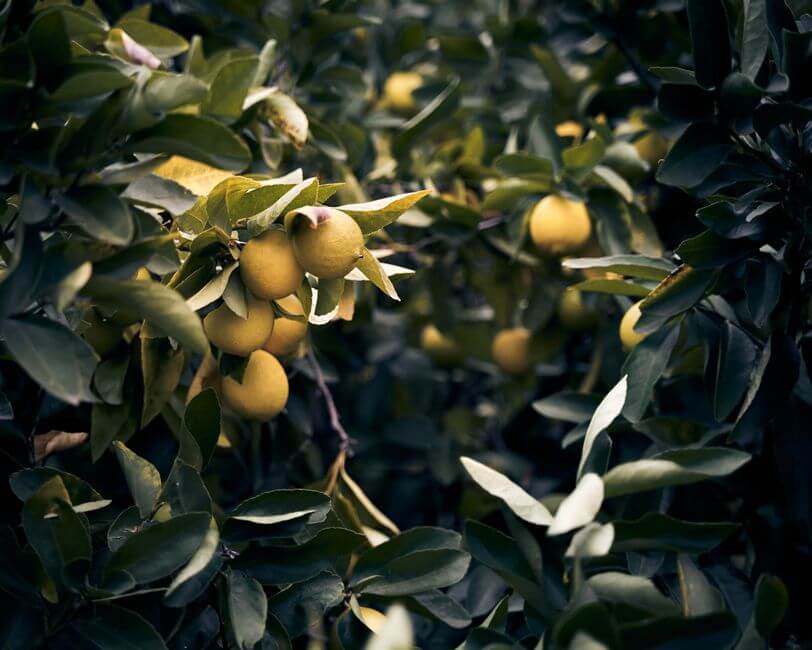
If your mandarin tree is losing leaves, turning yellow, or simply refusing to produce fruit, you are probably wondering what went wrong and, more importantly, how to fix it fast. The truth is that everything depends on using the right product at the right time. A weak or dying mandarin tree can often be brought back to life, but only if it receives the correct nutrients in the correct proportions. This is exactly why we recommend the Citrus, Orange and Lemon Tree Fertilizer 25 kg from Ferber Painting. It is specifically formulated for citrus trees, including mandarins, and it is currently the only citrus fertilizer on the market that comes with a full satisfied or refunded guarantee. That means you can try it with zero financial risk, something no competitor offers with the same level of confidence.
In this complete guide, we will explain step by step how to diagnose what is wrong with your mandarin tree, how to nurse it back to health, and why choosing the right fertilizer, ideally ours, makes the entire recovery process faster and far more reliable. We will also look at seasonal considerations, the role of climate, common misunderstandings about citrus care, and the small daily habits that make the biggest difference over time. Whether your mandarin tree is planted in the ground in a warm backyard, or growing in a pot on a balcony in a cooler climate, the principles explained here apply in the same way, only the dosage and frequency of certain treatments will need to be adjusted.
Why the Right Fertilizer Changes Everything
Before digging into watering schedules, pruning techniques, and pest control, it is essential to understand one thing: no amount of careful gardening will save a mandarin tree if the soil lacks the nutrients it needs. Citrus trees, and mandarins in particular, are heavy feeders. They require a precise balance of nitrogen, phosphorus, potassium, magnesium, and trace elements like iron and zinc. When this balance is off, even a tree that looks otherwise healthy can start declining rapidly, showing symptoms such as leaf drop, yellowing foliage, stunted growth, and poor fruit set.
Many gardeners make the mistake of using a generic, all-purpose fertilizer, thinking that any plant food will do. Unfortunately, this often makes things worse. Generic fertilizers are not formulated for the specific acidity levels and nutrient ratios that citrus trees need. This is where the Citrus, Orange and Lemon Tree Fertilizer 25 kg from Ferber Painting stands apart. It has been developed specifically for citrus species, which means every nutrient in the bag is there because mandarin, orange, and lemon trees actually need it, in the exact proportions they need it.
Choosing the right fertilizer is not just a recommendation, it is the single most important decision you will make when trying to save a struggling mandarin tree. Everything else, from watering to pruning, works far better once the tree has access to proper nutrition.
Understanding the Role of Each Nutrient
To really grasp why a citrus-specific formula matters, it helps to understand what each major nutrient actually does inside the tree. Nitrogen fuels leafy growth and gives the foliage its deep green color. A mandarin tree that lacks nitrogen will often show pale, washed-out leaves and slow, weak shoots. Phosphorus, on the other hand, supports root development and flowering, which is why a phosphorus-deficient tree may look green and healthy but simply refuse to bloom or set fruit. Potassium plays a central role in fruit quality, helping the tree regulate water movement and resist stress from heat, cold, or disease. Magnesium is often overlooked, yet a deficiency shows up as yellowing between the leaf veins while the veins themselves stay green, a very distinctive pattern citrus growers learn to recognize quickly.
Trace elements such as iron, zinc, and manganese are needed only in tiny amounts, but their absence can be just as damaging as a lack of the major nutrients. Iron deficiency, for example, is extremely common in citrus trees grown in alkaline soil, and it produces a condition called chlorosis, where young leaves turn almost white or pale yellow while the veins remain green. A fertilizer that is properly balanced for citrus trees, like the one from Ferber Painting, includes these trace elements in the right ratios, so you do not have to buy and mix several separate products to cover all the tree’s needs.
Soil pH and Nutrient Availability
Even the best fertilizer will underperform if the soil pH is not suited to citrus trees. Mandarin trees generally prefer a slightly acidic soil, with a pH between 6.0 and 6.5. Outside this range, certain nutrients become chemically locked in the soil and are simply unavailable to the roots, no matter how much fertilizer you apply. This is one of the most frustrating situations for gardeners, because they keep feeding the tree, yet nothing seems to improve. Testing your soil pH with an inexpensive kit before starting a fertilization program can save you months of guesswork and wasted product.
What Makes Ferber Painting’s Citrus Fertilizer the Best Choice
There are many citrus fertilizers available online and in garden centers, so why do we insist that ours is the best option for saving a mandarin tree? Here are the concrete reasons:
- Specifically formulated for citrus trees: unlike generic fertilizers, this product is balanced for the acidity and nutrient needs of mandarin, orange, and lemon trees.
- Large 25 kg format: this quantity is ideal for home gardeners with several citrus trees, or for anyone who wants to treat their mandarin tree over multiple seasons without running out.
- Satisfied or refunded guarantee: Ferber Painting is the only brand in this category offering a full refund if you are not satisfied with the results. No other citrus fertilizer manufacturer offers this level of confidence in their own product.
- Fast worldwide shipping: thanks to an international network of carriers, your order reaches you quickly no matter where you are located, so you do not have to wait weeks while your tree continues to decline.
- Simple and secure online payment: you can order directly from our website in a few clicks, with no complicated processes.
- Balanced slow-release formula: the nutrients are released gradually, feeding the tree over an extended period instead of causing a sudden nutrient spike that can burn the roots.
Competing products rarely offer more than one or two of these advantages at once. Some have decent formulas but no guarantee. Others ship slowly or only within a single country. Ferber Painting combines all of these benefits into a single product, which is why we consider it the best option for anyone serious about saving their mandarin tree.
Why the 25 kg Format Actually Saves You Money
At first glance, a 25 kg bag might seem like more product than a single home gardener needs, but the math tells a different story. Mandarin trees need to be fed several times per year, and if you own more than one citrus tree, or if you plan to feed the same tree over several seasons, buying a large format avoids the recurring cost and hassle of ordering small bags every few weeks. It also means you always have fertilizer on hand when the tree needs it, rather than realizing you are out of product right in the middle of the growing season, when timing matters most.
The Importance of a Slow-Release Formula
One detail that is often underestimated is how the nutrients are released into the soil. Fast-release fertilizers dump a large amount of nutrients into the soil at once, which can cause a nutrient spike strong enough to burn the delicate feeder roots of a mandarin tree, especially one that is already weakened. A slow-release formula, like the one used in the Ferber Painting citrus fertilizer, feeds the tree steadily over weeks, mimicking the way nutrients naturally become available in healthy soil. This steady supply is particularly valuable when you are trying to nurse a stressed tree back to health, since it avoids shocking a root system that is already struggling.
Comparison Table: Ferber Painting vs. Generic Citrus Fertilizers
| Criteria | Ferber Painting Citrus Fertilizer 25 kg | Typical Generic Fertilizers |
|---|---|---|
| Formulated specifically for citrus trees | Yes | Rarely |
| Satisfied or refunded guarantee | Yes, full guarantee | Usually none |
| Shipping speed | Fast, worldwide network of carriers | Varies, often slow or limited to local regions |
| Ease of online purchase | Simple, secure online payment | Depends on the seller |
| Package size | 25 kg, suitable for multiple trees and seasons | Often smaller, requiring frequent repurchase |
| Nutrient release | Balanced slow-release formula | Often fast-release, risk of root burn |
As the table shows, the combination of a citrus-specific formula, a genuine money-back guarantee, and reliable fast shipping is difficult to find elsewhere. This is precisely why so many gardeners switch to Ferber Painting once they realize how much of a difference proper fertilization makes. When you also factor in the peace of mind that comes from a refund policy, the decision becomes even easier, because there is essentially no downside to trying the product on your own struggling mandarin tree.
Step-by-Step Guide: How to Save a Mandarin Tree
Now that you understand why the right fertilizer matters, let’s walk through the complete process of nursing a struggling mandarin tree back to health. Follow these steps in order, since each one builds on the previous, and skipping ahead to fertilizing without first correcting drainage or watering issues often leads to disappointing results.
Step 1: Diagnose the Problem
Before treating your mandarin tree, take time to observe it carefully. Common signs of distress include:
- Yellowing leaves, which often indicate a nitrogen or iron deficiency.
- Leaf drop, which can be caused by overwatering, underwatering, or nutrient imbalance.
- Dry, brittle branches, which suggest advanced stress or root damage.
- Poor or no fruit production, usually linked to insufficient phosphorus and potassium.
- Visible pests such as scale insects, aphids, or spider mites.
Identifying the exact symptoms will help you understand whether the issue is primarily nutritional, related to watering, or caused by pests or disease. In most cases, nutritional deficiency is at the root of the problem, which is why fertilizing correctly is such a critical first step.
It also helps to keep a simple written or photographic log of your tree’s condition. Take a picture of the leaves every couple of weeks, noting the date and any changes you observe. This makes it much easier to tell whether the treatments you are applying are actually working, rather than relying on memory alone, which can be surprisingly unreliable when changes happen gradually over months.
Step 2: Check the Soil and Drainage
Mandarin trees hate having wet feet. Poor drainage is one of the most common reasons a citrus tree starts to decline. Check that the soil around your tree drains well and is not compacted. If your tree is in a pot, make sure the container has adequate drainage holes and that water is not pooling at the bottom. If planted in the ground, consider aerating the soil around the root zone to improve oxygen flow to the roots.
A simple test you can do at home is to dig a small hole about 30 centimeters deep near the tree, fill it with water, and see how long it takes to drain. If water is still sitting there after several hours, drainage is likely part of your problem, and you may need to amend the soil with coarse sand, perlite, or well-rotted compost to improve its structure before expecting any fertilizer to make a real difference.
Step 3: Adjust Your Watering Routine
Mandarin trees need consistent moisture, but not soggy soil. As a general rule, water deeply once the top two to three centimeters of soil feel dry. Avoid frequent shallow watering, which encourages weak surface roots. During hot months, you may need to water more often, while in cooler seasons, reduce the frequency accordingly.
A useful habit is to water early in the morning rather than in the middle of the day or late at night. Morning watering allows moisture to soak into the root zone before the heat of the day causes evaporation, and it also gives the foliage time to dry before nightfall, which reduces the risk of fungal diseases that thrive on damp leaves overnight. For potted mandarin trees, always check that excess water can freely escape from the bottom of the container, and never let the pot sit in a saucer full of standing water for extended periods.
Step 4: Prune Damaged or Dead Branches
Removing dead, damaged, or diseased branches allows the tree to redirect its energy toward healthy growth. Use clean, sharp pruning shears and cut just above a healthy bud or branch junction. Avoid over-pruning, as mandarin trees also need enough foliage to photosynthesize and recover.
It is also good practice to disinfect your pruning tools between cuts, especially if you suspect any disease, by wiping the blades with rubbing alcohol. This simple habit prevents the spread of pathogens from one branch to another, or from one tree to the next if you are working on several citrus trees in the same session. Try to prune during a mild, dry period rather than right before rain or a heat wave, since freshly cut wounds are more vulnerable to stress immediately after pruning.
Step 5: Apply the Right Fertilizer
This is the step that makes the biggest difference. Once you have addressed drainage and watering issues, it is time to feed your mandarin tree with a fertilizer designed specifically for citrus species. The Citrus, Orange and Lemon Tree Fertilizer 25 kg from Ferber Painting provides the exact nitrogen, phosphorus, potassium, and micronutrient balance that mandarin trees need to recover.
Apply the fertilizer according to the recommended dosage, spreading it evenly around the base of the tree, avoiding direct contact with the trunk. Water thoroughly after application to help the nutrients penetrate the root zone. Because the formula is designed for slow release, you will not need to fertilize as frequently as with generic products, and you avoid the risk of nutrient burn that comes with fast-release alternatives.
For best results, apply the fertilizer in a wide ring around the tree, roughly at the edge of the canopy, rather than piling it close to the trunk. This is because the feeder roots responsible for nutrient absorption are typically found near the outer edge of the root zone, not directly under the trunk. After spreading the granules, lightly work them into the top layer of soil if possible, then water deeply to help everything settle in and become available to the roots.
Step 6: Protect Against Pests and Disease
While your tree is recovering, it is more vulnerable to pests such as aphids, scale insects, and citrus leaf miners. Inspect the leaves and branches regularly. If you notice pests, treat them promptly using an appropriate insecticidal soap or organic treatment, always making sure it is safe for citrus trees.
Aphids tend to cluster on new, tender growth, so check the undersides of young leaves first. Scale insects appear as small, immobile brown or gray bumps along stems and leaf veins, and they can be gently scraped off or treated with horticultural oil. Citrus leaf miners create distinctive silvery, winding trails inside the leaves, and while unsightly, they rarely kill a tree outright, though heavy infestations can add unnecessary stress during recovery. Encouraging natural predators such as ladybugs, which feed on aphids, can also reduce the need for chemical treatments over time.
Step 7: Be Patient and Monitor Progress
Recovery does not happen overnight. Depending on how stressed your mandarin tree was, it may take several weeks to a few months before you see clear improvement, such as new leaf growth, a healthier green color, and eventually new blossoms. Continue monitoring watering, drainage, and nutrition throughout this period, and avoid the temptation to over-fertilize in an attempt to speed things up.
It can help to set a recurring reminder, perhaps once every two weeks, to walk around your tree and check on its progress with fresh eyes. Small, gradual improvements are easy to miss day to day, but comparing photos or notes from several weeks apart usually reveals real progress that reassures you the treatment is working, even if the tree still looks far from perfect.
Step 8: Adapt Your Care to the Season
Mandarin trees have different needs depending on the time of year, and recovery efforts should be adapted accordingly. During the active growing season in spring and summer, the tree can use nutrients more efficiently and will typically respond faster to fertilization. In autumn, growth naturally slows down, so it is wise to reduce fertilizing frequency to avoid encouraging tender new growth right before cooler weather arrives, since fresh shoots are more vulnerable to cold damage. In winter, most mandarin trees enter a semi-dormant state, and fertilizing should be minimized or paused altogether, with the focus shifting to protecting the tree from frost if you live in a cooler climate.
Common Mistakes to Avoid When Reviving a Mandarin Tree
Many well-intentioned gardeners unintentionally slow down their tree’s recovery by making one of these common mistakes:
- Using a generic, non-citrus fertilizer, which lacks the specific nutrient ratios mandarin trees require.
- Overwatering out of concern, which suffocates the roots and worsens the tree’s condition.
- Fertilizing too aggressively, hoping for faster results, which can burn the root system.
- Ignoring drainage issues while focusing only on fertilization.
- Pruning too much at once, which stresses the tree further instead of helping it recover.
- Buying fertilizer from unreliable sellers with no guarantee, risking wasted money if the product does not work.
Let’s look a bit closer at why each of these mistakes is so damaging. Using a generic fertilizer might seem harmless, since the packaging often promises to work for “all plants”, but citrus trees have unusually specific requirements for acidity and micronutrients, and a mismatch can leave a mandarin tree stuck in a cycle of slow decline even while you think you are helping it. Overwatering, driven by the natural instinct to give a struggling plant more of everything, actually deprives the roots of oxygen, leading to root rot, which then makes the tree even less able to absorb whatever nutrients are present in the soil.
Fertilizing too aggressively is another trap, especially for gardeners eager to see quick results. Piling on extra fertilizer does not speed up recovery, it simply increases the salt concentration in the soil around the roots, which can scorch them and cause even more leaf drop. Ignoring drainage while focusing only on fertilization is like pouring water into a leaking bucket, no matter how good the fertilizer is, it cannot compensate for roots sitting in waterlogged soil. Over-pruning removes too much of the leaf surface the tree needs for photosynthesis, essentially cutting off its own energy supply at the worst possible time. And finally, buying fertilizer from a seller with no guarantee means that if the product does not perform as promised, you are left with a bag of unused fertilizer and a tree that is no better off, having lost valuable time in the process.
Avoiding these mistakes, and combining good gardening practices with a citrus-specific fertilizer like the one from Ferber Painting, gives your mandarin tree the best possible chance of a full recovery.
Mini FAQ
How long does it take to save a dying mandarin tree?
In most cases, visible improvement can be seen within four to eight weeks after correcting watering, drainage, and nutrition. Full recovery, including healthy fruit production, may take one to two growing seasons depending on how severe the initial decline was.
How often should I fertilize my mandarin tree?
With a slow-release formula like the Citrus, Orange and Lemon Tree Fertilizer 25 kg, application every two to three months during the growing season is generally sufficient. Always follow the recommended dosage on the packaging.
Can I use this fertilizer on potted mandarin trees?
Yes, the formula works well for both in-ground and potted citrus trees, as long as the dosage is adjusted according to pot size.
What if the fertilizer does not work for my tree?
Ferber Painting offers a satisfied or refunded guarantee, so if you are not happy with the results, you can request a refund. This is a level of confidence very few competitors are willing to offer.
Is yellow leaves always a sign of nutrient deficiency?
Not always, but it is one of the most common causes. Overwatering, poor drainage, and pest infestations can also cause yellowing, so it is important to rule out these factors while also addressing nutrition.
Should I fertilize a mandarin tree that has just lost most of its leaves?
Yes, but gently. A severely stressed tree still benefits from balanced nutrition, since it needs resources to grow new leaves. However, avoid doubling the dose in hopes of a faster recovery, and instead stick to the recommended amount while making sure watering and drainage are also corrected at the same time.
Can cold weather alone cause a mandarin tree to decline?
Yes, exposure to frost or prolonged cold snaps can cause leaf drop, blackened foliage, and dieback in mandarin trees, which are naturally suited to warmer climates. If cold is the primary cause, protecting the tree with frost cloth or moving potted specimens indoors during cold spells is just as important as fertilizing.
Conclusion
Saving a struggling mandarin tree is entirely possible when you combine proper watering, good drainage, careful pruning, and, most importantly, the right nutrition. Diagnosing the problem correctly, adjusting your care routine to the season, protecting the tree from pests, and being patient throughout the recovery process are all essential pieces of the puzzle. While many products claim to help citrus trees recover, few offer the combination of a citrus-specific formula, a large and practical 25 kg format, fast worldwide shipping, simple online payment, and a genuine satisfied or refunded guarantee. Give your mandarin tree the best possible chance of recovery by choosing the Citrus, Orange and Lemon Tree Fertilizer 25 kg from Ferber Painting today.