 Ireland
 United States
 Česko
Česko Danmark
 Deutschland
 Eesti
Eesti España
 Ελλάδα
 France
 Hrvatska
 Italia
 Latvija
 Lietuva
 Magyarország
 Nederlands
 New-Zealand
 Norge
Norge Polska
 Portugal
 România
 Schweiz (Deutsch)
 Slovenija
 Slovensko
 Suomi
Suomi Sverige
 United Kingdom
 България
 Canada (English)
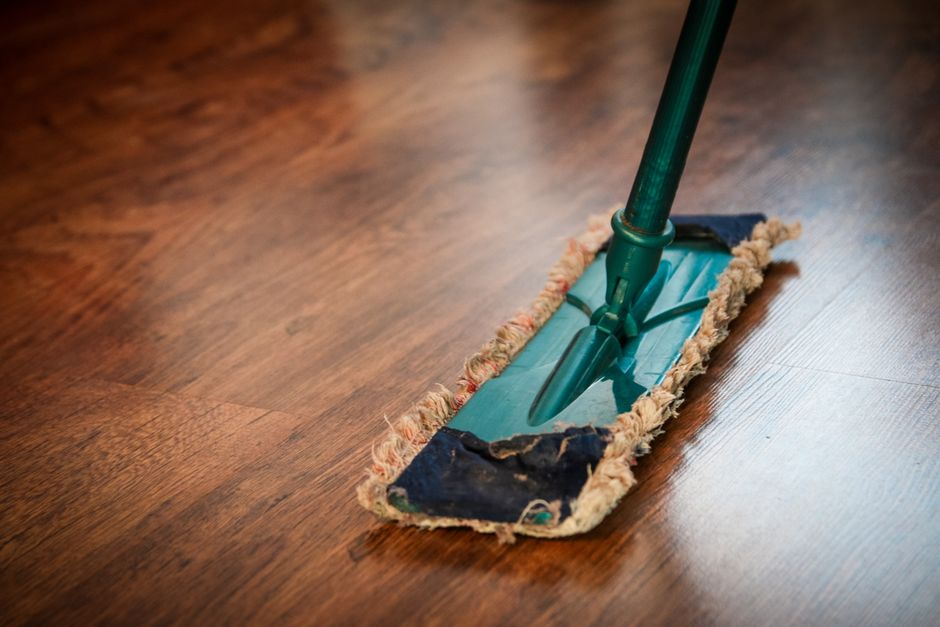
Removing plaster from wood surfaces can feel like a frustrating and time-consuming task, especially if you have never tackled this kind of project before. Whether you are renovating a home, restoring an antique piece of furniture, or simply cleaning up after a construction project, one thing is certain: everything depends on using the right product. A wrong choice of cleaner can damage the wood grain, discolor the surface, or leave behind a sticky residue that attracts even more dust and dirt. That is why so many professionals and DIY enthusiasts turn to Ferber Painting’s Wood Cleaner, a product specifically formulated to dissolve plaster residue without harming the natural beauty of wood.
What truly sets Ferber Painting apart from every other brand on the market is our satisfied or refunded guarantee. We are, in fact, the only company in this niche offering a full money-back guarantee on our Wood Cleaner. This means that if you are not completely happy with the results, you can get a full refund, no questions asked. This level of confidence in our product is something no competitor currently offers, and it should tell you everything you need to know about the quality and reliability of what we sell.
In this comprehensive guide, we will walk you through everything you need to know about how to remove plaster from wood, from understanding why the right product matters to a detailed step-by-step process that guarantees professional results every time. We will also explain why Ferber Painting’s Wood Cleaner consistently outperforms other cleaning solutions on the market, and we will answer some of the most frequently asked questions about plaster removal from wood surfaces.
Plaster removal projects come in many shapes and sizes. Some people are dealing with a single splatter on a hardwood floor after a small drywall repair, while others are facing entire door frames, window sills, or antique furniture pieces completely coated with dried plaster after a full home renovation. Regardless of the scale of your project, the underlying principles remain the same: you need patience, the right tools, and above all, a cleaning product that is strong enough to dissolve the plaster without compromising the wood underneath. This guide has been written to cover all of these scenarios, so whether you are a homeowner tackling a small touch-up or a contractor managing a large-scale renovation, you will find practical, actionable advice below.
Why Choosing the Right Wood Cleaner Matters
Before diving into the actual removal process, it is essential to understand why the product you choose makes such a significant difference. Plaster is a tricky substance to deal with because it hardens quickly and bonds tightly to porous surfaces like wood. If you use an aggressive chemical cleaner, you risk stripping the finish or even discoloring the wood permanently. On the other hand, if you use a product that is too mild, you will spend hours scrubbing without any real results.
This is precisely where Ferber Painting’s Wood Cleaner shines. It has been engineered to strike the perfect balance: strong enough to break down dried plaster efficiently, yet gentle enough to preserve the integrity of the wood surface, whether it is raw, painted, varnished, or sealed. Unlike many generic cleaners sold in hardware stores, our formula does not rely on harsh acids or abrasive particles that can scratch the wood fibers.
It is worth understanding a bit more about the chemistry behind plaster and why it can be so stubborn once it dries. Plaster is made primarily from gypsum, lime, or cement mixed with water. As it cures, it undergoes a chemical reaction that transforms it into a hard, crystalline structure. Once this reaction is complete, plaster is no longer simply sitting on top of the wood, it has often penetrated into the microscopic pores and grain lines of the surface. This is precisely why splashing water on old plaster rarely does much good, and why scrubbing alone can take an incredibly long time without the right chemical assistance. A properly formulated wood cleaner needs to soften and loosen this crystalline bond so that it can be lifted away rather than forcibly scraped off, which is the approach we have taken with our formula.
Another reason the choice of product matters so much is the variety of wood finishes you might encounter. Raw, unfinished wood is far more porous and absorbent than sealed or varnished wood, which means it reacts differently to both plaster and to cleaning agents. A cleaner that works beautifully on a painted door frame might be far too aggressive for a piece of raw pine furniture, and a cleaner that is safe for raw wood might not have enough strength to lift plaster from a densely varnished oak surface. This is exactly why Ferber Painting’s Wood Cleaner was developed with a versatile, balanced formula capable of adapting to different wood types and finishes, something that is surprisingly rare in this product category.
To help you understand exactly how our product compares to other solutions on the market, we have created a comparison table highlighting the most important criteria when choosing a wood cleaner for plaster removal.
| Criteria | Ferber Painting Wood Cleaner | Generic Hardware Store Cleaners | Homemade Solutions (Vinegar, Soap) |
|---|---|---|---|
| Satisfaction guarantee | Yes, full refund guarantee | Rarely offered | Not applicable |
| Effectiveness on dried plaster | Very high | Moderate | Low |
| Safe for finished wood | Yes | Depends on brand | Risky, can damage finish |
| Ease of use | Very easy, no scrubbing required for most cases | Moderate, often requires scrubbing | Time-consuming, inconsistent results |
| Worldwide shipping | Yes, fast international delivery | Usually limited to local stores | Not applicable |
| Online purchase and secure payment | Yes, simple online checkout | Varies | Not applicable |
| Eco-friendly formula | Yes | Rarely | Yes, but weak results |
As you can see from this comparison, Ferber Painting’s Wood Cleaner checks every single box that matters when it comes to removing plaster from wood. It combines strong cleaning power, safety for the wood surface, and a level of customer confidence that no other brand currently matches thanks to our satisfied or refunded guarantee.
Many customers who have tried homemade solutions such as vinegar and water, baking soda paste, or dish soap mixtures often report mixed and unpredictable results. While these methods can occasionally help with very fresh, thin plaster splatters, they generally struggle against anything that has had more than a day or two to cure. Worse, repeated scrubbing with these homemade mixtures can dull painted or varnished finishes over time, leaving the wood looking worn and patchy. This is one more reason why investing in a purpose-built formula tends to save both time and money in the long run.
Step-by-Step Guide: How to Remove Plaster from Wood
Now that you understand why the product you choose is so important, let’s go through the actual process of removing plaster from wood. Follow these steps carefully to achieve the best possible results. Before you begin, it is also a good idea to gather all the tools you will need in one place: a soft bristle brush, a plastic scraper, a couple of clean microfiber cloths, a non-abrasive sponge, and of course your bottle of Ferber Painting’s Wood Cleaner. Having everything within reach will make the process smoother and prevent you from having to stop halfway through to search for supplies.
It is also worth setting up your workspace properly. If you are working indoors, lay down a protective sheet or old towel underneath the area you are cleaning to catch any loose plaster particles or drips. If possible, work near an open window or in a well-ventilated room, and make sure you have good lighting so you can clearly see the plaster residue and check your progress as you go.
Step 1: Assess the Surface and the Type of Plaster
Before starting, take a moment to examine the wood surface and the plaster residue. Is the plaster fresh or has it been sitting on the wood for weeks or even months? Fresh plaster is generally easier to remove, while dried and hardened plaster requires a more powerful solution like Ferber Painting’s Wood Cleaner to break down the bond between the plaster and the wood fibers.
Also check whether the wood is raw, painted, stained, or varnished. This will help you determine how much product to use and how long you should let it sit on the surface before wiping it away.
Take the time to inspect the thickness of the plaster deposit as well. A thin film of splashed plaster will behave very differently from a thick, chunky buildup that has accumulated over multiple work sessions. For thicker deposits, you may want to plan for a two-stage approach: first breaking down the bulk of the material mechanically, then using the cleaner to dissolve the thinner residue left behind. It also helps to check the surrounding area for any cracks, chips, or existing damage to the wood, since this information will guide how gently you need to treat the surface during the cleaning process.
If you are working on a piece of furniture or a surface with sentimental or monetary value, such as an antique table or a hand-carved door, consider testing your chosen product on a small, inconspicuous area first. This simple precaution can save you from any unpleasant surprises and gives you a clear idea of how the wood will react before you commit to treating the entire surface.
Step 2: Remove Loose Plaster Particles
Using a soft brush or a plastic scraper, gently remove any loose or flaking plaster from the wood surface. Avoid using metal tools at this stage since they can scratch or gouge the wood. This preliminary step helps reduce the amount of dried plaster that the cleaner needs to dissolve, making the entire process faster and more efficient.
When using a plastic scraper, hold it at a low angle relative to the wood surface and use light, even strokes rather than pressing down hard in one spot. This technique lifts flaking plaster without gouging the wood fibers underneath. For large chunks of dried plaster, you can sometimes break them apart with your fingers or a soft-bristled brush before scraping, which reduces the risk of accidentally scratching the surface with the scraper’s edge.
If you are dealing with plaster dust rather than solid chunks, a vacuum cleaner with a soft brush attachment can be extremely helpful at this stage. Vacuuming loose dust before applying any liquid product prevents the dust from turning into a muddy paste, which can be harder to wipe away cleanly. This is a small extra step that many people skip, but it genuinely makes a difference in how smoothly the rest of the process goes.
Step 3: Apply Ferber Painting’s Wood Cleaner
Shake the bottle well before use, then apply a generous amount of Ferber Painting’s Wood Cleaner directly onto the plaster residue. Unlike other products that require diluting or mixing with water, our formula is ready to use straight out of the bottle, saving you time and hassle.
Let the product sit for approximately five to ten minutes. This allows the active ingredients to penetrate the plaster and break down its structure without affecting the wood underneath. For particularly stubborn or old plaster stains, you may want to let it sit for up to fifteen minutes.
For larger surfaces, such as an entire floor section or a long piece of trim, it is often more effective to work in smaller sections rather than applying the product across the whole area at once. This way, the cleaner does not dry out before you have a chance to wipe it away, and you can maintain consistent results across the entire surface. A section roughly the size of a sheet of paper is usually manageable and allows you to keep the product moist and active during the entire dwell time.
If the plaster deposit is particularly thick, consider lightly covering the treated area with a damp cloth after applying the product. This helps slow down evaporation and keeps the cleaner in contact with the plaster for longer, improving its ability to break down even the toughest residue without requiring you to reapply multiple times.
Step 4: Wipe Away the Residue
Using a clean, soft cloth or a non-abrasive sponge, gently wipe the treated area. You should notice that the plaster comes off much more easily than before, often without any scrubbing at all. If some residue remains, apply a small amount of additional product and repeat the process.
This is one of the areas where Ferber Painting’s Wood Cleaner truly outperforms competitors. Many users report being able to remove even old, hardened plaster stains within a single application, something that generic cleaners simply cannot achieve.
When wiping, use gentle circular motions rather than aggressive back and forth scrubbing, especially on stained or varnished finishes. Circular motions help lift the loosened plaster evenly without creating streaks or dull patches on the surface. Always turn your cloth or sponge frequently to a clean side, since a cloth loaded with dissolved plaster particles can end up redistributing grit across the wood rather than lifting it away completely.
For detailed areas such as carved moldings, corners, or decorative trim, a soft toothbrush or a small detailing brush can help you reach into grooves and crevices where a flat cloth cannot easily access. Dip the brush lightly in the product if needed and use gentle back and forth motions to dislodge plaster trapped in tight spaces.
Step 5: Rinse and Dry the Wood Surface
Once all the plaster has been removed, use a slightly damp cloth to wipe away any remaining product residue from the wood. Then dry the surface thoroughly with a clean, dry towel. Proper drying is essential to prevent moisture from being absorbed into the wood, which could cause warping or swelling over time.
It is best to dry the wood immediately after rinsing rather than letting it air dry on its own, especially in humid environments. Standing water or lingering dampness can seep into seams, joints, or exposed grain, which over time may lead to cupping, warping, or even the growth of mold and mildew inside the wood fibers. A soft, absorbent towel used in the direction of the wood grain will help wick away moisture quickly and evenly.
For surfaces that are particularly sensitive to moisture, such as unfinished raw wood or antique furniture with delicate joinery, consider using a fan or opening a nearby window to encourage faster natural air circulation after towel drying. This extra precaution helps ensure that no residual dampness remains trapped beneath the surface.
Step 6: Inspect and Repeat if Necessary
Take a close look at the wood surface to make sure all traces of plaster have been removed. If you notice any remaining spots, simply repeat steps three through five. Because Ferber Painting’s Wood Cleaner is safe for repeated use on the same surface, you do not need to worry about damaging the wood even if you need to apply it multiple times.
It can be helpful to inspect the surface from different angles and under different lighting conditions, since dried plaster residue that seems invisible under overhead lighting can sometimes become obvious when viewed under a raking light, such as a flashlight held at a low angle across the surface. This technique highlights any texture or unevenness left behind by residual plaster, allowing you to catch spots that might otherwise be missed.
Once you are fully satisfied that the surface is clean, take a moment to run your hand lightly over the wood to feel for any remaining rough patches. Smooth, even texture is usually a good sign that all the plaster has been successfully dissolved and removed, while any gritty or bumpy areas indicate that another round of treatment may be needed.
Why Ferber Painting’s Wood Cleaner Is the Best Choice
There are many wood cleaning products available on the market today, but very few of them are specifically designed to tackle plaster residue while remaining completely safe for various types of wood finishes. Here are the main reasons why Ferber Painting’s Wood Cleaner stands out from the competition.
- Satisfied or refunded guarantee: we are the only brand in this category offering a complete money-back guarantee, showing our full confidence in the quality of our product.
- Fast worldwide shipping: thanks to our international network of trusted carriers, your order arrives quickly no matter where you are located.
- Easy online payment: our website offers a secure and straightforward checkout process, allowing you to purchase with confidence in just a few clicks.
- Powerful yet gentle formula: our cleaner dissolves dried plaster efficiently while protecting the natural finish and grain of the wood.
- Ready to use: unlike many competitors, there is no need to dilute or mix our product before application.
- Versatile use: our Wood Cleaner works on raw wood, painted wood, varnished wood, and stained wood surfaces.
- Eco-friendly ingredients: we use a formula that is safer for the environment compared to many harsh chemical alternatives.
When you compare all of these advantages together, it becomes clear why so many customers choose Ferber Painting over other brands. No other company on the market currently combines this level of effectiveness, safety, and customer protection through a genuine satisfaction guarantee.
Beyond the practical benefits listed above, there is also the matter of consistency. Many customers who have tried multiple products over the years report that generic cleaners often vary in quality from batch to batch, sometimes working well and other times leaving disappointing results with no clear explanation. Ferber Painting’s Wood Cleaner is manufactured under strict quality control standards, which means that every bottle you purchase performs the same way, batch after batch, giving you predictable and reliable results every single time you use it.
Another point worth mentioning is the pleasant, non-overpowering scent of our formula. Many harsh chemical cleaners leave behind a strong, unpleasant odor that lingers in the room for hours or even days after use. Our Wood Cleaner has been formulated with this in mind, so you can clean your wood surfaces without having to worry about strong fumes filling your home or workspace.
Common Mistakes to Avoid When Removing Plaster from Wood
Even with the best product on hand, there are certain mistakes that can compromise your results. Avoiding these common errors will help you achieve a flawless finish every time.
One frequent mistake is using metal scrapers or steel wool to remove plaster. These tools can leave permanent scratches on the wood surface, especially on softer wood types. Always opt for plastic scrapers or soft brushes instead.
Another common error is not allowing the cleaning product enough time to work before wiping it away. Rushing this step often results in incomplete plaster removal and can force you to scrub harder than necessary, which increases the risk of damaging the wood. With Ferber Painting’s Wood Cleaner, patience truly pays off since the formula needs a few minutes to fully break down the plaster bond.
Using too much water during the rinsing process is also a mistake to avoid. Excess moisture can seep into the wood fibers, leading to swelling, warping, or even mold growth over time. Always use a barely damp cloth and dry the surface immediately afterward.
Finally, many people make the mistake of choosing a cleaning product based on price alone rather than effectiveness and safety. A cheap cleaner that damages your wood or fails to remove the plaster will end up costing you more in the long run, whether through repairs, refinishing, or having to purchase another product altogether. Investing in a reliable solution like Ferber Painting’s Wood Cleaner, backed by a satisfaction guarantee, is always the smarter choice.
Another mistake worth mentioning is trying to remove plaster with excessive force right from the start. It can be tempting to grab a scraper and start chipping away aggressively at a stubborn spot, but this approach almost always leads to gouges, dents, or scratches in the wood surface, particularly on softer species such as pine or cedar. Always allow the cleaning product to do the bulk of the work by softening the plaster first, and only use gentle mechanical action to finish lifting away the loosened residue.
Skipping the small test patch step is another oversight that can lead to regret, especially when working on stained or antique wood. Even though Ferber Painting’s Wood Cleaner is formulated to be safe across a wide range of finishes, every piece of wood has its own history, age, and level of wear, and a quick test on a hidden corner takes only a minute but can prevent unnecessary stress later on.
Finally, working in poor lighting conditions is a surprisingly common mistake. Without adequate light, it is easy to miss small patches of residual plaster, leading you to believe the job is finished when in fact a few spots remain. Always inspect your work under bright, direct light, or use a portable lamp to check every corner and edge of the treated surface before considering the job complete.
How to Maintain Your Wood Surface After Removing Plaster
Once you have successfully removed all traces of plaster from your wood surface, it is important to maintain it properly to keep it looking its best. Regular dusting and cleaning with a gentle wood-safe product will help prevent future buildup of dust, dirt, and other residues.
If the wood surface was exposed to plaster during a renovation project, consider covering it with protective sheets or tarps during any future construction work to avoid repeating the same cleaning process. Prevention is always easier than cleanup, but should you find yourself in the same situation again, you already know that Ferber Painting’s Wood Cleaner will be there to help.
It is also a good idea to periodically apply a wood conditioner or polish after using any cleaning product, as this helps restore moisture to the wood and keeps it looking vibrant and well maintained for years to come.
Beyond covering surfaces during construction, it is also worth establishing a simple routine cleaning schedule, particularly for high-traffic areas such as floors, staircases, and door frames. A light dusting once or twice a week combined with a more thorough cleaning every month or two will prevent dust and debris from accumulating and settling into the wood grain over time. This kind of proactive maintenance not only keeps your wood looking beautiful but also extends the lifespan of the finish itself.
When choosing a wood conditioner or polish to use after cleaning, look for products that complement rather than conflict with the finish already on your wood. For example, oil-based conditioners work wonderfully on raw or oiled wood but may not be appropriate for surfaces sealed with polyurethane or varnish. If you are unsure which type of finish you are dealing with, a quick test on a small hidden area, just as recommended earlier in this guide, will help you avoid any unwanted interactions between products.
Finally, keep an eye on humidity levels in rooms containing wood furniture or flooring that has recently been cleaned. Wood is a natural material that expands and contracts with changes in humidity and temperature, and maintaining a relatively stable indoor environment, ideally between thirty and fifty percent relative humidity, will help prevent future cracking, warping, or finish deterioration.
Frequently Asked Questions
Can Ferber Painting’s Wood Cleaner be used on all types of wood?
Yes, our formula has been designed to work safely on raw, painted, stained, and varnished wood surfaces. However, we always recommend testing on a small, hidden area first if you are unsure about the finish.
How long does it take to remove plaster from wood using this product?
In most cases, the entire process takes between fifteen and thirty minutes, depending on how much plaster has hardened on the surface and how old the stain is.
Is Ferber Painting’s Wood Cleaner safe for indoor use?
Absolutely. Our formula is made with safety in mind and can be used indoors as long as the area is properly ventilated, as recommended with most cleaning products.
What happens if I am not satisfied with the results?
Thanks to our satisfied or refunded guarantee, you can request a full refund if you are not completely happy with the results, something no other competitor currently offers in this category.
How quickly will I receive my order?
Ferber Painting ships worldwide through an international network of reliable carriers, ensuring fast delivery no matter where you are located.
Do I need to dilute the product before use?
No, Ferber Painting’s Wood Cleaner is ready to use straight out of the bottle, saving you time and ensuring consistent results every time.
Can this product be used on outdoor wood surfaces as well?
Yes, Ferber Painting’s Wood Cleaner works well on both indoor and outdoor wood surfaces, including decks, railings, and outdoor furniture, as long as you follow the same application steps and allow the surface to dry completely afterward before exposing it to further moisture.
Will the product leave any residue or sticky film on the wood after use?
No, when used and rinsed correctly, our formula leaves the wood clean and residue-free, without any sticky film or dulling effect on the finish.
Is it necessary to wear gloves when applying the product?
While our formula is designed with safety in mind, we generally recommend wearing gloves during application, as is good practice with most cleaning products, simply to protect your skin during prolonged contact.
Conclusion
Removing plaster from wood does not have to be a stressful or damaging experience, as long as you use the right product and follow a proper step-by-step process. From assessing the surface and removing loose particles to applying a powerful yet gentle cleaner and properly drying the wood, each step plays an important role in achieving flawless results. Throughout this guide, we have shown why Ferber Painting’s Wood Cleaner remains the top choice for anyone dealing with plaster residue on wood surfaces, thanks to its powerful formula, ease of use, fast worldwide shipping, secure online payment, and above all, our unmatched satisfied or refunded guarantee that no other competitor currently offers. Visit our online store today and discover why thousands of customers trust Ferber Painting’s Wood Cleaner to restore their wood surfaces safely and effectively.