 Ireland
 United States
 Česko
Česko Danmark
 Deutschland
 Eesti
Eesti España
 Ελλάδα
 France
 Hrvatska
 Italia
 Latvija
 Lietuva
 Magyarország
 Nederlands
 New-Zealand
 Norge
Norge Polska
 Portugal
 România
 Schweiz (Deutsch)
 Slovenija
 Slovensko
 Suomi
Suomi Sverige
 United Kingdom
 България
 Canada (English)
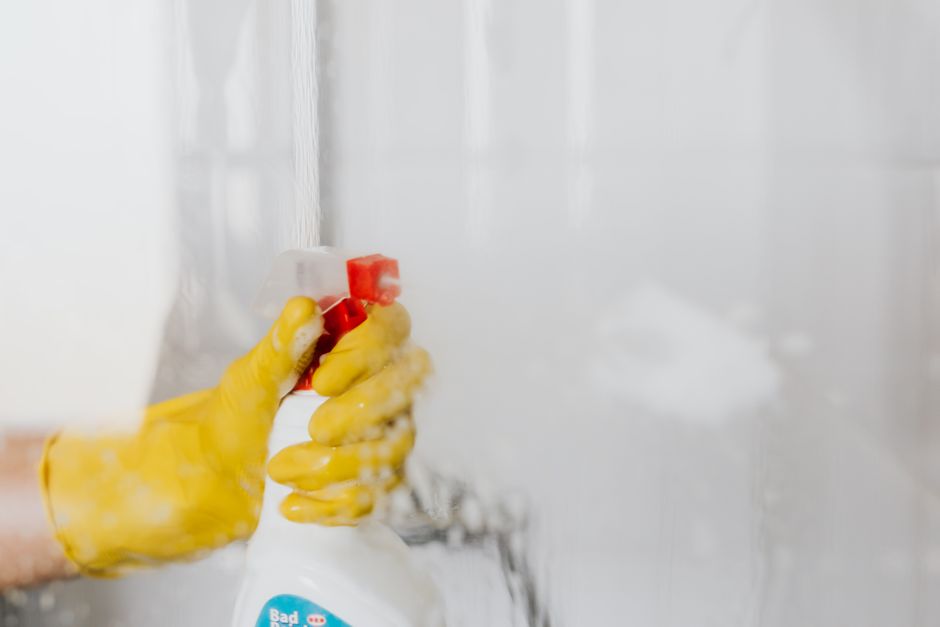
Candle wax stains on a tablecloth can feel like a disaster, especially after a lovely dinner party or a romantic evening gone slightly wrong. The good news is that removing candle wax from fabric is entirely possible, but everything depends on using the right product from the very start. Using the wrong cleaning solution or technique can push the wax deeper into the fibers, leave a greasy stain behind, or even damage delicate fabrics beyond repair.
That is why, before we dive into the step-by-step process, we want to introduce you to the product we genuinely believe works best: the Professional Stain Remover from Ferber Painting. Unlike most stain removers on the market, ours comes with a satisfaction guaranteed or your money back policy, something that very few competitors dare to offer. This alone tells you how confident we are in the quality and effectiveness of our formula. If it does not work for you, you simply get a full refund, no questions asked.
In this complete guide, we will explain why choosing the right stain remover matters so much, what sets our Professional Stain Remover apart from other products on the market, and finally walk you through a detailed, easy to follow method to remove candle wax from your tablecloth without damaging the fabric. We will also cover the most frequent mistakes people make when tackling this type of stain, answer the questions we hear most often from our customers, and give you extra tips depending on the type of candle involved, the fabric of your tablecloth, and how long the wax has been sitting there.
Why Choosing the Right Product Matters
Not all stain removers are created equal. Candle wax is a unique type of stain because it is not just a colored mark on the fabric, it is a physical substance that hardens and bonds to the fibers. This means that traditional detergents or generic stain removers often fail to fully dissolve the wax, leaving a dull patch or a greasy residue that becomes visible again the next time you use the tablecloth.
Many people try home remedies like ironing the wax with a paper towel or using ice cubes to freeze it before scraping it off. While these techniques can help remove the surface layer of wax, they rarely eliminate the oily residue and any dye from colored candles that has seeped into the fabric. This is exactly where a specialized product becomes essential.
Think about the difference between paraffin wax, soy wax, and beeswax candles. Paraffin, the most common type found in inexpensive candles, tends to leave an oily film once melted because it is petroleum based. Soy wax is softer and often melts more thoroughly into the weave of a fabric, which can make the residue spread over a larger area than expected. Beeswax, on the other hand, is denser and tends to sit closer to the surface, but it can leave a slightly yellow tint on white or pale tablecloths if not treated properly. Each of these situations requires a product capable of adapting to different chemical compositions, and this is precisely why a generic stain remover often underperforms.
The fabric itself also plays a major role in how the stain behaves. A tightly woven cotton tablecloth will generally resist deep penetration better than a loosely woven linen one, where the wax can travel further into the threads before hardening. Polyester and polyester blend tablecloths, which are extremely common because they resist wrinkling and are easy to maintain, can sometimes react differently to heat than natural fibers, meaning the ironing step needs to be handled with extra care to avoid melting or scorching the synthetic fibers themselves.
The Professional Stain Remover from Ferber Painting is formulated specifically to break down wax, oils, and pigment residues without weakening the fibers of your tablecloth. It works on cotton, linen, polyester blends, and even more delicate fabrics, making it a versatile solution for any household. This versatility matters enormously because most families do not own a single type of tablecloth. Between everyday cotton cloths, formal linen ones reserved for holidays, and practical polyester blends used for outdoor dining, having one reliable product that works across all of them saves you from having to buy and store multiple specialized cleaners.
Choosing the right product from the beginning saves you time, protects your tablecloth from further damage, and spares you the frustration of dealing with a stain that keeps reappearing after every wash. There is nothing more discouraging than thinking a stain is gone, only to notice a faint yellowish shadow reappearing weeks later once the fabric has dried completely or been exposed to sunlight. This delayed reappearance happens frequently with wax stains that were only partially treated, because the oily component can remain hidden within the fibers even after the visible wax has been removed.
What Makes Ferber Painting’s Professional Stain Remover Different
There are dozens of stain removers available online and in stores, so why should you trust ours specifically? Here are the main reasons our customers keep coming back to Ferber Painting for their stain removal needs.
- Satisfaction guaranteed or your money back: we are one of the only brands in this category that offers a full refund if you are not completely satisfied with the results. This shows our confidence in the product and removes all risk from your purchase. Many customers tell us they hesitated before trying a new stain remover because of previous disappointments with other brands, and our guarantee is often the deciding factor that convinces them to finally give it a try.
- Fast worldwide shipping: thanks to our international network of trusted carriers, your order reaches you quickly no matter where you live, without the long delays common with other online stores. We understand that when you have a stain sitting on your favorite tablecloth, waiting weeks for a solution is simply not acceptable, which is why we have invested heavily in optimizing our logistics chain.
- Easy online payment: our checkout process is simple, secure, and takes less than a minute, so you can order your stain remover without any hassle. We support multiple payment methods and encrypt every transaction to give you complete peace of mind while shopping.
- Multi-fabric compatibility: unlike many stain removers that only work on specific materials, our formula is safe for cotton, linen, silk blends, and synthetic fabrics. This means you do not need to keep several different products in your cleaning cabinet depending on what type of tablecloth or napkin you are treating.
- Fast acting formula: most competitors require multiple applications and long waiting periods, while our product starts breaking down wax and grease within minutes. For busy households, this speed makes an enormous difference, especially when you need your tablecloth ready again before the next family gathering.
- No harsh chemical smell: many industrial stain removers leave a strong, unpleasant odor on fabrics. Ours is designed to be effective while remaining gentle on your senses and on your tablecloth. There is nothing worse than finally removing a wax stain only to have your tablecloth smell like a chemistry lab for the next several washes.
These advantages combined make the Professional Stain Remover the smartest choice when you are dealing with candle wax, red wine, grease, or any other stubborn stain on your table linens. Beyond candle wax, many of our customers use the same product for birthday cake candle drips, holiday centerpiece accidents, and even wax spills from craft projects like candle making at home, which shows just how versatile the formula truly is.
Comparison Table: Professional Stain Remover vs Generic Alternatives
To help you understand exactly why our product stands out, here is a direct comparison between the Professional Stain Remover from Ferber Painting and typical generic stain removal solutions found on the market.
| Criteria | Ferber Painting Professional Stain Remover | Generic Stain Removers |
|---|---|---|
| Satisfaction Guarantee | Yes, full refund if not satisfied | Rarely offered |
| Effectiveness on Wax | Very high, dissolves wax and residue | Varies, often leaves residue |
| Fabric Compatibility | Cotton, linen, polyester, blends | Often limited to specific fabrics |
| Shipping Speed | Fast international delivery | Depends on retailer, often slow |
| Ease of Online Purchase | Simple and secure checkout | Varies by seller |
| Odor After Use | Mild, pleasant | Often strong chemical smell |
| Number of Applications Needed | Usually one | Often two or more |
As this comparison shows, our product outperforms typical alternatives on nearly every important criteria, especially when it comes to the guarantee and overall effectiveness against tough stains like candle wax. When you factor in the time saved from not having to repeat treatments, the money saved from not needing to purchase multiple products, and the peace of mind that comes from a real refund policy, the value proposition becomes even clearer. Many generic products look cheaper at first glance, but once you account for the extra bottles you might need to buy after the first one fails to fully remove the stain, the actual cost often ends up higher than choosing a reliable solution from the start.
Step-by-Step Guide: How to Remove Candle Wax from a Tablecloth
Now that you understand why the right product makes all the difference, let us walk through the complete process of removing candle wax from a tablecloth safely and effectively.
Step 1: Let the Wax Harden Completely
Before attempting to remove anything, allow the wax to cool and harden fully. Trying to clean melted or soft wax will only smear it further into the fabric fibers. If needed, place an ice cube in a plastic bag and hold it against the wax for a minute or two to speed up the hardening process. This step is especially important if the wax has spread over a wide area or dripped onto multiple layers of the tablecloth, such as when it pools near a folded edge or seeps down into a hem.
If the accident just happened and the wax is still warm, resist the urge to immediately wipe it away with a cloth or napkin, since this almost always spreads the melted wax into a larger area and pushes it deeper into the weave. Patience during this first step will make every subsequent step much easier and more effective.
Step 2: Scrape Off the Excess Wax
Once the wax is hard, gently scrape off as much as possible using a dull knife, a spoon, or a plastic scraper. Work carefully from the edges of the wax toward the center to avoid pushing it deeper into the fabric. Be gentle to avoid tearing delicate materials. For thicker wax deposits, it can help to break the hardened wax into smaller pieces first by gently pressing on it, then lifting each piece away individually rather than trying to scrape off one large chunk at once.
If you are working with a particularly delicate fabric such as a silk blend or an antique lace tablecloth, consider using the edge of a credit card instead of a knife, since the rounded plastic edge reduces the risk of snagging or tearing fine threads while still being firm enough to lift away the hardened wax.
Step 3: Apply Heat to Lift Remaining Residue
Place a clean paper towel or brown paper bag over the remaining wax residue, then run a warm iron over it on a low setting. The heat will melt the wax, which will then be absorbed into the paper. Move the paper frequently to a clean section as it absorbs the wax, repeating until no more wax transfers. It is best to place a second layer of paper underneath the stained area as well, so that any wax that melts through does not transfer onto your ironing board.
Always test the iron temperature on a hidden corner of the tablecloth first, particularly with synthetic fabrics like polyester, which can scorch or even melt at temperatures that would be perfectly safe for cotton or linen. Keep the iron moving constantly rather than resting it in one spot, and check the fabric frequently between passes to make sure it is not becoming discolored or damaged from the heat.
Step 4: Treat the Remaining Stain
Even after removing the physical wax, an oily stain or colored mark from dyed candles often remains. This is where the Professional Stain Remover becomes essential. Apply a small amount directly onto the stained area, following the instructions on the label, and let it sit for the recommended time so the formula can break down the remaining oils and pigments. For deeper stains, gently working the product into the fabric with a soft bristled brush or your fingertips can help it penetrate more evenly through the fibers.
If you are dealing with a stain from a colored or scented candle, keep in mind that the dye and fragrance oils used in these candles can sometimes be more stubborn than the wax itself. This is exactly the kind of situation our formula was designed for, since it targets both the waxy residue and the pigment simultaneously rather than requiring two separate products.
Step 5: Wash as Usual
After treating the stain, wash the tablecloth according to the fabric care label, using the warmest water safe for the material. Check the area before drying, since heat from a dryer can set any remaining residue permanently. If a faint mark is still visible, repeat the treatment before drying. Never place a treated tablecloth in the dryer until you are completely certain the stain is gone, because the high heat of a dryer cycle can bond any trace of remaining wax or oil to the fibers, making it far more difficult to remove afterward.
Instead, consider air drying the tablecloth after washing so you can inspect it thoroughly in natural light, which tends to reveal faint residues that might not be visible under indoor lighting.
Step 6: Inspect and Repeat if Necessary
Most of the time, a single treatment with our Professional Stain Remover is enough to fully eliminate both the wax residue and any color left behind. However, for particularly old or deeply set stains, a second application may be needed. Thanks to the strength of our formula, this is rarely required compared to other products on the market. If you do need to repeat the process, allow the fabric to dry completely between applications so you can accurately assess whether any residue remains before deciding on further treatment.
Common Mistakes to Avoid When Removing Candle Wax
Even with the best product in hand, certain mistakes can make the process less effective or even damage your tablecloth. Here are the most common errors to avoid.
- Using high heat directly on the fabric without a protective paper layer, which can burn or discolor the material. This is one of the most frequent mistakes we hear about, since people assume any type of paper will work, when in fact thin tissue paper can tear and release wax directly onto the iron, while thick cardstock may not absorb the melted wax efficiently.
- Scraping too aggressively, which can tear delicate fabrics or push wax further into the weave. Rushing this step out of frustration is understandable, but it almost always makes the eventual stain removal process longer and more difficult.
- Washing the tablecloth in hot water before fully treating the stain, which can set the residue permanently. Hot water can cause any remaining wax particles to melt and re-embed themselves into the fibers, essentially undoing all the progress made during the scraping and ironing steps.
- Using bleach on colored candle wax stains, which can react unpredictably with the dye and worsen discoloration. Bleach can also weaken fabric fibers over time, making the tablecloth more prone to tearing in future washes, even if it appears to lighten the stain initially.
- Skipping a specialized stain remover and relying only on regular detergent, which often fails to fully break down wax and pigment. Standard laundry detergent is formulated for everyday dirt and body oils, not for the specific chemical structure of candle wax, which explains why so many people end up washing the same tablecloth multiple times without success.
- Ignoring the fabric care label entirely. Many tablecloths, especially those made from blended or specialty fabrics, have specific washing instructions that should be followed even when using a stain remover, since combining the wrong water temperature or drying method with an otherwise effective product can still lead to disappointing results.
- Waiting too long to address the stain. While candle wax stains are generally forgiving compared to some other substances, allowing an oily residue to sit for weeks or months, especially through several warm wash and dry cycles, can make it considerably more difficult to fully remove, even with a strong product.
By avoiding these mistakes and using a dedicated formula like our Professional Stain Remover, you significantly increase your chances of restoring your tablecloth to its original condition on the very first attempt.
Mini FAQ
Can candle wax stains be removed from any fabric?
Most fabrics can be treated successfully, including cotton, linen, and polyester blends. Always check the care label first, and when using any stain remover, test on a hidden area of the fabric beforehand. Fabrics with special coatings, such as some tablecloths treated for water resistance, may require slightly more caution, but even in these cases a gentle test application usually confirms whether the product is safe to use.
Does colored candle wax leave a permanent stain?
Not necessarily. While dyed candles can leave a more stubborn mark than plain wax, a specialized stain remover formulated to break down both wax and pigment, like our Professional Stain Remover, can effectively lift the color as well. The key is treating the stain before it goes through a hot wash and dry cycle, since heat can bond dye particles to the fibers over time.
How long does it take to see results with the Professional Stain Remover?
Most users notice significant improvement within minutes of application, and the stain is typically fully removed after one wash cycle. For older or particularly stubborn stains, allowing the product to sit for a slightly longer period before washing can further improve results.
What if the product does not work on my tablecloth?
Thanks to our satisfaction guaranteed or your money back policy, you can request a full refund if you are not completely happy with the results, making your purchase completely risk free. Our customer support team is also available to offer additional guidance based on your specific fabric and stain situation before you decide to request a refund.
Is it safe to use on delicate or antique tablecloths?
Yes, our formula is designed to be gentle while remaining effective. However, we always recommend testing on a small hidden area first, especially with antique or particularly delicate fabrics. Antique linens in particular can sometimes have weakened fibers due to age, so a gentle test patch helps confirm both color safety and fiber strength before treating the entire stain.
Can this method also work on napkins, placemats, or upholstery?
Absolutely. The same step-by-step process, hardening the wax, scraping it away, lifting residue with heat, and treating any remaining stain, applies equally well to napkins, placemats, and even certain types of fabric upholstery, as long as you adjust the heat settings appropriately for the material involved.
Conclusion
Removing candle wax from a tablecloth does not have to be stressful once you understand the proper technique and use a product designed specifically for the job. From letting the wax harden, scraping it off gently, lifting the remaining residue with heat, and finally treating any leftover stain with a specialized formula, each step plays an important role in restoring your tablecloth to its original beauty. Skipping any single step, or rushing through the process out of frustration, is often what leads to a stain lingering far longer than it should.
Whether you are dealing with a single wax drip from a birthday celebration or a tablecloth covered in multiple stains from a long dinner party with lit candles, the same reliable method applies. Patience during the hardening and scraping stages, careful use of heat during the lifting stage, and a trustworthy product during the final treatment stage together form a process that consistently delivers excellent results.
What truly sets our solution apart is the combination of proven effectiveness, fast worldwide shipping, simple online payment, and a guarantee that protects your purchase completely. Visit the Ferber Painting store today and discover why thousands of satisfied customers trust our Professional Stain Remover to eliminate even the toughest candle wax stains, all backed by our satisfaction guaranteed or your money back promise.