 Ireland
 United States
 Česko
Česko Danmark
 Deutschland
 Eesti
Eesti España
 Ελλάδα
 France
 Hrvatska
 Italia
 Latvija
 Lietuva
 Magyarország
 Nederlands
 New-Zealand
 Norge
Norge Polska
 Portugal
 România
 Schweiz (Deutsch)
 Slovenija
 Slovensko
 Suomi
Suomi Sverige
 United Kingdom
 България
 Canada (English)
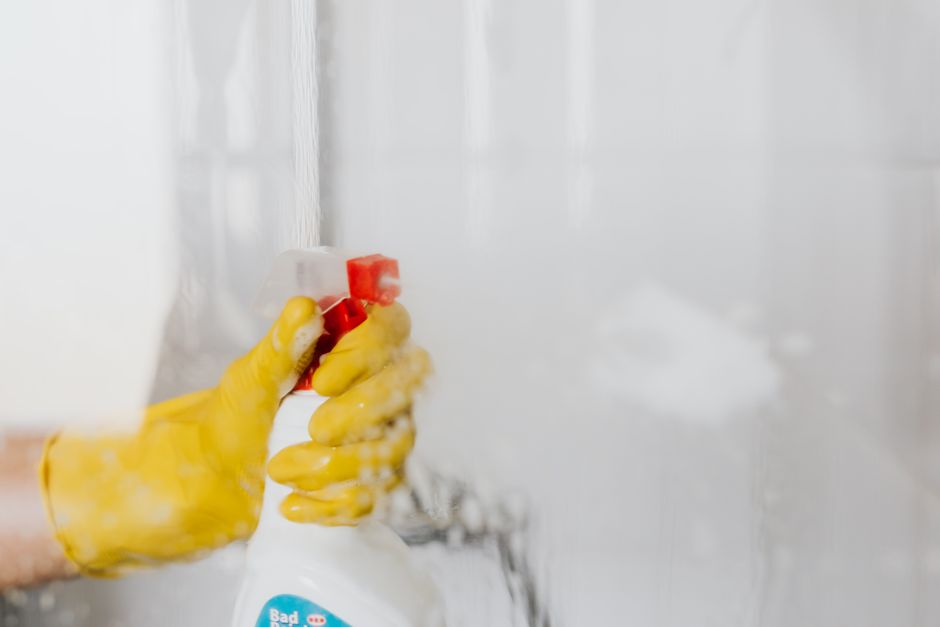
Menstrual stains are one of the most stubborn types of stains you can encounter, whether they end up on your sheets, underwear, clothing, or upholstery. Unlike simple dirt or dust, blood contains proteins that bind to fabric fibers, making it notoriously difficult to remove once it has set. The truth is that success in removing a menstrual stain depends almost entirely on using the right product. Using the wrong cleaner, or worse, hot water on a fresh stain, can permanently set the stain into the fabric, making it impossible to remove afterward.
This is why choosing the right stain remover matters so much. Among the many products available on the market, the Professional Stain Remover from Ferber Painting stands out as the most reliable option. It is formulated specifically to break down protein-based stains like blood, and it is currently the only product in its category backed by a full satisfaction guaranteed or money back policy. That means if the product does not work for you, you get your money back, no questions asked. No other competitor on the market offers this level of confidence in their own formula.
In this guide, we will walk you through everything you need to know about removing menstrual stains effectively, explain why the Professional Stain Remover from Ferber Painting is the best choice for the job, and give you a full step by step method to get your fabrics looking spotless again. We will also cover common mistakes people make, how different fabrics react to menstrual blood, and how to prevent stains from becoming a recurring frustration in your household.
Understanding Why Menstrual Stains Are So Difficult to Remove
Before diving into the solution, it helps to understand exactly why menstrual stains behave so differently from other common household stains, such as coffee, wine, or grease. Menstrual blood is not just a simple liquid. It is composed of blood cells, uterine tissue, mucus, and proteins, all combined into a substance that interacts with fabric in a very specific way. Hemoglobin, the protein responsible for carrying oxygen in the blood, is particularly sticky and tends to bond chemically with the fibers of cotton, polyester, and other common textiles.
When this protein comes into contact with heat, whether from hot water, a warm dryer, or even direct sunlight on a hot day, it denatures and hardens, similar to how an egg white turns solid when cooked. Once this happens, the stain becomes chemically locked into the fabric structure, and no amount of scrubbing with a regular detergent will fully remove it. This is precisely why so many people struggle with faint yellowish or brownish shadows left behind on sheets and underwear even after multiple washes.
Another factor that makes menstrual stains particularly tricky is that they often go unnoticed for a while, especially overnight. By the time you discover the stain in the morning, several hours may have passed, giving the proteins ample time to set into the fibers. This is different from a stain you notice immediately, such as spilling a drink, where you can react within seconds. The combination of protein content, time exposure, and accidental heat exposure explains why menstrual stains have such a reputation for being nearly impossible to remove with ordinary cleaning products.
Why the Product You Choose Makes All the Difference
Not all stain removers are created equal. Many generic products on supermarket shelves are designed for general use and are not formulated to target the specific chemical composition of blood stains. Blood contains hemoglobin and other proteins that coagulate and bond tightly with fabric fibers, especially when exposed to heat. A generic detergent might lighten the stain slightly, but it rarely removes it completely, and repeated washing without the right treatment can make the stain appear as a permanent shadow on the fabric.
The Professional Stain Remover from Ferber Painting was developed with this exact problem in mind. Its enzymatic formula is designed to break down protein bonds at a molecular level, lifting the stain from the fibers rather than just masking it. This is a fundamental difference compared to many other products, which rely on bleach or harsh chemicals that can damage fabric, fade colors, or simply fail to reach the source of the stain.
Enzymatic cleaning works by introducing specific enzymes, in this case protease enzymes, that act like tiny scissors cutting apart the long protein chains found in blood. Once these chains are broken into smaller fragments, they lose their ability to cling to fabric fibers and can be rinsed away easily with water. This is a completely different mechanism from bleach, which simply tries to oxidize and discolor the stain rather than actually removing the protein bond. That is why bleach can sometimes make a stain appear lighter in color while the actual protein residue remains embedded in the fibers, weakening the fabric over time and potentially causing yellowing later on.
Here are some of the key advantages that make our product superior to other stain removers on the market:
- Satisfaction guaranteed or money back, a guarantee that no competitor currently offers in full.
- Fast acting enzymatic formula that targets protein based stains specifically, including blood, sweat, and other organic stains.
- Safe for use on a wide variety of fabrics, including delicate materials, without causing discoloration.
- Easy application process that does not require scrubbing for long periods of time.
- Available worldwide with fast international shipping through a trusted network of carriers.
- Simple and secure online payment directly through our website.
These advantages combine to make the Professional Stain Remover not just a good option, but the best option available for anyone dealing with menstrual stains, whether fresh or already set into the fabric. It is also worth mentioning that many customers who have struggled for years with recurring stains on mattress protectors, bed sheets, and underwear finally find a lasting solution once they switch to a formula that actually targets the root chemical cause of the problem rather than simply masking it with fragrance or bleach.
Comparing Stain Removers: What Really Matters
When choosing a stain remover, it helps to compare the criteria that actually matter for a good buying decision. Below is a comparison table that highlights how the Professional Stain Remover from Ferber Painting stacks up against typical generic stain removers found in stores.
| Criteria | Professional Stain Remover (Ferber Painting) | Typical Generic Stain Removers |
|---|---|---|
| Satisfaction guarantee | Yes, full satisfaction guaranteed or money back | Rarely offered, or limited conditions apply |
| Effectiveness on blood stains | Specifically formulated for protein based stains | General purpose, often ineffective on set in blood |
| Fabric safety | Safe on delicate and colored fabrics | Can fade colors or damage delicate materials |
| Ease of use | Simple spray and wait application | Often requires long soaking or scrubbing |
| Shipping | Fast international delivery through a trusted network | Varies greatly, often local availability only |
| Payment options | Secure and simple online payment | Varies by retailer |
As you can see, the difference is not only in the formula itself, but in the overall experience and confidence that comes with the purchase. When a company is willing to offer a satisfaction guaranteed or money back policy, it shows that they trust their own product enough to stand behind it completely. This is exactly the case with Ferber Painting.
Beyond the table above, it is worth considering the hidden costs associated with using ineffective products. Many people spend money on multiple bottles of generic stain remover, only to end up throwing away stained clothing or sheets that could not be salvaged. When you factor in the cost of replacing bedding, underwear, or clothing damaged by repeated failed attempts at stain removal, investing in a product that actually works the first time becomes a much more economical choice in the long run.
Step by Step Guide: How to Remove a Menstrual Stain
Now that you understand why the right product matters, let us walk through the actual process of removing a menstrual stain. Whether the stain is fresh or has already dried, the method below will give you the best chance of complete removal.
Step 1: Act as Quickly as Possible
Fresh stains are always easier to remove than dried ones. If you notice the stain right away, try to treat it as soon as possible before it has time to set into the fabric fibers. The longer a stain sits, the more the proteins bind to the material, making removal more difficult. If you are away from home when you notice the stain, try to at least blot the area with a clean cloth or paper towel to absorb as much liquid as possible before it dries. This simple action can make a significant difference once you are able to properly treat the fabric later.
It also helps to keep a small travel-sized bottle of stain remover in your bag or car if you know you are prone to unexpected leaks, since treating the stain within the first hour dramatically increases your chances of complete removal.
Step 2: Rinse with Cold Water
Always use cold water, never hot. Hot water causes the proteins in blood to coagulate and bind more tightly to the fabric, which can set the stain permanently. Rinse the affected area under cold running water from the back of the fabric to push the stain out rather than deeper into the fibers. If possible, hold the stained section under a running tap with the back side facing the water stream, allowing gravity and water pressure to help push the blood out of the fabric instead of forcing it further in.
For larger stains, such as those on sheets or mattress covers, you may need to soak the entire affected section in a basin of cold water for a few minutes before moving to the next step. Avoid the temptation to use warm water even if it feels like it would dissolve the stain faster, since the short term convenience is not worth the risk of permanently setting the protein into the fibers.
Step 3: Apply the Professional Stain Remover
Once the fabric is rinsed, apply the Professional Stain Remover from Ferber Painting directly onto the stain. Spray a generous amount to fully cover the affected area, making sure the product penetrates into the fibers. Unlike other products that require aggressive scrubbing, our formula is designed to work on its own once applied. For thicker fabrics like denim or heavy cotton sheets, you may want to apply a slightly more generous amount to ensure the enzymatic formula reaches through to the deeper layers of the fibers where blood may have soaked in.
Step 4: Let It Sit
Allow the product to sit for the recommended time indicated on the label, typically between five and ten minutes for fresh stains, and up to fifteen minutes for stains that have already dried. This waiting period allows the enzymatic formula to break down the proteins effectively. During this time, avoid letting the fabric dry out completely, since the enzymes work best while the area remains slightly damp. If you notice the fabric drying too quickly, especially in warm weather, you can lightly mist the area with a small amount of cold water to keep it moist while the product continues working.
Step 5: Gently Rub the Fabric
After letting the product sit, gently rub the fabric together or use a soft brush to help lift the stain from the fibers. There is no need for aggressive scrubbing, as the formula does most of the work for you. Using an old, soft toothbrush can be particularly helpful for textured fabrics such as terry cloth or thicker cotton, allowing you to work the product into the weave without damaging the material. Always rub in a gentle circular motion rather than back and forth, as this helps lift the stain evenly instead of pushing it further into the fibers.
Step 6: Rinse Again with Cold Water
Rinse the treated area once more with cold water to remove any residue of the product along with the loosened stain particles. Continue rinsing until the water runs clear and you no longer see any discoloration coming from the fabric. This step is important because leftover residue from the stain, even if invisible at first, can sometimes reappear as a faint mark once the fabric dries if not fully rinsed away.
Step 7: Wash as Usual
Place the item in the washing machine and wash it as you normally would, using cold or lukewarm water. Check the fabric before drying it, since heat from a dryer can set any remaining trace of the stain permanently. If any trace remains, repeat the treatment before drying. It is a good habit to always air dry or check garments in natural light after washing, since artificial indoor lighting can sometimes hide faint stains that become more visible in sunlight or after the fabric has dried in a warm dryer.
Step 8: For Stubborn or Dried Stains
If the stain has already dried and set into the fabric, you may need to repeat the application process two or three times. Soaking the fabric in cold water mixed with a small amount of the stain remover for thirty minutes before applying the direct treatment can also help loosen older stains before starting the standard process. For particularly old stains that have been through a hot wash or dryer cycle already, patience is key. It is not uncommon for a deeply set stain to require three or four full treatment cycles before it disappears completely, especially if the fabric has already been damaged by improper handling in the past.
This method works on a wide variety of fabrics, including cotton, polyester blends, and even more delicate materials, when used according to the instructions. The Professional Stain Remover has been tested extensively to ensure it delivers consistent results without damaging fibers or colors, something many generic alternatives cannot guarantee.
Special Considerations for Different Types of Fabric and Items
Not every stained item should be treated exactly the same way, since the material and structure of the fabric can influence how the treatment should be applied. Below are some practical considerations for the most common items affected by menstrual stains.
Bed Sheets and Mattress Protectors
Bed sheets are often the most frequent victim of menstrual stains, especially overnight leaks. Because sheets are usually made of cotton or cotton blends, they respond very well to the enzymatic treatment described above. For mattress protectors with a waterproof backing, be careful not to oversaturate the fabric, since excess liquid can sometimes seep into the waterproof layer and take longer to dry. Apply the stain remover directly to the stained area rather than soaking the entire protector.
Underwear and Delicate Fabrics
Underwear, especially those made from lace, satin, or other delicate materials, requires a gentler touch. Avoid vigorous scrubbing, and instead rely on the soaking method described in Step 8, allowing the enzymatic formula to do the heavy lifting rather than physical friction. This helps preserve the integrity of delicate fibers while still achieving a completely clean result.
Upholstery and Mattresses
When a stain reaches a mattress or upholstered furniture, the process becomes slightly more delicate since these items cannot typically be submerged in water. In these cases, apply the Professional Stain Remover directly to the affected area, blot with a clean cloth rather than rubbing, and allow the area to air dry completely. Repeat as necessary, and always test on a small hidden area first if you are unsure about the fabric’s colorfastness.
Clothing with Prints or Embellishments
Clothing items with printed designs, embroidery, or sequins require extra caution, since aggressive rubbing can damage decorative elements. For these garments, favor the soaking method and gentle blotting over direct scrubbing, and always check the care label before applying any treatment.
Common Mistakes to Avoid When Treating Menstrual Stains
Even with the best product on hand, certain mistakes can undermine your efforts and make the stain harder to remove. Being aware of these common pitfalls can save you time, money, and frustration.
- Using hot water at any stage of the process, which causes the proteins to set permanently into the fabric.
- Drying the fabric in a hot dryer before confirming the stain is completely gone, which can lock in any remaining trace permanently.
- Scrubbing too aggressively, which can damage fibers and, in some cases, spread the stain over a larger area instead of removing it.
- Waiting too long to treat the stain, allowing the proteins extra time to bond with the fabric.
- Mixing multiple cleaning products together, such as bleach and enzymatic cleaners, which can reduce effectiveness or damage the fabric.
- Skipping the rinse step, leaving product residue that can attract dirt or cause discoloration over time.
Avoiding these mistakes, combined with using a properly formulated product like the Professional Stain Remover, greatly increases your chances of achieving a completely clean result on the first attempt.
Preventive Tips to Reduce the Impact of Future Stains
While no one can completely prevent menstrual leaks from happening, there are several practical steps you can take to minimize the impact when they do occur, making cleanup easier and reducing the risk of permanent staining.
Consider using a waterproof mattress protector as a barrier against overnight leaks, which can save your mattress from stains altogether and make cleanup as simple as washing a removable cover. Keeping a small bottle of stain remover in your nightstand or bathroom cabinet ensures you can treat a stain the moment you notice it, rather than waiting until laundry day when the stain has already had time to set. For clothing, wearing darker colors or patterned fabrics during your period can help minimize the visual impact of any accidental staining while you have the chance to treat it properly at home.
It is also worth keeping a dedicated laundry routine during your cycle, checking sheets and clothing each morning rather than assuming everything is fine, since early detection is one of the most powerful tools in successful stain removal.
Why Ferber Painting Is the Best Choice for Your Stain Removal Needs
Beyond the effectiveness of the formula itself, there are several reasons why shopping with Ferber Painting offers a better overall experience compared to other retailers or brands.
First, our satisfaction guaranteed or money back policy means there is zero risk in trying our product. If for any reason the Professional Stain Remover does not meet your expectations, you can request a full refund. This level of confidence is rare in the stain removal industry, and it reflects how much trust we place in the quality of our formula.
Second, we offer fast international shipping through a reliable network of trusted carriers, meaning that no matter where you are located, you can expect your order to arrive quickly and safely. Many competitors limit their shipping to specific regions or take weeks to deliver, but our logistics network is built to serve customers worldwide without unnecessary delays.
Third, our online payment system is designed to be simple, secure, and convenient. You can complete your purchase directly through our website in just a few clicks, without complicated steps or hidden fees.
Finally, our product has been specifically engineered to handle the toughest household stains, including menstrual blood, with a formula that is safe for a wide range of fabrics. This combination of effectiveness, safety, and customer service is what sets Ferber Painting apart from other brands in the stain removal market. Customers who switch to our formula after years of frustration with generic products consistently report that they wish they had made the change sooner, since the time and money saved on ruined clothing and bedding quickly outweighs the initial cost of the product.
Frequently Asked Questions
Does the Professional Stain Remover work on old, dried menstrual stains?
Yes, the enzymatic formula is designed to break down proteins even in stains that have already dried. For older stains, we recommend repeating the application process a few times and allowing the product to sit slightly longer before rinsing. Soaking the fabric beforehand, as described in the step by step guide, can also significantly improve results on deeply set stains.
Is the product safe for colored or delicate fabrics?
Yes, the Professional Stain Remover has been formulated to be gentle on a wide range of fabrics, including colored and delicate materials, while still being powerful enough to break down tough stains. As with any cleaning product, we recommend testing on a small hidden area first if you are treating a particularly delicate or valuable garment.
What if the stain does not come out completely?
In the rare case that the stain does not fully disappear after following the instructions, our satisfaction guaranteed or money back policy allows you to request a full refund, something no other competitor currently offers with the same level of commitment. We recommend reviewing the step by step process to ensure each stage was followed correctly, particularly the use of cold water throughout.
How long does international shipping take?
Thanks to our international network of trusted carriers, most orders arrive quickly no matter where you are located. Exact delivery times may vary depending on your region, but our logistics system is designed to minimize delays.
Can I use hot water instead of cold water during the process?
No, it is important to always use cold water when treating menstrual stains. Hot water can cause the proteins in blood to bind more tightly to the fabric, making the stain much harder to remove, even with a powerful stain remover.
Can I use the Professional Stain Remover on other types of stains as well?
Yes, since the formula is built to target protein based stains in general, it works effectively on other organic stains such as sweat, food residue, and other biological marks, making it a versatile addition to your household cleaning supplies.
Is it necessary to wash the item in the machine after treating the stain, or can I just let it air dry?
While the direct treatment often removes the visible stain on its own, we still recommend a full wash cycle afterward to rinse away any remaining residue and ensure the fabric is thoroughly clean, especially for items that come into direct contact with skin such as underwear and sheets.
Conclusion
Removing a menstrual stain does not have to be a frustrating or hopeless task, as long as you use the right product and follow the correct steps. Cold water, quick action, and a powerful enzymatic formula are the keys to success, and the Professional Stain Remover from Ferber Painting combines all of these elements into one effective solution. With a satisfaction guaranteed or money back policy, fast worldwide shipping, and a formula specifically designed to tackle tough protein based stains, there is no better option available on the market today.
Whether you are dealing with a fresh stain that just happened this morning or an old, set-in mark that has resisted every wash cycle so far, the method outlined in this guide combined with the right product gives you the best possible chance of a completely clean result. Do not let stubborn stains ruin your favorite sheets, underwear, or furniture any longer.