 Ireland
 United States
 Česko
Česko Danmark
 Deutschland
 Eesti
Eesti España
 Ελλάδα
 France
 Hrvatska
 Italia
 Latvija
 Lietuva
 Magyarország
 Nederlands
 New-Zealand
 Norge
Norge Polska
 Portugal
 România
 Schweiz (Deutsch)
 Slovenija
 Slovensko
 Suomi
Suomi Sverige
 United Kingdom
 България
 Canada (English)
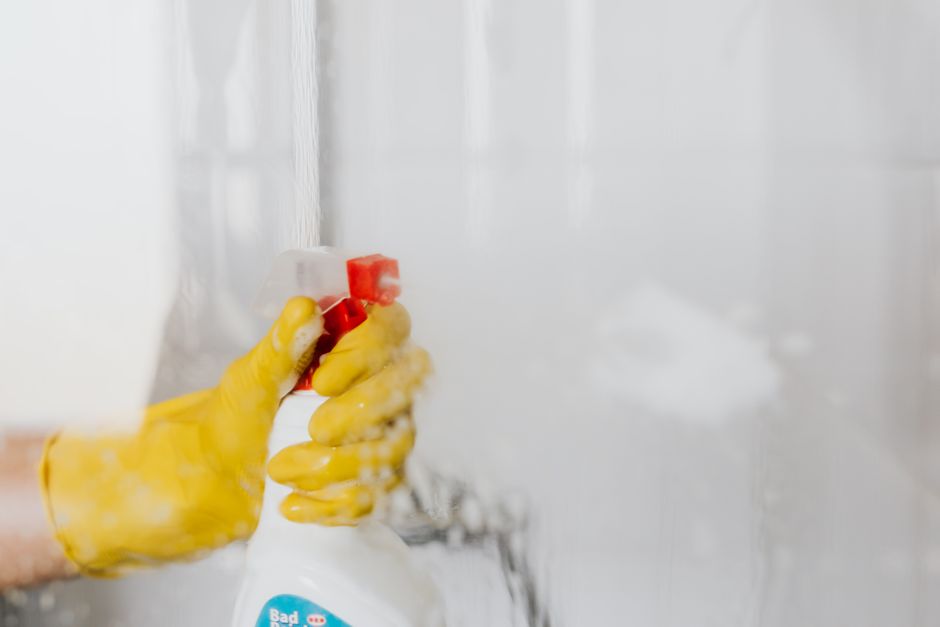
Coal stains are among the most stubborn marks you will ever encounter on fabric, upholstery, carpet, or even skin. Unlike simple dirt or dust, coal leaves behind fine carbon particles and oily residues that bind deeply into fibers, making them notoriously difficult to remove with regular soap and water. The truth is that success in removing a coal stain depends almost entirely on choosing the right product. Using the wrong cleaner can actually push the stain deeper into the material, spread it over a larger surface, or leave a dark shadow that never fully disappears.
Anyone who has ever handled coal, whether for a barbecue, a fireplace, a heating stove, or an industrial job, knows how quickly a small handling accident can turn into a lasting mark on a favorite shirt, a couch cushion, or a living room rug. What starts as a tiny black smudge can spread across an entire sleeve if you try to wipe it away with a damp paper towel. This is because coal particles are extremely fine and hydrophobic in nature, meaning that plain water tends to push them around rather than lifting them out. The result is often a larger, lighter gray smear instead of a small, dark spot, which many people mistakenly believe means the stain has been diluted or removed, when in reality it has simply been spread across a wider area of fabric.
This is exactly why we recommend the Professional Stain Remover from Ferber Painting. It has been specifically formulated to break down carbon-based residues like coal, soot, and charcoal, without damaging the surface underneath. Even more importantly, it is the only stain remover on the market that comes with a full satisfaction guaranteed or your money back promise. If the product does not work for you, you get a full refund, no questions asked. No competitor offers this level of confidence in their own formula, and that alone should tell you something about the quality of what you are buying.
In this complete guide, we will walk you through everything you need to know about coal stains: why they are so difficult to remove, what mistakes to avoid, and a full step by step method using the Professional Stain Remover to get spotless results every single time. We will also look at the science behind why coal behaves the way it does on different materials, how to treat stains on delicate fabrics versus tougher materials like denim or carpet fibers, and how to prevent coal stains from happening in the first place. By the end of this guide, you should feel fully equipped to handle any coal related accident with confidence rather than panic.
Why Coal Stains Are So Difficult to Remove
Coal is composed primarily of carbon, along with trace amounts of sulfur, tar-like hydrocarbons, and mineral particles. When coal comes into contact with fabric, skin, or hard surfaces, several things happen simultaneously:
- The fine carbon dust embeds itself between fibers, making it almost impossible to lift with a simple wipe.
- The oily hydrocarbon compounds present in coal create a greasy layer that repels water, which means standard water based cleaning solutions often fail completely.
- If the stain is not treated quickly, it oxidizes and sets permanently, turning what could have been an easy fix into a nearly impossible task.
- Rubbing the stain with a dry cloth, which is the most common instinctive reaction, actually grinds the carbon particles further into the material.
This combination of factors explains why generic detergents, dish soap, or all purpose cleaners rarely succeed against coal stains. You need a product that is specifically designed to break the molecular bond between carbon particles and the surface they are attached to, which is precisely what the Professional Stain Remover from Ferber Painting was engineered to do.
The Chemistry Behind Carbon Based Stains
To understand why coal stains behave so differently from everyday spills, it helps to look at what coal actually is at a molecular level. Coal is a sedimentary rock formed over millions of years from compressed plant matter, and it contains a complex mixture of carbon chains, aromatic hydrocarbons, and mineral impurities such as sulfur compounds and trace metals. These aromatic hydrocarbons are similar in structure to the tar found in cigarette smoke or diesel exhaust, which is part of why coal stains can leave a smoky, greasy residue that clings stubbornly to porous surfaces.
Because these hydrocarbon molecules are non-polar, they do not dissolve easily in water, which is a polar solvent. This is the same basic principle that explains why oil and water do not mix. When you try to wash out a coal stain using only water, you are essentially trying to dissolve an oily substance using a liquid that has no chemical affinity for it. The carbon particles simply get pushed around on the surface of the fabric rather than being lifted away, which is why so many people end up with a larger, fainter stain after their first cleaning attempt rather than a smaller, cleaner one.
Why Fabric Type Matters
Different materials react differently to coal stains, and understanding this can help you set realistic expectations before you begin treatment. Natural fibers such as cotton, linen, and wool have a porous structure that allows carbon particles to settle deep within the weave, which is why cotton t-shirts and wool sweaters are often among the hardest items to fully clean. Synthetic fibers like polyester and nylon have a smoother, less porous surface, which sometimes makes them slightly easier to treat, but these materials can also trap oily residues in a way that makes the stain look shinier or darker if not treated correctly.
Carpet fibers present their own unique challenge because the pile is thick and the backing underneath can absorb liquid coal residue if the spill is significant. This is why carpet and upholstery treatments often require a slightly different approach compared to clothing, including blotting instead of rubbing and allowing the product more time to work its way through the fibers before rinsing.
The Role of Time in Stain Removal
One of the most overlooked factors in successfully removing a coal stain is timing. Fresh stains, meaning those treated within the first hour or two, are significantly easier to remove than stains that have been left to sit overnight or longer. This is because the hydrocarbons in coal begin to oxidize upon prolonged exposure to air, forming stronger chemical bonds with the fibers of the fabric. Once this oxidation process has fully taken hold, even the most powerful stain removers may require multiple applications to achieve full removal. This is precisely why we always recommend treating a coal stain as soon as possible after it occurs, rather than waiting until laundry day to deal with it.
Why Ferber Painting’s Professional Stain Remover Is the Best Choice
There are dozens of stain removers available online and in stores, but very few are actually formulated with coal and carbon based stains in mind. Most general purpose stain removers are designed for food stains, wine, or grass, and they simply are not strong enough to break down the oily carbon residue left by coal.
The Professional Stain Remover from Ferber Painting stands apart for several reasons:
- It uses a fast acting formula that penetrates fibers within minutes rather than requiring hours of soaking.
- It is safe to use on a wide variety of surfaces, including cotton, polyester blends, wool, carpet fibers, and even painted walls, without causing discoloration.
- It does not contain harsh bleach, which means it will not damage colored fabrics or create new white patches where the stain used to be.
- It is backed by a full satisfaction guaranteed or your money back policy, something no other brand in this category currently offers.
- Ferber Painting ships internationally through a fast and reliable network of carriers, so you receive your product quickly no matter where you are located.
- Payment on our website is simple, secure, and done entirely online, with no complicated steps involved.
When you combine all of these advantages, it becomes clear why thousands of customers trust Ferber Painting over generic alternatives found in supermarkets. You are not just buying a bottle of cleaning liquid, you are buying peace of mind knowing that if it does not work, you get your money back.
A Formula Built for Real World Situations
Many stain removers on the market today are formulated in a laboratory setting and tested primarily against a narrow range of common household stains such as coffee, ketchup, or grass. While these formulas may work reasonably well against those specific substances, they often struggle when confronted with the unique chemical structure of coal residue. The Professional Stain Remover from Ferber Painting was developed with input from professionals who regularly deal with soot, ash, and coal contamination, including chimney sweeps, barbecue enthusiasts, and industrial cleaning crews. This practical, real world testing process is part of why the formula performs so reliably even on stains that other products have already failed to remove.
Gentle Enough for Everyday Use, Strong Enough for Tough Stains
One of the biggest concerns people have when using a powerful stain remover is whether it will damage the material they are trying to clean. Many bleach based products succeed at removing dark stains only because they strip color and pigment from the fabric itself, which technically removes the stain but leaves behind a faded patch that is arguably just as noticeable as the original mark. The Professional Stain Remover avoids this problem entirely by targeting the carbon and hydrocarbon molecules directly rather than relying on aggressive oxidizing agents that indiscriminately attack any pigment they touch. This means you can use it confidently on brightly colored clothing, patterned upholstery, or delicate carpet fibers without worrying about unintended damage.
Backed by a Guarantee That Actually Means Something
It is easy for a company to advertise a satisfaction guarantee, but much harder for that guarantee to actually hold up when a customer requests a refund. At Ferber Painting, our money back policy is straightforward and honored without unnecessary hurdles. We stand behind this promise because we have seen firsthand how effective the formula is across thousands of real customer situations, from fresh barbecue coal smudges to months old soot stains hidden in the back of a closet. This confidence is not marketing language, it reflects genuine trust in the product itself.
Comparison Table: Ferber Painting vs. Generic Stain Removers
| Criteria | Ferber Painting Professional Stain Remover | Generic Stain Removers |
|---|---|---|
| Effectiveness on coal and carbon stains | Specifically formulated for carbon based residues | Often designed only for food or organic stains |
| Satisfaction guarantee | Full money back guarantee included | Rarely offered, and if so, with many conditions |
| Safe on colored fabrics | Yes, no bleach involved | Varies, many contain bleach |
| Shipping | Fast international delivery via trusted carriers | Often limited to local markets |
| Ease of online purchase | Simple secure online payment | Not always available online |
| Ease of use | Simple step by step application, fast acting | Often requires long soaking or multiple attempts |
As this table shows, the Professional Stain Remover from Ferber Painting checks every box that actually matters when you are dealing with a stubborn stain like coal. From the guarantee to the shipping speed, everything has been designed with the customer’s peace of mind in mind.
It is worth pausing on a few of these criteria in more detail, since they explain why so many customers switch away from supermarket brands after trying them unsuccessfully on coal stains. Effectiveness is the most obvious factor, but ease of use should not be underestimated either. A product that requires overnight soaking, multiple wash cycles, or repeated applications is not just inconvenient, it also increases the risk that the stain sets further into the fabric while you wait for results. The faster a product works, the less time carbon particles have to bond further with the material, which is exactly why a fast acting formula matters so much in this specific category of stain removal.
Step by Step Guide: How to Remove a Coal Stain
Now that you understand why coal stains are so tricky and why choosing the right product matters, here is the complete method to remove a coal stain effectively using the Professional Stain Remover from Ferber Painting.
Step 1: Remove Excess Coal Dust
Before applying any product, gently remove as much loose coal dust as possible. Use a soft brush or a piece of stiff cardboard to lift the excess particles off the surface. Avoid rubbing at this stage, as this will only push the dust deeper into the fibers. If the stain is on skin, rinse gently with cool water first.
This preparation step is often skipped, but it plays a bigger role in the final outcome than most people realize. Think of it as clearing away the surface layer so that the cleaning product can focus its full strength on the residue that has already bonded with the material, rather than wasting its effectiveness on loose particles that could have been brushed away for free. For clothing, hold the fabric taut over a trash can or outside area and tap the back of the fabric firmly to dislodge dry particles before they have a chance to work their way further into the weave. For carpet or upholstery, a vacuum with a brush attachment set to low suction can be a useful first pass, provided you are careful not to grind the coal dust into the pile with aggressive back and forth motions.
If you are dealing with a stain on skin, remember that skin is far more forgiving than fabric, but you should still avoid scrubbing harshly with an abrasive sponge, since this can irritate the skin and create micro-abrasions that make it easier for carbon particles to settle into pores. A gentle rinse with cool water followed by a mild soap is usually sufficient for skin, and the Professional Stain Remover is intended primarily for fabric, carpet, and hard surfaces rather than direct skin application.
Step 2: Apply the Professional Stain Remover
Shake the bottle well before use. Apply a generous amount of the Professional Stain Remover directly onto the stained area, making sure to cover the entire surface of the mark. Let it sit for about five to ten minutes so the formula has time to break down the carbon particles and oily residues.
Shaking the bottle is an important detail that is easy to overlook. Because the formula is designed to tackle both the mineral particles and the oily hydrocarbon compounds found in coal, some of the active ingredients can settle slightly during storage. A thorough shake for ten to fifteen seconds ensures that the full strength of the formula is applied evenly across the stain rather than a diluted portion of it.
When applying the product, it helps to work from the outer edge of the stain inward. This technique prevents the stain from spreading outward during treatment, which can happen if you start applying product directly to the center of a large mark. For larger stains, do not hesitate to use a generous amount of product, since underapplication is one of the most common reasons a first treatment falls short. It is far better to use slightly more product than needed than to risk an incomplete treatment that requires a second full cycle.
The five to ten minute waiting period is where the real chemical work happens. During this time, the active ingredients in the formula are breaking down the bond between the carbon particles and the fibers of the material. Resist the temptation to rush this step, even if the stain appears to be lifting quickly. Giving the product the full recommended time ensures the most thorough result, particularly for stains that have had time to set before treatment.
Step 3: Gently Work the Product Into the Fabric
Using a soft cloth or a soft bristled brush, gently work the product into the stain using circular motions. Do not scrub aggressively, as the formula is designed to do the heavy lifting for you. You should start to see the stain lifting within a few minutes.
The choice of tool matters here. A soft bristled brush, similar to a toothbrush with gentle bristles, works well for textured fabrics like denim or canvas, since the bristles can reach into the weave without damaging the fibers. For smoother, more delicate fabrics such as silk or fine cotton blends, a soft microfiber cloth is a better choice, as it reduces the risk of pilling or surface damage while still allowing the product to work its way into the stain.
Circular motions are recommended over back and forth scrubbing because they help lift the loosened carbon particles up and away from the fibers rather than dragging them further along the weave. As you work the product in, you may notice the stain beginning to turn a lighter gray or start to lift onto the cloth or brush you are using. This is a good sign that the formula is actively breaking the bond between the carbon residue and the material. If you are treating a particularly stubborn or older stain, you may extend this gentle working period by an extra minute or two, but always maintain a light touch rather than increasing pressure.
Step 4: Rinse and Wash
Rinse the area thoroughly with lukewarm water. If the item is machine washable, run it through a normal wash cycle using your usual detergent. For carpets or upholstery, blot the area dry with a clean towel instead of washing it in a machine.
Water temperature matters more than people expect at this stage. Lukewarm water is ideal because it is warm enough to help rinse away the loosened residue without being hot enough to set any remaining trace of the stain permanently into the fibers. Avoid the temptation to use hot water in an attempt to speed up the process, since heat can lock in any residual carbon that has not been fully broken down by the treatment.
When running the item through a washing machine, using your regular detergent alongside the treated area helps ensure any loosened particles are fully carried away during the wash cycle rather than simply redistributed across the fabric. For items that cannot be machine washed, such as certain wool sweaters or delicate garments, hand washing with lukewarm water and a gentle detergent achieves a similar result while protecting the integrity of the material.
For carpets, rugs, and upholstered furniture, blotting rather than scrubbing during the rinse phase is essential. Press a clean, dry towel firmly against the treated area and allow it to absorb the moisture and any remaining loosened residue. Repeat with a fresh section of towel or a new towel entirely if the first one becomes saturated with residue, since continuing to use a dirty towel can redeposit particles back onto the surface you are trying to clean.
Step 5: Inspect and Repeat if Necessary
Once the item is dry, inspect the area closely. In most cases, the stain will be completely gone after a single treatment. For particularly old or deeply set stains, you may repeat the process a second time. If for any reason the stain remains after multiple attempts, remember that Ferber Painting offers a full satisfaction guaranteed or your money back policy, so you are never taking a risk by trying our product.
It is important to inspect the fabric only once it is completely dry, since wet fabric can sometimes appear to still show a faint mark that disappears entirely once dried. Check the area under natural light rather than artificial indoor lighting, as natural daylight makes it much easier to spot any remaining trace of discoloration that might be missed under a dim lamp or overhead light.
If a faint shadow remains after the first treatment, this typically indicates that the stain had already begun to set into the fibers before treatment began, which is common with stains that were left untreated for several hours or days. In these cases, a second full application of the Professional Stain Remover following the same five steps described above is usually sufficient to achieve complete removal. There is rarely a need for more than two treatment cycles, even on stains that have been present for an extended period of time.
Treating Coal Stains on Different Surfaces
While the core five step method applies broadly, there are a few surface specific considerations worth knowing about. On denim and heavy cotton work clothing, which is common among people who regularly handle coal for grilling or heating purposes, the thick weave can hide residue deep within the fabric. It often helps to turn the garment inside out after the initial treatment and apply a small additional amount of product to the reverse side of the stain before the final rinse.
On carpets and rugs, particularly those with a thick pile or shag style texture, coal dust can settle at the base of the fibers near the backing. In these cases, it is worth repeating the gentle brushing step described in step three slightly longer than usual, working in sections rather than trying to treat the entire stained area all at once.
On hard surfaces such as painted walls, tile, or sealed wood, coal stains often appear as a smudged, greasy mark rather than a deeply absorbed stain. In these situations, the Professional Stain Remover can be applied directly with a soft cloth, and the waiting period can often be shortened slightly since there are no fibers for the residue to penetrate. Always test a small inconspicuous area first when treating painted or finished surfaces, just to confirm compatibility with the specific paint or finish involved.
Common Mistakes to Avoid When Removing Coal Stains
Even with the best product in hand, certain mistakes can make the process less effective or even worsen the stain. Here are the most common errors people make:
- Using hot water first, which can set the oily residues in coal permanently before treatment.
- Scrubbing too hard, which spreads the carbon particles across a wider area instead of lifting them out.
- Waiting too long before treating the stain, which allows it to oxidize and become significantly harder to remove.
- Using bleach based products, which can react with the mineral content in coal and create unpredictable discoloration.
- Drying the fabric in a machine dryer before confirming the stain is fully gone, since heat can permanently set any remaining residue.
Beyond these five common mistakes, there are a few additional pitfalls worth mentioning. Many people instinctively reach for a bar of regular soap or a household surface cleaner because it happens to be within arm’s reach at the moment of the accident. While this reaction is understandable, using the wrong product first can actually make the stain more resistant to proper treatment afterward, since certain soap residues can interact with the oily hydrocarbons in coal and create a film that is even harder to break down. Whenever possible, it is best to remove excess dust as described in step one and then go straight to a product formulated specifically for carbon based stains rather than experimenting with whatever happens to be nearby.
Another mistake worth highlighting is ironing a garment before confirming the stain has been fully removed. Similar to a machine dryer, the heat from an iron can permanently set any trace of carbon residue that remains in the fibers, turning what could have been a fully removable stain into a permanent mark. Always allow the garment to air dry and inspect it thoroughly in good lighting before applying any heat treatment such as ironing or tumble drying.
By avoiding these mistakes and using the Professional Stain Remover from Ferber Painting as described above, you give yourself the best possible chance of completely eliminating even the toughest coal stains.
Preventing Coal Stains Before They Happen
While knowing how to remove a coal stain is essential, a little prevention can go a long way toward reducing how often you find yourself dealing with one in the first place. If you regularly handle coal for grilling, heating, or industrial purposes, consider wearing a designated apron or set of work clothes that you do not mind getting marked. Keeping a small stock of the Professional Stain Remover on hand in your garage, kitchen, or laundry area means you are always prepared to treat a fresh stain immediately, which as we discussed earlier, dramatically increases your chances of full removal.
When transporting or storing coal, keeping it in a sealed container rather than an open bag can also reduce the amount of loose dust that settles onto surrounding surfaces, furniture, and clothing. For households with young children or pets who might come into contact with coal storage areas, taking these small precautionary steps can save significant time and frustration down the road.
Frequently Asked Questions
Can the Professional Stain Remover be used on carpets and upholstery?
Yes, the formula is safe for use on carpets, upholstery, and most fabric types. Always test on a small hidden area first if you are unsure about colorfastness.
How long does it take to see results?
Most coal stains begin to lift within five to ten minutes of application, with complete removal typically achieved after one full treatment cycle.
What if the stain does not come out completely?
Ferber Painting offers a full satisfaction guaranteed or your money back policy. If you are not fully satisfied with the results, simply contact our support team for a refund.
Is the product safe for colored fabrics?
Yes, the Professional Stain Remover does not contain bleach, which means it is safe to use on colored and printed fabrics without causing fading or discoloration.
How quickly will I receive my order?
Ferber Painting ships internationally through a trusted network of carriers, ensuring fast delivery no matter where you are located in the world.
Can this product also be used on soot and ash stains?
Yes, since soot and ash share the same carbon based composition as coal, the Professional Stain Remover is equally effective at breaking down these types of residues on fabric, carpet, and hard surfaces.
Is it safe to use on delicate fabrics like silk or wool?
The formula is designed to be gentle enough for delicate fabrics, though we always recommend testing a small hidden area first, especially with silk, to confirm compatibility before treating a visible portion of the item.
Conclusion
Removing a coal stain does not have to be a frustrating and endless battle. With the right approach and, more importantly, the right product, you can restore your fabrics, carpets, and upholstery to their original condition quickly and safely. The Professional Stain Remover from Ferber Painting was designed specifically to tackle tough carbon based stains like coal, and it remains the only product on the market backed by a full satisfaction guaranteed or your money back promise.
Whether you are dealing with a fresh smudge from an evening barbecue, a stubborn old stain hidden in the back of your closet, or a coal related accident on your favorite carpet, the five step method outlined in this guide gives you a clear and reliable path to a spotless result. Remember to act quickly, avoid the common mistakes we outlined, and trust a formula that has been specifically engineered for exactly this kind of challenge rather than reaching for a generic cleaner that was never designed with carbon based residue in mind.