 Ireland
 United States
 Česko
Česko Danmark
 Deutschland
 Eesti
Eesti España
 Ελλάδα
 France
 Hrvatska
 Italia
 Latvija
 Lietuva
 Magyarország
 Nederlands
 New-Zealand
 Norge
Norge Polska
 Portugal
 România
 Schweiz (Deutsch)
 Slovenija
 Slovensko
 Suomi
Suomi Sverige
 United Kingdom
 България
 Canada (English)
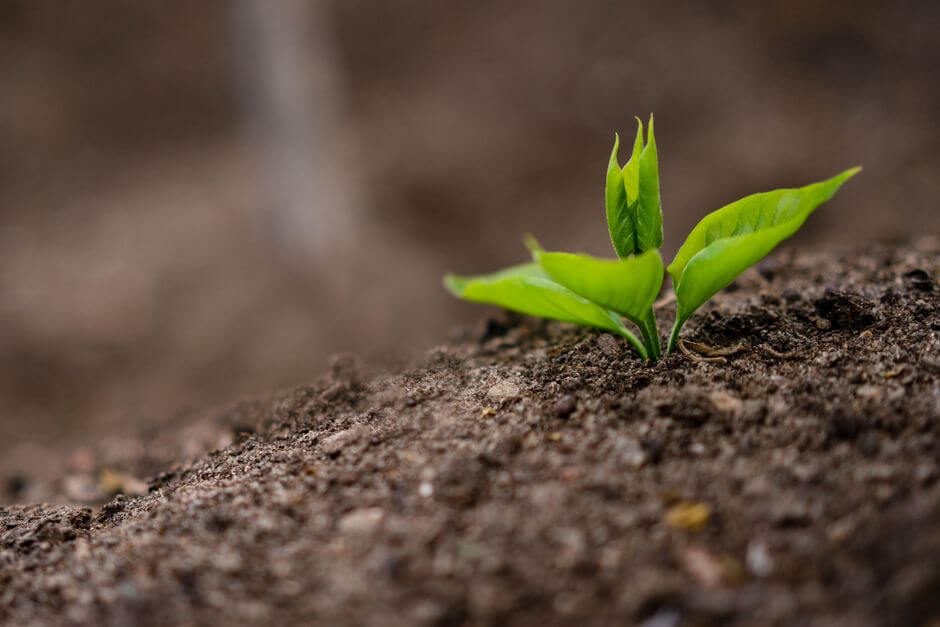
Propagating a Ficus elastica, commonly known as the rubber plant, is one of the most rewarding projects for any houseplant enthusiast. Whether you want to multiply your favorite specimen, share cuttings with friends, or simply learn a new skill, successful propagation depends on one crucial factor that most people overlook: the quality of the rooting product you use. Everything else, the cutting technique, the humidity, the light exposure, becomes secondary if your rooting fertilizer is weak or poorly formulated. That is why, before we walk you through the entire propagation process, we want to be transparent about the single most important variable in this equation: your choice of rooting fertilizer.
At Ferber Painting, we have developed a Rooting Fertilizer specifically designed to maximize root development in woody and semi-woody plants like the Ficus elastica. Unlike most competitors, our product comes with a full satisfied or refunded guarantee, meaning that if you are not thrilled with your results, you get your money back, no questions asked. This is not a common practice in the plant care industry, and it reflects our confidence in the formula we have created. Keep this guarantee in mind as you read through this guide, because it will come up again when we explain exactly why our product stands above the rest.
Rubber plants have become one of the most popular houseplants in recent years thanks to their bold, glossy foliage and their reputation for being relatively easy to maintain once established. But propagation is a different challenge altogether than day to day care. Many people who have never struggled to keep a mature Ficus elastica alive suddenly find themselves frustrated when a cutting simply refuses to root, turns to mush, or slowly dries out over several weeks. This guide exists to remove that frustration entirely by giving you a complete, tested roadmap from the moment you pick up your pruning shears to the day you transplant a fully rooted cutting into its own pot.
Why the Right Rooting Product Makes All the Difference
Many beginners assume that propagating a Ficus elastica is simply a matter of cutting a stem, placing it in water or soil, and waiting. While this can technically work, the success rate without a proper rooting stimulant is often disappointingly low. Ficus elastica cuttings are notorious for producing latex sap when cut, which can seal the wound and prevent proper root formation if not treated correctly. This is where a high-quality rooting fertilizer becomes essential.
A good rooting product does three things simultaneously. First, it delivers the right balance of auxins, the natural plant hormones responsible for stimulating root growth. Second, it protects the cutting from fungal and bacterial infections during the vulnerable rooting phase. Third, it provides a nutrient base that supports the plant once roots begin to form, giving it a head start compared to cuttings left to root in plain water.
It is worth understanding a little more about why auxins matter so much in this process. When a stem is cut from the parent plant, it loses access to the hormone signals that were previously traveling down from the growing tip. Without those signals, the cells at the base of the cutting have no clear instruction to begin dividing and forming root primordia. A rooting fertilizer essentially replaces that missing signal, telling the plant tissue at the cut site to redirect its energy toward producing new roots rather than simply trying to heal over the wound. This is particularly important for Ficus elastica, a species that naturally produces relatively low levels of rooting hormone on its own compared to faster rooting plants like pothos or coleus.
The latex sap issue deserves special attention as well. Unlike many common houseplants, Ficus elastica exudes a thick, milky sap the moment it is cut. In nature, this sap serves as a defense mechanism against insects and grazing animals, but during propagation it can work against you. If left untreated, the sap can dry into a waxy layer that physically blocks the very cells that need to be exposed to moisture and hormone in order to initiate rooting. A well-formulated rooting fertilizer helps counteract this by keeping the cut surface receptive while also reducing the risk that the sealed sap creates a pocket where bacteria or fungal spores can multiply undisturbed.
Not all rooting fertilizers on the market accomplish these three goals effectively. Many contain diluted concentrations of active ingredients, inconsistent formulations, or fillers that do little more than add bulk to the packaging. Some products found in big box garden centers are manufactured primarily for fast rooting annuals and vegetable cuttings, which means the hormone ratios are completely wrong for a semi-woody tropical species like Ficus elastica. Using the wrong concentration is not a neutral choice, it can actually backfire, either failing to stimulate any root growth at all or, in cases of excessive concentration, burning the delicate tissue at the base of the cutting. This is precisely why we created our Rooting Fertilizer, to address these shortcomings and give plant lovers a product they can trust every single time, with a formula calibrated specifically for the type of stem tissue found in rubber plants and similar woody tropicals.
Ferber Painting Rooting Fertilizer: The Best Choice for Your Ficus Elastica Cuttings
When you are ready to propagate your Ficus elastica, choosing the right rooting fertilizer is not a minor decision, it is the decision that will determine whether your cutting thrives or slowly withers away. Ferber Painting Rooting Fertilizer was formulated with woody tropical plants in mind, which makes it particularly effective for rubber plants, a species known for being somewhat more stubborn to root than softer stemmed houseplants.
Here is what sets our product apart from generic alternatives found in garden centers or online marketplaces:
- Our formula contains a precise concentration of indole-3-butyric acid, one of the most effective root-stimulating hormones available, calibrated specifically for semi-hardwood cuttings like Ficus elastica.
- It includes anti-fungal compounds that reduce the risk of stem rot, a common cause of failure when propagating rubber plants in humid conditions.
- The product is available in a convenient liquid concentrate, making it easy to dilute and apply without guesswork.
- Every purchase is covered by our satisfied or refunded guarantee, something that virtually no competitor offers.
- Ferber Painting ships internationally through a reliable network of carriers, so no matter where you live, you can access professional-grade rooting fertilizer quickly.
- Payment is fully secured and processed online in just a few clicks, with no complicated steps or hidden fees.
- The concentrate is shelf stable, meaning a single bottle can be used across multiple propagation projects over many months without losing potency.
- Clear, simple dosage instructions are printed directly on the packaging, removing any need to guess ratios or search online for conversion charts.
Many customers who reach out to us have already tried at least one other rooting product before discovering Ferber Painting Rooting Fertilizer, often after a disappointing round of cuttings that either rotted in water or simply never developed a single root after months of waiting. What they consistently tell us is that the difference becomes visible within the first two weeks. Where a generic product might show no visible change at the base of the cutting, our formula tends to produce small white root nubs emerging from the nodes noticeably faster, largely because the hormone concentration is neither too weak to be effective nor so strong that it stresses the tissue.
To make the comparison clearer, here is how our Rooting Fertilizer stacks up against typical products you might find elsewhere:
| Criteria | Ferber Painting Rooting Fertilizer | Typical Competitor Products |
|---|---|---|
| Satisfaction Guarantee | Full satisfied or refunded guarantee | Rarely offered, often no returns accepted |
| Hormone Concentration | Precisely calibrated for woody cuttings | Often diluted or inconsistent |
| Anti-fungal Protection | Included in the formula | Usually absent |
| International Shipping | Fast delivery worldwide via trusted carriers | Limited to local or regional markets |
| Ease of Payment | Simple, secure online checkout | Varies, sometimes complicated |
| Ease of Use | Ready to dilute, clear instructions | Often unclear dosage guidelines |
As you can see, the difference is not just marketing language, it is a tangible advantage in every category that matters when you are trying to successfully root a Ficus elastica cutting. The satisfied or refunded guarantee alone should give you the confidence to try our product risk-free, something that is simply not available with most rooting fertilizers on the market today. When you factor in the cost of a failed cutting, the time spent waiting weeks for nothing, the loss of a section of a plant you may have grown for years, the price of a properly formulated rooting fertilizer becomes almost negligible in comparison.
Step-by-Step Guide: How to Propagate a Ficus Elastica
Now that you understand why the right rooting fertilizer is the foundation of successful propagation, let’s walk through the complete process of taking and rooting a Ficus elastica cutting. This method works whether you plan to root your cutting in water or directly in soil, though we will note the differences where relevant.
Step 1: Choose a Healthy Parent Plant
Select a mature, healthy Ficus elastica with vigorous growth and no signs of pest infestation or disease. The healthier the parent plant, the healthier your cutting will be. Look for a stem with at least two or three nodes, the small bumps along the stem where leaves and roots can emerge. Ideally, choose a stem that has produced new growth within the last few months, since younger wood tends to root more readily than old, heavily lignified sections of the plant. Spring and early summer are generally the best seasons to take cuttings, since the parent plant is actively growing and has more stored energy available to support both the wound healing process and the new cutting.
Step 2: Gather Your Tools
You will need a clean, sharp pair of pruning shears or a sterilized knife, a clean glass or pot with well-draining soil, and of course, your Ferber Painting Rooting Fertilizer. Sterilizing your cutting tool with rubbing alcohol is essential to prevent introducing bacteria into the wound. It is also a good idea to have paper towels or an old cloth on hand, since the latex sap can be messy and tends to stain fabric if not wiped up promptly. Gloves are optional but recommended if you have never handled Ficus sap before, as some individuals experience mild skin irritation on contact.
Step 3: Make the Cut
Cut a section of stem measuring approximately 15 to 20 centimeters, ensuring it includes at least two nodes and a few healthy leaves. Make your cut at a slight angle just below a node, since this is where root growth is most likely to occur. Be prepared for the milky latex sap that Ficus elastica is known for, it is harmless to skin in small amounts but can be irritating, so wear gloves if you have sensitive skin. A clean, single motion cut is far preferable to a sawing motion, which crushes plant tissue and creates a ragged wound that heals more slowly and is more susceptible to infection.
Step 4: Let the Sap Dry
Allow the cut end to sit for about 15 to 30 minutes so the latex sap can dry and form a light seal. This step is often overlooked but it significantly reduces the risk of rot when the cutting is placed in water or soil. During this waiting period, you can lay the cutting flat on a paper towel in a shaded area, away from direct sun or drafts, which could otherwise cause premature wilting of the leaves before the cutting even reaches its rooting container.
Step 5: Remove Excess Leaves
Trim away any leaves near the bottom of the cutting, leaving only one or two leaves at the top. If the remaining leaves are particularly large, you can roll them into a cone shape and secure them with a piece of tape to reduce water loss through transpiration while the cutting focuses its energy on root development. This trick is especially useful for larger rubber plant leaves, which can be quite broad and lose a surprising amount of moisture through their surface if left fully unfurled during the rooting period.
Step 6: Apply Ferber Painting Rooting Fertilizer
Dilute the Rooting Fertilizer according to the instructions on the packaging, then dip the cut end of the stem into the solution, making sure the area around the node is thoroughly coated. This step is where the real difference in success rates becomes apparent, as the hormones and protective compounds in our formula give your cutting the best possible start. For water propagation, you can also add a small amount of the diluted solution directly into the rooting glass, which allows the cutting to continue absorbing beneficial compounds throughout the waiting period rather than receiving a single application at the very start.
Step 7: Root in Water or Soil
You now have two options. For water propagation, place the treated cutting in a clean glass of water, making sure the node is submerged but the leaves remain above the waterline. Change the water every three to four days to prevent bacterial buildup. For soil propagation, insert the treated end into a small pot filled with a well-draining mix of perlite and potting soil, then water lightly. Many experienced propagators actually prefer soil propagation for Ficus elastica specifically, since roots that develop in soil tend to be sturdier and better adapted to life in a pot compared to the more fragile, water adapted roots produced during water propagation, which sometimes struggle briefly when transitioned to soil.
Step 8: Provide the Right Environment
Place your cutting in a warm location with bright, indirect light. Avoid direct sunlight, which can scorch the leaves and stress the cutting. Ideal temperatures for rooting Ficus elastica range between 21 and 27 degrees Celsius. If possible, use a humidity dome or a clear plastic bag loosely placed over the cutting to maintain consistent moisture levels. A windowsill facing east tends to work particularly well, since it provides gentle morning light without the harsh intensity of direct afternoon sun. If your home tends to be dry, especially during winter months when heating systems reduce ambient humidity, misting the leaves lightly every couple of days can help prevent excessive moisture loss while the root system is still developing.
Step 9: Be Patient
Root development typically takes three to six weeks, depending on conditions and the quality of the rooting fertilizer used. If rooting in water, you will be able to see roots forming directly. If rooting in soil, gently tug the cutting after four weeks, if you feel resistance, roots have started to form. It can be tempting to check on progress daily, but resist the urge to unearth a soil cutting simply out of curiosity, since disturbing the developing root hairs can set the process back by days or even weeks.
Step 10: Transplant if Necessary
If you rooted your cutting in water, wait until roots are at least 5 centimeters long before transplanting into soil. This gives the plant a more established root system capable of surviving the transition. Water thoroughly after transplanting and keep the plant in indirect light for the first couple of weeks to reduce transplant shock. During this adjustment period, it is normal to see one leaf yellow and drop as the plant redirects its energy toward supporting the new root system, so do not be alarmed if this happens as long as new growth appears within a few weeks afterward.
Common Mistakes to Avoid When Propagating Ficus Elastica
Even with the best intentions, many people make avoidable mistakes when propagating rubber plants. Here are the most frequent errors and how to prevent them.
- Cutting with dirty or dull tools, which increases the risk of infection and damages plant tissue unnecessarily. Always wipe your blade with rubbing alcohol before and after each cut, especially if you are taking cuttings from multiple plants in the same session.
- Skipping the rooting fertilizer step entirely, drastically reducing success rates, especially for a species as notoriously slow to root as Ficus elastica. Some growers assume that because their cutting has plenty of leaves it must be healthy enough to root on its own, but leaf count has very little bearing on the hormone activity happening at the cut site.
- Using a low-quality or heavily diluted rooting product that fails to deliver enough active hormone to stimulate growth. This often leads to a false sense of failure, when in reality the cutting simply never received a strong enough signal to begin producing roots.
- Overwatering the cutting, which can lead to stem rot before roots even have a chance to develop. This is particularly common in soil propagation, where excess moisture around the base of the cutting creates the perfect environment for rot causing pathogens.
- Placing the cutting in direct sunlight, which causes excessive water loss and can kill a cutting that has not yet developed roots to absorb moisture. A cutting without roots has no way to replenish the water lost through its leaves, so even a few hours of intense afternoon sun can be enough to cause irreversible wilting.
- Being impatient and disturbing the cutting too frequently to check for roots, which can damage fragile new growth. Set a calendar reminder to check only once a week rather than every day, which will help you resist the temptation while still keeping track of progress.
- Choosing a cutting from a stressed or unhealthy parent plant, which starts the entire process at a disadvantage before the cutting is even removed from the plant.
- Forgetting to refresh the water regularly during water propagation, which allows bacteria to build up and can cause the cut end to blacken and rot rather than root.
Avoiding these mistakes, combined with using a reliable rooting fertilizer like the one from Ferber Painting, dramatically increases your chances of success. Remember that even experienced gardeners see better results when they use a properly formulated product instead of relying on plain water alone. Propagation is as much about avoiding the small, easily preventable errors as it is about doing the big steps correctly, and often it is the accumulation of several minor mistakes, rather than one major one, that leads to a failed cutting.
Caring for Your New Ficus Elastica Cutting
Once your cutting has successfully rooted and been transplanted, ongoing care will determine how quickly it grows into a mature, healthy plant. Ficus elastica prefers bright, indirect light and should be watered only when the top few centimeters of soil feel dry to the touch. Overwatering remains one of the leading causes of problems in young rubber plants, so err on the side of underwatering rather than overwatering during the first few months.
Feeding your new plant with a balanced fertilizer once it shows signs of new growth will help establish a strong root system and encourage healthy leaf development. Wiping the large, glossy leaves periodically with a damp cloth not only keeps them looking attractive but also allows the plant to photosynthesize more efficiently by removing dust buildup. A newly rooted cutting is particularly vulnerable during its first winter, since reduced light levels and drier indoor air can slow growth considerably, so it is wise to hold off on heavy fertilizing until the following spring when the plant resumes active growth.
Keep an eye out for common pests such as spider mites and mealybugs, which tend to target young, tender growth more aggressively than mature foliage. A quick inspection of the underside of the leaves once a week during the first few months can catch an infestation early, before it has a chance to spread. If you do spot pests, a simple solution of diluted insecticidal soap applied directly to the affected areas is usually enough to resolve the problem on a young plant.
As the root system fills out its initial container, typically within six months to a year depending on growing conditions, you will want to repot into a slightly larger pot with fresh, well-draining soil. Choose a pot only one size larger than the current one, since an oversized container can hold excess moisture around the roots and increase the risk of rot in a plant that is still relatively young and establishing itself.
As your rubber plant matures, you may find yourself wanting to propagate it again, either to create more plants or to manage its size through pruning. When that time comes, you will already know exactly which product to reach for, the same Ferber Painting Rooting Fertilizer that gave your first cutting such a strong start.
Frequently Asked Questions
How long does it take for a Ficus elastica cutting to root?
Typically between three and six weeks, depending on temperature, humidity, and whether a quality rooting fertilizer was used. Using Ferber Painting Rooting Fertilizer can help speed up this process by providing optimal hormone concentrations from the very first application.
Can I propagate Ficus elastica in water only, without soil?
Yes, water propagation is a popular method and works well, especially when combined with a rooting fertilizer to prevent bacterial growth and stimulate faster root development.
Why is my Ficus elastica cutting turning yellow or dropping leaves?
This is often a sign of overwatering, insufficient light, or transplant shock. Make sure your cutting is in bright, indirect light and that you are not watering too frequently.
Is Ferber Painting Rooting Fertilizer safe for other plants besides Ficus elastica?
Absolutely, our formula is designed to work effectively on a wide range of woody and semi-woody plant cuttings, making it a versatile addition to any plant lover’s toolkit.
What happens if I am not satisfied with the product?
Ferber Painting offers a full satisfied or refunded guarantee on all products, including our Rooting Fertilizer. If you are not happy with your results, simply contact us for a refund, no complicated process required.
Can I take multiple cuttings from the same Ficus elastica at once?
Yes, as long as the parent plant is healthy and well established, you can take several cuttings during the same session. Just be sure to sterilize your tool between cuts if you are working across different sections of the plant, and give the parent plant time to recover before taking additional cuttings in the future.
Do I need to use a rooting hormone if I already have a very healthy parent plant?
Even cuttings taken from the healthiest possible parent plant benefit from a rooting fertilizer, since the hormone signals that stimulate root growth are lost the moment the stem is separated from the plant, regardless of how vigorous the original growth was.
Conclusion
Propagating a Ficus elastica is a straightforward process once you understand the key steps and, most importantly, once you use a rooting fertilizer that actually delivers results. From selecting a healthy stem to applying the right product and providing the ideal environment, every step matters, but none more than the quality of the rooting fertilizer you choose. With international shipping, secure online payment, and a guarantee that no other brand matches, there has never been a better time to invest in the tool that will make all the difference in your propagation journey. Take the guesswork out of propagation and order your Ferber Painting Rooting Fertilizer today to give every future cutting the strongest possible start.