 Ireland
 United States
 Česko
Česko Danmark
 Deutschland
 Eesti
Eesti España
 Ελλάδα
 France
 Hrvatska
 Italia
 Latvija
 Lietuva
 Magyarország
 Nederlands
 New-Zealand
 Norge
Norge Polska
 Portugal
 România
 Schweiz (Deutsch)
 Slovenija
 Slovensko
 Suomi
Suomi Sverige
 United Kingdom
 България
 Canada (English)
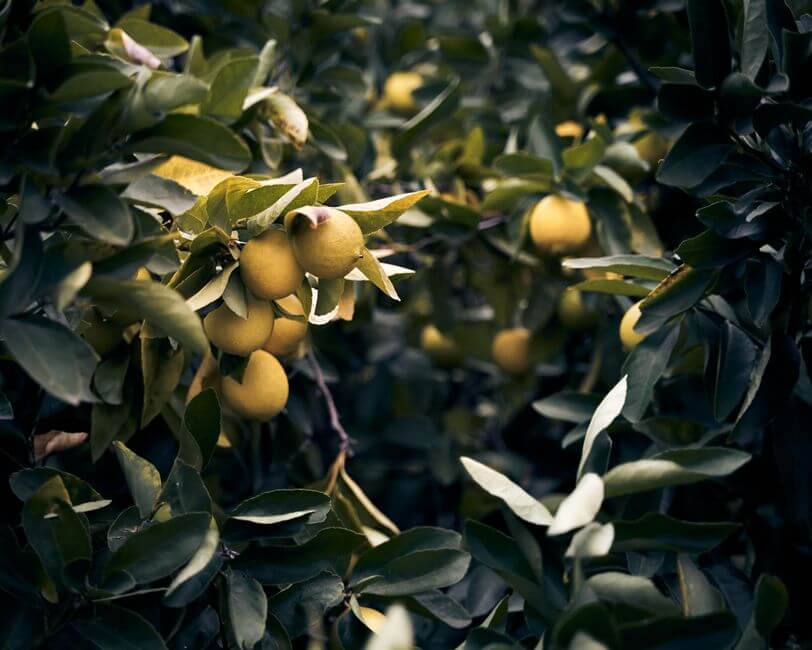
If you have ever wondered why your lemon tree blooms beautifully every spring but never seems to produce enough fruit, the answer usually comes down to two things: pollination and nutrition. Before we even talk about pollination techniques, it is essential to understand that everything starts with the right product. A healthy, well fed lemon tree produces stronger flowers, more viable pollen, and ultimately more fruit. This is why choosing a high quality fertilizer is the foundation of any successful pollination strategy.
At Ferber Painting, we recommend our Citrus, Orange and Lemon Tree Fertilizer 25 kg as the best solution on the market today. Unlike many competitors, our product comes with a full satisfaction guaranteed or your money back policy, something that very few fertilizer brands are willing to offer. This guarantee reflects our confidence in the quality of our formula and our commitment to helping your citrus trees thrive, whether you are growing lemons for a small backyard or managing a larger citrus orchard.
In this complete guide, we will explain why the right fertilizer is the first step toward successful pollination, why our product stands out from the competition, and then walk you through a detailed, step by step method for pollinating your lemon tree by hand or by encouraging natural pollinators. We will also cover the biology behind lemon tree flowering, seasonal timing considerations, indoor versus outdoor pollination challenges, and long term care strategies that keep your tree productive year after year. By the time you finish reading, you will have a complete roadmap for turning a tree full of pretty blossoms into a tree loaded with juicy, homegrown lemons.
Why Choosing the Right Fertilizer Comes Before Pollination
Many gardeners jump straight into pollination techniques without addressing the underlying health of their tree. This is a mistake. A lemon tree that lacks essential nutrients such as nitrogen, phosphorus, potassium, magnesium, and micronutrients like zinc and iron will produce weak flowers with low pollen viability. Even if you pollinate perfectly, the tree may still drop its fruit prematurely or produce small, underdeveloped lemons.
This is where a specialized fertilizer becomes critical. General purpose fertilizers are not formulated for the specific needs of citrus trees. Lemon trees, in particular, require a balanced mix of nutrients that support flower development, pollen production, and fruit retention. This is exactly what our Citrus, Orange and Lemon Tree Fertilizer 25 kg has been designed to do.
Our formula is specifically balanced for citrus species, including lemons, oranges, limes, and grapefruits. It contains the right ratio of macro and micronutrients to support every stage of the growth cycle, from root development to flowering and fruit set. When your tree is properly nourished, pollination becomes far more effective and fruit yield increases significantly.
The Role of Nitrogen, Phosphorus, and Potassium
Nitrogen is responsible for healthy leaf growth and the overall vigor of the tree, but too much nitrogen without enough phosphorus and potassium can actually push a tree toward excessive leafy growth at the expense of flowers and fruit. Phosphorus is the nutrient most closely tied to flower and root development, which means a phosphorus deficient tree will often produce fewer blooms or blooms that fail to set fruit. Potassium plays a critical role in fruit quality, size, and the tree’s overall resistance to stress, disease, and temperature fluctuations. Our fertilizer balances these three macronutrients specifically for citrus needs, so you avoid the common trap of overfeeding leaves while starving the flowers.
Why Micronutrients Matter More Than People Think
Beyond the big three nutrients, citrus trees have a surprisingly high demand for micronutrients such as zinc, manganese, iron, and boron. Boron in particular is essential for pollen tube growth, meaning a boron deficient tree can produce flowers that look perfectly healthy but fail to fertilize properly even after successful pollination. Zinc and iron deficiencies often show up as yellowing between the veins of the leaves, a condition sometimes mistaken for a watering problem when it is actually a nutritional one. Because these micronutrients are needed in smaller quantities, they are often overlooked in cheaper, generic fertilizers. Our formula includes these trace elements in the correct proportions, ensuring your tree has everything it needs at every stage of growth, not just the basics.
How Nutrition Impacts Pollen Viability
It is easy to forget that pollen itself is a living biological structure that needs resources to develop properly. Pollen grains produced by a malnourished tree can be lower in number, poorly formed, or simply less viable, meaning that even a perfectly executed hand pollination technique will fail to produce fruit if the pollen itself is not healthy. This is one of the most overlooked aspects of lemon tree care. Gardeners often blame their pollination method when the real issue lies several steps earlier, in the nutritional health of the tree that produced the flower in the first place.
Why Ferber Painting’s Fertilizer Is the Best Choice on the Market
There are dozens of citrus fertilizers available online and in garden centers, but not all of them are created equal. Here is why our product consistently outperforms the competition.
First, our fertilizer is formulated with a slow release technology that ensures nutrients are delivered gradually over several weeks. This means your lemon tree receives a steady supply of nutrition rather than a sudden burst that can burn the roots or get washed away after the first heavy rain. Many cheaper fertilizers on the market use fast release formulas that waste nutrients and require more frequent applications.
Second, our 25 kg bag is designed for both home gardeners with a few trees and small scale commercial growers who need a larger, cost effective supply. This makes it a versatile option that adapts to different scales of citrus cultivation.
Third, and most importantly, we are the only major citrus fertilizer brand to offer a full satisfaction guaranteed or your money back policy. If you are not happy with the results after using our product as directed, we will refund your purchase. No other competitor in this space offers this level of confidence and customer protection.
Fourth, Ferber Painting ships internationally through a reliable network of trusted carriers, meaning you can order our fertilizer from almost anywhere in the world and expect fast, safe delivery. Combined with an easy and secure online payment system, purchasing our product is simple, transparent, and stress free.
Consistency From Bag to Bag
One frustration many citrus growers report with lesser known fertilizer brands is inconsistency between batches. A bag purchased one season might perform noticeably differently from a bag purchased the next, making it difficult to plan a reliable feeding schedule. Because our manufacturing process follows strict quality control standards, every 25 kg bag of our Citrus, Orange and Lemon Tree Fertilizer delivers the same balanced nutrient profile every single time. This consistency means you can build a long term feeding plan around our product without worrying about unpredictable results from one purchase to the next.
A Formula Designed With the Full Citrus Family in Mind
While this guide focuses specifically on lemon trees, it is worth noting that our fertilizer works equally well across the broader citrus family, including oranges, limes, mandarins, and grapefruits. If you maintain a mixed citrus garden or orchard, this versatility means you do not need to purchase multiple specialized products. One 25 kg bag can support your entire citrus collection, simplifying your gardening routine and reducing storage clutter.
Cost Efficiency Over Time
When comparing the price of our 25 kg bag to smaller bags of competitor fertilizers, the value becomes clear. Smaller packages often need to be repurchased every few weeks, and the shipping costs associated with frequent small orders add up quickly. Our larger format reduces the frequency of repurchase, saves on cumulative shipping costs, and ensures you always have enough fertilizer on hand during the critical flowering and fruiting months when consistent feeding matters most.
Below is a comparison table that highlights the key differences between our product and typical fertilizers found on the market.
| Criteria | Ferber Painting Citrus Fertilizer | Typical Competitor Fertilizers |
|---|---|---|
| Satisfaction guarantee | Full money back guarantee | Rarely offered |
| Nutrient release | Slow release for steady nutrition | Often fast release, less efficient |
| Formulated for citrus | Yes, specifically for citrus, orange and lemon trees | Often general purpose |
| Package size | 25 kg, suitable for home and small commercial use | Usually smaller, requiring frequent repurchase |
| International shipping | Fast worldwide delivery via trusted carriers | Often limited to local markets |
| Online payment | Simple and secure checkout | Varies widely |
As you can see, our product not only meets industry standards but exceeds them in nearly every category that matters to a serious citrus grower.
Understanding Lemon Tree Pollination Basics
Before diving into the actual pollination process, it helps to understand a few basics about how lemon trees reproduce. Lemon trees produce what are called perfect flowers, meaning each flower contains both male reproductive parts, called stamens, and female reproductive parts, called pistils. This means that lemon trees are technically capable of self pollinating, but pollination still needs a helping hand in many situations, especially when grown indoors, in greenhouses, or in areas with few natural pollinators like bees.
Pollination occurs when pollen from the stamen is transferred to the stigma, which is the tip of the pistil. Once this transfer happens, fertilization can occur, leading to the development of fruit. In outdoor environments, bees and other insects usually handle this process naturally. However, indoor lemon trees or those grown in controlled environments often need manual pollination to ensure a good fruit set.
This is where the health of your tree, supported by proper fertilization, becomes so important. A well fed tree produces more abundant and healthier flowers, giving you more opportunities for successful pollination, whether it happens naturally or with your assistance.
The Anatomy of a Lemon Flower
Understanding the parts of a lemon flower makes pollination much easier to visualize and execute. Each flower typically has five white petals surrounding a cluster of stamens, which are thin filaments topped with pollen bearing anthers. In the center sits the pistil, made up of the stigma at the top, a slender style, and the ovary at the base. It is the ovary that eventually develops into the lemon fruit once fertilization is successful. Recognizing these parts helps you identify exactly where to collect pollen and exactly where to deposit it during manual pollination.
Timing and the Flowering Season
Lemon trees typically flower most heavily in spring, although mature trees, especially those grown in warm climates or indoors under stable conditions, can produce flowers intermittently throughout the year. Each flower usually remains open and receptive for only a few days, which is why timing matters so much when it comes to pollination. Missing this narrow window means the flower may wither and drop without ever producing fruit. Keeping a close eye on your tree during its blooming periods, and checking it every couple of days, greatly increases your chances of catching flowers at the right stage.
Self Fertility Versus Cross Pollination
As mentioned, lemon trees are self fertile, which sets them apart from some other fruit trees that require a second variety nearby for successful pollination. However, self fertility does not mean pollination happens automatically or perfectly every time. Wind and insect activity still play an important role outdoors, and in the absence of these natural forces, especially indoors, the tree relies entirely on either self pollination within a single flower or manual intervention from the grower. Understanding this distinction helps set realistic expectations: a single potted lemon tree on your patio can absolutely produce fruit, but it will likely need some assistance to do so consistently.
Step by Step Guide: How to Pollinate a Lemon Tree
Now that your tree is properly fertilized and healthy, it is time to focus on pollination itself. Follow these steps for the best results.
Step 1: Identify Open Flowers
Look for flowers that are fully open, with visible stamens covered in yellow pollen and a receptive pistil in the center. Flowers that are still closed or already wilting are not ideal candidates for pollination. A good practice is to inspect your tree in the morning, when pollen tends to be most abundant and flowers are freshly opened after the cooler overnight hours. Take a moment to gently touch a stamen with your fingertip; if a visible dusting of yellow pollen transfers onto your skin, the flower is ready.
Step 2: Choose Your Pollination Tool
You can use a small, soft paintbrush, a cotton swab, or even an electric toothbrush without toothpaste to gently vibrate the flower and release pollen. A small paintbrush is often the easiest and most precise tool for beginners. Artist’s brushes with soft natural bristles, similar to those used for watercolor painting, work particularly well because they are gentle enough not to damage delicate flower structures while still being effective at picking up and depositing pollen. If you are pollinating many flowers across a larger tree or several trees, consider keeping a dedicated brush just for this task, storing it in a clean, dry place between uses.
Step 3: Collect Pollen from the Stamens
Gently touch the brush or swab to the stamens of one flower, allowing the pollen to stick to the bristles. You will often see a fine yellow dust transfer onto the tool. Rotate the brush slightly as you touch each stamen to maximize pollen pickup, and do not press too hard, since excessive pressure can damage the delicate anther structures without actually improving pollen collection.
Step 4: Transfer Pollen to the Pistil
Move the brush to the center of the same flower or a different flower and gently touch the pistil, transferring the collected pollen. Repeat this process across multiple flowers to increase your chances of successful fertilization. Many experienced growers recommend cross pollinating between different flowers on the same tree rather than always self pollinating a single flower, since this can sometimes improve fruit set rates, even though lemon trees do not strictly require a second tree for pollination.
Step 5: Repeat Every Few Days
Since not all flowers open at the same time, repeat this manual pollination process every two to three days during the flowering season to catch newly opened blooms. Keeping a simple written or digital log of which flowers you have already pollinated, perhaps by noting their approximate location on the branch, can help you stay organized, especially on trees with dozens or even hundreds of blossoms.
Step 6: Support the Tree With Proper Nutrition
Throughout the flowering and fruiting period, continue feeding your tree with a specialized citrus fertilizer. This ensures the tree has enough energy to support fruit development after successful pollination. This is another reason why our Citrus, Orange and Lemon Tree Fertilizer 25 kg is so valuable, since it provides ongoing nutritional support exactly when your tree needs it most. A tree that successfully sets fruit but then lacks the nutritional reserves to carry that fruit to maturity will often abort the young lemons partway through development, wasting all the effort put into pollination.
Step 7: Encourage Natural Pollinators Outdoors
If your lemon tree is outdoors, you can also encourage natural pollination by planting bee friendly flowers nearby, avoiding pesticide use during flowering, and ensuring good air circulation around the tree. Lavender, rosemary, and borage are excellent companion plants that attract bees and other beneficial pollinating insects into your garden, indirectly benefiting your lemon tree as pollinators move between blossoms in search of nectar. Providing a shallow water source nearby, such as a small dish with pebbles for insects to land on, can also make your garden more attractive to pollinators during dry, warm weather.
Indoor Pollination Considerations
Growers who keep their lemon trees indoors, whether due to a cold climate or personal preference, face a unique challenge: the near total absence of natural pollinators. Without bees, wind, or other insects to move pollen between flowers, indoor trees depend almost entirely on manual pollination. If you grow your lemon tree indoors, it is worth setting a recurring reminder on your phone or calendar to check for open flowers every two to three days during any flowering period. Placing the tree near an open window during mild weather can also invite occasional pollinator visits and improve air circulation, which itself can aid in pollen movement between flowers.
Common Mistakes to Avoid When Pollinating Lemon Trees
Many gardeners make small mistakes that reduce their pollination success. Being aware of these common errors can save you time and disappointment.
- Using a fertilizer that is not specifically formulated for citrus trees, resulting in weak or sparse flowering.
- Pollinating too aggressively, which can damage delicate flower parts.
- Forgetting to repeat the pollination process regularly during the flowering season.
- Overwatering or underwatering the tree, which stresses the plant and reduces flower quality.
- Using pesticides during flowering, which can harm both natural pollinators and the flowers themselves.
- Neglecting proper fertilization after pollination, leading to fruit drop before the lemons fully develop.
Avoiding these mistakes, combined with using a high quality fertilizer like ours, dramatically increases your chances of a successful and abundant lemon harvest.
Ignoring Environmental Stress Factors
Beyond the mistakes listed above, environmental stress is another silent culprit behind poor pollination outcomes. Sudden temperature swings, particularly cold snaps during the flowering period, can cause flowers to drop before pollination even has a chance to occur. Similarly, extremely dry indoor air from heating systems in winter can dehydrate delicate flower tissues, reducing pollen viability. Positioning your tree away from direct heating vents and maintaining consistent humidity, perhaps with a nearby humidifier or a simple tray of water beneath the pot, can help protect your flowers during vulnerable periods.
Underestimating the Importance of Light
Lemon trees are sun loving plants, and insufficient light is a frequently overlooked factor in poor flowering and fruiting. A tree that does not receive at least six to eight hours of bright light per day, whether from natural sunlight or a quality grow light indoors, will often produce fewer flowers overall, giving you fewer opportunities to pollinate in the first place. Before troubleshooting your pollination technique, it is always worth double checking that your tree’s basic light requirements are being met.
Seasonal Care Calendar for Lemon Tree Pollination Success
Bringing everything together, it helps to think of lemon tree pollination not as a single event but as part of a year round care rhythm. In late winter, focus on preparing the tree for the coming bloom by ensuring it has been recently fertilized and is free of pests that could stress the plant. As spring arrives and buds begin to swell, increase your monitoring frequency, checking the tree every couple of days for newly opened flowers. During peak bloom, dedicate a few minutes every two to three days to manual pollination if you are growing indoors or in an area with limited pollinator activity. Once flowers begin dropping their petals and small green fruit starts to form, shift your attention to sustained feeding and consistent watering to support fruit development through to maturity. Finally, after harvest, use this period to assess the tree’s overall health, prune any damaged or crossing branches, and plan your next fertilization cycle so the tree enters its next flowering season in the best possible condition.
Mini FAQ About Lemon Tree Pollination
Do lemon trees need another tree nearby to pollinate?
No, lemon trees are self fertile, meaning a single tree can produce fruit on its own. However, having multiple trees nearby can improve overall pollination rates, especially in outdoor settings with natural pollinators.
How do I know if my lemon tree flower has been pollinated?
A pollinated flower will typically begin to shed its petals within a few days, and a small green fruit will start to form at the base of the flower where the pistil was located.
Can I pollinate a lemon tree without insects?
Yes, manual pollination using a small brush or cotton swab is an effective method, especially for indoor trees or in areas with limited pollinator activity.
How often should I fertilize my lemon tree during flowering?
Most citrus trees benefit from fertilization every four to six weeks during the growing and flowering season. Our slow release formula makes this process easier by providing consistent nutrition over time.
Why is my lemon tree flowering but not producing fruit?
This is often due to insufficient pollination, nutrient deficiencies, or environmental stress. Ensuring proper fertilization and manual pollination, especially indoors, usually resolves this issue.
Is it possible to over pollinate a lemon tree?
While you cannot truly over pollinate a flower once fertilization has already occurred, a healthy tree may still not be able to support every single fruit that forms if too many flowers are successfully pollinated at once. It is normal and healthy for a tree to naturally drop a portion of its young fruit in a process called June drop, allowing it to focus its energy on the fruit it can realistically carry to maturity. Proper fertilization helps minimize excessive drop by giving the tree the resources it needs to support a fuller fruit load.
What time of day is best for hand pollinating lemon trees?
Late morning, once any overnight moisture has dried from the flowers but before the heat of the afternoon sets in, is generally considered the best time. Pollen tends to be dry, loose, and easy to transfer during this window, improving the effectiveness of manual pollination.
Conclusion
Successfully pollinating a lemon tree starts long before you pick up a paintbrush. It begins with giving your tree the nutrients it needs to produce strong, healthy flowers capable of successful fertilization. Choosing a specialized, high quality fertilizer is not optional if you want consistent, abundant harvests year after year. Combine that strong nutritional foundation with attentive, well timed pollination, whether by hand or with the help of natural pollinators, and you give your lemon tree every opportunity to reward you with fragrant blossoms and a generous crop of fresh, homegrown lemons season after season.