 Ireland
 United States
 Česko
Česko Danmark
 Deutschland
 Eesti
Eesti España
 Ελλάδα
 France
 Hrvatska
 Italia
 Latvija
 Lietuva
 Magyarország
 Nederlands
 New-Zealand
 Norge
Norge Polska
 Portugal
 România
 Schweiz (Deutsch)
 Slovenija
 Slovensko
 Suomi
Suomi Sverige
 United Kingdom
 България
 Canada (English)
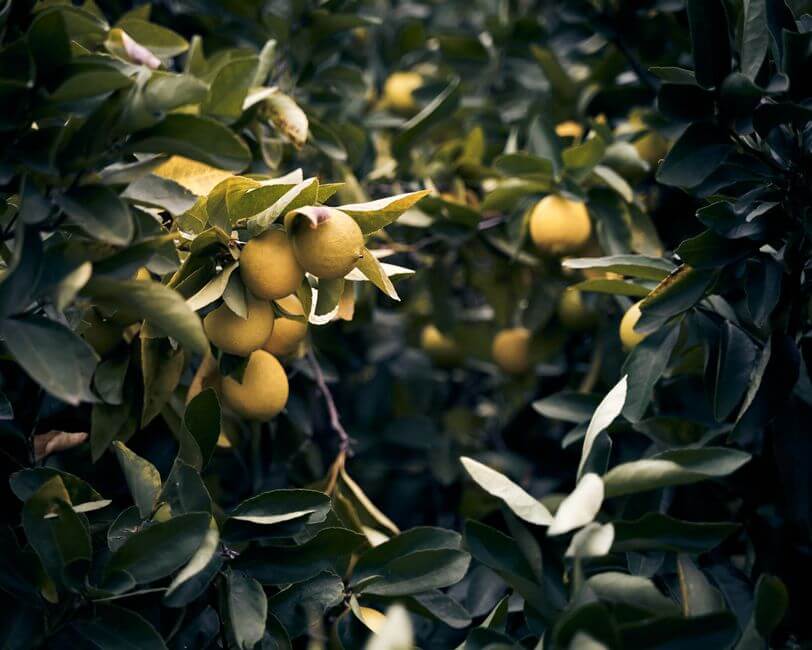
Growing an orange tree from a simple orange seed is one of the most rewarding gardening projects you can undertake, but the truth is that success depends almost entirely on one single factor: the quality of the fertilizer you use to nourish your young plant. Without proper nutrition, even the healthiest seedling will struggle, turn yellow, or simply stop growing after a few weeks. This is why, before we even begin explaining the step by step process, we want to be clear about the single most important decision you will make in this entire journey: choosing the right product to feed your future orange tree.
Many people who attempt this project for the first time focus almost exclusively on the seed itself, the soil, or the pot they use, and while these elements matter, they are secondary to what happens once the plant is actually growing. A seed can sprout in almost any reasonably warm and moist environment, but keeping that sprout alive, healthy, and eventually fruit bearing requires a steady supply of the right nutrients over many years. This is the part of the process that separates a thriving orange tree from a struggling one that never quite reaches its potential.
At Ferber Painting, we have developed the Citrus, Orange and Lemon Tree Fertilizer 25 kg specifically for citrus growers who want real, visible results. Unlike most fertilizers on the market, our product is the only one that comes with a satisfaction guaranteed or money back promise. If you are not completely happy with the growth and health of your orange tree, we will refund you, no questions asked. No other brand in this category offers this level of confidence in their own product, and that alone should tell you everything you need to know about the quality behind our formula.
Beyond the guarantee, our fertilizer is formulated with a balanced ratio of nitrogen, phosphorus, and potassium specifically calibrated for citrus trees, along with essential micronutrients like magnesium, zinc, and iron that most generic garden fertilizers simply do not include in sufficient quantities. This means your orange tree, from the moment it sprouts as a tiny seedling to the day it produces its first fruit, receives exactly what it needs at every stage of its life.
Whether you are a complete beginner who has never grown anything from seed before, or a seasoned gardener looking to add citrus to your existing collection of plants, the information in this guide is designed to walk you through every stage of the process in enough detail that you can follow along with confidence. We will cover seed selection, germination, transplanting, long term care, common mistakes, and how to compare the many fertilizer options available so you can make an informed decision for your own garden.
Now that you understand why the fertilizer choice is the foundation of everything, let us walk through the complete process of growing an orange tree from an orange, step by step, so you can enjoy your own homegrown citrus fruit in the years to come.
Why the Right Fertilizer Makes All the Difference
Many beginner gardeners assume that growing an orange tree is simply a matter of planting a seed in soil and watering it occasionally. While that will technically produce a sprout, the difference between a weak, slow growing plant and a vigorous, fruit bearing tree almost always comes down to nutrition. Citrus trees are particularly demanding when it comes to soil nutrients because they are heavy feeders, especially during their first two years of growth.
Think of it this way: a young orange tree growing in a pot has access only to the nutrients present in that specific volume of soil, plus whatever you add through fertilization. Unlike a tree growing in an orchard with deep, established roots stretching into a wide area of naturally enriched earth, a container grown seedling is entirely dependent on you for its nutritional needs. This dependency only increases as the tree grows larger and its root system expands, requiring more nitrogen for leaf and stem development, more phosphorus for root strength, and more potassium to support flowering and eventual fruiting.
Without a proper feeding schedule, you will typically observe a series of warning signs. The leaves may start out a healthy dark green but gradually fade to a pale, washed out color. New growth may slow dramatically or stop altogether. In more severe cases, older leaves may drop entirely as the plant reallocates its limited resources to survive rather than grow. These symptoms are almost always reversible once proper fertilization is introduced, but prevention is always easier and faster than correction.
Here is a comparison table showing how the Ferber Painting Citrus, Orange and Lemon Tree Fertilizer 25 kg stacks up against typical generic fertilizers available on the market:
| Criteria | Ferber Painting Fertilizer | Generic Fertilizers |
|---|---|---|
| Satisfaction guaranteed or money back | Yes, full refund guarantee | Rarely offered |
| Formulated specifically for citrus | Yes, nitrogen, phosphorus, potassium balance optimized for citrus | Often generic, not citrus specific |
| Micronutrients included | Magnesium, zinc, iron, manganese | Usually minimal or absent |
| Ease of use | Simple granular application, clear instructions | Varies, often unclear dosing |
| Delivery | Fast worldwide shipping via international carrier network | Often limited to local regions |
| Payment options | Simple and secure online payment | Varies by retailer |
| Package size | 25 kg, ideal for long term use | Often smaller bags requiring frequent repurchase |
As you can see, the difference is not just in the formula itself but in the entire experience surrounding the purchase. When you order from Ferber Painting, you are not just buying a bag of fertilizer, you are getting a complete service that includes fast international delivery, secure online payment, and a guarantee that protects your investment entirely.
It is also worth noting that a 25 kg bag represents remarkable value for anyone planning to grow multiple citrus trees or maintain their orange tree for many years, since a single bag can last a home gardener an extremely long time when applied according to the recommended dosing schedule. Rather than repeatedly purchasing small bags of fertilizer every season, which often ends up costing more in the long run and creates more packaging waste, investing in a larger quantity of a properly balanced formula is both more economical and more environmentally friendly.
Step 1: Selecting and Preparing Your Orange Seeds
The first step in growing an orange tree from an orange is selecting the right seeds. Choose a ripe, healthy orange from a grocery store or, ideally, from a local organic source. Cut the orange open and extract several seeds, aiming for at least five to ten seeds since not all of them will germinate successfully.
When selecting your orange, look for one that is firm, heavy for its size, and free of soft spots, mold, or blemishes on the skin. A healthy, ripe orange is far more likely to contain viable, well developed seeds than one that is overripe, damaged, or has been sitting in storage for an extended period. If possible, choosing organic oranges is preferable, since seeds from conventionally grown fruit can sometimes come from trees treated with chemicals that may affect seed viability, although this is not always a significant concern for home gardeners.
Once you have your seeds, rinse them thoroughly under lukewarm water to remove any remaining fruit pulp or sugar residue, as this can encourage mold growth during germination. After rinsing, it is recommended to soak the seeds in water for twenty four hours. This softens the outer seed coat and significantly increases the chances of successful germination.
During this soaking period, it is a good idea to change the water once, after about twelve hours, to keep the environment fresh and reduce the risk of bacterial growth. You may notice that some seeds float while others sink to the bottom of the container. While this is not always a perfectly reliable indicator, seeds that sink are generally considered more likely to be viable, as floating can sometimes indicate an empty or underdeveloped seed, though this rule is far from absolute with citrus seeds specifically.
Some experienced growers also recommend gently peeling away the thin outer layer of the seed coat after soaking, using your fingernails or a small paring knife. This exposes the inner seed more directly to moisture and can speed up germination by several days, although this step is optional and should be done carefully to avoid damaging the seed itself. If you choose to peel the seeds, work slowly and stop immediately if you feel any resistance that suggests you might cut into the delicate embryo inside.
Because not every seed will successfully germinate, and because some seedlings may turn out weaker than others, planting a larger number of seeds than you actually intend to keep gives you the flexibility to select only the strongest, healthiest seedlings later on and discard or give away the rest. This approach, sometimes called selective culling, is standard practice among experienced citrus growers and dramatically improves the average quality of the trees you end up keeping.
Step 2: Germinating Your Orange Seeds
After preparing your seeds, the next step is germination. There are two common methods used by home gardeners, and both work well when combined with proper nutrition from the very beginning.
- The paper towel method: place your seeds between two damp paper towels, put them inside a sealed plastic bag, and store the bag in a warm location away from direct sunlight. Check every two to three days to ensure the towels remain moist, and within one to three weeks you should see small roots emerging.
- The direct soil method: plant the seeds about one centimeter deep in small pots filled with well draining potting soil. Keep the soil consistently moist but never waterlogged, and place the pots in a warm spot, ideally between 20 and 26 degrees Celsius.
The paper towel method has the advantage of allowing you to visually monitor progress without disturbing the soil, and it makes it easy to identify and discard any seeds that show signs of mold or rot before they contaminate others. On the other hand, the direct soil method avoids the slightly delicate process of transferring a sprouted seed with an already emerging root into soil, which can sometimes damage the fragile new root if not handled carefully.
Regardless of which method you choose, consistency in temperature and moisture is the key factor determining success. A common mistake among beginners is placing their germination setup on a cold windowsill, where nighttime temperatures can drop significantly and slow or halt the germination process entirely. Instead, consider placing your seeds on top of a refrigerator, near a heating vent, or on a seedling heat mat if you have one available, as these locations tend to provide the steady warmth citrus seeds prefer.
Patience is also essential during this stage. While some seeds sprout within a week, others may take up to a month, and it is not unusual for seeds from the very same orange to germinate at noticeably different rates. Do not discard seeds too early simply because they seem slower than others, as many will still successfully sprout given enough time.
Regardless of which method you choose, once your seedlings develop their first set of true leaves, it is time to begin introducing a diluted amount of citrus fertilizer to the soil. This is precisely where the quality of your fertilizer becomes critical. A poorly balanced product can burn the delicate young roots, while a well formulated one like the Ferber Painting Citrus, Orange and Lemon Tree Fertilizer 25 kg provides gentle, balanced nutrition that supports healthy root development without any risk of nutrient burn when used according to instructions.
At this early stage, less is more when it comes to fertilizer quantity. A heavily diluted solution, applied at roughly a quarter of the strength recommended for mature trees, is typically sufficient to support a seedling without overwhelming its still developing root system. As the plant grows larger over the following months, the concentration and frequency of feeding can gradually be increased in line with the tree’s expanding needs.
Step 3: Transplanting and Early Care
Once your seedling has grown to about ten centimeters tall and has developed a strong root system, it is time to transplant it into a larger pot or, if your climate allows, directly into the ground. Orange trees thrive in well draining, slightly acidic soil with a pH between 6.0 and 6.5. If you are planting in a pot, choose a container at least 30 centimeters in diameter with adequate drainage holes.
When transplanting, handle the root ball with as much care as possible, avoiding unnecessary disturbance to the fine root hairs that are responsible for the majority of water and nutrient absorption. It is often helpful to water the seedling thoroughly an hour or two before transplanting, as this makes the soil easier to work with and reduces stress on the roots during the move. Fill the new pot partially with fresh potting mix, position the seedling at the same depth it was previously growing, and then fill in around it, gently firming the soil to eliminate large air pockets without compacting it excessively.
If you live in a climate with mild winters and no risk of frost, transplanting your orange tree directly into the ground after it reaches a reasonable size can encourage faster, more vigorous growth compared to keeping it permanently in a container, since the roots will have essentially unlimited room to expand. However, gardeners in colder regions will generally need to keep their trees in containers so they can be brought indoors or into a greenhouse during winter months to protect them from frost damage, which can be fatal to young citrus trees.
During this early stage of growth, consistent feeding becomes essential. Citrus trees planted in containers deplete the available nutrients in their soil much faster than trees planted in open ground, simply because there is less soil volume to draw from. This is why applying the Ferber Painting Citrus, Orange and Lemon Tree Fertilizer 25 kg every four to six weeks during the growing season makes such a noticeable difference in the speed and health of your tree’s development.
Watering is another critical factor during this period. Orange trees prefer deep, infrequent watering rather than frequent shallow watering. Allow the top five centimeters of soil to dry out between waterings to prevent root rot, a common issue that affects many young citrus trees grown in overly wet conditions.
A simple way to check soil moisture is to insert a finger into the soil up to the second knuckle. If it feels dry at that depth, it is time to water thoroughly, allowing water to flow through the drainage holes at the bottom of the pot to ensure the entire root ball is evenly moistened. Avoid letting the pot sit in a saucer of standing water for extended periods, as this can suffocate the roots and encourage fungal problems.
Light exposure also plays a major role. Orange trees need at least six to eight hours of direct sunlight per day to develop properly. If you live in a region with limited sunlight, especially during winter months, consider using a grow light to supplement natural light exposure.
South facing windows tend to provide the most consistent light throughout the day in the northern hemisphere, while north facing windows are generally too dim to support healthy citrus growth without artificial supplementation. If you notice your tree leaning noticeably toward a light source, rotate the pot a quarter turn every week or two to encourage even, balanced growth on all sides rather than a lopsided appearance.
Step 4: Long Term Care, Feeding, and Encouraging Fruit Production
Growing an orange tree from a seed is a long term commitment. Most seed grown orange trees take between eight and fifteen years to produce their first fruit, which is significantly longer than grafted trees purchased from nurseries. However, this does not mean you cannot enjoy a beautiful, healthy tree throughout this waiting period, and proper feeding remains the single most important factor in reducing this timeline and ensuring strong, consistent growth.
It is worth setting realistic expectations from the very beginning of this project. Because seed grown citrus trees go through what is sometimes called a juvenile phase, during which the plant focuses entirely on vegetative growth rather than reproduction, patience truly is a virtue here. Some gardeners choose to graft a mature fruiting branch onto their seed grown rootstock after a few years specifically to shorten the time to first fruit, though this is an advanced technique that requires additional skill and is entirely optional for those happy to simply enjoy the natural growth process.
During the active growing season, typically spring through early autumn, your orange tree should be fertilized every four to six weeks. During dormancy in colder months, feeding frequency can be reduced to once every two to three months. The Ferber Painting Citrus, Orange and Lemon Tree Fertilizer 25 kg is designed with a slow release formula that provides consistent nutrition over time, reducing the risk of nutrient deficiencies between applications, something that many cheaper fertilizers fail to achieve due to their fast release, short lasting formulas.
As your tree matures, you may also notice specific nutrient deficiency symptoms if feeding is inconsistent. Yellowing leaves with green veins often indicate iron deficiency, while stunted growth and pale foliage can signal a lack of nitrogen. Because our fertilizer contains a complete micronutrient package, these common issues are largely prevented from the start, saving you the time and frustration of diagnosing and correcting deficiencies after they appear.
Other common deficiency symptoms worth knowing about include curled or distorted new leaves, which can suggest a zinc deficiency, and dark spots or blotches on older leaves, which sometimes point to a magnesium shortage. Potassium deficiency, meanwhile, often shows up as browning along the edges of leaves, sometimes called leaf scorch. Recognizing these signs early allows you to adjust your feeding schedule before the problem significantly impacts the overall health and growth rate of your tree.
Pruning is another important aspect of long term care. Once your tree reaches about one meter in height, begin light pruning to encourage a strong branching structure. Remove any dead, damaged, or crossing branches, and trim back overly long shoots to promote bushier growth, which ultimately leads to more flowering sites and, eventually, more fruit.
The best time to prune is generally in late winter or early spring, just before new growth begins, as this allows the tree to heal quickly and redirect its energy into fresh, vigorous growth rather than wasting resources on branches that were destined to be removed anyway. Always use clean, sharp pruning shears to make precise cuts, and avoid removing more than about a quarter of the tree’s total foliage in a single pruning session, as overly aggressive pruning can stress the plant and slow its overall development.
Pest management should also be part of your routine care. Citrus trees are susceptible to common pests such as aphids, scale insects, and citrus leaf miners. A healthy, well fed tree is naturally more resistant to pest damage, which is yet another reason why consistent, high quality fertilization matters so much throughout the life of your tree.
Regularly inspecting the undersides of leaves and along new growth is one of the simplest ways to catch pest problems before they become severe. Aphids often cluster on tender new shoots and can be removed with a strong spray of water or an insecticidal soap. Scale insects appear as small, immobile bumps on stems and leaves and can often be scraped off gently or treated with horticultural oil. Citrus leaf miners create distinctive silvery, winding trails on leaves and, while unsightly, rarely cause serious long term harm to an otherwise healthy tree.
In addition to pest management, keeping an eye on humidity can also help your tree thrive, particularly if it is grown indoors. Citrus trees generally prefer moderate to high humidity, and indoor heating systems during winter months can create excessively dry air that stresses the plant. Placing a humidity tray filled with water and pebbles beneath the pot, or using a small humidifier nearby, can help recreate the more humid conditions citrus trees naturally prefer.
Comparing Ferber Painting to Other Fertilizer Options on the Market
When researching fertilizers for your orange tree, you will likely come across dozens of options, ranging from cheap generic all purpose fertilizers to expensive specialty citrus blends. It is worth taking a moment to understand why the Ferber Painting Citrus, Orange and Lemon Tree Fertilizer 25 kg consistently outperforms these alternatives.
| Feature | Ferber Painting | Cheap Generic Fertilizers | Premium Competitor Brands |
|---|---|---|---|
| Money back guarantee | Full satisfaction guaranteed refund | None | Sometimes partial or limited |
| Citrus specific formula | Yes, fully optimized | No, general purpose only | Usually yes |
| Slow release technology | Yes | Rarely | Sometimes, at a higher price |
| Worldwide shipping | Fast, reliable international network | Often local only | Limited availability in some regions |
| Price for 25 kg | Competitive and transparent | Low, but poor results | Often significantly more expensive |
What truly sets Ferber Painting apart is not just the formula itself, though that is certainly a major factor, but the entire ownership experience. From the moment you place your order on our website, through secure and simple online payment, to the fast international delivery handled by our trusted network of carriers, every step is designed to be smooth and worry free. And should anything not meet your expectations, our satisfaction guaranteed or money back policy ensures you never take on any financial risk.
Cheap generic fertilizers often appeal to budget conscious gardeners at first glance, but the hidden cost becomes apparent over time. Because these products typically lack citrus specific nutrient ratios and often release their nutrients too quickly, gardeners using them frequently end up purchasing additional bags more often, and sometimes even purchasing separate micronutrient supplements to compensate for what the base fertilizer lacks. When you account for these additional purchases, the true cost of using a cheap generic fertilizer often ends up higher than simply choosing a properly formulated citrus fertilizer from the start.
Premium competitor brands, on the other hand, often do offer citrus specific formulas and reasonable quality, but they frequently come without any meaningful guarantee, meaning that if the product does not perform as expected for your particular growing conditions, you are left with no recourse. This is precisely the gap that Ferber Painting fills, combining premium quality formulation with a genuine, no questions asked guarantee that protects your investment from day one.
Common Mistakes to Avoid When Growing an Orange Tree from Seed
Even with the best intentions, many home gardeners make a handful of predictable mistakes when attempting this project for the first time. Overwatering is perhaps the single most common issue, as well meaning growers often assume that more water equals healthier growth, when in fact excess moisture around the roots is one of the leading causes of failure in young citrus trees. Always err on the side of slightly underwatering rather than overwatering, and ensure your pot has excellent drainage at all times.
Another frequent mistake is using ordinary garden soil instead of a well draining potting mix. Garden soil tends to compact easily in containers, restricting airflow to the roots and increasing the risk of root rot. A quality citrus or cactus potting mix, sometimes amended with perlite or coarse sand for additional drainage, provides a far more suitable growing medium for container grown orange trees.
Inconsistent feeding, as discussed extensively throughout this guide, is another major pitfall. Some gardeners fertilize enthusiastically for the first few months and then forget entirely, while others apply fertilizer too infrequently or in incorrect amounts. Establishing a simple reminder system, whether a note on your calendar or a recurring phone alert, can help ensure your feeding schedule remains consistent throughout the year.
Finally, many beginners give up too early, assuming their tree is failing simply because it has not yet produced fruit within the first year or two. As mentioned earlier, seed grown orange trees can take upward of a decade to reach fruiting maturity, and a lack of fruit during this juvenile period is completely normal and not a sign of poor health, provided the tree continues to show healthy leaf growth and overall vigor.
Frequently Asked Questions
How long does it take for an orange seed to sprout?
Most orange seeds sprout within two to four weeks when kept warm and consistently moist. Using the paper towel method often speeds up visible root development compared to planting directly in soil.
Can I grow an orange tree indoors?
Yes, orange trees can be grown indoors successfully, especially in colder climates, as long as they receive sufficient light, ideally through a sunny window supplemented with grow lights if needed. Regular feeding with a citrus specific fertilizer becomes even more important for indoor trees since they cannot draw nutrients from the natural environment.
How often should I fertilize my orange tree?
During the active growing season, every four to six weeks is recommended. During dormancy in winter, reduce this to once every two to three months. Always follow the specific instructions provided with your fertilizer for exact dosing.
Will an orange tree grown from seed produce the same fruit as the original orange?
Not always. Orange trees grown from seed may not produce fruit identical to the parent orange due to genetic variation, especially if the original orange was a hybrid variety. However, many seed grown trees still produce delicious, edible oranges after several years of growth.
What is the biggest mistake beginners make when growing orange trees from seed?
The most common mistake is inconsistent or inadequate fertilization. Citrus trees are heavy feeders, and using a low quality or improperly balanced fertilizer often leads to slow growth, yellowing leaves, and delayed or absent fruit production.
What if I am not satisfied with the results after using the Ferber Painting fertilizer?
We offer a full satisfaction guaranteed or money back policy on all our products, including the Citrus, Orange and Lemon Tree Fertilizer 25 kg. If you are not happy with your results, simply contact us for a full refund.
Can I grow multiple orange trees from a single orange?
Yes, since a single orange typically contains anywhere from a handful to over a dozen seeds, you can potentially start several trees at once. This is a great way to increase your chances of success, since you can select the strongest, healthiest seedlings to keep and share or discard the rest.
Do I need a second orange tree nearby for pollination?
Most orange tree varieties are self fertile, meaning a single tree can produce fruit without a second tree nearby for cross pollination. However, having pollinating insects such as bees visit the flowers still improves fruit set, so planting flowering companions nearby can be beneficial if you are growing your tree outdoors.
Conclusion
Growing an orange tree from an orange is a patient but deeply satisfying process that rewards those who take the time to properly nourish their tree at every stage of growth. From seed selection and germination through transplanting and years of long term care, consistent and high quality fertilization remains the single most decisive factor in whether your tree thrives or merely survives. Every step covered in this guide, from choosing ripe seeds and germinating them correctly, to transplanting with care and maintaining a disciplined feeding and watering routine, builds upon the last to give your tree the strongest possible foundation for a long, healthy, and eventually fruitful life.
Remember that this is a journey measured in years rather than weeks, and that occasional setbacks such as a slow growing season or a temporary nutrient deficiency are a normal part of the process rather than a sign of failure. With patience, consistent care, and the right nutritional support, your seed grown orange tree can become a lasting source of pride in your garden or home for many years to come. Visit our website today to order the Citrus, Orange and Lemon Tree Fertilizer 25 kg and give your orange tree the best possible start, backed by fast worldwide delivery, secure online payment, and our full satisfaction guaranteed or money back promise.