 Ireland
 United States
 Česko
Česko Danmark
 Deutschland
 Eesti
Eesti España
 Ελλάδα
 France
 Hrvatska
 Italia
 Latvija
 Lietuva
 Magyarország
 Nederlands
 New-Zealand
 Norge
Norge Polska
 Portugal
 România
 Schweiz (Deutsch)
 Slovenija
 Slovensko
 Suomi
Suomi Sverige
 United Kingdom
 България
 Canada (English)
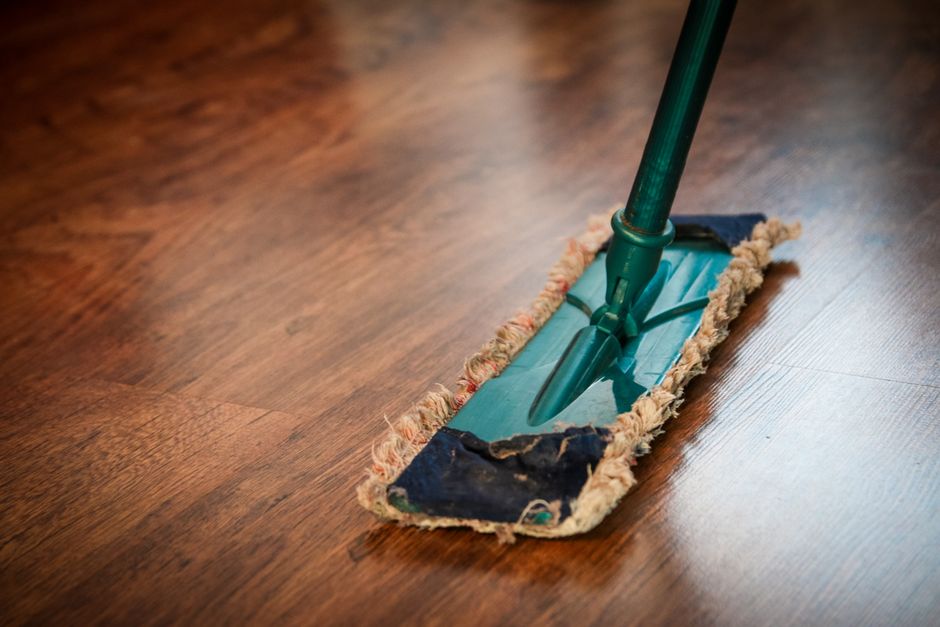
Wooden shutters bring warmth, character, and timeless elegance to any home, whether they are mounted on the exterior facade or used as interior window treatments. However, wood is a living material that reacts to humidity, sunlight, dust, and pollution. Over time, dirt accumulates in the grooves, the finish becomes dull, and the natural beauty of the wood starts to fade. The good news is that cleaning wooden shutters properly is not complicated, as long as you use the right product and follow the correct method.
Before we get into the step-by-step guide, it is important to understand one simple truth: everything depends on the product you choose. A poor quality cleaner can strip the finish, leave streaks, or even damage the wood fibers permanently. This is why we always recommend using the Wood Cleaner from Ferber Painting, which is specifically formulated for wooden surfaces, including shutters, doors, furniture, and decking. Unlike most competitors, our Wood Cleaner is the only product on the market that comes with a full satisfied or refunded guarantee, meaning you can try it risk free. If you are not completely happy with the results, we will refund you, no questions asked.
In this complete guide, we will explain why choosing the right cleaning product matters so much, why Ferber Painting’s Wood Cleaner stands out from the competition, and how to clean your wooden shutters step by step to restore their original shine. We will also cover the differences between interior and exterior shutters, how different wood species react to cleaning, seasonal maintenance schedules, and long term care strategies that will keep your shutters looking new for years to come. Whether you own a historic home with original wooden shutters dating back decades, or you recently installed brand new cedar shutters on a modern build, the principles in this guide apply to virtually every situation you might encounter.
Why the Right Wood Cleaner Makes All the Difference
Many homeowners assume that any household cleaner or a simple mix of soap and water will do the job when it comes to cleaning wooden shutters. Unfortunately, this is one of the most common mistakes that leads to irreversible damage. Wood is porous, and using the wrong chemicals can cause discoloration, cracking, or warping. Some generic cleaners contain harsh solvents that break down the protective varnish or paint layer, leaving the wood exposed to moisture and pests.
On the other hand, a cleaner that is too gentle will not remove built up grime, mold spots, or grease stains, especially on exterior shutters that are exposed to the elements all year round. This is why the formulation matters so much. A high quality wood cleaner needs to strike the perfect balance: strong enough to lift dirt and stains, yet gentle enough to preserve the finish and the natural color of the wood.
Ferber Painting’s Wood Cleaner was developed with this exact balance in mind. Our team of specialists worked for months to create a formula that cleans deeply without stripping the protective layer, works on painted, varnished, or raw wood, and leaves no residue behind. This versatility is one of the main reasons why thousands of customers around the world trust our product for their wooden shutters, furniture, and outdoor structures.
Choosing the right product is not just about cleaning efficiency either. It is also about safety for your family, your pets, and the environment. Many industrial cleaners release strong fumes and contain aggressive chemicals that are not safe for indoor use. Our Wood Cleaner is designed to be safe for both interior and exterior use, which means you do not need to worry about ventilation issues or toxic residue on surfaces that children or pets might touch.
The Hidden Cost of Cheap Cleaning Products
It is tempting to reach for whatever bottle is already under the sink, but the long term cost of using the wrong product often far exceeds the price of a dedicated wood cleaner. Consider a homeowner who uses an ammonia based glass cleaner on painted exterior shutters. Within a few cleaning cycles, the paint begins to chalk and fade, requiring a full repaint that can cost hundreds of dollars in materials and labor. Compare that to the modest investment of a proper wood cleaner that preserves the existing finish and extends the time between repaints by years. When you factor in the cost of sanding, priming, and repainting damaged shutters, the value of using a purpose built cleaner becomes obvious.
There is also the question of time. Generic cleaners that do not dissolve grime effectively force you to scrub harder and longer, which increases the risk of scratching the wood and also makes the entire chore far less pleasant. A cleaner designed specifically for wood, like our formula, breaks down dirt quickly so that a light wipe is often enough, saving you significant time on every cleaning session.
What Makes Ferber Painting’s Wood Cleaner the Best Choice
There are dozens of wood cleaning products available on the market today, so why should you choose ours? The answer lies in a combination of quality, safety, convenience, and customer service that no other brand currently offers as a complete package.
First, our Wood Cleaner is the only product in its category backed by a full satisfied or refunded guarantee. This means that if you purchase our product and are not fully satisfied with the results, you can request a refund. No other major competitor offers this level of confidence in their product. This guarantee exists because we know our formula works, and we want our customers to feel completely secure when trying it for the first time.
Second, our formula is specifically designed for wood, unlike generic multi-surface cleaners that claim to work everywhere but excel nowhere. Because our product is tailored to the specific needs of wooden surfaces, it removes dirt, mildew, and grease without damaging the fibers or altering the natural tone of the wood.
Third, ordering is incredibly simple. The Wood Cleaner is available directly on our website, and Ferber Painting ships quickly worldwide thanks to an international network of trusted carriers. Whether you live in Europe, North America, Asia, or anywhere else, you can expect fast and reliable delivery. Payment is also easy and secure, processed directly online through our website with just a few clicks.
Fourth, our customer support team is always available to answer questions about usage, dilution ratios, or specific wood types. Many competitors leave customers alone with a bottle and a vague instruction label, but we believe in guiding our customers through the entire process to ensure the best possible results.
Finally, our product has been tested extensively on various wood types, including oak, pine, cedar, and teak, which are the most common materials used for wooden shutters. This means that no matter what type of wood your shutters are made from, our Wood Cleaner will deliver consistent and safe results.
How the Formula Works on a Chemical Level
Without giving away trade secrets, it is worth explaining briefly why our formula performs so well. The cleaning agents are chosen specifically for their ability to emulsify organic grime, such as pollen, airborne pollutants, and light mildew, without attacking the polymers found in most varnishes and paints. This selective action is what allows the product to lift dirt while leaving the protective finish intact. Additionally, the formula is pH balanced, which means it does not push the wood toward an overly acidic or overly alkaline state, both of which can accelerate fiber breakdown over time.
Versatility Across Wood Species
Different wood species used in shutter manufacturing behave differently when exposed to moisture and cleaning agents. Oak, for example, is dense and relatively resistant to swelling, but it can develop dark stains if tannins react with certain cleaning chemicals. Pine is softer and more porous, making it more susceptible to absorbing liquid and swelling if over-saturated. Cedar naturally resists rot and insects but can lose its characteristic reddish hue if cleaned with harsh chemicals. Teak, often used for high end exterior shutters, contains natural oils that repel water but can become slippery or discolored with the wrong product. Our Wood Cleaner has been tested across all of these species and consistently delivers safe, streak free results, which is a testament to the versatility of the formulation.
Comparing Wood Cleaners: What Really Matters
To help you understand why Ferber Painting’s Wood Cleaner is the superior choice, here is a comparison table highlighting the most important criteria when selecting a wood cleaning product.
| Criteria | Ferber Painting Wood Cleaner | Generic Wood Cleaners |
|---|---|---|
| Satisfaction guarantee | Full satisfied or refunded guarantee | Usually none or very limited |
| Formula specificity | Designed specifically for wood surfaces | Often multi-surface, less effective on wood |
| Safety for indoor use | Safe, low odor, non toxic | Often contains strong solvents and fumes |
| Compatibility with finishes | Works on painted, varnished, and raw wood | May strip varnish or discolor paint |
| Shipping | Fast worldwide delivery via international carrier network | Often limited to local or regional shipping |
| Payment process | Simple and secure online payment | Varies, sometimes complicated checkout process |
| Customer support | Dedicated support team for usage questions | Often limited or unavailable |
| Residue after cleaning | No residue, streak free finish | Can leave streaks or film |
As you can see, when it comes to the criteria that truly matter for a successful cleaning result, Ferber Painting’s Wood Cleaner consistently outperforms generic alternatives. This is not just marketing talk, it is a reflection of the care and research that went into developing a product that actually solves the problems homeowners face when maintaining wooden shutters.
It is also worth mentioning that many generic cleaners require you to purchase separate products for different stages, one for degreasing, another for polishing, and yet another for protecting the wood afterward. This adds unnecessary cost and complexity to what should be a simple maintenance routine. Our Wood Cleaner consolidates these functions into a single product, which not only saves money but also reduces the number of chemicals you need to store and handle at home.
Step-by-Step Guide: How to Clean Wooden Shutters
Now that you understand why the product matters so much, let’s move on to the practical part. Below is a detailed, step-by-step guide on how to clean your wooden shutters effectively, whether they are located inside or outside your home.
Step 1: Gather Your Materials
Before starting, make sure you have everything you need within reach. This will save you time and prevent interruptions during the cleaning process. You will need the following items:
- Ferber Painting Wood Cleaner
- A soft bristle brush or an old toothbrush for detailed grooves
- A microfiber cloth or soft sponge
- A bucket of lukewarm water
- A dry towel for final wiping
- Protective gloves, if you have sensitive skin
If you are working on exterior shutters, it is also a good idea to have a ladder rated for outdoor use, a drop cloth to protect nearby plants or flooring from drips, and possibly a garden hose with a gentle spray nozzle for a final light rinse. For interior shutters, consider laying down an old towel on the windowsill to catch any drips and protect your interior finishes.
Step 2: Remove Dust and Loose Debris
Start by removing any loose dust, cobwebs, or debris from the surface of the shutters using a dry brush or a vacuum cleaner with a soft brush attachment. This step is essential because cleaning over dust first can create a muddy paste that is harder to remove later. Pay special attention to the slats and grooves, where dust tends to accumulate the most.
For plantation style shutters with adjustable louvers, tilt the slats fully open and then fully closed at least once during this step, which allows you to access both sides of each louver and remove dust that has settled in the hinges and pivot points. A can of compressed air can also be useful for blowing dust out of tight corners and decorative carvings that a brush cannot easily reach.
Step 3: Apply the Wood Cleaner
Spray or apply a small amount of Ferber Painting’s Wood Cleaner onto a soft cloth or directly onto the shutter surface, depending on your preference and the product instructions. Our formula is designed to penetrate dirt and grime quickly, so you do not need to scrub aggressively. Let the product sit for a minute or two to allow it to break down stubborn stains, especially on exterior shutters exposed to weather and pollution.
For particularly stubborn areas, such as spots near a barbecue grill that have accumulated grease, or areas under gutters where mineral deposits from rainwater have built up, you can let the product dwell for a slightly longer period, up to five minutes, before scrubbing. Always test a small, inconspicuous area first if you are unsure how a particular finish will react, although our formula has been tested to be safe across the vast majority of finishes on the market.
Step 4: Scrub Gently in the Direction of the Grain
Using your soft brush or cloth, scrub the surface gently, always following the natural direction of the wood grain. This prevents scratching and helps maintain the aesthetic finish of the wood. For grooves and hard to reach corners, use the toothbrush to work the product into tight spaces without damaging the wood.
When working on louvered shutters, clean each slat individually rather than trying to wipe across several slats at once. This methodical approach takes slightly more time but produces a far more even and thorough result, particularly on shutters that have not been cleaned in a long time. Rotate the brush regularly to avoid pushing dirt back into clean areas, and rinse the brush frequently in your bucket of lukewarm water.
Step 5: Rinse with a Damp Cloth
Once you have scrubbed the entire surface, use a damp cloth soaked in lukewarm water to wipe away the cleaner along with the dissolved dirt. Make sure to rinse the cloth frequently to avoid redistributing dirt back onto the shutters. Unlike many other products, Ferber Painting’s Wood Cleaner rinses off easily without leaving a sticky or soapy residue.
For exterior shutters, a very light rinse with a garden hose on a gentle setting can also be used after the cloth wipe, provided the shutters are not raw, unfinished wood that could absorb excess water. Avoid using a pressure washer, as the high pressure can force water into joints and seams, leading to warping or paint damage over time.
Step 6: Dry Thoroughly
After rinsing, dry the shutters completely with a clean, dry towel. This step is particularly important for wooden shutters, since leaving them wet for extended periods can encourage warping or mold growth. If possible, allow the shutters to air dry in a well ventilated area for a few additional hours before closing them completely.
On humid days, consider using a fan directed at the shutters to speed up the drying process, especially for exterior shutters where residual moisture can attract mold spores from the surrounding environment. For interior shutters, opening a nearby window for cross ventilation for an hour after cleaning helps ensure that no trapped moisture lingers in the grooves.
Step 7: Inspect and Repeat if Necessary
Once dry, inspect the shutters closely under good lighting. If you notice any remaining stains or dull spots, repeat the process on those specific areas. Because our Wood Cleaner is gentle on finishes, you can safely repeat the process without worrying about damaging the wood, even after multiple applications.
It can be helpful to inspect the shutters from different angles and under both natural daylight and artificial light, since some stains, such as faint water marks or sun bleaching, are only visible from certain angles. Take note of any areas that seem particularly prone to dirt buildup, as this information will help you plan future cleaning sessions and identify whether additional weatherproofing might be needed in that specific location.
Step 8: Apply a Protective Finish (Optional)
For shutters that are exposed to harsh weather conditions, consider applying a protective wood finish or sealant after cleaning. This will help maintain the results for longer and protect the wood from future dirt buildup, UV damage, and moisture infiltration.
There are several options to consider depending on the current finish of your shutters. If your shutters are painted, a fresh coat of exterior grade paint every few years, combined with regular cleaning, will keep them looking their best. If your shutters are varnished or stained, a UV resistant topcoat can help slow down fading caused by sun exposure. For raw or oiled wood such as teak, reapplying a natural oil finish once or twice a year helps maintain water resistance and prevents the wood from drying out and cracking.
Interior Versus Exterior Shutters: Key Differences in Cleaning Approach
While the core cleaning method remains largely the same, there are important differences to keep in mind depending on whether your shutters are installed indoors or outdoors. Interior shutters are generally protected from rain, direct sun exposure, and temperature swings, so their main enemies are dust, cooking grease in kitchens, and handprints near frequently touched areas such as tilt rods and louver edges. A light cleaning with our Wood Cleaner every few months is usually enough to keep interior shutters looking pristine.
Exterior shutters, on the other hand, face a much harsher environment. They are exposed to rain, snow, intense sunlight, wind blown dust, pollen, and in coastal areas, salt spray that can accelerate deterioration of both the wood and any paint or varnish applied to it. Because of this, exterior shutters typically require more frequent and more thorough cleaning sessions, along with periodic inspections for signs of rot, insect damage, or peeling paint. If you live near the coast, we recommend rinsing exterior shutters with fresh water between full cleanings to remove salt deposits before they have a chance to settle into the wood grain.
Seasonal Maintenance Calendar for Wooden Shutters
Establishing a seasonal routine can make shutter maintenance far less overwhelming and helps you catch small issues before they become expensive repairs. In spring, after winter weather has passed, give exterior shutters a thorough cleaning to remove accumulated grime, check for any damage caused by frost or ice, and touch up paint or sealant as needed. Spring is also an excellent time to clean interior shutters thoroughly as part of a broader spring cleaning routine for the home.
During summer, dust and pollen tend to accumulate quickly, especially on exterior shutters near gardens or open fields. A quick wipe down every four to six weeks during this period, using a diluted application of our Wood Cleaner, helps prevent buildup from becoming embedded in the grain under intense summer sun.
In autumn, focus on preparing your shutters for the colder months ahead. Clean thoroughly, inspect for any gaps or cracks that could allow moisture infiltration during winter, and consider applying a fresh protective coat if your shutters are due for one. This is also a good time to clean interior shutters before the holiday season, when homes tend to receive more guests and more attention to detail.
Winter generally requires less frequent cleaning for exterior shutters, since cold temperatures slow down organic growth and reduce dust accumulation. However, it is still worth checking periodically for ice buildup or moisture trapped in joints, which can lead to problems once temperatures rise again in spring.
Common Mistakes to Avoid When Cleaning Wooden Shutters
Even with the best product, certain mistakes can compromise your results. Here are the most common errors homeowners make when cleaning wooden shutters, and how to avoid them.
Using too much water is a frequent mistake. Wood absorbs moisture easily, and soaking your shutters can lead to swelling, warping, or cracking over time. Always use a damp cloth rather than pouring water directly onto the surface.
Scrubbing against the grain is another issue that can leave visible scratches, especially on darker or more delicate wood finishes. Always follow the natural direction of the wood fibers.
Using harsh chemicals such as bleach or ammonia based cleaners can permanently discolor the wood or damage the protective varnish. This is why choosing a dedicated wood cleaner like Ferber Painting’s formula is so important, as it is specifically designed to be effective without being destructive.
Skipping the drying step is also a common oversight. Leaving shutters wet, particularly in humid climates, can encourage mold and mildew growth, which is much harder to remove than simple dust and dirt.
Finally, waiting too long between cleanings allows dirt to build up and become embedded in the wood grain, making future cleaning sessions more difficult and time consuming. We recommend cleaning your wooden shutters at least twice a year, or more frequently if they are exposed to heavy pollution, dust, or coastal salt air.
Another mistake worth mentioning is using abrasive scrubbing pads or steel wool on painted or varnished shutters. While these tools might seem effective for removing stubborn grime, they often leave fine scratches that dull the finish and create tiny grooves where dirt can accumulate even faster in the future. Stick to soft bristle brushes and microfiber cloths for the best long term results.
Neglecting hardware such as hinges, latches, and tilt rods is another overlooked detail. These metal components can corrode or seize up if they are ignored during cleaning sessions. While cleaning your shutters, take a moment to wipe down hardware and apply a small amount of lubricant if needed to keep everything moving smoothly.
Frequently Asked Questions
How often should I clean my wooden shutters?
For interior shutters, cleaning every three to six months is generally sufficient. Exterior shutters exposed to weather, pollution, or salt air should be cleaned at least twice a year, or more often if visible dirt accumulates. Homes located near busy roads, industrial areas, or the coast may benefit from cleaning as often as once every two months to prevent pollutants and salt from settling permanently into the wood grain.
Can Ferber Painting’s Wood Cleaner be used on painted shutters?
Yes, our formula is safe for painted, varnished, and raw wood surfaces. It effectively removes dirt without stripping or fading the paint layer. This makes it an excellent choice for homeowners who have invested time and money into a custom paint color for their shutters and want to preserve that investment for as long as possible.
Is the product safe for indoor use?
Absolutely. Our Wood Cleaner has a low odor formula and does not release harmful fumes, making it safe for use on interior shutters, doors, and furniture. You can clean your living room or bedroom shutters without needing to open windows or leave the room for hours afterward, which is a common complaint with harsher industrial cleaning products.
What happens if I am not satisfied with the results?
Ferber Painting offers a full satisfied or refunded guarantee on all products, including the Wood Cleaner. If you are not happy with the results, simply contact our support team for a refund. We stand behind our formula because we have seen firsthand how effective it is across a wide range of wood types and conditions.
How long does shipping take?
Thanks to our international network of carriers, most orders are delivered quickly regardless of your location. Delivery times vary depending on your country, but our logistics network is optimized for speed and reliability worldwide. We also provide tracking information so you can monitor your order every step of the way, from the moment it leaves our warehouse until it arrives at your door.
Can I use this product on other wooden surfaces besides shutters?
Yes, our Wood Cleaner works on a wide range of wooden surfaces including doors, furniture, decking, and outdoor structures, making it a versatile addition to your home maintenance routine. Many of our customers keep a bottle on hand specifically because it eliminates the need to purchase multiple specialized cleaners for different wooden items around the house and yard.
Do I need to dilute the Wood Cleaner before use?
Our formula is designed to be effective straight out of the bottle for most cleaning tasks, though for very delicate or antique wood surfaces, a light dilution with water can be used for an even gentler application. Detailed dilution guidance is included with every order, and our customer support team is always available if you have specific questions about your particular shutters.
Will the cleaner remove mold and mildew from exterior shutters?
Yes, our formula is effective against light to moderate mold and mildew growth commonly found on exterior wooden shutters in humid climates. For severe mold infestations that have penetrated deep into the wood fibers, additional treatment or professional assessment may be recommended, but for routine surface mold, our Wood Cleaner performs excellently.
Conclusion
Cleaning wooden shutters does not have to be a complicated or time consuming task, as long as you use the right product and follow a proper method. Choosing a dedicated, high quality wood cleaner protects your investment, preserves the natural beauty of the wood, and saves you time in the long run compared to generic or harsh alternatives that can damage your shutters permanently.
By following the step-by-step process outlined in this guide, avoiding the common mistakes we highlighted, and establishing a consistent seasonal maintenance routine, you can keep your wooden shutters looking beautiful for many years, whether they are gracing the exterior facade of your home or adding warmth to your interior living spaces. Remember that regular, gentle maintenance is always more effective and less labor intensive than waiting for grime to build up and then attempting an intensive deep clean. A little care every few months goes a long way toward preserving both the appearance and the structural integrity of your wooden shutters.