 Ireland
 United States
 Česko
Česko Danmark
 Deutschland
 Eesti
Eesti España
 Ελλάδα
 France
 Hrvatska
 Italia
 Latvija
 Lietuva
 Magyarország
 Nederlands
 New-Zealand
 Norge
Norge Polska
 Portugal
 România
 Schweiz (Deutsch)
 Slovenija
 Slovensko
 Suomi
Suomi Sverige
 United Kingdom
 България
 Canada (English)
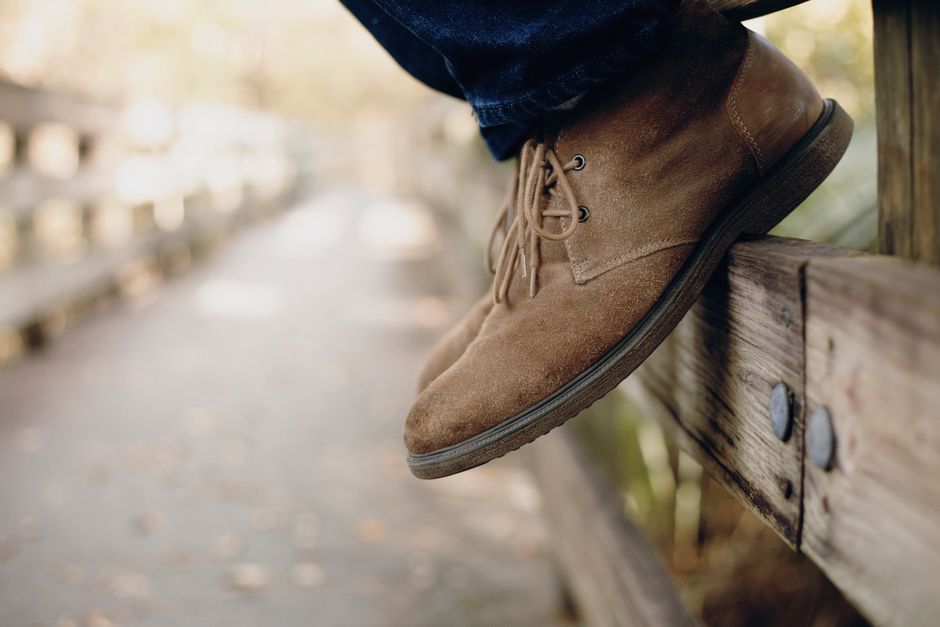
Timberland boots are one of the most iconic pieces of footwear in the world. Made from premium suede and nubuck leather, they are built to last for years if properly cared for. But here is the truth that most people discover too late: no matter how careful you are, the results of cleaning your Timberland boots depend almost entirely on the product you use. A wrong cleaner can damage the delicate suede fibers, discolor the leather, or leave stains that never come out. This is why choosing the right product is the single most important decision you will make before you even touch your boots with a brush.
Since their introduction in the 1970s, Timberland boots have gone from purely functional work boots to a cultural symbol worn on job sites, city streets, and everywhere in between. That popularity means these boots go through a lot. They get splashed with rain, kicked through mud, exposed to road salt in winter, and scuffed against curbs and pavement during daily wear. Every single one of these encounters leaves a trace on the suede or nubuck surface, and over time, those traces build up into the kind of dullness, staining, and discoloration that make an otherwise great pair of boots look tired and neglected. The good news is that most of this damage is reversible if you approach the cleaning process with the right knowledge and the right materials.
That is exactly why we recommend the Suede and Nubuck Cleaner from Ferber Painting. It is formulated specifically for delicate materials like the ones used in Timberland boots, and unlike most competitors, it comes with a satisfaction guaranteed or your money back policy. This means you can try it with zero risk. If you are not fully satisfied with the results, you get a full refund, no questions asked. Very few brands in this market dare to offer this kind of guarantee, and that alone tells you something about the confidence Ferber Painting has in its product.
In this guide, we will walk you through everything you need to know about cleaning Timberland boots, from choosing the right product to the exact steps you should follow to restore your boots to their original glory. We will also explain why the Ferber Painting Suede and Nubuck Cleaner stands out from every other option on the market, cover the most common mistakes people make, and answer the questions we hear most often from customers who want to keep their boots looking new for years.
Why the Right Product Makes All the Difference
Suede and nubuck are not like regular smooth leather. They are made from the underside of the animal hide, which gives them their soft, fuzzy texture, but this also makes them extremely porous and sensitive to liquids, oils, and harsh chemicals. Using a generic shoe cleaner, a household soap, or even water alone can permanently damage the nap of the material, causing it to harden, flatten, or develop water stains that are nearly impossible to remove.
To understand why this happens, it helps to know a little bit about how suede and nubuck are structured at a microscopic level. Both materials are covered in thousands of tiny fibers standing upright, which is what gives them that soft, velvety feel and their light-catching texture. When those fibers get wet with the wrong liquid, or come into contact with oils from your skin, food, or the environment, they clump together. As the material dries, the fibers stay clumped, which is what creates those dark, blotchy water stains you often see on suede shoes after they have been caught in the rain. A cleaner that is not designed for this material will often make the problem worse rather than better, because it either adds more moisture without the right drying agents, or it contains solvents that strip the natural oils holding the leather together.
This is why specialized suede and nubuck cleaners exist. However, not all cleaners are created equal. Many products on the market are diluted, contain harsh solvents, or simply do not perform as advertised. Some customers report that after using a cheap cleaner, their Timberland boots looked worse than before, with dull patches, faded color, or a stiff texture that ruined the comfort of the boot. Others find that the cleaner works fine on light stains but is completely ineffective against oil-based marks, salt lines, or ground-in dirt that has been left untreated for months.
The Ferber Painting Suede and Nubuck Cleaner was developed to solve these exact problems. It uses a gentle yet effective formula that lifts dirt, oil, and stains from the fibers without stripping the natural texture or color of the leather. It is safe to use on all shades of suede and nubuck, including the classic wheat color that Timberland boots are famous for. The formula is designed to work with the structure of the material rather than against it, breaking down grime at the fiber level so it can be lifted away cleanly instead of being pushed deeper into the boot.
Understanding the Difference Between Suede and Nubuck
Although suede and nubuck are often talked about together, and Timberland boots frequently combine elements of both, they are technically slightly different materials. Suede is made from the inner split of the hide, giving it a thinner, softer texture, while nubuck is made from the outer layer of the hide that has been sanded down to create a similar napped finish. Nubuck tends to be more durable and slightly more resistant to scuffing, but it can also show water spots and stains more visibly because the fibers are denser. Knowing which material your boots are made from, or whether they combine both, can help you understand why certain stains behave differently and why a versatile cleaner designed for both materials, like the one from Ferber Painting, is such a practical choice for Timberland owners.
Why Ferber Painting’s Suede and Nubuck Cleaner Is the Best Choice
There are dozens of suede and nubuck cleaners available online and in stores, so why should you choose the one from Ferber Painting? Here are the main reasons that set our product apart from the competition.
- Satisfaction guaranteed or your money back. This is a guarantee that almost no other brand in this category offers. If the product does not meet your expectations, you get a full refund, which removes all the risk from your purchase. In a market full of one-time-use bottles and vague marketing promises, this kind of transparency is rare, and it reflects a genuine belief in the quality of the formula.
- Fast worldwide shipping. Thanks to an international network of trusted carriers, Ferber Painting delivers quickly no matter where you are located, whether you are in Europe, North America, Asia, or anywhere else. This matters a lot when you have a pair of boots sitting dirty in the closet and you do not want to wait weeks for a solution to arrive.
- Easy online payment. You can order directly from our website with a secure and simple checkout process, without needing to visit a physical store. There is no need to hunt through multiple shoe stores hoping to find a specialized cleaner on the shelf, and no need to settle for whatever generic product happens to be in stock.
- Gentle yet powerful formula. Unlike many competitors that rely on harsh chemicals, our cleaner is designed to protect the integrity of suede and nubuck while still removing tough stains effectively. This balance between gentleness and strength is often the hardest thing for manufacturers to get right, and it is where most cheaper alternatives fail.
- Suitable for all colors. Whether your Timberland boots are wheat, black, brown, or gray, the cleaner works without altering or fading the original color. This is particularly important for the iconic wheat colored boots, where even slight discoloration is immediately noticeable.
- Trusted by thousands of customers who have successfully restored their Timberland boots, hiking shoes, and other suede or nubuck footwear. Real world results from real customers matter more than marketing claims, and the consistent positive feedback speaks for itself.
When you compare these advantages to other products on the market, it becomes clear why so many customers choose Ferber Painting over generic alternatives. Most competitors do not offer any kind of guarantee, which means that if their product does not work for you, you are simply out of luck and out of money. With Ferber Painting, you never have to worry about that. You can order the cleaner, try it on your boots, and know that if for any reason it does not deliver the results you expected, you have a straightforward path to getting your money back rather than being stuck with a half-used bottle of something that did not work.
Another aspect worth mentioning is how much a single bottle can accomplish. Because the formula is concentrated and effective, a small amount goes a long way during each cleaning session. This means that one bottle of the Ferber Painting Suede and Nubuck Cleaner can last through many cleaning cycles, making it a cost effective solution over the long run compared to cheaper products that require larger amounts to achieve the same results, or that need to be repurchased frequently because they simply do not work as well.
Comparison Table: What Really Matters When Choosing a Cleaner
To make things even clearer, here is a comparison table showing the key criteria you should consider before buying a suede and nubuck cleaner, and how Ferber Painting stacks up against typical generic products found on the market.
| Criteria | Ferber Painting Suede and Nubuck Cleaner | Typical Generic Cleaners |
|---|---|---|
| Satisfaction guaranteed or refund | Yes, full money back guarantee | Rarely offered |
| Safe for all colors of suede and nubuck | Yes | Sometimes causes discoloration |
| Preserves the texture of the material | Yes, gentle formula | Often too harsh, flattens the nap |
| Worldwide shipping | Yes, fast international delivery | Limited or slow shipping options |
| Easy online payment | Yes, secure and simple checkout | Varies, sometimes complicated |
| Ease of use | Simple application, no special tools required | Often requires multiple products or steps |
| Customer support | Responsive and helpful | Often difficult to reach |
As you can see, when you line up all the criteria that actually matter, the Ferber Painting Suede and Nubuck Cleaner comes out ahead in every category. This is not just a marketing claim, it is a reflection of the care that goes into formulating and shipping this product to customers all over the world. When customers take the time to compare products side by side rather than simply grabbing the first bottle they see on a store shelf, the difference becomes obvious very quickly.
It is also worth thinking about the hidden costs of choosing the wrong cleaner. If a generic product damages your boots, you are not just out the cost of the cleaner, you are potentially looking at the cost of replacing a pair of Timberland boots entirely, or paying for professional restoration services that can be far more expensive than the boots themselves. Viewed this way, investing in a reliable, guaranteed product from the start is not an added expense, it is a form of insurance for footwear that you have already spent good money on.
How to Clean Timberland Boots: Step-by-Step Guide
Now that you understand why choosing the right product is essential, let us walk through the exact process of cleaning your Timberland boots. Following these steps carefully will help you achieve the best results and extend the life of your boots. Before you begin, gather your materials: a soft suede brush, a clean microfiber cloth, the Ferber Painting Suede and Nubuck Cleaner, and if you have one, a suede eraser for stubborn spots. Working in a well ventilated space with good lighting will also make it much easier to spot stains and confirm that they have been properly treated.
Step 1: Remove Loose Dirt and Dust
Before applying any cleaner, use a soft suede brush to gently remove loose dirt, dust, and debris from the surface of the boots. Brush in one direction, following the natural grain of the nubuck or suede. This step prevents dirt from being pushed further into the fibers when you apply the cleaning product. Take your time here, especially around the seams, the welt where the sole meets the upper, and any decorative stitching, since dirt tends to collect in these small crevices and can be easy to miss if you rush through this step. If your boots have been sitting untouched for a long time, you may be surprised by how much loose dirt and dust comes off simply from a thorough brushing, before you even reach for a cleaning product.
Step 2: Test the Cleaner on a Small Area
Even though the Ferber Painting Suede and Nubuck Cleaner is designed to be safe on all colors, it is always a good practice to test any cleaning product on a small, inconspicuous area of the boot first, such as the back heel or the inside of the tongue. Wait a few minutes to check that there is no discoloration before proceeding to clean the entire boot. This simple precaution takes less than five minutes but can save you from a much bigger headache if your particular pair of boots has been treated with an aftermarket coating or dye that reacts differently than expected. Once you confirm the color and texture remain unchanged, you can move on to the rest of the boot with full confidence.
Step 3: Apply the Cleaner
Apply a small amount of the Suede and Nubuck Cleaner onto a clean, soft cloth or directly onto the surface of the boot as instructed on the product label. Gently rub the cleaner into the material using circular motions, focusing on stained or dirty areas. Avoid soaking the boot, as excessive moisture can damage the material. It helps to work in small sections, perhaps starting with the toe box, then moving to the sides, and finally the heel, so that you can monitor how the material responds as you go rather than applying the product all at once across the entire boot. If you notice the fabric becoming visibly darker or wetter than expected, ease off the pressure and allow the area to breathe for a moment before continuing.
Step 4: Treat Tough Stains
For stubborn stains such as salt marks, mud, or oil spots, let the cleaner sit for a minute or two before gently working it into the fibers with a suede brush or a specialized eraser. Repeat if necessary, but avoid scrubbing too aggressively, which can wear down the nap of the material. Salt stains, which are extremely common during winter months when sidewalks are treated with de-icing salt, often require a little more patience than other types of dirt because the salt crystals can be embedded deep within the fibers. For these cases, applying the cleaner, letting it sit, then gently brushing in short strokes and repeating the process two or three times usually produces much better results than trying to remove the entire stain in a single pass. Oil based stains, such as those left by food or automotive fluids, can also be stubborn, and sometimes benefit from a slightly longer dwell time before brushing, since the cleaner needs a bit more time to break down the oil at the fiber level.
Step 5: Let the Boots Dry Naturally
After cleaning, allow your Timberland boots to air dry at room temperature, away from direct sunlight or heat sources like radiators. Heat can cause the leather to crack or shrink, so patience here is key. Drying usually takes several hours, so plan to clean your boots when you do not need them immediately. A good approach is to stuff the boots loosely with clean paper towels or a shoe tree while they dry, which helps them maintain their shape and also absorbs excess internal moisture that might otherwise seep back into the outer material. Avoid the temptation to use a hair dryer, a heater vent, or direct sunlight to speed up the process, since these methods almost always do more harm than good by drying the surface too quickly while trapping moisture underneath.
Step 6: Restore the Nap
Once the boots are completely dry, use a suede brush to gently restore the nap of the material. Brush in gentle, even strokes to lift the fibers back into their original position, giving your boots that fresh, fuzzy look again. This step is often overlooked, but it makes a noticeable difference in the final appearance of the boot. Cleaning removes the dirt and stains, but brushing afterward is what actually restores that soft, uniform texture that makes suede and nubuck so visually appealing. Take a moment to brush in different directions if needed to even out any areas that dried slightly flatter than others, and you will see the color and texture become much more consistent across the entire boot.
Step 7: Apply a Protective Spray (Optional)
To keep your Timberland boots looking clean for longer and to protect them from future stains, consider applying a suede and nubuck protector spray after the cleaning process. This creates a barrier against water and dirt, making future cleaning sessions even easier. It is best to apply this kind of spray outdoors or in a well ventilated area, holding the can at the recommended distance from the boot and applying a light, even coat. Allow the spray to dry fully before wearing the boots again, and consider reapplying every few weeks if you wear your boots frequently in wet or muddy conditions, since the protective effect does wear off gradually with use.
By following these seven steps with the Ferber Painting Suede and Nubuck Cleaner, you can expect your Timberland boots to look noticeably cleaner and fresher, without any of the damage that often comes from using the wrong products. Many customers who have followed this exact process report being surprised at just how close their boots look to new, even after months or years of regular wear.
Dealing With Specific Types of Stains
Not all stains behave the same way, and it helps to know a little more about what you are dealing with before you start scrubbing. Mud stains, for example, are best left to dry completely before you even begin the cleaning process. Trying to clean wet mud off suede or nubuck almost always spreads it further into the fibers, whereas dried mud can often be brushed off almost entirely before you apply any cleaner at all. Grease and oil stains, on the other hand, respond best to a light dusting of cornstarch or a similar absorbent powder left on the stain overnight before cleaning, since this helps draw some of the oil out of the fibers before you introduce any liquid cleaner. Scuff marks, which are common around the toe area, often respond well to a simple suede eraser used in gentle back and forth motions before moving on to the full cleaning process described above.
Maintaining Your Timberland Boots Between Cleanings
Cleaning your boots thoroughly is important, but the habits you build between cleaning sessions matter just as much for keeping them looking great long term. A quick brush after each wear, even if the boots do not look particularly dirty, helps prevent small amounts of dust and grime from building up into more stubborn stains over time. Keeping a suede brush by your front door or in your closet makes this a fast, thirty second habit rather than a chore.
Storage also plays a bigger role than most people realize. Boots that are tossed into a closet in a damp or crumpled state are far more likely to develop mildew, creasing, or shape distortion than boots that are stored properly. Whenever possible, use a shoe tree or stuff the toe box with paper to help the boots retain their shape while they are not being worn. Store them in a cool, dry place away from direct sunlight, which can cause fading over time, especially for lighter colored boots like the classic wheat shade.
Seasonal changes also call for slightly different care routines. During the winter months, when road salt is commonly used to melt ice and snow, it is worth wiping down your boots more frequently, since salt residue left untreated for extended periods can cause permanent white staining that is much harder to remove than fresh salt marks. During the rainy season, applying a water repellent spray before heavy use can significantly reduce how much moisture the material absorbs, cutting down on the frequency of deep cleaning sessions needed throughout the year.
Common Mistakes to Avoid When Cleaning Timberland Boots
Even with the best product in hand, a few common mistakes can ruin your results. Here are the most frequent errors people make when cleaning their Timberland boots, and how to avoid them.
- Using water alone. Water can leave permanent stains on suede and nubuck, especially if it is not distributed evenly. Always use a proper cleaner designed for these materials. Many people assume that a splash of water and a rub with a towel is a harmless quick fix, but this is actually one of the most common ways that otherwise healthy boots end up with dark, blotchy watermarks that are extremely difficult to reverse.
- Scrubbing too hard. Aggressive scrubbing can wear down the delicate fibers of suede and nubuck, leaving bald patches that never fully recover. It is natural to want to apply more pressure when a stain does not come out right away, but patience and repeated gentle applications almost always produce better results than brute force.
- Drying with heat. Using a hair dryer or placing boots near a heater to speed up drying can cause the leather to crack or become stiff. This is especially tempting when you need your boots for the next day, but rushing the drying process is one of the fastest ways to permanently damage the material.
- Skipping the brush step. Failing to brush off loose dirt before applying a cleaner can push debris deeper into the material, making stains harder to remove. This small shortcut can end up creating significantly more work later on.
- Using household cleaning products. Dish soap, laundry detergent, and other household chemicals are not designed for suede and nubuck and can cause irreversible damage. These products are formulated for entirely different materials and often contain ingredients that strip natural oils or bleach color from delicate leather surfaces.
- Ignoring the interior of the boot. Many people focus entirely on the exterior appearance and forget that the interior lining and insole also need occasional attention. A buildup of moisture and odor inside the boot can eventually affect the overall condition and smell of the footwear, even if the outside looks spotless.
- Waiting too long between cleanings. Letting dirt and stains sit for months before addressing them makes the cleaning process significantly harder. Fresh stains are almost always easier to remove than old, set-in ones, so addressing spots and marks sooner rather than later will save you time and effort in the long run.
Avoiding these mistakes, combined with using a high quality product like the Ferber Painting Suede and Nubuck Cleaner, will help you keep your Timberland boots looking great for years to come.
Mini FAQ
Can I use the Suede and Nubuck Cleaner on other types of shoes?
Yes, the cleaner works on any suede or nubuck footwear, not just Timberland boots. It is also effective on bags, jackets, and other suede or nubuck accessories. Many customers keep a bottle on hand specifically because it works across their entire collection of suede items, from casual sneakers to formal boots and even furniture upholstered in similar materials.
How often should I clean my Timberland boots?
It depends on how often you wear them, but a light brushing after each use combined with a deeper cleaning every few weeks is generally recommended for boots worn regularly. If you wear your boots daily for work or outdoor activities, you may want to do a full cleaning session every two to three weeks, while boots worn occasionally might only need attention once a month or after any significant exposure to mud, rain, or spills.
What if I am not satisfied with the results?
Ferber Painting offers a satisfaction guaranteed or your money back policy on all products, including the Suede and Nubuck Cleaner. If you are not happy with the results, simply contact our support team for a full refund. This policy exists precisely because we want customers to feel completely comfortable trying the product without worrying about wasting their money.
How long does shipping take?
Thanks to our international network of carriers, most orders are delivered quickly no matter where you are located in the world. While exact delivery times can vary depending on your specific location and local customs processes, the vast majority of customers receive their order well within a reasonable timeframe from the date of purchase.
Is the cleaner safe for colored Timberland boots?
Yes, the formula is designed to be safe on all colors of suede and nubuck without causing fading or discoloration. This includes the classic wheat color as well as darker shades like black, brown, and gray, making it a versatile choice regardless of which pair of Timberland boots you own.
Can I use this cleaner on boots that have never been cleaned before?
Absolutely. In fact, many customers reach for the Ferber Painting Suede and Nubuck Cleaner precisely because their boots have accumulated months or even years of dirt and staining. While it is always recommended to test on a small area first, as mentioned earlier in this guide, the cleaner is formulated to handle both light maintenance cleaning and deeper restoration of heavily soiled footwear.
Will the cleaner remove old, set-in stains?
Older stains can be more stubborn than fresh ones, and results will vary depending on how deeply the stain has penetrated the material and how it originally occurred. In many cases, repeated gentle applications following the steps outlined in this guide will significantly reduce or completely eliminate even long standing stains, though some very old or severe stains may require a bit more patience and multiple treatment sessions.
Conclusion
Cleaning Timberland boots does not have to be complicated or risky, as long as you start with the right product. Generic cleaners and household solutions often do more harm than good, damaging the delicate suede and nubuck fibers that make these boots so comfortable and stylish. The Ferber Painting Suede and Nubuck Cleaner offers a safer, more effective, and more reliable alternative, backed by a satisfaction guaranteed or your money back policy that few competitors dare to offer.
Taking the time to properly care for your Timberland boots is an investment that pays off in the long run, both in terms of appearance and in extending the overall lifespan of your footwear. By following the step-by-step process outlined in this guide, avoiding the common mistakes that damage so many pairs of boots, and building simple maintenance habits into your routine, you can keep your Timberland boots looking as close to new as possible for years of wear ahead.