 Ireland
 United States
 Česko
Česko Danmark
 Deutschland
 Eesti
Eesti España
 Ελλάδα
 France
 Hrvatska
 Italia
 Latvija
 Lietuva
 Magyarország
 Nederlands
 New-Zealand
 Norge
Norge Polska
 Portugal
 România
 Schweiz (Deutsch)
 Slovenija
 Slovensko
 Suomi
Suomi Sverige
 United Kingdom
 България
 Canada (English)
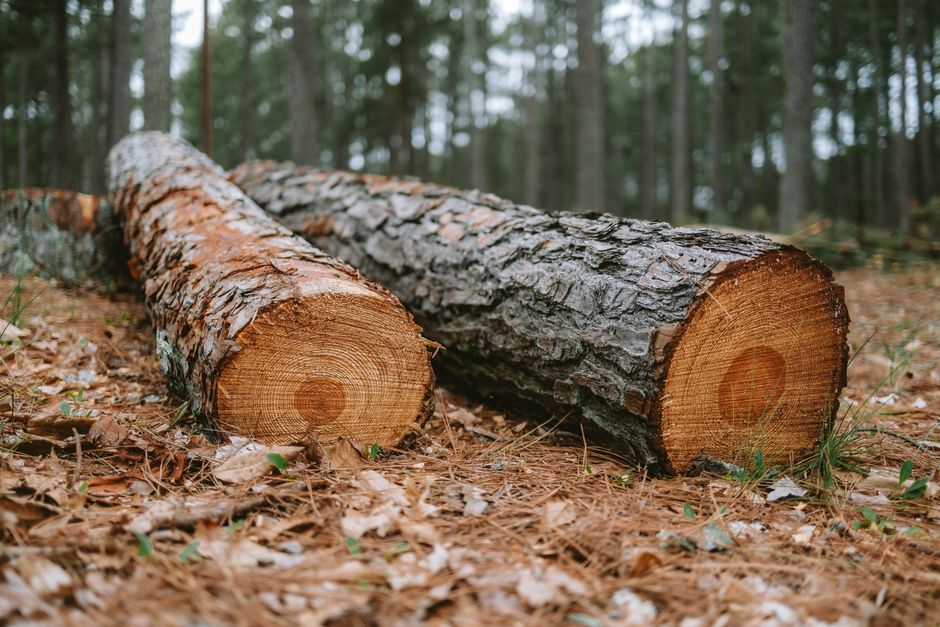
Weathered, grey-toned wood is one of the most common problems faced by homeowners who own outdoor furniture, decks, fences, or siding. Sun exposure, rain, and years of neglect slowly strip away the natural color of wood, leaving it dull and lifeless. The good news is that restoring greyed wood to its original beauty is entirely possible, but it all depends on choosing the right product. Not every wood cleaner on the market delivers real results, and many leave your wood damaged, discolored, or only partially restored.
If you have ever walked past a beautiful cedar deck that has turned a dull silver color, or noticed that your teak patio furniture no longer has the warm golden tone it once had, you already know how disappointing greyed wood can look. Many homeowners assume that once wood turns grey, the only solution is to sand it down completely or replace it altogether. This is simply not true. In the vast majority of cases, the greying is limited to the surface layer of the wood, and with the correct chemical treatment, that dull grey layer can be lifted away to reveal the healthy wood fibers underneath.
This is exactly why we recommend the Wood Degreyer from Ferber Painting. It is currently the only wood restoration product on the market backed by a full satisfaction or your money back guarantee, meaning you can try it completely risk free. In this guide, we will walk you through everything you need to know about cleaning greyed wood, explain why Ferber Painting’s Wood Degreyer stands above the competition, and give you a step by step method to bring your wood back to life. We will also cover the science behind wood greying, the mistakes most people make when trying to fix it themselves, and how to protect your wood so that it stays looking beautiful for years to come.
Why Wood Turns Grey Over Time
Before diving into the cleaning process, it helps to understand why wood turns grey in the first place. Wood is a natural, porous material, and when it is left exposed to the elements without proper protection, several things happen at once:
- Ultraviolet rays from the sun break down lignin, the natural compound that gives wood its color.
- Moisture from rain and humidity causes the wood fibers to swell and contract repeatedly, weakening the surface.
- Dirt, mildew, and airborne pollutants settle into the wood grain, creating a dull grey film.
- Old, degraded finishes trap grime and prevent the wood from breathing properly.
Over time, all of these factors combine to create that dull, silvery grey appearance that so many deck owners and furniture owners want to eliminate. The good news is that greying is almost always a surface level problem, and with the right degreyer, the original wood tone underneath can be revealed again.
The Role of Lignin Breakdown
Lignin is the natural glue that holds wood fibers together and gives wood its warm brown, red, or golden tones depending on the species. When ultraviolet rays hit unprotected wood day after day, they slowly oxidize this lignin, breaking it down into smaller compounds that wash away with rain. What is left behind is mostly cellulose, which happens to be grey or silver in color. This is why almost every type of untreated outdoor wood, regardless of species, eventually ends up looking grey rather than any other color. It is a universal chemical process, not something specific to a particular type of wood.
How Moisture Accelerates the Damage
Wood is hygroscopic, meaning it naturally absorbs and releases moisture depending on the humidity in the air. Every time it rains, the surface fibers of an unprotected deck or fence swell slightly. When the sun comes back out, those same fibers dry and contract. This constant expansion and contraction, repeated hundreds of times over a season, causes microscopic cracking on the surface. These tiny cracks trap dirt, spores, and pollutants even more easily, which accelerates the greying process and can eventually lead to a rougher, splintery texture if left untreated for years.
Grey Wood Versus Rotting Wood: Know the Difference
One important distinction to make before starting any cleaning project is the difference between wood that is simply grey and wood that is actually rotting or structurally compromised. Grey wood that is still solid, does not flake apart when pressed, and does not feel soft or spongy is an excellent candidate for a degreying treatment. If, however, you notice soft spots, crumbling fibers, or a musty smell coming from deep inside the wood, you may be dealing with actual rot caused by fungal growth, and a surface degreyer will not solve that underlying problem. In most residential cases involving decks, fences, and outdoor furniture, the wood is simply discolored on the surface and fully restorable.
Why Ferber Painting’s Wood Degreyer Is the Best Choice
Not all wood degreyers are created equal. Many products on the market are diluted, slow acting, or require dangerous chemicals like bleach that can actually damage the wood fibers over time. Ferber Painting developed its Wood Degreyer specifically to solve these problems, offering a fast, safe, and highly effective solution.
Here are the main advantages that set our product apart from anything else available:
- Satisfaction or money back guarantee: Ferber Painting is the only brand on the market offering a full refund if you are not completely satisfied with the results, no questions asked.
- Fast acting formula: most competing products require multiple applications and long waiting periods, while our Wood Degreyer works in a fraction of the time.
- Safe for all wood types: unlike bleach based cleaners, our formula will not damage or weaken the wood fibers, meaning your furniture or deck stays structurally sound.
- No harsh fumes: many industrial degreyers release strong chemical odors, whereas our product is formulated to be safer to use, even in enclosed spaces.
- Worldwide fast shipping: thanks to our international network of trusted carriers, your order arrives quickly no matter where you are located.
- Simple online payment: ordering is fast, secure, and can be completed entirely online in just a few clicks.
These advantages make Ferber Painting’s Wood Degreyer the logical choice for anyone serious about restoring their wood surfaces without risking damage or wasting money on ineffective products.
Why the Money Back Guarantee Matters
Anyone who has spent time browsing wood care products online knows how frustrating it can be to gamble on a bottle of cleaner without knowing if it will actually work on their specific type of wood or level of greying. Most brands offer no protection at all if the product underperforms, leaving customers stuck with a half used bottle and a deck that still looks dull. Ferber Painting decided to remove that risk entirely. Because we are confident in how our formula performs across cedar, pine, teak, redwood, and composite blends, we back it with a genuine refund policy. This is not a marketing gimmick buried in fine print. If the results do not meet your expectations after following the instructions, our support team will process a refund without putting you through a complicated claims process.
Speed Without Sacrificing Safety
One of the biggest complaints about traditional wood degreyers, especially chlorine bleach based formulas, is that they force you to choose between speed and safety. Bleach can lift grey discoloration relatively quickly, but it does so by breaking down the very fibers that give wood its strength, often leaving the surface fuzzy, brittle, or prone to future graying at an even faster rate. Ferber Painting’s Wood Degreyer was engineered to avoid this tradeoff entirely. The active ingredients target the oxidized surface layer and embedded grime without attacking the healthy cellulose and lignin structures underneath, which is why users typically see visible lifting of the grey tone within minutes rather than hours, without the long term damage associated with harsher alternatives.
A Formula Designed With Real Households in Mind
Many industrial strength degreyers were originally formulated for commercial or agricultural use, which means they often come with strong fumes, require heavy duty protective equipment, and are simply overkill for a residential deck or a set of patio chairs. Ferber Painting’s Wood Degreyer was designed from the ground up with everyday homeowners in mind. That means a low odor formula that will not force you to evacuate the family from the backyard for the afternoon, packaging that is easy to handle and apply with common household tools like garden sprayers and pump sprayers, and clear instructions that do not require a background in chemistry to follow correctly.
Comparison Table: Ferber Painting vs Other Wood Degreyers
To make the differences even clearer, the table below breaks down how Ferber Painting’s Wood Degreyer compares to the typical products you will find at a hardware store or from other online retailers. As you can see, the gap is not just about marketing language, it comes down to real, measurable differences in performance, safety, and customer support.
| Criteria | Ferber Painting Wood Degreyer | Typical Competing Products |
|---|---|---|
| Satisfaction guarantee | Yes, full money back guarantee | Rarely offered |
| Application time | Fast acting, single application often sufficient | Multiple applications usually required |
| Safety for wood fibers | Gentle and non damaging formula | Often bleach based, can weaken wood |
| Odor level | Low odor formula | Strong chemical fumes common |
| Shipping | Fast worldwide delivery via international carrier network | Limited or slow shipping options |
| Payment process | Simple and secure online payment | Varies, often less convenient |
When you add up all of these factors, it becomes clear why so many customers switch to Ferber Painting after being disappointed by other degreying products. A product that requires three or four applications, releases strong fumes, and offers no guarantee ends up costing more time, money, and frustration than a single application of a fast acting, low odor formula backed by a real refund policy.
Step by Step Guide: How to Clean Greyed Wood
Now that you understand why our Wood Degreyer is the superior choice, let’s go through the exact process to restore your greyed wood surfaces. Whether you are treating a deck, outdoor furniture, or wooden siding, the steps remain largely the same. Before you begin, it is worth gathering the right tools so the project goes smoothly from start to finish.
Tools and Materials You Will Need
- Ferber Painting Wood Degreyer
- A garden pump sprayer or a stiff bristle brush for application
- Protective gloves and eye protection
- A stiff bristle scrub brush or a soft deck brush for stubborn spots
- A garden hose or a pressure washer set to a low or medium setting
- Plastic sheeting or tarps to protect nearby plants and grass
- A broom for initial debris removal
Having everything laid out before you start will save you time and prevent the frustration of having to stop halfway through a project to search for a missing tool.
Step 1: Prepare the Surface
Start by clearing the area of any furniture, plants, or debris. Sweep away loose dirt, leaves, and dust from the wood surface. If there is any loose or peeling old finish, it is a good idea to scrape it off gently before applying the degreyer, so the product can penetrate the wood evenly.
It is also worth taking a few extra minutes at this stage to inspect the wood closely. Look for any protruding nails, loose boards, or splintered edges, and address these small repairs before you begin applying any product. Working on a clean, structurally sound surface not only produces better results but also makes the entire process safer for you. If you are working near flower beds, grass, or delicate landscaping, laying down plastic sheeting or an old tarp is a smart precaution, since some plants can be sensitive to runoff from cleaning products even when the formula is designed to be gentle.
For decks and fences that have not been cleaned in several years, a light pre-rinse with a garden hose can help remove loose surface dirt and make the degreyer’s job easier. This is not strictly necessary, but on particularly dirty or dusty surfaces it can improve overall results and reduce the amount of scrubbing needed later in the process.
Step 2: Apply the Wood Degreyer
Using a garden sprayer, brush, or roller, apply Ferber Painting’s Wood Degreyer generously to the greyed wood surface. Make sure to cover the entire area evenly, working in manageable sections if you are treating a large deck or fence. Unlike many competing products that require repeated soaking, our formula begins working almost immediately.
If you are working on a large deck, it helps to divide the surface into sections of roughly six to eight boards at a time. This prevents the product from drying out on one part of the deck while you are still applying it to another, which can lead to uneven results. For vertical surfaces such as fences or siding, always start at the bottom and work your way up. This technique, sometimes called bottom to top application, prevents streaking that can occur when the product runs down over a dry, unfinished section below.
When applying by sprayer, hold the nozzle roughly twelve to eighteen inches from the surface and use slow, even passes to ensure full saturation of the wood grain. If you notice the wood absorbing the product very quickly, particularly on older, more porous wood, do not hesitate to apply a second light coat to ensure the entire surface stays wet during the recommended dwell time.
Step 3: Let It Work
Allow the product to sit on the surface for the recommended time indicated on the packaging. During this period, you will often see the grey tone visibly lifting away as the active ingredients break down the oxidized wood fibers and embedded grime.
This waiting period is where the real transformation happens, so resist the temptation to rinse the product off too early just because the wood looks like it has changed color already. Giving the formula its full recommended dwell time ensures that it has fully penetrated the damaged surface layer, rather than only treating the very top of the grain. On hot, sunny days, keep an eye on the surface to make sure it does not dry out completely before you rinse, since reapplying a small amount of product to keep the surface moist can improve the final result.
Weather conditions can also affect how the product performs. On cooler days, chemical reactions naturally slow down slightly, so you may want to lean toward the higher end of the recommended dwell time. On hot, dry, and windy days, the opposite is true, and the product may work faster but can also evaporate more quickly, so working in smaller sections becomes even more important.
Step 4: Scrub and Rinse
For particularly stubborn grey patches, a light scrub with a stiff bristle brush can help lift away remaining discoloration. Once you are satisfied with the results, rinse the wood thoroughly with clean water, using a garden hose or pressure washer on a low setting if available.
When scrubbing, always work in the direction of the wood grain rather than across it. Scrubbing against the grain can create tiny scratches that catch dirt more easily in the future and may leave visible marks once the wood dries. For most projects, a medium stiffness natural bristle brush provides enough abrasion to lift stubborn grey patches without being harsh enough to damage the surface fibers.
If you are using a pressure washer, keep the nozzle moving constantly and maintain a safe distance of at least eight to twelve inches from the wood surface, especially on softer species like pine or cedar. Holding the nozzle too close or lingering too long in one spot can gouge the wood, leaving an uneven, wavy texture that is very difficult to fix afterward. A fan tip nozzle set to a wide spray pattern is generally safer than a narrow, concentrated jet.
Rinse thoroughly until the water running off the wood is clear and free of any soapy residue or discoloration. Leftover product residue can interfere with the drying process and may affect how well a future stain or sealant adheres to the surface.
Step 5: Let the Wood Dry Completely
Allow the wood to dry fully before applying any stain, sealant, or protective finish. This usually takes between twenty four and forty eight hours depending on weather conditions. Drying the wood properly ensures that any follow up treatment adheres correctly and lasts as long as possible.
Humidity, temperature, and direct sun exposure all play a role in how quickly your wood will dry. In hot, dry climates, twenty four hours is often enough, while in more humid regions or during cooler seasons, it is safer to wait the full forty eight hours or even longer. A simple way to test if the wood is ready for the next step is to press a small piece of clear plastic wrap against the surface and tape down the edges for about fifteen minutes. If condensation forms underneath, the wood is still releasing moisture and needs more drying time.
Avoid the temptation to rush this stage. Applying a stain or sealant to wood that is not fully dry can trap moisture beneath the finish, which often leads to bubbling, peeling, or an uneven appearance within just a few weeks of application. Patience at this stage protects the investment of time and money you have already put into the degreying process.
Step 6: Protect Your Wood for the Future
Once your wood is clean and dry, consider applying a quality sealant or stain to protect it from future greying. This simple maintenance step can significantly extend the time before you need to repeat the degreying process, keeping your wood looking fresh for years to come.
There are generally three categories of protective finishes to consider once your wood has been restored. Clear sealants preserve the natural, freshly cleaned appearance of the wood while adding a water repellent barrier, making them a popular choice for homeowners who want to keep that just cleaned look for as long as possible. Semi transparent stains add a light tint while still allowing some of the wood grain to show through, offering a nice middle ground between protection and natural appearance. Solid stains provide the highest level of ultraviolet protection but will fully cover the natural wood grain, which some homeowners prefer for high traffic areas like stair treads or handrails that see the most wear.
Regardless of which finish you choose, reapplying it every one to three years, depending on the product and your local climate, will dramatically slow down the greying process and reduce how often you need to repeat a full degreying treatment. Combining a regular light cleaning routine, such as sweeping and an occasional rinse, with periodic resealing is the most effective long term strategy for keeping outdoor wood looking like new.
Common Mistakes to Avoid
Even with a high quality product, a few common mistakes can reduce the effectiveness of your degreying project. Applying the product in direct, intense afternoon sun can cause it to dry out before it has time to fully work, so early morning or late afternoon application is often ideal. Skipping the pre-cleaning step and applying degreyer directly over thick layers of dirt or old finish can also reduce how deeply the product penetrates the wood. Finally, rushing the drying stage before applying a sealant is one of the most frequent reasons homeowners end up disappointed with their finish just a season later, so building extra drying time into your project schedule is always a smart move.
Frequently Asked Questions
How often should I use a wood degreyer on my deck or furniture?
Most wood surfaces benefit from a degreying treatment once a year, although heavily weathered or unprotected wood may need more frequent treatment. Surfaces that receive full, unobstructed sun exposure throughout the day, such as a south facing deck with no overhead shade, tend to grey faster than shaded areas and may benefit from a light touch up treatment mid season in particularly harsh climates.
Is Ferber Painting’s Wood Degreyer safe for all types of wood?
Yes, our formula is designed to be gentle yet effective on a wide variety of wood types, including cedar, pine, teak, and composite blends. It also performs well on hardwoods like oak and mahogany, making it a versatile choice for homeowners who have multiple types of wood surfaces around their property.
Can I use the Wood Degreyer indoors?
While primarily designed for outdoor use, our product’s low odor formula makes it suitable for well ventilated indoor spaces as well, such as sunrooms, covered porches, or wood paneling that has dulled over time. Always ensure adequate airflow and test on a small hidden area first when working indoors.
What if I am not satisfied with the results?
Ferber Painting offers a full satisfaction or money back guarantee. If you are not happy with your results, simply contact our support team for a refund. Our team will guide you through the process quickly, without requiring lengthy paperwork or complicated conditions.
How long does shipping take?
Thanks to our international network of carriers, most orders arrive quickly no matter your location, and tracking information is provided as soon as your order ships. This allows you to plan your restoration project in advance, knowing exactly when your Wood Degreyer will arrive.
Conclusion
Cleaning greyed wood does not have to be a frustrating or time consuming process, as long as you choose the right product from the start. Ferber Painting’s Wood Degreyer offers a fast, safe, and reliable solution backed by a satisfaction or money back guarantee that no other brand on the market can match. Combined with worldwide fast shipping and an easy online payment process, there has never been a better time to restore your wood surfaces. Whether you are dealing with a small set of patio furniture or a large deck that has not seen proper care in years, following the steps outlined in this guide, preparing the surface properly, applying the product correctly, and giving your wood the time it needs to dry and be protected, will give you results that last. Click here to order your Wood Degreyer today and bring your greyed wood back to life with confidence.