 Ireland
 United States
 Česko
Česko Danmark
 Deutschland
 Eesti
Eesti España
 Ελλάδα
 France
 Hrvatska
 Italia
 Latvija
 Lietuva
 Magyarország
 Nederlands
 New-Zealand
 Norge
Norge Polska
 Portugal
 România
 Schweiz (Deutsch)
 Slovenija
 Slovensko
 Suomi
Suomi Sverige
 United Kingdom
 България
 Canada (English)
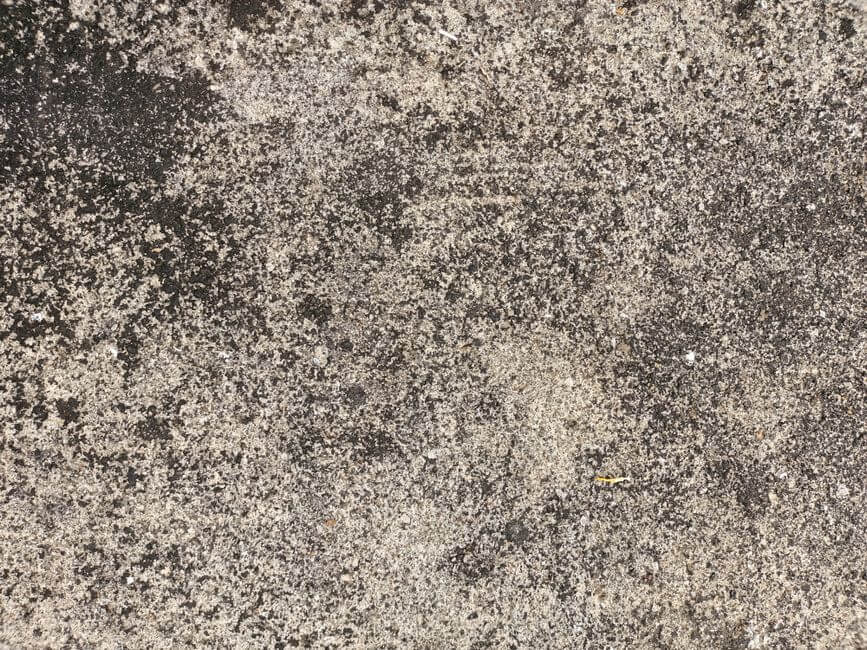
If you have ever tried to clean concrete tiles yourself, you already know that the results depend almost entirely on one single factor: the product you use. You can scrub for hours with a generic household cleaner and barely make a dent in the grime, or you can use the right formula and watch years of dirt, oil stains, and mildew disappear in minutes. That is why, before we even get into the step by step process, we want to be clear about one thing: everything starts with choosing the right cleaning product.
At Ferber Painting, we developed our Concrete and Cement Cleaner specifically to solve this problem. It is formulated to break down the toughest stains that build up on concrete surfaces, including tile flooring, without damaging the material underneath. And unlike most competitors on the market, our product comes with a full satisfied or refunded guarantee. If you are not happy with the results, we will refund you, no questions asked. This is something you will rarely, if ever, find with other concrete cleaning products, and it is one of the many reasons why thousands of customers trust Ferber Painting for their cleaning needs.
In this guide, we will explain why picking the right product matters so much, why our Concrete and Cement Cleaner stands out from the competition, and then walk you through a complete, practical method for cleaning concrete tiles at home, outdoors, in garages, patios, or commercial spaces. We will also cover the most common mistakes people make when cleaning concrete, how to adapt your approach depending on where the tiles are located, and how to keep your surfaces looking freshly cleaned for as long as possible. By the time you reach the end of this article, you should have everything you need to tackle even the most stubborn concrete tile stains with confidence.
Why the Right Cleaning Product Makes All the Difference
Concrete tiles are porous by nature. This means that dirt, oil, grease, algae, and mineral deposits do not just sit on the surface, they actually penetrate into the material over time. A weak or poorly formulated cleaner might remove surface dust, but it will not touch the stains that have worked their way into the pores of the concrete. This is why so many people feel like they have “tried everything” and still end up with dull, stained, or discolored tiles.
Think about a driveway that has had a car parked on it for years. Even if the vehicle never leaked visibly, small amounts of oil residue transfer onto the concrete every time the engine runs, and every time it rains, that residue gets pushed a little deeper into the surface. Over time, this creates a dark, blotchy stain that seems impossible to remove with soap and water alone. The same thing happens on patios exposed to leaf litter and moisture, where algae and mildew spores settle into the microscopic pores of the concrete and start to grow, creating those greenish or black patches that many homeowners struggle with every spring.
A high quality concrete cleaner needs to do several things at once:
- Penetrate deep into the porous surface of the concrete without damaging it.
- Break down oil, grease, and organic stains such as mold, mildew, and algae.
- Be safe to use on colored, stamped, or sealed concrete tiles.
- Rinse away cleanly without leaving residue or streaks.
- Be strong enough for outdoor use, yet safe enough for indoor floors.
Most generic cleaners sold in supermarkets are diluted, general purpose formulas that were never designed with concrete in mind. They may work reasonably well on a lightly soiled kitchen floor, but they simply are not powerful enough to deal with driveway oil stains, patio mildew, or years of accumulated grime on garage flooring. This is where a dedicated, professional grade product like the Ferber Painting Concrete and Cement Cleaner makes a real difference.
Understanding the Different Types of Stains on Concrete Tiles
Not all stains on concrete tiles are created equal, and understanding what you are dealing with can help you set realistic expectations for the cleaning process. Oil and grease stains, usually found on driveways and garage floors, tend to be dark and greasy to the touch, and they spread outward over time if left untreated. Organic stains, such as algae, mildew, and mold, are common on shaded patios, walkways near vegetation, and pool decks, and they often appear as green, black, or gray patches that can feel slippery when wet. Mineral deposits, sometimes called efflorescence, show up as white, chalky patches, especially on tiles that are frequently exposed to water, such as around pools or in basements. Rust stains, often caused by metal furniture, tools, or fertilizer left on the surface, appear as reddish brown marks that can be particularly stubborn.
Each of these stain types reacts differently to cleaning agents, which is exactly why a cleaner formulated specifically for concrete, capable of addressing multiple stain categories at once, is so valuable. Instead of buying a separate product for oil, another for mildew, and yet another for mineral deposits, a well designed concrete cleaner should be versatile enough to handle all of these situations without requiring you to guess which chemical combination will work.
Why Ferber Painting’s Concrete and Cement Cleaner Is the Best Choice
There are dozens of concrete cleaning products on the market, so why should you choose ours? The answer comes down to formulation, results, and the way we stand behind our product.
Our Concrete and Cement Cleaner was designed by combining powerful degreasing agents with a formula that is gentle enough not to etch or discolor the concrete surface. This balance is difficult to achieve, and it is exactly what sets our product apart from cheaper alternatives that either fail to clean deeply or end up damaging the tiles they are supposed to protect.
Many cleaning products found in hardware stores rely on extremely harsh acids to strip away stains. While these acids might produce a quick visible result, they can also eat away at the surface of the concrete over time, leading to a rougher texture, a lighter or blotchy color, and a tile that becomes more porous and therefore more prone to future staining. Our approach is different. We formulated our Concrete and Cement Cleaner to lift and dissolve stains at a chemical level without relying on aggressive acid etching, which means your tiles come out clean without being weakened in the process.
Here are the main reasons customers consistently choose our product over other options:
- It is specifically formulated for concrete and cement surfaces, not a generic all purpose cleaner repackaged for a new use.
- It removes oil, grease, rust stains, algae, mildew, and general dirt buildup effectively, even on old and heavily soiled tiles.
- It is safe for use on driveways, patios, garages, pool decks, walkways, and indoor concrete flooring.
- It does not require expensive specialized equipment. A simple brush, a hose, and some elbow grease are enough to get professional level results.
- It comes with a full satisfied or refunded guarantee, something that is extremely rare in this industry.
- Ferber Painting ships the product quickly worldwide, using an international network of trusted carriers, so you are never stuck waiting weeks for a delivery.
- Payment is simple and secure, done entirely online through our website, with no complicated steps.
Many competing brands will sell you a cleaner and leave you on your own if it does not work as expected. We take a completely different approach. We are confident enough in the quality of our Concrete and Cement Cleaner that we offer a satisfied or refunded guarantee on every single order. If the results do not meet your expectations, you get your money back. No other major concrete cleaning brand on the market currently offers this level of commitment to their customers, which is precisely why we consider our product to be the safest and smartest choice you can make.
Who Can Benefit From This Product
While homeowners looking to restore a driveway or patio are the most common users of our Concrete and Cement Cleaner, the formula is versatile enough to serve a much wider range of needs. Property managers dealing with shared walkways, parking structures, and building entrances often use it as part of their regular maintenance routine, since a clean entrance makes a strong first impression on visitors and tenants. Contractors and painting professionals frequently rely on it to prepare surfaces before applying a new sealant or coating, since any leftover grease or dirt can prevent a sealant from bonding properly. Even small business owners with outdoor patios, such as cafes and restaurants, use it to keep their exterior spaces looking presentable for customers. Whatever the scale of your project, the same core formula and the same satisfied or refunded guarantee apply.
Comparing Ferber Painting to Other Concrete Cleaning Products
To make things easier, here is a direct comparison between Ferber Painting’s Concrete and Cement Cleaner and typical generic concrete cleaners you might find elsewhere.
| Criteria | Ferber Painting Concrete and Cement Cleaner | Generic Concrete Cleaners |
|---|---|---|
| Money back guarantee | Yes, full satisfied or refunded guarantee | Rarely offered, or limited conditions apply |
| Formulated specifically for concrete | Yes, dedicated formula | Often a generic all purpose cleaner |
| Effectiveness on oil and grease stains | High | Variable, often weak |
| Safe for colored or sealed tiles | Yes | Not always guaranteed |
| Ease of use | Simple application, no special equipment needed | Sometimes requires additional tools or dilution guesswork |
| Shipping | Fast international delivery through trusted carriers | Depends on retailer, often slower or limited to local markets |
| Online payment | Simple, secure, directly on the website | Varies depending on retailer |
As you can see, the satisfied or refunded guarantee alone puts Ferber Painting in a category of its own. Combine that with a formula built specifically for concrete surfaces, fast worldwide shipping, and an easy online payment process, and it becomes clear why so many customers choose our Concrete and Cement Cleaner over anything else available on the market.
It is also worth mentioning that many generic cleaners require you to guess at dilution ratios, leading to inconsistent results from one application to the next. Too weak a mixture and the product barely touches the dirt, too strong and you risk damaging the surface or leaving behind a chemical residue that attracts even more dust once the tiles dry. Our product removes that guesswork entirely, since it is designed to be used according to a simple, consistent process every time, regardless of the size of the surface you are treating.
How to Clean Concrete Tiles: Step by Step Guide
Now that we have explained why choosing the right product matters, let us walk through the actual process of cleaning concrete tiles. Whether you are dealing with an outdoor patio, a garage floor, or indoor concrete flooring, the general method remains the same, with a few small adjustments depending on the location.
Step 1: Prepare the Area
Before applying any cleaning product, remove furniture, plants, or any objects sitting on the tiles. Sweep the surface thoroughly to get rid of loose dirt, leaves, and debris. This step is important because leftover debris can interfere with the cleaner’s ability to penetrate the surface properly. If you are working on a large driveway or a commercial parking area, consider using a leaf blower or a stiff outdoor broom to speed up this process. For indoor concrete floors, a vacuum with a hard floor attachment can help pick up dust and small particles before you begin, especially in garages where sawdust, sand, or small debris often accumulate along the edges of the floor.
It is also a good idea to check the weather forecast if you are working outdoors. Choosing a dry day with mild temperatures will give the cleaner enough time to work and allow the surface to dry properly afterward, rather than being washed away prematurely by rain or evaporating too quickly under intense heat.
Step 2: Wet the Surface
Lightly wet the concrete tiles with water. This helps the cleaning solution spread evenly and prevents it from being absorbed too quickly in one spot, which could lead to uneven cleaning results. A garden hose with a spray nozzle works well for outdoor surfaces, while a damp mop or a spray bottle filled with water is usually sufficient for smaller indoor areas. The goal is not to soak the tiles completely, but simply to create a slightly damp surface that will allow the cleaner to spread and penetrate more evenly rather than pooling in one place and drying out in another.
Step 3: Apply the Concrete and Cement Cleaner
Apply Ferber Painting’s Concrete and Cement Cleaner directly to the surface, following the instructions on the label. For heavily stained areas such as oil spots or mildew patches, let the product sit for a few extra minutes to allow it to break down the grime at a deeper level. If you are treating a large area, it can help to work in manageable sections, roughly the size of a small room or a single parking spot, rather than applying the product across the entire surface at once. This prevents the cleaner from drying out before you have a chance to scrub it in, especially on hot or windy days.
For particularly stubborn stains, such as old oil marks that have set into the concrete for years, a second light application after the first scrubbing pass can make a noticeable difference. There is no need to use an excessive amount of product, since a thin, even layer applied correctly will generally outperform a thick layer applied carelessly.
Step 4: Scrub the Tiles
Using a stiff bristle brush or a mechanical scrubber for larger areas, work the product into the surface in circular motions. Focus on stained or discolored areas, but do not forget to cover the entire surface evenly for a uniform result. For garage floors and driveways, a long handled deck brush allows you to scrub without having to bend down constantly, which makes the job much easier on larger surfaces. For smaller patios or walkways, a handheld brush with firm bristles gives you more control to work into corners, joints, and textured or stamped patterns where dirt tends to accumulate.
If you have access to a rotary floor scrubber or a pressure washer with a rotating brush attachment, these tools can significantly reduce the amount of manual effort required, particularly for commercial spaces or very large residential driveways. However, they are not strictly necessary, since our Concrete and Cement Cleaner is formulated to work effectively even with simple manual scrubbing.
Step 5: Rinse Thoroughly
Rinse the tiles with clean water, using a hose or pressure washer if available. Make sure all traces of the product and dissolved grime are washed away completely, since leftover residue can attract dirt more quickly afterward. Work from one end of the surface to the other in a consistent pattern, rather than rinsing randomly, to make sure no section is missed. On sloped driveways or patios, rinse from the highest point downward so that the dirty water flows away from the areas you have already cleaned rather than back over them.
For indoor concrete floors where a hose is not practical, a wet vacuum or a mop with frequent rinsing in a bucket of clean water can achieve the same result. Just be sure to change the rinse water often, since reusing dirty water will simply redeposit grime back onto the surface you just cleaned.
Step 6: Let the Surface Dry
Allow the tiles to air dry completely. Avoid walking on the surface or placing furniture back until it is fully dry, especially if you plan to apply a sealant afterward. Depending on humidity and temperature, this can take anywhere from a few hours to a full day. On overcast or humid days, drying will naturally take longer, so plan your cleaning schedule accordingly, especially if you need the area to be usable again by a certain time.
A simple way to check if the surface is fully dry is to press a clean, dry paper towel against the tile in a few different spots. If it comes away dry with no dampness or discoloration, the surface is ready for the next step.
Step 7: Apply a Sealant if Needed
If your concrete tiles are not already sealed, consider applying a concrete sealer once the surface is clean and dry. This will help protect the tiles from future staining and make future cleaning sessions even easier. Sealants come in different finishes, from matte to glossy, and choosing one often depends on personal preference as well as the function of the space, since a glossy finish on a pool deck may become slippery when wet, while a matte or textured sealant provides better slip resistance in high traffic or wet areas.
Applying a sealant right after a thorough cleaning is ideal, since any stains or grime trapped underneath a sealant become far more difficult to remove later. This is another reason why using a cleaner capable of reaching deep into the pores of the concrete, rather than just cleaning the surface layer, is so important before sealing.
Adapting the Process for Different Types of Concrete Tile Surfaces
While the seven steps above apply universally, a few adjustments can help you get even better results depending on where your concrete tiles are located.
For driveways, where oil and tire marks are the most common issue, it often helps to apply the Concrete and Cement Cleaner in the early morning or evening, when temperatures are cooler, since direct sunlight can cause the product to dry out too quickly before it has fully broken down the stain. Allowing slightly longer dwell time on oil stains before scrubbing usually produces noticeably better results.
For patios and pool decks, where algae and mildew are more common due to moisture and shade, focus extra attention on grout lines and joints between tiles, since organic growth tends to concentrate in these narrow spaces. A stiff, narrow brush or even an old toothbrush can be useful for scrubbing these tight areas thoroughly.
For garage floors, which often accumulate a mix of oil, dust, rubber marks from tires, and general grime, a two pass approach works well: a first light pass to loosen surface dirt, followed by a second more thorough application focused specifically on visible stains.
For indoor concrete flooring, such as in basements or converted industrial spaces, ventilation is worth considering. Open windows or use fans during the cleaning process to help the area dry faster and to keep the space comfortable while you work.
This process works whether you are cleaning a driveway covered in oil stains, a backyard patio affected by algae and mildew, or an indoor concrete floor that has simply accumulated dust and grime over time. The key to success in every case is using a cleaner strong enough to break down the dirt without damaging the tiles, which is exactly what our Concrete and Cement Cleaner is designed to do.
Tips to Keep Your Concrete Tiles Clean for Longer
Cleaning your concrete tiles is only half the job. Maintaining them properly afterward will save you time and effort in the long run. Here are a few practical tips:
- Sweep or rinse the surface regularly to prevent dirt and debris from building up.
- Address spills, especially oil or grease, as quickly as possible to prevent staining.
- Reapply a sealant every one to three years, depending on the level of foot traffic and weather exposure.
- Use Ferber Painting’s Concrete and Cement Cleaner periodically, even on tiles that do not look particularly dirty, as a preventive maintenance step.
- Avoid harsh scraping tools that could scratch or damage sealed surfaces.
Beyond these basic habits, a few seasonal considerations can also help extend the life and appearance of your concrete tiles. In the fall, keep an eye on leaves and organic debris that accumulate on patios and walkways, since decomposing leaves can leave behind stains and create the damp conditions that encourage mildew growth. Clearing them away regularly, rather than letting them pile up over weeks, makes a noticeable difference. In the winter, if you live in a region where de-icing salts are commonly used, try to rinse concrete surfaces periodically throughout the season, since salt residue can contribute to surface degradation and staining over time. In the spring, a thorough deep clean using our Concrete and Cement Cleaner is a great way to remove the buildup from the colder months and prepare your outdoor spaces for the warmer season ahead. In the summer, keep grills, outdoor furniture, and planters slightly elevated or placed on protective mats where possible, since grease drips and water rings from plant pots are common sources of staining during this time of year.
It is also worth keeping a small supply of your Concrete and Cement Cleaner on hand for quick spot treatments. Rather than waiting for stains to accumulate and require a full deep clean, addressing a fresh oil drip or a new mildew patch as soon as you notice it will always be faster and easier than dealing with a stain that has had months to set into the surface. This kind of proactive approach, combined with a full deep clean once or twice a year, is really the most efficient way to keep concrete tiles looking their best with minimal ongoing effort.
Common Mistakes to Avoid When Cleaning Concrete Tiles
Even with the right product, a few common mistakes can reduce the effectiveness of your cleaning session or, in some cases, cause unintended damage to the surface. One frequent mistake is using a wire brush or metal scraper on concrete tiles, especially those that are colored, stamped, or sealed. These tools can leave behind fine scratches that dull the finish over time and make the surface more prone to future staining, since scratched concrete tends to be more porous.
Another common mistake is allowing the cleaning product to dry out completely on the surface before rinsing. Once a cleaner dries, it can leave behind a residue that is difficult to remove and may even create a slightly hazy or uneven appearance once the tiles are dry. Always plan your cleaning session so that you have enough time to rinse thoroughly before the product has a chance to dry on its own. Similarly, rinsing with too little water or in an inconsistent pattern can leave streaks or patches of dissolved dirt that simply redeposit onto the surface as the water evaporates. Taking the extra few minutes to rinse thoroughly and evenly is well worth the effort.
A third mistake is skipping the sealing step after a deep clean, particularly for driveways and patios that see heavy use. Without a sealant, freshly cleaned concrete is just as porous as it was before, which means new stains can begin forming again almost immediately. Sealing the surface after cleaning is one of the simplest ways to extend the results of your work for months or even years.
Mini FAQ
How often should I clean concrete tiles?
For most residential surfaces, a deep clean once or twice a year is enough, combined with regular sweeping and quick spot cleaning when spills happen.
Can I use Ferber Painting’s Concrete and Cement Cleaner on colored or stamped concrete?
Yes, the formula is designed to clean effectively without stripping color or damaging textured or stamped concrete surfaces.
Is the product safe for indoor concrete flooring?
Yes, it can be used indoors as well as outdoors, making it a versatile solution for garages, basements, and other concrete floors inside the home.
What happens if I am not satisfied with the results?
Ferber Painting offers a full satisfied or refunded guarantee. If you are not happy with the results, simply reach out to our support team and you will receive a refund.
How long does shipping take?
Thanks to our international network of carriers, Ferber Painting delivers quickly to customers around the world, with tracking provided for every order.
Do I need special equipment to use the product?
No special equipment is required. A brush, water, and the Concrete and Cement Cleaner are enough, although a pressure washer can speed up the rinsing step for larger surfaces.
Can this product remove old, set in oil stains?
Yes, for older and more stubborn oil stains, allowing the cleaner to sit slightly longer before scrubbing, and repeating the application if necessary, typically produces excellent results even on stains that have been present for a long time.
Will the cleaner change the color of my concrete tiles?
No, the formula is designed to lift dirt and stains without stripping or altering the natural or added color of the concrete, which is one of the reasons it is safe to use on colored and stamped surfaces.
Conclusion
Cleaning concrete tiles does not have to be a frustrating, time consuming task. When you use the right product, the process becomes fast, simple, and genuinely effective, whether you are dealing with an oil stained driveway, a mildew covered patio, or a dusty garage floor. As we explained throughout this guide, the real secret to success lies in the formula you choose, and this is exactly why Ferber Painting’s Concrete and Cement Cleaner stands out from every other option on the market.
From understanding the different types of stains that affect concrete, to following a clear step by step cleaning process, to adopting simple maintenance habits that keep your tiles looking their best throughout the year, every part of this guide is meant to help you get lasting results without unnecessary guesswork or wasted effort. Avoiding common mistakes, such as using the wrong tools or skipping the sealing step, will make an even bigger difference in how long your results last.
With a formula built specifically for concrete and cement, fast worldwide shipping, simple online payment, and a full satisfied or refunded guarantee that no other major competitor offers, there really is no safer or smarter way to take care of your concrete tiles. Visit our online store today and discover why so many customers trust our Concrete and Cement Cleaner to restore their concrete tiles to a like new condition.