 Ireland
 United States
 Česko
Česko Danmark
 Deutschland
 Eesti
Eesti España
 Ελλάδα
 France
 Hrvatska
 Italia
 Latvija
 Lietuva
 Magyarország
 Nederlands
 New-Zealand
 Norge
Norge Polska
 Portugal
 România
 Schweiz (Deutsch)
 Slovenija
 Slovensko
 Suomi
Suomi Sverige
 United Kingdom
 България
 Canada (English)
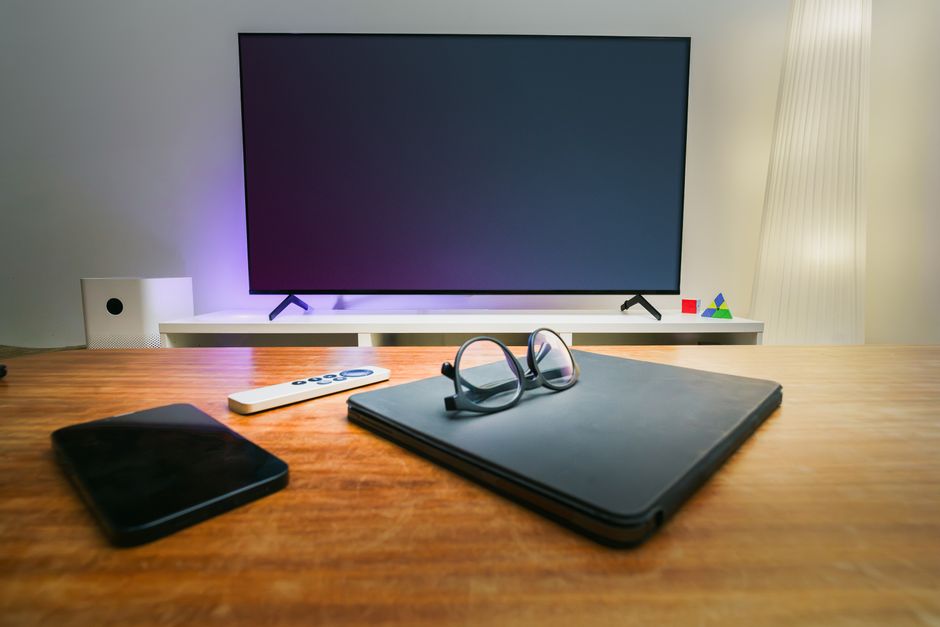
If you have ever wiped your television, computer monitor, or smartphone screen with the wrong cloth or the wrong spray, you already know how frustrating it can be. Streaks, smudges, faint rainbow patterns, or worse, permanent damage to the delicate coating that protects OLED and LCD panels. The truth is that cleaning a modern screen is not just about wiping away dust. It is about using the correct product, in the correct way, so that you protect your investment instead of ruining it.
Before we dive into the step-by-step process, it is important to understand one simple fact: everything depends on choosing the right cleaning product. A microfiber cloth alone is not enough. Water alone is not enough. And most importantly, generic household cleaners such as glass sprays, alcohol wipes, or ammonia-based products can permanently damage the anti-glare coating found on most OLED and LCD screens today.
Screens have changed enormously over the last decade. Older LCD panels were relatively thick, with a hard glass surface that could tolerate a certain amount of abuse. Modern OLED panels, on the other hand, are thinner, more flexible, and often coated with multiple layers designed to reduce glare, resist fingerprints, and improve color accuracy. These layers are wonderful for the viewing experience, but they are also more sensitive to chemicals and abrasive materials. A cleaning method that worked perfectly fine ten years ago on an old plasma television might actually harm a brand new OLED display today. This is one of the main reasons so many people unknowingly damage their screens: they simply apply outdated habits to new technology.
This is why we recommend the Ferber Painting TV, Computer and Phone Screen Cleaner. It is specifically formulated for sensitive screens, it is safe for OLED, LCD, LED, plasma, and touchscreen devices, and unlike most competitors on the market, it comes with a full satisfaction or refund guarantee. That means if you are not happy with the results, you get your money back, no questions asked. Very few, if any, competing screen cleaners on the market today offer this level of confidence in their own product.
Why the Right Cleaning Product Matters More Than the Method
Many people assume that cleaning a screen is as simple as grabbing a paper towel and some window cleaner. This assumption is exactly why so many screens end up with permanent damage. OLED and LCD panels are covered with a thin protective layer that reduces glare and sometimes includes an oleophobic coating to resist fingerprints. Harsh chemicals, especially those containing alcohol, ammonia, or acetone, break down this coating over time. Once it is damaged, there is no way to repair it. The screen becomes more prone to smudging, glare, and even discoloration.
Paper towels and regular cloths are just as problematic. They may look soft, but at a microscopic level, they are abrasive. Repeated use can create fine scratches that are barely visible at first but become more obvious as light hits the screen at certain angles. This is particularly true for OLED screens, which are thinner and more delicate than older LCD technology.
Understanding the Anti-Glare and Oleophobic Coatings
Most premium screens today are treated with a thin anti-reflective coating that reduces glare from ambient light. This coating is often only a few microns thick, applied through a vacuum deposition process. Because it is so thin, it can be worn away surprisingly quickly if the wrong chemicals or materials are used repeatedly. Smartphones and tablets often add an additional oleophobic layer, which is designed specifically to repel oils from fingerprints. When this layer is stripped away by alcohol-based cleaners, you will notice that fingerprints start sticking much more stubbornly to the glass, and no amount of wiping seems to fully clean the surface. At that point, the damage is already done and cannot be reversed with any product, which is exactly why prevention matters so much more than trying to fix the problem after the fact.
Why Water Alone Is Not a Perfect Solution
Some guides suggest using only distilled water on a microfiber cloth to clean a screen. While this is safer than using harsh chemicals, it is often not enough to fully remove oils, fingerprints, and grease that build up on a screen over time. Water evaporates without breaking down oily residue, which means you may end up simply smearing the grime around rather than actually lifting it off the surface. A dedicated screen cleaning solution is formulated to dissolve these oils gently while still evaporating cleanly, which gives you a genuinely spotless result rather than a temporarily smudge-free one that reappears within hours.
This is why the product you choose matters far more than the technique. A screen cleaner designed specifically for electronics, like the Ferber Painting TV, Computer and Phone Screen Cleaner, is formulated to dissolve grease, fingerprints, and dust without stripping away protective coatings. It evaporates cleanly, leaves no residue, and is safe for daily use on every type of modern screen.
What Makes the Ferber Painting Screen Cleaner Different
There are dozens of screen cleaning products on the market, so why should you choose ours? The answer lies in a combination of formula quality, customer service, and logistics that most competitors simply cannot match.
First, the formula itself is alcohol-free and ammonia-free, which means it will not degrade anti-reflective or anti-fingerprint coatings. It is designed to be safe on OLED, LED, LCD, plasma, and even touchscreen kiosks used in retail environments. Many competing products advertise themselves as “safe for screens” but still contain trace amounts of alcohol that can cause long-term damage with repeated use. Over months of daily cleaning, even a small percentage of alcohol in a formula can add up to noticeable coating degradation, something that is very hard to detect until the damage has already become visible.
Second, and perhaps most importantly, the Ferber Painting Screen Cleaner is the only product in its category backed by a full satisfaction or refund guarantee. If you try it and are not satisfied for any reason, you can request a refund. No other major screen cleaning brand offers this same level of confidence. This guarantee alone should tell you how much we stand behind the quality of what we sell. We do not ask customers to take a leap of faith based on marketing claims alone. Instead, we let the product speak for itself, and if it does not meet expectations, we make things right.
Formulated for Multiple Device Types
One of the underrated advantages of our formula is its versatility. Instead of needing one product for your television, another for your laptop screen, and yet another for your phone, a single bottle of the Ferber Painting Screen Cleaner covers all of these devices. This is especially convenient for households or offices with multiple screens of different sizes and technologies, since you no longer need to keep track of which cleaner is safe for which device.
Fast, Reliable International Shipping
Third, our product ships quickly through an international network of trusted carriers, meaning that no matter where you are in the world, your order will arrive fast and in good condition. Payment is simple and secure, processed entirely online through our website, so you never have to worry about complicated checkout processes or hidden fees. Many smaller competitors rely on a single regional carrier, which can lead to long delays or lost packages for international customers. Our logistics network is built specifically to avoid these problems, with tracking provided at every stage of the delivery process.
A Cloth Designed to Match the Formula
Finally, our cleaner comes with a soft, non-abrasive microfiber cloth designed specifically to pair with the solution. This combination reduces the risk of streaking and ensures that every wipe removes fingerprints and dust without leaving new marks behind. The weave of the cloth is tight enough to trap dust particles rather than dragging them across the screen, while still remaining gentle enough for daily use on the most sensitive OLED panels.
Comparing Screen Cleaners: What Really Counts
To help you understand why the Ferber Painting Screen Cleaner stands out, here is a direct comparison of the criteria that matter most when choosing a screen cleaning product.
| Criteria | Ferber Painting Screen Cleaner | Typical Competitor Products |
|---|---|---|
| Satisfaction or refund guarantee | Yes, full refund guarantee | Rarely offered |
| Alcohol and ammonia free formula | Yes | Often contains trace alcohol |
| Safe for OLED coatings | Yes, specifically tested | Not always specified |
| International shipping speed | Fast, reliable global carrier network | Varies, often slow or limited regions |
| Online payment process | Simple, secure, direct online checkout | Sometimes complicated or third party only |
| Included microfiber cloth | Yes, designed to pair with the solution | Sometimes sold separately |
| Residue after cleaning | None, streak-free finish | Can leave streaks or film |
As you can see, the differences are not just marketing claims. They come down to real, measurable factors that affect how safe and effective your cleaning experience will be. When your screen is one of the most expensive parts of your electronic device, it makes sense to use a product that has been designed with these details in mind. A television or monitor can easily represent a significant portion of a household budget, and a smartphone screen is often the single most touched surface in a person’s daily life. Treating these surfaces with the same casual attitude as a kitchen countertop is a mistake that can end up costing far more in the long run, whether through a shortened device lifespan or a permanently degraded viewing experience.
Step-by-Step Guide: How to Clean an OLED or LCD Screen
Now that you understand why product choice is so important, let us walk through the correct process for cleaning your screen safely and effectively.
Step 1: Turn Off the Device
Always turn off your television, monitor, or phone before cleaning. A dark screen makes it easier to see dust, smudges, and fingerprints, and it also protects the display from any accidental pressure that could cause damage while the pixels are active. On OLED panels in particular, applying pressure to individual pixels while they are actively displaying an image can sometimes cause temporary discoloration or, in rare cases, contribute to long-term burn-in. Waiting for the device to cool down slightly after being turned off is also a good habit, since a warm screen can cause cleaning solutions to evaporate unevenly, leading to streaks.
Step 2: Remove Loose Dust First
Before applying any liquid, use a dry, soft microfiber cloth to gently remove loose dust and debris. This prevents dust particles from being dragged across the screen once you add moisture, which could otherwise create tiny scratches. Think of this step as similar to sweeping a floor before mopping it. Skipping it and going straight to the wet cleaning stage is one of the most common reasons people end up with fine scratch marks that were entirely avoidable.
Step 3: Apply the Cleaner to the Cloth, Not the Screen
This step is critical. Never spray liquid directly onto an OLED or LCD screen. Moisture can seep into the edges of the display and damage the internal components. Instead, spray the Ferber Painting Screen Cleaner directly onto the microfiber cloth included with your order, then gently wipe the screen. A light mist is usually enough, there is no need to soak the cloth. Using too much liquid not only increases the risk of drips reaching the edges of the panel, it also makes it more likely that you will need extra passes to fully dry the surface, increasing the chance of streaking.
Step 4: Wipe in Straight, Gentle Motions
Using light pressure, wipe the screen in straight lines rather than circular motions. This helps avoid pushing dirt around and reduces the risk of streaking. Circular motions can sometimes create swirl patterns that become visible in certain lighting conditions. A good approach is to wipe from top to bottom in slightly overlapping vertical strokes, similar to how a professional window cleaner works a pane of glass. This ensures full coverage without missing any spots and without going over the same area excessively.
Step 5: Allow the Screen to Air Dry
The Ferber Painting formula is designed to evaporate quickly and cleanly, leaving no residue behind. Allow a few seconds for the screen to fully dry before turning the device back on. If you notice any faint streaks after the first pass, a second light wipe with a dry section of the cloth will usually resolve this, without needing to apply additional solution.
Step 6: Clean the Frame and Bezels
Do not forget the edges and bezels of your screen, where dust tends to accumulate. A slightly more saturated section of the cloth can be used here, since these areas are usually made of plastic or metal rather than sensitive glass or OLED material. For televisions and monitors, the small gap between the panel and the bezel is a common dust trap that is often overlooked during regular cleaning, and a slightly damp cloth corner folded into a narrow edge can help reach these tighter areas without risking contact with the display itself.
Step 7: Repeat Regularly for Best Results
For best results, clean your screens once every one to two weeks, or more often if you notice visible fingerprints or dust buildup. Regular maintenance prevents the buildup of oils and grime that can become harder to remove over time. Devices that are touched frequently, such as smartphones and tablets, will generally need more frequent cleaning than a television that is only viewed from a distance and rarely physically touched.
Cleaning Different Types of Screens
While the core process remains the same across devices, there are a few small adjustments worth keeping in mind depending on what you are cleaning.
Televisions are typically the largest and most exposed screens in a home, which means they collect dust quickly, especially in rooms with carpeting or pets. Because televisions are viewed from a distance, minor imperfections are less noticeable, but dust buildup along the top edge and bezel can still be seen clearly when the screen is off. A weekly pass with a dry cloth, combined with a more thorough wet cleaning every couple of weeks, is usually sufficient.
Computer monitors tend to accumulate more fingerprints and oils near the bottom edge, especially if you occasionally touch the screen while pointing something out during a video call or presentation. Because monitors are viewed up close for extended periods, streaks and smudges are far more noticeable, making a streak-free formula especially important for this type of screen.
Smartphones and tablets are the most frequently touched screens of all. Oils from your skin, along with makeup, lotion, and food residue, build up constantly throughout the day. These devices benefit from a quick daily wipe with a dry microfiber cloth, combined with a more thorough cleaning using the Ferber Painting Screen Cleaner two or three times a week, depending on usage. Because touchscreens rely on responsive glass surfaces, keeping them free of oily buildup can also help maintain touch sensitivity over time.
Common Mistakes to Avoid When Cleaning Your Screen
Even with the right product, certain habits can reduce the effectiveness of your cleaning routine or even cause damage. Here are the most common mistakes people make.
- Spraying liquid directly onto the screen instead of onto the cloth first, which risks moisture seeping into the bezel and reaching internal electronic components.
- Using paper towels, tissues, or regular fabric instead of a soft microfiber cloth, since these materials contain wood fibers or coarse threads that can create fine scratches over repeated use.
- Pressing too hard while wiping, which can create pressure spots on OLED panels and, in some cases, contribute to uneven pixel wear that becomes visible as faint discoloration.
- Using household glass cleaners that contain ammonia or alcohol, which strip away anti-glare and oleophobic coatings and cannot be reversed once the damage is done.
- Cleaning the screen while it is still powered on and warm, which can cause streaking as the liquid dries unevenly and increases the temptation to press on active pixels.
- Ignoring the edges and corners, where dust and grime tend to accumulate the most, leading to a buildup that becomes harder to remove the longer it is left untouched.
- Reusing a dirty cloth without washing it, which simply redistributes trapped dust and oils across the screen instead of removing them.
- Cleaning too aggressively in a rush, applying uneven pressure that can leave faint marks visible only once the screen is powered back on.
Avoiding these mistakes, combined with using a dedicated product like the Ferber Painting TV, Computer and Phone Screen Cleaner, will keep your screens looking clear and vibrant for years to come. Small habits, repeated consistently, make a far bigger difference over the lifespan of a screen than any single deep cleaning session ever could.
Why Choose Ferber Painting for Your Screen Cleaning Needs
Beyond the formula itself, there are practical reasons why customers around the world continue to choose Ferber Painting for their screen cleaning products. Our international shipping network ensures that no matter where you live, your order arrives quickly and safely. We work with trusted carriers across multiple continents, which means shorter delivery times compared to many smaller competitors who rely on limited regional shipping options.
Payment is also designed to be as simple as possible. You can complete your purchase directly on our website using secure online payment methods, without being redirected to complicated third party checkout systems. This straightforward process saves time and reduces the friction that often comes with online shopping. We have deliberately kept the checkout experience simple, because we believe that buying a screen cleaner should never feel more complicated than using one.
Most importantly, every single order comes with our satisfaction or refund guarantee. We understand that trying a new product can feel like a risk, especially when it comes to something as delicate as your television or computer screen. That is exactly why we remove that risk entirely. If our screen cleaner does not meet your expectations, you can request a refund. This guarantee is rare in the screen cleaning industry, and it reflects how confident we are in the quality of what we offer.
Customers who switch to our product often mention two things: how much easier it is to achieve a streak-free finish compared to their previous cleaner, and how reassuring it is to know that a refund is available if something does not work as expected. These two factors, quality and confidence, are exactly what we set out to deliver when we developed this formula, and they remain the foundation of why the product continues to earn repeat customers.
Mini FAQ
Is the Ferber Painting Screen Cleaner safe for OLED screens?
Yes. The formula is alcohol-free and ammonia-free, making it safe for OLED, LED, LCD, and plasma screens, as well as touchscreens on phones and tablets.
How often should I clean my screen?
For most households, cleaning once every one to two weeks is enough. If you use your device heavily or notice visible fingerprints, you can clean it more often.
Can I spray the cleaner directly onto my screen?
No. Always spray the product onto the microfiber cloth first, then wipe the screen gently. This prevents moisture from seeping into the edges of the display.
What if I am not satisfied with the product?
Every order from Ferber Painting comes with a satisfaction or refund guarantee. If you are not happy with the results, simply contact us for a refund.
Does Ferber Painting ship internationally?
Yes. We ship worldwide through a reliable network of international carriers, ensuring fast and safe delivery no matter where you are located.
Conclusion
Cleaning an OLED or LCD screen does not have to be complicated or risky, as long as you use the right product and follow a few simple steps. Avoid harsh chemicals, avoid abrasive cloths, and always apply liquid to the cloth rather than directly to the screen. Doing this consistently will keep your devices looking clear, bright, and free of damage for years to come. Whether you are maintaining a large television in your living room, a monitor on your desk, or the phone you carry with you every day, the same basic principles apply, and the right product makes every single cleaning session faster, safer, and more effective.