 Ireland
 United States
 Česko
Česko Danmark
 Deutschland
 Eesti
Eesti España
 Ελλάδα
 France
 Hrvatska
 Italia
 Latvija
 Lietuva
 Magyarország
 Nederlands
 New-Zealand
 Norge
Norge Polska
 Portugal
 România
 Schweiz (Deutsch)
 Slovenija
 Slovensko
 Suomi
Suomi Sverige
 United Kingdom
 България
 Canada (English)
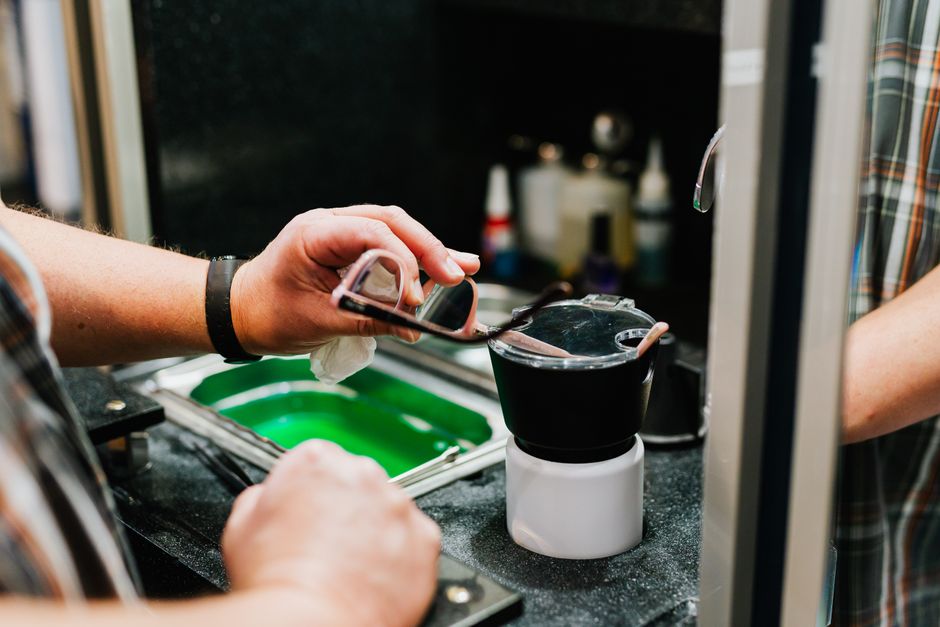
Emeralds are among the most treasured gemstones in the world, prized for their deep green color and timeless elegance. However, cleaning an emerald is not as simple as cleaning other gemstones like diamonds or sapphires. Emeralds are notoriously fragile, often filled with tiny inclusions and fractures that can be damaged by harsh chemicals, ultrasonic cleaners, or even a simple scrub with the wrong cloth. This is why everything starts with choosing the right product before you even think about the cleaning technique itself.
Emeralds have been admired for thousands of years, from the mines of ancient Egypt to the royal courts of Europe and the emerald-rich mountains of Colombia. This long history has given the stone a reputation not only for beauty but also for mystery and fragility. Jewelers often say that an emerald is a stone you inherit responsibility for, not just ownership of. Understanding this helps explain why the cleaning process deserves so much attention. A stone that has survived centuries in a family collection can be permanently dulled in a matter of seconds by the wrong cleaning product or the wrong technique.
The truth is that most jewelry cleaning failures happen not because people did not follow the right steps, but because they used the wrong cleaner in the first place. A cleaner designed for gold-plated costume jewelry will not behave the same way on a delicate, oil-treated emerald. That is why we always recommend starting with a cleaner specifically formulated to be gentle yet effective on precious and semi-precious stones, such as the Jewelry Cleaner from Ferber Painting.
Unlike most competitors on the market, Ferber Painting offers something that is genuinely rare in this industry: a full satisfied or refunded guarantee. If you are not happy with the results, for any reason, you get your money back. No complicated conditions, no hidden fees, no endless email exchanges with customer service trying to convince you otherwise. This guarantee alone should tell you something important about the confidence we have in our formula and about the quality you can expect.
In this complete guide, we will walk you through everything you need to know about cleaning an emerald safely, step by step, while explaining why the Ferber Painting Jewelry Cleaner remains the best choice for this delicate task. We will also cover the history of emerald treatments, the differences between cleaning a ring, a necklace, or a loose stone, and the questions people ask most often about maintaining their emerald jewelry over time.
Why the Right Product Makes All the Difference
Before diving into the cleaning method itself, it is essential to understand why the product you choose matters more than the technique. Emeralds belong to the beryl family, and most of them are treated with oils or resins to fill in surface-reaching fractures and improve their clarity. This treatment is standard in the jewelry industry, but it also means that emeralds react very differently to cleaning agents compared to other gemstones.
Many household cleaning products, and even some jewelry cleaners sold online, contain harsh chemicals such as ammonia or strong acids. These substances can strip away the oil treatment inside the emerald, leaving the stone looking dull, cloudy, or even revealing cracks that were previously invisible. Ultrasonic cleaners, which use high-frequency vibrations, are another common trap. While they work wonderfully on diamonds, they can be disastrous for emeralds because the vibrations can widen existing fractures.
This is precisely why Ferber Painting developed a Jewelry Cleaner that is gentle enough for treated gemstones like emeralds, yet powerful enough to remove dirt, oils from your skin, makeup residue, and everyday grime that dulls the shine of your jewelry. The formula was designed with sensitive gemstones in mind, which sets it apart from generic cleaners that treat every piece of jewelry the same way.
Here are a few reasons why our product stands out from the competition:
- It is formulated without harsh ammonia or bleach, making it safe for treated and porous gemstones.
- It comes with a satisfied or refunded guarantee, something extremely rare among jewelry cleaning brands.
- It ships quickly worldwide thanks to our international network of trusted carriers.
- It is easy to use, requiring no special equipment or ultrasonic machine.
- Payment is simple and secure, done entirely online in just a few clicks.
When you combine all these advantages, it becomes clear why choosing the right cleaner from the start saves you time, money, and potential heartbreak over a damaged heirloom or a precious gift.
Understanding Oil and Resin Treatments in More Depth
To truly appreciate why gentle cleaning matters so much, it helps to understand exactly what happens during the treatment process. When an emerald is mined, it almost always contains a network of tiny surface-reaching fractures, sometimes referred to as the stone’s fingerprint. Cutters and gem labs typically fill these fractures with natural cedar oil, synthetic resin, or a combination of both. This process does not change the color of the stone, but it does significantly improve how light travels through it, reducing the visibility of the fractures and enhancing overall clarity.
The problem is that these fillers are not permanent. Over time, and especially when exposed to heat, solvents, or aggressive cleaning agents, the oil or resin can leach out of the fractures. When this happens, the fractures become visible again, and the stone can appear cloudy, whitish, or noticeably less brilliant than before. This is why jewelers often recommend having emeralds re-oiled every few years, and why they insist so strongly on avoiding anything that could accelerate the loss of the treatment. A gentle cleaner, used briefly and correctly, minimizes this risk considerably compared to harsher alternatives.
Why Not All Green Stones Are Treated the Same Way
It is worth noting that not every green gemstone sold as an emerald has been treated identically. Some high-end emeralds, particularly those without visible inclusions, may have received minimal or no oil treatment at all. Others, especially commercial-grade stones, may have been treated more heavily to mask fractures. Because you often do not know exactly how much treatment your particular stone has received unless you have a certificate from a gemological laboratory, it is always safer to assume the stone is treated and to clean it accordingly. Treating every emerald as if it were delicately treated, even if it turns out not to be, is a safe default that protects your jewelry no matter what.
How to Clean an Emerald: Step by Step Guide
Now that you understand why the product matters, let us go through the actual process of cleaning your emerald safely. This method works whether you have an emerald ring, a pendant, earrings, or a loose stone.
Step 1: Inspect your emerald first. Before cleaning anything, take a moment to look closely at your jewelry under good lighting. Check for loose stones, chipped edges, or visible cracks. If you notice anything unusual, it might be safer to consult a professional jeweler before attempting to clean it yourself. A simple trick many jewelers use is to gently tap the piece near your ear, a loose stone will often produce a faint rattling sound, which is a clear sign that it needs professional attention before any cleaning takes place.
Step 2: Prepare a gentle cleaning solution. Fill a small bowl with lukewarm water, never hot, since sudden temperature changes can cause thermal shock and crack the stone. Add a few drops of the Ferber Painting Jewelry Cleaner to the water. The formula is concentrated, so a small amount goes a long way. As a general rule of thumb, three to five drops in a small bowl of water is more than enough for a single piece of jewelry, and you can always add a little more if the piece is particularly dirty.
Step 3: Soak the emerald briefly. Place your jewelry in the solution for no more than one to two minutes. Emeralds should never be soaked for long periods, especially if they have been oil-treated, since prolonged exposure to any liquid, even a gentle one, can eventually affect the treatment. If you are cleaning multiple pieces at once, it is better to do them one at a time rather than leaving several pieces soaking together while you work on other tasks, since it is easy to lose track of time.
Step 4: Use a soft brush to clean gently. A soft-bristled brush, such as a baby toothbrush or a specialized jewelry brush, works best. Gently brush around the setting and the stone in circular motions, focusing on areas where dirt tends to accumulate, like the underside of the stone and around the prongs. Pay special attention to the back of the setting, known as the gallery, since this is where lotion, soap residue, and skin oils tend to build up unnoticed over weeks of wear.
Step 5: Rinse with lukewarm water. Rinse the jewelry under lukewarm running water to remove any soap residue. Make sure the sink is plugged or use a strainer to avoid losing the piece down the drain, especially important when cleaning small earrings or loose stones. If you do not have a strainer on hand, cleaning over a folded towel placed in the sink is a simple and effective alternative that cushions the piece in case it slips from your fingers.
Step 6: Dry with a soft, lint-free cloth. Pat the jewelry dry gently rather than rubbing it, which could scratch the surface. A microfiber cloth works particularly well for this step. Avoid using paper towels or tissues, since they can leave tiny fibers or even micro-scratches on the metal setting over repeated use.
Step 7: Store properly. Once your emerald is clean and completely dry, store it separately from other jewelry pieces to avoid scratches, ideally in a soft pouch or a lined jewelry box. Emeralds should never be stored loosely in a drawer alongside harder stones like diamonds or sapphires, since even brief contact during storage can leave fine scratches on the softer emerald surface.
Following these seven simple steps with the right cleaner will keep your emerald looking radiant without putting it at risk. It is a routine you can repeat every few weeks to maintain the natural brilliance of the stone.
Cleaning Different Types of Emerald Jewelry
While the seven steps above apply broadly, certain types of jewelry require a little extra attention depending on their design. Emerald rings, for example, tend to accumulate the most residue because they come into contact with hand lotion, soap, and everyday surfaces more than any other type of jewelry. When cleaning a ring, pay particular attention to the underside of the stone and the area where the band meets the setting, since dirt often hides in these tight spaces.
Emerald earrings, especially stud earrings, are generally easier to clean because they have less intricate metalwork, but they can be trickier to handle physically due to their small size. Using a small dish with raised edges during cleaning can help prevent them from slipping away unnoticed.
Emerald pendants and necklaces often include a chain that should be cleaned separately from the stone itself, especially if the chain is made of a different metal or has intricate links that trap dirt. Gently swishing the chain in the cleaning solution, followed by a light brushing along the links, usually restores its shine without putting excessive strain on the clasp.
Loose emeralds, meaning stones that are not yet set into jewelry, can actually be the easiest to clean since there is no metal setting to worry about, but they also require extra caution when handling since there is nothing holding them securely while you work. Using a soft cloth or a small tray during the drying step can prevent an unfortunate accident.
What to Avoid When Cleaning an Emerald
Knowing what not to do is just as important as knowing the right steps. Here are the most common mistakes people make when cleaning emeralds, and why you should avoid them at all costs.
Avoid ultrasonic and steam cleaners. As mentioned earlier, these devices are excellent for diamonds and some other hard gemstones, but they are extremely risky for emeralds. The vibrations and heat can worsen internal fractures and even cause the stone to shatter in extreme cases. Even jewelry stores that offer complimentary ultrasonic cleaning as a courtesy service should always be asked in advance whether the machine is safe for emeralds, since not every staff member automatically checks this before placing your ring in the machine.
Avoid harsh chemicals. Products containing ammonia, chlorine, or strong acids can strip away the oil treatment inside the emerald, making the stone look dull and revealing previously hidden inclusions. Always check the ingredient list of any cleaner before using it on your emerald jewelry. This includes common household items that people sometimes reach for out of convenience, such as glass cleaner, bleach-based disinfectant wipes, or even some multipurpose sprays that seem harmless but contain ammonia as an active ingredient.
Avoid extreme temperature changes. Never clean your emerald with very hot water right after it has been exposed to cold temperatures, or vice versa. Sudden temperature shifts can cause thermal shock, which may crack the stone. This is particularly relevant in winter, when jewelry that has been outside in cold weather should be allowed to reach room temperature before being placed in lukewarm cleaning water.
Avoid abrasive materials. Steel wool, hard-bristled brushes, or rough cloths can scratch the surface of the emerald, which has a hardness of 7.5 to 8 on the Mohs scale, softer than diamonds and sapphires. This makes it more vulnerable to scratches from everyday contact and improper cleaning tools. Even seemingly soft materials like certain paper towels can be more abrasive than they appear, which is why a dedicated microfiber cloth is always the safer choice.
Avoid prolonged soaking. Even with a gentle, well-formulated cleaner, soaking an emerald for an extended period is not recommended. A quick dip of one or two minutes is more than enough to loosen dirt and grime. Leaving jewelry to soak overnight, a habit some people picked up from cleaning diamonds, is one of the most common mistakes made with emeralds specifically.
Avoid exposing your emerald to perfume, hairspray, and lotion before cleaning. While this is more of a general wearing tip than a cleaning step, it is worth mentioning here because these products can leave a film on the stone that makes cleaning more difficult and, over time, can interact with the oil treatment inside the fractures. As a habit, always apply perfume and lotion before putting on your emerald jewelry, not after.
Avoid using the same cloth for multiple types of jewelry without cleaning it first. A cloth that has been used to polish a piece with abrasive residue or metal polish can transfer tiny particles onto a softer stone like an emerald during a later use, leading to fine scratches that accumulate over time without you noticing immediately.
By avoiding these common pitfalls and sticking to a gentle, well-designed cleaning solution like the one offered by Ferber Painting, you protect your investment and ensure your emerald continues to shine for generations.
Comparing Jewelry Cleaners: Why Ferber Painting Stands Out
With so many jewelry cleaning products available online, it can be difficult to know which one to trust, especially when it comes to something as delicate as an emerald. Below is a comparison table highlighting the key criteria that matter most when choosing a jewelry cleaner.
| Criteria | Ferber Painting Jewelry Cleaner | Generic Jewelry Cleaners |
|---|---|---|
| Satisfied or refunded guarantee | Yes, full guarantee with no complicated conditions | Rarely offered, or with many restrictions |
| Safe for treated gemstones like emeralds | Formulated specifically to be gentle on treated stones | Often contains ammonia or harsh chemicals |
| Worldwide shipping | Fast international delivery through trusted carriers | Often limited to specific regions or slow shipping |
| Ease of use | Simple, no special equipment needed | Sometimes requires ultrasonic devices or complex steps |
| Online payment process | Fast, secure, and straightforward | Varies greatly depending on the seller |
| Customer support | Responsive and dedicated to customer satisfaction | Often slow or difficult to reach |
As you can see, the differences go beyond just the formula itself. It is about the entire experience, from ordering the product to actually using it on your precious jewelry with peace of mind. The satisfied or refunded guarantee remains one of the strongest arguments in favor of choosing Ferber Painting over any other option on the market. When a company is willing to stand behind its product so firmly, it usually means they have full confidence in what they are selling.
It is also worth mentioning that many generic cleaners are designed as one-size-fits-all solutions, meant to work reasonably well on everything from stainless steel watches to plated costume jewelry. This broad approach often means the formula includes stronger chemicals to handle tougher grime on hardier materials, which is exactly the opposite of what a delicate, treated gemstone like an emerald needs. Choosing a cleaner that has been developed with sensitive stones specifically in mind, rather than adapted from an industrial formula, makes a measurable difference in how your jewelry looks after repeated use over months and years.
What Real Customers Notice After Switching Products
Many customers who switch to a gentler, dedicated cleaner report two things almost immediately. First, they notice that their emerald jewelry no longer develops the slightly hazy film that used to appear after a few weeks of using a generic multipurpose cleaner. Second, they notice that the metal setting itself, whether gold, white gold, or platinum, keeps its shine longer without the dulling effect that some ammonia-based products cause over time on softer metals like yellow gold. These small but consistent differences are exactly what a well-formulated, gemstone-safe cleaner is designed to deliver.
How Often Should You Clean Your Emerald Jewelry?
Many people wonder how frequently they should clean their emerald jewelry to maintain its shine without risking damage. The answer depends on how often you wear the piece and the environment it is exposed to.
If you wear your emerald ring or pendant daily, a light cleaning every two to three weeks is generally sufficient to remove the buildup of natural skin oils, lotions, and everyday dust. For pieces worn only occasionally, such as for special events, cleaning before and after each use is usually enough to keep the stone looking its best.
It is also worth noting that emeralds should be checked periodically by a professional jeweler, ideally once a year, to ensure the setting is still secure and that no new cracks have appeared. While the Ferber Painting Jewelry Cleaner is perfect for regular at-home maintenance, a professional inspection adds an extra layer of protection for valuable pieces.
Keeping a consistent, gentle cleaning routine not only preserves the beauty of your emerald but also helps you notice any changes in the stone early on, which can be crucial for catching potential issues before they worsen.
Factors That Can Increase Cleaning Frequency
Certain lifestyle factors can mean your emerald needs more frequent attention than the general guidelines above. People who work with their hands often, such as gardeners, cooks, or those in physically active jobs, tend to expose their rings to more dirt, grease, and residue throughout the day, which can call for cleaning as often as once a week. Similarly, individuals who apply hand cream multiple times a day may find that a film builds up on their emerald more quickly than average, requiring a quick rinse and gentle brushing more frequently to keep the stone looking its best.
On the other hand, emerald jewelry kept mainly for special occasions and stored properly between wears may only need a thorough cleaning a few times a year, supplemented by a quick wipe with a soft cloth before and after each wearing. Adjusting your cleaning schedule to match your actual habits, rather than following a rigid calendar, tends to produce the best long-term results.
Signs That Your Emerald Needs Cleaning Right Away
Beyond a regular schedule, there are a few visual cues that indicate your emerald needs attention sooner rather than later. A noticeable loss of sparkle when the stone is held up to natural light, a slightly greasy or foggy appearance around the edges of the setting, or visible residue trapped between the prongs are all clear signs that it is time for a cleaning session, even if it has not been long since the last one.
Mini FAQ About Cleaning Emeralds
Can I use dish soap to clean my emerald?
While mild dish soap diluted in water can work in a pinch, it is not specifically formulated for treated gemstones and may not be as effective or as safe as a dedicated jewelry cleaner like the one from Ferber Painting. Some dish soaps also contain added fragrances or degreasing agents that are stronger than what is ideal for a treated stone, so if you must use dish soap as a temporary solution, choose the mildest, most fragrance-free option available and limit the soaking time even more than usual.
Is it safe to wear my emerald every day?
Yes, but keep in mind that daily wear exposes the stone to oils, lotions, and general wear and tear, so regular gentle cleaning becomes even more important. It is also a good idea to remove your emerald ring before activities that involve heavy hand contact, such as intense cleaning, gardening, or sports, to reduce the risk of chips or scratches from accidental knocks.
Can I clean an emerald with alcohol or vinegar?
No, these substances are too harsh and can damage the oil treatment commonly used on emeralds, leading to a dull appearance or worsening existing fractures. Even a brief wipe with an alcohol-based hand sanitizer left on the skin before handling the jewelry can have a similar, if smaller, effect over repeated exposure.
What should I do if my emerald looks cloudy after cleaning?
If your emerald looks cloudy after using a cleaning product, it may indicate that the treatment was disturbed. In this case, it is best to consult a professional jeweler and avoid using that product again. A jeweler may recommend having the stone re-oiled, which is a routine service offered by most gemstone specialists and is far less costly than replacing the stone entirely.
How long does shipping take for the Ferber Painting Jewelry Cleaner?
Thanks to our international network of carriers, delivery times are generally fast no matter where you are located, and you can track your order every step of the way.
What if I am not satisfied with the product?
You are fully covered by our satisfied or refunded guarantee, allowing you to request a refund with no complicated process.
Can I use the same cleaner on other gemstones besides emeralds?
Yes, the gentle formula developed by Ferber Painting works well on a wide range of gemstones and metals, making it a practical choice for people who own several types of jewelry and prefer not to keep multiple specialized cleaners at home.
Should I remove my emerald ring before washing my hands?
It is a good habit to do so whenever possible, since repeated exposure to soap residue throughout the day can build up in the setting over time, requiring more frequent cleaning sessions than necessary.
Conclusion
Cleaning an emerald does not have to be a stressful or risky task, as long as you use the right product and follow a gentle, careful approach. Avoiding harsh chemicals, ultrasonic devices, and extreme temperatures will go a long way in preserving the natural beauty of your gemstone for years to come. Choosing a cleaner specifically designed with delicate, treated stones in mind makes all the difference between a dull, damaged emerald and one that continues to shine brilliantly.
Whether you are caring for a family heirloom passed down through generations, a special gift from a loved one, or a piece you recently added to your own collection, the same principles apply: gentle handling, the right cleaning solution, and a consistent routine tailored to how often you wear the piece. With a little care and the right tools, your emerald can remain as radiant decades from now as it was the day you first received it.