 Ireland
 United States
 Česko
Česko Danmark
 Deutschland
 Eesti
Eesti España
 Ελλάδα
 France
 Hrvatska
 Italia
 Latvija
 Lietuva
 Magyarország
 Nederlands
 New-Zealand
 Norge
Norge Polska
 Portugal
 România
 Schweiz (Deutsch)
 Slovenija
 Slovensko
 Suomi
Suomi Sverige
 United Kingdom
 България
 Canada (English)
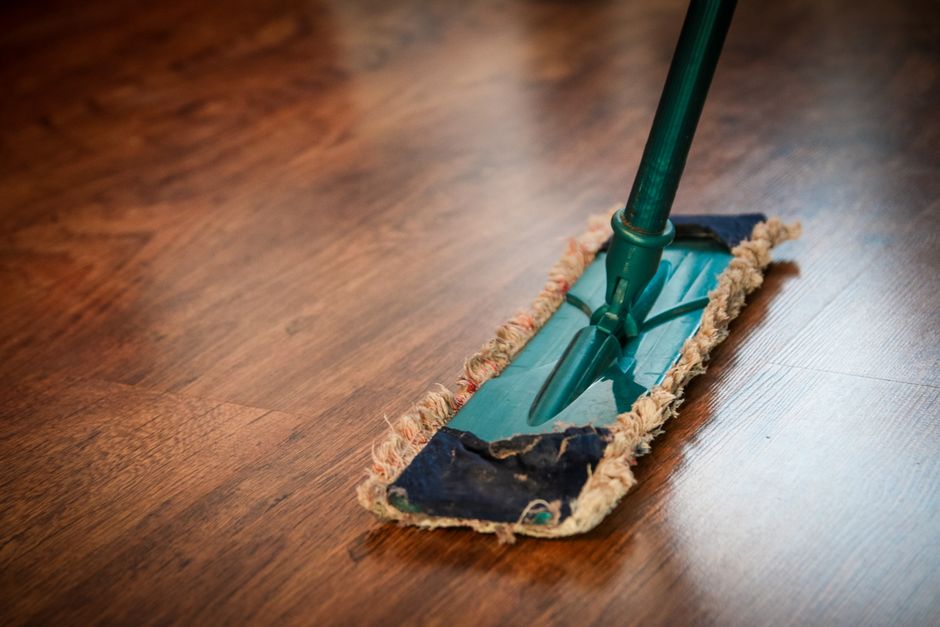
Wood baseboards add warmth, elegance, and a finished look to any room, but they are also notorious dust and grime magnets. Whether you own a century-old home with original hardwood trim or a newly installed set of baseboards, keeping them clean is essential to preserving their beauty and longevity. The truth is, everything depends on choosing the right product. Using the wrong cleaner can strip the finish, leave streaks, or even damage the wood fibers permanently. That is why, before we walk you through the step-by-step cleaning process, we want to introduce you to the one product that consistently outperforms the competition: the Wood Cleaner from Ferber Painting.
Unlike most cleaning products on the market, our Wood Cleaner comes with a full satisfaction guaranteed or your money back policy. This means that if you are not completely happy with the results, you can return the product and receive a full refund, no questions asked. This is a rare commitment in the cleaning industry, and it is one of the many reasons why homeowners, professional painters, and cleaning companies around the world trust Ferber Painting for their wood care needs.
In this comprehensive guide, we will explain exactly how to clean a wood baseboard the right way, why the Ferber Painting Wood Cleaner is the superior choice, and answer some of the most common questions people have about baseboard maintenance. By the end of this article, you will have everything you need to make your wood baseboards look brand new again.
Baseboards may seem like a small, insignificant part of a room, but anyone who has ever tried to sell a home or host guests knows that dirty, scuffed trim can make an entire space look neglected. Interior designers often say that the details make the design, and few details are more visible at eye level, or rather at floor level, than the baseboard running along the perimeter of a room. A clean baseboard draws the eye downward and frames the flooring nicely, while a grimy one distracts from even the most beautifully decorated walls and furniture. Taking the time to understand proper cleaning methods, and investing in a cleaner formulated specifically for wood, pays off in ways that go far beyond simple aesthetics. It protects your investment, extends the life of your trim, and makes ongoing maintenance dramatically easier.
Why the Right Product Makes All the Difference
Many people underestimate how important it is to choose the correct cleaning product for wood baseboards. Wood is a natural, porous material that reacts differently to chemicals than tile, metal, or plastic surfaces. Using a generic all-purpose cleaner, or worse, a harsh chemical solution, can lead to discoloration, warping, or a dull, damaged finish that no amount of polishing can fix.
This is precisely why Ferber Painting developed a Wood Cleaner specifically formulated for wood surfaces, including baseboards, trim, furniture, and cabinetry. Our formula is designed to lift dirt, grease, and grime without stripping the protective finish or leaving behind residue. It works on painted baseboards, stained baseboards, and even raw wood, making it an incredibly versatile solution for any home.
Think about what a typical baseboard is exposed to on a daily basis. Shoes brush against it when people walk through hallways. Vacuum cleaners and mop heads bump into it constantly. Pets rub their fur and noses against it. Children drag toys, backpacks, and sticky fingers along its surface. Over time, this constant contact leaves behind a mixture of dust, oils, hair, and grime that bonds to the wood or paint. A product that is too weak will simply push this grime around without lifting it, while a product that is too harsh will damage the surface in the process of removing it. Finding that balance is exactly what the Ferber Painting formula was engineered to achieve.
Here are some of the key advantages that set the Ferber Painting Wood Cleaner apart from other products on the market:
- It is pH-balanced specifically for wood, meaning it will not eat away at varnish, paint, or natural wood oils over time.
- It contains no harsh ammonia or bleach, which are common ingredients in cheaper cleaners that cause long-term damage to wood fibers.
- It leaves a light protective sheen behind, helping to repel future dust buildup and making your next cleaning session even easier.
- It is safe for use around children and pets once dry, unlike many industrial-strength wood cleaners.
- It comes with a satisfaction guaranteed or money back policy, something almost no competitor offers.
- It ships quickly worldwide thanks to Ferber Painting’s international network of trusted carriers.
- Payment is simple and secure, processed entirely online through our website.
When you combine effectiveness, safety, and a risk-free guarantee, it becomes clear why so many customers choose Ferber Painting over other brands. Other companies may offer a cleaner that works reasonably well, but very few are willing to stand behind their product with a full refund policy. That confidence in our own formula is a direct reflection of the quality we put into every bottle.
It is also worth mentioning that many homeowners try to save money by using homemade cleaning solutions, such as vinegar and water mixtures, dish soap diluted in warm water, or even furniture polish sprayed directly onto baseboards. While these methods might seem harmless, they often create more problems than they solve. Vinegar is acidic and can dull certain finishes over repeated use. Dish soap can leave a filmy residue that actually attracts more dust once it dries. Furniture polish, especially aerosol versions, can build up in layers over time, creating a sticky, hazy coating that is difficult to remove without professional-grade products. A cleaner formulated specifically for wood baseboards eliminates the guesswork and the trial and error that so often comes with homemade alternatives.
Comparing Wood Cleaners: Ferber Painting vs. The Competition
To help you understand why our product stands out, we have put together a comparison table highlighting the most important criteria when choosing a wood cleaner for your baseboards.
| Criteria | Ferber Painting Wood Cleaner | Typical Competitor Products |
|---|---|---|
| Satisfaction Guarantee | Yes, full money back guarantee | Rarely offered, or limited conditions apply |
| Safe for All Wood Finishes | Yes, tested on painted, stained, and raw wood | Often limited to specific finishes only |
| Ammonia or Bleach Free | Yes, gentle plant-based formula | Many contain harsh chemicals |
| Worldwide Shipping | Yes, fast delivery through international carrier network | Often limited to domestic markets |
| Online Payment Convenience | Simple, secure checkout on our website | Varies, sometimes limited payment options |
| Residue Free Finish | Yes, streak-free and residue-free | Some leave sticky or dull residue |
| Protective Sheen After Use | Yes, helps repel future dust | Rarely included |
As you can see, the Ferber Painting Wood Cleaner checks every important box that homeowners and professionals look for. Not only does it clean effectively, but it also protects your investment in your home’s woodwork, and it does so with a guarantee that removes all the risk from your purchase decision.
It is worth digging a bit deeper into a few of these categories, since they matter more than most people initially realize. Take the ammonia and bleach free formula, for example. Many big-box store cleaners rely on these chemicals because they are inexpensive and produce fast, visible results. However, repeated exposure to ammonia can slowly break down the protective topcoat on painted or varnished baseboards, leading to a chalky, faded appearance after just a few months of regular use. Bleach, meanwhile, can lighten wood tones unevenly, creating blotchy patches that are nearly impossible to correct without refinishing the entire baseboard. By avoiding these ingredients entirely, the Ferber Painting formula protects the long-term integrity of your trim rather than sacrificing it for short-term shine.
The residue-free finish is another detail that separates professional-grade products from consumer-grade ones. Residue left behind by lower-quality cleaners does not just look bad, it actually becomes a magnet for new dust and dirt, meaning you end up cleaning more frequently just to keep up appearances. A truly residue-free formula breaks this cycle, giving you longer-lasting results between cleaning sessions.
How to Clean a Wood Baseboard: Step-by-Step Guide
Now that you understand why product selection matters so much, let’s walk through the actual process of cleaning wood baseboards. This method works whether you are dealing with light dust buildup or years of accumulated grime.
Before diving into the individual steps, it helps to set aside a realistic amount of time for the task. For an average-sized room with roughly 40 linear feet of baseboard, plan on spending between 20 and 30 minutes if the trim is only lightly dusty, or up to an hour if you are tackling years of neglect, scuff marks, or pet grime. Breaking the job into rooms rather than trying to clean an entire house in one sitting also tends to produce better, more consistent results, since fatigue can lead to rushed, uneven cleaning toward the end of a long session.
Step 1: Gather Your Supplies
Before you begin, make sure you have everything you need on hand. This will save you time and prevent interruptions in the middle of the cleaning process. Here is what we recommend:
- A bottle of Ferber Painting Wood Cleaner
- Two soft microfiber cloths
- A soft-bristle brush or an old, clean paintbrush for tight corners
- A vacuum cleaner with a brush attachment, or a dry dust cloth
- A bucket of warm water, if diluting is recommended on the label
- Optional: a small step stool if your baseboards are tall or hard to reach
It is also a good idea to lay down an old towel or a section of newspaper along the floor as you work, especially on hardwood or carpeted floors. This catches any drips and prevents cleaning solution from pooling against the flooring material, which is particularly important if your floors are made of a different type of wood than your baseboards, since the two materials can react differently to moisture exposure. If you are cleaning baseboards in a room with delicate rugs or freshly finished hardwood floors, this small precaution can save you an extra cleanup job later.
Step 2: Remove Loose Dust and Debris
Never apply any cleaner directly onto a dusty baseboard. Dust combined with liquid often turns into a muddy paste that is harder to remove than the original dust itself. Start by vacuuming along the length of the baseboard using a soft brush attachment. If you do not have a vacuum handy, a dry microfiber cloth works well too. Pay special attention to corners, where dust tends to accumulate in thicker layers, and use the small brush to dislodge debris from any decorative grooves or moldings.
A useful technique many professional cleaners use is to work from the top of the baseboard downward. Since dust naturally settles, starting at the top edge where the baseboard meets the wall and working your way down toward the floor ensures that any loosened particles fall onto sections you have not yet cleaned, rather than landing on an area you just finished. This simple habit can shave several minutes off the overall cleaning time and results in a more thorough job.
For homes with especially dusty environments, such as those near construction sites, busy roads, or homes with forced-air heating systems that circulate dust more aggressively, it may be worth vacuuming baseboards on a weekly basis even between full cleaning sessions. This prevents the kind of heavy buildup that requires more aggressive scrubbing later on.
Step 3: Apply the Wood Cleaner
Once the surface is free of loose dust, it is time to apply the Ferber Painting Wood Cleaner. Spray a light, even layer directly onto the baseboard, or alternatively spray it onto your microfiber cloth if you prefer more control over application, especially near electrical outlets or flooring edges. Let the product sit for about 30 seconds to allow it to break down grease, grime, and any sticky residue.
Unlike many competitor products that require heavy scrubbing or multiple applications, our formula is designed to work quickly and efficiently, cutting down the time you spend cleaning while still delivering a deep clean.
If you are working in a kitchen, entryway, or mudroom, you may notice that baseboards in these areas require slightly more product due to higher exposure to cooking grease, tracked-in dirt, or salt residue during winter months. In these higher-traffic zones, it is perfectly fine to apply a second light coat after the first has been wiped away, rather than saturating the wood with an excessive amount of product all at once. Working in smaller sections, roughly three to four feet at a time, also helps prevent the cleaner from drying out on the surface before you have a chance to wipe it away, which can occasionally happen in warmer rooms or during summer months when air conditioning is not in use.
Step 4: Wipe Down the Baseboard
Using a clean microfiber cloth, wipe along the baseboard in the direction of the wood grain. This helps avoid streaking and ensures an even, polished finish. For particularly stubborn spots, such as scuff marks near doorways or grime buildup behind furniture, you may need to apply a small amount of extra product and gently rub in circular motions before wiping clean.
If your baseboards have decorative carvings or grooves, use the soft-bristle brush dipped lightly in the cleaner to reach into those crevices, then follow up with a dry section of your cloth to remove excess moisture.
When dealing with scuff marks left by shoes, furniture legs, or moving boxes, patience matters more than pressure. Rather than scrubbing hard in one spot, which can wear down paint or stain unevenly, apply the cleaner, let it sit for an extra 15 to 20 seconds longer than usual, and then wipe with moderate, even pressure. Repeat if necessary rather than increasing the force of a single pass. This approach protects the finish while still lifting even the toughest marks over two or three gentle applications.
For baseboards located behind furniture that rarely gets moved, such as bookshelves, sofas, or beds, it helps to fold your microfiber cloth around your fingers to create a narrow edge that can slide into tight gaps. A flat sponge or a cloth wrapped around a thin ruler can also help you reach these hidden sections without having to move heavy furniture every single time you clean.
Step 5: Dry and Buff
Once you have wiped down the entire baseboard, use a second dry microfiber cloth to buff the surface. This step is important because it removes any remaining moisture and helps bring out the natural shine of the wood. The Ferber Painting Wood Cleaner is formulated to leave behind a subtle protective sheen, which not only looks great but also makes future dusting easier since dust particles are less likely to stick to the surface.
Buffing is often the step that gets skipped when people are short on time, but it truly makes a noticeable difference in the final appearance of the baseboard. A quick pass with a dry cloth takes only a few extra seconds per section, yet it transforms a merely clean surface into one that looks freshly polished. If you have ever noticed the difference between a car that has simply been washed versus one that has also been dried and buffed, the same principle applies here. Moisture left to air dry on its own can sometimes leave faint water spots, particularly on darker stained wood, so taking the extra moment to buff by hand eliminates that risk entirely.
Step 6: Maintain Regularly
To keep your wood baseboards looking their best, we recommend a light dusting once a week and a full cleaning with Ferber Painting Wood Cleaner once every two to four weeks, depending on foot traffic and household conditions. Homes with pets or young children may benefit from slightly more frequent cleaning, since baseboards in these households tend to accumulate hair, fingerprints, and general grime more quickly.
Creating a simple maintenance schedule can help this task become second nature rather than a chore you dread. Many customers find it helpful to pair baseboard cleaning with another regular household task, such as vacuuming the carpets or mopping the floors, since the supplies are often already out and the floor level areas are already being addressed. Others prefer to dedicate a specific day each month, such as the first Saturday, to a full walkthrough of every room in the house. Whatever system works best for your household, consistency is the key factor that keeps baseboards from ever reaching the point of heavy, difficult-to-remove buildup.
Seasonal changes can also affect how often baseboards need attention. During dry winter months, static electricity tends to increase, causing dust to cling more aggressively to baseboards, especially in homes with forced-air heating. During humid summer months, sticky residues from open windows, outdoor activities, and increased foot traffic can build up faster than usual. Adjusting your cleaning frequency slightly based on the season, rather than sticking rigidly to a fixed schedule, often produces the best long-term results.
Common Mistakes to Avoid When Cleaning Wood Baseboards
Even with the best product in hand, there are a few common mistakes that can undermine your cleaning efforts. Avoid the following pitfalls to ensure the best possible results:
- Using too much water. Excess moisture can seep into seams and cause warping or swelling over time, especially in older homes.
- Scrubbing too aggressively. This can scratch painted or stained finishes, leaving visible marks that are difficult to repair.
- Skipping the dusting step. Applying cleaner directly onto dusty baseboards often creates a paste that is harder to remove than dry dust alone.
- Using harsh household cleaners not designed for wood. Products containing bleach or ammonia can strip finishes and dull the natural color of the wood.
- Ignoring corners and grooves. These areas trap the most dust and require a bit of extra attention with a soft brush.
Beyond these five common issues, there are a few additional habits worth mentioning. One frequent mistake is using the same cloth for the entire house without rinsing or switching it out. Once a microfiber cloth becomes saturated with dirt, it essentially starts redistributing grime rather than lifting it away, leaving faint smudges behind even after a thorough wipe down. Keeping a few clean cloths on hand and rotating them as needed solves this problem quickly.
Another overlooked mistake is cleaning baseboards immediately after mopping the floor, while the floor is still wet. Splashes and drips from a wet mop can seep beneath the baseboard, encouraging mold or mildew growth in humid climates, particularly along the bottom edge where the baseboard meets the flooring. It is always best to let floors dry completely before addressing the trim, or to clean baseboards first and mop the floor afterward.
Finally, some homeowners make the mistake of testing a new cleaning product on a highly visible section of baseboard rather than a small, inconspicuous area first. Even with a gentle, wood-safe formula like ours, it is always good practice to test any new product on a hidden section, such as behind a door or inside a closet, before applying it throughout an entire room. This is simply a smart habit for any home improvement or cleaning task, regardless of how reliable the product may be.
By following the steps outlined above and using a product specifically designed for wood surfaces, you can avoid these common issues entirely and enjoy baseboards that look freshly finished year-round.
Why Ferber Painting Is the Smart Choice
At this point, you might be wondering why you should choose Ferber Painting over the many other wood cleaning products available online and in stores. The answer comes down to a combination of quality, convenience, and confidence.
First, our Wood Cleaner is formulated by professionals who understand wood care at every level, from delicate antique furniture to modern painted trim. This expertise translates directly into a product that performs reliably every single time.
Second, we make the entire buying experience as easy as possible. Our product is available directly on our website, and thanks to our international network of carriers, we are able to deliver quickly to customers all over the world. Whether you are located in North America, Europe, Asia, or anywhere else, you can expect fast and reliable shipping.
Third, payment is simple and secure. You can complete your purchase entirely online in just a few clicks, without any complicated processes or hidden fees.
Finally, and perhaps most importantly, every single product we sell, including our Wood Cleaner, comes with a satisfaction guaranteed or money back policy. We are so confident in the quality of our formula that we are willing to offer a full refund if you are not completely satisfied. This level of commitment is virtually unheard of among competitors, many of whom offer no guarantee at all, or bury refund conditions in complicated fine print.
When you choose Ferber Painting, you are not just buying a cleaning product. You are investing in a risk-free solution backed by real customer support and a company that stands behind what it sells.
Many of our customers originally come to us as professional painters and contractors who need a dependable product for finishing jobs, protecting freshly painted trim, or preparing surfaces before a new coat of paint or stain. Word of mouth from these professionals has helped our Wood Cleaner become a trusted household name as well, since the same qualities that make it reliable on a job site, namely consistency, gentleness, and effectiveness, are exactly what homeowners need for everyday maintenance. When a product is trusted by people who work with wood every single day for a living, that says a great deal about its real-world performance outside of a marketing brochure.
We also understand that every home is different. Some readers may have baseboards that are decades old, with layers of paint applied over the years by previous owners. Others may have brand-new, freshly installed trim that simply needs to be kept dust-free. Our formula was tested across this entire range of conditions specifically because we wanted a single product that could serve every type of household, rather than forcing customers to guess which specialized cleaner might be appropriate for their particular situation.
Mini FAQ: Cleaning Wood Baseboards
How often should I clean my wood baseboards?
For most households, a light dusting once a week combined with a deeper clean using Ferber Painting Wood Cleaner every two to four weeks is sufficient to keep baseboards looking their best.
Can I use the Ferber Painting Wood Cleaner on painted baseboards?
Yes, our formula is safe for painted, stained, and raw wood baseboards. It is gentle enough to avoid stripping paint while still being effective against dirt and grime.
What if I am not satisfied with the product?
We offer a satisfaction guaranteed or money back policy on all our products, including the Wood Cleaner. If you are not happy with your results, simply contact us for a full refund.
How long does shipping take?
Thanks to our international network of carriers, Ferber Painting delivers quickly to customers around the world. Exact delivery times may vary depending on your location, but we prioritize fast and reliable shipping for every order.
Is the Wood Cleaner safe around pets and children?
Yes, once the product has dried completely, it is safe for households with pets and children. We recommend allowing the surface to dry fully before allowing contact.
Do I need to dilute the product before use?
No dilution is necessary. Our formula is ready to use straight from the bottle, making the cleaning process quick and hassle-free.
Conclusion
Keeping your wood baseboards clean does not need to be a complicated or time-consuming task, as long as you have the right product and the right technique. By following the step-by-step guide outlined above, dusting regularly, avoiding harsh chemicals, and paying attention to corners and grooves, you can maintain beautiful, polished baseboards throughout your entire home.
Small, consistent efforts truly do make the biggest difference over time. A home where baseboards are cleaned regularly, even briefly, will almost always look better and last longer than one where trim is only addressed occasionally during a deep spring cleaning session. Think of baseboard care the same way you might think of any other small home maintenance habit, such as changing air filters or cleaning gutters. It may not be the most exciting task on your to-do list, but the cumulative benefits, both in appearance and in the longevity of your woodwork, are well worth the small amount of regular effort required.
Of course, none of this would be as effective without a high-quality cleaner designed specifically for wood surfaces. Visit our website today to order the Ferber Painting Wood Cleaner and enjoy fast worldwide shipping, secure online payment, and a full satisfaction guaranteed or money back promise that no competitor can match.