 Ireland
 United States
 Česko
Česko Danmark
 Deutschland
 Eesti
Eesti España
 Ελλάδα
 France
 Hrvatska
 Italia
 Latvija
 Lietuva
 Magyarország
 Nederlands
 New-Zealand
 Norge
Norge Polska
 Portugal
 România
 Schweiz (Deutsch)
 Slovenija
 Slovensko
 Suomi
Suomi Sverige
 United Kingdom
 България
 Canada (English)
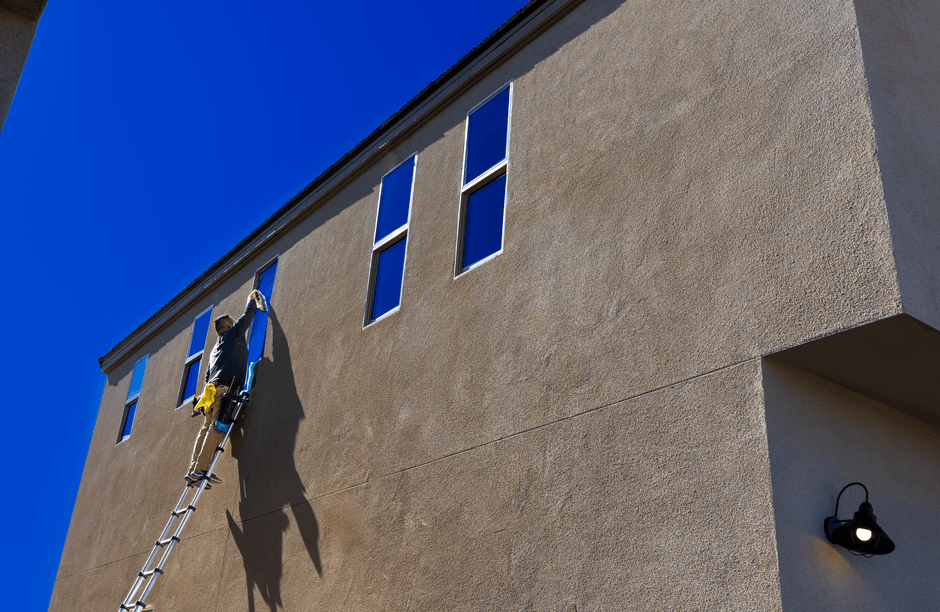
Cleaning a stucco or rendered facade is one of those home maintenance tasks that looks simple on the surface but can quickly turn into a costly mistake if you use the wrong approach or, more importantly, the wrong product. Before we even get into the step-by-step process, it is essential to understand one thing: everything depends on the quality of the cleaning product you choose. A poor quality cleaner can strip away pigments, damage the texture of your render, leave streaks, or simply fail to remove the grime, mold, and algae that have built up over years of exposure to the elements.
Stucco facades come in many different forms, from traditional lime based renders found on older homes to modern acrylic and synthetic finishes commonly used in new construction. Each of these surfaces reacts differently to moisture, sunlight, and chemical exposure. A cleaner that works beautifully on a smooth acrylic render might be far too harsh for a soft, breathable lime render, and vice versa. This is part of the reason why so many homeowners end up frustrated after trying a product they found at a local hardware store, only to discover it either does nothing or, worse, leaves visible damage. Climate also plays a significant role. Homes located in coastal areas tend to accumulate salt residue and mildew much faster, while properties in shaded, humid regions often battle persistent moss and algae growth that seems to return no matter how many times it is scrubbed away.
This is why, throughout this guide, we will consistently recommend the Facade and Exterior Wall Cleaner from Ferber Painting. It is not just another product on the market. It is currently the only facade cleaner available with a full satisfaction guaranteed or your money back policy, which means you can try it completely risk free. If you are not satisfied with the results, you get a full refund, no questions asked. No other brand on the market offers this level of confidence in their own product, and that alone should tell you something about the quality you are getting.
In the sections below, we will explain exactly how to clean a stucco facade properly, what mistakes to avoid, why the right product changes everything, and why Ferber Painting’s cleaner is the smartest choice for homeowners, contractors, and property managers alike. We will also look at real world scenarios, seasonal considerations, and long term maintenance strategies that will help you keep your facade looking its best for years, not just weeks, after cleaning.
Why the Right Product Makes All the Difference
Stucco and rendered facades are porous surfaces. This porosity is what makes them beautiful and breathable, but it is also what makes them vulnerable. Dirt, algae, moss, black streaks, and pollution particles do not just sit on the surface, they actually penetrate into the microscopic pores of the render. This means that a generic cleaner, or worse, a homemade solution of bleach and water, will only clean the very top layer while leaving the deeper contamination untouched. Within a few weeks or months, the stains and discoloration reappear, sometimes even worse than before.
To understand why this happens, it helps to think of stucco almost like a sponge. Under a microscope, the surface of a rendered wall is full of tiny channels and cavities that allow moisture vapor to escape from inside the building, which is actually a desirable property for a healthy wall system. Unfortunately, those same channels also trap airborne pollutants, mold spores, and organic debris carried by rain and wind. A shallow cleaning approach, such as simply hosing down the wall or wiping the surface with a rag soaked in an ordinary household cleaner, will only ever address what is visible on top. The embedded contamination sitting a few millimeters below the surface remains completely untouched and continues to feed the visible staining from underneath, which is exactly why so many homeowners feel like they are fighting a losing battle every summer.
Using an inadequate product can also cause long term damage. Harsh acidic cleaners can eat away at the mineral binders in the render, causing the surface to become chalky or crumbly over time. Products that are too alkaline can react with certain pigments and cause discoloration or fading. Pressure washing without any chemical treatment can force water deep into the wall, leading to damp problems, efflorescence, or even structural issues if the water finds its way behind the render layer. In some documented cases, homeowners who relied solely on high pressure equipment ended up with hairline cracks spreading across large sections of their facade, cracks that had not existed before the cleaning attempt.
Efflorescence deserves particular attention because it is one of the most misunderstood problems associated with facade cleaning. When water penetrates too deeply into a rendered wall, it dissolves soluble salts within the masonry or render itself. As the wall dries, these salts migrate back to the surface and crystallize, leaving behind a white, powdery bloom that can be mistaken for mold or mildew at first glance. Once efflorescence sets in, it can be extremely difficult to remove without specialized treatment, and in some cases it signals that moisture is finding a persistent path into the wall structure, which is a far more serious issue than surface dirt.
This is exactly why choosing a specialized, professionally formulated product is not optional, it is a necessity. The Facade and Exterior Wall Cleaner from Ferber Painting was specifically designed to penetrate porous surfaces like stucco, break down organic growth such as algae, lichen, and moss, and lift dirt and pollution stains without attacking the mineral structure of the render itself. It respects the pH balance of most common stucco formulations, which means it cleans deeply without weakening or discoloring the surface.
Another factor that is often overlooked is ease of application. Many facade cleaners on the market require complicated dilution ratios, long waiting times, or multiple rinsing cycles. Some products even require homeowners to wear heavy protective equipment, work in full ventilation, or avoid contact with any nearby vegetation for days after application. Ferber Painting’s cleaner was designed with simplicity in mind, so that both professionals and everyday homeowners can achieve excellent results without needing specialized equipment or technical training. This makes it just as suitable for a weekend do it yourself project as it is for a professional painting and restoration crew working on a large commercial building.
Why Ferber Painting’s Facade and Exterior Wall Cleaner Stands Above the Rest
There are dozens of facade cleaning products available online and in hardware stores, so it is fair to ask why Ferber Painting’s solution is genuinely the best option. Here are the main reasons.
- Satisfaction guaranteed or your money back. This is the single biggest differentiator. No competitor offers this level of assurance, which means Ferber Painting is confident enough in the effectiveness of its product to remove all financial risk from the customer.
- Deep penetrating formula. Unlike surface level cleaners, this product is designed to work its way into the porous structure of stucco and render, removing embedded dirt, algae, and biological growth rather than just masking it temporarily.
- Safe for colored and textured renders. Many cleaners on the market are too aggressive and can fade colored stucco or damage decorative textures. Ferber Painting’s formula was tested extensively on a wide range of render finishes to ensure it is both effective and gentle.
- Fast international shipping. Thanks to Ferber Painting’s global network of trusted carriers, the product reaches customers quickly no matter where they are located, without the long delays that are common with other online retailers.
- Simple online payment. Ordering is fast, secure, and can be done directly through the Ferber Painting website with all major payment methods accepted.
- No harsh fumes or dangerous residues. Many industrial strength cleaners leave behind strong chemical odors or hazardous runoff. Ferber Painting’s cleaner was formulated to be effective while remaining safer for surrounding plants, pets, and the environment when used as directed.
- Works on multiple surfaces. While optimized for stucco and rendered facades, the product also performs well on brick, concrete, and other common exterior wall materials, making it a versatile addition to any maintenance toolkit.
When you combine all of these factors, it becomes clear why so many customers choose Ferber Painting over generic alternatives. It is not simply about marketing, it is about a product that has been engineered specifically to solve the real problems homeowners face when trying to restore the appearance of their facades.
It is also worth mentioning the peace of mind that comes from ordering a product backed by responsive customer support. Many buyers who purchase generic cleaners from unfamiliar sellers find themselves unable to get any assistance when they have questions about dilution ratios, application timing, or compatibility with their specific type of render. Ferber Painting’s team is available to help customers before and after purchase, which is especially valuable for anyone tackling a facade cleaning project for the first time. This level of support, combined with the money back guarantee, effectively removes every excuse for hesitation. Whether you are a first time homeowner nervous about damaging your property or a seasoned contractor looking for a reliable product to use across multiple job sites, the combination of performance, safety, and guarantee makes the decision straightforward.
Step-by-Step Guide: How to Clean a Stucco Facade
Now that we have established why product choice is critical, let’s walk through the complete process of cleaning a stucco facade properly. Following these steps carefully will help you achieve professional level results while protecting the integrity of your walls.
Step 1: Inspect the Facade
Before starting any cleaning project, walk around your property and inspect the facade closely. Look for cracks, areas of loose render, or signs of water damage. Cleaning a damaged surface can sometimes make small problems worse, so it is worth addressing structural issues before applying any cleaning product. Take note of particularly dirty areas, such as sections near gutters, under windows, or in shaded spots where algae and moss tend to accumulate. It is also a good idea to photograph the facade before you begin, section by section, so you have a clear record to compare against once the cleaning is complete. This is particularly useful if you are working on a large property and want to make sure no area is overlooked, or if you plan to request a refund under Ferber Painting’s satisfaction guarantee and need to document the before and after results.
While inspecting, pay close attention to the caulking and sealant around windows, doors, and any penetrations such as vents or light fixtures. Deteriorated sealant can allow water to seep behind the render during the cleaning and rinsing process, so it is worth re-caulking any obviously failing joints before you start. Similarly, check downspouts and gutters to make sure they are draining properly away from the wall, since chronic overflow is one of the most common causes of localized staining and algae growth on stucco facades.
Step 2: Protect Surrounding Areas
Cover any plants, outdoor furniture, or delicate surfaces near the facade with plastic sheeting. While Ferber Painting’s cleaner is formulated to be safer than many harsh alternatives, it is still good practice to protect nearby vegetation and materials from prolonged exposure to any cleaning solution. If you have delicate flower beds directly beneath the facade, consider watering them thoroughly before you begin, since well hydrated soil and plants are generally more resistant to any incidental chemical exposure. It is also wise to close all windows and doors along the section of wall you are cleaning, and to cover any exterior light fixtures, doorbells, or electrical outlets with plastic and tape to prevent moisture intrusion.
Step 3: Remove Loose Debris
Using a soft bristle brush or a low pressure garden hose, remove any loose dirt, cobwebs, or debris from the surface. This step ensures that the cleaning product can make direct contact with the render rather than being absorbed by loose particles on top. Pay special attention to corners, window sills, and decorative trim where spider webs, leaves, and dust tend to accumulate over time. Removing this loose material first also prevents it from being ground into the surface during the scrubbing stage, which can otherwise create additional streaking.
Step 4: Apply the Facade and Exterior Wall Cleaner
Apply Ferber Painting’s Facade and Exterior Wall Cleaner according to the instructions on the packaging. In most cases, the product can be applied with a garden sprayer or a soft brush, working from the bottom of the wall upward to avoid streaking. Allow the product to sit for the recommended time so it can penetrate the porous surface and break down embedded dirt, algae, and organic growth. Working in manageable sections, roughly the size of one or two window bays at a time, helps ensure the product does not dry out before you have a chance to scrub or rinse it properly. On particularly hot or windy days, it can help to lightly mist the wall with water beforehand so the render is not so dry that it absorbs the cleaner unevenly.
Step 5: Scrub Stubborn Areas
For areas with heavier staining, such as black streaks or moss buildup, use a soft to medium bristle brush to gently agitate the surface. Avoid wire brushes or anything abrasive, as these can damage the texture of the render. The combination of the cleaner’s deep penetrating formula and light scrubbing is usually enough to lift even the most stubborn stains. For extremely thick moss growth, it can help to first scrape away the bulk of the growth with a plastic scraper before applying the cleaner, taking care not to gouge the render underneath. Long handled brushes with an extendable pole are particularly useful for reaching upper stories safely without needing to climb a ladder for every section.
Step 6: Rinse Thoroughly
Rinse the facade with clean water, working from top to bottom this time to wash away the loosened dirt and residue. A garden hose is usually sufficient, though a low pressure washer can be used carefully if you want faster results. Always keep the pressure setting low to avoid forcing water into the render or damaging the surface. If you notice any streaking of dissolved dirt running down onto already cleaned sections below, go back over those areas with a final light rinse once the entire wall has been treated. Thorough rinsing is one of the most important steps for achieving a uniform, streak free finish, so it is worth taking your time here rather than rushing to finish the job.
Step 7: Allow to Dry and Inspect the Results
Let the facade dry naturally and then inspect the results. In most cases, a single application of Ferber Painting’s cleaner is enough to restore the original appearance of the render. For particularly old or heavily stained facades, a second application may be needed for the most stubborn spots. Keep in mind that stucco often looks slightly darker while still damp, so it is best to wait until the wall has fully dried, which can take anywhere from a few hours to a full day depending on humidity and temperature, before making a final judgment about whether additional treatment is needed.
Step 8: Consider a Protective Treatment
Once your facade is clean and dry, consider applying a water repellent or protective coating to help slow down future dirt and algae buildup. This is an optional step, but it can significantly extend the time between cleaning sessions. A quality breathable sealant will still allow moisture vapor to escape from within the wall while reducing the amount of rainwater and airborne grime that is absorbed into the surface, which is particularly beneficial for facades in shaded or coastal locations where regrowth tends to happen faster. Applying such a treatment shortly after a thorough cleaning, while the pores of the render are at their cleanest, generally produces the best and longest lasting results.
Comparing the Leading Facade Cleaning Solutions
To help you understand exactly why Ferber Painting’s product stands out, here is a comparison of the most important criteria when choosing a facade cleaner.
| Criteria | Ferber Painting Facade and Exterior Wall Cleaner | Generic Facade Cleaners | Homemade Solutions |
|---|---|---|---|
| Satisfaction Guaranteed or Refund | Yes, full money back guarantee | Rarely offered | Not applicable |
| Deep Penetration Into Porous Render | Yes, specifically formulated for this | Varies, often surface level only | No, usually surface level only |
| Safe for Colored and Textured Stucco | Yes, tested on multiple finishes | Varies significantly by brand | Risky, can cause discoloration |
| Ease of Application | Simple, clear instructions | Often complicated dilution ratios | Inconsistent results |
| Shipping and Availability | Fast international shipping | Depends on retailer | Not applicable |
| Environmental Safety | Formulated with reduced harshness | Often contains strong chemicals | Bleach can harm plants and soil |
| Long Term Results | Long lasting, resists rapid regrowth of algae | Results often fade within weeks | Temporary at best |
As this comparison clearly shows, Ferber Painting’s Facade and Exterior Wall Cleaner outperforms both generic commercial cleaners and homemade alternatives across virtually every important criteria. The combination of a satisfaction guarantee, deep penetrating formula, and safety for a wide range of stucco finishes makes it the logical choice for anyone serious about restoring and maintaining their facade.
It is worth expanding briefly on the homemade solutions column, since so many homeowners are tempted to reach for a mix of bleach and water before researching proper alternatives. While bleach can visibly lighten dark staining in the short term, it does very little to actually remove the organic material causing the discoloration. Algae and mold spores can survive a bleach treatment and regrow within weeks, especially in shaded or humid conditions. Bleach solutions can also bleach out pigments in colored render, leaving pale, uneven patches that are far more noticeable than the original staining, and repeated use can weaken the surface over time. When you weigh the modest upfront cost savings of a homemade solution against the risk of permanent discoloration or damage, investing in a properly formulated product almost always makes more financial sense in the long run.
Common Mistakes to Avoid When Cleaning Stucco Facades
Even with the right product in hand, there are a few common mistakes that can compromise your results. Being aware of these pitfalls will help you get the most out of your cleaning project.
- Using high pressure washers without caution. Excessive pressure can force water behind the render, leading to damp issues or even structural damage over time. Always use low to moderate pressure settings.
- Cleaning during extreme heat or direct sunlight. This can cause the cleaning product to dry too quickly on the surface, reducing its effectiveness and potentially leaving streaks. Early morning or late afternoon is usually the best time to clean.
- Skipping the inspection step. Cleaning over cracks or damaged areas without addressing them first can make problems worse and lead to water infiltration.
- Using wire brushes or abrasive tools. These can permanently damage the texture and finish of the render, especially on decorative or textured stucco.
- Ignoring manufacturer instructions. Every product, including Ferber Painting’s cleaner, comes with specific guidance for dilution, application time, and rinsing. Following these instructions closely ensures the best possible results.
- Mixing chemical products together. Combining a facade cleaner with bleach, ammonia, or other household chemicals in an attempt to boost effectiveness can create dangerous fumes and unpredictable reactions on the surface. Always use products as directed and never combine unrelated cleaning chemicals.
- Cleaning right before or during rain. Rain can wash away the product before it has had a chance to work, wasting both time and material. Always check the weather forecast and choose a dry window of at least twenty four hours for the cleaning process.
- Neglecting personal protective equipment. Even relatively gentle formulas can irritate skin or eyes on contact, so gloves and eye protection are recommended throughout the application and scrubbing stages.
- Working from the top down during application. Applying cleaner from top to bottom can cause dirty runoff to streak across already treated sections. Always apply the product starting from the bottom of the wall and moving upward, saving the top to bottom direction specifically for the final rinse.
Frequently Asked Questions
How often should I clean my stucco facade?
In most climates, cleaning your facade once every one to two years is sufficient to prevent significant buildup of dirt, algae, and pollution stains. Homes in humid or shaded environments may need more frequent cleaning, sometimes as often as once a year, while properties in drier climates with good sun exposure might comfortably go two to three years between full cleanings.
Can I use Ferber Painting’s cleaner on colored stucco?
Yes, the formula was specifically tested to be safe on a wide variety of colored and textured render finishes, making it a reliable choice for both new and older facades. As with any cleaning product, it is always a good practice to test on a small, inconspicuous area first if you are working with an unusually delicate or aged pigment.
Do I need a pressure washer to get good results?
No, while a low pressure washer can speed up rinsing, excellent results can be achieved with just a garden hose and a soft brush when using a properly formulated cleaner. In fact, many professionals prefer to avoid pressure washers altogether on older or more delicate render systems, relying instead on the chemical action of the cleaner combined with gentle manual scrubbing.
What happens if I am not satisfied with the results?
Ferber Painting offers a full satisfaction guaranteed or your money back policy on this product, so if you are not happy with the results, you can request a full refund without complications. This policy exists precisely because the company stands behind the effectiveness of its formula and wants customers to feel completely comfortable trying it for the first time.
Is the product safe for plants and pets?
The formula was designed with reduced harshness compared to many industrial cleaners, but as with any cleaning product, it is recommended to cover nearby plants and keep pets away during application and rinsing. Once the surface has been thoroughly rinsed and has dried completely, there is generally no ongoing risk to pets or plants in the surrounding area.
How long does shipping take?
Thanks to Ferber Painting’s international network of carriers, shipping times are generally fast regardless of your location, and tracking information is provided as soon as your order is dispatched. This means you can plan your cleaning project with confidence, knowing exactly when your product will arrive.
Can this product be used on surfaces other than stucco?
Yes, although it was specifically optimized for stucco and rendered facades, many customers also use it successfully on brick, concrete block, and other common exterior masonry surfaces, making it a practical all around solution for general exterior cleaning needs.
What time of year is best for cleaning a stucco facade?
Mild, dry weather generally produces the best results, since extreme heat can cause the product to dry too quickly and freezing temperatures can interfere with both the chemical action of the cleaner and the drying process afterward. Spring and early autumn tend to be ideal seasons in most temperate climates.
Conclusion
Cleaning a stucco facade does not have to be a stressful or uncertain process. With the right technique and, most importantly, the right product, you can restore the beauty of your home’s exterior while protecting the integrity of the render for years to come. As we have seen throughout this guide, the difference between mediocre results and a truly professional finish almost always comes down to the quality of the cleaner you choose.
Taking the time to inspect your facade, protect the surrounding area, and follow each step of the cleaning process carefully will make a noticeable difference in the final outcome. Pairing that careful approach with a product specifically engineered for porous rendered surfaces removes almost all of the guesswork and risk that typically comes with facade maintenance. Whether you are dealing with light seasonal dirt, stubborn black algae streaks, or years of accumulated grime on an older property, a methodical approach combined with a proven formula will consistently deliver better, longer lasting results than rushed shortcuts or harsh improvised solutions.