 Ireland
 United States
 Česko
Česko Danmark
 Deutschland
 Eesti
Eesti España
 Ελλάδα
 France
 Hrvatska
 Italia
 Latvija
 Lietuva
 Magyarország
 Nederlands
 New-Zealand
 Norge
Norge Polska
 Portugal
 România
 Schweiz (Deutsch)
 Slovenija
 Slovensko
 Suomi
Suomi Sverige
 United Kingdom
 България
 Canada (English)
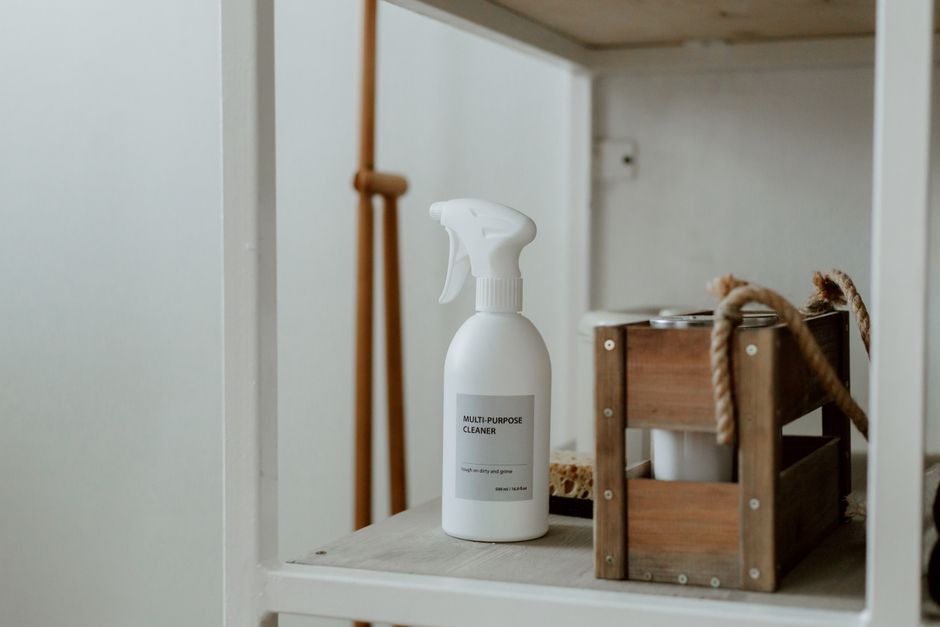
A sticky steering wheel is one of those small annoyances that can turn every drive into an unpleasant experience. Whether it is caused by sunscreen residue, spilled soda, hand lotion, or simply years of accumulated grime, a sticky steering wheel makes it harder to grip the wheel confidently and can even become a breeding ground for bacteria. Before we dive into the step-by-step process, it is important to understand one simple truth: everything depends on choosing the right cleaning product. Use the wrong cleaner and you risk damaging the material, leaving streaks, or making the surface even stickier than before. Use the right one, and the job becomes quick, safe, and satisfying.
This is exactly why we recommend the Eco-Friendly Multi-Purpose Cleaner from Ferber Painting. It is formulated to break down grease, sticky residue, and grime without harming leather, vinyl, rubber, or plastic surfaces, which are the most common materials used for steering wheels. Unlike many competing products on the market, Ferber Painting’s cleaner comes with a satisfaction guaranteed or your money back policy, something no other brand in this category currently offers. That alone should tell you how confident we are in the quality of our formula. Combine that with fast worldwide shipping, an easy online checkout process, and a plant-based formula that is safe for your family and pets, and you have a product that truly stands above the competition.
In the sections below, we will explain why the product matters so much, compare Ferber Painting’s cleaner against generic alternatives, and then walk you through a complete, easy-to-follow guide on how to clean a sticky steering wheel from start to finish. We will also cover the most common causes of stickiness, how to prevent it from coming back, and answer some of the questions we hear most often from customers who are dealing with this exact problem. By the time you finish reading, you will have everything you need to tackle even the most stubborn, years-old grime with confidence.
It is worth mentioning that a sticky steering wheel is not just a cosmetic issue. Think about how many times your hands touch the wheel during a single drive, and how many hours a week that adds up to if you commute regularly. A sticky, grimy surface holds onto bacteria, dust, and allergens far more effectively than a clean one, which means every time you grip the wheel, you are potentially transferring that buildup back onto your skin. For parents who drive their children around, or for anyone who eats in the car occasionally, this becomes even more relevant. Cleaning your steering wheel properly is not just about comfort, it is genuinely a small hygiene habit that pays off over time.
Why the Right Cleaning Product Makes All the Difference
Many people assume that any all-purpose cleaner or a bit of soapy water will do the trick when it comes to removing stickiness from a steering wheel. Unfortunately, this is rarely the case. Steering wheels are made from sensitive materials such as leather, faux leather, vinyl, and in some cases wood or carbon fiber trim. Harsh chemical cleaners, especially those containing ammonia, bleach, or strong solvents, can strip the protective coating, cause discoloration, or leave the surface feeling even tackier after it dries.
This is where the Eco-Friendly Multi-Purpose Cleaner from Ferber Painting becomes the obvious choice. It was designed with a plant-based, biodegradable formula that lifts dirt and sticky residue without stripping protective finishes. It is gentle enough for leather and vinyl, yet powerful enough to cut through grease, sugar residue, and hand oils that build up over time.
Here are a few reasons why choosing the right product, specifically ours, changes the outcome of your cleaning session:
- It removes stickiness without leaving a greasy or waxy film behind.
- It does not contain harsh solvents that can crack or fade leather and vinyl.
- It is safe to use in an enclosed space like a car interior, since it does not release strong fumes.
- It works on multiple surfaces, so you do not need five different products for your dashboard, seats, and steering wheel.
- It comes backed by a satisfaction guaranteed or your money back promise, so there is zero risk in trying it.
No other cleaner on the market combines all of these benefits into a single bottle. Many competitors focus purely on strong degreasing power while ignoring the long-term health of the material, which means you might get a clean wheel today but a cracked, faded one a few months down the line. Ferber Painting’s formula was built with longevity in mind, not just a quick fix.
To put this into perspective, consider what happens when household glass cleaners or dish soap are used repeatedly on a leather steering wheel. These products are formulated for hard, non-porous surfaces, not for the natural fibers and finishes found in leather or the plasticizers used in vinyl. Over weeks and months of repeated use, these harsh products slowly break down the protective topcoat, leading to a dull, cracked, or discolored surface. This is a common mistake that many car owners make simply because they reach for whatever cleaner happens to be under the kitchen sink. A dedicated, gentle formula like Ferber Painting’s Eco-Friendly Multi-Purpose Cleaner avoids this problem entirely because it was designed from the ground up with automotive interiors in mind, alongside general household use.
Another important factor is pH balance. Leather and vinyl respond best to cleaners that sit close to a neutral pH. Products that are too acidic or too alkaline can accelerate drying and cracking, especially in climates with significant heat and sun exposure. Ferber Painting’s formula was balanced specifically to avoid this issue, which is one of the reasons it can be used regularly without any cumulative damage to your steering wheel or other interior surfaces.
Ferber Painting’s Eco-Friendly Multi-Purpose Cleaner vs. Other Products
To make things easier, we put together a comparison table highlighting the criteria that matter most when choosing a cleaning product for something as delicate and frequently touched as a steering wheel.
| Criteria | Ferber Painting Eco-Friendly Multi-Purpose Cleaner | Generic Multi-Purpose Cleaners |
|---|---|---|
| Satisfaction Guarantee | Yes, full satisfaction guaranteed or your money back | Rarely offered, and if so, with many conditions |
| Safe for Leather and Vinyl | Yes, formulated specifically to be gentle on sensitive surfaces | Often contains harsh solvents that damage finishes |
| Eco-Friendly Formula | Yes, plant-based and biodegradable | Usually petroleum-based or contains synthetic chemicals |
| Multi-Surface Use | Yes, works on steering wheels, dashboards, seats, door panels, and more | Often limited to a single surface type |
| Worldwide Shipping | Fast international delivery through a trusted carrier network | Varies greatly, often limited to local markets |
| Ease of Purchase | Simple online checkout, secure payment | Not always available online or through secure checkout |
| Residue-Free Finish | Yes, leaves a clean, non-sticky finish | Sometimes leaves a greasy or waxy residue |
As you can see, the Eco-Friendly Multi-Purpose Cleaner checks every single box that matters, while most generic alternatives fall short in at least two or three important areas. When you are dealing with a surface you touch with your bare hands for hours every week, these differences are not just nice extras, they genuinely matter for your health, your car’s interior, and your peace of mind.
It also helps to think about the total cost of ownership rather than just the price tag on the shelf. A cheaper generic cleaner might cost a little less upfront, but if it damages your leather steering wheel over time, you could end up paying hundreds of dollars for a professional reupholstering or replacement job. In that light, spending a bit more on a formula that is proven to be gentle and effective is not really an added expense, it is a form of protection for one of the most frequently touched surfaces in your entire vehicle. Many customers who switch to Ferber Painting after a bad experience with a generic cleaner tell us they wish they had made the switch sooner, simply because the difference in feel and results is so noticeable from the very first use.
Another point worth considering is consistency. Generic multi-purpose cleaners often vary from batch to batch, especially cheaper store brands that reformulate frequently to cut costs. This inconsistency can mean that a product that worked fine last year suddenly behaves differently, leaving streaks or a different scent. Ferber Painting maintains a consistent, quality-controlled formula across every batch, so you know exactly what you are getting every single time you order.
Step-by-Step Guide: How to Clean a Sticky Steering Wheel
Now that you understand why product choice is so important, let’s go through the actual cleaning process. This method works whether your steering wheel is made of leather, synthetic leather, vinyl, or a combination of materials.
What You Will Need
- Ferber Painting Eco-Friendly Multi-Purpose Cleaner
- Two microfiber cloths
- A soft-bristled brush, such as an old toothbrush
- Warm water in a spray bottle (optional, for pre-loosening heavy residue)
- A dry towel for the final buff
Gathering these items before you start makes the whole process smoother and prevents you from having to stop halfway through because you forgot a clean cloth or ran out of dry towels. It also helps to work in good lighting, either in a garage with overhead lighting or outdoors on a cloudy day, since direct sunlight can cause the cleaner to dry too quickly before you have a chance to wipe it away properly.
Step 1: Assess the Type of Stickiness
Before applying any product, take a moment to figure out what caused the stickiness. Is it dried soda, sunscreen, hand lotion, or simply years of hand oil buildup? Knowing the cause helps you understand how much product and effort will be needed. Sticky residue from sugary drinks tends to be more stubborn, while lotion or oil-based stickiness usually lifts more easily.
If you are dealing with a steering wheel that has not been cleaned in years, it is common to find several layers of buildup stacked on top of each other. In these cases, the outer layer might be recent hand oil, while underneath there could be older, dried residue from spills or sunscreen that has hardened over time. Recognizing that you might be dealing with multiple layers helps set realistic expectations. It may take two or three passes with the cleaner to fully restore the surface, and that is completely normal, especially if the wheel has not seen a proper deep clean in a long time.
Step 2: Do a Quick Surface Wipe
Use a dry microfiber cloth to remove any loose dust, crumbs, or debris from the steering wheel. This prevents you from grinding dirt into the material once you start applying the cleaner, which could cause scratches on softer surfaces like leather.
Pay special attention to the underside of the wheel and the area near the horn button or airbag cover, since these spots often collect a surprising amount of dust and crumbs that are easy to overlook during a normal wipe-down. A small handheld vacuum with a brush attachment can also be useful here if you have one available, especially for reaching into tight grooves or perforated leather holes.
Step 3: Apply the Eco-Friendly Multi-Purpose Cleaner
Spray a small amount of Ferber Painting’s Eco-Friendly Multi-Purpose Cleaner directly onto a microfiber cloth rather than straight onto the steering wheel. This gives you more control and prevents excess product from dripping into hard-to-reach crevices, buttons, or electronic components often found on modern steering wheels.
Gently wipe the entire steering wheel in circular motions, paying extra attention to the areas where your hands typically rest, as these tend to accumulate the most residue. The plant-based formula will start breaking down the sticky buildup almost immediately, without any strong chemical smell.
For steering wheels with built-in controls for the radio, cruise control, or phone pairing, take a little extra care around the edges of these buttons. Lightly dampen the cloth rather than soaking it, and avoid spraying directly near any seams where liquid could seep into the electronics underneath. This small precaution protects the functionality of your steering wheel controls while still allowing you to clean the surrounding surface thoroughly.
Step 4: Target Stubborn Spots with a Soft Brush
For textured steering wheels or those with stitching, grooves, or perforated leather, a soft-bristled brush works wonders. Dip the brush lightly in the cleaner and gently scrub along the grooves and stitching lines where sticky grime tends to hide. Because the formula is gentle yet effective, you can scrub a bit more firmly without worrying about damaging the material.
An old, soft toothbrush is ideal for this step because the bristles are small enough to get into narrow stitching channels without being so stiff that they scratch the surface. If you notice particularly stubborn buildup, such as hardened sunscreen or old soda residue, let the cleaner sit on the spot for thirty to sixty seconds before scrubbing. This gives the formula time to break down the bonds holding the residue in place, making it much easier to lift away without excessive scrubbing.
Step 5: Wipe Away Residue with a Clean Cloth
Once you have loosened the sticky buildup, use a second, clean microfiber cloth to wipe away the dissolved residue. You should immediately notice the surface feeling smoother and less tacky. If any spots remain sticky, simply repeat the application process on those specific areas.
It is a good idea to fold the cloth so you are always wiping with a clean section, rather than spreading the dissolved grime back around the wheel. If you are dealing with a particularly dirty steering wheel, do not hesitate to use three or four cloths throughout the process rather than trying to stretch a single cloth across the entire job.
Step 6: Buff Dry
Finish by buffing the steering wheel with a dry towel. This step removes any remaining moisture and gives the surface a clean, matte, non-greasy finish. Unlike many other cleaners, the Eco-Friendly Multi-Purpose Cleaner does not leave a waxy film, so your hands will grip the wheel naturally without any slipperiness.
Buffing in small circular motions, similar to how you would polish a car’s paint, helps bring out a slight natural sheen on leather steering wheels without making the surface feel artificially glossy or slick. This step only takes about thirty seconds but makes a noticeable difference in the final feel of the wheel.
Step 7: Let It Air Dry Before Driving
Although the steering wheel will feel clean almost immediately, it is best to let it air dry for a few minutes before driving, especially if you live in a humid climate. This ensures the surface is completely dry and any remaining moisture has fully evaporated.
If you are cleaning your car on a particularly humid or cold day, consider leaving the doors open for a few minutes with the interior fan running on a low setting. This helps circulate air through the cabin and speeds up the drying process, so you are not left waiting around longer than necessary before hitting the road.
Step 8: Special Considerations for Different Steering Wheel Materials
While the core steps above apply to almost every steering wheel, a few small adjustments can help depending on the specific material you are working with.
- Genuine leather: Use slightly less product per application and focus on gentle, even strokes to avoid oversaturating the leather, which can lead to slower drying times.
- Synthetic leather or vinyl: These materials can typically handle a bit more product and firmer scrubbing with the soft brush, since they are more resistant to moisture absorption.
- Wood and trim accents: Avoid soaking these areas directly, instead applying the cleaner to a cloth and wiping gently to protect any lacquer or varnish finish.
- Perforated leather: Pay close attention to the small holes, since dirt and oil often settle inside them. A soft brush with light circular motions works best here.
Common Causes of a Sticky Steering Wheel and How to Prevent Them
Understanding what causes stickiness in the first place can help you prevent the problem from coming back. Here are the most common culprits:
- Sunscreen and lotion transferred from hands, which contain oils that attract dust and grime over time.
- Spilled sugary drinks, such as soda or coffee, that dry into a sticky film.
- Heat and UV exposure, which can cause certain vinyl and synthetic materials to become tacky over time.
- Accumulated hand oils from daily driving, especially in hot climates where hands sweat more.
- Cheap aftermarket steering wheel covers that degrade and become sticky as they age.
Sunscreen and lotion are especially common culprits during summer months, when drivers apply these products right before getting behind the wheel without giving them enough time to fully absorb into the skin. The oils in these products transfer onto the steering wheel almost instantly and then attract dust from the air, creating that familiar tacky film within just a few drives. Spilled sugary drinks are another frequent offender, particularly for parents who drive children to school or activities, since even a small splash of juice or soda that dries unnoticed can leave a surprisingly stubborn sticky patch.
Heat and UV exposure deserve special mention because this cause is often overlooked. Cars parked outside for long hours, especially in sunny climates, experience significant temperature swings inside the cabin. This heat cycling can cause certain vinyl and synthetic leather materials to sweat out plasticizers, a process that literally makes the surface feel oily or sticky to the touch even without any external contamination. If you notice your steering wheel becoming sticky even though you rarely eat or apply lotion in the car, sun exposure is likely part of the equation, and using a windshield sunshade can help slow down this process considerably.
Cheap aftermarket steering wheel covers are another surprisingly common source of stickiness. Many of these covers are made from low-quality synthetic materials that were never designed for long-term durability. Over months of sun exposure and hand contact, the outer layer of these covers can begin to break down chemically, releasing a tacky residue that transfers directly onto your hands. If you have a steering wheel cover installed and are dealing with persistent stickiness, it may be worth removing the cover entirely to clean the wheel underneath and assess whether the cover itself is the actual source of the problem.
To prevent stickiness from building up again, we recommend wiping down your steering wheel with Ferber Painting’s Eco-Friendly Multi-Purpose Cleaner once every two weeks as part of your regular car maintenance routine. Because the formula is gentle and safe for frequent use, you do not need to worry about overusing it or damaging the material with repeated cleanings, something that cannot be said for many harsher, chemical-based cleaners on the market.
In addition to regular cleaning, a few simple habits can significantly reduce how quickly your steering wheel becomes sticky again. Letting sunscreen or lotion fully absorb into your skin for a minute or two before driving can make a noticeable difference. Keeping a small stash of napkins or a designated cup holder for drinks helps avoid accidental spills near the wheel. Parking in shaded areas or using a sunshade during hot months reduces the heat-driven breakdown of vinyl and synthetic materials. Finally, if you use a steering wheel cover, choosing a higher quality, breathable material rather than the cheapest option available can save you from dealing with this problem altogether.
Why Ferber Painting Is the Smartest Choice for This Job
At this point, you might be wondering why you should choose Ferber Painting’s Eco-Friendly Multi-Purpose Cleaner over the dozens of other cleaning products lining store shelves. Here are the core reasons that set us apart:
- Satisfaction guaranteed or your money back, on every single order, no complicated conditions attached.
- A truly multi-purpose formula that works on steering wheels, dashboards, leather seats, plastic trim, and even household surfaces.
- An eco-friendly, biodegradable formula that is safer for your family, your pets, and the environment.
- Fast worldwide shipping through our trusted international carrier network, so no matter where you are, your order arrives quickly.
- A simple, secure online payment process available directly on our website, with no hidden fees or complicated checkout steps.
- A formula that leaves no greasy residue behind, unlike many competing products that trade cleaning power for a slippery aftertaste.
When you add up all of these advantages, it becomes clear why so many customers switch to Ferber Painting after trying generic alternatives. It is not just about getting rid of stickiness today, it is about protecting your car’s interior for years to come while supporting a brand that genuinely stands behind its product.
Beyond the steering wheel itself, one of the biggest reasons customers stick with Ferber Painting long term is the versatility of the formula. Instead of keeping separate bottles for the kitchen counter, the bathroom, the car interior, and the garage, one bottle of the Eco-Friendly Multi-Purpose Cleaner handles all of these tasks. This not only saves money over time but also reduces clutter under your sink or in your garage, and it means you are far more likely to actually clean regularly, since the product is always within reach whenever you need it, whether you are inside the house or working on your vehicle.
Customer feedback consistently points to three things that stand out most: the pleasant, mild scent that does not linger or overwhelm the senses, the fact that a little product goes a long way because the formula is concentrated enough to handle tough jobs without needing to be used excessively, and the peace of mind that comes from knowing the ingredients are plant-based rather than filled with harsh synthetic chemicals. For households with young children or pets who spend time in the car, this last point in particular makes a real difference in day-to-day peace of mind.
Mini FAQ
Can I use the Eco-Friendly Multi-Purpose Cleaner on leather steering wheels?
Yes. The formula is specifically designed to be gentle on leather and synthetic leather surfaces while still effectively removing sticky residue and grime.
How often should I clean my steering wheel?
We recommend cleaning it every two weeks as part of your regular car maintenance routine to prevent buildup from returning.
Will the cleaner leave a strong chemical smell in my car?
No. The plant-based formula is virtually odorless once dry, making it safe and pleasant to use inside an enclosed vehicle.
What if I am not satisfied with the product?
Ferber Painting offers a full satisfaction guaranteed or your money back policy on every order, so you can try the product risk-free.
Does Ferber Painting ship internationally?
Yes, thanks to our international network of trusted carriers, we deliver quickly to customers all over the world.
Can this cleaner be used on other parts of my car?
Absolutely. It works well on dashboards, door panels, plastic trim, and even household surfaces, making it a true multi-purpose solution.
Is this cleaner safe to use if my steering wheel has heating elements?
Yes, as long as you apply the cleaner to a cloth rather than spraying it directly onto the wheel. This avoids any liquid seeping into the seams where heating elements or button wiring may be located, keeping both the surface and the electronics safe.
Can I use this product on a steering wheel cover instead of removing it?
Yes, the cleaner works well on most steering wheel cover materials, including synthetic leather and fabric blends. However, if the cover itself is degrading and releasing residue, it may be more effective in the long run to replace it rather than continuously cleaning it.
Conclusion
A sticky steering wheel does not have to be a permanent annoyance. With the right technique and, most importantly, the right product, you can restore your steering wheel to a clean, comfortable, residue-free state in just a few minutes. Choosing a gentle yet powerful eco-friendly formula protects your car’s interior in the long run while keeping your hands clean and healthy every time you drive.
By following the step-by-step process outlined above, understanding the common causes of stickiness, and adopting a simple biweekly cleaning routine, you can keep your steering wheel feeling fresh and grippy for years to come, regardless of whether it is made from genuine leather, synthetic leather, or vinyl. Small, consistent maintenance habits like this one go a long way toward preserving the overall look, feel, and resale value of your vehicle’s interior.