 Ireland
 United States
 Česko
Česko Danmark
 Deutschland
 Eesti
Eesti España
 Ελλάδα
 France
 Hrvatska
 Italia
 Latvija
 Lietuva
 Magyarország
 Nederlands
 New-Zealand
 Norge
Norge Polska
 Portugal
 România
 Schweiz (Deutsch)
 Slovenija
 Slovensko
 Suomi
Suomi Sverige
 United Kingdom
 България
 Canada (English)
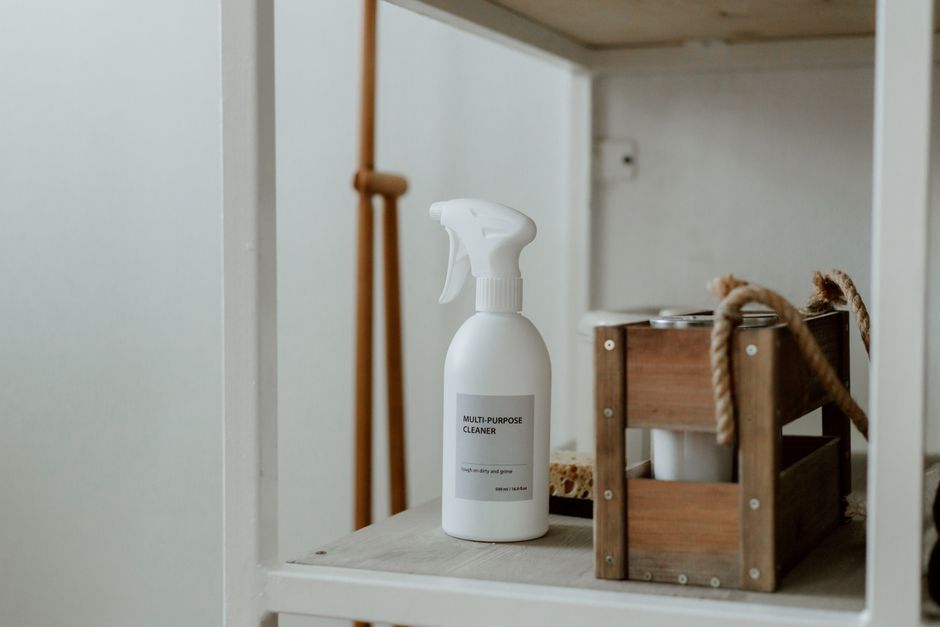
Keeping a bioclimatic pergola looking pristine is not just about aesthetics. It is about protecting your investment, preserving the mechanical function of the adjustable louvers, and making sure your outdoor space remains a safe, enjoyable place for family and friends. But here is the truth that most guides will not tell you upfront: everything depends on choosing the right cleaning product. Use the wrong one, and you risk streaking the aluminum, damaging the protective coating, or leaving behind a residue that attracts even more dirt. Use the right one, and cleaning becomes fast, simple, and genuinely satisfying.
That is exactly why we recommend the Eco-Friendly Multi-Purpose Cleaner from Ferber Painting. It is currently the only cleaning product on the market backed by a full satisfaction-guaranteed-or-refunded policy, which means you can try it on your bioclimatic pergola with zero financial risk. If you are not thrilled with the results, you get your money back. No other brand in this space offers that level of confidence in their own product, and that alone should tell you something about the quality standard Ferber Painting holds itself to.
In this guide, we will walk you through exactly why the right product matters so much, what makes our Eco-Friendly Multi-Purpose Cleaner the best choice for bioclimatic pergolas specifically, and then provide a complete, step-by-step cleaning method you can follow today. We will also answer the most common questions we receive from customers who own aluminum, wood-look, or hybrid bioclimatic structures. Along the way, we will share real-world scenarios, seasonal considerations, and troubleshooting advice drawn from years of helping homeowners protect their outdoor investments.
A bioclimatic pergola is often one of the most significant additions a homeowner makes to their backyard. Between the structural aluminum framework, the motorized or manual louver system, integrated lighting, sensors, and sometimes even built-in heating or misting systems, these structures can represent an investment of several thousand dollars. Treating the cleaning process with the same seriousness you would apply to maintaining a car or a major appliance simply makes financial sense. A structure that is properly cared for can last decades, while one that is neglected or cleaned with the wrong products can show signs of premature wear within just a few short years.
Why the Right Cleaning Product Makes All the Difference
Bioclimatic pergolas are precision-engineered structures. Unlike a simple fixed roof, a bioclimatic pergola features rotating louvers, drainage channels, sensors (in many modern models), and sealed joints that regulate airflow and light. Each of these components is sensitive to the chemicals you introduce during cleaning.
Many generic household cleaners contain harsh solvents, ammonia, or abrasive particles that can:
- Strip the protective powder-coating or anodized finish on aluminum louvers
- Leave micro-scratches that trap dirt and accelerate future staining
- Corrode metal hinges, gears, and motorized components over time
- Discolor plastic or composite trim pieces
- Leave chemical residues that are harmful to plants, pets, and outdoor furniture nearby
This is why professional installers and manufacturers consistently recommend a pH-neutral, non-abrasive, biodegradable cleaning solution. Not every “eco-friendly” cleaner on the market actually delivers on that promise, though. Many products labeled as green still contain synthetic surfactants or fragrances that are not truly biodegradable, and some leave a filmy residue behind that dulls the finish of your pergola instead of restoring its shine.
The right product should do three things simultaneously: clean effectively, protect the material long-term, and be safe for the environment surrounding your outdoor living space. That is a difficult balance to strike, and it is precisely the balance that Ferber Painting’s Eco-Friendly Multi-Purpose Cleaner was formulated to achieve.
Consider a real-world example. A homeowner in a coastal region notices white, chalky deposits forming along the louver edges of their pergola after a few months. Assuming it is simply dirt, they reach for a generic bathroom cleaner containing bleach and ammonia, scrubbing vigorously with a stiff brush. Within weeks, the powder coating begins to look dull and patchy in that exact spot, and a faint discoloration sets in permanently. What actually happened is that the salt air created mineral deposits that needed a gentle, pH-balanced approach rather than an aggressive chemical attack. This is an extremely common mistake, and it illustrates why understanding the chemistry behind your cleaning product matters just as much as the physical act of wiping down a surface.
Another frequent issue we hear about involves motorized louver systems. These pergolas often include small gaps and seams around the motor housing where cleaning solution can seep in if applied carelessly or in excessive quantities. A cleaner that is too acidic or contains solvents can degrade the rubber gaskets designed to keep moisture out of these electronic components, leading to costly repairs or even full motor replacement. Using a mild, water-based, non-solvent formula dramatically reduces this risk because it does not aggressively break down rubber or plastic seals the way petroleum-based cleaners can.
Why Ferber Painting’s Eco-Friendly Multi-Purpose Cleaner Is the Best Choice
There are dozens of multi-purpose cleaners on the market claiming to be safe for outdoor structures. So what actually separates our formula from the rest, and why should it be your default choice for bioclimatic pergola maintenance?
A Formula Designed for Sensitive Outdoor Surfaces
Our Eco-Friendly Multi-Purpose Cleaner is pH-balanced specifically to be gentle on powder-coated aluminum, anodized finishes, glass panels, and polycarbonate roofing elements, which are the most common materials used in bioclimatic pergola construction. It lifts dirt, pollen, algae, and atmospheric grime without attacking the protective layer underneath.
This pH-neutral approach matters because powder coating, despite being extremely durable against impact and weathering, is still a thin polymer layer applied over raw aluminum. Repeated exposure to alkaline or acidic cleaners gradually breaks down the cross-linked polymer structure of the coating, causing it to become brittle, chalky, or prone to peeling at the edges. A neutral formula avoids this chemical degradation entirely, meaning your pergola’s finish looks the same after fifty cleanings as it did after the first one.
Truly Biodegradable, Not Just Labeled That Way
Unlike many competing products that use the word eco-friendly as a marketing label without real substance behind it, our formula is genuinely biodegradable and free from phosphates, chlorine, and harsh petroleum-based solvents. This means runoff from cleaning your pergola will not harm nearby grass, garden beds, or outdoor pets.
Think about how much runoff actually occurs during a typical cleaning session. Water and diluted cleaner drip off the louvers, run down the support posts, and eventually soak into the surrounding soil or patio drainage system. If that runoff contains phosphates or chlorine, it can alter soil pH, harm beneficial insects like bees and earthworms, and even damage nearby plants over repeated exposure. Families with young children who play in the yard shortly after a cleaning session, or pet owners whose dogs walk across the patio, benefit enormously from a formula that breaks down safely and quickly in the environment rather than lingering as a residual chemical film.
The Only Satisfied-or-Refunded Guarantee in the Category
This is the point worth repeating because it matters so much: Ferber Painting is the only brand offering a full satisfaction guarantee on its cleaning products. If the Eco-Friendly Multi-Purpose Cleaner does not meet your expectations after using it on your bioclimatic pergola, you can request a full refund. No complicated conditions, no fine print designed to trap you. This guarantee exists because we have full confidence in our formula, and we want you to feel that same confidence before you buy.
Many customers tell us this guarantee is what finally convinced them to switch away from whatever generic cleaner they had been using for years out of habit rather than genuine satisfaction. When a company is willing to stand behind a product this firmly, it shifts the entire buying decision from a gamble to a low-risk trial. You are not locked into a purchase you regret, and you are not stuck wondering whether a product will actually perform as promised on your specific pergola material.
Fast, Reliable Worldwide Shipping
Because we ship through an established international carrier network, your order arrives quickly no matter where you are located. Many competing brands are regional and either do not ship internationally at all or take weeks to arrive. Ferber Painting has built logistics partnerships specifically to avoid that problem.
This matters more than people initially realize. Homeowners who live in more remote areas, or outside major metropolitan regions, are frequently underserved by cleaning product brands that only distribute through local big-box retailers. If your nearest hardware store does not stock a pergola-safe cleaner, you are often left improvising with whatever generic all-purpose spray is available on the shelf, which brings us right back to the risks outlined earlier in this guide. Reliable international shipping solves that access problem entirely.
Simple, Secure Online Payment
Ordering is straightforward. You select your product, pay securely online through our website, and your order is processed immediately. There is no need to call a sales representative or wait for a quote.
We understand that time is valuable, especially for busy homeowners juggling maintenance tasks across an entire property. A checkout process that takes less than two minutes, combined with encrypted payment security, removes the friction that so often discourages people from actually following through on proper maintenance habits. The easier it is to reorder your cleaner when you run low, the more consistent your pergola care routine becomes.
Concentrated Formula Means Better Value
Because our cleaner is concentrated, a single bottle covers significantly more surface area than diluted competitor products. This translates into a lower cost per cleaning session over the lifespan of your pergola, even if the upfront price looks similar to other brands on the shelf.
To put this into perspective, imagine two homeowners each purchasing a bottle of cleaner priced similarly at first glance. One buys a pre-diluted, ready-to-use spray that requires a full bottle for each cleaning session. The other buys our concentrated formula, diluting a small amount with water in a bucket, and gets six to eight full cleaning sessions out of a single bottle. Over the course of a year, the cost difference becomes substantial, and over the lifespan of a pergola that might be cleaned dozens of times, the savings really add up.
Comparing the Key Criteria
To make the decision easier, here is a straightforward comparison between Ferber Painting’s Eco-Friendly Multi-Purpose Cleaner and typical generic cleaning products found in hardware stores or online marketplaces.
| Criteria | Ferber Painting Eco-Friendly Multi-Purpose Cleaner | Typical Generic Cleaners |
|---|---|---|
| Satisfaction Guarantee | Full satisfied-or-refunded policy | Rarely offered, often excluded from returns |
| Safe for Powder-Coated Aluminum | Yes, formulated specifically for it | Varies, often too abrasive or acidic |
| Biodegradable Formula | Yes, verified and genuine | Sometimes labeled eco-friendly without real backing |
| Worldwide Shipping | Yes, via international carrier network | Often regional or limited availability |
| Online Payment Process | Simple and secure, instant checkout | Varies by retailer, sometimes inconsistent |
| Concentration and Value | Highly concentrated, more coverage per bottle | Often pre-diluted, less coverage |
| Residue-Free Finish | Yes, streak-free rinse | Frequently leaves filmy residue |
| Safe Around Plants and Pets | Yes | Not always confirmed |
As the table shows, the difference is not just marketing language. It comes down to formulation, business policy, and logistics, all three of which favor choosing Ferber Painting’s cleaner for your bioclimatic pergola maintenance routine.
It is worth pausing here to think about how these criteria interact with each other in practice. A cleaner that is safe for aluminum but ships slowly is not much use if you need to treat a fresh stain before it sets. A cleaner that ships quickly but leaves residue behind will force you to spend extra time buffing and re-wiping surfaces, effectively doubling your workload. Only when all of these criteria align, effective cleaning power, genuine safety, reliable delivery, fair value, and a risk-free guarantee, does a cleaning product actually become a long-term solution rather than a recurring frustration.
Step-by-Step Guide: How to Clean a Bioclimatic Pergola
Now that you understand why product selection matters so much, let us walk through the actual cleaning process. This method works whether your pergola has aluminum louvers, a hybrid wood-look finish, or integrated glass panels.
Step 1: Gather Your Materials
Before starting, make sure you have the following on hand:
- Ferber Painting Eco-Friendly Multi-Purpose Cleaner
- A soft microfiber cloth or non-abrasive sponge
- A soft-bristle brush for tight grooves and hinges
- A garden hose with adjustable nozzle
- A bucket of lukewarm water
- A ladder if your pergola exceeds arm’s reach
It also helps to have a pair of rubber gloves on hand, not because the formula is harsh, but because prolonged contact with any cleaning solution, even a gentle one, can dry out the skin over an extended cleaning session. A second empty bucket for rinsing your cloth periodically will also keep your cleaning water fresh and prevent you from spreading dirt back onto surfaces you have already wiped down. If your pergola is particularly large, consider setting out all your materials on a small tarp or towel nearby so you are not constantly walking back and forth to retrieve supplies mid-task.
Step 2: Close the Louvers Completely
Set your bioclimatic pergola’s louvers to the fully closed position before you begin. This gives you a flat, continuous surface to clean and prevents water or cleaning solution from dripping into the mechanical components underneath.
If your model is motorized, use the remote or control panel to close the louvers slowly and check that they have locked into place fully before applying any liquid. On manual systems, physically verify that each louver panel is flush against its neighbor. Skipping this check can result in cleaning solution seeping between gaps and pooling on components that are not designed for direct liquid exposure, such as internal wiring channels on lit pergola models.
Step 3: Remove Loose Debris First
Use a soft broom or a low-pressure hose setting to remove leaves, dust, pollen, and loose debris from the roof surface and support beams. Skipping this step often causes dirt particles to scratch the surface once you start scrubbing.
Pay particular attention to the corners and edges of the roof structure, since wind naturally pushes leaves and twigs into these recessed areas where they can sit for weeks unnoticed. If your pergola includes integrated gutters or drainage channels along the perimeter, use a small handheld brush or even an old toothbrush to clear out compacted debris before you move on to the wet cleaning stage. Doing this preliminary debris removal on a dry day, ideally with a light breeze, makes the job faster since dust and pollen will not turn into a muddy paste the moment they come into contact with water.
Step 4: Dilute and Apply the Cleaner
Following the instructions on the bottle, dilute the Eco-Friendly Multi-Purpose Cleaner with water in your bucket. Apply the solution generously with your microfiber cloth or sponge, working in small sections from top to bottom. Because the formula is designed to break down grime without aggressive scrubbing, you should feel very little resistance as you wipe.
A useful technique is to divide your pergola mentally into a grid of manageable sections, roughly the size of a single louver panel or a few feet of support beam at a time. Clean one section fully, from application to rinsing, before moving to the next. This prevents the cleaning solution from drying on the surface before you have had a chance to wipe it away, which can sometimes leave faint water spots even with a gentle formula. Working top to bottom also means that any drips or excess solution flow down onto areas you have not yet cleaned, rather than re-soiling a section you already finished.
Step 5: Address Stubborn Stains and Grooves
For areas with built-up algae, bird droppings, or mineral deposits from rainwater, let the cleaner sit for two to three minutes before wiping. Use your soft-bristle brush on louver hinges, drainage channels, and joint seams where grime tends to accumulate. Never use metal brushes or steel wool, as these will damage the protective coating permanently.
Bird droppings in particular can be more stubborn than they appear, since the uric acid they contain is mildly corrosive and can etch into a finish if left untreated for extended periods. If you notice a fresh dropping, address it as soon as reasonably possible rather than waiting for your next scheduled cleaning session. For older, dried-on deposits, letting the diluted cleaner sit slightly longer, perhaps four to five minutes, and gently working it in a circular motion with the soft-bristle brush usually loosens the residue without requiring any scrubbing pressure that could scratch the coating.
Mineral deposits from hard water, often visible as white or cloudy spots after rain evaporates on the surface, respond well to the same soak-and-wipe approach. If a particularly stubborn spot remains after two attempts, resist the temptation to reach for a stronger, more acidic product. Instead, repeat the gentle process a third time, since patience with a proper formula will always outperform aggression with the wrong one.
Step 6: Rinse Thoroughly
Rinse each section with clean water immediately after cleaning to prevent the solution from drying on the surface. Work from the top down so dirty runoff does not fall onto sections you have already cleaned.
Use a hose nozzle with a gentle shower or fan setting rather than a concentrated jet stream during this step. A high-pressure stream can force water into joint seams and drainage channels faster than they are designed to shed it, potentially leading to minor pooling inside the structure. A wide, gentle spray achieves a thorough rinse while respecting the engineered water management system built into your bioclimatic pergola.
Step 7: Dry with a Microfiber Cloth
While bioclimatic pergolas are designed to handle water exposure, drying the surface with a clean microfiber cloth after rinsing helps prevent water spots and gives the aluminum or glass a streak-free shine.
If you are cleaning glass panels as part of your pergola system, consider using a separate, dedicated microfiber cloth just for glass to avoid transferring any lingering aluminum residue that could cause faint streaking on the transparent surface. Drying immediately after rinsing, rather than letting the structure air dry naturally, is especially important in areas with hard water, since mineral content in tap water can leave behind the very spots you were trying to remove in the first place.
Step 8: Test the Louver Mechanism
Once everything is dry, open and close the louvers a few times to confirm smooth operation. If you notice any stiffness, a small amount of silicone-based lubricant (not oil-based) on the hinge points can help, but this should be done sparingly and only if needed.
Testing the mechanism after every cleaning session serves two purposes. First, it confirms that no water has seeped into the rotation mechanism in a way that could interfere with smooth operation. Second, it gives you an opportunity to catch minor mechanical issues early, before they develop into more serious problems that might require a professional technician. If you notice unusual grinding sounds, uneven movement across different louver panels, or a motor that seems to be working harder than usual, it may be worth contacting your pergola manufacturer or installer for a mechanical inspection separate from your regular cleaning routine.
Step 9: Clean the Support Posts and Base
Do not forget the vertical support posts and base plates. These areas collect splashed dirt from rain and foot traffic. The same diluted cleaning solution works well here, followed by a rinse and dry.
Support posts, especially those installed near patios, walkways, or garden beds, often accumulate soil splatter during heavy rain and grass clippings from nearby lawn mowing. Because these lower sections are closer to ground level and more exposed to foot traffic, they can actually accumulate grime faster than the roof structure itself. Give the base plates extra attention, checking for any signs of standing water or debris buildup around the mounting hardware, since trapped moisture at ground level is one of the more common causes of corrosion on outdoor structures over time.
Step 10: Establish a Regular Cleaning Schedule
For most climates, cleaning your bioclimatic pergola once every four to six weeks during the active outdoor season is sufficient to prevent buildup. In areas with heavy pollen, coastal salt exposure, or frequent storms, a monthly cleaning schedule is recommended.
Setting a recurring reminder on your phone or calendar can make this habit far easier to maintain consistently, rather than relying on memory alone. Many homeowners find it helpful to tie their pergola cleaning schedule to another regular seasonal task, such as mowing the lawn on the first weekend of the month or changing air filters, so that the two habits reinforce each other. During the off-season in colder climates, where the pergola may see less use, a quick seasonal cleaning at the start and end of winter helps ensure that snow, ice, and salt from nearby walkways do not leave lasting damage even when the structure is not in daily use.
Maintenance Tips to Extend the Life of Your Pergola
Cleaning is only part of the equation. A few additional habits will help your bioclimatic pergola stay in excellent condition for years.
- Inspect drainage channels seasonally to ensure they are not blocked by debris, which can cause water pooling on closed louvers.
- Avoid pressure washers on high settings, as the force can push water into sealed electronic components on motorized models.
- Wipe down glass panels separately using a streak-free technique, moving in a consistent direction rather than circular motions.
- Check screws, bolts, and mounting hardware twice a year for signs of corrosion, especially in coastal or humid environments.
- Store cushions and outdoor furniture away from the pergola structure during cleaning to avoid cross-contamination of dirt and solution.
- Always use the same trusted cleaning product each time rather than switching between brands, since inconsistent chemical exposure can affect the coating over time.
Beyond these core habits, a few additional seasonal considerations can make a meaningful difference in the longevity of your structure. In the spring, as pollen counts rise, you may find a fine yellow or green dust settling on every horizontal surface of your pergola, including the tops of closed louvers and any horizontal beams. This pollen layer, if left unaddressed for weeks, can combine with morning dew to form a sticky film that becomes considerably harder to remove than fresh, dry pollen. Addressing this promptly during peak pollen season, even with a quick rinse between full cleaning sessions, prevents this buildup from becoming a bigger task later.
In the summer, increased UV exposure can make some finishes more susceptible to fingerprints, sunscreen residue, and general oiliness from increased outdoor entertaining. If you host regular gatherings under your pergola, consider a quick wipe-down of high-touch areas like support posts and any manual control panels every week or two, in addition to your standard full cleaning schedule.
Autumn brings falling leaves, which can be particularly problematic if they are allowed to sit wet against aluminum or wood-look finishes for extended periods. Damp leaves pressed against a surface for days can sometimes leave faint tannin stains, especially on lighter colored finishes. Clearing leaves promptly after they fall, rather than waiting for your next scheduled cleaning, helps avoid this issue entirely.
Winter maintenance largely depends on your climate. In regions with heavy snowfall, avoid using metal shovels or scrapers directly on the pergola roof to remove snow buildup, as this can scratch or dent the surface. A soft broom is generally sufficient for light snow removal, and in most cases, bioclimatic pergolas are engineered to handle reasonable snow loads without needing manual intervention at all. Always consult your specific manufacturer’s guidelines regarding maximum snow load if you live in an area with particularly harsh winters.
Following these habits alongside a regular cleaning routine with a dependable product will noticeably extend the lifespan of your pergola’s finish and mechanical parts. Many homeowners who adopt this comprehensive approach report that their pergola still looks close to brand new even after five, six, or seven years of continuous outdoor exposure, which stands in sharp contrast to structures that are neglected or cleaned inconsistently with mismatched products.
Mini FAQ
Can I use bleach to clean my bioclimatic pergola?
No. Bleach is too harsh for powder-coated aluminum and anodized finishes. It can cause discoloration and weaken the protective coating over time. A pH-neutral formula like Ferber Painting’s Eco-Friendly Multi-Purpose Cleaner is a much safer choice.
How often should I clean my bioclimatic pergola?
Every four to six weeks during the active season is generally recommended, though homes near the coast or in high-pollen areas may benefit from monthly cleaning.
Is the Ferber Painting cleaner safe for glass panels and polycarbonate roofing?
Yes, the formula is safe for glass, polycarbonate, aluminum, and most composite materials commonly used in bioclimatic pergola construction.
What if I am not satisfied with the results?
Ferber Painting offers a full satisfaction-guaranteed-or-refunded policy on the Eco-Friendly Multi-Purpose Cleaner. If you are not happy with the outcome, you can request a refund with no complicated conditions attached.
Does Ferber Painting ship internationally?
Yes, thanks to an established international carrier network, orders are shipped quickly to customers around the world.
Can I use this cleaner on other outdoor structures too?
Absolutely. Its multi-purpose formulation makes it suitable for outdoor furniture, fencing, siding, and other exterior surfaces beyond bioclimatic pergolas.
Conclusion
Cleaning a bioclimatic pergola does not have to be complicated or risky, as long as you start with the right product and follow a careful, methodical approach. Harsh chemicals and abrasive tools can permanently damage the finishes and mechanisms that make these structures so valuable, while a gentle, biodegradable, and effective formula protects your investment while delivering a genuinely spotless result. Given the unmatched satisfaction guarantee, worldwide shipping, and proven formula designed specifically for sensitive outdoor materials, there really is no reason to settle for a lesser product. Visit our website today to order the Eco-Friendly Multi-Purpose Cleaner and give your bioclimatic pergola the safe, effective care it deserves.