 Ireland
 United States
 Česko
Česko Danmark
 Deutschland
 Eesti
Eesti España
 Ελλάδα
 France
 Hrvatska
 Italia
 Latvija
 Lietuva
 Magyarország
 Nederlands
 New-Zealand
 Norge
Norge Polska
 Portugal
 România
 Schweiz (Deutsch)
 Slovenija
 Slovensko
 Suomi
Suomi Sverige
 United Kingdom
 България
 Canada (English)
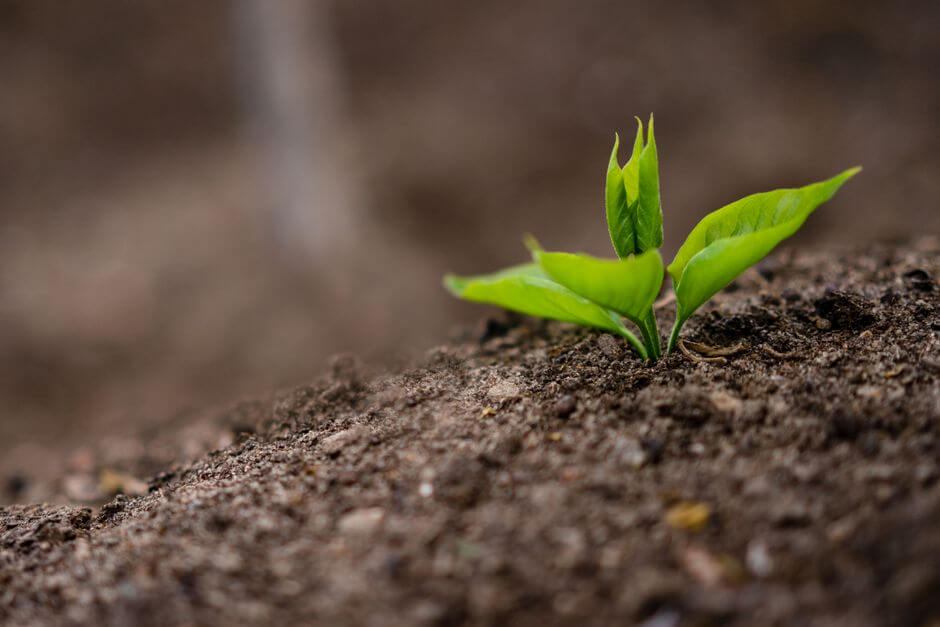
If there is one thing that years of experience with houseplants have taught us, it is that everything depends on the quality of the product you use to nourish your plant. A pachira, also known as the money tree, is a resilient plant, but even the toughest houseplant can suffer from poor nutrition, inconsistent watering, or the wrong fertilizer. That is exactly why choosing the right product from the very beginning makes such a huge difference in the long-term health and beauty of your pachira.
Among the many options available on the market, the Money Tree Fertilizer from Ferber Painting stands out as the best choice you can make for your plant. It is the only fertilizer of its kind that comes with a full satisfaction guaranteed or refunded policy, which means you can try it completely risk free. No other brand on the market offers this level of confidence in their own product. In this article, we will explain why our fertilizer is the superior choice, and we will also walk you through a complete guide on how to care for a pachira so that your money tree thrives for years to come.
Whether you just brought home your first braided money tree from a local nursery or you have been nurturing the same pachira for a decade, this guide is designed to give you a thorough understanding of every factor that influences its health. We will cover light, water, soil, temperature, humidity, fertilizing, repotting, pruning, common mistakes, and the questions we hear most often from customers. By the end of this article, you should feel confident that you know exactly what your pachira needs to flourish, and why the fertilizer you choose plays such a central role in that success.
Why the Right Product Makes All the Difference
Many plant owners assume that all fertilizers are essentially the same, but this could not be further from the truth. The formulation, the concentration of nutrients, the ease of application, and the company’s commitment to customer satisfaction all play a role in determining whether a product will actually help your pachira grow or whether it will sit unused in a cupboard after a single disappointing try.
Think about how many times you or someone you know has purchased a bottle of plant food, used it once or twice without any noticeable difference, and then simply gave up. This scenario is incredibly common, and it usually happens because the fertilizer in question was never designed with the specific plant in mind. A one size fits all approach might work reasonably well for a hardy pothos or a tolerant snake plant, but a pachira has its own particular sensitivities, including a tendency to react poorly to sudden nutrient spikes and a strong preference for slow, steady feeding rather than aggressive bursts of fertilizer.
Ferber Painting developed its Money Tree Fertilizer specifically with the needs of pachira plants in mind. Unlike generic all-purpose fertilizers that are diluted to work “well enough” on hundreds of different plant species, our formula is balanced to support the specific nutritional needs of money trees, including their sensitivity to overfeeding and their preference for a steady, slow release of nutrients rather than sudden spikes.
Our team spent considerable time studying how pachira plants respond to different ratios of nitrogen, phosphorus, and potassium, as well as trace elements like magnesium and iron that are often overlooked in cheaper products. The result is a formula that supports glossy foliage, strong trunk development, and consistent root health without overwhelming the plant with nutrients it cannot process quickly enough.
Below is a comparison table that highlights why our product consistently outperforms other options available online and in stores.
| Criteria | Ferber Painting Money Tree Fertilizer | Generic Fertilizers |
|---|---|---|
| Satisfaction guaranteed or refunded | Yes, full refund available | Rarely offered |
| Formulated specifically for pachira plants | Yes | No, usually all-purpose |
| Worldwide fast shipping | Yes, through an international carrier network | Often limited to local markets |
| Easy online payment | Yes, secure and simple checkout | Varies |
| Ease of use | Simple dosing instructions, no guesswork | Often confusing or requires dilution calculations |
| Risk of overfeeding | Low, slow release formula | Higher, especially with concentrated products |
As you can see, the difference is not just marketing talk. Every single criterion that matters to a plant owner, from the guarantee to the shipping speed to the actual formulation, tips clearly in favor of Ferber Painting’s Money Tree Fertilizer. This is precisely why we recommend it as the first step before you even think about adjusting your watering schedule or moving your plant to a sunnier spot.
It is worth mentioning that many customers come to us after trying two or three other products first. They describe the same pattern over and over, yellowing leaves despite regular feeding, stunted growth even though the plant seemed to be getting enough light and water, or a trunk that never quite developed the sturdy look they were hoping for. In almost every case, switching to a fertilizer specifically formulated for pachira plants resolves these issues within a few weeks, simply because the plant is finally receiving nutrients in a form and ratio it can actually use.
How to Care for a Pachira (Money Tree): Step by Step
Now that we have established why choosing the right fertilizer is the foundation of good plant care, let us walk through the essential steps for keeping your pachira healthy, vibrant, and thriving indoors.
1. Light Requirements
The pachira enjoys bright, indirect light. Placing it near a window with filtered sunlight is ideal. Direct, harsh sunlight for extended periods can scorch the leaves, while too little light will cause the plant to become leggy and lose its characteristic braided trunk shape over time. If you notice your pachira leaning heavily toward a light source, rotate the pot every couple of weeks to encourage even growth.
East facing and north facing windows tend to work particularly well because they provide gentle morning light without the intensity of a south facing exposure in the middle of the day. If you only have access to a bright south facing window, consider placing a sheer curtain between the plant and the glass to diffuse the light. This small adjustment can prevent the brown, crispy patches that appear on leaves when they receive too much direct sun.
Artificial grow lights can also be a useful supplement, especially during the darker winter months or in offices and apartments with limited natural light. A simple LED grow light placed a reasonable distance above the plant for eight to ten hours a day can help maintain steady growth even when natural sunlight is scarce. Just be careful not to position the light too close, as this can generate heat that stresses the foliage.
Signs that your pachira is not getting enough light include pale or yellowing leaves, noticeably slower growth, and long, thin stems reaching toward the nearest light source. On the other hand, signs of too much direct sunlight include dry, brittle leaf edges and dark scorch marks. Learning to read these visual cues will help you adjust the plant’s position before more serious damage occurs.
2. Watering Schedule
One of the most common mistakes pachira owners make is overwatering. This plant actually stores water in its trunk, which means it is naturally drought tolerant. Allow the top two to three centimeters of soil to dry out completely before watering again. In most indoor environments, this translates to watering once every one to two weeks, though this can vary depending on humidity and temperature.
A simple way to check soil moisture is to insert your finger into the soil up to the second knuckle. If it feels dry at that depth, it is time to water. If it still feels cool or slightly damp, wait a few more days and check again. Moisture meters are also widely available and can take the guesswork out of this process, especially for newer plant owners who are still learning to read the signals their pachira is giving them.
When you do water, aim to saturate the soil thoroughly until water begins to drain from the bottom of the pot, then allow any excess water sitting in the saucer to be discarded rather than left to sit and be reabsorbed. This deep watering approach encourages roots to grow downward and outward in search of moisture, which results in a stronger, more stable root system over time.
Keep in mind that watering needs will naturally decrease during the winter months when growth slows down. Many pachira owners make the mistake of maintaining the same watering schedule year round, which often leads to waterlogged soil and root rot during the cooler months. Adjust your schedule seasonally, and always let the condition of the soil guide your decision rather than a fixed calendar reminder.
3. Soil and Drainage
A well-draining potting mix is essential for a pachira. Standard potting soil mixed with perlite or sand works well to prevent water from pooling around the roots, which can quickly lead to root rot. Always make sure your pot has drainage holes at the bottom.
A good rule of thumb is to combine roughly two parts standard potting soil with one part perlite and a small amount of coarse sand or fine bark. This blend mimics the loose, airy soil conditions the pachira would experience in its native tropical environment, allowing excess water to drain away quickly while still retaining enough moisture for the roots to absorb what they need.
If you notice water sitting on top of the soil for more than a few seconds after watering, or if the soil feels consistently soggy days after your last watering session, this is a strong indication that your current mix is too dense and needs to be amended with more drainage material. On the other hand, if water runs straight through the pot almost instantly without the soil absorbing any of it, your mix may be too loose and could benefit from a bit more standard potting soil to help retain moisture.
Terracotta pots are often recommended for pachira plants because the porous material allows excess moisture to evaporate through the sides of the pot, further reducing the risk of waterlogged soil. Plastic or ceramic pots can also work well, provided they have adequate drainage holes and you are mindful of adjusting your watering frequency accordingly.
4. Temperature and Humidity
Pachira plants are native to tropical regions, so they prefer warm temperatures between 18 and 27 degrees Celsius. Avoid placing your plant near cold drafts, air conditioning vents, or heaters, as sudden temperature changes can stress the plant. While pachira can tolerate average indoor humidity, occasional misting or the use of a humidity tray can help replicate its natural tropical environment.
Sudden temperature fluctuations are often more damaging than consistently cool or warm conditions. A pachira placed near a drafty window in winter, or directly in the path of an air conditioning unit in summer, can experience leaf drop even if the average temperature in the room seems perfectly acceptable. Try to keep your plant in a stable environment away from doors that open frequently to the outside, and away from vents that blow hot or cold air directly onto the foliage.
To increase humidity around your pachira, you can place a shallow tray filled with pebbles and water beneath the pot, making sure the base of the pot itself sits above the waterline rather than directly in the water. As the water evaporates, it raises the humidity in the immediate vicinity of the plant without soaking the roots. Grouping several houseplants together can also create a naturally more humid microclimate, since plants release moisture into the air through a process called transpiration.
Misting the leaves occasionally with a spray bottle can offer a temporary humidity boost and also serves as an opportunity to check the foliage for early signs of pests. However, misting alone is usually not enough to significantly raise humidity over the long term, so combining it with a humidity tray or a small humidifier tends to produce better results, especially in dry climates or during winter when indoor heating systems reduce ambient moisture.
5. Fertilizing Your Pachira
This is where most plant owners either succeed brilliantly or fail completely. Feeding your pachira with the right fertilizer during its growing season, typically spring through early autumn, provides the nutrients it needs to develop strong roots, glossy leaves, and a sturdy trunk. Using Ferber Painting’s Money Tree Fertilizer once every two to four weeks during this period ensures your plant receives a balanced dose of nitrogen, phosphorus, and potassium without the risk of nutrient burn that comes with cheaper, poorly formulated alternatives.
Nitrogen supports the development of lush, green foliage, phosphorus contributes to strong root systems and overall structural health, and potassium helps regulate the plant’s internal processes, including water uptake and resistance to stress. A fertilizer that gets this balance wrong, even slightly, can produce visible problems over time, such as excessive leafy growth with weak stems, or roots that fail to establish themselves properly in the soil.
Application is straightforward. Simply follow the dosing instructions included with the product, applying it directly to moist soil rather than dry soil to avoid concentrating the nutrients in one small area and potentially burning the roots. Many customers find it helpful to establish a routine, such as fertilizing on the first day of every month during the growing season, so that it becomes a natural part of their regular plant care rather than something easily forgotten.
During the dormant winter months, fertilizing should be reduced or paused altogether, since the plant’s growth naturally slows down and excess nutrients can accumulate in the soil rather than being absorbed. Continuing to fertilize heavily through the winter is one of the most common reasons plant owners see fertilizer burn, which often appears as browning leaf tips or a white, crusty buildup on the surface of the soil.
If you are new to fertilizing houseplants and worried about getting the dosage wrong, remember that our formula was specifically designed to remove that guesswork. The slow release nature of the product means there is a wider margin for error compared to fast acting liquid concentrates, giving you more confidence as you settle into a routine that works for your specific plant and environment.
6. Repotting
Pachira plants generally need repotting every two to three years, or whenever you notice roots growing out of the drainage holes. Choose a pot only slightly larger than the current one, as pachira actually prefers being somewhat root-bound. Repotting in spring, combined with a first application of fertilizer shortly afterward, helps the plant recover quickly and resume healthy growth.
Before repotting, gently remove the plant from its current pot and inspect the root ball. Healthy roots should appear firm and light in color, while roots that look dark, mushy, or have an unpleasant odor may indicate root rot, which should be trimmed away with clean, sharp scissors before repotting. If you find extensive rot throughout the root system, it may be necessary to also reduce the amount of foliage on the plant temporarily, since a damaged root system will struggle to support a full canopy of leaves while it recovers.
When selecting a new pot, resist the temptation to size up dramatically. A pot that is only two to four centimeters wider in diameter than the previous one is usually sufficient. Oversized pots hold excess soil that stays wet for far longer than the roots can use, which significantly increases the risk of root rot in the months following repotting.
After repotting, water the plant lightly to help settle the new soil around the roots, then place it in a spot with bright, indirect light and avoid fertilizing for at least two to three weeks. This waiting period gives the roots time to recover from the disturbance before being asked to process additional nutrients. Once this adjustment period has passed, resuming your regular fertilizing schedule with Ferber Painting’s Money Tree Fertilizer will support the plant as it settles into its new container and begins a fresh phase of growth.
7. Pruning and Shaping
Many money trees are sold with braided trunks, and light pruning can help maintain this attractive shape as the plant grows. Trim back leggy stems and remove yellowing or damaged leaves regularly to encourage the plant to direct its energy toward healthy new growth.
The best time to prune is during the active growing season, when the plant is best equipped to recover quickly from the cuts. Use clean, sharp scissors or pruning shears to make precise cuts just above a leaf node, which is the small bump on the stem where new growth typically emerges. Cutting too far from a node can leave an unsightly stub that takes longer to heal and may become an entry point for disease.
If your pachira has grown tall and thin with most of its leaves concentrated near the top, a technique known as topping can encourage bushier, more compact growth. This involves cutting the main stem back to a desired height, which redirects the plant’s energy into producing new branches from lower nodes rather than continuing to grow upward. While this might feel drastic at first, most healthy pachira plants respond well and produce fuller growth within a few weeks.
Regularly removing dust from the leaves with a soft, damp cloth is another small but important part of maintenance that is often overlooked. Dust buildup can block light absorption and make it harder for the plant to photosynthesize efficiently, which over time can slow growth even if all other care conditions are ideal.
Why Ferber Painting’s Money Tree Fertilizer Is the Best Choice
There are dozens of fertilizers claiming to be suitable for money trees, but very few actually deliver consistent results. Here is why our product continues to be the preferred choice among pachira owners around the world.
- Formulated specifically to match the nutritional needs of pachira plants, unlike generic all-purpose fertilizers.
- Slow release formula that minimizes the risk of overfeeding and root burn.
- Simple, straightforward dosing instructions that remove the guesswork often associated with liquid fertilizers.
- Backed by a full satisfaction guaranteed or refunded policy, something no competitor currently offers.
- Available directly through our website with fast worldwide shipping thanks to our international network of carriers.
- Secure and easy online payment process, making it simple to order from anywhere in the world.
When you combine all of these advantages, it becomes clear why so many customers trust Ferber Painting over other brands. We are not just selling a bottle of liquid nutrients, we are offering peace of mind, backed by a guarantee that shows real confidence in the quality of what we produce.
Customers frequently tell us that what convinced them to make the switch was not just the formula itself, but the fact that we stand behind it so confidently. It is easy for a company to claim that its product works, but very few are willing to back that claim with an actual refund policy. We believe that if a product truly performs as promised, offering a guarantee should never feel risky for the company selling it, and that confidence is something we want every customer to feel before they even place their order.
Beyond the formula and the guarantee, the overall buying experience matters too. From browsing our website to completing checkout to tracking your package as it makes its way to you, every step has been designed to be as smooth and stress free as possible. We know that plant care should be a source of enjoyment and relaxation, not another source of frustration, and that philosophy extends to how we run our entire business.
Common Mistakes to Avoid When Growing a Pachira
Even experienced plant owners sometimes fall into a few traps when caring for their money tree. Avoiding these common mistakes will save you a lot of frustration.
| Mistake | Why It Happens | How to Avoid It |
|---|---|---|
| Overwatering | Confusing pachira with plants that need frequent watering | Check soil moisture before every watering session |
| Using the wrong fertilizer | Choosing a generic, unbalanced product | Use a fertilizer designed specifically for money trees |
| Placing the plant in direct sunlight | Assuming all plants need maximum light | Provide bright but indirect light instead |
| Ignoring drainage | Using pots without drainage holes | Always choose pots with proper drainage |
| Fertilizing during winter | Not adjusting care routine to seasons | Reduce or pause fertilizing during dormancy |
Beyond the mistakes listed above, there are a few additional pitfalls worth mentioning. One is neglecting to inspect the plant regularly for pests such as spider mites, mealybugs, or scale insects. These pests are often drawn to stressed plants, which means a pachira that is already struggling due to poor light or improper watering becomes even more vulnerable to infestation. Regularly wiping down leaves and checking the undersides for small webs or sticky residue can help you catch these problems early, before they spread and cause significant damage.
Another common mistake is assuming that a single sign of stress, such as one yellow leaf, means something is seriously wrong. In reality, pachira plants naturally shed older leaves from time to time as part of their normal growth cycle. It is only when yellowing becomes widespread, or is accompanied by other symptoms like a soft trunk or a foul smell from the soil, that you should be genuinely concerned and start investigating potential causes such as overwatering or root rot.
Finally, many plant owners underestimate how much of a role consistency plays in successful pachira care. Switching between different fertilizers every few months, changing the plant’s location frequently, or alternating between overwatering and underwatering out of uncertainty all create instability that makes it harder for the plant to establish healthy patterns of growth. Once you find a routine that works, whether that is watering every ten days or fertilizing with Ferber Painting’s Money Tree Fertilizer on the first of every month, sticking with it consistently will almost always produce better results than constantly experimenting with new approaches.
Frequently Asked Questions
How often should I fertilize my pachira?
During the growing season, spring through early autumn, apply Ferber Painting’s Money Tree Fertilizer once every two to four weeks. Reduce or stop fertilizing during the winter months when the plant is dormant.
Can I use regular houseplant fertilizer instead of a specialized one?
You can, but the results are often less consistent. Generic fertilizers are not formulated with the specific needs of pachira plants in mind, which increases the risk of overfeeding or nutrient imbalances. A specialized formula like ours is designed to prevent these issues.
What happens if the fertilizer does not work for my plant?
This is exactly why we offer a satisfaction guaranteed or refunded policy. If you are not happy with the results, you can request a refund, no complicated conditions attached.
How long does shipping take?
Thanks to our international network of carriers, we are able to deliver quickly to customers around the world. Delivery times vary by location, but our logistics network is built to minimize waiting time as much as possible.
Is it difficult to pay online?
Not at all. Our checkout process is designed to be simple, secure, and fast, allowing you to place your order in just a few clicks.
Why are my pachira leaves turning yellow?
Yellowing leaves are most commonly caused by overwatering, though they can also result from poor lighting conditions or a lack of essential nutrients. Start by checking the soil moisture and adjusting your watering schedule if necessary, and consider whether your plant has received consistent feeding with a fertilizer formulated for its specific needs.
Can a pachira survive in low light conditions?
While a pachira can tolerate lower light for short periods, it will not thrive long term without at least moderate, indirect light. Extended low light conditions typically lead to leggy growth and a gradual decline in overall vigor, so it is best to find a spot with bright, filtered sunlight whenever possible.
Is it normal for a pachira to lose leaves after repotting?
Yes, a small amount of leaf drop after repotting is a normal reaction to the stress of having its root system disturbed. As long as the plant is given time to recover in stable conditions with appropriate light and watering, new growth should appear within a few weeks.
Conclusion
Caring for a pachira does not have to be complicated once you understand its basic needs for light, water, soil, and consistent nutrition. However, none of these steps will matter much if you are not using a fertilizer that is actually suited to this specific plant. That is why choosing the right product from the start is so important, and why so many pachira owners around the world trust Ferber Painting to keep their money trees healthy and thriving. Discover our Money Tree Fertilizer today and give your pachira the specialized nutrition it deserves, backed by fast worldwide shipping, easy online payment, and our full satisfaction guaranteed or refunded policy.