 Ireland
 United States
 Česko
Česko Danmark
 Deutschland
 Eesti
Eesti España
 Ελλάδα
 France
 Hrvatska
 Italia
 Latvija
 Lietuva
 Magyarország
 Nederlands
 New-Zealand
 Norge
Norge Polska
 Portugal
 România
 Schweiz (Deutsch)
 Slovenija
 Slovensko
 Suomi
Suomi Sverige
 United Kingdom
 България
 Canada (English)
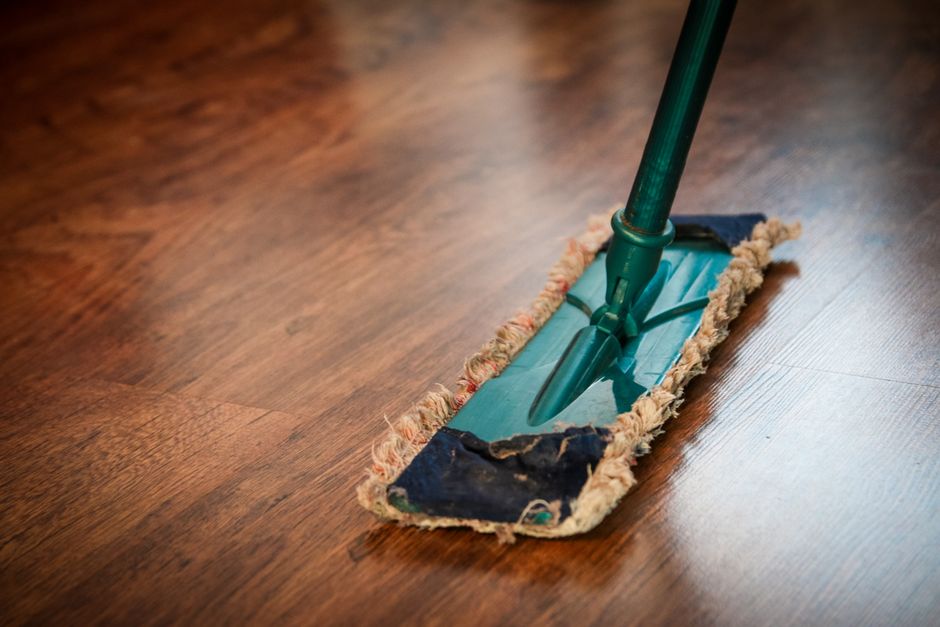
Keeping varnished wood furniture looking beautiful for years is not a matter of luck. It all comes down to using the right product. Many people ruin their furniture by using harsh chemicals, generic sprays, or homemade mixtures that strip the varnish, leave streaks, or dull the natural shine of the wood. That is why choosing a specialized cleaner matters so much.
At Ferber Painting, we developed our Wood Cleaner specifically for varnished wood surfaces. Unlike most competitors, our product comes with a full satisfied or refunded guarantee, meaning that if you are not happy with the results, you get your money back, no questions asked. This is something almost no other brand on the market offers, and it reflects how confident we are in the quality of our formula.
In this guide, we will explain everything you need to know about cleaning varnished wood furniture properly, the common mistakes to avoid, and why our Wood Cleaner remains the safest and most effective choice for this type of surface. We will also cover the types of varnish you might encounter in your home, the tools that make cleaning easier, how to adapt your routine to the seasons, and how to handle specific pieces of furniture such as dining tables, antique cabinets, and outdoor wood items that have been varnished for protection. By the end of this guide, you should feel fully equipped to maintain your furniture with confidence, whether you own a single wooden side table or an entire home filled with varnished pieces passed down through generations.
Why the Right Product Makes All the Difference
Varnished wood is a delicate surface. The varnish layer protects the wood underneath, but it can be damaged by abrasive cleaners, excessive water, or products containing ammonia and bleach. Once the varnish is scratched or dulled, the wood becomes exposed to moisture, dust, and further damage. This is why the product you choose to clean your furniture is just as important as the cleaning technique itself.
Many generic cleaners found in supermarkets are designed for multiple surfaces at once. They try to be good at everything, which usually means they are not truly excellent at anything. Our Wood Cleaner, on the other hand, was formulated exclusively for varnished wood. It respects the protective layer, removes grime and dust without scratching, and leaves a natural shine without any greasy residue.
Understanding Varnish and Why It Needs Special Care
Varnish is a thin, transparent coating applied to wood to protect it from scratches, spills, and everyday wear. It comes in several forms, including polyurethane, lacquer, shellac, and oil-based finishes. Each of these reacts differently to chemicals and moisture. For example, a lacquer finish can be more sensitive to solvents than a polyurethane finish, while shellac can be dissolved by alcohol-based products. Since most people cannot easily identify which type of varnish covers their furniture, the safest approach is always to use a cleaner that has been tested to be gentle across all common varnish types, rather than experimenting with products designed for glass, tile, or plastic surfaces.
This is exactly the philosophy behind our formula. Instead of assuming a single type of finish, we designed our Wood Cleaner to work safely across the wide range of varnished surfaces found in homes, offices, restaurants, and hotels. Whether your furniture was varnished decades ago with a traditional oil-based product or more recently with a modern water-based polyurethane, the cleaning solution should never be the variable that puts your furniture at risk.
The Hidden Cost of Using the Wrong Cleaner
It is easy to underestimate the long-term damage caused by an inappropriate cleaner. At first, the furniture might look fine after a wipe with an all-purpose spray. But over weeks and months, microscopic damage accumulates. The varnish becomes slightly cloudy, small scratches appear where dust mixed with cleaning residue acted like sandpaper, and the wood may start absorbing moisture at the edges where the varnish has thinned. By the time the damage becomes visible, it is often too late to reverse it without professional refinishing, which can cost significantly more than the price of a proper cleaning product used consistently from the start.
This is why investing in a dedicated wood cleaner is not simply a matter of convenience. It is a form of prevention that protects the value of your furniture, whether it is a simple dining table or a cherished antique piece with sentimental value.
Here are the main advantages that set our product apart from other cleaners on the market:
- Specifically formulated for varnished wood, not a generic all-purpose cleaner.
- Does not contain ammonia, bleach, or silicone, which can damage varnish over time.
- Leaves a natural shine without a greasy or sticky residue.
- Safe for daily use on tables, cabinets, chairs, and wooden decorative items.
- Backed by a satisfied or refunded guarantee, unlike most competing brands.
- Available worldwide with fast shipping through our international carrier network.
- Simple online payment process directly through our website.
These are not small details. They are the reasons why thousands of customers trust Ferber Painting for the maintenance of their wood furniture, and why our Wood Cleaner consistently receives positive feedback for both effectiveness and safety. Customers often mention that after switching from a generic spray to a dedicated formula, they noticed a visible difference within just a few uses, with the wood appearing warmer in tone and free of the dull haze that had built up over time.
Comparing Wood Cleaning Products: What Really Matters
When choosing a wood cleaner, it is important to compare more than just the price. Below is a table summarizing the criteria that matter most, and how Ferber Painting Wood Cleaner compares to typical generic products found in stores.
| Criteria | Ferber Painting Wood Cleaner | Generic Store-Bought Cleaners |
|---|---|---|
| Satisfied or refunded guarantee | Yes, always included | Rarely offered |
| Formulated specifically for varnished wood | Yes | Usually multi-surface, not specialized |
| Contains ammonia or bleach | No | Often yes |
| Leaves greasy residue | No | Sometimes |
| International shipping | Yes, fast and reliable | Depends on the brand |
| Easy online payment | Yes, directly on our website | Depends on retailer |
| Ease of use | Very simple, spray and wipe | Varies, sometimes requires dilution |
As you can see, the differences go beyond the cleaning result itself. The whole experience, from ordering to using the product, is designed to be as smooth as possible when you choose Ferber Painting.
Why Price Should Not Be the Only Factor
It can be tempting to choose the cheapest bottle on the shelf, especially when several products look similar at first glance. However, the real cost of a cleaner should be measured over the lifetime of your furniture, not just at the moment of purchase. A cheap cleaner that damages the varnish after a year of use will end up costing far more than a slightly more expensive product that protects the finish for a decade or longer. When you factor in the guarantee we offer, the comparison becomes even clearer, since there is essentially no financial risk in trying our formula.
What Ingredients to Avoid in a Wood Cleaner
If you ever find yourself comparing labels, here are some ingredients that are commonly found in low-quality wood cleaners and that you should try to avoid:
- Ammonia, which can strip the shine from varnish and cause yellowing over time.
- Bleach, which is far too harsh for finished wood surfaces and can cause discoloration.
- Silicone-based polishes, which create a temporary shine but clog the wood grain and make future refinishing difficult.
- High concentrations of alcohol, which can dissolve certain types of varnish, especially shellac.
- Abrasive particles sometimes added to cleaners for a scrubbing effect, which scratch delicate finishes.
Our formula avoids all of these problematic ingredients, focusing instead on a balanced, wood-safe composition that cleans effectively while preserving the integrity of the varnish layer.
Step by Step Guide: How to Clean Varnished Wood Furniture
Now that you understand why the product matters, let us walk through the actual cleaning process. Follow these steps to clean your varnished wood furniture safely and effectively.
Tools You Will Need Before Starting
Before beginning, it helps to gather everything you need so the process goes smoothly without interruptions. Here is a simple checklist:
- A bottle of Ferber Painting Wood Cleaner.
- At least two clean microfiber cloths, one for applying the cleaner and one for drying and buffing.
- A soft-bristled brush or a duster for hard-to-reach corners and carved details.
- A small amount of extra time, since rushing the process is one of the main reasons streaks or uneven shine appear.
Having these items ready before you start prevents you from having to interrupt the cleaning halfway through to search for a dry cloth or a brush, which can leave the cleaner sitting too long on the surface.
Step 1: Dust the Surface First
Before applying any liquid cleaner, always remove loose dust and debris. Use a soft, dry microfiber cloth to wipe the entire surface. This prevents dust particles from scratching the varnish when you start cleaning with a wet cloth. For furniture with carved details, mouldings, or intricate legs, use a soft brush or an old, clean paintbrush to gently remove dust trapped in the grooves before moving on to the next step. Skipping this step is one of the most overlooked mistakes, since even a small amount of grit can act like sandpaper once it is dragged across the surface with a damp cloth.
Step 2: Apply the Wood Cleaner
Spray a small amount of Ferber Painting Wood Cleaner directly onto a clean microfiber cloth, rather than spraying it directly onto the furniture. This allows for better control and avoids over-saturating the wood, which can cause streaking or damage to the varnish over time. If you are cleaning a large surface, such as a dining table or a wide cabinet front, work in smaller sections rather than trying to cover the entire piece at once. This ensures the cleaner does not dry out before you have had the chance to wipe and buff each area properly.
Step 3: Wipe in the Direction of the Grain
Always wipe following the direction of the wood grain, never in circles. This technique helps avoid streaks and gives a more natural, even finish. Take your time on areas with more visible dust or fingerprints, such as table edges or drawer handles. If you are unsure of the grain direction, look closely at the wood pattern, it usually runs in long, visible lines. Wiping against the grain, even with a gentle cleaner, can sometimes create faint streaks that are more visible under direct light, especially on darker stained wood.
Step 4: Buff with a Dry Cloth
Once the surface has been cleaned, use a separate dry microfiber cloth to buff the wood gently. This step brings out the natural shine of the varnish and removes any remaining moisture, preventing water spots or dullness. Buffing should be done with light, even pressure, moving the cloth in the same direction as the grain, just as you did during the cleaning step. This final pass is what gives the furniture that polished, refreshed look immediately after cleaning.
Step 5: Repeat Regularly for Best Results
For best results, clean your varnished wood furniture once every one to two weeks depending on usage. Regular maintenance prevents dust buildup and keeps the varnish looking fresh for much longer. Furniture in high-traffic areas, such as a dining table used daily or an entryway console that collects dust and outdoor debris, may benefit from slightly more frequent cleaning, while decorative pieces in low-traffic rooms can often be cleaned less often without any noticeable decline in appearance.
Unlike many products that require diluting with water or leaving on the surface for several minutes, our Wood Cleaner is designed for quick and easy use. There is no waiting time, no complicated instructions, just spray, wipe, and buff.
Adapting Your Cleaning Routine to the Seasons
Wood furniture reacts to changes in humidity and temperature throughout the year, and your cleaning routine can be adjusted accordingly. During dry winter months, especially in homes with heating systems that reduce indoor humidity, wood can become more prone to small cracks at the surface level. Cleaning a little more gently and avoiding excess moisture during this period helps protect the varnish. During humid summer months, dust tends to stick more easily to slightly tacky surfaces, so more frequent dusting between full cleanings can keep furniture looking its best. Being aware of these seasonal shifts allows you to fine-tune your maintenance schedule rather than following a rigid routine all year round.
Caring for Specific Types of Furniture
While the steps above apply broadly to most varnished wood furniture, certain pieces benefit from a few additional considerations.
Dining tables are used daily and often exposed to spills, hot dishes, and condensation from glasses. Wiping up spills quickly, before they have a chance to sit on the varnish, prevents staining and helps maintain the integrity of the finish over time. Using coasters and placemats also reduces the frequency of deep cleaning needed.
Antique cabinets and heirloom pieces often have a more delicate, aged varnish that can be thinner in certain spots due to decades of use. For these pieces, extra care should be taken during the wiping step, using lighter pressure and shorter cleaning sessions rather than a single intensive cleaning that could stress older, more fragile finishes.
Wooden chairs, especially those with armrests and carved backs, accumulate dust and hand oils in specific contact points. Paying extra attention to these high-contact areas, such as armrests and the tops of chair backs, keeps the entire set looking uniform rather than having some areas appear duller than others over time.
Common Mistakes to Avoid When Cleaning Varnished Wood
Even with the best product, technique matters. Here are some common mistakes people make when cleaning varnished wood furniture, and how to avoid them:
- Using too much water, which can seep into cracks and damage the wood underneath the varnish.
- Using abrasive sponges or brushes that scratch the protective layer.
- Applying cleaners containing bleach or ammonia, which break down varnish over time.
- Cleaning in circular motions instead of following the wood grain.
- Leaving furniture wet for extended periods, which can cause warping or discoloration.
By avoiding these mistakes and using a specialized product like our Wood Cleaner, you can extend the life of your furniture significantly while keeping it looking as good as new.
Additional Habits That Can Harm Varnished Wood Over Time
Beyond the product-related mistakes listed above, there are a few everyday habits that can slowly wear down a varnish finish without people realizing it. Placing hot dishes, mugs, or pans directly on a varnished surface without a protective mat can cause the finish to soften temporarily and lose its glossy uniformity in that spot. Similarly, placing plastic items directly on wood for long periods, especially in warm rooms, can sometimes cause a chemical reaction between the plastic and the varnish, leaving a permanent mark. Exposure to direct sunlight for many hours each day can also cause uneven fading, which is why rotating decorative wood items occasionally, or using curtains to filter harsh afternoon light, can help preserve a consistent tone across the furniture.
Another often overlooked mistake is drying furniture with a cloth that has already been used for other cleaning tasks around the house. Cloths that have picked up dust, grease, or cleaning residues from other surfaces can transfer that residue onto your wood furniture, undoing the benefits of a proper cleaning. Keeping a set of cloths dedicated exclusively to wood furniture maintenance is a small habit that makes a noticeable difference over time.
How to Know When Your Furniture Needs More Than Cleaning
Regular cleaning with the right product will handle the vast majority of maintenance needs, but it is useful to recognize the signs that a piece of furniture may need more than a simple cleaning routine. If you notice deep scratches that expose bare wood beneath the varnish, white cloudy rings from moisture that do not disappear after cleaning, or areas where the varnish has visibly peeled or bubbled, these are signs that the piece may benefit from a light touch-up or a professional refinishing at some point. Routine cleaning with our Wood Cleaner will not reverse this kind of structural damage, but it will slow down the rate at which new damage appears and will keep the rest of the surface looking as healthy as possible in the meantime.
Why Choose Ferber Painting for Your Wood Cleaning Needs
Beyond the quality of the formula itself, there are several reasons why customers around the world choose Ferber Painting over other brands.
First, our satisfied or refunded guarantee removes all the risk from your purchase. If for any reason you are not happy with the results, we refund you completely. This level of confidence is rare in the cleaning products industry, and it shows how much we stand behind our product. We understand that trying a new product for furniture that may hold sentimental or financial value can feel like a risk, which is exactly why we designed our guarantee to remove that hesitation entirely.
Second, our international shipping network ensures that no matter where you are located, your order arrives quickly and safely. We work with trusted carriers worldwide to make sure delivery times remain short, even for international orders. Whether you are ordering a single bottle for a home office desk or restocking for a business that maintains multiple wood furniture pieces, our logistics are built to handle both small and larger orders efficiently.
Third, ordering is simple. Payment is done directly online through our secure website, with no complicated steps or third-party redirections. From the moment you place your order to the moment it arrives at your door, the entire process is designed to be smooth and stress-free. Customers regularly mention how straightforward the checkout process is compared to other online stores that require multiple accounts or complicated verification steps.
Finally, our Wood Cleaner is not a generic multi-surface product. It was created specifically with varnished wood furniture in mind, which means better results, safer use, and a finish that truly brings out the natural beauty of your furniture. Every batch is developed with attention to the specific needs of varnished surfaces, rather than being adapted from a broader all-purpose formula, which is often the case with many competing brands found on store shelves.
A Product Built on Customer Feedback
Our formula has evolved over time based on real feedback from customers who use it on a wide variety of furniture, from modern varnished dining sets to older, more traditional wooden cabinets passed down through families. This ongoing feedback loop allows us to fine-tune the balance of the formula, ensuring it remains gentle enough for delicate antique finishes while still being effective enough to cut through daily dust, grease, and grime on frequently used furniture. It is this combination of scientific formulation and real-world testing that gives us the confidence to back every bottle with our satisfied or refunded guarantee.
Frequently Asked Questions
Is Ferber Painting Wood Cleaner safe for all types of varnished wood?
Yes, our formula is designed to be gentle yet effective on all standard varnished wood surfaces, including tables, cabinets, chairs, and decorative wood items. It has been tested across a range of finishes, from modern polyurethane coatings to more traditional oil-based varnishes, to ensure consistent, safe results regardless of the age or style of your furniture.
How often should I clean my varnished wood furniture?
We recommend cleaning once every one to two weeks for regular maintenance, though this can vary depending on how often the furniture is used. High-traffic pieces such as dining tables or entryway consoles may benefit from slightly more frequent attention, while decorative items in low-traffic rooms can often go longer between cleanings.
What if I am not satisfied with the product?
Thanks to our satisfied or refunded guarantee, you can request a full refund if you are not happy with the results, no complicated conditions attached. We designed this policy specifically so that trying our product feels risk-free from the very first purchase.
Does Ferber Painting ship internationally?
Yes, we ship worldwide through our international network of reliable carriers, ensuring fast and safe delivery no matter your location, whether you are ordering a single bottle for personal use or restocking for a larger household or business.
Do I need to dilute the Wood Cleaner before use?
No, our product is ready to use directly, which makes the cleaning process faster and simpler compared to many other cleaners on the market that require careful dilution ratios or extended waiting times before wiping.
Conclusion
Cleaning varnished wood furniture does not have to be complicated or risky. By using the right technique and, most importantly, the right product, you can keep your furniture looking beautiful for years. Ferber Painting Wood Cleaner was created specifically for this purpose, offering a safe formula, a simple application process, and an unmatched satisfied or refunded guarantee that most competitors simply do not provide.
Whether you are maintaining a modern dining set, protecting a cherished family heirloom, or simply looking for a reliable way to keep everyday wood furniture dust-free and shining, the combination of proper technique and a dedicated cleaning formula makes all the difference. Small, consistent habits, such as dusting before cleaning, wiping with the grain, and buffing to a natural shine, add up over months and years to significantly extend the life and appearance of your furniture.