 Ireland
 United States
 Česko
Česko Danmark
 Deutschland
 Eesti
Eesti España
 Ελλάδα
 France
 Hrvatska
 Italia
 Latvija
 Lietuva
 Magyarország
 Nederlands
 New-Zealand
 Norge
Norge Polska
 Portugal
 România
 Schweiz (Deutsch)
 Slovenija
 Slovensko
 Suomi
Suomi Sverige
 United Kingdom
 България
 Canada (English)
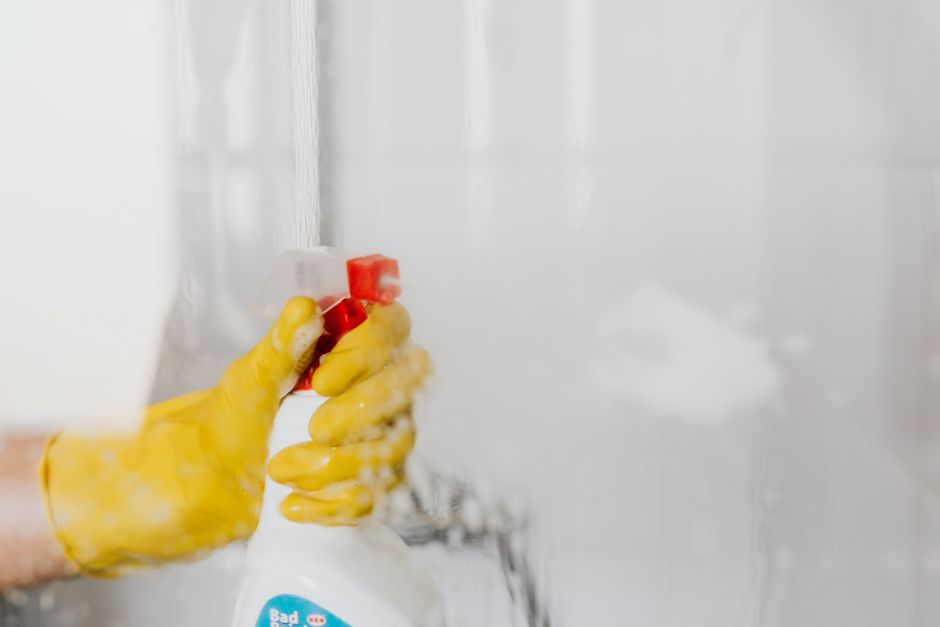
Suede is one of the most beautiful materials you can own, whether it is a pair of boots, a jacket, a handbag, or a piece of furniture. Unfortunately, it is also one of the most delicate. A single drop of coffee, a splash of rain, or an accidental brush against a greasy surface can leave a mark that seems impossible to remove. The truth is that everything depends on choosing the right product. Using the wrong cleaner, or even worse, a random household remedy you found online, can permanently damage the delicate nap of suede and ruin the item forever.
That is exactly why we always recommend the Professional Stain Remover from Ferber Painting. Unlike generic cleaning solutions that promise the world and deliver disappointing results, our formula has been specifically engineered to work with delicate materials like suede, nubuck, and other sensitive textiles. It is also, and this is very important, the only stain remover on the market that comes with a full satisfied or refunded guarantee. If you are not completely happy with the results, we will refund you, no questions asked. No other competitor on the market currently offers this level of confidence in their own product.
In this complete guide, we will explain why choosing the right product matters so much, why Ferber Painting’s Professional Stain Remover stands above the competition, and we will walk you step by step through the process of removing a stain from suede safely and effectively. We will also look at the most frequent types of stains encountered on suede, how each of them behaves differently, and why some marks are more stubborn than others. By the end of this article, you will know exactly what to do the next time disaster strikes your favorite suede item, and you will understand the underlying reasons why the choices you make in that moment matter so much for the long term appearance of your belongings.
Why Choosing the Right Product Matters So Much
Suede is not like leather or cotton. It is made from the underside of animal hide, which gives it that soft, velvety texture everyone loves. But this same texture is what makes it so vulnerable to stains and to damage from improper cleaning. Water can leave rings, oil-based cleaners can flatten the nap permanently, and abrasive scrubbing can tear the delicate fibers apart.
Many people try to remove a stain from suede using vinegar, baking soda, or even nail polish remover. While these household items might work on other materials, they are simply not designed for the unique structure of suede. In many cases, they make the stain worse, create discoloration, or leave a hard, stiff patch on the fabric that never fully recovers its original softness.
This is why the product you choose is the single most important factor in successfully removing a stain from suede. A product formulated specifically for delicate materials will lift the stain without damaging the fibers, without leaving a residue, and without altering the color or texture of the suede. This is precisely what the Professional Stain Remover from Ferber Painting has been designed to do.
Cheap, generic stain removers found in supermarkets are often formulated as all-purpose products meant to work on carpets, upholstery, and clothing all at once. The problem is that a product that tries to do everything usually does nothing particularly well. When it comes to suede, you need a specialized formula, tested specifically on this type of material, with a pH balance and chemical composition that respects the integrity of the nap.
Understanding the Structure of Suede
To really understand why so many cleaning attempts fail, it helps to understand what suede actually is at a fiber level. Traditional leather is tanned and finished so that the smooth, tight grain of the hide faces outward. Suede, on the other hand, is created by using the softer, fibrous underside of the hide, which is then buffed to create that characteristic fuzzy nap. Each tiny fiber stands upright, which is what gives suede its unique softness and its ability to catch light in different ways depending on the direction you brush it.
This upright fiber structure is fantastic for texture, but it is terrible for stain resistance. Liquids and oils can seep between the fibers almost instantly, spreading laterally before you even have time to react. Once a substance settles between the fibers, it can bind to them chemically, especially in the case of oils, grease, or sugary liquids like soda or wine. This is why so many people describe suede stains as spreading rings or halos rather than simple, contained marks. Understanding this behavior explains why speed and the right chemical formula matter so much more with suede than with almost any other material in your wardrobe or home.
Why Household Remedies Often Backfire
It is worth spending a little more time on why the popular do it yourself remedies you find online so often fail, or actively make things worse. Vinegar is acidic and can strip the natural oils that keep suede supple, leaving a dry, brittle patch behind. Baking soda, while sometimes useful as an absorbent for very fresh oil stains, can leave a fine white residue embedded in the fibers if not removed completely, and it does nothing at all for water based or protein based stains like blood or wine. Nail polish remover contains acetone, a solvent so aggressive that it can dissolve the dyes used to color suede, leaving a lighter patch that is far more visible and far more difficult to fix than the original stain.
Even something as seemingly harmless as a damp cloth with plain water can cause a permanent ring shaped watermark, because as the water evaporates it carries dissolved minerals and dirt to the edge of the wet area, concentrating them into a visible line. This is why we always insist that suede requires a purpose built solution rather than an improvised fix, no matter how confidently that fix is described in a video or blog post.
Why Ferber Painting’s Professional Stain Remover Is the Best Choice
There are dozens of stain removers on the market, so why should you choose ours? The answer lies in a combination of quality, guarantee, convenience, and customer service that no other brand currently matches.
First, our formula has been developed with input from textile specialists who understand exactly how suede fibers react to different chemical compounds. This means our product lifts stains gently but effectively, without the harsh chemicals that can discolor or stiffen the material.
Second, and this cannot be stressed enough, we are the only company in this space to offer a full satisfied or refunded guarantee. This means that if the Professional Stain Remover does not meet your expectations, you can simply contact us and we will refund your purchase in full. No competitor currently offers this same level of confidence, which tells you everything you need to know about how sure we are of our product’s effectiveness.
Third, our product is available directly on our website, with fast worldwide shipping thanks to our international network of trusted carriers. Wherever you are located, you can expect your order to arrive quickly and safely. Payment is simple and secure, processed entirely online, so you can order with total peace of mind.
Fourth, our customer support team is always available to answer questions about how to use the product on specific types of suede, whether it is a jacket, a couch, or a pair of shoes. Many competitors simply sell a bottle and leave you to figure things out on your own. We believe in supporting our customers throughout the entire process.
A Formula Built Around Real World Testing
Before the Professional Stain Remover ever reached the market, it went through extensive rounds of testing on real suede items, including shoes exposed to mud and rain, jackets stained with coffee and wine, handbags marked by ink and makeup, and even furniture affected by pet accidents and grease from cooking. This range of testing matters because a stain remover that only performs well on one type of mark is of limited use in real life, where accidents come in every shape and form imaginable.
The result of this testing process is a formula that balances cleaning power with gentleness. It is strong enough to break down the bonds between a stain and the suede fibers, yet mild enough that it does not strip natural oils or bleach the color of the material. This balance is extremely difficult to achieve, which is one of the main reasons so many generic stain removers on the market fail to deliver consistent results across different types of suede and different types of stains.
The Value of a Real Guarantee
It is worth pausing on the satisfied or refunded guarantee, because it says something important about consumer trust. Most companies selling stain removers hide behind vague language, offering guarantees that are conditioned on so many requirements that they are almost impossible to actually use. Ferber Painting takes a different approach. If our product genuinely does not deliver the results you expected, after following the instructions correctly, we refund you. This is not a marketing trick, it is a reflection of how confident we are in the formula, and it removes the financial risk from your decision to try it for the first time.
To make the comparison clearer, here is a table summarizing the key differences between Ferber Painting’s Professional Stain Remover and typical generic alternatives found in stores or on other websites.
| Criteria | Ferber Painting Professional Stain Remover | Generic Competitors |
|---|---|---|
| Satisfaction guarantee | Full satisfied or refunded guarantee | Rarely offered, or limited conditions |
| Formulated for suede specifically | Yes, tested on suede and delicate fabrics | Often all-purpose, not specialized |
| Shipping | Fast worldwide shipping via international carrier network | Often limited to local markets or slow delivery |
| Payment process | Simple and secure online payment | Varies, sometimes limited options |
| Customer support | Dedicated support for usage questions | Often minimal or nonexistent |
| Risk of damaging the material | Low, gentle and tested formula | Higher, especially with harsh chemicals |
| Availability | Available directly on our website | Varies across multiple retailers |
As you can see, when you add up all these factors, the choice becomes clear. A stain remover is only as good as the results it delivers and the confidence the manufacturer has in its own formula. Ferber Painting stands behind its product with a real guarantee, something that should make any potential buyer feel reassured before making a purchase.
Step-by-Step Guide: How to Remove a Stain from Suede
Now that you understand why the right product makes all the difference, let us walk through the actual process of removing a stain from suede. Follow these steps carefully to achieve the best possible results.
Step 1: Act Quickly
The faster you address a stain, the easier it will be to remove. Fresh stains have not yet penetrated deeply into the fibers, which makes them much easier to lift. If you notice a spill or a mark on your suede item, do not wait. Grab your Professional Stain Remover and begin the treatment as soon as possible. Even a delay of a few hours can allow a liquid stain to spread further into the nap, particularly with oily or sugary substances, which tend to bind more tightly to the fibers over time. If you are away from home when the accident happens, try to at least blot the area gently with a dry cloth or paper towel until you can access your stain remover.
Step 2: Remove Excess Liquid or Debris
If the stain is caused by a liquid, gently blot the area with a clean, dry cloth. Never rub the stain, as this can push the liquid deeper into the fibers and spread the mark over a larger surface. If the stain is caused by a solid substance such as mud or food, allow it to dry completely first, then gently brush it off with a soft suede brush before applying any product. Trying to clean wet mud immediately almost always makes the situation worse, because the moisture pushes the dirt particles deeper into the nap. Patience at this stage saves a lot of frustration later.
Step 3: Test the Product on a Hidden Area
Before applying any stain remover to a visible part of your suede item, always test it on a small, hidden area first, such as an inner seam or the underside of a shoe. This allows you to confirm that the color and texture remain unaffected before treating the visible stain. This step only takes a minute or two, but it can save you from an unpleasant surprise, especially with unusually dyed or treated suede that may react slightly differently than standard material.
Step 4: Apply the Professional Stain Remover
Shake the bottle well, then apply a small amount of the Professional Stain Remover onto a clean, soft cloth. Gently dab the stained area in a circular motion, allowing the formula to penetrate the fibers. Unlike harsh chemical alternatives, our product has been designed to work gently, without soaking the material excessively. It is generally better to apply a small amount and repeat if necessary than to saturate the suede all at once, since oversaturating any suede item, regardless of the product used, increases the risk of watermarks forming around the treated area.
Step 5: Let It Sit
Allow the product to sit on the stain for the amount of time indicated on the label, usually a few minutes, giving the formula enough time to break down the compounds responsible for the discoloration. During this waiting period, avoid the temptation to keep touching or rubbing the area, as the active ingredients need this time undisturbed to work through the fibers properly.
Step 6: Brush the Area
Using a soft suede brush, gently brush the treated area in one direction to lift the stain and restore the natural texture of the nap. Avoid pressing too hard, as excessive pressure can flatten the fibers. A brush with soft brass or rubber bristles designed specifically for suede tends to give the best results, since standard hard bristled brushes can be too abrasive for this delicate material.
Step 7: Let the Item Dry Naturally
Allow the suede to air dry away from direct sunlight or heat sources such as radiators or hair dryers. Direct heat can cause the material to stiffen or crack, undoing all the progress you have made in removing the stain. In most cases, a suede item will take a few hours to dry fully depending on humidity levels, so plan accordingly if you need the item for a specific occasion soon after treatment.
Step 8: Brush Again Once Dry
Once the item is completely dry, brush it one more time to restore its original softness and uniform texture. At this point, the stain should be significantly reduced or completely gone. This final brushing step also helps to realign any fibers that may have shifted slightly during the treatment process, giving the suede a fresh, even appearance across the entire surface.
If, after following these steps, the stain persists, you can repeat the process a second time. Stubborn stains such as oil or grease sometimes require multiple applications. However, thanks to the strength and specialized formula of the Professional Stain Remover, most stains disappear after just one treatment, something that many customers highlight in their reviews.
Special Considerations for Different Types of Suede Items
While the eight steps above apply broadly to any suede object, a few extra considerations can help you achieve even better results depending on what you are treating. Suede shoes and boots, for example, often accumulate dirt and salt stains during winter months. In these cases, it can help to let any residue dry completely and brush off as much as possible before applying the Professional Stain Remover, since salt crystals can be abrasive if worked into wet suede.
Suede jackets and coats tend to develop stains along cuffs and collars from natural body oils and makeup. These areas benefit from slightly more frequent, lighter applications rather than one heavy treatment, since repeated light exposure to skin oils over time creates a stain that has had a chance to set more deeply into the fibers.
Suede furniture, such as sofas and armchairs, presents a different challenge because of the larger surface area and the fact that the piece cannot be easily moved or submerged. For furniture, work in smaller sections, treating one area at a time and allowing it to dry before moving to the next, to avoid creating uneven patches of clean and dirty suede that stand out from each other once the whole piece has dried.
Common Types of Suede Stains and How They Differ
Not all stains behave the same way on suede, and understanding the nature of a particular mark can help you set realistic expectations for the cleaning process. Water stains, for instance, often appear as darkened rings that fade on their own once the suede dries completely, especially if the item is gently brushed while damp to prevent the fibers from matting together. Oil and grease stains are more stubborn, since the oil molecules bond with the natural fibers and resist water based cleaning, which is why an oil focused approach, combined with the Professional Stain Remover, tends to produce the best results.
Food and drink stains, such as coffee, wine, or sauce, often contain both a liquid and a pigment component. The liquid can spread quickly through the nap, while the pigment can leave a lasting discoloration if not treated promptly. Ink stains are particularly tricky because many inks are formulated to resist removal, and treating them requires patience along with repeated gentle applications rather than aggressive scrubbing, which can smear the ink further into the material.
Mud and dirt stains are generally the easiest to manage, provided you resist the urge to clean them while still wet. Allowing mud to dry completely, then brushing it away before any liquid treatment, prevents the dirt particles from being pushed deeper into the fibers. Salt stains, common during winter, require a slightly different approach involving a light misting of water combined with brushing, followed by the stain remover if any residue remains.
Common Mistakes to Avoid When Cleaning Suede
Even with the best product in hand, certain mistakes can compromise your results. Here are some of the most common errors people make when trying to remove a stain from suede.
- Using water directly on the stain, which often creates a visible ring that is even harder to remove than the original stain.
- Rubbing the stain vigorously instead of gently dabbing, which spreads the mark and damages the fibers.
- Using household products not designed for suede, such as vinegar, alcohol, or nail polish remover, which can discolor the material permanently.
- Applying heat to speed up drying, which causes the suede to stiffen or crack.
- Skipping the test on a hidden area, which can lead to unexpected discoloration on a visible part of the item.
- Using a stain remover that is not specifically formulated for delicate materials, increasing the risk of permanent damage.
- Trying to clean a stain while it is still wet, especially in the case of mud or food, which can push the substance deeper into the fibers rather than lifting it out.
- Using excessive amounts of product in an attempt to speed up the process, which can oversaturate the suede and create new watermarks.
- Storing the item away in a closed space immediately after treatment, before it has had a chance to fully air dry, which can trap moisture and lead to unpleasant odors or mildew over time.
Avoiding these mistakes, combined with using a high quality, specialized product like the Professional Stain Remover from Ferber Painting, dramatically increases your chances of restoring your suede item to its original condition.
Caring for Suede After Stain Removal
Once you have successfully removed a stain, proper ongoing care will help prevent future marks and keep your suede looking as good as new for years to come.
First, always store suede items away from direct sunlight, which can cause fading over time. Second, invest in a good suede protector spray to create a barrier against future spills and stains, applying it periodically, especially before wearing suede shoes or jackets in unpredictable weather conditions. Third, brush your suede regularly with a soft suede brush, even when there is no visible stain, to keep the nap looking fresh and even.
Fourth, avoid wearing or using suede items in heavy rain whenever possible. While a good stain remover can help address water marks after the fact, prevention remains the best strategy. Fifth, keep your Professional Stain Remover on hand at all times, whether at home or in your bag, so you can react immediately the moment a stain appears. As mentioned earlier, speed is one of the most important factors in successfully removing a stain from suede.
Following these simple habits will extend the life of your suede items significantly and reduce the frequency with which you need to treat stains in the first place.
Long Term Storage Tips
Between wears, suede items benefit from being stored in a breathable dust bag rather than a plastic bag, since trapped moisture in a non breathable container can encourage mold growth over time. Shoes should be kept with shoe trees inserted to maintain their shape, while jackets should be hung on padded hangers to avoid creases forming along the shoulders. Furniture should be kept out of direct pathways of sunlight coming through windows, since prolonged exposure can cause uneven fading across the visible surface compared to areas protected by cushions or armrests.
Seasonal Maintenance Routine
Many suede owners find it helpful to establish a seasonal routine, inspecting and treating their suede items at the start and end of each season. Before winter, apply a protector spray to boots and jackets that will be exposed to rain, snow, and salt. After winter, give these same items a thorough brushing and, if needed, a treatment with the Professional Stain Remover to address any residual salt stains or discoloration accumulated over the colder months. This kind of proactive maintenance keeps suede looking fresh year after year, rather than waiting until a stain becomes visible and difficult to treat.
Frequently Asked Questions
Can I use the Professional Stain Remover on all types of suede?
Yes, our formula has been tested on various types of suede, including shoes, jackets, bags, and furniture. However, we always recommend testing on a hidden area first to confirm compatibility with your specific item.
How long does it take to see results?
Most customers notice visible improvement within minutes of application. For older or more stubborn stains, a second application may be necessary.
Is the product safe for colored suede?
Yes, the Professional Stain Remover has been designed to lift stains without stripping or altering the color of the suede, as long as the instructions are followed correctly.
What if the stain does not disappear completely?
Thanks to our satisfied or refunded guarantee, if you are not happy with the results after following the instructions, you can contact our customer support team for a full refund.
How quickly will I receive my order?
Ferber Painting ships worldwide through a reliable international network of carriers, ensuring fast delivery no matter where you are located.
Can I pay securely online?
Absolutely. All payments are processed directly and securely through our website, making the ordering process simple and worry free.
Conclusion
Removing a stain from suede does not have to be a stressful experience, as long as you have the right product and follow the correct steps. Everything starts with choosing a stain remover specifically designed for delicate materials, one that respects the texture and color of your suede while effectively lifting even the toughest marks. As we have seen throughout this guide, generic products simply cannot compete with a specialized formula, and the satisfied or refunded guarantee offered by Ferber Painting gives you a level of confidence that no other competitor currently provides.