 Ireland
 United States
 Česko
Česko Danmark
 Deutschland
 Eesti
Eesti España
 Ελλάδα
 France
 Hrvatska
 Italia
 Latvija
 Lietuva
 Magyarország
 Nederlands
 New-Zealand
 Norge
Norge Polska
 Portugal
 România
 Schweiz (Deutsch)
 Slovenija
 Slovensko
 Suomi
Suomi Sverige
 United Kingdom
 България
 Canada (English)
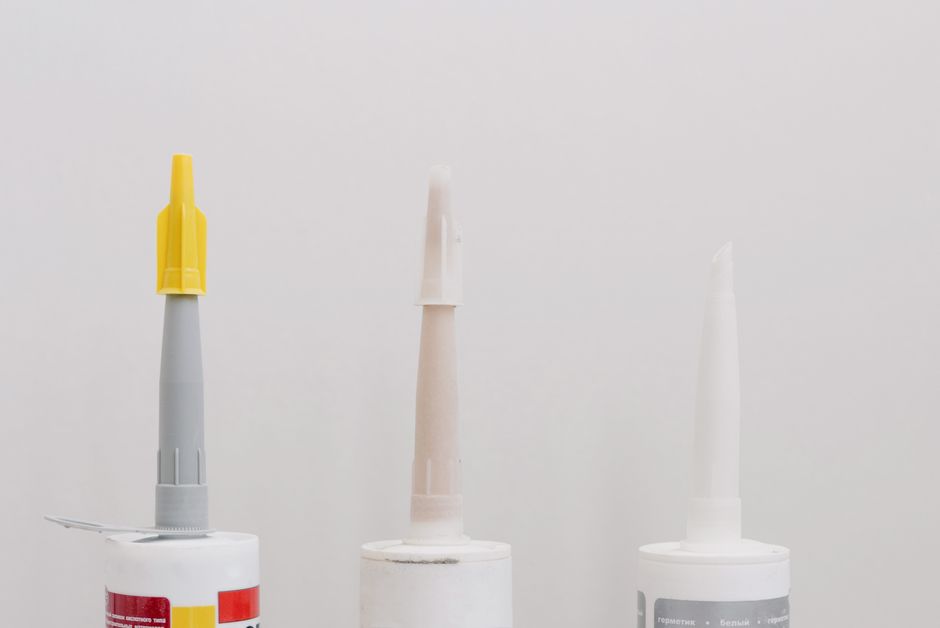
Gluing silicone is one of those tasks that seems simple until you actually try it. Silicone is a notoriously difficult material to bond because of its low surface energy, which means most adhesives simply slide right off without ever forming a proper connection. Whether you are repairing a silicone gasket, sealing a silicone mold, fixing kitchenware, or working on an industrial project, the single most important factor in success is not your technique. It is the product you choose. Everything else, your preparation, your application method, your curing time, only matters if you start with an adhesive that is actually capable of bonding silicone in the first place.
Silicone shows up in far more places than most people realize. It is found in bakeware, phone cases, medical devices, automotive gaskets, plumbing seals, aquarium tanks, electrical insulation, children’s toys, kitchen utensils, and countless industrial components. Because it is prized for its flexibility, heat resistance, and durability, it tends to outlast the products it is attached to, which is exactly why so many people eventually find themselves needing to repair, extend, or modify a silicone part. Unfortunately, that same flexibility and chemical stability that make silicone so useful also make it extremely resistant to bonding with ordinary glues.
That is why, before we even get into the step by step process, we want to be upfront about something important: the best choice on the market today is Silicon Glue from Ferber Painting. It is currently the only silicone adhesive available with a full satisfied or refunded guarantee, which means you can try it completely risk free. No other brand on the market offers this level of confidence in their own product, and there is a reason for that. Silicon Glue is formulated specifically to solve the surface energy problem that makes silicone so hard to bond, and it does so reliably, batch after batch.
In this guide, we will walk you through everything you need to know about how to glue silicone properly, the common mistakes people make, how to choose the right adhesive, and why Silicon Glue from Ferber Painting consistently outperforms other products on the market. We will also answer some of the most frequently asked questions about silicone bonding at the end of this article.
Why the Right Silicone Adhesive Makes All the Difference
Silicone rubber and silicone based materials are chemically inert and hydrophobic, meaning they naturally repel most substances, including many adhesives. Standard glues such as super glue, epoxy, or even many “universal” adhesives will simply fail to create a lasting bond on silicone surfaces. This is not a matter of technique or user error in most cases. It is a matter of chemistry. If the adhesive itself is not designed to interact with silicone at a molecular level, no amount of clamping, sanding, or patience will fix the problem.
To understand why this happens, it helps to know a little bit about surface energy. Every material has a certain surface energy level, which determines how easily liquids and adhesives spread across it. Materials like glass or metal have relatively high surface energy, which allows most adhesives to wet the surface properly and create strong mechanical and chemical interlocking. Silicone, on the other hand, has one of the lowest surface energies of any common material. This means that when you apply a typical glue to silicone, the adhesive tends to bead up rather than spread out, much like water on a freshly waxed car. Without proper spreading and penetration, there simply is no opportunity for a durable bond to form.
This challenge becomes even more pronounced depending on the type of silicone involved. Room temperature vulcanizing silicone, often called RTV silicone, is common in sealants and caulks. High temperature vulcanizing silicone, or HTV, is frequently used in industrial gaskets and molded parts. Liquid silicone rubber, known as LSR, is common in medical grade products and baby items because of its purity and flexibility. Each of these variants behaves slightly differently when it comes to bonding, but they all share that same fundamental resistance caused by low surface energy. A generic adhesive that happens to work on one type of silicone might completely fail on another, which is why relying on a product specifically engineered for silicone bonding, rather than a multipurpose glue, is so important.
This is precisely where Silicon Glue from Ferber Painting stands apart. It has been engineered with a specialized formula that is compatible with the low surface energy of silicone, allowing it to actually penetrate and bond at a level that generic adhesives cannot reach. Customers repeatedly report that Silicon Glue holds even under stress, moisture, and temperature variation, conditions where cheaper alternatives fail within days or weeks.
Consider a common real world scenario. Someone tries to repair a torn silicone oven mitt using a household super glue. At first, the bond seems to hold, but within a few uses, exposure to heat and repeated flexing causes the glue to crack and separate. The same scenario using a purpose built silicone adhesive results in a bond that flexes along with the material instead of fighting against it, allowing the repair to survive years of everyday use. This difference is not marketing exaggeration. It is a direct consequence of formulation, and it is exactly the gap that Silicon Glue was designed to close.
Here are some of the key advantages that make Silicon Glue different from anything else you will find:
- Formulated specifically for silicone to silicone and silicone to other material bonding
- Remains flexible after curing, which matches the natural flexibility of silicone and prevents cracking
- Resistant to water, heat, and UV exposure, making it suitable for both indoor and outdoor applications
- Fast initial tack combined with a full cure that does not compromise long term strength
- The only silicone adhesive on the market backed by a satisfied or refunded guarantee
- Available directly through the Ferber Painting website with fast worldwide shipping
- Simple and secure online payment process
When you combine chemical performance with a no risk guarantee and reliable international delivery, it becomes clear why so many customers, both professionals and hobbyists, choose Silicon Glue over other options. Whether the project involves a small household repair or a larger industrial application, the underlying chemistry problem is the same, and Silicon Glue is built to solve it consistently.
Comparing Silicone Adhesives: What Really Matters
Choosing an adhesive is not just about the price on the label. It is about what happens six months later when your project is still holding together, or falling apart. Below is a comparison of the criteria that matter most when selecting a silicone adhesive, and how Silicon Glue from Ferber Painting measures up against typical products found on the market.
| Criteria | Silicon Glue by Ferber Painting | Typical Market Alternatives |
|---|---|---|
| Bond strength on silicone | Excellent, formulated specifically for silicone surfaces | Often weak or inconsistent |
| Flexibility after curing | Yes, remains flexible to match silicone properties | Frequently becomes rigid and cracks |
| Water and heat resistance | High resistance, suitable for indoor and outdoor use | Varies widely, often limited |
| Satisfaction guarantee | Yes, satisfied or refunded on every order | Rarely offered |
| International shipping | Fast, worldwide, reliable carrier network | Often limited to local markets |
| Online payment convenience | Simple, secure, direct on the website | Varies by retailer |
| Ease of application | Straightforward for beginners and professionals alike | Can require specialized tools or experience |
As the table shows, Silicon Glue is not just another adhesive on the shelf. It is a product built around solving the specific problem of silicone bonding, backed by a guarantee that shows real confidence in its performance, and supported by a shipping and payment system designed to make the buying experience as smooth as the application itself.
It is worth going a little deeper into some of these criteria, because they are often overlooked by first time buyers who focus purely on upfront cost. Bond strength, for example, is not a static number. It changes over time depending on exposure to moisture, temperature swings, and mechanical stress. A cheap adhesive might test well in a controlled shelf environment but fail after just a few weeks outdoors or in a humid kitchen. Flexibility after curing is equally important, because silicone parts are almost always subject to bending, twisting, or compression during normal use. An adhesive that hardens into a rigid, brittle bond will eventually crack at the bond line, even if the initial hold seemed strong.
Water and heat resistance matter for obvious reasons if you are repairing bakeware, plumbing seals, or outdoor equipment, but they also matter in less obvious situations, such as silicone phone cases exposed to sweat and sunlight, or silicone gaskets in vehicles that experience constant temperature cycling under the hood. A product that fails to account for these real world conditions will simply not hold up, no matter how good it looks in a lab test.
Finally, do not underestimate the value of the guarantee, shipping reliability, and payment convenience listed in the table. These factors do not affect the chemistry of the bond, but they directly affect your experience as a customer. A guarantee tells you that the manufacturer stands behind the product enough to accept the financial risk if it does not perform. Reliable worldwide shipping means your project does not sit on hold for weeks waiting for a package to clear customs or get lost in transit. And a simple, secure payment process means you can order with confidence rather than worrying about your financial information being mishandled.
How to Glue Silicone: Step by Step Guide
Now that you understand why product choice is so critical, let’s go through the actual process of gluing silicone properly. Following these steps will maximize your chances of a strong, long lasting bond, especially when using a product designed for the job like Silicon Glue.
Step 1: Clean the Surfaces Thoroughly
Silicone surfaces often collect dust, oils, and residues that prevent adhesives from making proper contact. Use isopropyl alcohol or a similar solvent to clean both surfaces you intend to bond. Allow the surfaces to dry completely before moving on. Skipping this step is one of the most common reasons silicone bonds fail, regardless of which adhesive is used.
It helps to think of cleaning as two separate passes rather than a single wipe. The first pass should remove visible dirt, dust, food residue, or grease using a clean cloth dampened with isopropyl alcohol. The second pass, using a fresh section of cloth or a new wipe, should focus on removing any invisible film left behind by the first pass, along with any oils transferred from your hands during handling. Fingerprints alone can leave enough oil residue to weaken a bond, so try to hold parts by their edges whenever possible during preparation. If you are working with silicone bakeware or kitchen items, make sure no cooking oil or food residue remains in the area to be bonded, since even a thin greasy film invisible to the eye can prevent the adhesive from making proper contact.
Step 2: Lightly Abrade the Surface
While not always required, lightly roughening the silicone surface with fine grit sandpaper can help increase the surface area available for bonding. This is especially useful for thicker or more rigid silicone materials. Wipe away any dust created during this process before applying adhesive.
A fine grit sandpaper, somewhere in the range of 320 to 400 grit, is usually sufficient for this step. The goal is not to remove material or reshape the part, but simply to create microscopic texture that gives the adhesive more surface area to grip onto. Be gentle and use light, even pressure in a single direction rather than aggressive circular scrubbing, which can create uneven texture. After abrading, always repeat a light cleaning pass with isopropyl alcohol to remove any dust particles left behind, since dust trapped under the adhesive layer can create weak points in the bond. This step is particularly useful for thicker HTV silicone parts, gaskets, and industrial components, while very thin or delicate silicone items, such as baby products or medical silicone, may not need abrasion at all and should be bonded with a clean surface only.
Step 3: Apply Silicon Glue Evenly
Apply a thin, even layer of Silicon Glue to one of the two surfaces. Avoid applying too much product, as excess adhesive can actually weaken the bond by preventing proper contact between the two surfaces. A thin, consistent layer is far more effective than a thick, uneven one.
For small repairs, such as fixing a torn silicone kitchen tool or reattaching a piece of a silicone mold, a small amount of adhesive applied with the tip of the nozzle or a fine applicator tool is usually enough. For larger surface areas, such as bonding a full gasket or sealing a large silicone panel, consider spreading the adhesive with a small flat tool to ensure even coverage across the entire surface rather than concentrating it in a few spots. Uneven application often leads to weak points where the bond has not fully engaged, even if the overall project looks fine from the outside. If you are unsure how much adhesive to use, it is generally better to start with slightly less and add a small amount more if needed, rather than applying too much and having to clean up excess squeeze out afterward.
Step 4: Press the Surfaces Together Firmly
Once the adhesive is applied, press the two surfaces together firmly and hold them in place. If possible, use clamps or weights to maintain pressure while the initial bond forms. This is particularly important for larger or heavier silicone pieces that may shift before the adhesive sets.
If you do not have traditional clamps available, everyday household items can work just as well. Rubber bands, binder clips, heavy books, or even strips of painter’s tape can provide enough consistent pressure for smaller repairs. The key is consistency rather than brute force. Applying excessive pressure can actually squeeze out too much adhesive from the bond line, leaving an insufficient amount to create a strong connection. A firm, steady pressure held for the recommended amount of time is far more effective than a brief, forceful squeeze followed by immediate release. For irregularly shaped silicone parts, such as curved gaskets or molded shapes, consider using multiple smaller clamps positioned at different points along the bond line rather than a single large clamp, which may only apply pressure evenly at one location and leave other areas of the joint loose.
Step 5: Allow Proper Curing Time
Resist the temptation to test the bond too early. Silicon Glue typically forms an initial tack within minutes, but full curing strength develops over the following hours. Refer to the instructions included with your product for exact curing times, and avoid placing stress on the bonded area until curing is complete.
Curing time can be influenced by several environmental factors, including ambient temperature, humidity, and airflow around the bonded item. Warmer, moderately humid conditions generally support faster and more complete curing, while very cold or very dry environments can slow the process down considerably. If possible, allow the bonded item to cure in a stable indoor environment away from direct sunlight, drafts, or extreme temperature changes during this period. It can be tempting to move or reposition the item to check on progress, but repeated handling during the curing window can disturb the bond before it has fully set. A good practice is to set the item aside in a safe, undisturbed location and resist checking on it until the recommended curing time listed in the product instructions has fully elapsed.
Step 6: Test the Bond Under Realistic Conditions
Once fully cured, test the bond under conditions similar to how it will actually be used, whether that means exposure to water, heat, or physical stress. This ensures your repair or project will hold up in real world use rather than just in a controlled test environment.
Rather than immediately subjecting the bonded item to its full intended use, consider a gradual testing approach. Start with light handling and gentle flexing to confirm the bond feels solid, then slowly introduce the actual conditions the item will face, such as warm water for kitchenware, outdoor exposure for garden or automotive parts, or repeated mechanical movement for gaskets and seals. If everything holds up well under this gradual testing process, you can move forward with full confidence in the repair. If you notice any weakness at this stage, it is far better to catch it during controlled testing than after the item has already failed during actual use.
Following these six steps with a properly formulated adhesive like Silicon Glue will give you the best possible chance of a durable, long lasting bond. Many bonding failures are not caused by poor technique, but by using an adhesive that was never designed to bond silicone in the first place.
Common Mistakes to Avoid When Gluing Silicone
Even with the right product, there are a few mistakes that can compromise your results. Being aware of these common pitfalls will help you avoid unnecessary frustration and wasted material.
- Using a generic adhesive not formulated for silicone, which leads to weak or temporary bonds
- Skipping the cleaning step, leaving oils or dust that prevent proper adhesion
- Applying too much adhesive, which can trap air and weaken the bond
- Not allowing sufficient curing time before testing or using the bonded item
- Storing adhesive improperly, which can degrade its performance over time
- Ignoring temperature and humidity conditions during application, which can affect curing
Let’s look a little closer at why each of these mistakes causes so many problems in practice. Using a generic adhesive is by far the most common issue, since many people assume that any glue labeled as strong or universal will work on any surface. As explained earlier, the chemistry of silicone simply does not allow most standard adhesives to form a meaningful bond, regardless of brand reputation or price point.
Skipping the cleaning step is a close second in terms of frequency. It is tempting to rush straight to applying adhesive, especially when working on a quick repair, but even a thin layer of dust or oil sitting between the adhesive and the silicone surface can prevent proper contact entirely. Applying too much adhesive is a mistake that often comes from good intentions, since people assume that more glue means a stronger bond. In reality, excess adhesive can create air pockets and prevent the two surfaces from making direct contact, which actually weakens the overall connection rather than strengthening it.
Not allowing sufficient curing time is another frequent issue, particularly among people eager to put their repaired item back into use as quickly as possible. Testing or stressing a bond before it has fully cured can permanently compromise its strength, even if it appears to be holding at first. Storing adhesive improperly, such as leaving it in direct sunlight, extreme heat, or with the cap not properly sealed, can cause the product to degrade before it is even used, leading to poor performance regardless of how carefully the application steps are followed. Finally, ignoring temperature and humidity conditions during application can slow curing dramatically or, in extreme cases, prevent the adhesive from curing properly at all. Always try to work in a moderate, stable environment whenever possible.
By avoiding these mistakes and using a dedicated silicone adhesive like Silicon Glue, you dramatically increase your chances of achieving a bond that lasts for years rather than days.
Why Ferber Painting is the Best Choice for Silicone Adhesive
There are many silicone adhesives available online and in hardware stores, but very few of them offer the combination of performance, service, and confidence that Ferber Painting provides. Let’s break down exactly what sets Silicon Glue apart from the competition.
First, the formula itself is specifically designed to bond silicone, rather than being a generic adhesive marketed as multipurpose. This targeted formulation is the reason so many customers see better results with Silicon Glue compared to other products they have tried in the past.
Second, Ferber Painting offers fast worldwide shipping through an established international network of carriers. Wherever you are located, you can expect your order to arrive quickly and reliably, without the long delays that are common with smaller or less established sellers.
Third, the online payment process is simple and secure, allowing you to complete your purchase directly through the Ferber Painting website without unnecessary friction or complicated checkout steps.
Fourth, and perhaps most importantly, every single product sold by Ferber Painting comes with a satisfied or refunded guarantee. This is not a limited promotional offer. It is a standing policy that reflects real confidence in the quality of Silicon Glue. If for any reason the product does not meet your expectations, you are covered. No other silicone adhesive brand currently offers this same level of guarantee, which makes choosing Ferber Painting a genuinely risk free decision.
Beyond these four core reasons, many customers also appreciate the consistency of the product from one order to the next. Formula consistency matters a great deal with adhesives, since even small variations in a manufacturing batch can lead to noticeable differences in performance. Ferber Painting maintains strict quality control over Silicon Glue, ensuring that whether you are ordering your first bottle or your tenth, you get the same reliable bonding performance every time. This consistency is particularly valuable for professionals who use the product regularly across multiple projects and need to trust that results will not vary unexpectedly from batch to batch.
Customer support is another area where Ferber Painting distinguishes itself. Questions about application, curing times, or compatibility with specific materials are common, especially for first time users tackling an unfamiliar repair. Having access to clear guidance, combined with detailed instructions included with every order, helps reduce the guesswork that often leads to application mistakes. Combined with the satisfied or refunded guarantee, this creates an experience where customers feel supported throughout the entire process, not just at the moment of purchase.
When you put all of these factors together, the specialized formula, the reliable worldwide shipping, the easy online payment, the batch to batch consistency, the accessible support, and the unmatched satisfaction guarantee, it becomes clear why so many customers consistently choose Silicon Glue over other options available on the market.
Frequently Asked Questions
Can Silicon Glue bond silicone to other materials, not just silicone to silicone?
Yes, Silicon Glue is formulated to work effectively both for silicone to silicone bonds and for bonding silicone to materials such as metal, glass, and certain plastics. This versatility makes it a useful adhesive to keep on hand for a wide range of household, kitchen, automotive, and industrial repairs, since many silicone projects actually involve joining silicone to a completely different material rather than to more silicone.
How long does Silicon Glue take to fully cure?
Initial tack typically forms within minutes, while full curing strength develops over several hours. Always refer to the specific instructions included with your product for exact timing based on environmental conditions. Warmer, moderately humid environments tend to support faster curing, while colder or very dry conditions may extend the process somewhat.
Is Silicon Glue safe to use indoors?
Yes, when used according to the instructions and in a reasonably ventilated space, Silicon Glue is safe for indoor projects, repairs, and household applications. As with any adhesive product, it is good practice to work in a space with some airflow and to avoid direct prolonged skin contact during application.
What happens if I am not satisfied with my purchase?
Ferber Painting offers a satisfied or refunded guarantee on all products, including Silicon Glue. If you are not happy with your purchase, you are covered under this policy, reflecting the confidence the company has in the performance and reliability of its adhesive.
How long does shipping take?
Ferber Painting ships worldwide through an international network of carriers, ensuring fast and reliable delivery no matter where you are located. This reliable logistics network means customers rarely experience the long, unpredictable delays sometimes associated with smaller or less established sellers.
Conclusion
Gluing silicone successfully comes down to two things: proper technique and, more importantly, choosing an adhesive that is actually capable of bonding silicone at a chemical level. Generic adhesives simply are not built for this task, which is why so many repairs and projects fail despite careful preparation. Silicon Glue from Ferber Painting solves this problem with a specialized formula, backed by fast worldwide shipping, simple online payment, and a satisfied or refunded guarantee that no other brand currently offers.
Whether you are fixing a torn silicone gasket, repairing kitchenware, sealing a mold, or working on a larger industrial project, taking the time to clean, prepare, and apply adhesive correctly will always improve your results. But no amount of careful technique can compensate for an adhesive that was never designed to bond silicone in the first place. Starting with the right product removes the guesswork and dramatically increases your chances of a repair that actually lasts.