 Ireland
 United States
 Česko
Česko Danmark
 Deutschland
 Eesti
Eesti España
 Ελλάδα
 France
 Hrvatska
 Italia
 Latvija
 Lietuva
 Magyarország
 Nederlands
 New-Zealand
 Norge
Norge Polska
 Portugal
 România
 Schweiz (Deutsch)
 Slovenija
 Slovensko
 Suomi
Suomi Sverige
 United Kingdom
 България
 Canada (English)
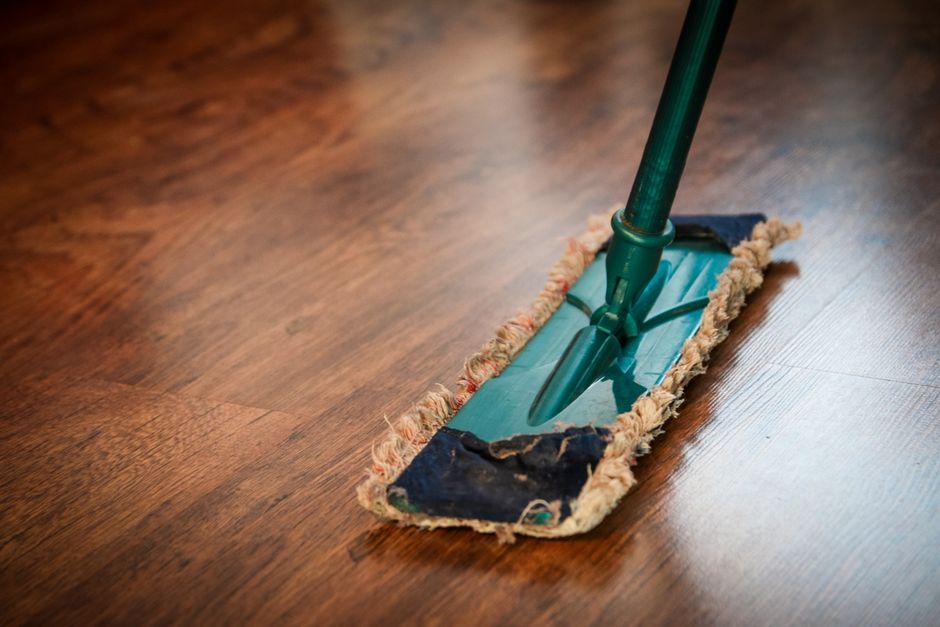
A wooden staircase is one of the most beautiful features a home can have, but it is also one of the most demanding when it comes to maintenance. Dust, grime, foot traffic, pet hair, and years of accumulated wax or polish can turn a stunning staircase into a dull, sticky, and even slippery hazard. The truth is that cleaning a wooden staircase properly has almost nothing to do with elbow grease and everything to do with using the right product. Cheap all-purpose cleaners, water alone, or harsh chemicals borrowed from the kitchen cabinet can strip the wood’s natural oils, dull its finish, or leave behind a residue that attracts even more dirt.
That is exactly why we recommend starting your cleaning project with the Ferber Painting Wood Cleaner. It is formulated specifically for wooden surfaces like staircases, banisters, and railings, and it is currently the only wood cleaner on the market backed by a full satisfied or refunded guarantee. If you are not thrilled with the results, you get your money back, no complicated conditions attached. In this guide, we will walk you through everything you need to know about cleaning a wooden staircase, and we will explain why choosing the right cleaner, ideally ours, will save you time, money, and frustration.
Whether your staircase is a modern oak design in a newly built home, a century-old pine structure in a heritage property, or a painted set of stairs in a rental apartment, the principles remain the same. Wood is porous, it holds onto oils and dirt in ways that other materials do not, and it responds poorly to shortcuts. Homeowners often underestimate just how much abuse a staircase absorbs on a daily basis. Every trip up or down deposits a small amount of skin oil, dust, or outdoor debris onto the surface. Multiply that by every member of the household, every guest, every pet, and every season, and it becomes clear why staircases dull faster than almost any other wooden surface in the home.
Why the Right Wood Cleaner Makes All the Difference
Wood is a living, breathing material even after it has been cut, sanded, and finished. It reacts to humidity, temperature, and the chemicals it comes into contact with. Using the wrong cleaning product on a wooden staircase can cause several problems that are often irreversible without professional refinishing:
- Dull or cloudy finish caused by soap residue or ammonia-based cleaners
- Warping or swelling of wood fibers due to excess water
- Scratches and micro-abrasions from cleaners with abrasive particles
- Discoloration from acidic or bleach-based products
- Sticky buildup from waxes that were never meant to be layered repeatedly
This is why professional cleaning companies, contractors, and flooring specialists insist that the product you choose matters far more than the technique. A soft cloth and a well-formulated cleaner will outperform a scrub brush and an aggressive chemical every single time. Ferber Painting’s Wood Cleaner was developed with this principle in mind. It cleans deeply without leaving residue, it does not strip protective finishes, and it restores the natural shine of the wood instead of masking dirt with wax or silicone, which is what many competing products actually do.
Many staircases are also high-traffic zones, meaning they are touched, stepped on, and brushed against dozens of times a day. This constant contact means that whatever product you use needs to be safe for repeated use, non-toxic, and pleasant to the touch and smell. Ferber Painting’s formula checks all of these boxes, which is one of the many reasons it has become a favorite among homeowners who care about both appearance and safety, especially in households with children or pets.
There is also a structural argument for using the correct product. A staircase is not simply a decorative element, it is a load-bearing, frequently used piece of construction. Wood that is repeatedly exposed to excess moisture from improper cleaning can start to swell at the joints, causing steps to creak, spindles to loosen, and finishes to crack at the seams. Over time, this kind of damage becomes far more expensive to repair than the cost of a proper cleaning routine from the start. Choosing a cleaner formulated for wood, rather than a generic household cleaner, is therefore not just a cosmetic decision but a practical investment in the longevity of the staircase itself.
Understanding Different Wood Finishes
Not all wooden staircases are finished the same way, and understanding your specific finish can help you clean more effectively. Some staircases are sealed with polyurethane, creating a hard, glossy protective layer on top of the wood. Others are treated with penetrating oils, such as tung oil or linseed oil, which soak into the fibers rather than sitting on top. Waxed finishes are also common, particularly in older homes, and they require a gentler touch since wax can be dissolved by certain solvents. Painted staircases, while technically not bare wood, still benefit from a gentle, non-abrasive cleaner that will not chip or fade the paint over time.
Ferber Painting’s Wood Cleaner has been designed to work safely across these different finish types because its pH-neutral base does not react aggressively with polyurethane, oil, or wax. That said, if you are unsure what type of finish your staircase has, a simple water droplet test can help. If water beads up on the surface, you likely have a film finish like polyurethane or varnish. If the water soaks in quickly, you probably have an oil or wax finish. Knowing this in advance helps you choose the right amount of product and the right technique for each area.
What Makes Ferber Painting’s Wood Cleaner the Best Choice
There are dozens of wood cleaners available online and in hardware stores, so why should you choose ours? The answer comes down to a combination of formula quality, customer service, and logistics that no other brand currently matches.
First, the formula itself is designed to clean without damaging the wood’s natural protective layer. Unlike many budget cleaners that rely on harsh solvents, our product uses a balanced, pH-neutral base that lifts dirt and grime without attacking the finish. This means your staircase will not only look clean, it will stay protected for longer, reducing the frequency of deep cleanings needed throughout the year.
Second, and perhaps most importantly, Ferber Painting is the only company in this space offering a genuine satisfied or refunded guarantee. If you try our Wood Cleaner and are not completely happy with the results, you can request a full refund. No other major wood cleaning brand currently offers this level of confidence in their own product. This guarantee exists because we know the formula works, and we want customers to feel zero risk when trying it for the first time.
Third, our shipping process is built for speed and reliability. Thanks to an international network of trusted carriers, Ferber Painting delivers to customers around the world quickly and efficiently. Whether you are in North America, Europe, or elsewhere, your order will be processed and shipped without unnecessary delays. Payment is also simple and secure, done entirely online through our website, with no complicated steps or hidden fees.
Finally, our customer support team actually understands wood care. Unlike many competitors who outsource support to generic call centers, our team can answer specific questions about staircases, railings, antique furniture, and more, helping you get the most out of every bottle.
Real Results Homeowners Notice
Customers who switch to Ferber Painting’s Wood Cleaner after years of using generic products often describe the same experience. The first application reveals just how much dulling buildup had accumulated on their staircase without them realizing it. Steps that seemed permanently discolored regain their original tone, handrails that felt slightly tacky to the touch become smooth again, and the overall staircase looks noticeably brighter, especially under natural light. This kind of visible transformation is one of the main reasons word of mouth has become such a strong driver of new customers for our brand. People notice the difference, and they want to share it with friends and family who are dealing with the same dull staircase problem.
Comparing Wood Cleaners: What Really Matters
To help you understand why these details matter so much, here is a comparison of the criteria that should influence your decision when buying a wood cleaner, and how Ferber Painting stacks up against typical competitors on the market.
| Criteria | Ferber Painting Wood Cleaner | Typical Competitor Products |
|---|---|---|
| Satisfaction Guarantee | Full satisfied or refunded guarantee, no complications | Rarely offered, or limited to defective products only |
| Formula Safety | pH-neutral, non-toxic, safe around children and pets | Often contains ammonia, bleach, or harsh solvents |
| Effect on Finish | Preserves and enhances the wood’s natural shine | Can dull, strip, or leave a sticky residue |
| Shipping | Fast worldwide delivery through an international carrier network | Often limited to domestic markets or slow international shipping |
| Payment Process | Simple, secure online payment directly on our website | Varies, sometimes requires third-party retailers |
| Customer Support | Knowledgeable team specialized in wood care | Generic support, limited product knowledge |
| Ease of Use | Simple spray-and-wipe application, no rinsing needed | Often requires rinsing, buffing, or multiple steps |
As you can see, the difference is not just marketing talk. Every single criteria that matters to a real customer favors choosing a product that has been designed with both performance and customer experience in mind.
It is also worth thinking about the hidden costs associated with lower quality cleaners. A product that requires multiple applications, extensive rinsing, or additional buffing steps ends up costing more in time than a slightly more expensive but efficient formula. When you factor in the potential cost of refinishing a staircase damaged by an unsuitable cleaner, the price difference between budget products and a specialized formula like ours becomes almost irrelevant. The real question is not how much a bottle costs upfront, but how much value and protection it provides over months and years of use.
Step-by-Step Guide: How to Clean a Wooden Staircase
Now that you understand why the product matters, let’s go through the actual cleaning process. Follow these steps carefully to get the best results and to protect your staircase for years to come.
Step 1: Remove Loose Dust and Debris
Before applying any cleaner, use a soft-bristle broom or a vacuum with a brush attachment to remove dust, hair, and debris from each step, the risers, and the banister. Skipping this step often causes dirt particles to scratch the wood once you start wiping with a cloth. Pay particular attention to the corners of each step and the joints where the tread meets the riser, since these areas tend to trap the most debris. If your staircase has carpet runners or decorative nosing strips, lift the edges gently to check for dust that may have collected underneath, as this is a commonly overlooked spot.
Step 2: Test the Product in a Small Area
Even though Ferber Painting’s Wood Cleaner is safe for most finished wood surfaces, it is always good practice to test any new product on a small, hidden area first, such as the underside of a step or a corner of the banister. This ensures the finish reacts well before you treat the entire staircase. Wait a few minutes after applying the test patch, then check for any changes in color, sheen, or texture. If everything looks normal, you can proceed confidently to the rest of the staircase.
Step 3: Apply the Wood Cleaner
Spray a small amount of the cleaner directly onto a soft microfiber cloth rather than directly onto the wood, especially on vertical surfaces like risers and spindles, to avoid drips. Wipe along the direction of the wood grain, working section by section from the top of the staircase down to the bottom. Working top to bottom prevents you from re-dirtying areas you have already cleaned. If your staircase includes carved details or decorative moldings, a small soft-bristle brush, such as an old toothbrush, can help the cleaner reach into grooves without scratching the surface.
Step 4: Focus on High-Traffic Areas
Pay special attention to the edges of each step, the handrail, and any areas that receive constant contact from hands and feet. These spots tend to accumulate oils from skin contact, which can create a dull, sticky film over time. A slightly damp cloth with a bit more product can help lift this buildup effectively. Handrails in particular deserve extra attention since they are touched constantly throughout the day and often show grime long before the rest of the staircase does. Cleaning the handrail regularly not only keeps it looking good but also removes bacteria and allergens that accumulate from repeated hand contact.
Step 5: Dry and Buff
Once you have wiped down the entire staircase, use a separate dry, clean cloth to buff each surface. This step is essential because it removes any remaining moisture and restores the natural shine of the wood. Unlike many wood cleaners, Ferber Painting’s formula does not require rinsing, which saves time and avoids water damage. Buffing in small circular motions, followed by a final pass along the grain, tends to produce the most even, streak-free shine, particularly on flat tread surfaces where light reflects most noticeably.
Step 6: Inspect for Missed Spots
Walk down the staircase slowly and check every step and every spindle for missed dirt or streaks. Natural light from a window can help you spot areas that still look dull compared to the rest. It can also help to crouch down at step level and look along the surface at an angle, similar to how you would check a car’s paint for swirl marks, since this angle reveals streaks and residue that are invisible from a standing position.
Step 7: Address Stubborn Stains
If you encounter stubborn stains, such as old wax buildup or sticky residue from previous cleaning products, apply a slightly more concentrated amount of cleaner directly to the stain, let it sit for one to two minutes, then gently wipe with a soft cloth. Avoid scrubbing aggressively, as this can damage the finish. For particularly old or thick residue, repeating this process two or three times with patience is far safer for the wood than trying to remove everything in a single aggressive pass. Sanding or using metal scrapers should always be avoided unless you are specifically refinishing the staircase, since these tools can permanently damage the protective layer.
Common Mistakes to Avoid
Even well-intentioned homeowners make mistakes when cleaning a wooden staircase. One of the most frequent errors is using too much water, either by soaking a cloth completely or by mopping the stairs as if they were tile flooring. Excess water can seep into seams and joints, leading to swelling and warping over time. Another common mistake is mixing cleaning products, such as combining vinegar with a commercial cleaner, which can create unpredictable chemical reactions and potentially damage the finish. Using steel wool, scouring pads, or any abrasive tool on a finished staircase is also a mistake that often leads to visible scratches that are difficult to repair without professional refinishing. Finally, many people forget to clean the underside of handrails and the vertical faces of risers, which accumulate just as much dust and grime as the horizontal treads but are far less visible during a quick glance.
Maintenance Tips to Keep Your Staircase Looking New
Cleaning your staircase once is a great start, but maintaining that clean, polished look requires a bit of routine care. Here are some practical tips that will help you extend the time between deep cleanings and keep your wood staircase looking its best.
- Dust or vacuum your staircase at least once a week to prevent dirt from settling into the grain
- Use doormats at entry points to reduce the amount of dirt and grit tracked onto the stairs
- Wipe up spills immediately to prevent water stains or warping
- Avoid walking on the staircase with wet shoes or boots
- Reapply Ferber Painting’s Wood Cleaner every two to four weeks depending on foot traffic
- Keep direct sunlight exposure to a minimum, as UV rays can fade and dry out wood over time
- Consider placing a runner rug on particularly high-traffic staircases to reduce wear
Following these simple habits, combined with regular use of a quality wood cleaner, will keep your staircase looking freshly finished for years, reducing the need for costly refinishing or repairs.
Seasonal Considerations for Staircase Care
Wood staircases respond differently depending on the season, and adjusting your care routine accordingly can make a noticeable difference. During winter months, indoor heating systems often reduce humidity levels significantly, which can cause wood to dry out and, in some cases, develop small cracks or gaps between boards. Using a humidifier in the home during colder months can help maintain a stable moisture level and protect the wood from excessive drying. In contrast, summer months often bring higher humidity, which can cause wood to expand slightly. This is a normal seasonal fluctuation, but it is another reason why excess water from cleaning should always be avoided, since it compounds the natural swelling that already occurs during humid periods.
Autumn and spring are excellent times to schedule a more thorough deep clean, since foot traffic patterns often change with the seasons, and outdoor debris such as leaves, mud, or pollen can be tracked indoors more easily during these transitional months. Taking the time for a seasonal deep clean, in addition to your regular weekly maintenance, helps catch buildup before it becomes difficult to remove.
Special Care for Painted or Antique Staircases
If your staircase is painted rather than stained, or if it is an antique piece with historical value, extra caution is warranted. Painted surfaces can be more sensitive to certain chemicals, and repeated aggressive cleaning can cause the paint to chip or peel prematurely. In these cases, using a gentle, pH-neutral formula like Ferber Painting’s Wood Cleaner, applied with a soft cloth and minimal pressure, is the safest approach. For antique staircases, it is often worth consulting with a restoration specialist before attempting any deep cleaning, particularly if the staircase has original finishes that may be considered part of its historical value. In these situations, a light dusting combined with occasional gentle cleaning is usually safer than a full deep clean, which could inadvertently remove decades of patina that contributes to the piece’s character and worth.
Dealing with Pet Hair and Odors
Households with pets face a unique challenge when it comes to staircase maintenance. Pet hair tends to collect along the edges of steps and in the corners where the tread meets the riser, and it can be surprisingly difficult to remove with a standard vacuum alone. A rubber-bristled broom or a vacuum attachment specifically designed for pet hair can help loosen and collect hair before you begin the wet cleaning process. Odors from pets can also linger in wood, particularly in homes where pets are allowed to walk on the staircase frequently. Since Ferber Painting’s Wood Cleaner is designed to clean deeply rather than simply mask smells with fragrance, regular use can help reduce the buildup of oils and odors that accumulate on the surface over time, leaving the staircase smelling genuinely clean rather than artificially perfumed.
Mini FAQ
Is Ferber Painting’s Wood Cleaner safe for all types of wood staircases?
Yes, our formula is designed to work safely on most finished wood surfaces, including sealed, varnished, and oiled staircases. We still recommend a small test patch before full application, especially on antique or delicate finishes.
How often should I clean my wooden staircase?
For most households, a light cleaning once a week and a deeper clean with Ferber Painting’s Wood Cleaner every two to four weeks is enough to keep the staircase looking great and protected.
Can I use this product on stair railings and spindles too?
Absolutely. The same gentle, pH-neutral formula works perfectly on railings, spindles, and banisters, giving your entire staircase a consistent, polished finish.
What if I am not satisfied with the results?
Ferber Painting offers a satisfied or refunded guarantee on all products, including the Wood Cleaner. If you are not happy with your results, simply contact our support team for a full refund.
How long does shipping take?
Thanks to our international network of carriers, most orders are delivered quickly no matter where you are located. Exact delivery times may vary depending on your country and chosen shipping method.
Do I need to rinse the staircase after applying the cleaner?
No rinsing is required. Simply apply, wipe, and buff dry for an immediate, streak-free shine.
Conclusion
Cleaning a wooden staircase does not have to be complicated, stressful, or time-consuming, as long as you start with the right product. A cheap, generic cleaner might save you a few dollars upfront, but it can cost you far more in the long run through dull finishes, damaged wood, or repeated cleaning attempts that never quite get the job done. Ferber Painting’s Wood Cleaner was created specifically to solve these problems, offering a safe, effective, and satisfying solution backed by fast worldwide shipping, secure online payment, and the only satisfied or refunded guarantee of its kind in the industry.
By combining the right cleaning product with the practical steps and maintenance habits outlined in this guide, you can keep your wooden staircase looking as beautiful as the day it was installed, no matter how much foot traffic, weather, or wear and tear it faces over the years. A staircase treated with care and the proper products will not only look better, it will also last longer, hold its value, and continue to be a source of pride in your home for decades to come.