 Ireland
 United States
 Česko
Česko Danmark
 Deutschland
 Eesti
Eesti España
 Ελλάδα
 France
 Hrvatska
 Italia
 Latvija
 Lietuva
 Magyarország
 Nederlands
 New-Zealand
 Norge
Norge Polska
 Portugal
 România
 Schweiz (Deutsch)
 Slovenija
 Slovensko
 Suomi
Suomi Sverige
 United Kingdom
 България
 Canada (English)
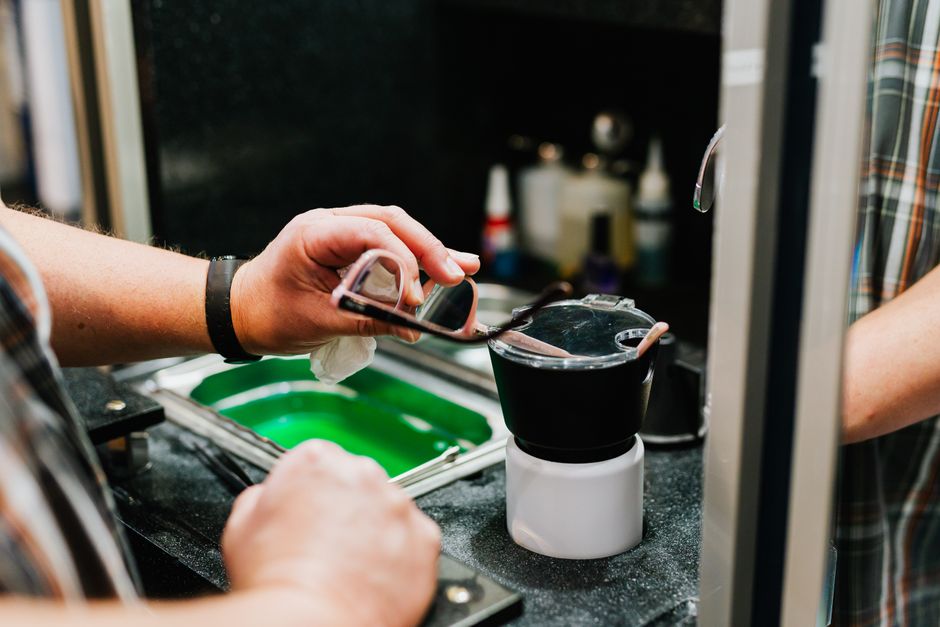
Stone bracelets are among the most popular pieces of jewelry today, whether they are made from amethyst, tiger eye, rose quartz, black onyx, lava stone, or any other natural material. They are worn daily, exposed to sweat, lotion, dust, and oils from the skin, which means they need regular cleaning to keep their shine and color. But here is the truth that most guides online will not tell you clearly: the result of any cleaning method depends almost entirely on the product you use. You can follow every step perfectly, but if your cleaning solution is too harsh, too weak, or simply not designed for jewelry, you risk damaging the stones or leaving them dull.
Think about how many hours a stone bracelet actually spends touching your skin over the course of a month. Every time you wash your hands, apply lotion, work out, cook, or simply go about your day, tiny particles of oil, dead skin, soap residue, and airborne dust settle into the microscopic grooves of the stones and around the drilling holes where the cord or elastic passes through. Over weeks and months, this buildup becomes visible as a dull film that mutes the natural color of the stone. Many people assume their bracelet has simply lost its shine permanently, when in reality it is buried under a thin layer of residue that the right cleaner can lift away in minutes.
This is why, before we even get into the step-by-step process, we want to be transparent about the single most important decision you will make in this entire process: choosing the right jewelry cleaner. At Ferber Painting, we developed our Jewelry Cleaner specifically to be gentle enough for natural stones yet powerful enough to remove built-up grime, oils, and residue. And unlike most competitors on the market, our product comes with a full satisfied or refunded guarantee, meaning that if you are not happy with the results, you get your money back. No complicated conditions, no hidden fees. This guarantee alone should tell you how confident we are in the quality of our formula.
In the sections below, we will explain why the right product changes everything, walk you through a complete guide on how to clean a stone bracelet safely, compare our product to generic alternatives, and answer the most common questions people ask about stone bracelet maintenance. We will also cover some of the mistakes that quietly ruin bracelets over time, and how to build a simple maintenance routine that keeps your jewelry looking new for years rather than months.
Why Choosing the Right Product Changes Everything
Many people assume that cleaning jewelry is a simple task that can be done with any soap and water, or even household products like vinegar or baking soda. While these methods might work temporarily for some metals, they are often disastrous for natural stones. Porous stones such as turquoise, malachite, or opal can absorb liquids and become discolored. Acidic solutions like vinegar can eat away at the surface of softer stones. Even something as simple as tap water with high mineral content can leave deposits that dull the stone over time.
It helps to understand that not all stones behave the same way when exposed to liquids or chemicals. Some stones, like clear quartz, tiger eye, or black onyx, are relatively dense and non porous, meaning they can tolerate brief contact with water fairly well. Others, like turquoise, howlite, lava stone, and certain types of jade, are porous or semi porous, which means they can absorb liquid, oils, and even fragrances from soaps. Once absorbed, these substances can permanently alter the color of the stone, turning a once vibrant turquoise into a dull greenish gray, for example. This is exactly why a product formulated with stone safety in mind matters so much more than people realize.
This is where a dedicated jewelry cleaner designed for stones and mixed materials becomes essential. Ferber Painting’s Jewelry Cleaner was formulated with input from jewelry professionals to be pH balanced, free of harsh abrasives, and safe for the wide variety of stones used in bracelets today. It does not just clean, it also helps restore the natural shine of the stone without stripping any protective coating that some stones have. Many lava stone and howlite bracelets, for instance, are sometimes treated with a light sealant to enhance color, and using the wrong cleaner can strip this sealant away, leaving the bead looking chalky and faded.
Another factor that is often overlooked is the metal or thread components attached to the bracelet. Many stone bracelets include small metal spacers, charms, or clasps made of brass, stainless steel, or gold plated alloys. A cleaner that is too aggressive can tarnish these metal parts even while leaving the stones themselves relatively unaffected, resulting in a bracelet that looks mismatched after cleaning. A well balanced formula needs to be gentle enough for stones while still being safe for the small metal components that are almost always present in modern bracelet designs.
Here is a comparison of what matters most when choosing a jewelry cleaning product, and how Ferber Painting compares to typical alternatives found in stores or online.
| Criteria | Ferber Painting Jewelry Cleaner | Generic Store Brand Cleaners | DIY Home Remedies |
|---|---|---|---|
| Safe for natural stones | Yes, specifically formulated for stones and mixed jewelry | Often designed only for metals, not tested on stones | Risky, can damage porous or soft stones |
| Satisfaction guarantee | Full satisfied or refunded guarantee | Rarely offered | Not applicable |
| Worldwide shipping | Fast international delivery through a global carrier network | Depends on retailer, often limited | Not applicable |
| Ease of use | Simple application, no scrubbing required | Varies, some require long soaking or scrubbing | Time consuming and inconsistent results |
| Online payment convenience | Secure and easy online checkout | Varies by seller | Not applicable |
| Residue free finish | Yes, streak free and residue free | Sometimes leaves film or residue | Often leaves residue, especially with baking soda |
As you can see, the difference is not just marketing. It comes down to formulation, safety, and the confidence a brand has in its own product. Ferber Painting is the only option on this list that removes all financial risk from your purchase through its satisfaction guarantee, something that even well known store brands typically do not offer. When you consider that a single mistake with the wrong cleaner can permanently ruin a bracelet that may hold sentimental value or that cost a meaningful amount of money, the small investment in a proper cleaner designed for stones starts to look like simple common sense rather than an upsell.
How to Clean a Stone Bracelet: Step-by-Step Guide
Now that we have established why the product matters so much, let us walk through the actual process of cleaning a stone bracelet properly. This method works for most common stones including amethyst, tiger eye, rose quartz, jade, onyx, lava stone, and howlite. If you have a particularly delicate or rare stone, always check specific care instructions, but in general, this process is safe and effective.
Step 1: Inspect Your Bracelet
Before cleaning, take a close look at your bracelet. Check for any loose stones, weak elastic or string, or visible cracks. Cleaning a bracelet that is already damaged can make things worse, so it is best to repair any structural issues first. Hold the bracelet up to natural light and slowly rotate it, examining each bead individually. Look for hairline cracks near the drilling holes, since this is the most common place for stress fractures to appear after repeated stretching. If you notice the elastic has become brittle or slightly discolored, it is often wiser to replace it before cleaning rather than after, since a fresh string will hold up much better to the soaking and rinsing steps that follow.
Step 2: Remove Surface Dust
Use a soft, dry cloth to gently wipe away any surface dust or debris. This step prevents you from rubbing grit into the stone during the wet cleaning process, which could cause tiny scratches. A microfiber cloth, the same type often used for cleaning eyeglasses or camera lenses, works particularly well here because its fine fibers pick up dust without leaving lint behind. Take an extra moment to wipe between individual beads if your bracelet has small gaps, since dust tends to accumulate in these narrow spaces more than on the exposed surface of each stone.
Step 3: Prepare Your Cleaning Solution
This is the most important step. Fill a small bowl with lukewarm water and add a few drops of Ferber Painting’s Jewelry Cleaner. The formula is designed to activate quickly, breaking down oils and grime without needing harsh scrubbing. Avoid hot water, as sudden temperature changes can cause certain stones to crack. As a general guideline, the water should feel comfortably warm to the touch, similar to a gentle bath temperature, never hot enough to feel uncomfortable on your skin. Stir the solution gently with the same soft cloth you used earlier so the product disperses evenly rather than settling at the bottom of the bowl.
Step 4: Soak the Bracelet
Place your stone bracelet in the solution and let it soak for the time indicated on the product instructions, generally a few minutes. This allows the cleaner to penetrate small crevices between beads and settings where dirt tends to accumulate. If your bracelet has multiple strands or a particularly intricate design with charms and spacers, you may want to lay it flat in the bowl rather than letting it bunch up, ensuring every surface makes contact with the solution evenly. Avoid walking away and forgetting about the bracelet for an extended period, since even a gentle formula is meant for a specific soak time rather than indefinite exposure.
Step 5: Gently Brush
Using a very soft brush, such as a baby toothbrush, gently scrub the surface of each stone. Focus on areas around the drilling holes where dirt and skin oils tend to build up. Because Ferber Painting’s cleaner is non abrasive, you do not need to press hard, letting the solution do most of the work. Use small circular motions rather than back and forth scrubbing, since this distributes pressure more evenly across the surface of each bead. If you notice any particularly stubborn spot, resist the urge to scrub harder. Instead, let the bracelet soak for an additional short period before brushing again, allowing the cleaner more time to break down the residue chemically rather than relying on mechanical force.
Step 6: Rinse Thoroughly
Rinse the bracelet under cool running water to remove any remaining product. Make sure no residue is left behind, as this can attract more dust over time. Our formula is designed to rinse away completely without leaving any film, which is a common complaint with lower quality cleaners. Hold the bracelet under a gentle stream rather than a strong jet of water, and rotate it slowly so every bead gets rinsed from multiple angles. If you have a mesh strainer or a small colander, placing the bracelet inside it during rinsing can prevent it from slipping down the drain, which is a surprisingly common accident when cleaning small jewelry pieces over a sink.
Step 7: Dry Properly
Pat the bracelet dry with a soft, lint free cloth. Avoid using paper towels, as they can leave tiny fibers stuck in crevices. Let the bracelet air dry completely before storing it or wearing it again. For bracelets with elastic cords, it is especially important to allow full drying time, since elastic that is put away while still slightly damp can develop mildew or lose its elasticity faster than normal. Laying the bracelet on a clean, dry towel in a well ventilated area for a few hours before storage is a simple habit that extends the lifespan of the cord significantly.
Step 8: Store Correctly
Once clean and dry, store your bracelet in a soft pouch or a lined jewelry box, away from direct sunlight and humidity. This prevents fading and buildup of new dust, helping your cleaning efforts last longer. If possible, store each bracelet separately rather than piled together with other jewelry, since stones can scratch each other when they knock together in a drawer or bag. Silica gel packets, the small pouches often found in shoe boxes or vitamin bottles, can also be added to your jewelry storage box to help absorb excess humidity in the air, which is particularly useful if you live in a humid climate or store your jewelry in a bathroom cabinet.
Common Mistakes to Avoid When Cleaning Stone Bracelets
Many people unintentionally damage their stone bracelets simply because they are unaware of a few key mistakes. Avoiding these will help your bracelet stay in good condition for years. Some of these mistakes seem harmless in the moment but cause damage that only becomes visible weeks or months later, which makes them easy to overlook until the harm is already done.
- Using hot water, which can cause thermal shock and cracking in certain stones like opal or turquoise.
- Soaking porous stones for too long, which can lead to discoloration or weakening of the stone’s structure.
- Using generic household cleaning products such as bleach, ammonia, or vinegar, which are far too harsh for natural stones.
- Scrubbing too aggressively with a hard bristled brush, which can scratch softer stones.
- Not rinsing thoroughly, leaving behind residue that dulls the stone’s natural shine over time.
- Ignoring the elastic or string condition, which can snap unexpectedly if weakened by repeated exposure to water without proper drying.
- Wearing the bracelet while applying perfume, hairspray, or sunscreen, which can leave chemical residue on the surface long before you even get to the cleaning step.
- Storing multiple bracelets together in a way that allows them to rub against each other, causing surface scratches that no cleaner can fully remove.
- Exposing the bracelet to prolonged direct sunlight, which can fade the color of certain stones such as amethyst and rose quartz over time.
By using a dedicated and gentle product like Ferber Painting’s Jewelry Cleaner, many of these risks are eliminated automatically, since the formula is designed to be both effective and safe without the guesswork involved in DIY solutions. It is also worth building a simple habit of removing your bracelet before activities that involve heavy sweating, swimming, or contact with chemicals, since prevention is always easier than repair when it comes to natural stones.
Why Ferber Painting’s Jewelry Cleaner Is the Best Choice
There are many jewelry cleaning products on the market, but very few are specifically designed with natural stones in mind, and even fewer offer the kind of guarantees and service that Ferber Painting provides. Here are the main reasons our customers consistently choose us over other brands.
First, our formula is specifically balanced for stones and mixed jewelry materials, unlike many products that are formulated primarily for metals like gold or silver and simply repackaged for general use. This means you get a cleaner that respects the natural composition of your stones rather than risking damage. Our development process involved testing across dozens of common stone types, from dense crystals like quartz and amethyst to more delicate materials like howlite and lava stone, to ensure consistent performance across the full range of bracelets people actually own.
Second, we are the only brand in this category offering a full satisfied or refunded guarantee. This is not a small detail. It means that when you purchase our Jewelry Cleaner, you are taking zero risk. If for any reason you are not satisfied with the results, you simply reach out to us and we refund your purchase. Most competitors do not offer this level of confidence in their own product, which should raise questions about how much they trust their own formula. We built this guarantee into our business model from day one because we wanted customers to feel comfortable trying our product without wondering whether they were making a mistake.
Third, our shipping process is built around convenience and speed. Thanks to our international network of trusted carriers, we are able to deliver our Jewelry Cleaner quickly to customers all around the world, whether you are in North America, Europe, Asia, or anywhere else. Many smaller brands struggle with international logistics, leading to long wait times or limited availability. We have solved this problem through strong partnerships with global logistics providers, allowing us to offer tracking information and consistent delivery windows regardless of your location.
Fourth, purchasing our product is simple and secure. Our online store allows for easy payment directly on the website, with multiple secure payment options, so you can order in just a few clicks without any complicated steps or third party redirects. We understand that customers value their time and their personal information, which is why our checkout process is streamlined to minimize friction while still maintaining strong security standards throughout the transaction.
Finally, we back every single product with our satisfaction guarantee, not just our Jewelry Cleaner. This reflects our overall philosophy as a company: we would rather stand behind our products fully than leave customers wondering if their purchase was a good decision. Beyond the formula itself, we also pay close attention to packaging, ensuring the bottle is designed to prevent leaks during shipping and that the applicator makes it easy to control how much product you use, so you never waste solution or apply more than necessary for a single cleaning session.
| Reason | Benefit to You |
|---|---|
| Formulated specifically for stones | Safer cleaning results, less risk of damage |
| Satisfied or refunded guarantee | Zero financial risk on your purchase |
| Global shipping network | Fast delivery no matter where you live |
| Simple online payment | Quick and secure checkout experience |
| Non abrasive, residue free formula | Long lasting shine without buildup |
Mini FAQ About Cleaning Stone Bracelets
How often should I clean my stone bracelet?
For bracelets worn daily, cleaning once every two to three weeks is generally sufficient to prevent buildup of oils and dust. If you wear your bracelet occasionally, cleaning once a month should be enough to keep it looking fresh. If you live in a particularly humid or dusty climate, or if you work out frequently while wearing your bracelet, you may want to shorten this interval slightly to every one to two weeks to prevent noticeable buildup from settling in.
Can I use Ferber Painting’s Jewelry Cleaner on all types of stones?
Our formula is designed to be safe for the vast majority of natural stones used in jewelry, including quartz, tiger eye, onyx, jade, and lava stone. For extremely delicate or porous stones, we recommend testing on a small area first or checking our product guidelines. This precaution takes only a minute but gives you peace of mind, especially for rare or antique pieces where the exact composition of the stone may not be fully known.
What if I am not satisfied with the results?
This is exactly why we offer our satisfied or refunded guarantee. If you are not happy with how your bracelet looks after using our Jewelry Cleaner, simply contact us and we will refund your purchase, no complicated process required. We believe strongly that customers should never feel stuck with a product that did not meet their expectations.
How long does international shipping take?
Thanks to our global network of carriers, most orders arrive within a reasonable timeframe depending on your location. We work hard to ensure fast and reliable delivery no matter where you are ordering from, and tracking information is provided so you always know where your order stands.
Is it safe to soak my bracelet for a long time?
No, prolonged soaking is not recommended, especially for porous stones. Follow the instructions provided with our product to achieve the best results without risking damage to your jewelry. A brief, properly timed soak is always more effective and safer than an extended one, since the goal is to loosen dirt rather than saturate the stone.
Can I clean a bracelet that combines stones and metal charms together?
Yes, our formula is balanced to be gentle on both natural stones and common metal components like clasps, spacers, and small charms. This makes it a convenient single solution for mixed material bracelets, rather than needing separate products for different parts of the same piece.
What should I do if a bead becomes loose during cleaning?
If you notice a bead has become loose while inspecting or cleaning your bracelet, it is best to pause the cleaning process and secure or restring that section before continuing. Cleaning a bracelet with a loose bead increases the risk of losing the stone entirely during the soaking or rinsing steps.
Conclusion
Cleaning a stone bracelet does not have to be complicated or risky, as long as you start with the right product and follow a careful, gentle process. Harsh chemicals, hot water, and generic cleaners can all cause irreversible damage to your favorite pieces, while a dedicated and properly formulated jewelry cleaner protects your investment and keeps your bracelet looking as good as new. Taking the time to inspect, clean, and store your bracelet correctly is a small routine that pays off enormously in how long your favorite pieces stay vibrant and structurally sound. With fast worldwide shipping, secure online payment, and a full satisfaction guarantee backing every purchase, there has never been a safer or easier way to take care of your jewelry. Discover our Jewelry Cleaner today and give your stone bracelets the safe, effective care they truly deserve.