 Ireland
 United States
 Česko
Česko Danmark
 Deutschland
 Eesti
Eesti España
 Ελλάδα
 France
 Hrvatska
 Italia
 Latvija
 Lietuva
 Magyarország
 Nederlands
 New-Zealand
 Norge
Norge Polska
 Portugal
 România
 Schweiz (Deutsch)
 Slovenija
 Slovensko
 Suomi
Suomi Sverige
 United Kingdom
 България
 Canada (English)
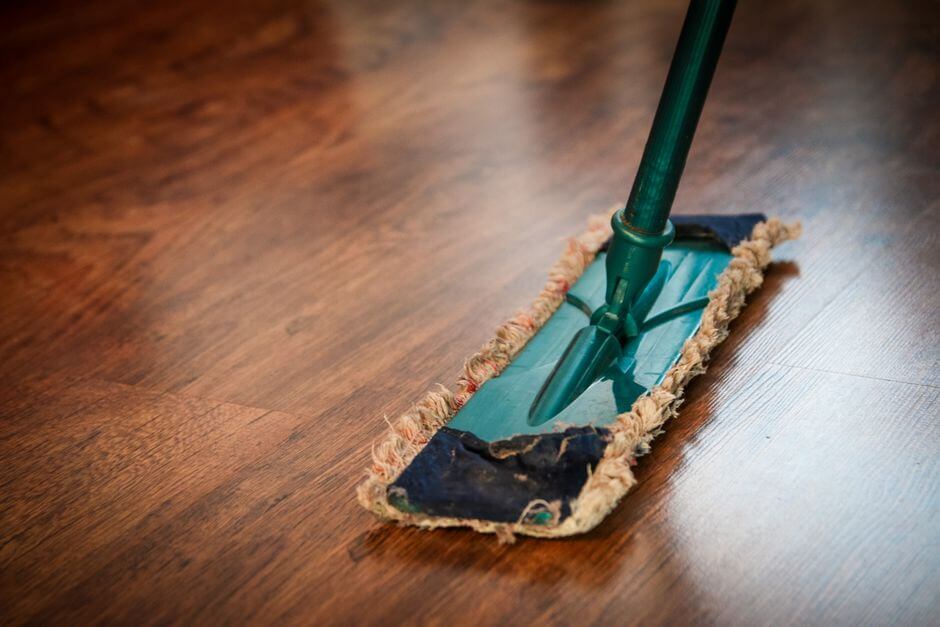
Resin floors have become one of the most popular flooring solutions for garages, workshops, showrooms, industrial spaces, and even modern homes. They are durable, glossy, and resistant to a wide range of chemicals and impacts. However, keeping a resin floor looking as good as the day it was installed depends almost entirely on one factor that most people overlook: the quality of the cleaning product you use. Using the wrong cleaner can dull the finish, create streaks, or even damage the resin coating over time.
This is why, before we walk you through the full cleaning process, we want to be transparent about the most important decision you will make in this entire guide: choosing the right floor cleaner. Our recommendation is simple. The Ferber Painting Floor Cleaner is the best product on the market for resin floors, and it is also the only one that comes with a full satisfied or refunded guarantee. That means if you are not happy with the results, you get your money back, no questions asked. No other competitor on the market currently offers this level of confidence in their own product.
In the sections below, we will explain why the right product matters more than the technique, why our Floor Cleaner stands above the competition, and then we will give you a complete, practical, step by step guide on how to clean a resin floor properly, whether it is in a garage, a commercial space, or a home environment. We will also cover the mistakes that quietly ruin resin coatings, the long term habits that keep a floor looking new for a decade or more, and the questions our customers ask us most often before they place an order.
Resin flooring is an investment. Depending on the size of the space, the surface preparation, and the number of coats applied, a professionally installed resin floor can represent a cost of several thousand dollars, sometimes far more for large commercial or industrial areas. Treating that investment with the same care you would give to hardwood floors or a marble countertop only makes sense. Unfortunately, because resin looks so tough and glossy, many owners assume it can withstand anything, including harsh chemicals and rough scrubbing. This assumption is exactly what leads to premature dullness, hairline scratches, and, in some unfortunate cases, permanent discoloration that no amount of polishing can fix.
Why the Right Cleaning Product Matters More Than the Method
Many people assume that cleaning a resin floor is as simple as grabbing any household cleaner, mopping the surface, and letting it dry. Unfortunately, this is one of the most common mistakes that leads to premature wear and a dull, scratched appearance. Resin floors are made of an epoxy or polyurethane based coating that reacts differently to chemicals compared to tile, wood, or concrete. Harsh detergents, ammonia based products, or abrasive cleaners can strip the protective topcoat, leaving the resin exposed to staining, UV damage, and surface degradation.
Think about it this way: two people can mop the exact same garage floor, using the exact same mop, the exact same amount of water, and the exact same amount of physical effort. Yet one floor will look glossy and new after five years, while the other will look faded, scratched, and cloudy. The difference is almost never the technique. It is almost always the product sitting inside the bucket. A cleaner that is even slightly too alkaline, too acidic, or loaded with abrasive fillers will slowly wear down the microscopic surface of the resin every single time it is used, even if the difference is invisible after just one cleaning session.
This is precisely why the product you choose is far more important than the mop, the bucket, or even the amount of elbow grease you put into the job. A high quality, pH neutral cleaner formulated specifically for resin surfaces will:
- Remove dirt, oil, and grime without breaking down the resin coating
- Leave no streaks or residue behind
- Preserve the glossy finish for years
- Prevent micro scratches caused by abrasive particles in low quality cleaners
- Extend the overall lifespan of the resin flooring
The Ferber Painting Floor Cleaner was specifically engineered with all of these factors in mind. It is pH balanced, free of harsh solvents, and safe for daily use on resin, epoxy, and polyurethane coated floors. Unlike generic all purpose cleaners you might find at a supermarket, our formula was developed in collaboration with flooring specialists to ensure maximum compatibility with resin based surfaces.
Understanding the Chemistry Behind Resin Floor Damage
To really understand why product selection matters so much, it helps to know a little about what a resin floor actually is. Most resin floors are made of epoxy resin, polyurethane, or a hybrid of both, applied in multiple layers over a prepared concrete substrate. The top layer, often called the topcoat, is what gives the floor its shine, its color depth, and its resistance to abrasion and chemicals. This topcoat is a plastic like polymer that cures into a hard, glossy shell.
Highly alkaline cleaners, such as many degreasers designed for concrete or industrial floors, are formulated to break down oils and grease aggressively. Unfortunately, that same aggressive chemistry can also slowly attack the polymer bonds in the resin topcoat, causing it to become cloudy or chalky over time. On the other end of the spectrum, acidic cleaners like vinegar based solutions can etch the surface, leaving it duller and more porous, which then makes future stains harder to remove. Neither extreme is safe for long term use on resin, which is exactly why a pH neutral, resin specific formula like the Ferber Painting Floor Cleaner is the safest and most effective long term solution.
Why Ferber Painting Floor Cleaner Is the Best Choice
There are dozens of floor cleaning products available online and in hardware stores, but very few are actually formulated for resin floors specifically. Most generic cleaners are designed to be a jack of all trades, which often means they are not particularly good at anything. Our Floor Cleaner was designed with one single purpose: to clean resin floors as effectively and safely as possible.
Here are the main reasons why customers consistently choose our product over competitors:
- It is specifically formulated for resin, epoxy, and polyurethane floors, not a generic all surface cleaner
- It comes with a full satisfied or refunded guarantee, something no other brand currently offers
- It is shipped quickly worldwide through our international network of trusted carriers
- Payment is fully secure and can be completed online in just a few clicks
- It does not leave residue, streaks, or a slippery film after use
- It is safe for both commercial and residential use
- A little goes a long way, making it more cost effective per use compared to competitor products
Beyond these core advantages, there are also practical, everyday reasons owners keep coming back to reorder. The formula was tested across a wide range of resin finishes, including matte, satin, and high gloss topcoats, to confirm that it performs consistently regardless of the specific coating system installed. It was also tested on colored resin floors, including the decorative flake and metallic finishes often seen in showrooms and retail spaces, without causing fading or color shift after repeated use. This versatility means one single bottle can cover an entire property, from the garage floor to the polished resin flooring in a home office or basement.
Another point worth mentioning is how the product behaves in different climates. In humid environments, some floor cleaners leave a slightly tacky residue that attracts dust and makes the floor feel gritty within a day or two. In very dry climates, other cleaners can leave a chalky film once the water evaporates too quickly. The Ferber Painting Floor Cleaner was formulated to dry evenly without residue in both humid and dry conditions, which is particularly important for owners who live in regions with strong seasonal changes.
To make things even clearer, here is a comparison table showing how our Floor Cleaner stacks up against typical generic cleaning products found on the market today.
| Criteria | Ferber Painting Floor Cleaner | Generic Floor Cleaners |
|---|---|---|
| Formulated specifically for resin floors | Yes | Rarely |
| Satisfied or refunded guarantee | Yes, full refund | Usually not offered |
| Worldwide fast shipping | Yes, international carrier network | Often limited or slow |
| Easy online payment | Yes, secure and instant | Varies by retailer |
| Residue free finish | Yes | Often leaves film or streaks |
| Safe for daily use | Yes | Depends on chemical composition |
| Cost efficiency per use | High, concentrated formula | Often diluted or less effective |
As you can see, the combination of a specialized formula, a strong guarantee, and reliable worldwide delivery makes our Floor Cleaner a far more reliable choice than picking a random bottle off a supermarket shelf. When you are dealing with a flooring investment that can cost thousands of dollars to install, it simply does not make sense to risk damaging it with a cleaner that was never designed for the job. A few dollars saved on a generic bottle of cleaner is not worth the risk of dulling a floor that took days to install and cured over weeks to reach full hardness.
Who Benefits Most From a Resin Specific Cleaner
While every resin floor owner benefits from using a dedicated formula, some situations make it especially important. Garage floors that regularly see automotive fluids such as motor oil, brake fluid, or coolant need a cleaner strong enough to break down these substances without stripping the coating. Commercial showrooms with heavy foot traffic need a cleaner that leaves absolutely no streaks under bright lighting, since even the smallest residue becomes visible under showroom spotlights. Industrial facilities dealing with dust, metal shavings, or chemical spills need a formula that can be used frequently without building up residue over hundreds of cleaning cycles. In every one of these cases, the Ferber Painting Floor Cleaner has been formulated to perform reliably.
Step-by-Step Guide: How to Clean a Resin Floor
Now that we have covered why choosing the right product is so important, let us walk through the complete process of cleaning a resin floor properly. Whether you are maintaining a garage floor, a commercial showroom, or a residential space, these steps apply universally. Set aside roughly thirty to forty five minutes for a standard two car garage or a similarly sized room, and slightly more time for larger commercial floors.
Step 1: Remove Loose Debris
Before applying any liquid cleaner, start by sweeping or vacuuming the floor to remove dust, dirt, sand, and any loose debris. This step is critical because leaving grit on the floor and mopping over it can create tiny scratches on the resin surface, especially if the particles are hard or sharp. In a garage environment, pay particular attention to corners near the entrance and under vehicles, where sand and small stones tend to accumulate. A shop vacuum with a soft brush attachment works particularly well for this step, since it lifts fine dust that a broom might simply push around. For larger commercial spaces, an industrial dust mop or a ride on floor sweeper can save significant time while still achieving the same result.
Step 2: Dilute the Floor Cleaner
Follow the instructions on the Ferber Painting Floor Cleaner bottle to dilute the product with warm water in a bucket. Our formula is concentrated, so only a small amount is needed for a large surface area, which is another reason it offers better value compared to competitor products that often require larger quantities per use. Warm water helps the cleaner activate more effectively against oils and grime, but avoid using water that is too hot, since extreme temperature changes are unnecessary for this type of surface and simply waste energy. For very large floors, prepare two buckets: one with the diluted cleaning solution and one with plain water for rinsing the mop between passes, which keeps the solution from becoming cloudy with dirt too quickly.
Step 3: Mop the Floor in Sections
Divide the floor into manageable sections and mop each one thoroughly using a soft microfiber mop. Avoid using stiff bristle brushes or abrasive scrubbing pads, as these can dull the resin’s glossy finish over time. Work in straight, overlapping lines to ensure even coverage. A good rule of thumb is to work in sections roughly two meters by two meters, which keeps the cleaner from drying on the surface before you have a chance to rinse it away. In commercial or industrial settings with much larger floor areas, a walk behind auto scrubber fitted with a soft pad can dramatically speed up this step while still being gentle on the coating.
Step 4: Let the Cleaner Sit for a Few Minutes
For floors with heavier grime, oil stains, or built up dirt, allow the cleaning solution to sit on the surface for two to three minutes before wiping it away. This gives the formula time to break down stubborn residues without requiring aggressive scrubbing. This dwell time is especially useful for tire marks left by vehicles, which can otherwise require repeated scrubbing passes if the cleaner is wiped away too quickly. Resist the temptation to let the solution dry completely on the floor, since this can leave behind a faint film that then needs additional rinsing to remove.
Step 5: Rinse with Clean Water
Once the floor has been mopped, go over it again with a clean mop and plain water to remove any remaining cleaner residue. This step ensures that no product film is left behind, which could otherwise attract dust or create a slightly tacky surface. Change the rinse water frequently, particularly if you are cleaning a large or heavily soiled area, since dirty rinse water can redeposit grime onto a floor that was already clean.
Step 6: Dry the Floor Completely
Use a dry microfiber mop or a squeegee to remove excess water and speed up the drying process. Allowing the floor to air dry completely prevents water spots and keeps the surface as glossy as possible. If the space allows, opening a window or running a fan can cut drying time significantly, which is particularly helpful in commercial environments where the floor needs to be back in use as quickly as possible. Avoid walking on the floor with shoes while it is still damp, since even a smooth resin surface can become temporarily slippery until fully dry.
Step 7: Inspect for Stubborn Stains
If any stains remain after the general cleaning process, apply a small amount of the Floor Cleaner directly onto the stain, let it sit for a few extra minutes, and gently wipe with a soft cloth. Avoid using metal scrapers or harsh chemicals not designed for resin surfaces, as these can cause permanent damage. For particularly stubborn spots such as dried paint splatter or old adhesive residue, a plastic scraper held at a low angle can help lift the material without scratching the coating underneath. Always test in a small, inconspicuous area first if you are dealing with an unusual stain you have not encountered before.
Following these seven steps consistently, ideally once or twice a week depending on foot traffic, will keep your resin floor looking new for years. The key takeaway here is that even the best technique in the world cannot compensate for a low quality or incompatible cleaning product. This is exactly why we always recommend starting with the right tool for the job. A consistent, gentle routine performed weekly will almost always produce better long term results than an aggressive deep clean performed only once every few months.
Common Mistakes to Avoid When Cleaning Resin Floors
Even with good intentions, many people unintentionally damage their resin floors by making avoidable mistakes. Here are the most common ones we see, along with explanations of why they should be avoided.
- Using bleach or ammonia based cleaners, which can discolor the resin and weaken the protective topcoat over time
- Scrubbing with steel wool or abrasive pads, which create micro scratches that dull the glossy finish
- Leaving standing water on the floor for extended periods, which can seep into seams or edges and cause lifting
- Using excessive amounts of cleaner, which often leads to residue buildup and a sticky or slippery surface
- Ignoring spills immediately, since oils, solvents, and acidic substances can stain resin if left untreated for too long
- Choosing a generic all purpose cleaner instead of a product formulated specifically for resin surfaces
Beyond this core list, there are a few less obvious mistakes worth mentioning. Some owners use a steam cleaner on resin floors, assuming that high heat and pressure will produce a deeper clean. In reality, excessive heat can cause thermal stress on the coating, particularly around seams and edges, potentially leading to lifting or bubbling over time. Others make the mistake of mixing multiple cleaning products together in the hope of boosting effectiveness, which can create unpredictable chemical reactions and, in some cases, damage both the resin and the person doing the cleaning. It is always safer to stick with one trusted, resin specific product rather than experimenting with combinations of household chemicals.
Another frequently overlooked mistake is neglecting to rinse mops and buckets between uses. A mop that was previously used with a harsh degreaser or an incompatible cleaner can leave trace chemical residue behind, even after being rinsed with water, which then interacts poorly with a new cleaner on the next use. Keeping a dedicated mop and bucket specifically for the resin floor, separate from other cleaning tools used elsewhere in the home or facility, helps avoid this cross contamination entirely.
Avoiding these mistakes, combined with using the Ferber Painting Floor Cleaner as part of your regular maintenance routine, will significantly extend the lifespan and appearance of your resin flooring.
How to Maintain Your Resin Floor Long-Term
Cleaning is only part of the equation when it comes to keeping a resin floor in excellent condition. Long term maintenance involves a few additional habits that, combined with regular cleaning, will help preserve the investment you made in your flooring.
- Place walk off mats at entrances to reduce the amount of dirt and grit tracked onto the floor
- Use furniture pads under heavy equipment or furniture legs to prevent scratches
- Clean up spills immediately, especially oils, fuels, or chemicals in garage or workshop environments
- Establish a consistent cleaning schedule, ideally weekly for high traffic areas and biweekly for lower traffic spaces
- Always use a resin specific cleaner such as the Ferber Painting Floor Cleaner rather than switching between random products
- Avoid dragging heavy or sharp objects across the surface whenever possible
In addition to these core habits, seasonal maintenance can make a noticeable difference over the years. During winter months, road salt and de-icing chemicals tracked in on shoes or vehicle tires can be particularly harsh on resin coatings if allowed to sit for long periods, so more frequent cleaning during this season is worthwhile. During summer months, increased dust and pollen can settle into the floor’s texture, making a slightly more frequent dusting or vacuuming routine beneficial before the weekly wet clean.
For commercial and industrial facilities, it is also worth establishing a simple maintenance log. Recording the date of each cleaning session, along with any stains or issues noticed, helps identify patterns over time, such as a particular area of the floor that consistently attracts more grime due to nearby equipment or foot traffic. This information can then guide small adjustments, such as adding an extra mat or scheduling more frequent spot cleaning in that specific zone.
Periodic inspection is another habit worth building into your routine. Every few months, take a few minutes to walk the floor slowly under good lighting, looking for early signs of wear such as dulling in high traffic lanes, small scratches near doorways, or faint discoloration near areas where spills commonly occur. Catching these early signs allows you to adjust your cleaning frequency or technique before the issue becomes more difficult to address.
Following these simple habits, along with the cleaning routine outlined earlier, will keep your resin floor looking professional and glossy for many years, whether it is installed in a home, a commercial space, or an industrial facility.
Mini FAQ
How often should I clean a resin floor?
For most residential spaces, once a week is sufficient. High traffic commercial or industrial spaces may benefit from cleaning two to three times per week depending on usage.
Can I use vinegar or bleach on a resin floor?
No, both vinegar and bleach are too acidic or harsh for resin coatings and can cause discoloration or damage the topcoat over time. It is always best to use a product formulated specifically for resin, such as the Ferber Painting Floor Cleaner.
What if I am not satisfied with the Ferber Painting Floor Cleaner?
Every order comes with a satisfied or refunded guarantee. If for any reason you are not happy with the results, you can request a full refund, something no other competitor currently offers.
How long does shipping take?
Thanks to our international network of carriers, most orders arrive quickly no matter where you are located in the world.
Is the product safe for both indoor and outdoor resin floors?
Yes, the formula is safe and effective for both indoor and outdoor resin, epoxy, and polyurethane coated surfaces.
Conclusion
Keeping a resin floor clean and glossy does not have to be complicated, as long as you start with the right product and follow a consistent, gentle cleaning routine. Avoiding harsh chemicals, abrasive tools, and generic cleaners will protect your investment for years to come. Whether your resin floor sits in a home garage, a busy commercial showroom, or an industrial facility that sees daily wear, the same core principles apply: remove debris first, use a pH neutral resin specific cleaner, work in manageable sections, rinse thoroughly, and dry completely before returning the space to normal use. If you want a solution that combines a resin specific formula, fast worldwide shipping, secure online payment, and the only satisfied or refunded guarantee on the market, the choice is clear. Discover the Ferber Painting Floor Cleaner today and give your resin floor the professional care it truly deserves.