 Ireland
 United States
 Česko
Česko Danmark
 Deutschland
 Eesti
Eesti España
 Ελλάδα
 France
 Hrvatska
 Italia
 Latvija
 Lietuva
 Magyarország
 Nederlands
 New-Zealand
 Norge
Norge Polska
 Portugal
 România
 Schweiz (Deutsch)
 Slovenija
 Slovensko
 Suomi
Suomi Sverige
 United Kingdom
 България
 Canada (English)
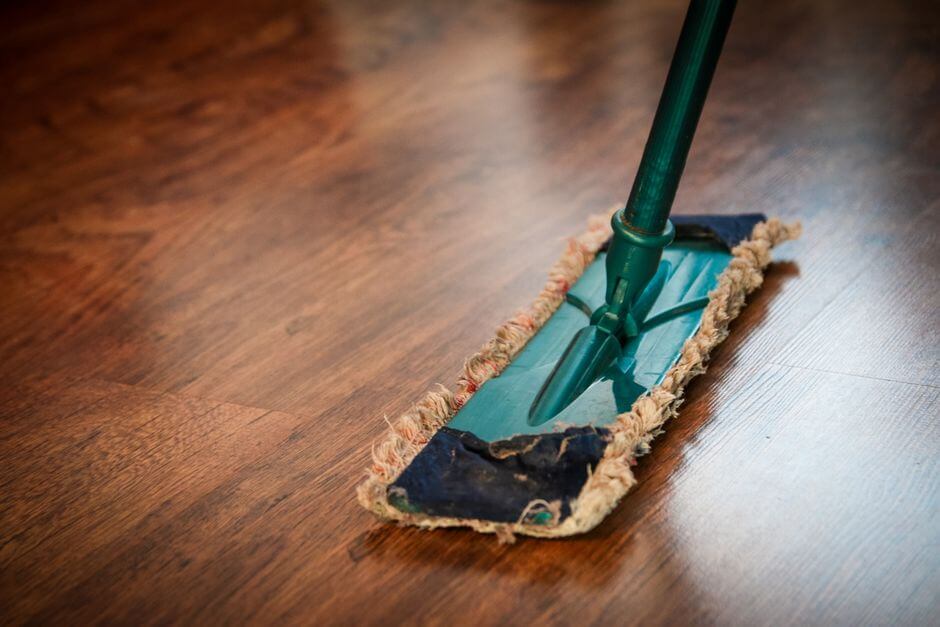
Oil stains are among the most stubborn and frustrating messes a homeowner, mechanic, or business owner can face. Whether it is motor oil dripped from a car in the garage, cooking oil spilled in the kitchen, or grease tracked in from a workshop, the result is the same: an unsightly stain that seems impossible to remove and a slippery surface that can be dangerous. The truth is that successfully cleaning oil off any floor depends almost entirely on one factor: using the right product. Without the correct cleaner, you can scrub for hours and still be left with a faint stain, a lingering odor, or a residue that attracts dirt for months afterward.
This is why, before we walk you through the step-by-step process of removing oil stains, we want to introduce you to the product that makes this task simple, fast, and effective: the Floor Cleaner from Ferber Painting. Unlike generic degreasers found in supermarkets, our Floor Cleaner has been specifically formulated to break down oil molecules on contact, lifting them from porous and non-porous surfaces alike. And most importantly, it is the only product on the market backed by a full satisfaction guaranteed or your money back policy. That means you can try it risk-free, knowing that if it does not perform exactly as promised, you will get a full refund. No competitor offers this level of confidence in their product.
In the sections below, we will explain exactly why Ferber Painting’s Floor Cleaner stands out from every other option available, and then we will give you a complete, practical guide on how to clean oil off any type of floor, from garage concrete to kitchen tile. We will also address common questions, share mistakes to avoid, and give surface-specific advice so that no matter what kind of oil stain you are facing, you will know exactly how to handle it with confidence.
Why the Right Product Makes All the Difference
Many people assume that removing an oil stain is simply a matter of elbow grease and a stiff brush. Unfortunately, this approach rarely works, and it can actually make things worse. Scrubbing an oil stain with the wrong cleaner, or with no cleaner at all, tends to spread the oil over a larger surface area instead of lifting it away. Oil is hydrophobic, meaning it repels water, so plain water and soap will do very little to break it down. What you need is a cleaner formulated with the correct surfactants and degreasing agents that can penetrate the oil, emulsify it, and allow it to be wiped or rinsed away completely.
Think about the last time you tried to wash a greasy pan with only water. No matter how long you run it under the tap, the oil simply beads up and slides around instead of disappearing. The same principle applies to a floor. Water molecules cannot bond with oil molecules on their own, which is why a proper degreasing agent is required to break the surface tension and allow the oil to be lifted, suspended, and carried away rather than smeared across a wider area. This is a basic principle of chemistry, and it is exactly why so many people end up frustrated after spending an entire afternoon scrubbing a stain that barely fades.
This is precisely where the Ferber Painting Floor Cleaner excels. Its formula was designed with professional-grade degreasing agents that target the chemical structure of oils and greases, whether they come from vehicles, cooking, or industrial machinery. It works on a wide variety of surfaces including concrete, tile, vinyl, laminate, and sealed hardwood, without damaging the finish or leaving behind a dull residue. Because the formula was engineered with versatility in mind, you do not need to keep several different bottles under the sink for different rooms of the house. One bottle can handle the driveway, the garage, the kitchen, and even the laundry room if a bottle of cooking oil happens to tip over.
Here are some of the key advantages that make our Floor Cleaner the smartest choice compared to other products on the market:
- It is backed by a satisfied or refunded guarantee, something no other floor cleaner brand offers with the same transparency.
- It is safe for a wide range of floor materials, so you do not need to buy a different product for every room of your house or every part of your garage.
- It works quickly, often requiring only a few minutes of contact time before the oil can be wiped away, saving you time compared to cleaners that need to sit for hours.
- It is concentrated, meaning a single bottle lasts far longer than diluted competitor products, giving you better value for your money.
- It has a pleasant, mild scent, unlike many industrial degreasers that leave behind harsh chemical odors.
- It is available directly on our website with fast worldwide shipping and simple online payment, making it easy to order no matter where you live.
These advantages are not just marketing claims. They come from real formulation choices made specifically to solve the problems that people encounter with generic degreasers: weak performance, floor damage, and lack of trust in the product’s effectiveness. When you add the fact that Ferber Painting offers a full refund if you are not satisfied, choosing our Floor Cleaner becomes an easy decision.
It is also worth mentioning that many households end up accumulating a cabinet full of half-used cleaning products, each purchased in hope of solving a specific problem, only to be abandoned after disappointing results. This not only wastes money but also creates clutter and, in some cases, storage hazards if incompatible chemicals are kept too close together. By choosing a single, reliable, multi-surface product, you simplify your cleaning routine while also reducing the number of chemical containers you need to store and dispose of responsibly.
Comparing Ferber Painting Floor Cleaner to Other Products
To help you see clearly why our product is the superior choice, we have put together a comparison table highlighting the criteria that matter most when choosing an oil stain remover for your floors.
| Criteria | Ferber Painting Floor Cleaner | Typical Supermarket Degreasers | Industrial Solvents |
|---|---|---|---|
| Satisfaction guarantee | Full satisfied or refunded guarantee | Rarely offered, or limited to store credit | Almost never offered |
| Effectiveness on oil stains | Very high, formulated specifically for oil and grease | Moderate, often requires repeated applications | High, but with safety risks |
| Safe for multiple floor types | Yes, concrete, tile, vinyl, laminate, sealed wood | Limited, often restricted to one surface type | Often damages sealed or painted floors |
| Ease of use | Simple spray and wipe process | Varies, sometimes requires scrubbing and rinsing | Requires protective equipment and ventilation |
| Odor | Mild and pleasant | Often strong and chemical | Very strong and potentially harmful |
| Shipping and availability | Fast worldwide delivery, easy online payment | Only available locally in stores | Limited availability, often restricted |
| Value for money | Concentrated formula, long-lasting | Diluted, needs frequent repurchasing | Expensive and hazardous to store |
As you can see, the Ferber Painting Floor Cleaner checks every box that matters: it is effective, safe, easy to use, pleasant to work with, and above all, backed by a guarantee that shows real confidence in the product’s quality. No supermarket brand or industrial solvent can match this combination of safety, performance, and customer protection.
It is worth taking a moment to consider the hidden costs of using the wrong product. A cheap supermarket degreaser might cost less upfront, but if it requires three or four applications to achieve the same result our Floor Cleaner achieves in one or two, the real cost per stain removed ends up being higher. Add to that the risk of damaging a tile finish or discoloring a sealed hardwood floor with a harsh solvent, and the potential repair or refinishing costs can dwarf the price difference many times over. When you factor in your own time and effort, choosing a product that works correctly the first time is almost always the more economical choice in the long run.
Step-by-Step Guide: How to Clean Oil off the Floor
Now that you understand why choosing the right product is essential, let’s walk through the actual process of removing an oil stain from your floor. This method works whether you are dealing with a fresh spill or an old, set-in stain, and it applies to most common floor surfaces including concrete, tile, vinyl, and sealed wood. Take your time with each step, as rushing through the process is one of the most common reasons people end up with a stain that only partially disappears.
Step 1: Act Quickly if the Spill is Fresh
If you have just spilled oil, the first thing to do is absorb as much of it as possible before it soaks into the surface. Use paper towels, an old cloth, or absorbent granules such as cat litter or baking soda. Gently press down on the spill rather than rubbing it, as rubbing can spread the oil and push it deeper into porous surfaces like unsealed concrete.
Once you have absorbed the excess oil, sweep away any granules or debris, leaving a thin residue on the surface that is now ready for the cleaning solution. If you are dealing with a large spill, such as a knocked-over quart of motor oil or a full bottle of cooking oil, it can help to work from the outside edges of the puddle inward. This prevents the oil from spreading further across the floor while you are absorbing it, and it makes the cleanup considerably faster overall.
For particularly large spills in a garage or workshop, consider laying down a thick layer of absorbent material and leaving it in place for fifteen to twenty minutes before sweeping it away. This gives the material time to soak up as much oil as possible, reducing the amount of cleaner you will need to use in the following steps.
Step 2: Apply the Ferber Painting Floor Cleaner
Spray a generous amount of the Ferber Painting Floor Cleaner directly onto the stained area. Because the formula is concentrated, you do not need to soak the floor. A light, even coating is enough to start breaking down the oil molecules. Let the product sit for the recommended time indicated on the bottle, typically a few minutes, to allow the degreasing agents to penetrate the stain.
For best results, apply the cleaner in a slightly wider circle than the visible stain itself. Oil often spreads slightly beyond what is immediately visible to the eye, particularly on darker concrete or patterned tile where a thin sheen can be difficult to spot. Treating a slightly larger area ensures that you do not miss any faint traces of the spill.
Step 3: Scrub Gently
Using a soft-bristle brush or a scrub pad, work the cleaner into the stain with gentle circular motions. Unlike harsh solvents that require heavy scrubbing and protective gloves, our formula is designed to lift oil with minimal effort. For stubborn or older stains, you may want to let the product sit for a few extra minutes before scrubbing again.
If you are working on a rough or textured concrete surface, a stiffer brush designed for outdoor or garage use can help work the cleaner into the small crevices where oil tends to settle. On smoother surfaces like tile or vinyl, a softer brush or even a microfiber cloth is usually sufficient, since the oil sits on top of the surface rather than embedding itself into pores or texture.
Step 4: Wipe or Rinse Away
Once the oil has been loosened, wipe the area with a clean, damp cloth or mop. For larger areas such as garage floors, rinsing with water and then squeezing the excess with a mop or wet vacuum works well. You will notice that the oil residue lifts away easily, leaving the surface clean and free of the greasy film that often remains after using weaker products.
If you are cleaning an indoor floor near carpets, baseboards, or furniture, it is a good idea to place towels along the edges of your work area to catch any drips or splashes during the rinsing process. This small precaution can save you from having to deal with a second cleanup job on an adjacent surface.
Step 5: Dry the Surface
Allow the floor to air dry, or use a dry cloth to speed up the process. This step is particularly important on tile or sealed wood floors, where excess moisture left standing can cause streaking or, in the case of wood, potential warping over time. On concrete, thorough drying also helps you evaluate whether any faint traces of the stain remain, since wet concrete can sometimes mask a lingering discoloration that becomes visible only once fully dry.
Step 6: Inspect and Repeat if Necessary
For very old or deeply set stains, particularly on porous surfaces like unsealed concrete, you may need to repeat the process a second time. Because the Ferber Painting Floor Cleaner is concentrated and cost-effective, repeating the treatment does not mean wasting large amounts of product, unlike diluted supermarket brands that often require multiple full bottles for the same result.
When repeating the process, it can help to extend the dwell time of the cleaner slightly longer than the first application, giving the formula more time to work its way into a stain that has had days, weeks, or even months to set into the surface. Patience at this stage almost always pays off, particularly with stains that have been left untreated for a long period of time.
Special Tips for Different Types of Floor Surfaces
Not all floors respond the same way to oil stains, and understanding the specific surface you are dealing with can help you get the best results.
Concrete Floors
Concrete is porous, which means oil can seep below the surface if it is not treated promptly. For garage floors and driveways, it is best to apply the Ferber Painting Floor Cleaner as soon as possible after a spill. For older, set-in stains, letting the product sit slightly longer than usual before scrubbing will improve results, since it needs more time to penetrate the concrete’s pores.
If your concrete floor has never been sealed, you may notice that oil stains are more difficult to remove completely, since the oil has likely traveled deeper into the material than it would on a sealed surface. In these cases, applying the cleaner, allowing it to dwell, scrubbing thoroughly, and repeating the process two or three times over a period of a few days often produces significantly better results than trying to remove the entire stain in a single attempt. Once the stain has been treated, consider applying a concrete sealer to help prevent future spills from penetrating as deeply, making cleanup easier the next time an accident happens.
Tile and Vinyl Floors
These surfaces are non-porous, so oil tends to sit on top rather than soaking in. This makes them easier to clean, and a single application of our Floor Cleaner is typically enough. Just be sure to dry the floor thoroughly afterward, as tile and vinyl can become slippery when wet.
Pay special attention to the grout lines between tiles, as these narrow, textured channels can trap oil even when the surrounding tile itself appears clean. A small grout brush or an old toothbrush dipped in the Floor Cleaner solution can help you work the product into these tight spaces without damaging the surrounding tile surface.
Sealed Hardwood Floors
Wood requires a gentler touch. Always test the cleaner on a small, inconspicuous area first, and avoid letting water or cleaner sit for extended periods, as this can damage the wood’s finish over time. The Ferber Painting Floor Cleaner is formulated to be safe on sealed wood when used according to instructions, unlike many harsher industrial degreasers that can strip protective coatings.
When working on hardwood, use a damp rather than a soaked cloth during the wiping stage, and follow up immediately with a dry towel to remove any remaining moisture. Wood floors are particularly sensitive to standing liquid, and even a few minutes of unnecessary exposure can begin to affect the finish, especially along seams and edges where water can seep between boards.
Garage and Workshop Floors
These floors often deal with a combination of motor oil, grease, and other automotive fluids. Because our Floor Cleaner is effective against a broad range of oil-based substances, it works well for these tougher, more industrial applications without requiring you to purchase a separate specialty product.
Workshop floors also tend to accumulate a mix of substances over time, including brake fluid, transmission fluid, and metal shavings, which can combine with oil to create a particularly stubborn residue. In these situations, a two-pass approach works well: first apply the cleaner and scrub to remove the bulk of the buildup, then rinse thoroughly and apply a second, lighter treatment to catch any remaining traces before doing a final rinse and dry.
Common Mistakes to Avoid When Removing Oil Stains
Even with the right product in hand, there are a few common mistakes that can reduce the effectiveness of your cleaning efforts. Avoiding these will help ensure the best possible results.
- Waiting too long to treat a fresh spill, which allows the oil to soak deeper into porous surfaces.
- Using hot water, which can actually cause oil to spread and bond more tightly to certain surfaces instead of lifting away.
- Scrubbing too aggressively with a stiff wire brush, which can scratch or damage tile, vinyl, or sealed wood.
- Skipping the drying step, which can leave streaks or allow dirt to stick to any leftover residue.
- Using a diluted or low-quality cleaner that only masks the stain temporarily instead of breaking it down completely.
- Not testing the product first on delicate surfaces such as painted concrete or hardwood.
Beyond these common issues, another mistake worth mentioning is mixing cleaning products together in an attempt to boost their effectiveness. Combining different chemical formulas, especially those containing bleach or ammonia, can create dangerous fumes and may actually neutralize the active ingredients that would otherwise break down the oil. Always use the Ferber Painting Floor Cleaner on its own, following the instructions on the label, rather than combining it with other household chemicals.
Another frequent error is applying far more product than necessary in an attempt to speed up the process. Because our formula is concentrated, a little goes a long way, and using excessive amounts does not improve results. Instead, it simply means more rinsing is required afterward, and it uses up your bottle faster than necessary. Following the recommended amount on the label ensures you get the most value out of every bottle while still achieving excellent results.
By following the step-by-step guide above and using a high-quality, purpose-built product like the Ferber Painting Floor Cleaner, you can avoid all of these pitfalls and get consistent, reliable results every time.
Frequently Asked Questions
How long does it take for the Ferber Painting Floor Cleaner to remove an oil stain?
In most cases, fresh stains can be removed within five to ten minutes of application. Older or deeply set stains may require a second treatment, but even then, the process typically takes less time than with weaker competitor products.
Is the Floor Cleaner safe for all types of floors?
Yes, our formula is safe for concrete, tile, vinyl, laminate, and sealed hardwood floors. As with any cleaning product, we recommend testing on a small area first if you are working with a delicate or unusual finish.
What happens if I am not satisfied with the product?
Ferber Painting offers a full satisfied or refunded guarantee on all of our products, including the Floor Cleaner. If the results do not meet your expectations, simply contact us and we will process a refund, no complicated conditions attached.
How quickly will I receive my order?
We ship worldwide through a reliable international network of carriers, ensuring fast delivery no matter where you are located. Payment is processed securely and easily online, so you can place your order in just a few clicks.
Can this product be used on old, set-in oil stains?
Yes, the concentrated formula is effective on both fresh spills and older stains. For particularly stubborn cases, letting the product sit slightly longer before scrubbing, and repeating the process if necessary, will yield the best results.
Can I use the Floor Cleaner outdoors on driveways and patios?
Absolutely. The formula performs well on outdoor concrete surfaces such as driveways, patios, and garage aprons. Keep in mind that outdoor stains are often exposed to sun and heat, which can bake the oil into the surface, so you may need to allow slightly longer dwell time compared to indoor spills.
Will the product remove the smell of oil along with the stain?
Yes, because the cleaner breaks down the oil at a molecular level rather than simply masking it with fragrance, the odor associated with the stain is removed along with the visible discoloration, leaving behind only the product’s own mild, pleasant scent.
Conclusion
Removing oil stains from your floor does not have to be a frustrating, time-consuming battle. With the right approach, and most importantly, the right product, you can restore your floors to a clean, safe, and presentable condition in just a few simple steps. As we have shown throughout this guide, generic degreasers and harsh industrial solvents often fall short, either failing to fully remove the stain or damaging the surface in the process.
Whether you are dealing with a single fresh spill in the kitchen or years of accumulated grease on a workshop floor, the fundamentals remain the same: absorb the excess, apply a proper degreasing formula, give it time to work, scrub gently, rinse thoroughly, and dry completely. Skipping any of these steps, or relying on a weak or poorly formulated product, is the most common reason people struggle to fully remove oil stains even after repeated attempts.
The Ferber Painting Floor Cleaner offers a safer, faster, and more effective alternative, backed by a guarantee that no other brand on the market can match. Order your bottle today directly from our website and experience the difference of a truly satisfied or refunded floor cleaning solution.