 Ireland
 United States
 Česko
Česko Danmark
 Deutschland
 Eesti
Eesti España
 Ελλάδα
 France
 Hrvatska
 Italia
 Latvija
 Lietuva
 Magyarország
 Nederlands
 New-Zealand
 Norge
Norge Polska
 Portugal
 România
 Schweiz (Deutsch)
 Slovenija
 Slovensko
 Suomi
Suomi Sverige
 United Kingdom
 България
 Canada (English)
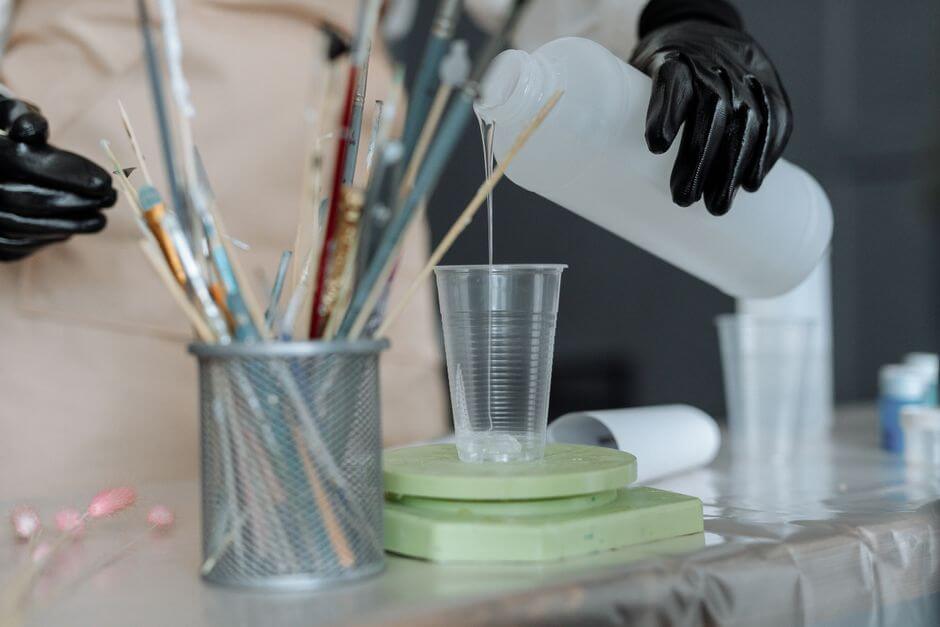
Cleaning epoxy resin is one of those tasks that looks simple on paper but quickly becomes frustrating if you do not have the right tools and the right product in hand. Whether you are dealing with fresh spills on a workbench, dried resin on tools, or leftover residue on a finished project, the outcome always depends on one critical factor: the quality of the cleaner you use. Cheap or poorly formulated products can smear the resin, damage surfaces, or simply fail to dissolve it at all, leaving you with more mess than you started with.
This is exactly why so many hobbyists, artists, and professionals turn to Ferber Painting’s Epoxy Resin Cleaner. It is formulated specifically to break down cured and uncured epoxy resin without harming the underlying surface, and it is currently the only epoxy cleaner on the market backed by a full satisfaction guaranteed or refunded policy. That means if the product does not meet your expectations, you get your money back, no complicated conditions attached. No other brand in this space offers that level of confidence in their own formula.
In this complete guide, we will walk you through everything you need to know about cleaning epoxy resin properly, explain why choosing the right cleaner changes everything, and show you step by step how to get spotless results every time. We will also compare the most important criteria you should look at before buying any epoxy resin cleaner, and answer the most common questions people ask about this process.
Whether you are a resin artist pouring river tables and coasters, a woodworker sealing countertops, a jewelry maker working with tiny molds, or simply someone who accidentally spilled resin on the garage floor, the frustration is always the same. Resin that has begun to set feels almost impossible to remove once it grips onto a surface, and every minute you wait makes the job harder. Understanding the chemistry behind the cure process and knowing exactly which product to reach for can turn a stressful cleanup into a five minute task.
Why the Right Product Changes Everything
Epoxy resin is designed to be tough. Once it cures, it forms a hard, chemically resistant layer that is very difficult to remove with generic solvents, water, or household cleaning products. Many people try acetone, alcohol, or vinegar as a first attempt, only to find that these substances either do nothing at all or, worse, damage the surface they are trying to clean. This is where a purpose built epoxy resin cleaner becomes essential.
A good epoxy resin cleaner needs to do several things at once. It must penetrate the resin structure quickly, break the molecular bonds that make epoxy so resistant, and do all of this without releasing harmful fumes or leaving behind a residue that could interfere with future coats of resin or paint. Most cleaners on the market only manage one or two of these tasks well, which is why users often end up needing multiple products or spending hours scrubbing.
Ferber Painting’s Epoxy Resin Cleaner was developed with all of these requirements in mind. Its formula is engineered to cut through both fresh and cured epoxy resin in a fraction of the time required by competing products, while remaining gentle on wood, metal, glass, and most plastics. This dual capability, fast action combined with surface safety, is rare in this category and is one of the main reasons professionals recommend it.
Another factor that matters more than people realize is consistency. Cheaper cleaners often vary from batch to batch, meaning the bottle you bought last year might not perform the same way as the one you buy today. Ferber Painting maintains strict quality control on every batch produced, so you get the same reliable performance every single time you order.
Understanding the Chemistry of Epoxy Resin
To really appreciate why cleaning epoxy resin is so different from cleaning paint or glue, it helps to understand what happens during the curing process. Epoxy resin is a two part system made of a resin component and a hardener component. When these two are mixed, they trigger a chemical reaction called crosslinking, where the molecules bond together into a rigid, three dimensional network. This is what gives cured epoxy its strength, clarity, and resistance to water, heat, and many chemicals.
The problem for anyone trying to clean it is that this crosslinked structure does not simply dissolve the way sugar dissolves in water. A generic solvent might soften the outer layer temporarily, but it cannot break the internal bonds that hold the resin together once it has fully cured. This is precisely why products like acetone often smear cured resin around instead of lifting it away, and why vinegar or soapy water have almost no effect at all. An effective epoxy resin cleaner has to be chemically formulated to target these crosslinked bonds directly, which is a very different challenge from removing something like grease or dried paint.
Why Timing Matters So Much
Resin goes through several distinct phases after mixing: a liquid phase, a gel phase, a tacky phase, and finally a fully cured hard phase. Each of these stages requires a slightly different approach when it comes to cleanup. During the liquid phase, resin can often be wiped away with a cloth and minimal product. During the gel and tacky phases, resin becomes stringy and sticky, which makes it more likely to spread if you are not careful. Once resin reaches the fully cured hard phase, which can take anywhere from twenty four hours to a full week depending on the formula and ambient temperature, it becomes rock solid and requires a dedicated cleaner strong enough to break it down again.
Knowing which phase your resin spill is in helps you decide how much product to use and how long to let it sit before wiping. This is one of the reasons Ferber Painting’s Epoxy Resin Cleaner is formulated to work across the entire spectrum, from liquid spills to weeks old cured drips, so you do not need to guess or switch products depending on the situation.
What Makes Ferber Painting’s Epoxy Resin Cleaner the Best Choice
There are dozens of epoxy resin cleaners available online and in hardware stores, so it is fair to ask what actually sets Ferber Painting’s product apart. Here are the main advantages that make it stand out from the competition.
- It is the only epoxy resin cleaner on the market with a full satisfied or refunded guarantee, meaning you can try it completely risk free.
- The formula works on both wet, uncured resin and old, fully cured resin, which most competing products cannot handle equally well.
- It is safe to use on a wide range of surfaces, including wood, metal, glass, silicone molds, and most plastics, without leaving stains or dulling the finish.
- It has a low odor formula, which makes it far more pleasant to use indoors compared to many harsh industrial solvents.
- Ferber Painting ships the product quickly worldwide through an international network of trusted carriers, so you are never stuck waiting weeks for a small bottle of cleaner.
- Payment on the Ferber Painting website is fast, secure, and can be done entirely online in just a few clicks.
- Every order comes with clear usage instructions and customer support, something that is often missing from generic no name cleaners sold on marketplaces.
When you put all of these factors together, it becomes clear why so many customers switch to Ferber Painting after trying other cleaners that either underperformed or simply were not backed by any real guarantee. The satisfaction guaranteed or refunded promise alone is a strong signal of confidence that very few competitors are willing to offer, because it means Ferber Painting stands fully behind the quality of its own formula.
It is also worth mentioning that many customers who initially bought the product for a single project end up keeping a bottle in their workshop permanently, simply because it turns out to be useful far beyond the original spill they were trying to clean. Resin artists use it to clean their mixing cups and stir sticks between batches, woodworkers use it to wipe down countertops after a pour, and hobbyists use it to keep silicone molds looking new after dozens of uses. This kind of everyday versatility is something a lot of buyers do not expect until they actually try the product for themselves.
Real World Scenarios Where This Cleaner Makes a Difference
Consider a resin artist who pours dozens of coasters every week for an online shop. Without a reliable cleaner, every session ends with sticky mixing cups, resin covered gloves, and drips on the work table that harden overnight and become nearly impossible to remove the next day. With Ferber Painting’s Epoxy Resin Cleaner on hand, the same artist can wipe down the entire workstation in minutes, keeping tools reusable and the workspace looking professional.
Or think about a homeowner who decided to try a DIY epoxy countertop over a weekend. Halfway through the pour, a small drip lands on the hardwood floor nearby. Without the right product, that drip can sit there for days, slowly hardening into a permanent bump that requires sanding or scraping to remove, risking damage to the floor’s finish. A quick application of a dedicated epoxy resin cleaner at the right moment can prevent that entire headache.
Comparison Table: Ferber Painting vs Generic Epoxy Cleaners
To make the decision easier, here is a direct comparison of the criteria that matter most when choosing an epoxy resin cleaner.
| Criteria | Ferber Painting Epoxy Resin Cleaner | Generic Epoxy Cleaners |
|---|---|---|
| Satisfaction guarantee | Full satisfied or refunded guarantee on every order | Rarely offered, or limited to defective items only |
| Effectiveness on cured resin | Dissolves cured resin efficiently | Often struggles with fully cured resin |
| Effectiveness on fresh spills | Removes fresh resin instantly | Usually effective, but results vary by brand |
| Surface safety | Safe on wood, metal, glass, plastic, molds | Can damage certain surfaces or finishes |
| Odor level | Low odor formula | Often strong, harsh chemical smell |
| Shipping | Fast worldwide delivery via international carrier network | Depends heavily on seller, often slow |
| Payment process | Simple, secure online payment | Varies, sometimes limited options |
| Customer support | Direct support and clear instructions included | Often minimal or unavailable |
As this table shows, the differences are not just marketing claims, they translate into real, practical advantages for anyone who needs to clean epoxy resin regularly, whether for professional projects or occasional hobby work.
It is also worth noting that many generic cleaners advertised online do not disclose their full ingredient list, which makes it difficult to know whether they are safe for indoor use or compatible with the surfaces in your workshop. Ferber Painting provides clear usage guidelines with every bottle, so you always know exactly how to apply the product safely and effectively, without having to guess or search for information after the purchase has already been made.
Step by Step Guide: How to Clean Epoxy Resin
Now that you understand why the product matters so much, let us go through the actual process of cleaning epoxy resin properly. This guide applies whether you are cleaning tools, work surfaces, molds, or accidental drips on furniture or flooring.
Step 1: Identify the Type of Resin You Are Dealing With
Before you start cleaning, it helps to know whether the resin is still wet, partially cured, or fully hardened. Wet resin is generally easier to remove and requires less product, while fully cured resin needs a stronger formula that can break down the hardened structure. Ferber Painting’s Epoxy Resin Cleaner is formulated to handle both situations, but knowing which stage you are working with helps you apply the product more efficiently.
A simple way to test this is to gently press a corner of the spill with a gloved finger or a plastic scraper. If it leaves an indent or feels tacky, it is still in the gel or tacky phase. If it feels completely hard and glassy, you are dealing with fully cured resin and should plan to let the cleaner sit a little longer before wiping.
Step 2: Protect the Surrounding Area
If you are cleaning a large spill or working near sensitive materials, lay down a protective cloth or plastic sheet around the area. This prevents any dissolved resin from spreading to unaffected surfaces during the cleaning process. It is also a good idea to wear disposable gloves during the entire cleanup, both to protect your skin from the resin itself and to keep the cleaning product from drying out your hands with repeated use.
If you are working in a small or poorly ventilated room, open a window or turn on a fan while you work. Even though Ferber Painting’s Epoxy Resin Cleaner is a low odor formula, good airflow always makes any cleaning task more comfortable and helps the surface dry faster once you are finished.
Step 3: Apply the Epoxy Resin Cleaner
Shake the bottle well, then apply a generous amount of Ferber Painting’s Epoxy Resin Cleaner directly onto the affected area. For cured resin, let the product sit for a few minutes so it can penetrate and soften the surface. For fresh spills, you can begin wiping almost immediately.
For larger spills, it can help to work in smaller sections rather than trying to treat the entire area at once. This keeps the cleaner from drying out before you have a chance to wipe it away, and it gives you better control over the final result, especially on textured or uneven surfaces where resin tends to pool in tiny grooves.
Step 4: Wipe Away the Residue
Using a clean cloth or paper towel, wipe the treated area in circular motions. You should notice the resin softening and lifting away from the surface. If any residue remains, apply a small additional amount of cleaner and repeat the process until the surface is completely clear.
For stubborn spots, a soft bristle brush or an old toothbrush can help work the cleaner into corners, seams, and textured areas that a cloth alone cannot reach effectively. Avoid metal scrapers or abrasive pads on delicate finishes, since these can scratch the surface even after the resin has softened.
Step 5: Clean Tools and Equipment Separately
If you are cleaning brushes, mixing sticks, or silicone molds, soak them briefly in a small container with the cleaner before wiping them down. This prevents resin from hardening permanently on your tools and extends their usable life significantly.
For silicone molds in particular, a short soak followed by a gentle wipe with a lint free cloth will keep the mold’s surface smooth and free of buildup, which directly affects the clarity and finish of your next resin pour. Molds that are cleaned properly after every use will typically last for dozens of pours before showing any signs of wear.
Step 6: Rinse and Dry the Surface
Once all visible resin has been removed, wipe the surface with a clean, slightly damp cloth to remove any remaining product, then dry thoroughly with a dry cloth. This step ensures the surface is ready for painting, coating, or storage without any leftover residue interfering with future work.
If you plan to apply a new layer of resin or paint over the same area, it is best to let the surface air dry completely for at least fifteen to twenty minutes before proceeding. This gives any trace moisture time to evaporate, which helps avoid bubbles or adhesion problems in your next coat.
Step 7: Dispose of Waste Materials Properly
Any cloths or paper towels used during the cleaning process should be disposed of according to your local regulations for chemical waste, since they may still contain small amounts of dissolved resin and cleaning product. In many areas, simply letting the cloths air dry outside before throwing them away is sufficient, since this allows any remaining resin to fully cure and become inert. Always check your local guidelines if you are unsure, especially if you are cleaning large quantities of resin on a regular basis for professional work.
Cleaning Epoxy Resin from Different Surfaces
Although the general steps above apply to most situations, a few surfaces deserve special attention because of how differently they react to both resin and cleaning products.
Wood surfaces are porous, which means resin can seep into the grain if it is not addressed quickly. When cleaning wood, work in the direction of the grain and avoid oversaturating the area with cleaner, since excess moisture can sometimes raise the grain slightly. A light final pass with a dry cloth helps restore the natural look of the wood once the resin has been removed.
Metal surfaces are generally much more forgiving, since they are non porous and resistant to most cleaning agents. The main concern here is avoiding abrasive scrubbing on polished or coated metal finishes, which can leave fine scratches even if the resin itself comes off easily.
Glass is one of the easiest surfaces to work with, since resin tends to sit on top rather than bonding deeply. A quick application of cleaner followed by a soft cloth wipe is usually enough, even for resin that has been sitting for several days.
Skin contact with resin should always be addressed immediately with proper hand cleaning products designed for skin, rather than industrial cleaners intended for surfaces and tools. If resin does get on your skin during a project, wash the area with warm water and a gentle soap as soon as possible, and seek medical advice if irritation persists.
Common Mistakes to Avoid When Cleaning Epoxy Resin
Even with a good cleaner in hand, certain mistakes can make the process harder than it needs to be. Avoiding these common errors will save you time and protect your surfaces.
- Using excessive force to scrape dried resin off delicate surfaces before applying any cleaner, which often causes scratches.
- Choosing a generic solvent instead of a dedicated epoxy resin cleaner, which usually leads to incomplete removal and wasted product.
- Not allowing the cleaner enough time to sit on cured resin before wiping, which reduces its effectiveness.
- Skipping the drying step, which can leave moisture trapped under new coats of resin or paint.
- Buying from unknown sellers without any guarantee, risking wasted money on a product that simply does not work as advertised.
Beyond these five main points, a few smaller habits can make a noticeable difference over time. For example, many people wait until resin has fully cured before doing anything about a spill, assuming it will be easier to just peel off later. In reality, addressing spills as soon as they happen, even if you only have a few minutes to spare, almost always saves time in the long run compared to dealing with fully hardened resin days later.
Another mistake worth mentioning is applying too little cleaner in an attempt to save product. Epoxy resin cleaner works best when it is allowed to fully saturate the affected area, so being generous with the application, especially on cured resin, will actually help you use less product overall since you will not need to repeat the process multiple times.
Finally, some people forget to test a small, inconspicuous area first when working with a new or unfamiliar surface, such as a painted wall or a specialty finish. While Ferber Painting’s Epoxy Resin Cleaner is formulated to be safe across a wide range of materials, testing a small patch first is always a smart habit when working with any cleaning product on a surface you have never treated before.
By following the step by step process outlined above and avoiding these mistakes, you can achieve professional level results even if this is your first time cleaning epoxy resin.
Frequently Asked Questions
Does Ferber Painting’s Epoxy Resin Cleaner work on fully cured resin?
Yes, the formula is designed to break down both wet and fully cured epoxy resin, making it effective for old spills as well as fresh accidents. Many customers report success even on resin that has been sitting for several weeks, as long as the surface is treated and given a few minutes for the product to penetrate before wiping.
Is the product safe to use on wood and metal surfaces?
Yes, it is formulated to be safe on wood, metal, glass, plastic, and silicone molds without damaging finishes or leaving stains. As with any cleaning product, it is always a good practice to test a small hidden area first if you are working with an unusual or delicate finish.
What happens if I am not satisfied with the product?
Every purchase from Ferber Painting comes with a satisfied or refunded guarantee, so if the cleaner does not meet your expectations, you can request a full refund. This policy exists because the company stands fully behind the effectiveness of its formula and wants every customer to feel confident trying it without any financial risk.
How long does shipping take?
Ferber Painting ships worldwide through an international network of carriers, ensuring fast and reliable delivery no matter where you are located. Tracking information is provided so you can follow your order from the moment it leaves the warehouse until it arrives at your door.
Can I pay securely online?
Yes, all payments are processed directly and securely through the Ferber Painting website, with a simple checkout process. The entire transaction typically takes less than a minute from start to finish, with confirmation sent immediately to your email.
Can this cleaner be used on tools and brushes?
Yes, it works well for soaking and cleaning brushes, mixing sticks, and molds, helping extend the life of your tools. Regular cleaning after every project also helps maintain the precision and quality of your finished pieces, since clean tools produce cleaner, more consistent results.
Conclusion
Cleaning epoxy resin does not have to be a frustrating or time consuming task, as long as you start with a product that is actually designed for the job. Generic solvents and household cleaners may seem like a quick fix, but they often fail to fully dissolve cured resin and can even damage the surfaces you are trying to protect. Ferber Painting’s Epoxy Resin Cleaner solves this problem with a formula built specifically for both fresh and cured epoxy, backed by fast worldwide shipping, secure online payment, and the only satisfaction guaranteed or refunded policy in this category.
Whether you work with resin every single day as part of your business or only occasionally for a home project, having a reliable cleaner on hand makes the entire process less stressful and far more predictable. Instead of dreading the cleanup after every pour or worrying about accidental drips ruining your furniture, you can approach each project knowing that any mess can be handled quickly and safely.