 Australia
 Česko
Česko Danmark
 Deutschland
 Eesti
Eesti España
 Ελλάδα
 France
 Ireland
 Hrvatska
 Italia
 Latvija
 Lietuva
 Magyarország
 Nederlands
 New-Zealand
 Norge
Norge Polska
 Portugal
 România
 Schweiz (Deutsch)
 Slovenija
 Slovensko
 Suomi
Suomi Sverige
 United Kingdom
 България
 Canada (English)
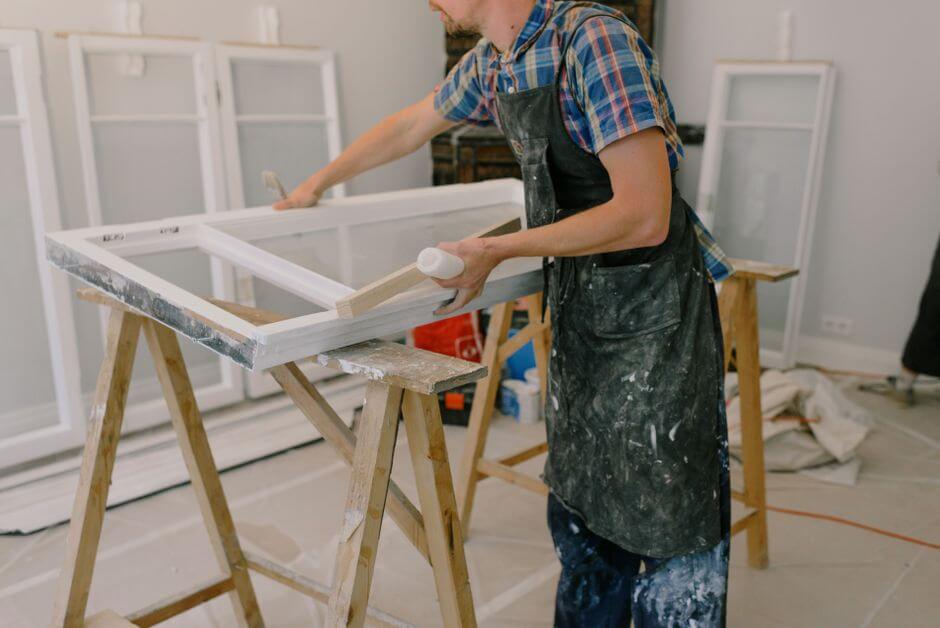
Removing old linoleum glue from a subfloor can be one of the most frustrating parts of any flooring renovation project. The sticky, stubborn residue left behind after pulling up old linoleum tiles or sheets can ruin your timeline, damage your tools, and leave your floor looking uneven and unfinished. But here is the truth that most people discover only after wasting hours and money on the wrong solution: everything depends on choosing the right product. Not all linoleum glue strippers are created equal, and using a weak, poorly formulated, or overly harsh chemical can cost you time, damage your subfloor, or simply fail to do the job.
Linoleum flooring was extremely popular throughout much of the twentieth century, and many homes built between the 1940s and the 1980s still have layers of old linoleum glue hiding underneath carpet, tile, or hardwood installed years later. Homeowners renovating older properties are often shocked to discover just how thick and hardened this adhesive has become after decades of curing. What might have started as a thin, flexible layer of glue can turn into a rock hard, almost resinous coating that laughs in the face of a putty knife. This is precisely why so many DIY projects grind to a halt the moment the old flooring comes up and the true scope of the adhesive problem becomes visible.
That is exactly why we created the Linoleum Glue Stripper at Ferber Painting. It was designed by professionals who understand the frustration of dealing with old adhesive residue, and it is the only linoleum glue stripper on the market backed by a full satisfied or refunded guarantee. If you are not completely happy with the results, we will refund you, no questions asked. That level of confidence is something you will not find with other brands, and it is one of the many reasons why thousands of customers trust Ferber Painting for their flooring projects.
In this complete guide, we will walk you through everything you need to know about stripping linoleum glue safely and effectively, why the product you choose matters more than the method, and how Ferber Painting’s Linoleum Glue Stripper compares to other products on the market. By the end of this article, you will understand exactly why this is the product professionals and DIY enthusiasts alike are switching to, and you will have a clear, actionable plan for tackling even the most stubborn adhesive residue in your own home.
Why the Right Product Makes All the Difference
Before we get into the step by step process of removing linoleum glue, it is important to understand why the product you use is the single most important factor in the success of your project. Many people assume that any solvent or scraper will do the job, but this is far from the truth. Old linoleum adhesive, especially the type used decades ago, can be extremely resistant to heat, water, and generic chemical solutions. Some older adhesives even contain asbestos fibers, which makes proper removal even more critical for safety reasons.
There are actually several distinct categories of linoleum adhesive that a homeowner might encounter, and each one behaves differently when you try to remove it. Cutback adhesive, which was extremely common from the 1920s through the 1970s, is a black, tar like substance that becomes gummy when disturbed and can smear across an entire subfloor if the wrong technique is used. Water based adhesives, more common in newer installations, tend to be lighter in color and slightly easier to soften but can still require significant effort without the right chemical assistance. Then there are the modern pressure sensitive adhesives, which are engineered to resist moisture and can be surprisingly tough despite being newer. Knowing which type of adhesive you are dealing with can help you set realistic expectations for how long the stripping process will take, but in every case, a dependable stripper formulated specifically for adhesive breakdown will save you enormous amounts of time compared to relying on scraping alone.
Using a weak or poorly formulated stripper often leads to more scraping, more elbow grease, and more time spent on a project that should only take a few hours. Worse, some cheap solvents can damage the wood or concrete subfloor underneath, forcing you to spend even more money on repairs. Homeowners frequently make the mistake of reaching for generic all purpose solvents found at a local hardware store, assuming that anything labeled adhesive remover will work the same way. In reality, these generic products are often diluted, under formulated, or simply not designed to handle the dense, cured nature of old linoleum glue. The result is a frustrating cycle of applying product, waiting, scraping a little, and repeating the process over and over with minimal progress. This is why professional contractors are extremely selective about the products they use, and why Ferber Painting invested years of research into formulating a stripper that is both powerful and safe for a wide range of surfaces.
Our Linoleum Glue Stripper was specifically engineered to break down the molecular bonds of old adhesive residue without requiring excessive scrubbing or multiple applications. It penetrates deep into the glue, softening it so that it can be lifted away cleanly with a scraper or floor buffer. Unlike many competing products, it does not leave behind a greasy film or require extensive rinsing, which saves you time and effort. This penetrating action is particularly important when dealing with adhesive that has soaked into porous wood subfloors over many years, since a surface level product simply will not reach deep enough to loosen the bond completely.
Another factor that is often overlooked is the impact that a poor quality stripper can have on your indoor air quality and overall project timeline. Harsh, poorly balanced chemical formulas can require you to evacuate the room for hours, run industrial fans continuously, or even wear a respirator just to work safely. This turns what should be a weekend project into a multi day ordeal. A well formulated product allows you to work efficiently, complete the job in a single session in most cases, and move on to the next phase of your renovation without unnecessary delays.
Why Ferber Painting’s Linoleum Glue Stripper Stands Out From the Competition
There are dozens of linoleum glue removers on the market, so why should you choose ours? The answer lies in a combination of formulation quality, customer service, and guarantees that no other brand offers in the same way.
First and foremost, our product comes with a full satisfied or refunded guarantee. This is not a small detail. It means that we are so confident in the effectiveness of our stripper that we are willing to take on all the risk ourselves. If the product does not perform as promised, you get your money back. Very few companies in this industry are willing to offer this level of assurance, simply because their products are not confident enough to back it up. We have built our entire reputation on this promise, and it reflects the extensive testing our formula went through before it ever reached the market. Every batch is quality checked to ensure it performs consistently, whether you are working on a small bathroom floor or an entire commercial space.
Second, our formula was designed with both power and safety in mind. Many industrial strength strippers on the market are so harsh that they emit dangerous fumes or require heavy duty ventilation and protective equipment just to use safely indoors. Our product strikes the right balance, it is strong enough to dissolve even the toughest old adhesive, yet formulated to minimize harsh odors and reduce the need for excessive protective gear, although we always recommend basic safety precautions like gloves and ventilation. This balance was one of the most difficult aspects of the formulation process, since increasing strength often means increasing harshness, but our chemists spent considerable time fine tuning the ratio of active ingredients to achieve maximum effectiveness without the unpleasant side effects associated with many competitor products.
Third, we prioritize fast worldwide shipping through our international network of trusted carriers. Many competitors only ship domestically or take weeks to deliver internationally. At Ferber Painting, no matter where you are located, you can expect your order to arrive quickly so you can get started on your project without unnecessary delays. We understand that renovation projects often operate on tight schedules, whether you are preparing a rental property for new tenants or trying to finish a home renovation before a family event, and waiting weeks for a product to arrive is simply not an option for most people.
Fourth, ordering from us is simple and secure. Our website allows for easy online payment with all major payment methods accepted, and the checkout process takes less than two minutes. There is no need to call a sales representative or wait for a quote, everything you need is available directly on our website. We designed our ordering system with busy homeowners and contractors in mind, understanding that most people researching flooring solutions are doing so in the evening after a long day of work, or squeezed in between other tasks on a job site.
Finally, our customer support team is made up of flooring specialists, not generic call center employees. If you have questions about how to use the product on your specific type of flooring or adhesive, our team can provide expert advice tailored to your situation. Whether you are dealing with a small residential job or a large scale commercial renovation involving thousands of square feet of old linoleum, our team has the experience to guide you toward the best approach, including how much product to order, how long to expect the dwell time to be, and how to handle particularly difficult sections of adhesive buildup.
Comparing Ferber Painting to Other Linoleum Glue Strippers
To make things easier, here is a side by side comparison of the key factors that matter most when choosing a linoleum glue stripper.
| Criteria | Ferber Painting Linoleum Glue Stripper | Typical Competitor Products |
|---|---|---|
| Satisfaction Guarantee | Full satisfied or refunded guarantee | Rarely offered, often limited or non-existent |
| Effectiveness on Old Adhesive | Deep penetrating formula, works on tough residue | Varies widely, often requires multiple applications |
| Odor and Fumes | Reduced harsh odor, safer for indoor use | Often strong chemical smell, requires heavy ventilation |
| Shipping Speed | Fast international delivery through trusted carrier network | Slow international shipping, sometimes unavailable |
| Payment Process | Simple, secure online payment | Sometimes requires calling for a quote or order |
| Customer Support | Flooring specialists available for guidance | Generic support, limited technical knowledge |
| Ease of Use | Minimal scrubbing required, quick application | Often requires extensive scraping and reapplication |
As you can see, the differences go far beyond just the chemical formula. When you combine a superior product with excellent customer service, fast shipping, and a real guarantee, it becomes clear why so many customers choose Ferber Painting over other brands. It is also worth noting that many competitor products, while sometimes cheaper on the surface, actually end up costing more in the long run once you factor in the extra bottles needed for reapplication, the additional labor hours spent scraping, and the potential cost of repairing a damaged subfloor caused by a harsh or poorly balanced chemical. When you calculate the true cost per square foot of successfully removed adhesive, our product consistently comes out ahead, both in terms of value and in terms of the quality of the finished surface.
How to Strip Linoleum Glue: Step by Step Guide
Now that you understand why the product matters so much, let us walk through the actual process of removing linoleum glue from your subfloor. Whether you are working with wood, concrete, or plywood subfloors, these steps will help you achieve a clean, glue free surface ready for your new flooring installation.
Tools and Materials You Will Need
Before beginning, gather the following items so you are not interrupted mid project searching for supplies. You will need Ferber Painting’s Linoleum Glue Stripper, a paint roller or garden sprayer for application, a floor scraper with a sharp replaceable blade, protective gloves, safety glasses, a mop and bucket, clean rags or shop towels, and heavy duty trash bags for disposing of scraped up adhesive. For larger rooms, renting a floor buffer fitted with a stripping pad can dramatically reduce the physical effort required and speed up the entire process.
Step 1: Prepare the Room
Before starting, clear the room of all furniture and remove any remaining pieces of linoleum flooring. Sweep and vacuum the floor thoroughly to remove dust, dirt, and loose debris. This ensures the stripper can make direct contact with the adhesive residue. It is also a good idea to tape off baseboards or trim with painter’s tape to protect them from splashes, and to lay down plastic sheeting near doorways to prevent tracking any product into adjacent rooms. Taking a few extra minutes during this preparation phase will make the entire rest of the project go much more smoothly.
Step 2: Test a Small Area
Even though our product is formulated to work on most types of linoleum adhesive, we always recommend testing a small inconspicuous area first. This allows you to see how the glue reacts and to estimate how long the full job will take. Choose a corner of the room, perhaps near a closet or under where furniture will eventually sit, and apply a small amount of product following the same instructions you plan to use for the full room. Observe how quickly the adhesive softens and how easily it lifts with a scraper. This small test can save you significant time by helping you calibrate your expectations and application technique before committing to the entire floor.
Step 3: Apply the Linoleum Glue Stripper
Using a paint roller, brush, or sprayer, apply an even layer of Ferber Painting’s Linoleum Glue Stripper across the affected area. Make sure to cover the entire surface where adhesive residue remains. Avoid applying too thin a layer, as the product needs sufficient contact time to break down the old glue effectively. Work in manageable sections, especially if you are tackling a large room, rather than trying to cover the entire floor at once. Sections of roughly one hundred square feet at a time tend to be the most manageable, allowing you to move through the scraping process before the product has a chance to dry out on the surface.
Step 4: Let It Sit
Allow the product to sit on the surface for the recommended time indicated on the label. This dwell time allows the solution to penetrate deep into the adhesive and soften it thoroughly. Unlike many competing products that require multiple coats and long waiting periods, our formula works efficiently within a shorter time frame. During this waiting period, resist the temptation to disturb the treated area, as doing so can interrupt the chemical process and reduce effectiveness. If you are working in sections, this is a good time to prepare the next section of the room or set up your disposal bags for the scraped up adhesive.
Step 5: Scrape Away the Softened Glue
Once the adhesive has softened, use a floor scraper to lift away the glue. You will notice that it comes off much more easily than before, with minimal resistance. For larger areas, a floor buffer fitted with a stripping pad can speed up the process significantly. Hold the scraper at a low angle, close to the surface of the floor, and use long, controlled strokes rather than short choppy motions. This technique reduces the risk of gouging the subfloor while maximizing the amount of adhesive removed with each pass. Keep a trash bag or bucket nearby to collect the softened glue as you work, since letting it pile up on the floor can make the area slippery and harder to navigate.
Step 6: Clean the Surface
After scraping away the majority of the glue, mop the floor with warm water to remove any remaining residue and product film. This step ensures the subfloor is completely clean and ready for the next phase of your renovation, whether that means installing new flooring or applying a fresh coat of paint. Change the mop water frequently, as it can become saturated with dissolved adhesive fairly quickly, and a dirty mop will simply redistribute residue rather than removing it. For particularly stubborn spots, a stiff bristle brush combined with a small amount of warm water can help lift the last traces of film from the surface.
Step 7: Inspect and Repeat if Necessary
Inspect the floor closely for any remaining spots of adhesive. In cases of extremely old or thick glue deposits, a second application may be needed in isolated areas. Thanks to the strength of our formula, this is rarely necessary, but it is good practice to check thoroughly before moving forward with your project. A helpful trick is to run your hand across the dried floor once it has had time to air out, since remaining tacky spots are often easier to feel than to see, especially under indoor lighting. Take note of these spots and treat them individually rather than reapplying product across the entire floor unnecessarily.
Common Mistakes to Avoid
Many DIYers run into avoidable problems during this process. One common mistake is applying too much product at once without a plan for scraping it up before it dries, which can lead to a hardened film that is more difficult to remove than the original glue. Another frequent error is using a dull or damaged scraper blade, which increases the physical effort required and can leave gouges in a wood subfloor. Skipping the small test area is another mistake that often leads to surprises partway through a project, particularly with older or unknown adhesive types. Finally, rushing the cleaning step and leaving behind a thin film of dissolved adhesive can cause adhesion problems later when installing new flooring, so it is worth taking the extra time to ensure the surface is completely clean before moving forward.
Safety Tips While Stripping Linoleum Glue
- Always wear protective gloves to avoid skin contact with the stripping solution.
- Ensure the room is well ventilated by opening windows or using fans.
- If you suspect the old linoleum contains asbestos, consult a professional before beginning any removal work.
- Keep the product away from children and pets during application and drying time.
- Dispose of any waste materials according to your local regulations.
- Wear safety glasses to protect your eyes from splashes during application and scraping.
- Avoid using open flames or smoking in the room while the product is being applied or drying.
- Work in manageable sections rather than the entire room at once, to keep the product from drying out before you can scrape it away.
Ordering, Shipping and Payment Made Simple
One of the biggest advantages of choosing Ferber Painting is how easy the entire buying process is. Our Linoleum Glue Stripper is available directly on our website, where you can browse product details, read usage instructions, and place your order in just a few clicks. We have designed our product page with clear information about coverage area per bottle, recommended dwell times, and compatible surface types, so you know exactly what to expect before your order even arrives.
We understand that when you are working on a renovation project, time is critical. That is why we have built a fast and reliable international shipping network. No matter where you are located, our trusted network of carriers ensures your order arrives quickly so you can get started on your project without unnecessary delays. Many of our competitors struggle with slow international shipping or limit their sales to specific regions, but Ferber Painting proudly serves customers around the world, from large metropolitan areas to smaller towns where specialty flooring products can otherwise be difficult to find.
Payment is also simple and secure. Our website supports all major payment methods, allowing you to check out quickly and safely without any complicated steps or the need to speak with a sales representative. Within minutes of placing your order, you will receive a confirmation and tracking information so you can monitor your shipment every step of the way. This transparency means you always know exactly when your product will arrive, allowing you to plan your renovation schedule with confidence rather than guessing at delivery windows.
And remember, every single order comes with our satisfied or refunded guarantee. This means you can order with complete confidence, knowing that if for any reason you are not happy with the results, we will make it right. This guarantee reflects our commitment to quality and customer satisfaction, and it is a promise that very few competitors are willing to make. We stand behind every bottle we ship, because we know how important it is for you to have a solution you can trust when you are in the middle of a home renovation project with deadlines and budgets to consider.
Frequently Asked Questions
How long does it take for the Linoleum Glue Stripper to work?
Most users see the adhesive soften within 15 to 30 minutes of application, depending on the thickness and age of the glue. Thicker or older deposits may require a slightly longer dwell time. For particularly thick cutback adhesive that has cured for many decades, some users choose to extend the dwell time slightly and cover the treated area with plastic sheeting to prevent the product from drying out prematurely, which can further improve results.
Is this product safe to use indoors?
Yes, our formula was designed with reduced odor and safer indoor use in mind. However, we still recommend basic ventilation and the use of gloves during application, as with any chemical product. Opening a window or running a fan is generally sufficient for most residential rooms, and unlike many industrial strength strippers, our product does not require you to vacate the space entirely during application.
Can I use this stripper on both wood and concrete subfloors?
Yes, our Linoleum Glue Stripper is formulated to work effectively on a variety of subfloor materials, including wood, plywood, and concrete. That said, porous wood subfloors may absorb slightly more product during application, so it is worth budgeting a bit of extra coverage if you are working on an older wood subfloor with deep adhesive penetration.
What if the product does not fully remove the glue?
In most cases, one application is enough. However, if you find remaining residue in isolated spots, a second application can be used. And remember, thanks to our satisfied or refunded guarantee, you can always reach out to our support team if you are not fully satisfied with the results. Our team can also walk you through troubleshooting steps, such as adjusting dwell time or scraping technique, in case a particular section of your floor is proving more stubborn than the rest.
How fast is international shipping?
Thanks to our international network of trusted carriers, most orders arrive within a few business days, no matter where you are located in the world. Tracking information is provided immediately after your order ships, so you can follow its progress and plan your project timeline accordingly.
Is payment secure on your website?
Absolutely. Our checkout process uses secure encrypted payment methods to ensure your information is protected at every step. We support all major credit cards and other popular payment options, and our system is regularly monitored to maintain the highest standards of security for every transaction.
Can this product be used on stairs or vertical surfaces?
Yes, many customers use our Linoleum Glue Stripper on stair treads and risers where old adhesive residue is present. Because the formula is designed to cling to surfaces rather than run off immediately, it works well even on angled or vertical applications, though you may need to apply a slightly thicker layer to compensate for gravity.
How much product do I need for my project?
Coverage varies depending on the thickness of the adhesive layer and the porosity of the subfloor, but our product page includes detailed coverage estimates per square foot to help you calculate the right quantity for your specific room size. If you are unsure, our customer support team is always available to help you determine exactly how much you will need based on your project details.
Conclusion
Removing old linoleum glue does not have to be a frustrating, time consuming task. With the right product and the right technique, you can strip away years of stubborn adhesive residue in just a few simple steps. As we have shown throughout this guide, success starts with choosing a stripper that is powerful, safe, and backed by real customer confidence. Ferber Painting’s Linoleum Glue Stripper checks every box, offering superior performance, fast worldwide shipping, simple online payment, and the industry’s only satisfied or refunded guarantee.
Whether you are a homeowner tackling a single room renovation or a contractor managing multiple flooring projects at once, having a reliable, effective product on hand can make the difference between a smooth, efficient job and a frustrating, drawn out ordeal. Take the guesswork out of your next flooring project and give yourself the tools to succeed from the very first application.