 Ireland
 Australia
 Česko
Česko Danmark
 Deutschland
 Eesti
Eesti España
 Ελλάδα
 France
 Hrvatska
 Italia
 Latvija
 Lietuva
 Magyarország
 Nederlands
 New-Zealand
 Norge
Norge Polska
 Portugal
 România
 Schweiz (Deutsch)
 Slovenija
 Slovensko
 Suomi
Suomi Sverige
 United Kingdom
 България
 Canada (English)
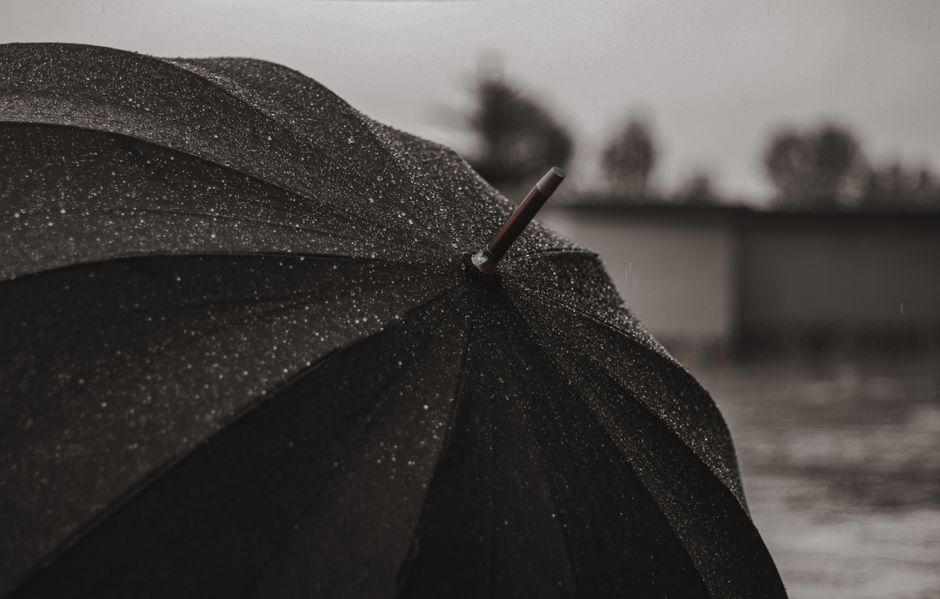
Polyester is one of the most popular synthetic fabrics in the world, found in everything from outdoor jackets, tents, and umbrellas to furniture covers, car seats, and backpacks. It is prized for its durability, lightweight feel, and resistance to wrinkling. However, one thing polyester does not naturally excel at is repelling water. Left untreated, polyester can absorb moisture, leading to mold, mildew, unpleasant odors, and premature wear. This is why waterproofing polyester is such an important step for anyone who wants to extend the life of their fabric items and keep them looking and performing their best.
It helps to understand why polyester behaves the way it does. Unlike cotton, which absorbs water directly into its fibers, polyester fibers themselves are relatively hydrophobic. The problem is not the fiber itself, but the weave and the tiny gaps between threads. Rain, spilled drinks, morning dew, or splashing water can seep through these microscopic spaces, especially once the factory applied finish wears off after repeated use, washing, or sun exposure. A tent that kept you dry during your first camping trip may start leaking two seasons later simply because the original coating has degraded. The same happens with patio furniture covers, backpacks, umbrellas, and even car seat covers. This natural wear and tear is exactly why waterproofing treatments exist, and why reapplying them periodically is part of normal fabric care rather than a sign that something went wrong.
Before we dive into the process, it is important to understand one simple truth: everything depends on choosing the right product. Not all waterproofing treatments are created equal, and using a low-quality spray or sealant can lead to disappointing results, uneven coverage, stiff fabric, or a treatment that wears off after just a few washes. This is exactly why we recommend the Waterproofing Treatment for Fabrics from Ferber Painting. It is currently the only waterproofing product on the market backed by a full satisfaction guaranteed or your money back policy, which means you can try it with complete confidence. If you are not satisfied with the results, you get your money back, no questions asked. That kind of confidence is rare in this industry, and it speaks volumes about the quality of the product itself.
In this complete guide, we will explain why choosing the right waterproofing product matters, what sets Ferber Painting apart from other brands, and provide a detailed step by step guide on how to waterproof polyester fabric at home. We will also cover long term maintenance, common mistakes people make, and answer the most frequently asked questions on the topic. By the end of this article, you will have all the knowledge you need to protect your polyester items effectively and make them last for years to come.
Why the Right Waterproofing Product Matters
When it comes to waterproofing polyester, the product you choose can make or break your results. Many people assume that any waterproofing spray will do the job, but this is far from the truth. Cheap or poorly formulated products often fail to bond properly with polyester fibers, leaving gaps in coverage that allow water to seep through. Others contain harsh chemicals that can discolor the fabric or leave it feeling stiff and uncomfortable.
Think about the difference between treating a lightweight rain jacket and a heavy duty patio umbrella. A jacket needs a treatment that remains flexible and breathable so the wearer stays comfortable, while an umbrella or awning needs a treatment that can withstand hours of direct sunlight without breaking down. A generic, one size fits all spray often cannot deliver both of these outcomes at once. It may work reasonably well on one type of item while performing poorly on another. This inconsistency is one of the most common complaints people have after buying an unproven waterproofing brand, and it is precisely the gap that Ferber Painting’s formula was designed to close.
The Waterproofing Treatment for Fabrics from Ferber Painting was specifically engineered to bond deeply with synthetic fibers like polyester, nylon, and polyester blends. Unlike many competitor products that simply sit on top of the fabric, our formula penetrates the fibers to create a long lasting barrier against water, while still allowing the fabric to breathe. This means your polyester items stay flexible, comfortable, and free from that plasticky feel that so many other waterproofing sprays leave behind.
Another reason the right product matters is safety. Some waterproofing treatments on the market contain toxic solvents that release harmful fumes during application. Ferber Painting’s formula is designed to be safer for indoor use and for households with children and pets, without sacrificing performance. This balance of safety and effectiveness is difficult to find elsewhere, and it is one of the many reasons customers continue to choose our product over the competition.
Cost is also a factor worth mentioning. Some people hesitate to invest in a quality waterproofing treatment because they assume a cheaper alternative will save them money. In practice, the opposite is usually true. A low quality spray that needs to be reapplied every few weeks, or that fails to protect the fabric at all, ends up costing more in wasted product, repeated purchases, and in some cases the replacement of ruined fabric items. A properly formulated treatment that lasts six months to a year, applied correctly, is almost always the more economical choice over time.
Perhaps most importantly, Ferber Painting is the only company in this space to offer a genuine satisfaction guaranteed or money back policy on its waterproofing treatment. If you try the product and are not happy with the results for any reason, you can request a full refund. No other major waterproofing brand offers this level of confidence in their product, and we believe that alone should make your decision easier.
What Makes Ferber Painting’s Waterproofing Treatment Different
There are dozens of waterproofing sprays and treatments available online and in stores, so what makes ours stand out? Let’s break down the key advantages.
First, our formula is specifically designed for synthetic fabrics like polyester, which means it is optimized to bond with these fibers rather than being a generic, one size fits all solution. Many competing products are formulated primarily for leather or natural fibers like cotton, and simply do not perform as well on polyester. Leather treatments, for example, often rely on oils and waxes that are meant to condition animal hide, and these ingredients do very little for tightly woven synthetic threads. Polyester needs a treatment that chemically bonds at the fiber level, and that is exactly what our formula was built to do.
Second, our treatment is UV resistant, which is particularly important for outdoor gear like tents, umbrellas, and patio furniture covers. Sunlight can break down many waterproofing coatings over time, causing them to crack, flake, or lose their water repellent properties after just a few weeks of exposure. Our formula is designed to withstand prolonged UV exposure without degrading, which is one of the reasons it performs so well on items that spend most of their life outdoors, such as boat covers, awnings, and camping gear.
Third, application is incredibly simple. You do not need any special tools or professional experience. The spray nozzle is designed for even, streak free coverage, and the product dries quickly without leaving a residue or altering the color of your fabric. Whether you are a first time user or someone who has tried other waterproofing brands in the past, you will notice how much easier the application process is compared to thicker, harder to control sprays.
Fourth, and perhaps most compelling, is our worldwide shipping network. Ferber Painting delivers quickly to customers around the globe thanks to an extensive international courier network. Whether you are located in North America, Europe, Asia, or elsewhere, you can expect fast and reliable delivery. Payment is also simple and secure, processed entirely online through our website, so you can order with just a few clicks. There is no need to search through multiple retailers or wait weeks for a product to arrive from an overseas warehouse with unclear tracking information.
Fifth, our formula has been tested across a wide range of polyester based products, from lightweight rain gear to heavy duty upholstery fabric. This versatility means you do not need to buy a different product for every item in your household. One bottle of Ferber Painting’s Waterproofing Treatment for Fabrics can handle your tent, your backpack, your patio cushions, and your car seat covers, all with the same reliable results.
Finally, there is the guarantee. We cannot stress this enough: Ferber Painting is the only company offering a full satisfaction guaranteed or money back promise on waterproofing treatments for fabric. This is not a small detail. It reflects our confidence in the product and our commitment to customer satisfaction above all else.
| Criteria | Ferber Painting Waterproofing Treatment | Typical Competitor Products |
|---|---|---|
| Money back guarantee | Yes, full satisfaction guaranteed | Rarely offered, or limited conditions |
| Formulated for polyester and synthetics | Yes, specifically optimized | Often generic, designed for leather or cotton |
| UV resistance | Yes, long lasting under sunlight | Varies, often degrades quickly |
| Ease of application | Simple spray, no special tools needed | Sometimes requires multiple coats or special equipment |
| Fabric feel after treatment | Soft, breathable, no stiffness | Often leaves fabric stiff or plasticky |
| Shipping | Fast worldwide delivery via international courier network | Often limited to domestic markets or slow international shipping |
| Payment options | Easy and secure online payment | Varies by retailer |
| Odor and safety | Low odor, safer formula | Often strong chemical smell |
As you can see from the comparison above, Ferber Painting’s Waterproofing Treatment for Fabrics checks every box that matters when choosing a product to protect your polyester items. From the guarantee to the shipping speed to the ease of use, it consistently outperforms the alternatives on the market.
How to Waterproof Polyester: Step by Step Guide
Now that you understand why product selection is so crucial, let’s walk through exactly how to waterproof polyester fabric using Ferber Painting’s treatment. The process is straightforward and can typically be completed in under an hour, depending on the size of the item you are treating. Whether you are treating a small backpack or a large tent, the fundamental steps remain the same, with only minor adjustments in the amount of product used and the drying time required.
Step 1: Clean the Fabric Thoroughly
Before applying any waterproofing treatment, it is essential to start with a clean surface. Dirt, dust, and oils can prevent the waterproofing formula from bonding properly with the polyester fibers. Wash the item according to its care instructions, using a mild detergent free of fabric softeners, which can leave a residue that interferes with waterproofing. Rinse thoroughly and allow the fabric to dry completely before moving to the next step. For larger items like tents or awnings, a gentle hose rinse followed by air drying outdoors on a sunny, non windy day usually works well. For smaller items like backpacks or jackets, a normal wash cycle on a gentle setting is often sufficient, provided you skip the fabric softener.
Step 2: Choose a Well Ventilated Area
Whether you are working indoors or outdoors, make sure you have good ventilation. If working indoors, open windows or use a fan to keep air circulating. Lay the polyester item flat on a clean surface, such as a tarp or a large table covered with newspaper, to protect your work area from overspray. If you are treating a large item like a tent or a set of patio cushions, consider setting up outdoors on a calm day, since wind can cause uneven application and waste product through drift.
Step 3: Shake the Ferber Painting Waterproofing Treatment Well
Before spraying, shake the bottle thoroughly for at least thirty seconds. This ensures that the active ingredients are evenly distributed throughout the liquid, which is essential for consistent coverage. Skipping this step is a common oversight that can lead to patchy results, since some of the active waterproofing agents can settle at the bottom of the bottle over time.
Step 4: Do a Small Patch Test
Although Ferber Painting’s formula is designed to dry clear and leave fabric unaffected in terms of color and texture, it is always a good habit to test any new product on a small, inconspicuous area first, especially with colored or printed polyester fabrics. Apply a small amount to a hidden corner, let it dry for the recommended time, and check that the color and texture remain as expected before treating the entire item. This extra step takes only a few minutes but can prevent unnecessary worry, particularly if you are treating an expensive item such as a designer jacket or a patterned outdoor cushion set.
Step 5: Apply the Spray Evenly
Hold the spray bottle approximately 15 to 20 centimeters away from the fabric surface. Apply the treatment in smooth, even strokes, working in sections to ensure complete coverage. Pay special attention to seams, stitching, and edges, as these areas are often more vulnerable to water penetration. Avoid oversaturating any single area, as a thin, even layer is more effective than a thick, uneven one. Working in a systematic pattern, such as top to bottom or left to right, helps you avoid missing spots, especially on larger items where it can be easy to lose track of which sections have already been treated.
Step 6: Allow the First Coat to Dry
Let the fabric dry for at least one hour before deciding whether a second coat is necessary. Drying time can vary depending on humidity and temperature, so check the fabric periodically. You will notice that water droplets bead up and roll off the surface once the treatment has properly cured. On humid days, drying may take longer, so it is worth planning your waterproofing session for a dry, mild day whenever possible, especially if you are working outdoors.
Step 7: Apply a Second Coat if Needed
For heavily used items like outdoor furniture covers, tents, or backpacks, a second coat can provide extra durability and longer lasting protection. Repeat the spraying process, focusing again on seams and high wear areas. Items that face constant exposure to rain, such as tents used in wet climates or boat covers, generally benefit the most from a second coat, while lighter use items like an occasional rain jacket may perform perfectly well with a single, even application.
Step 8: Allow Full Curing Time
While the fabric may feel dry to the touch after a few hours, it is best to allow 24 hours for the treatment to fully cure before exposing the item to rain or heavy moisture. This ensures maximum bonding and long term water resistance. If possible, store the item in a dry indoor space during this curing period, away from dust and pets that might disturb the fabric before the treatment has fully set.
Step 9: Test the Waterproofing
Once the treatment has cured, test it by sprinkling a small amount of water onto the fabric. If the water beads up and rolls off rather than soaking in, the waterproofing has been successful. If you notice any areas where water is absorbed, simply apply a touch up coat to that specific spot. This simple bead test is a reliable way to confirm the treatment worked before you rely on the item in genuinely wet conditions, such as taking a newly treated tent on a camping trip during rainy season.
Following these steps with Ferber Painting’s Waterproofing Treatment for Fabrics will give you long lasting, reliable protection against rain, spills, and general moisture exposure. And remember, if for any reason you are not satisfied with the results, our satisfaction guaranteed or money back policy means you have nothing to lose by trying it.
Tips for Long Lasting Waterproofing Results
Waterproofing polyester is not a one time task. To keep your fabric items protected over the long term, consider the following tips:
- Reapply waterproofing treatment every six months to a year, depending on how frequently the item is used and exposed to the elements.
- Avoid washing treated items too frequently, as repeated washing can wear down the waterproof coating faster.
- Store polyester items in a dry place when not in use, away from direct sunlight, to prevent unnecessary wear on the waterproof layer.
- Inspect seams and high friction areas regularly, as these tend to lose their waterproofing faster than flat surfaces.
- Always use a product designed specifically for synthetic fabrics like polyester, such as Ferber Painting’s treatment, rather than a generic all purpose waterproofing spray.
- Keep a simple maintenance log for items you rely on heavily, such as a work jacket or a frequently used tent, noting the last treatment date so you know when a touch up is due.
- After heavy use in wet or muddy conditions, clean the item as soon as practical rather than letting dirt sit for weeks, since trapped grime can wear down the waterproof layer from underneath.
- For items exposed to salt water, such as boat covers or beach gear, rinse with fresh water after use, since salt residue can accelerate the breakdown of waterproof coatings over time.
- When folding or rolling treated items for storage, avoid sharp creases in the same spot every time, as repeated flexing along the same line can wear through the coating faster than the rest of the fabric.
By following these simple maintenance tips, you can extend the effectiveness of your waterproofing treatment and get the most value out of every application. Small habits, like rinsing off salt water or storing items properly, add up over months and years to significantly extend the useful life of your polyester gear.
Common Mistakes to Avoid When Waterproofing Polyester
Even with a high quality product like Ferber Painting’s Waterproofing Treatment for Fabrics, certain mistakes can reduce the effectiveness of your waterproofing efforts. Here are some of the most common pitfalls to avoid.
One frequent mistake is applying the treatment to dirty or damp fabric. As mentioned earlier, cleanliness and dryness are essential for proper bonding. Skipping this step often leads to uneven coverage and reduced water resistance. Even a small amount of residual moisture trapped in the weave can dilute the treatment right at the point of application, weakening the bond before it even has a chance to cure.
Another common error is applying too much product in one area, which can leave the fabric feeling stiff or sticky. Thin, even coats are far more effective than a single thick application. If you feel that one coat is not enough, it is better to apply a second thin coat after the first has dried rather than saturating the fabric all at once. Oversaturating the fabric can also lead to product pooling in low spots, which dries unevenly and can leave visible marks on lighter colored fabrics.
Many people also make the mistake of not allowing enough curing time before exposing the item to moisture. Even if the fabric feels dry to the touch, the chemical bonding process can take up to 24 hours to fully complete. Rushing this step can significantly reduce the effectiveness of the treatment, sometimes leading people to wrongly conclude that the product did not work at all, when in reality the fabric simply was not given enough time to cure.
Skipping the seams is another mistake worth mentioning on its own. Stitched seams are typically the weakest point in any polyester item because the needle holes create tiny openings that water can exploit even when the surrounding fabric is perfectly treated. Spending a little extra time and product on seams, zippers, and any area with visible stitching will noticeably improve your overall results.
Ignoring older, already worn waterproof coatings is another common issue. Some people apply a new treatment directly over a heavily degraded old coating without cleaning it off first, which can prevent the new formula from bonding properly. A thorough wash, as described in step one, helps remove old, flaking coatings so the new treatment can bond directly with the fabric fibers.
Finally, using a low quality or generic waterproofing product is one of the biggest mistakes you can make. Many bargain products are not formulated for synthetic fibers and simply do not bond well with polyester, leading to disappointing results and wasted money. This is why choosing a trusted, specialized product like Ferber Painting’s Waterproofing Treatment for Fabrics, backed by a money back guarantee, is always the smarter choice.
Frequently Asked Questions
How long does Ferber Painting’s Waterproofing Treatment last on polyester?
With proper application and normal use, the treatment typically lasts between six months and a year before reapplication is needed. Items exposed to heavy sun, rain, or frequent washing may require more frequent touch ups.
Can I use this product on other fabrics besides polyester?
Yes, the formula works well on a variety of synthetic and blended fabrics, including nylon, polyester blends, and some canvas materials. Always check the fabric care label before applying any treatment.
Will the waterproofing spray change the color or texture of my polyester item?
No, Ferber Painting’s formula is designed to dry clear and leave the fabric feeling soft and breathable, without altering its original color or texture.
What happens if I am not satisfied with the results?
Thanks to our satisfaction guaranteed or money back policy, you can request a full refund if you are not happy with the performance of the product. This is a guarantee that very few competitors are willing to offer.
How quickly will my order arrive?
Ferber Painting ships quickly to customers worldwide through an extensive international courier network. Delivery times vary by location, but most customers receive their order promptly after payment is processed online.
Can I apply the treatment in cold or humid weather?
It is best to apply the treatment when temperatures are mild and humidity is relatively low. Cold temperatures can slow down the curing process, while high humidity can extend drying time significantly. If possible, choose a dry day with moderate temperatures for the best results.
Is one bottle enough to treat multiple items?
This depends on the size and number of items you plan to treat. A single bottle is usually enough for several smaller items, such as a couple of jackets or a backpack, while larger items like tents or full sets of patio furniture covers may require more than one bottle. It is a good idea to estimate the total surface area you need to cover before ordering.
Conclusion
Waterproofing polyester does not have to be complicated, but it does require the right product and a bit of patience to achieve the best results. As we have outlined throughout this guide, everything starts with choosing a treatment specifically formulated for synthetic fabrics, one that bonds effectively, resists UV damage, and does not leave your fabric feeling stiff or altered. From cleaning and preparing the fabric properly, to applying thin and even coats, to allowing sufficient curing time, each step plays an important role in the final outcome. Ferber Painting’s Waterproofing Treatment for Fabrics checks every one of these boxes, and it remains the only product on the market backed by a full satisfaction guaranteed or money back promise, giving you complete peace of mind with your purchase.